Photo credit: Rocke Guns/GunBroker
Collector guns are funny that way. A brand-new shine can look impressive, but it can also erase the exact evidence serious buyers want to see. Honest holster wear, softened bluing, a little thinning on sharp edges, and that “been there” look can tell a cleaner story than a refinished gun ever will. Patina isn’t rust, neglect, or damage. It’s original finish aging the way it does when a firearm lived a real life and wasn’t messed with later.
The key word is original. A collector market usually rewards guns that are as close to “as they were” as possible—matching parts, correct markings, correct finish, and no modern touch-ups trying to turn time back. If you want maximum value, you’re usually better off leaving honest wear alone and focusing on authenticity. These are collector guns that often hold stronger value with a little patina than they do after someone tries to make them look new again.
Colt Single Action Army
A Colt Single Action Army with honest edge wear often looks more believable than one that’s been polished into a mirror. Collectors know these revolvers rode in holsters, bounced in saddle scabbards, and spent time in places where bluing thins naturally. That gentle wear can help confirm the gun hasn’t been refinished, and that matters more than most first-time buyers realize.
The trap is thinking you’re “helping” by cleaning it up. Over-polishing, aggressive scrubbing, or any kind of refinish usually knocks value down because it erases clues that serious Colt buyers study hard. Patina on a correct SAA can be a sign of originality, and originality is often the big driver. If the gun is mechanically sound and the markings are clean, that honest wear can make it more desirable, not less.
Winchester Model 1873
The Winchester 1873 is one of those rifles where a little honest aging can make the whole package feel right. A rifle that’s a century-plus old and still looks factory-new often raises questions unless there’s a very clear story behind it. Meanwhile, a correct ’73 with softened edges, worn blue, and a walnut stock that shows real handling can look like what it is: a rifle that lived through the years without being “restored” to death.
Collectors pay attention to whether the finish is original, whether the screws look messed with, and whether the metal has that natural, even wear pattern instead of a modern polish job. Patina can help the rifle read as authentic. It’s also forgiving in the sense that honest wear doesn’t automatically hurt the value the way a refinish usually does. With ’73s, untouched often wins.
Winchester Model 1894 pre-64
A pre-64 Model 1894 is a classic working rifle, and a lot of them earned their wear the hard way—deer seasons, truck racks, and daily carry in real country. That kind of honest handling shows up as thinning blue on the receiver edges, carry wear on the barrel, and stock marks that look like life, not abuse. In the collector world, that sort of patina can be a plus because it often signals originality.
What hurts value isn’t wear so much as tampering. Rebluing, sanded stocks, shiny “restoration,” and replaced parts tend to drop desirability fast. A clean, honest pre-64 with natural wear patterns often sells better than a gun that looks “new” because someone tried to make it new again. If the rifle still has crisp markings and hasn’t been altered, that little patina can read as proof it wasn’t messed with.
M1 Garand
With an M1 Garand, collectors tend to trust honest finish wear more than a rifle that looks suspiciously fresh. These rifles were carried, trained with, and handled hard, and the parkerizing and metal edges usually show it. A little thinning on high spots and light wear on the receiver and op rod can look exactly like what you’d expect from a real service rifle that wasn’t polished up later.
The value jump usually comes from originality and correctness: the right parts for the era, the right markings, and a rifle that hasn’t been heavily modified or refinished. When a Garand is refinished, it can lose that “as-issued” feel that serious buyers want. Patina, in this case, can be a reassurance that you’re looking at a rifle that hasn’t been scrubbed into something it never was. A Garand that looks honest often sells more confidently.
M1 Carbine
An M1 Carbine with some finish wear often looks more believable than one that’s been dressed up to look pristine. These rifles were carried a lot, banged around, and often went through rebuild programs, which means the story is usually complicated. Honest wear can help support that story. A little thinning on the high points and normal handling marks can look correct for a rifle that actually lived the life people claim it did.
Where value gets hurt is when someone tries to “improve” it. Refinished metal, heavily sanded wood, and mismatched parts presented as matching can turn a buyer off fast. A carbine with original-looking wear, clear markings, and a correct overall feel often beats a too-perfect example that raises doubts. With these rifles, credibility matters. Patina can be part of that credibility, especially when it matches the rifle’s overall condition and doesn’t look forced.
Luger P08
A Luger P08 is one of those pistols where patina can help tell you what you’re holding. Original finish Lugers often show holster wear on the edges and high spots, and that’s not a bad thing. In fact, that kind of wear can support originality, especially when the markings are crisp and the overall finish looks consistent with age. A “perfect” Luger that isn’t backed by a clear, believable history can make collectors cautious.
Refinishing usually hurts Lugers because it softens proofs, changes the look of the metal, and removes the subtle aging that serious buyers use as a checklist. A little honest thinning of blue, some edge wear, and normal handling marks can actually make the gun more desirable than a shiny redo. With Lugers, you’re often paying for authenticity and condition together, not fake-new cosmetics.
Mauser C96 Broomhandle
The C96 often looks its best when it looks real. These pistols have a distinct profile and a lot of early-auto history behind them, and many were carried and used in ways that naturally show on the finish. A little wear on the sharp edges and a softened, even patina can make the gun feel like an authentic survivor rather than a modern restoration project.
Collectors tend to be wary of heavy refinishing because it can blur markings and erase the texture of age that’s expected on a pistol like this. A C96 that’s too shiny can look wrong, even if it’s mechanically fine. The value is usually tied to originality, matching components where applicable, correct configuration, and honest condition. A little patina can help the pistol look consistent with its age and history. That consistency often sells better than “cleaned up” perfection.
Smith & Wesson Model 27
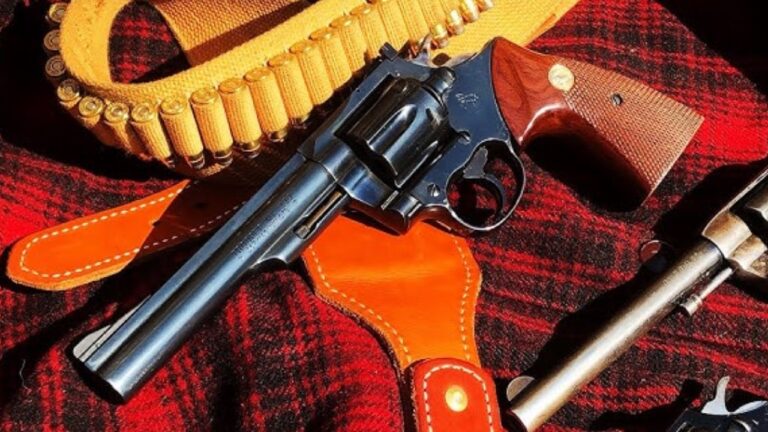
A Model 27 has plenty of prestige on its own, but collectors often appreciate one that shows honest holster wear without showing abuse. A little thinning at the muzzle and cylinder edges can be a good sign that the gun wasn’t refinished, and with older Smiths, original finish matters a lot. The deep bluing and sharp details are part of the appeal, and those details can get softened fast by polishing.
The important distinction is between patina and damage. Light wear that matches the revolver’s overall condition can be attractive. Rust pitting, heavy corrosion, or mechanical neglect is another story. But when the gun is clean, tight, and correct, that subtle wear can read as honest service rather than “collector safe queen” handling. Many buyers would rather own a real, original Model 27 with character than a revolver that looks new because someone tried to make it look new.
Colt Detective Special
The Colt Detective Special is a carry revolver, and it often wears like one. Light edge wear, softened bluing, and honest handling marks are normal on a gun that spent years riding in a holster. That kind of patina can actually help value because it supports the idea that the finish is original and the gun wasn’t buffed and redone. For Colts, originality tends to matter a lot more than people think when they’re new to collecting.
What hurts the Detective Special is the same thing that hurts most collectible carry guns: refinishing and heavy polishing. Those changes can blur markings and remove the crisp look collectors want. A Detective Special that’s mechanically solid, correct in configuration, and wearing its age naturally often attracts stronger interest than a shiny example that looks “too clean.” With these, a little honest wear can be part of what makes the gun feel right.
Like The Avid Outdoorsman’s content? Subscribe to our newsletter so you never miss an article.
Here’s more from us: