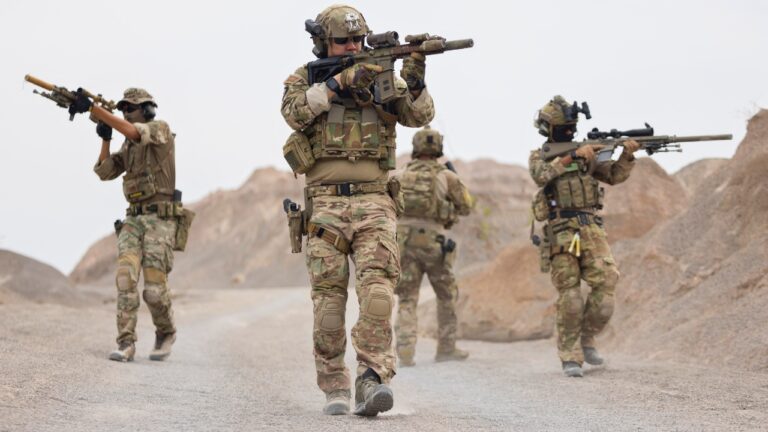
Photo credit: Daniel Defense
Daniel Defense did not become a serious AR name by being the cheapest rifle on the rack. It went the other direction. The company built its reputation on rails, barrels, hard-use parts, tight manufacturing, and complete rifles that felt like they were made for buyers who already knew what they wanted.
That is why AR buyers took the brand seriously. Daniel Defense gave people rifles and components that looked clean, held up well, and had enough military and professional credibility to stand out in a crowded market. The brand is not for every buyer, and plenty of people will argue about price. But Daniel Defense earned its place because it built guns that made serious AR owners pay attention.
Daniel Defense Started With Parts Before Selling Complete Rifles
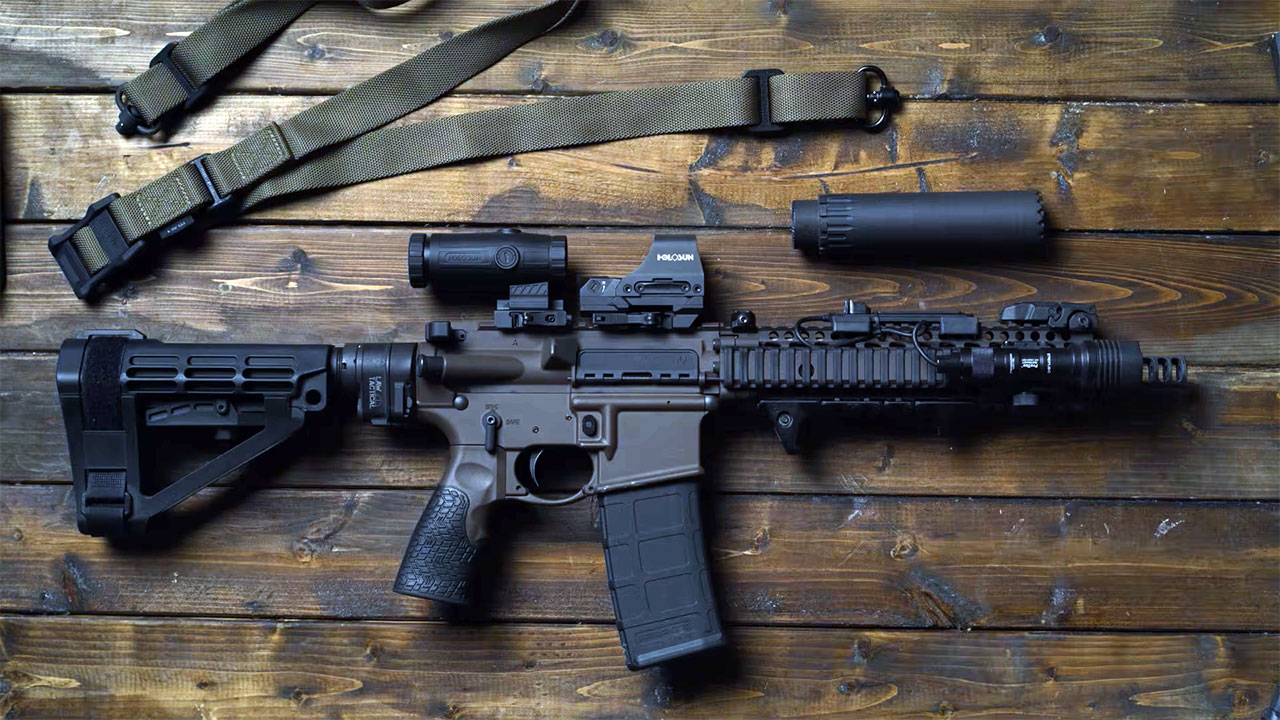
One smart thing Daniel Defense did was build credibility with components before trying to sell complete rifles. The company’s early reputation came from rails, sling loops, and AR parts. That matters because AR buyers are picky. A brand that proves itself through parts has to win over people who are already building, upgrading, and comparing components instead of simply buying whatever looks good at the gun counter.
That background gave Daniel Defense a different kind of legitimacy. It was not some company that appeared overnight with a complete rifle and a marketing budget. It built a name in the parts world first, then moved into full firearms later. Daniel Defense’s own history says the original DDM4 rifle was introduced in 2009, after the company had already become known for rail systems and government contracts.
The RIS II Contract Put Daniel Defense on the Map
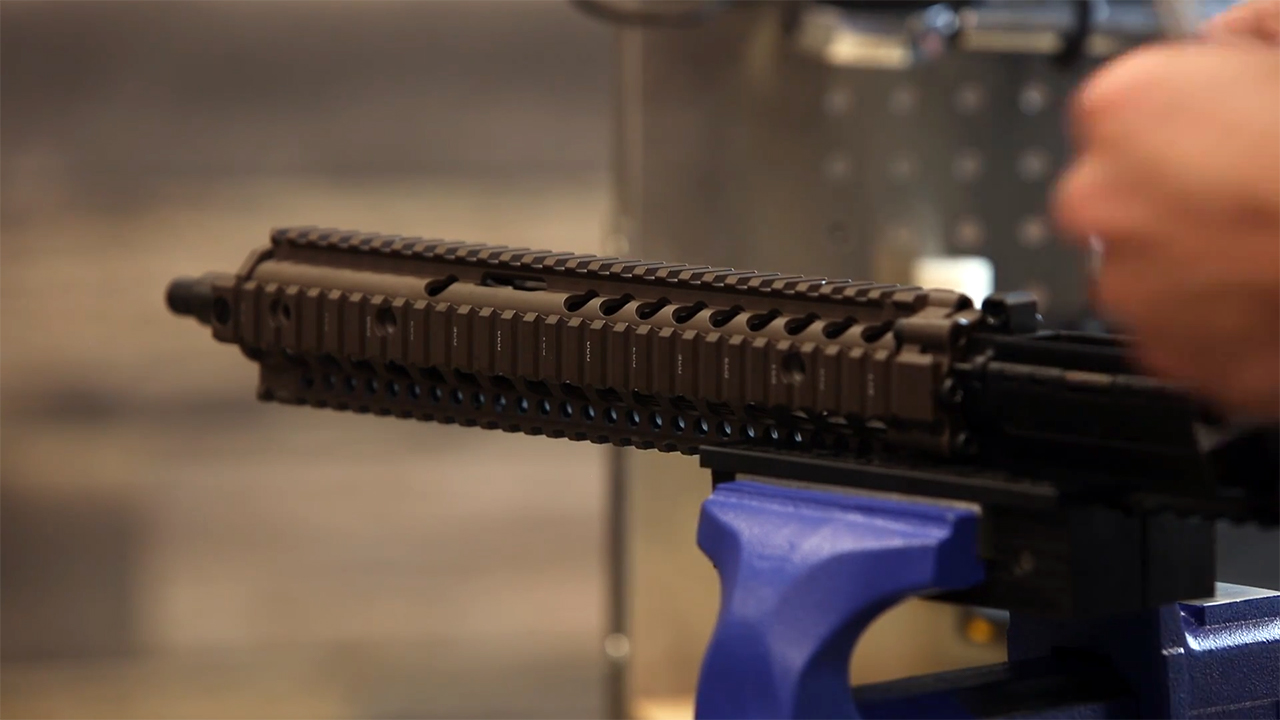
The RIS II is one of the biggest reasons serious AR buyers started taking Daniel Defense seriously. Daniel Defense was awarded the SOCOM contract for the RIS II in 2005, and the company says it delivered the first RIS II forends to SOCOM in 2006. That is the kind of detail that changes how buyers see a brand. It is one thing to say a rail is tough. It is another thing to have it tied to a serious military program.
That contract gave Daniel Defense credibility with people who care about hard-use gear. Civilian AR buyers may not need the same setup as special operations units, but they notice what survives that level of testing and adoption. The RIS II became a signature part of the Daniel Defense story because it was not built around looks alone. It was built around strength, repeatability, and function on real rifles.
Daniel Defense Made Rails That Felt Bombproof
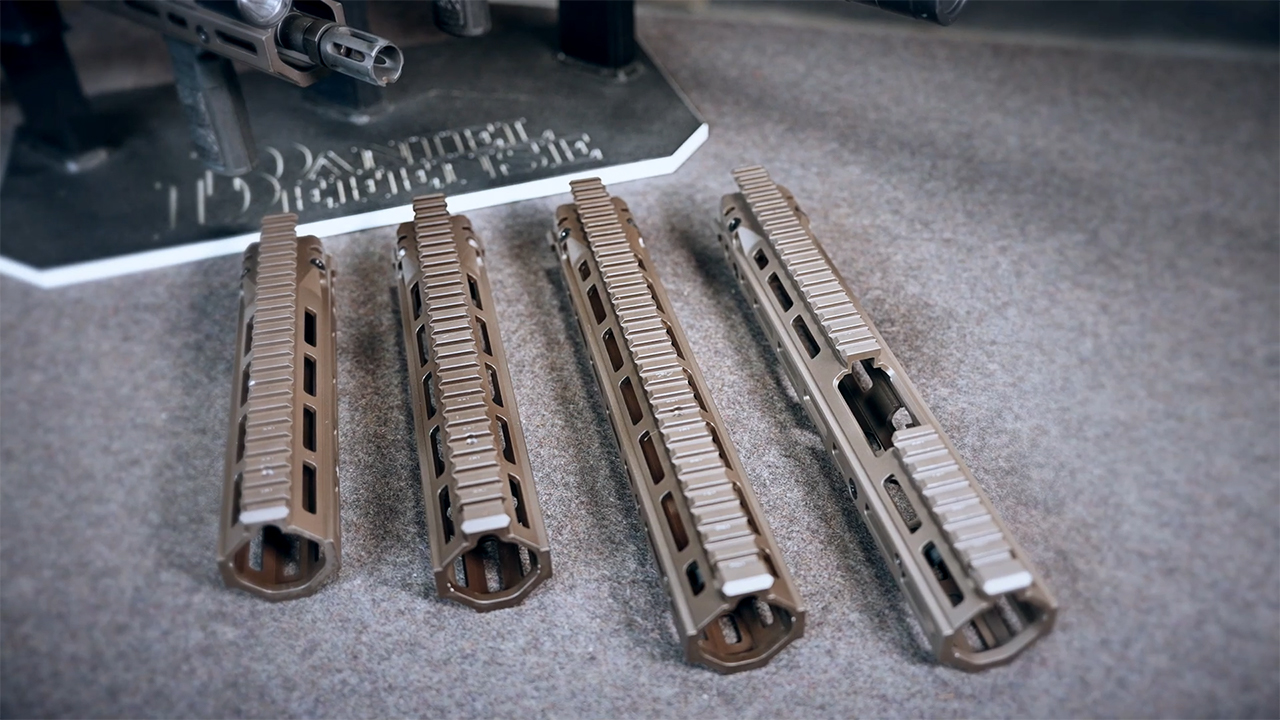
Before slim M-LOK handguards became the default look, Daniel Defense rails had a reputation for being rugged. The old quad-rail era was heavy, sharp, and not always comfortable, but serious shooters liked gear that held zero, stayed locked up, and could take abuse. Daniel Defense made rails that fit that lane well. They were not always the lightest choice, but they felt like they belonged on rifles meant to work.
That mattered because AR buyers notice weak handguards fast. A rail that shifts, loosens, bends, or makes accessory mounting awkward gets blamed immediately. Daniel Defense built trust by making rails people could actually depend on. Lights, lasers, vertical grips, sling mounts, and optics-related accessories need a stable platform. Daniel Defense understood that the handguard was not decoration. It was part of the rifle’s working system.
The MK18 Gave Daniel Defense Serious Short-Barrel Credibility

The Daniel Defense MK18 became one of the company’s most recognizable rifles because it connected the brand to the short-barreled AR world in a serious way. A 10.3-inch 5.56 rifle is not a casual setup. It needs the right gas system, durable parts, and enough attention to detail to stay reliable despite the shorter barrel and harsher operating conditions. That made the MK18 a natural credibility builder for Daniel Defense.
The MK18 also gave civilian buyers a rifle with a very clear identity. It was compact, proven-looking, and tied to a style of AR that serious shooters already respected. Daniel Defense currently offers compact 10.3-inch DDM4 variants with cold hammer forged barrels, M-LOK rails, and parts aimed at reliability and fast handling. That short-barrel confidence helped the brand feel more serious than companies only building basic 16-inch carbines.
Daniel Defense Took Cold Hammer Forged Barrels Seriously
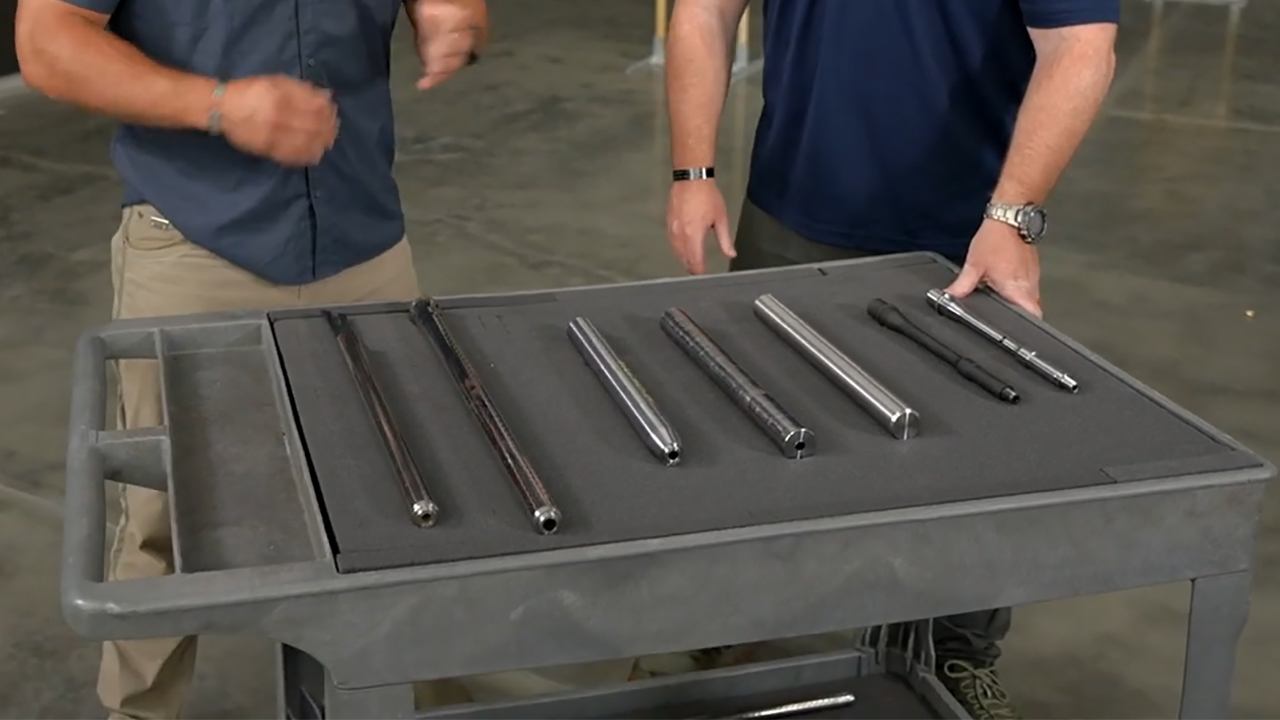
Daniel Defense made barrels a major part of its reputation. The company invested in cold hammer forging, and its DDM4 V7 uses a 16-inch cold hammer forged chrome-moly vanadium barrel with chrome lining and HP/MPI testing. That combination matters to AR buyers who care about durability, long service life, and consistent performance instead of only chasing the lowest possible price.
Barrels are one of the places where serious buyers stop skimming and start paying attention. A rifle can have good furniture, slick controls, and a nice finish, but if the barrel is mediocre, the whole gun is limited. Daniel Defense helped build its name by making barrels feel like one of the reasons to buy the rifle, not an afterthought. That gave buyers confidence that the money was going into the parts that mattered.
The DDM4 Line Gave Buyers a Complete Rifle They Could Trust
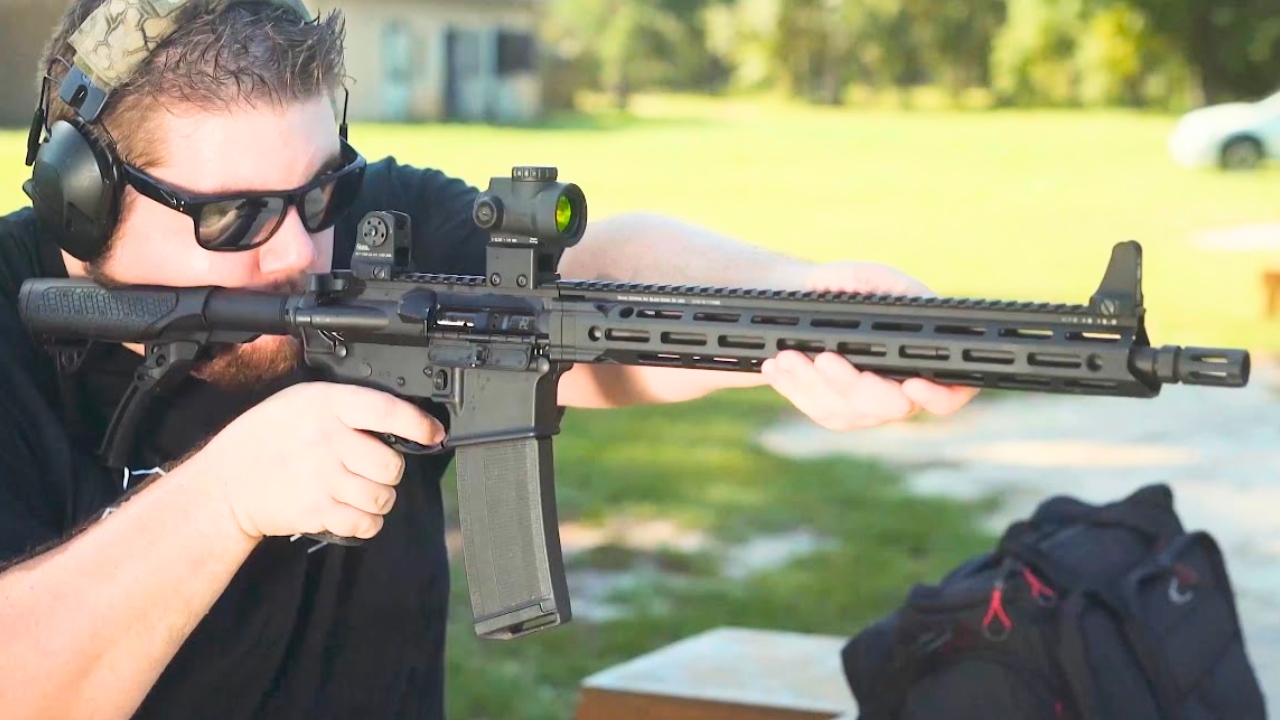
Daniel Defense’s DDM4 line helped the company move from respected parts maker to serious rifle maker. The first DDM4 firearm arrived in 2009, and that shift mattered because building a complete AR is different from selling good components. A complete rifle has to work as a whole. Gas system, barrel, bolt carrier group, rail, receiver fit, stock, buffer system, and quality control all have to come together.
That is where Daniel Defense started gaining ground with buyers who did not want to assemble a rifle piece by piece. Some AR owners love building. Others want to buy once and start training. The DDM4 line gave those buyers a clean answer. It was not the cheapest path, but it felt like a safer choice for someone who wanted a factory rifle with serious parts already installed.
The DDM4 V7 Became a Modern Default Recommendation
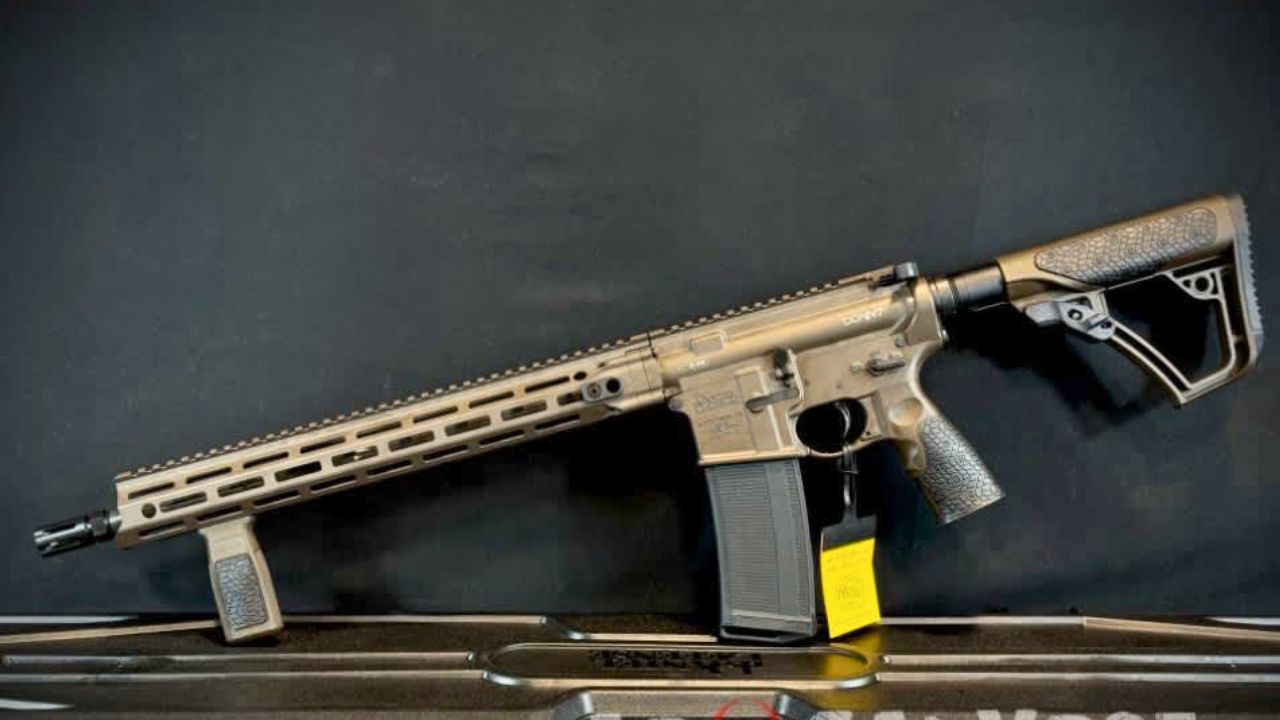
The DDM4 V7 became one of Daniel Defense’s best-known rifles because it hit the modern general-purpose AR lane well. A 16-inch cold hammer forged barrel, mid-length gas system, free-float M-LOK handguard, and quality receivers made it easy to understand. It was not some oddball rifle built around one narrow use. It was the kind of AR a buyer could use for training, range work, home defense planning, classes, and general ownership.
That kind of rifle matters because most buyers do not need a weird setup. They need a dependable 5.56 rifle that comes from the factory with the important decisions already made. Daniel Defense describes the DDM4 V7 as using a 16-inch barrel, mid-length gas system, M-LOK handguard, and chrome-lined cold hammer forged construction. Those are exactly the kinds of details experienced buyers want to see in a serious general-purpose AR.
Daniel Defense Made Mid-Length Gas Feel Like the Right Move
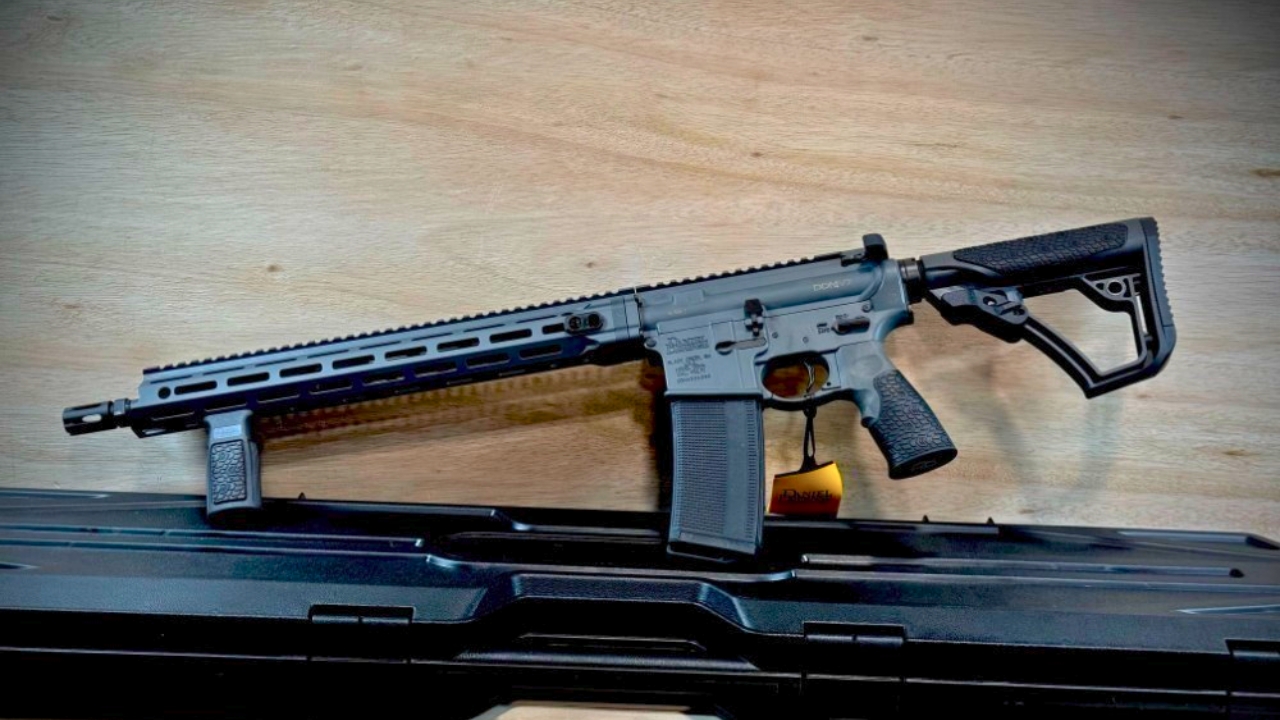
Mid-length gas systems became popular because they tend to smooth out the feel of a 16-inch AR compared with a carbine-length setup. Daniel Defense leaned into that with rifles like the DDM4 V7. That helped buyers see the brand as one that paid attention to how rifles actually shoot, not only how they look. A smoother cycling rifle can be easier to control, easier on parts, and more pleasant during long range days.
This is a small detail, but serious AR buyers care about small details. Gas system length, buffer weight, port sizing, and recoil impulse all matter when a rifle gets shot hard. Daniel Defense’s use of mid-length gas on popular 16-inch rifles helped make the guns feel refined without turning them into fragile range toys. That balance made the rifles easier to recommend.
Daniel Defense Built a Premium Identity Without Going Full Custom
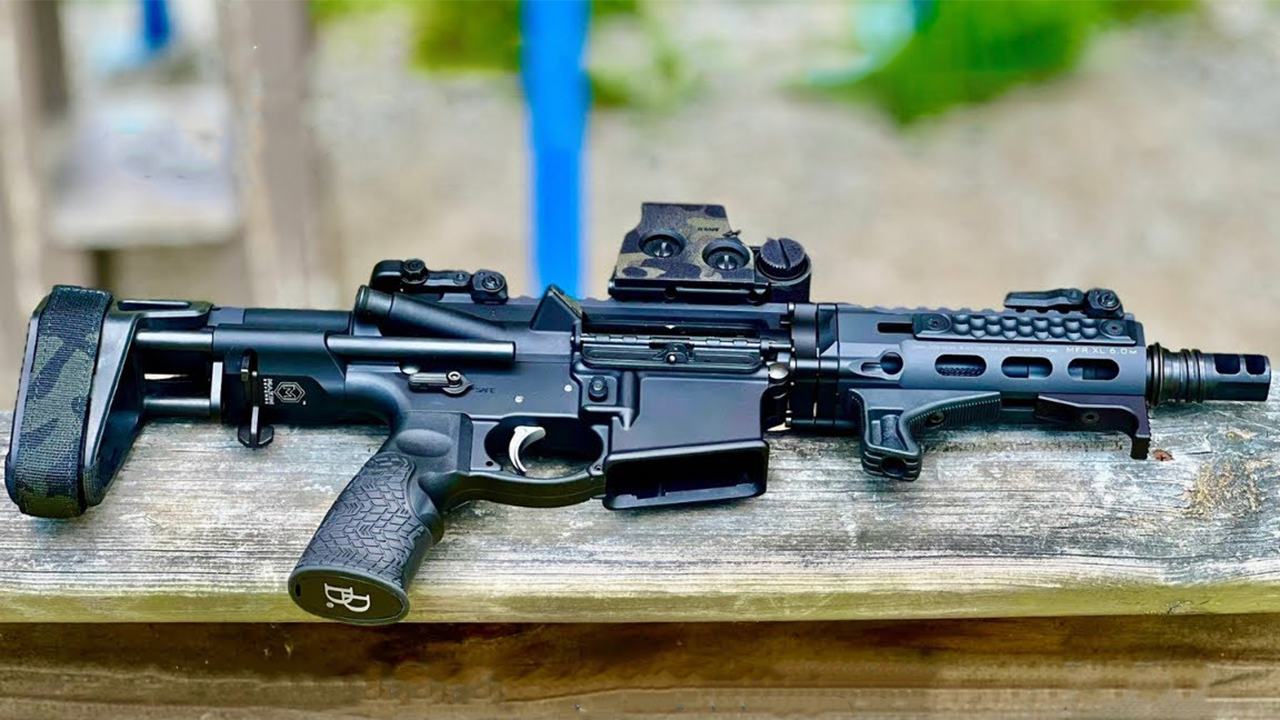
There is a big gap between a budget AR and a full custom rifle. Daniel Defense found a profitable and respected place right in that middle-to-upper lane. Its rifles cost more than entry-level options, but they are still factory guns with broad availability, support, and consistent configurations. That made the brand appealing to buyers who wanted better parts without diving into custom build decisions.
That lane is important. Not every serious AR buyer wants to spend months choosing every spring, pin, barrel, gas block, rail, and receiver. Some want a factory rifle that feels like the choices were already made by people who know what they are doing. Daniel Defense gave buyers that. The brand became a premium factory option instead of a boutique mystery, and that made it easier for regular shooters to trust.
Daniel Defense Made Its Furniture Part of the Brand
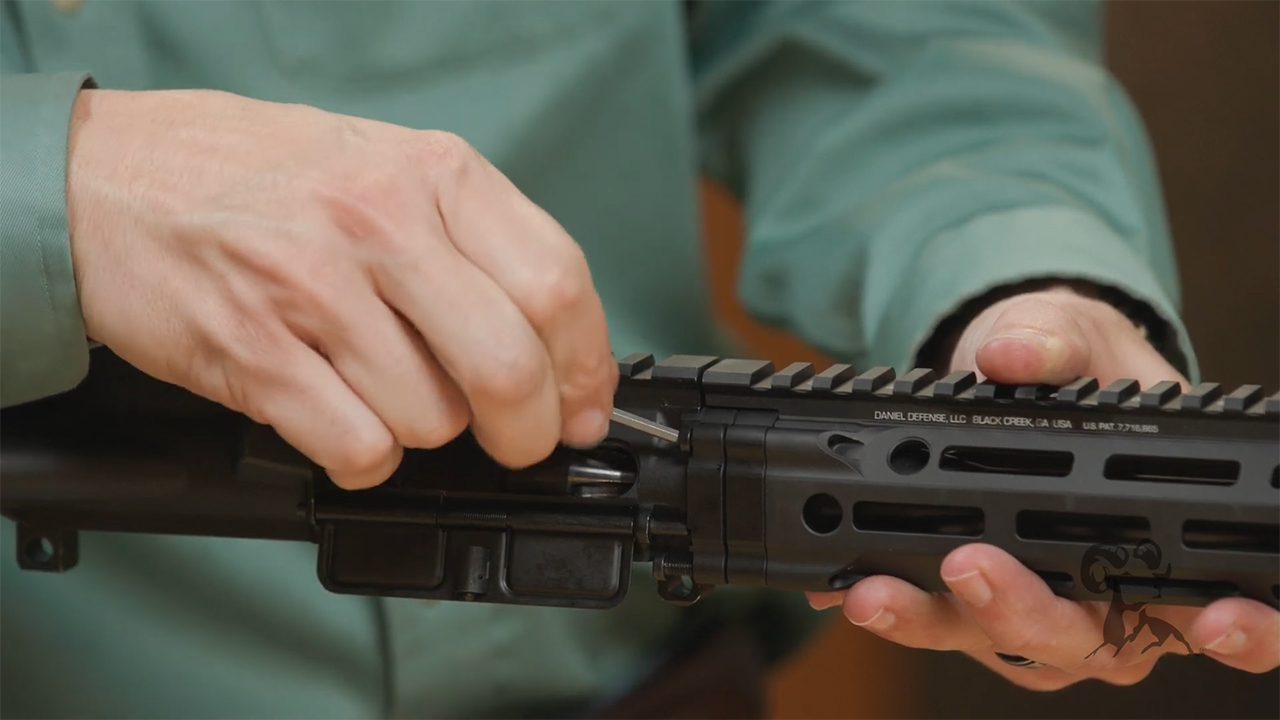
Daniel Defense furniture is easy to recognize. The stock, grip, and rail covers have a specific look and feel that set the rifles apart. Not everyone loves it, and some buyers swap furniture immediately, but it helped give Daniel Defense rifles a clear identity. In a world where many ARs look almost identical from across the room, that matters more than people admit.
The furniture also told buyers that Daniel Defense was thinking about the whole rifle instead of only the receiver and barrel. A good stock and grip will not make a bad rifle good, but they do affect how the gun handles. Daniel Defense turned those details into part of the package. Some shooters like the soft-touch feel, some do not, but nobody confuses it with generic parts-bin furniture.
Daniel Defense Kept Manufacturing Control Close

Daniel Defense earned respect by making many critical parts in-house and by investing in manufacturing instead of only assembling rifles from other people’s components. The company has emphasized American manufacturing and has specifically highlighted its cold hammer forging capability for barrels. That kind of control matters because AR buyers know two rifles can look similar while being very different under the surface.
In-house manufacturing does not automatically make every product perfect, but it gives the company more control over quality, consistency, and supply. Serious buyers care about that. They want to know the barrel, rail, receivers, and small parts are not random leftovers from whoever offered the cheapest batch that month. Daniel Defense built trust by looking less like an assembler and more like a true manufacturer.
Daniel Defense Proved It Could Grow Without Losing Its Core Rifle Identity

A lot of gun companies lose their way when they grow. Daniel Defense expanded from accessories into rifles, then into more models, more configurations, and more markets. But the company kept its core identity tied to ARs, rails, barrels, and hard-use rifles. That helped buyers keep a clear sense of what the brand meant.
That clarity matters in the AR world. Some companies try to chase every category at once and end up feeling scattered. Daniel Defense stayed closely tied to the platform that made it famous. Even when it experimented with other products and calibers, buyers still knew the company primarily as an AR maker. That focus helped protect the brand’s reputation because it kept Daniel Defense from feeling like it was wandering away from its strongest lane.
Daniel Defense Understood That Serious Buyers Want Proven Configurations
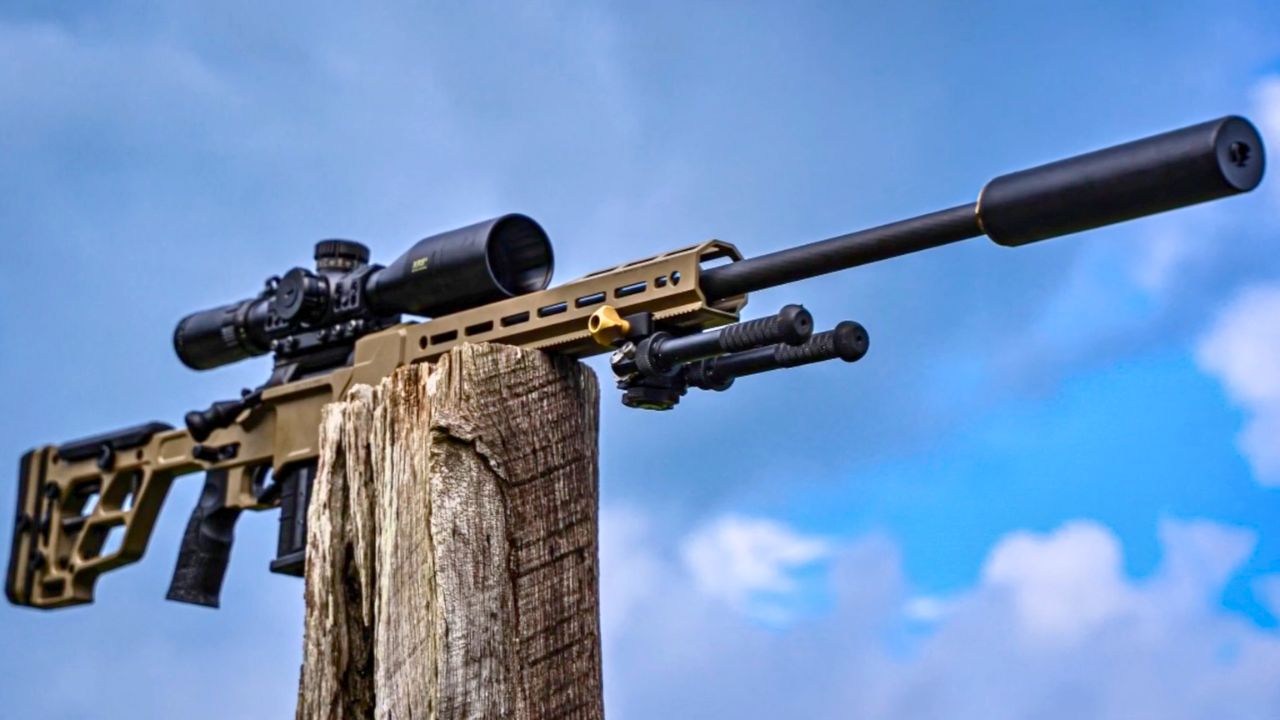
One thing Daniel Defense did well was avoid making its main rifles feel gimmicky. The popular models usually use features that make sense: quality barrels, free-float rails, common chamberings, useful gas systems, strong furniture, good fit, and recognizable layouts. That sounds simple, but the AR market is full of rifles that try too hard to look different. Daniel Defense mostly built rifles that looked like they were meant to be used.
That made the brand easier to take seriously. Buyers spending Daniel Defense money usually do not want a cartoon rifle. They want something clean, durable, and proven enough to justify the cost. The company’s best-known rifles worked because they were not overloaded with weird features. They were premium versions of familiar AR ideas, and that is exactly what many buyers wanted.
Daniel Defense Made Buyers Feel Like They Were Buying Confidence
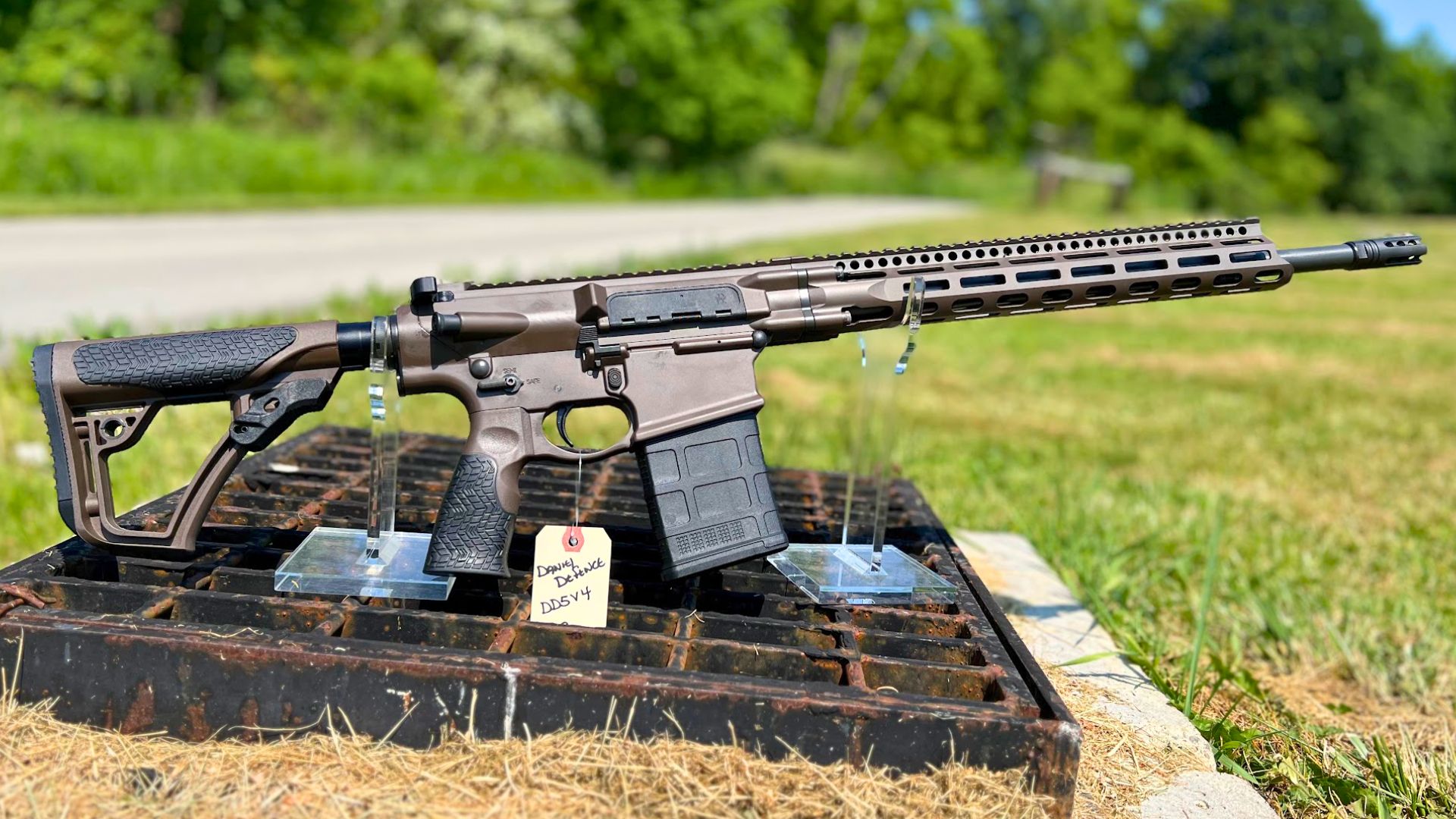
A lot of AR purchases come down to confidence. There are cheaper rifles that work well. There are custom builds that outperform factory guns. There are endless ways to assemble a good AR. Daniel Defense became popular because it let buyers skip a lot of second-guessing. They could buy a DDM4, mount an optic and light, and feel like the rifle itself was not the weak point.
That feeling is valuable. It does not mean every Daniel Defense rifle is automatically better than every cheaper rifle. It means the brand built enough trust that buyers felt comfortable paying more to avoid uncertainty. For a defensive rifle, training rifle, or serious general-purpose AR, that confidence matters. Daniel Defense sold more than parts and metal. It sold the sense that the rifle was already sorted out.
Daniel Defense Stayed Relevant as the AR Market Got Crowded
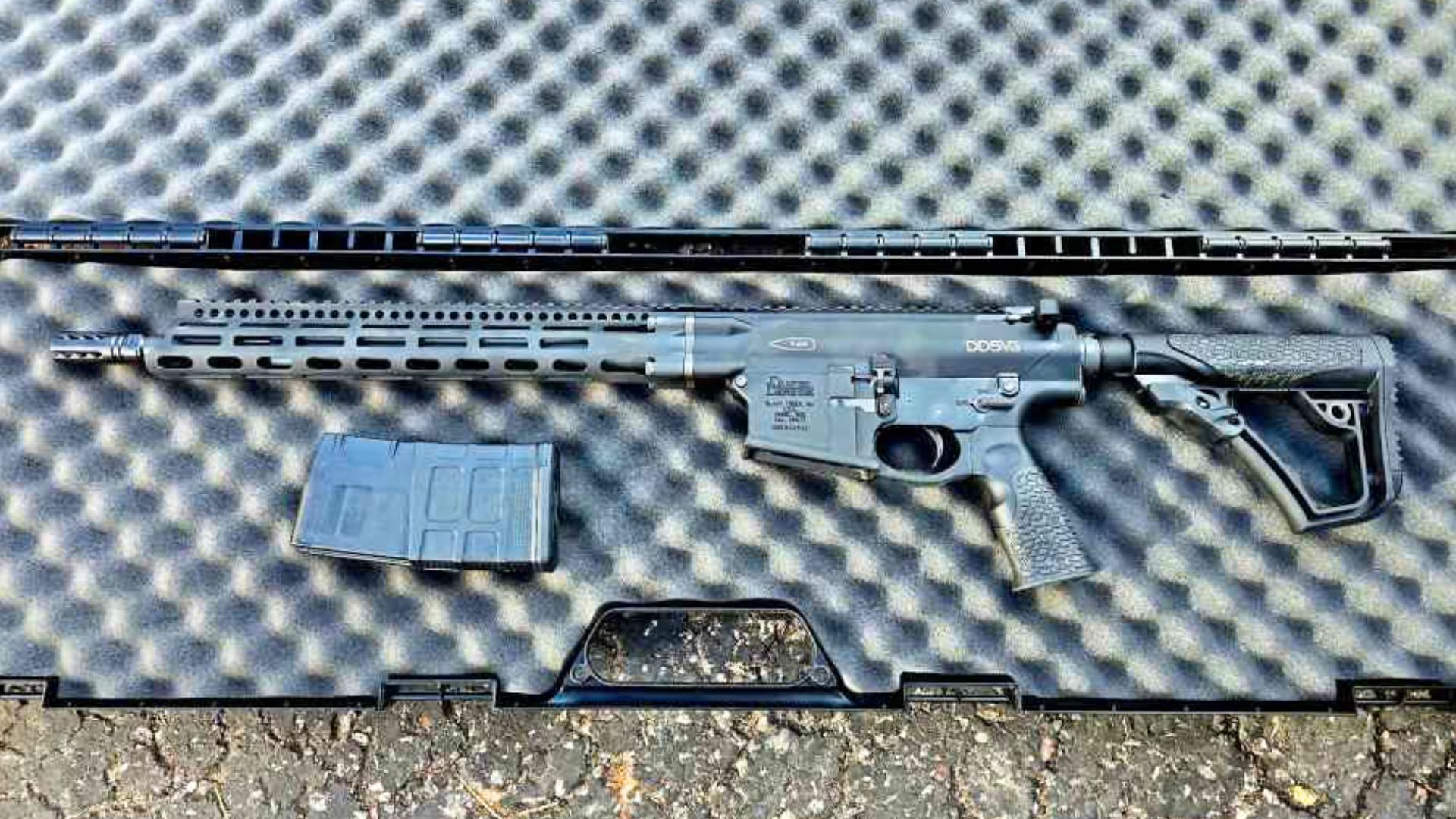
The AR market is brutal because there are so many choices. Budget rifles, duty-grade rifles, clone builds, race guns, piston guns, ambidextrous lowers, ultralight builds, precision uppers, and boutique brands all compete for attention. Daniel Defense stayed relevant because it had a clear story: strong rails, cold hammer forged barrels, military-proven parts, premium factory rifles, and consistent quality.
That story held up because it was attached to real products. The RIS II, MK18-style rifles, DDM4 V7, M4A1-style guns, and other models kept the brand visible among people who wanted more than a starter AR. Even shooters who decide to buy BCM, Colt, LMT, Geissele, SOLGW, or build their own still usually know where Daniel Defense sits in the conversation. That alone says the brand earned serious status.
Daniel Defense Made the AR Feel Like a Finished Product

The biggest thing Daniel Defense did was make the factory AR feel complete. A lot of ARs feel like starting points. You buy the rifle, then immediately replace the rail, stock, trigger, charging handle, muzzle device, or barrel. Daniel Defense rifles often felt more finished right out of the box. A buyer might still upgrade parts based on preference, but the rifle did not feel like it needed to be fixed before it could be taken seriously.
That is why AR buyers respected the brand. Daniel Defense understood that serious buyers wanted strong fundamentals first. Good barrels. Good rails. Good assembly. Clean configurations. Real manufacturing behind the name. The company did not win over every shooter, and the price debates will never stop. But it gave the AR market something it needed: a premium factory rifle that felt ready for real use instead of ready for immediate replacement.
Like The Avid Outdoorsman’s content? Subscribe to our newsletter so you never miss an article.
Here’s more from us: