Photo credit: ApocalypseSports. com/GunBroker
Ruger has always had a different feel from a lot of old American gun companies. It did not build its name on one military contract, one famous lawman, or one legendary cartridge. It built its name by making guns regular people could actually buy, shoot hard, fix, customize, and pass down.
That is what makes Ruger interesting. The company has made some oddball decisions over the years, but it also changed the way Americans think about rimfires, revolvers, bolt guns, pocket pistols, and even long-range rifles. Ruger did not always invent the category, but it had a habit of showing up with a gun that made the category easier to understand, easier to afford, or easier to trust.
Ruger Helped Turn the 10/22 Into the Default Rimfire Rifle

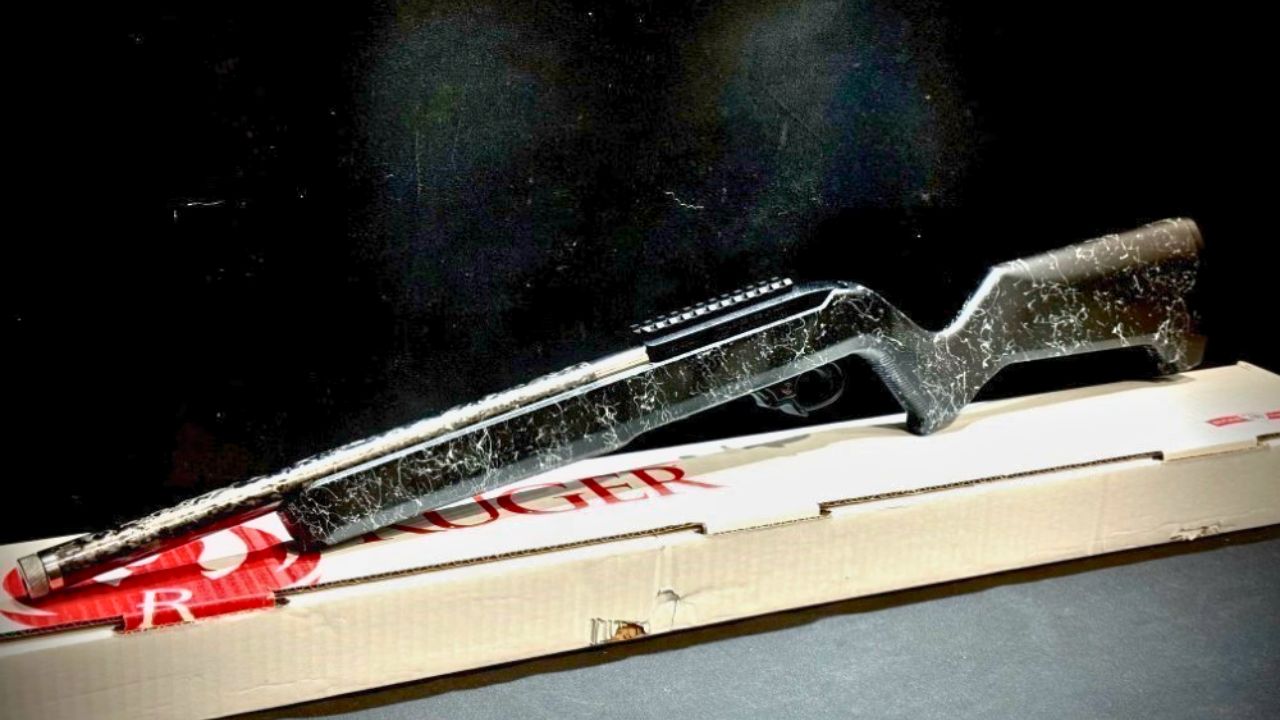
The Ruger 10/22 did not become popular because it was complicated. It became popular because it was handy, reliable, affordable, and easy to make your own. Introduced in 1964, the 10/22 gave shooters a semi-auto .22 rifle that worked for plinking, small game, training, farm use, and teaching new shooters. It was not fancy in the way old walnut-and-blue-steel rifles were fancy, but it was useful in the way a pickup truck is useful. You could shoot it, clean it, upgrade it, and keep it around forever.
What really changed the gun world was the aftermarket that grew around it. Stocks, barrels, triggers, magazines, optics rails, and every kind of part imaginable turned the 10/22 into one of the most customizable rimfire rifles ever made. That matters because Ruger did more than sell a rifle. It created a platform. American Rifleman notes that the 10/22 was released to the public in 1964, and decades later it is still treated as the rimfire rifle everyone else gets compared against.
Ruger Made the .22 Pistol Feel Like a Serious Gun
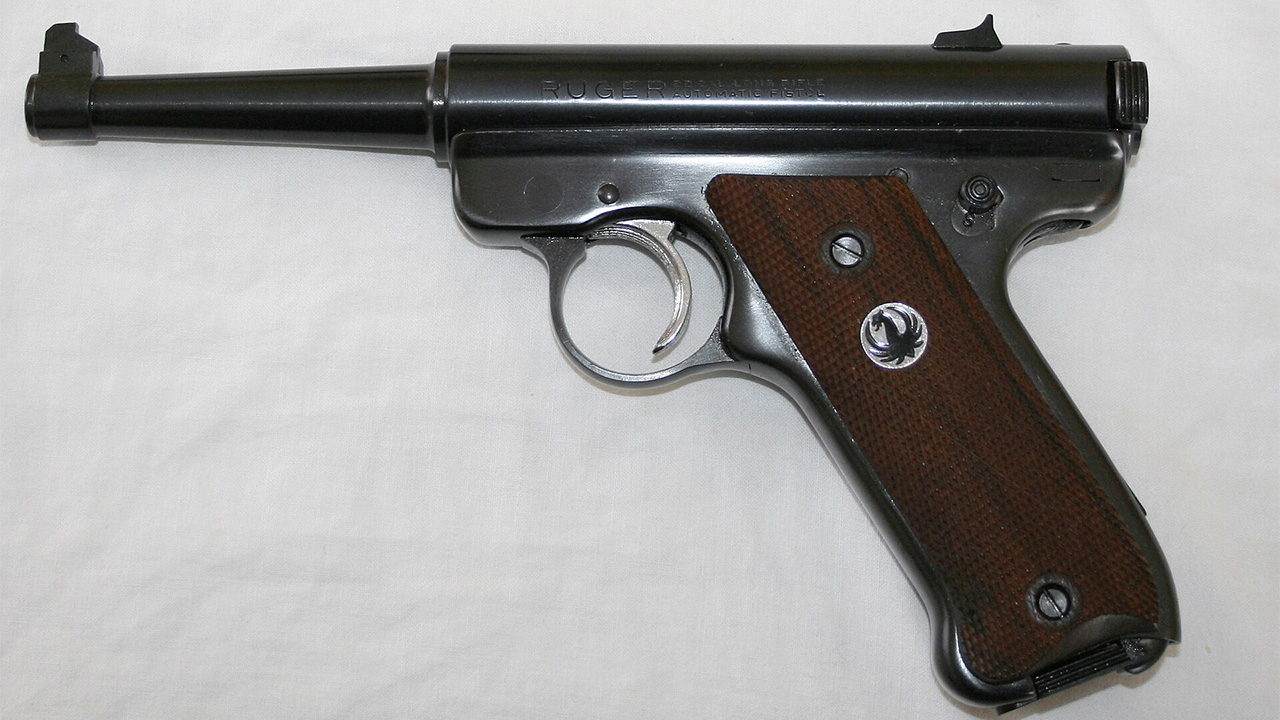
Ruger started with the Standard pistol in 1949, and that choice mattered. A lot of companies would have chased a bigger cartridge or a more dramatic flagship gun, but Bill Ruger understood the value of a dependable .22 that people could shoot all day. The Standard gave regular shooters a rimfire pistol that looked sharp, worked well, and did not feel like a toy. It had enough target-pistol attitude to appeal to serious shooters, but it was still priced for normal people. That balance helped Ruger get a foothold fast.
The Ruger Standard also created the foundation for the Mark series, which is still one of the most recognized rimfire pistol lines in the country. Ruger’s own serial-number history shows the Standard and Mark I line beginning in 1949, and that long run says a lot about how well the idea landed. A reliable .22 pistol is where a lot of shooters learn sight picture, trigger control, and safe handling. Ruger made that kind of training gun feel permanent instead of disposable.
Ruger Proved Affordable Did Not Have to Mean Cheap

One thing Ruger figured out early was that a gun could be priced fairly without feeling like junk. That sounds simple now, but it was a big part of why the brand spread so fast. Ruger leaned into modern manufacturing methods, including investment casting, to build strong parts without pricing the average shooter out. Some traditionalists looked down on that kind of production, but shooters cared about what happened on the range and in the field. If the gun worked, held up, and cost less than the competition, they noticed.
That philosophy became part of Ruger’s identity. The company was never afraid to build working-class guns with enough strength to take real use. That showed up in rimfires, single-action revolvers, double-action revolvers, hunting rifles, and later budget bolt guns. Ruger did not always make the prettiest gun in the rack, but it often made the one a guy could afford without feeling like he had settled. That changed expectations across the industry. Shooters started asking why a dependable rifle or revolver had to cost so much in the first place.
Ruger Brought Single-Action Revolvers Back Into Everyday Use

By the time Ruger leaned into single-action revolvers, the old cowboy gun was already supposed to be mostly nostalgia. Ruger helped change that. The Single-Six and Blackhawk lines gave shooters the old single-action feel with modern materials, modern strength, and practical chamberings. These guns scratched the cowboy itch, but they were not fragile wall-hangers. People carried them in the woods, shot them at the range, used them around farms, and trusted them as real working guns.
That was Ruger’s genius with single-actions. The company did not treat them like costume pieces. It treated them like useful handguns. The Blackhawk especially gave shooters a revolver that could handle stout loads and rough use without feeling delicate. Ruger helped preserve the appeal of the single-action revolver by making it relevant after the old West romance should have faded. Plenty of brands made revolvers. Ruger made a lot of people believe the single-action still had a place in a modern gun safe.
Ruger Made Strong Revolvers Part of Its Reputation

Ruger revolvers earned their reputation the old-fashioned way: people shot them hard. The Security-Six, GP100, Redhawk, and Super Redhawk all helped build the idea that Ruger revolvers were not delicate guns. They were working guns. The Security-Six line, introduced in the early 1970s and shipped beginning in 1972, put Ruger into the double-action revolver fight at a time when Smith & Wesson and Colt had a serious grip on that market. Ruger had to give shooters a reason to care, and strength became that reason.
That reputation carried forward. A lot of shooters who run heavy .357 Magnum, .44 Magnum, or hot hunting loads still talk about Ruger revolvers like they are built with extra margin. The GP100 and Redhawk lines did not win people over by being dainty. They won people over by being the kind of revolvers you did not baby. Ruger changed the conversation by making durability part of the selling point. Instead of asking how refined the action felt out of the box, a lot of shooters started asking how much abuse the gun could take.
Ruger Helped Make the Transfer Bar Safety Normal
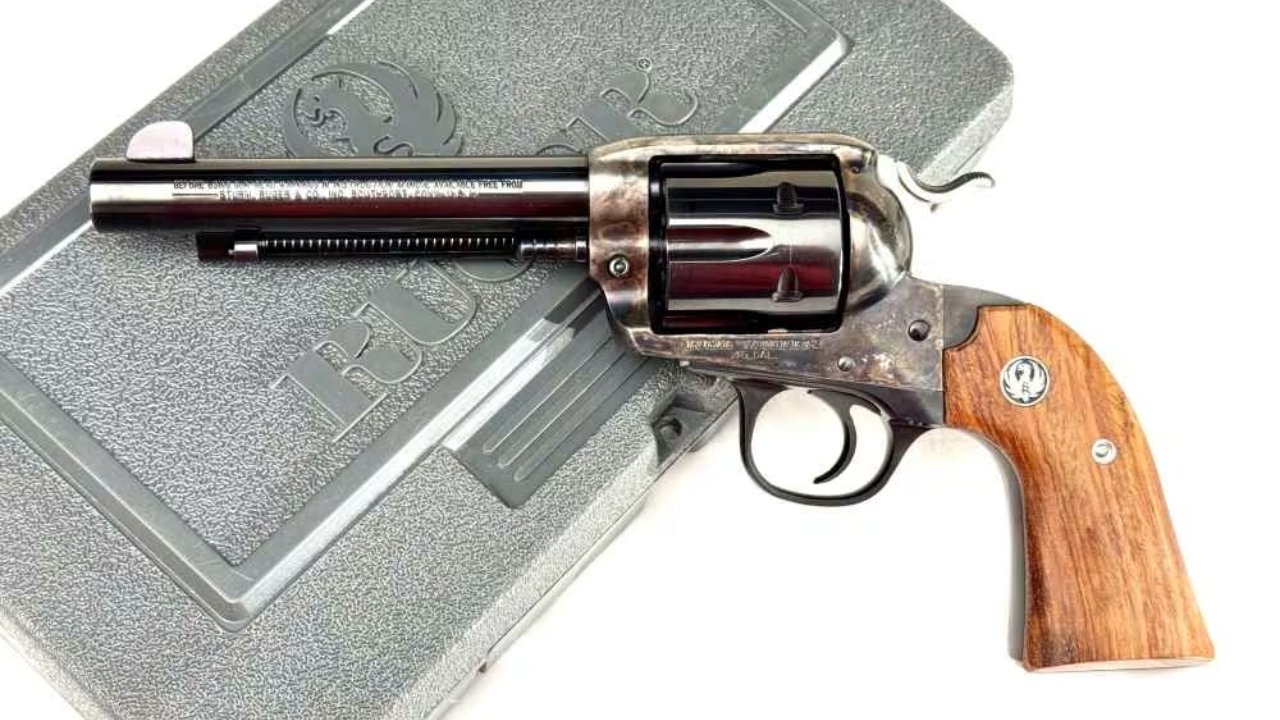
Ruger deserves credit for helping modernize revolver safety in a way regular shooters could understand. The transfer bar system made it safer to carry certain revolvers with all chambers loaded because the hammer could not directly strike the firing pin unless the trigger was pulled. That was a meaningful improvement, especially in single-action revolvers where older designs had a long-standing reputation for needing an empty chamber under the hammer.
This changed how people thought about carry and handling. It gave Ruger a practical selling point beyond price and strength. A shooter could still get the old single-action feel without carrying it exactly like a 19th-century design. That kind of improvement matters because it respects tradition without being trapped by it. Ruger has always been good at that when it gets things right. The company keeps enough of the old feel to make the gun familiar, then adds a modern feature that makes it safer or easier to live with.
Ruger Made the Working Man’s Hunting Rifle a Real Category

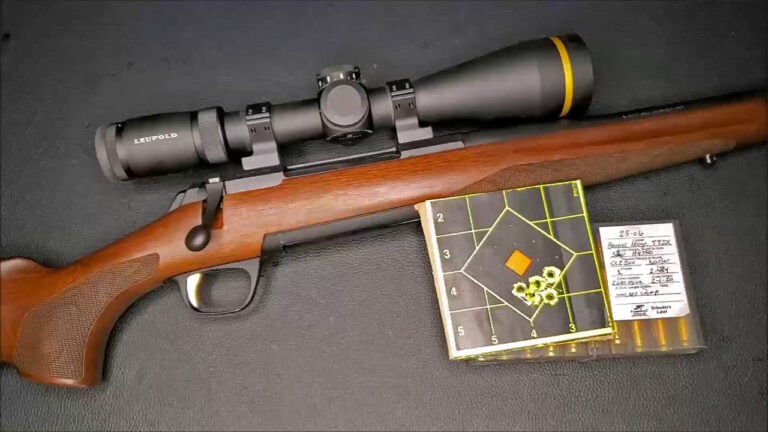
The Ruger M77 helped establish Ruger as more than a rimfire and revolver company. It gave hunters a bolt-action rifle with classic lines, controlled-round-feed influence in certain versions, and a price that felt reachable compared with some higher-end rifles. For a lot of hunters, Ruger rifles were not safe queens. They were deer rifles, truck rifles, ranch rifles, and bad-weather rifles. They got dinged up, carried in scabbards, leaned against trees, and dragged through seasons of real use.
That matters because hunting rifles live or die by trust. Nobody wants to hike into a stand or climb a ridge with a rifle they half-believe in. Ruger figured out that the average hunter wanted a rifle that looked respectable but did not require a second mortgage. Later, the Ruger American took that same idea and pushed it even harder into the budget rifle market. American Hunter described the M77 concept as a rifle for the working man, and that phrase fits Ruger’s wider approach better than almost anything else.
Ruger Helped Push the Budget Bolt Gun Into the Modern Age
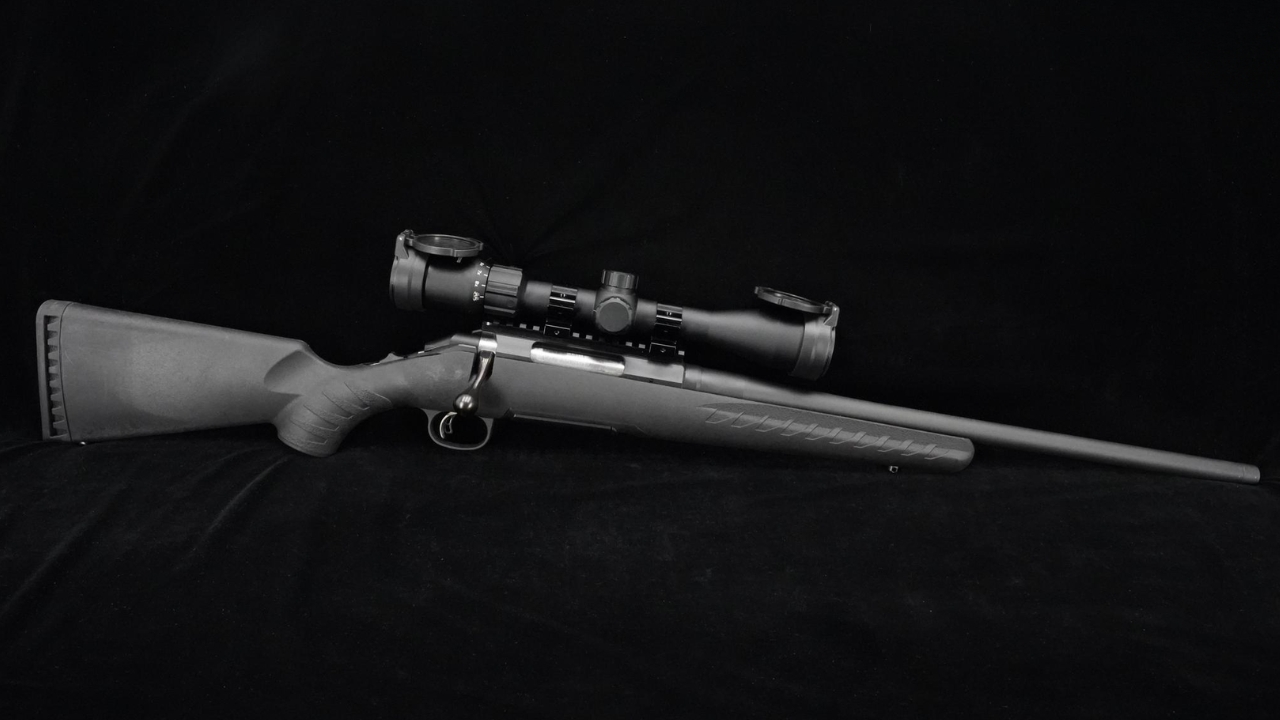
The Ruger American Rifle changed expectations for inexpensive bolt-actions. Before rifles like that took over the rack, a budget bolt gun often meant rough triggers, plain stocks, and accuracy that depended on the individual rifle. The American showed up with useful modern features, including a bedding system, a three-lug bolt, and the Ruger Marksman Adjustable trigger. It was not a custom rifle, and nobody sensible expected it to be. But it gave hunters and new shooters a rifle that could shoot better than its price tag suggested.
That forced the rest of the market to sharpen up. Once shooters realized a lower-priced rifle could be accurate, lightweight, and ready for real hunting, excuses got thinner. The American line made it harder for companies to sell sloppy budget guns and tell people to be grateful. The rifle was introduced around 2012, and it became part of the bigger shift toward affordable bolt guns that could actually perform. Ruger did not just follow that trend. It helped make it normal.
Ruger Made Pocket Pistols Mainstream Again
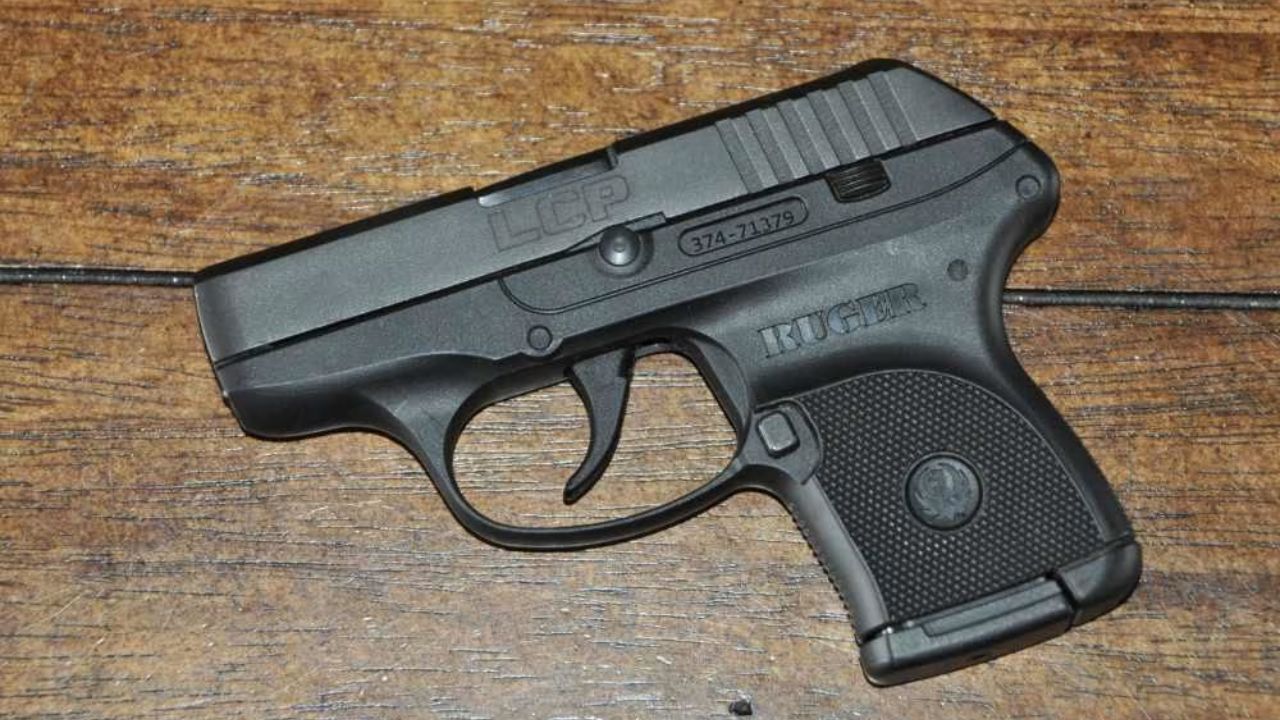
The LCP was not the first tiny defensive pistol, but it hit at the right time and changed the everyday-carry conversation. When Ruger introduced the LCP in 2008, concealed carry was growing, and a lot of people wanted a pistol that could disappear in a pocket, purse, ankle rig, or small holster. The LCP gave them a lightweight .380 from a name they already knew. That brand trust mattered. Pocket pistols had existed for years, but Ruger helped make the tiny .380 feel less like a novelty and more like a normal carry option.
The original LCP had limitations, and plenty of shooters complained about the sights and trigger. Still, the gun did what it was built to do: be small, light, and easy to carry when a larger pistol was not realistic. Ruger’s 2008 announcement described it as the company entering a major new market with an ultra-light compact .380. That was not just marketing talk. The LCP helped shape a whole wave of modern pocket pistols and gave casual carriers a gun they were more likely to actually have with them.
Ruger Made the Precision Rifle More Accessible
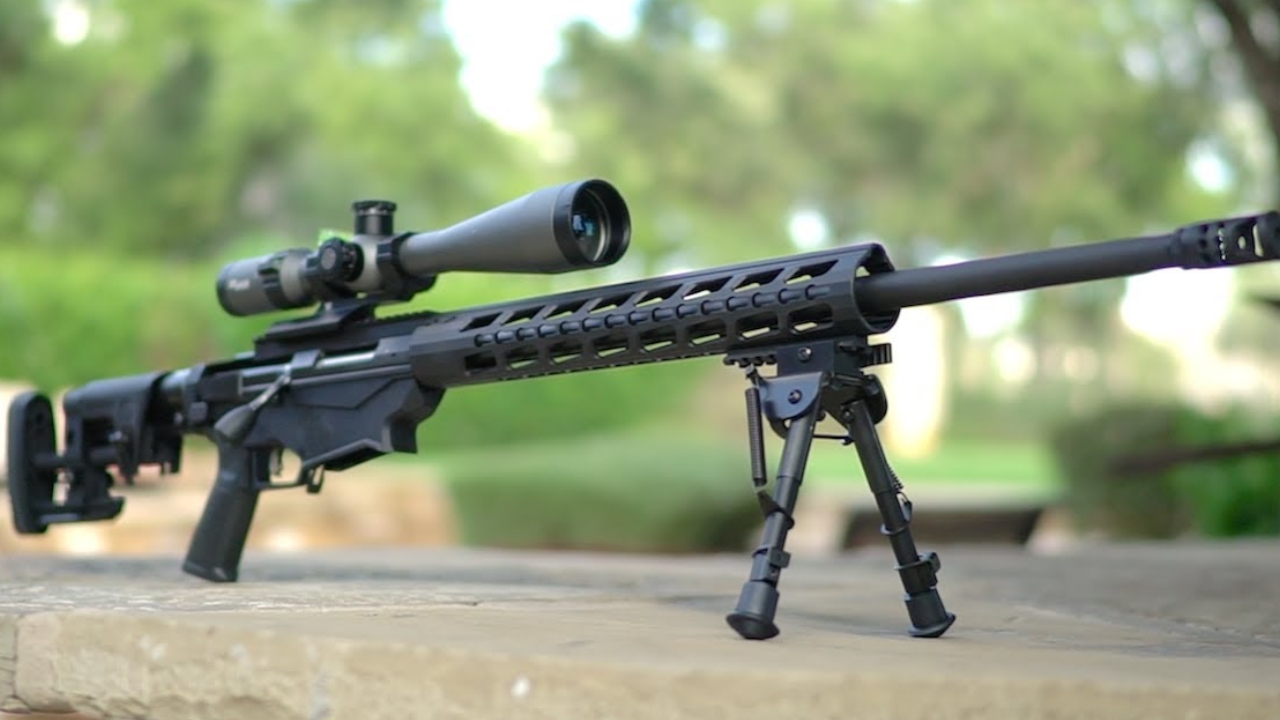
Before the Ruger Precision Rifle, long-range shooting could feel like a locked room. You either spent serious money on a custom rifle or tried to piece something together and hoped it worked. Then Ruger came in with a factory rifle that looked and felt closer to what precision shooters wanted right out of the box. It had adjustability, a chassis-style setup, an in-line recoil path, detachable magazines, and chamberings that made sense for distance work. It lowered the barrier without pretending long-range shooting was suddenly easy.
The Ruger Precision Rifle was introduced in 2015, and Ruger’s own release described it as a highly configurable bolt-action rifle built for long-range capability. That was the point. It gave shooters a way into the precision world without starting from scratch. Better shooters were still going to upgrade parts, tune loads, and obsess over data, because that is what precision shooters do. But Ruger made the starting line easier to reach. That changed the market fast.
Ruger Understood That Modularity Sells Guns

Ruger has done well because it understands that a lot of shooters want to tinker. The 10/22 may be the clearest example, but it is not the only one. Ruger pistols, rifles, and revolvers have all benefited from aftermarket support and shooter-driven upgrades. Some companies act like the factory version should be enough. Ruger has often made guns that invite the owner to change grips, stocks, triggers, barrels, sights, rails, and small parts.
That helped change how people buy guns. A rifle or pistol is not always judged only by what it is on day one. It is judged by what it can become. The 10/22 taught generations of shooters that one simple rifle could turn into a squirrel gun, training rifle, suppressor host, target rifle, or full custom project. Ruger may not control the whole aftermarket, but it helped create one of the strongest examples of it. That kind of ecosystem keeps a gun relevant long after its original catalog page gets old.
Ruger Kept American Manufacturing Central to the Brand

Ruger has leaned hard into the made-in-America identity, and that has mattered to its buyers. The company currently describes itself as offering nearly 800 variations across more than 40 product lines under the Ruger, Marlin, and Glenfield names, with products made in America. That sort of scale is not small-shop romantic, but it does show how deeply Ruger has planted itself in the American commercial firearms market.
For a lot of shooters, that matters almost as much as the gun itself. They like buying from a company with American factories, American history, and American hunting and shooting culture built into the brand. Ruger has had its critics over the years, and not every product has been a home run. But the company stayed visible, productive, and broad enough to matter across several categories. In a market where plenty of old names have been sold, broken up, imported, or watered down, Ruger’s American manufacturing identity has helped keep buyer trust intact.
Ruger Took Big Swings Across Almost Every Category
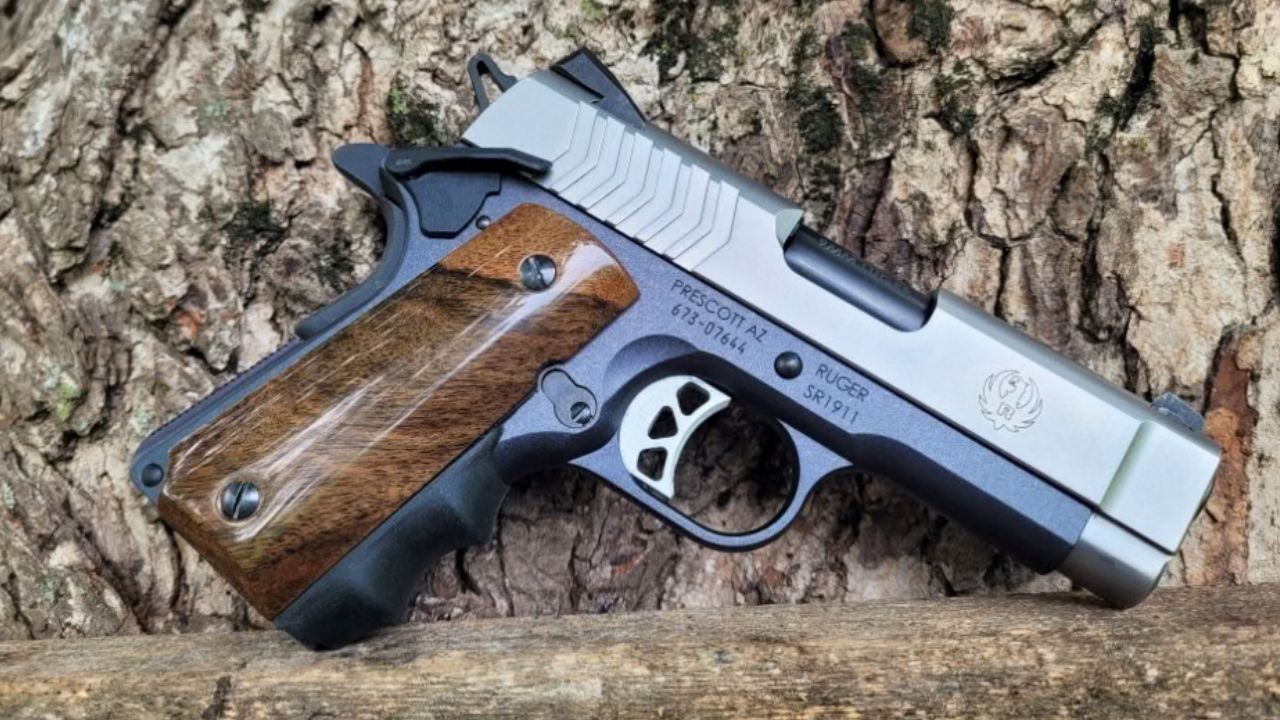
Some gun companies stay in one lane. Ruger never really did. Rimfire pistols, rimfire rifles, single-action revolvers, double-action revolvers, bolt-action rifles, scout rifles, AR-pattern rifles, pocket pistols, 1911s, precision rifles, and even shotguns have all been part of the company’s story. That broad catalog has not always been perfect, but it made Ruger one of the few brands a shooter might encounter at nearly every stage of life.
That changed the gun world because Ruger became a gateway brand. A kid might start on a 10/22, buy a Mark pistol later, hunt with an American Rifle, carry an LCP, and eventually end up with a GP100 or a Precision Rifle. Ruger made it easy for shooters to stay within the brand without feeling boxed into one category. That kind of reach is rare. It also explains why Ruger conversations can get heated. Nearly everyone has owned one, shot one, borrowed one, or argued about one.
Ruger Rescued Marlin at the Right Time
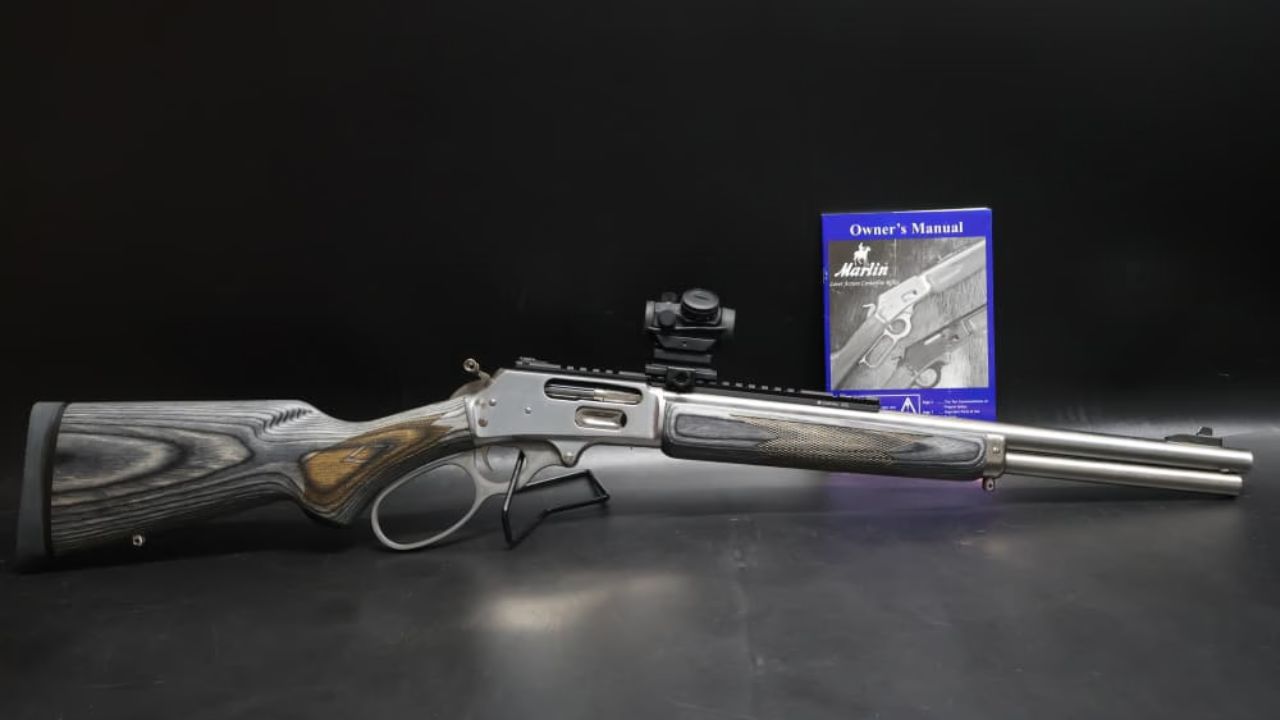
When Ruger bought Marlin after Remington Outdoor Company’s bankruptcy, it took on more than a product line. It took on a brand with a loyal following and a lot of frustrated fans. Marlin lever guns had a deep history, but quality complaints during the later Remington years damaged trust. Ruger had to prove it could bring the guns back the right way, not just slap the name on a box and cash in on nostalgia.
That move mattered because lever guns were already coming back into focus. Hunters, outdoorsmen, collectors, and practical rifle guys were paying attention again. Ruger-made Marlins gave the lever-action market a shot of confidence when it needed one. The first Ruger-made Marlin, the Model 1895 SBL, arrived after the acquisition, and that rifle helped signal that Ruger was taking the job seriously. Ruger did not invent Marlin’s legacy, but it helped keep it alive at a moment when the brand could have slipped badly.
Ruger Made Practical Guns Feel Worth Keeping
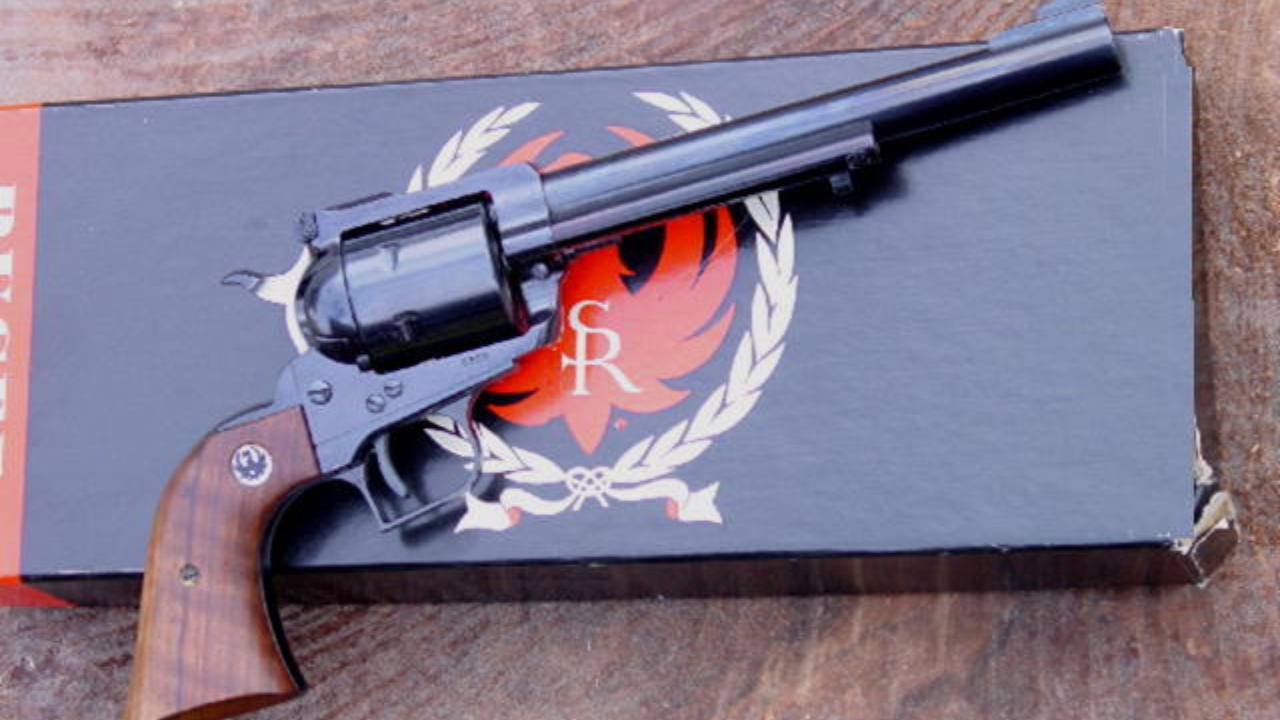
The biggest thing Ruger changed may be less about one model and more about attitude. Ruger made practical guns feel like guns worth keeping. A 10/22, Mark pistol, Blackhawk, GP100, American Rifle, or LCP may not always be the most expensive option in its category, but that does not mean people treat them as throwaways. Many shooters keep Rugers for decades because they work, parts are available, and the guns have a way of becoming useful in more than one season of life.
That is why Ruger has stuck around. The company gave shooters guns they could afford, use hard, modify, teach with, hunt with, carry, and hand to someone else without a long speech. Not every Ruger is beautiful. Not every Ruger is refined. But enough of them are dependable in the ways that matter. That changed the gun world because it reminded people that a firearm does not have to be rare, expensive, or pretty to earn a permanent place in the safe.
Like The Avid Outdoorsman’s content? Subscribe to our newsletter so you never miss an article.
Here’s more from us: