Photo credit: ApocalypseSports. com/GunBroker
Walther is one of those brands that could have gotten trapped in its own history. The company had the PPK. It had James Bond recognition. It had old German police-pistol credibility. It had the P38, the P99, and a long European firearm legacy. But for a while, a lot of American shooters still talked about Walther like it was mostly a legacy name, not a serious modern duty-pistol competitor.
Then Walther started reminding people it could still build pistols shooters actually wanted to run hard. The PPQ helped rebuild the trigger reputation. The PDP turned Walther into a serious striker-fired contender. The steel-frame Q5 and PDP variants brought competition and premium buyers into the fold. And the brand’s grip ergonomics kept reminding shooters that Walther knows how to make a handgun feel good in the hand. Walther traces its roots to Carl Walther’s company, founded in 1886, and its U.S. arm is now based in Fort Smith, Arkansas.
1. Walther Had Real History Before It Needed a Comeback

Walther was not a new company trying to buy credibility. The brand had deep roots long before the modern striker-fired market took over. Carl Walther founded the company in 1886, and Walther built firearms and air guns in Germany for more than a century.
That history matters because Walther’s comeback did not come from nowhere. The company already had a serious name. The issue was making that name feel current again. A brand can be old and still feel stale if it does not keep up. Walther had to prove it could be more than the company that made iconic old pistols.
2. The PP and PPK Gave Walther a Pistol Legacy Most Brands Would Kill For

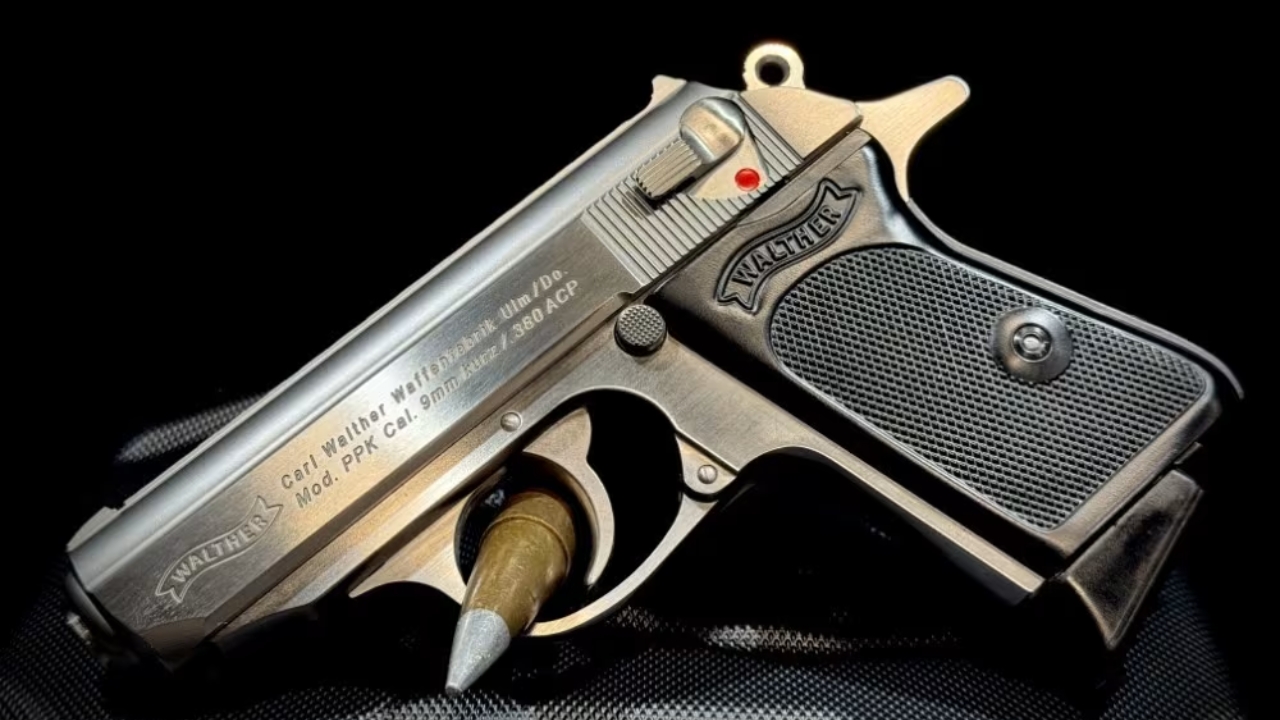
The Walther PP series was introduced in 1929 and became one of the most important double-action semi-auto pistol families of its era. The PP and PPK were among the world’s first successful double-action semi-automatic pistols, and they served with police and military users across different countries and decades.
That gave Walther a foundation almost every modern pistol brand would envy. The PPK especially became famous far beyond normal gun circles. But that fame was also a trap. Being known for an old blowback .380 or .32 pocket pistol is great for history, but it does not automatically win over modern shooters shopping for a duty-size 9mm.
3. Walther Survived a Messy Postwar Manufacturing Story
Walther’s postwar history was not simple. After World War II, the original factory area in eastern Germany was under Soviet control, and Walther reestablished itself in West Germany. Allied restrictions also meant Walther licensed PP-series production to Manurhin in France for years.
That kind of disruption could have buried a weaker brand. Instead, Walther survived, rebuilt, and kept its name alive through European production changes, police markets, civilian imports, and later modern pistol development. That resilience is part of why the brand deserves more credit than casual shooters give it.
4. The PPK Kept Walther Famous, But Also Boxed It In

The PPK gave Walther an instantly recognizable gun. It was slim, classy, tied to spy-film mythology, and one of those pistols even non-gun people could identify. That helped keep the name alive in American culture.
But the PPK also made some shooters think of Walther as a nostalgia brand. A blowback pocket pistol with old-school lines is cool, but it is not what most modern defensive pistol buyers are shopping for. Walther had to break out of that box. It needed guns that serious shooters respected for performance, not only style.
5. The P99 Was More Forward-Looking Than People Remember

The P99 was one of Walther’s most important modern pistols because it showed the company was willing to rethink the service pistol. It was developed in the 1990s, introduced in 1997, and built for law enforcement, security, and civilian use.
That pistol brought polymer-frame construction, interchangeable backstraps, striker-fired operation, and unique trigger variants into the Walther world. The P99 was not perfect for everyone, and its trigger systems confused some buyers, but it proved Walther was not frozen in the PPK era. It was willing to build a modern duty pistol with real ideas behind it.
6. The P99 AS Gave Shooters Something Different

The P99 AS trigger system was one of those Walther ideas people either loved or had to learn. It offered a double-action/single-action-style striker system with a decocker and “Anti Stress” mode, which made it very different from the simpler striker-fired triggers many shooters were used to.
That mattered because Walther was not just copying Glock. The company was experimenting with ways to combine striker-fired packaging with different trigger behavior. Not every shooter wanted that, but it showed Walther still had engineering personality. The brand was trying to solve problems its own way.
7. The PPQ Put Walther’s Trigger Reputation Back on the Map

The PPQ was the pistol that made a lot of American shooters start paying closer attention again. It took the ergonomic ideas Walther already had and paired them with one of the best factory striker-fired triggers in its class. For many shooters, the PPQ trigger was the first thing that made them say, “Okay, Walther is serious.”
That trigger mattered because the striker-fired market was full of usable but uninspiring triggers. Glock had reliability and aftermarket strength. Smith & Wesson had ergonomics. SIG had modularity. Walther needed its own hook. The PPQ’s trigger gave it one.
8. Walther Made Grip Ergonomics a Brand Strength

Walther’s modern pistols often win people over before the first shot because the grips feel good. The P99 started that modern ergonomic reputation, the PPQ built on it, and the PDP kept pushing it forward. Walther seems to understand that a pistol has to fit the hand before it can impress on the target.
That sounds obvious, but plenty of pistols still feel blocky, slick, or awkward. Walther made ergonomics part of the brand’s identity. Shooters who do not care about old German history or PPK nostalgia can still pick up a modern Walther and notice the grip shape, texture, and natural pointing.
9. The PDP Made Walther Feel Current Again
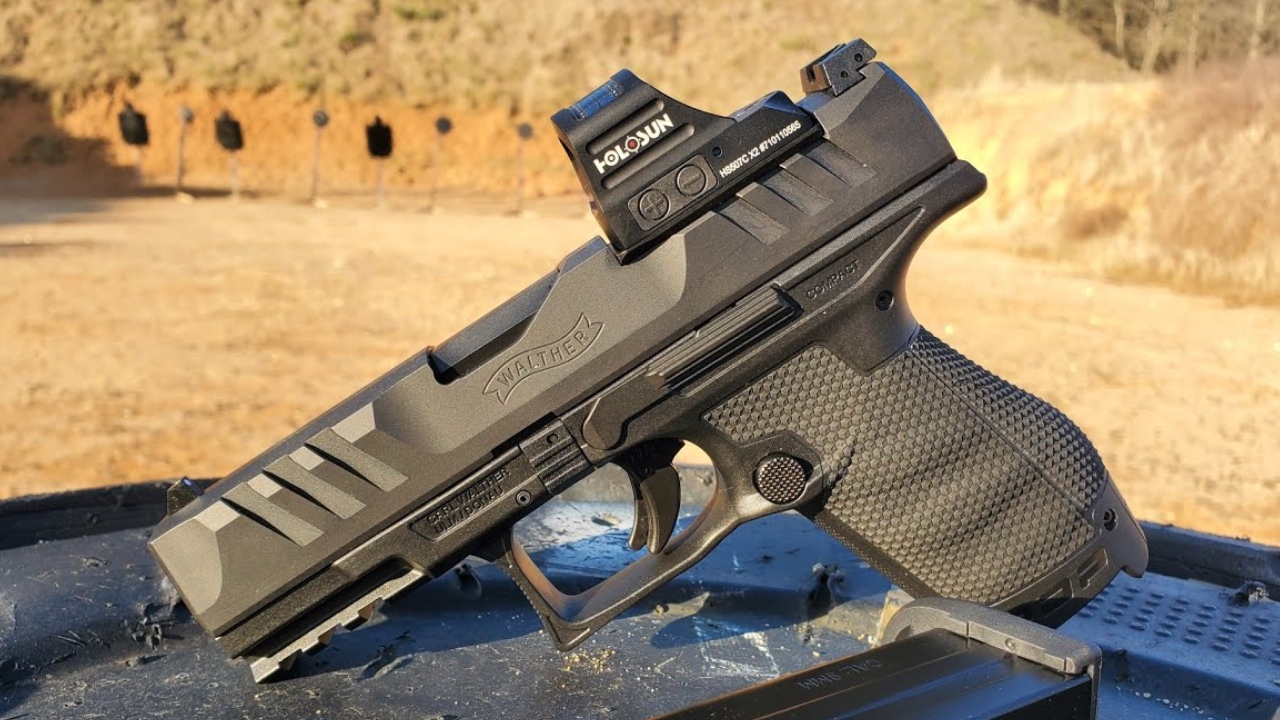
The PDP, or Performance Duty Pistol, is the gun that made Walther feel fully back in the modern duty-pistol conversation. It brought a more aggressive slide design, optics-ready models, strong texture, updated ergonomics, and the Dynamic Performance Trigger reputation into a pistol aimed squarely at modern defensive and professional users.
That was important because the market had moved. Buyers wanted optics cuts, better grip texture, flatter shooting, good triggers, and modular-size options. Walther could not rely on the PPQ forever. The PDP showed the company understood where serious striker-fired pistols were heading.
10. The PDP Slide Serrations Became a Signature Look

One thing Walther got right with the PDP was making the slide easy to grab. The deep SuperTerrain-style serrations gave the pistol a bold look, but they were also functional. They made slide manipulation easier with wet hands, gloves, or hurried handling.
That kind of detail matters on a defensive pistol. A gun can have great accuracy and a good trigger, but if basic handling feels slick or awkward, shooters notice. The PDP’s slide design became part of its identity because it gave the pistol both visual presence and real usability.
11. Walther Took Optics Seriously
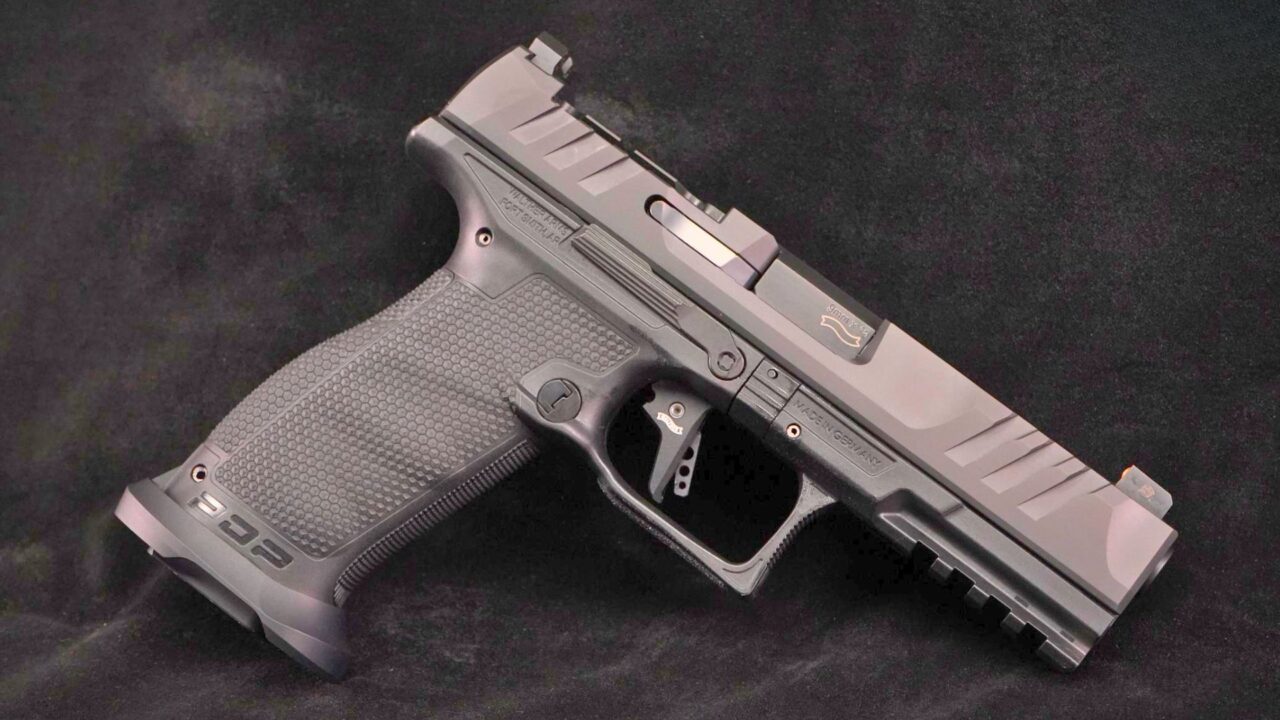
The PDP arrived in a market where red dots were quickly becoming normal on serious pistols. Walther leaned into optics-ready slides instead of treating them like rare specialty features. That helped make the PDP feel current immediately.
That was the right move. A modern duty or defensive pistol needs an optic-ready path, even if the buyer starts with irons. Shooters do not want to send every new pistol out for milling anymore. Walther understood that and made optics compatibility part of the platform’s pitch instead of an afterthought.
12. Walther Found a Competition Lane With the Q5 and Steel-Frame Guns
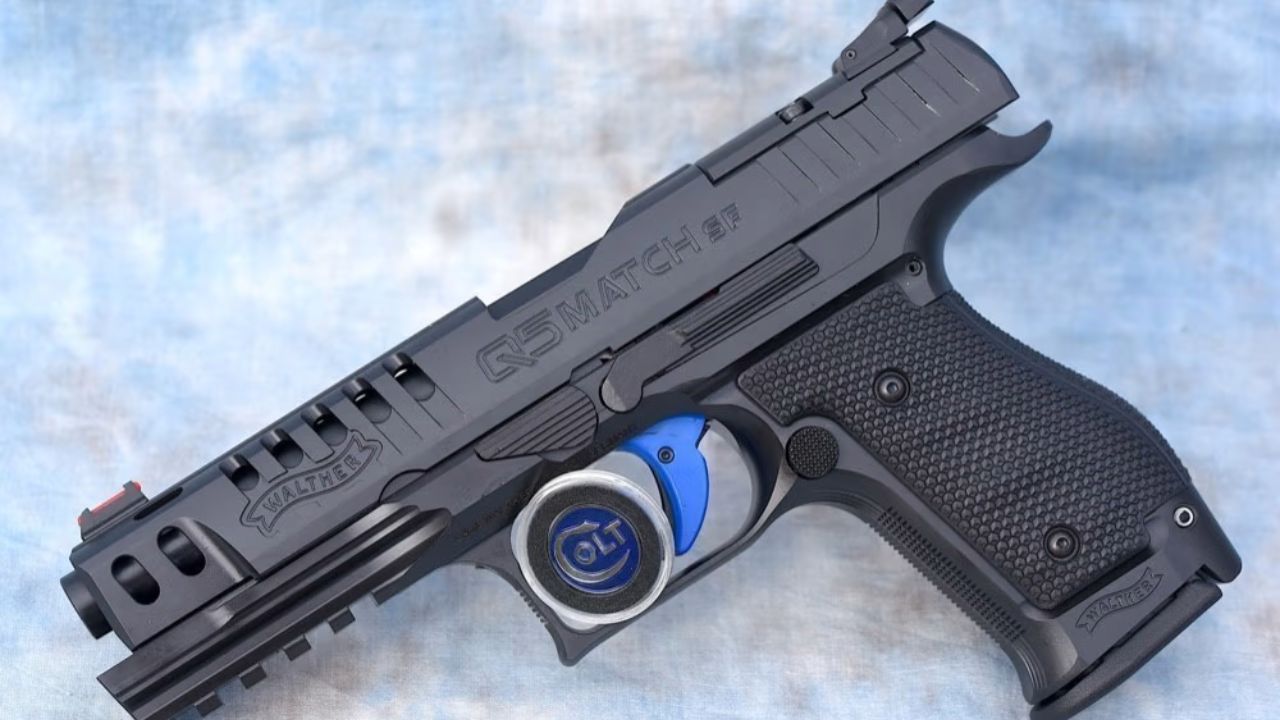
Walther also rebuilt respect by showing it could do more than polymer duty pistols. The Q5 Match and steel-frame variants gave the brand a foothold with competition-minded shooters who wanted accuracy, weight, good triggers, and premium feel.
That mattered because competition buyers judge guns harshly. They care about speed, recoil control, sight tracking, trigger feel, and repeatability. A brand that can earn attention in that crowd gains credibility that carries back into the defensive market. Walther’s steel-frame guns helped prove the company could build serious performance pistols, not just comfortable carry guns.
13. Walther Became a Real Alternative to the Usual Striker-Fired Picks
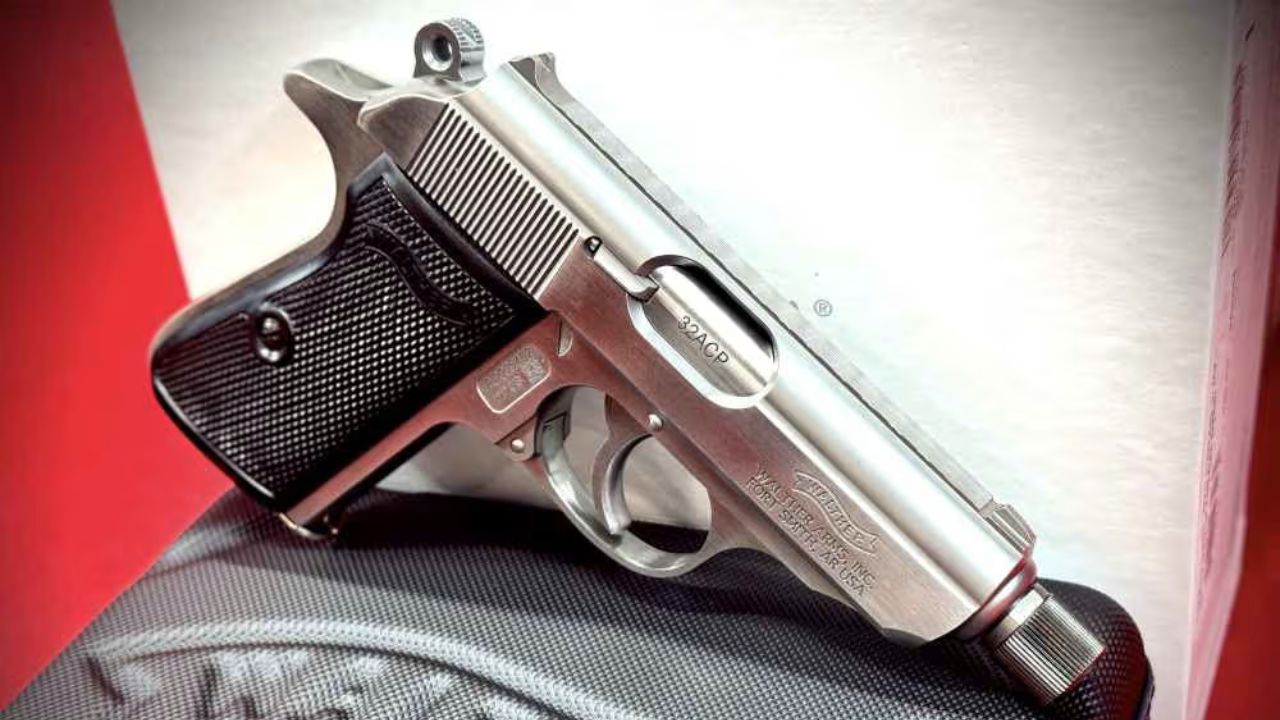
For a long time, striker-fired pistol conversations got repetitive fast. Glock, M&P, SIG, maybe CZ, HK, or Springfield depending on the crowd. Walther forced its way into that conversation by offering something distinct: excellent ergonomics, strong factory triggers, aggressive texture, and optics-ready modern designs.
That is why shooters started taking the brand seriously again. Walther did not have to beat Glock at being Glock. It had to make a pistol that gave buyers a real reason to choose something different. The PDP and PPQ did that by feeling better to a lot of shooters right out of the box.
14. Walther Is Willing to Pause Legacy Guns Instead of Letting Them Drift
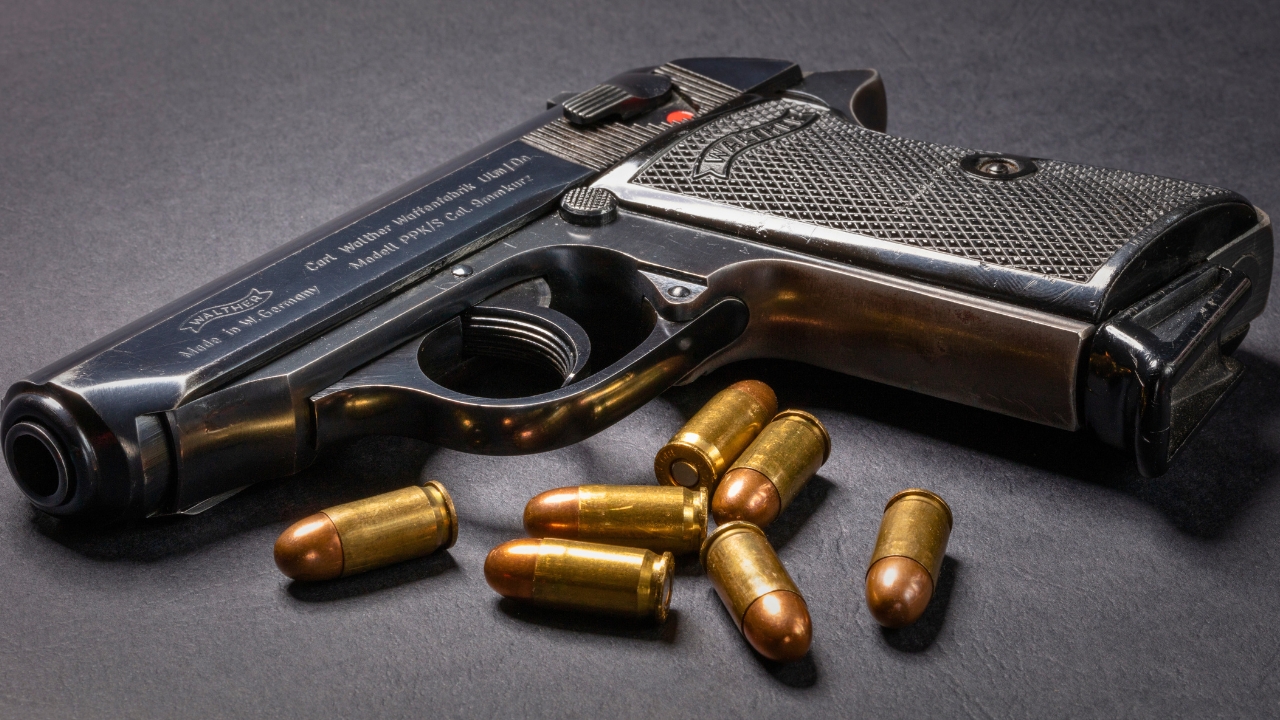
In 2025, Walther announced a multi-year pause in production of the PP, PPK, and PPK/S legacy handgun lines as part of a modernization journey. That is a notable move for a company with so much identity tied to those pistols.
That decision says something about the brand. Walther could have kept coasting on legacy models forever, but pausing them for modernization suggests the company knows old icons still have to meet modern expectations. The PPK name is valuable, but Walther seems aware that value can fade if the product does not keep up.
15. Walther Got Taken Seriously Again Because It Stopped Living Only on History
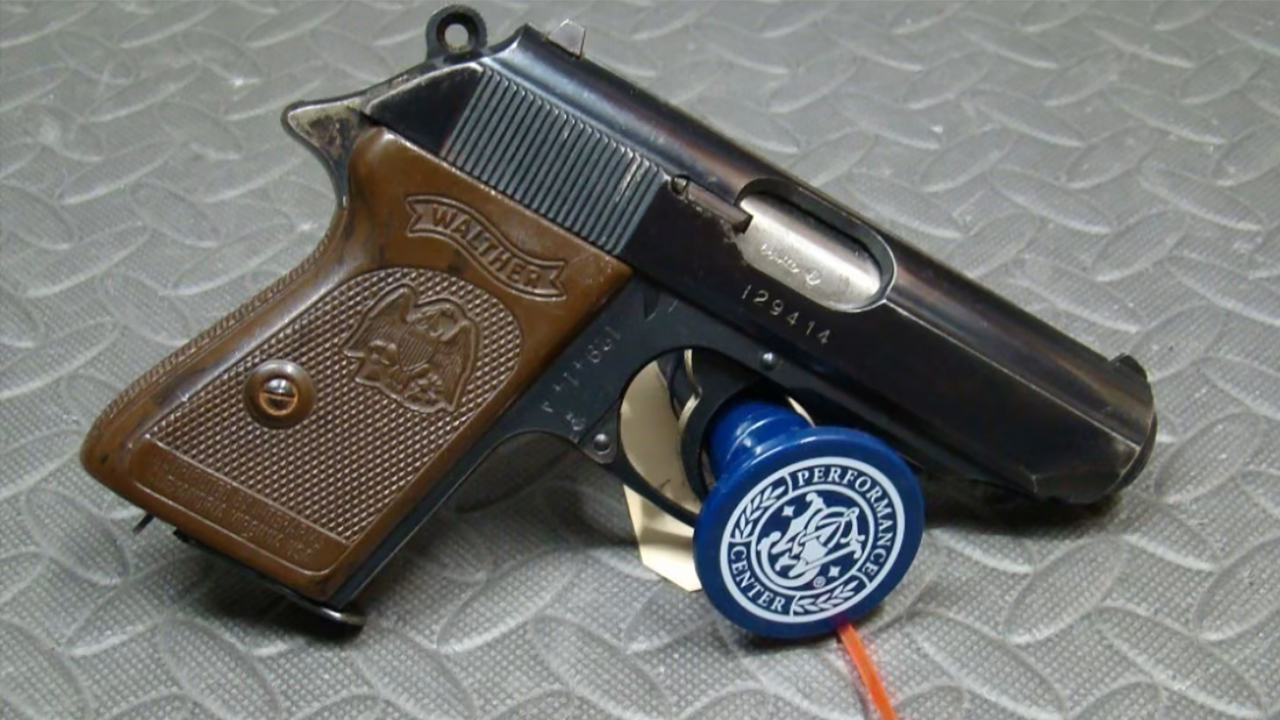
Walther got shooters to take the brand seriously again by proving it could still build modern pistols with a real point of view. The company had history, but history alone was not enough. It needed guns that felt good, shot well, had great triggers, supported optics, and competed with the brands dominating modern holsters.
That is what Walther did right. It kept the PPK legacy alive, but it also gave shooters the P99, PPQ, PDP, Q5, and steel-frame performance guns. The brand became more than a Bond pistol reference again. It became a serious option for shooters who care about feel, trigger quality, and modern defensive pistol design.
Like The Avid Outdoorsman’s content? Subscribe to our newsletter so you never miss an article.
Here’s more from us: