Photo credit: The Avid Outdoorsman
The hunter was not pretending to be intense every minute of the day.
That is one thing people who do not hunt sometimes miss. Long sits and long still-hunts are not constant action. There are stretches where nothing moves, nothing makes noise, and the woods feels like it is trying to put you under. If you are tired enough, it can work.
So the hunter took a nap.
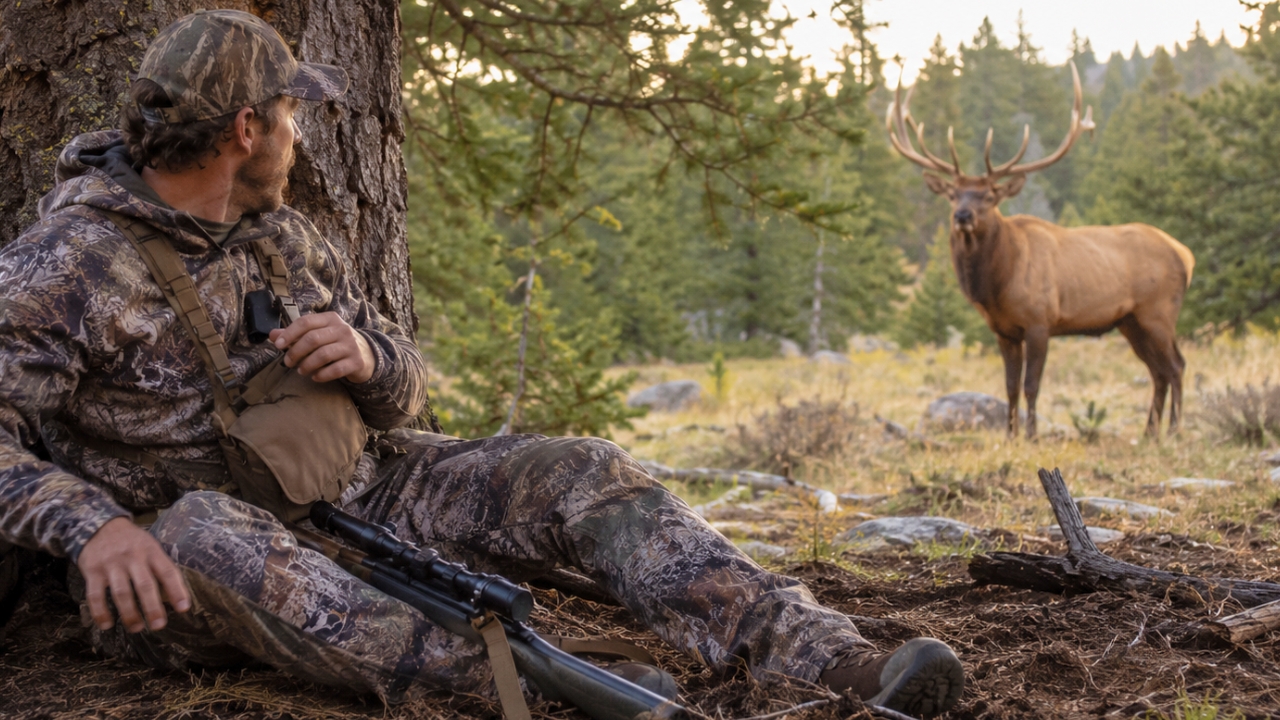
In a Reddit thread, hunters were talking about afternoon naps in the woods, and one story involved someone waking up to an elk standing about 50 yards away. That is not how naps are supposed to work. Usually, the joke is that you sleep through the best chance of the day.
This time, the chance was standing there when he woke up.
That is the kind of wake-up call that would make anyone question every piece of hunting advice they had ever heard. Stay alert. Don’t doze off. Keep your eyes moving. Be ready at all times. All of that is good advice.
And then a guy wakes from a woods nap with an elk at 50 yards.
Suddenly, the nap sounds less like laziness and more like some kind of accidental tactic.
Of course, it probably was not magic. The hunter being still and quiet may have helped. A sleeping person does not fidget, cough, adjust gear, check a phone, unzip snacks, or scan too aggressively. He is just there, part of the background, not making the little movements that can get animals’ attention.
That does not mean everyone should start sleeping through hunts.
It means the woods can reward stillness in strange ways.
An elk at 50 yards is close enough to turn a sleepy moment into instant adrenaline. One second, the hunter is coming out of a nap. The next, he has to process animal, distance, angle, wind, weapon, and whether the opportunity is real. That transition from half-asleep to fully engaged has to be brutal.
Your brain is not exactly sharp in the first few seconds after waking.
That is what makes the story funny and tense at the same time. The elk may be right there, but the hunter still has to gather himself. If he moves too fast, the elk is gone. If he is too slow, the elk may walk out of the opening. If he is still groggy, he may not be ready to make a safe, ethical shot.
That is the risk of the nap strategy.
A sleeping hunter can be still, but he is not prepared. And hunting still requires judgment. You need to know what animal you are looking at, what is behind it, what the angle is, and whether you can make the shot cleanly. Waking up to an elk is exciting, but it is not a free pass to rush.
The hunter likely had to slow everything down fast. Breathe. Confirm what he was seeing. Move only when the elk was not looking. Get into position without making every leaf in the area announce him. That is a lot to ask when your body thought it was still nap time.
But the fact that the elk was there at all is the part people remember.
Afternoon hunts can be tough mentally. Morning has a built-in urgency. Evening has the promise of last light. Afternoon can feel dead. Warm air, quiet woods, full stomach, and a long wait can make a nap feel like the most natural thing in the world. Some hunters fight it. Some embrace it. Some joke that the nap is the best part of the hunt.
Then stories like this make everyone reconsider.
Maybe being quiet and motionless for a while is not the worst thing. Maybe a short nap on the ground, in a safe setup, with the wind right and the weapon secure, is not the disaster people pretend it is. Maybe the real issue is not the nap itself, but whether the hunter can wake up safely and make good decisions.
That distinction matters.
Napping in a tree stand without a harness is a bad idea. Napping with a loaded gun in an unsafe position is a bad idea. Napping where you might roll, drop gear, or lose awareness of other hunters is a bad idea. But resting safely in the woods, with everything controlled, is not automatically foolish.
It may even keep a hunter out longer.
That is worth something. A tired hunter who pushes too hard may get sloppy, noisy, impatient, or unsafe. A short reset can help if it is done responsibly. The problem is that animals do not schedule their appearance around your REM cycle.
This elk apparently did not mind.
The story probably gave every nap-loving hunter in the thread a little ammunition. See? Stillness works. Resting works. The woods nap is valid. Never mind all the times deer, elk, or turkeys walked by while someone slept through the whole thing. This one example is enough for camp lawyers everywhere.
Still, the best lesson is more balanced.
Rest if you need to. Stay safe if you do. Keep your weapon secure. Pick a place where you can wake up without flailing into danger. And remember that if you do open your eyes to an elk at 50 yards, the first job is not to panic.
It is to become a hunter again before the elk realizes the nap is over.
Commenters mostly loved the story because it gave the afternoon nap crowd a win.
Several hunters joked that a woods nap is one of the best parts of hunting, especially during slow midday stretches. The idea that someone woke up to an elk nearby made the whole habit sound a lot more defensible.
Others pointed out that being still and quiet is a big part of hunting. A sleeping hunter may accidentally do both better than a restless one who keeps checking gear, shifting around, or looking at his phone.
A few commenters also noted the safety side. Napping in a stand without proper safety gear or with a firearm handled carelessly is a bad idea. If someone is going to rest, the setup needs to be secure first.
Some hunters said they have had similar experiences where animals appeared during moments they had stopped trying so hard. The woods can be strange that way.
The main takeaway was simple: the nap probably should not be the whole strategy, but a quiet, safe rest in the woods is not always the worst move.