Photo credit: Skynesher/istock.com
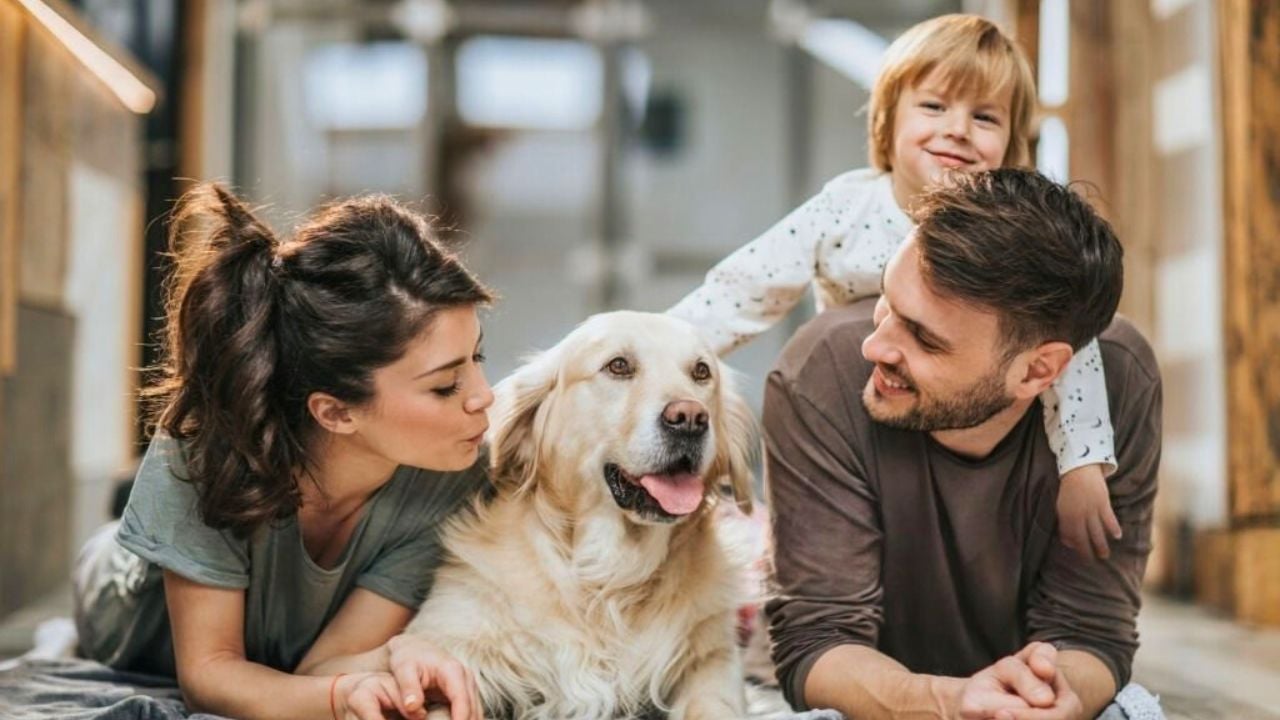
Some dogs attach to one person and ignore everybody else. These dogs do the opposite. They bond with the whole household and act like the family is one unit that should stay connected. They check on everyone, follow the group from room to room, rotate between family members, and seem personally offended if somebody is left out. It’s not always “protection” or “herding,” either. A lot of it is social wiring. These breeds were built to live close to people, work alongside them, and stay aware of the group. In a family setting, that often turns into a dog that treats the house like a pack and treats every person like part of their responsibility.
This is usually a great trait in a family dog because it makes the dog feel shared, not exclusive. The flip side is that pack-minded dogs can struggle with change. New babies, guests, schedule shifts, or one family member leaving for a trip can stress them out because they like the group to be together. They can also become “hall monitors” if they don’t have clear rules, meaning they start controlling movement, barking at normal activity, or acting anxious when someone is in a different room. With training and routine, though, these are often the dogs that make a house feel more connected because they’re always tuned in to everyone.
Labrador Retriever
Labs are social dogs, and in a family home they often bond with everyone. They don’t just pick one person and stick to them. They rotate. They’ll hang with whoever is cooking, then go lay with the kids, then wander over to check on the person working in the office. Labs like being where the group is, and they often act like the family activity is their activity too.
That pack mindset is one reason Labs work in busy households. They tend to handle noise, movement, and constant people traffic better than a lot of breeds. The main thing to manage is their enthusiasm. A Lab that’s excited about “the pack” can be underfoot. Training a calm settle and teaching them not to push into everything keeps their social nature sweet instead of chaotic.
Golden Retriever
Goldens are naturally connected dogs. They want everyone to be okay, and they tend to spread their affection across the household. A Golden will often check on kids, follow family members from room to room, and position themselves where they can be near the most people at once. They’re the kind of dog that wants to be included in the family rhythm, not just attached to one person.
Because they’re emotionally tuned in, Goldens can also become sensitive to household tension. If someone is upset or the routine changes, a Golden may hover more and try to “fix” it with closeness. With a stable routine and consistent boundaries, their pack-style bonding becomes one of the best things about them.
Beagle
Beagles are social and they like a crowd. In many homes, they treat the whole family like their group and want to be near whoever is doing something. They’re curious, friendly, and often happiest when there’s activity. A Beagle might bounce between family members all evening because they want attention from everyone, and they don’t see why they should choose just one person.
The only downside is that Beagles can be stubborn and food-driven. Their loyalty to the pack sometimes competes with loyalty to whatever smells interesting. Training helps, but a Beagle is often a dog that loves the household as a whole, especially in families where people are moving around and doing things together.
Boxer
Boxers are family clowns, and a lot of them treat the household like their team. They’re affectionate, playful, and often equally bonded to multiple people. They’ll follow kids, lean on adults, and act like the whole house is one big hangout. Boxers also tend to be emotionally present, so they’re the dog that shows up if someone is laughing, crying, or raising their voice.
Because they’re energetic, they need structure so their “pack” attitude doesn’t turn into constant jumping and rough play. But in a family that gives them exercise and training, Boxers often become that dog that loves everybody and acts like it’s their job to keep the family together.
Collie
Collies are classic “family dogs” for a reason. They’re often gentle, watchful, and very aware of where everyone is. In a household, they may quietly move from room to room checking on people, especially kids. They aren’t always clingy, but they often like being positioned where they can see the group, like they’re keeping an eye on the pack.
Collies can be sensitive, so they do best with calm handling and predictable routines. When raised well, their pack mindset looks like steady companionship and quiet supervision. They often become the kind of dog that makes a family feel like a unit because they naturally stick close and stay tuned in.
Australian Shepherd
Aussies often treat the house like a herd, and the family like the animals they’re meant to manage. That’s where the “pack” feeling comes from. They keep tabs on everyone. They follow movement. They try to stay central so they can monitor the group. In a family home, an Aussie may bounce between kids and adults, positioning themselves where they can see what’s happening.
The key with Aussies is teaching boundaries so that herding instincts don’t become controlling behavior. You don’t want nipping, blocking, or barking every time someone runs down the hallway. With training and enough mental work, Aussies can be incredible family dogs that bond with the whole household and act like they’re part of every moment.
German Shepherd
German Shepherds often bond with the whole family, especially when they’re raised in a home with consistent leadership and positive socialization. They can still have a main person, but many of them treat the household as the unit they protect and care about. They’ll follow kids, check doors, and position themselves between family members and anything unfamiliar. That’s part instinct and part loyalty.
Because they’re powerful and protective, you want a Shepherd that’s confident and stable. When they are, their pack mentality feels calm and reassuring. When they aren’t, it can turn into suspicion or reactivity. The breed can be an amazing family protector, but only when training and socialization are taken seriously.
Great Pyrenees
Great Pyrenees were bred to guard a group, and that wiring translates naturally into “this whole house is my pack.” Many Pyrs treat the family as their responsibility. They’ll patrol at night, watch the yard, and keep tabs on where people are. They may not be in your lap, but they’re aware of the household and they’re often very attached to the group as a whole.
They’re also independent and can be stubborn, so they’re not a breed you manage with harsh corrections or inconsistent rules. If the family understands guardian behavior, a Pyr can be a steady, loyal presence that feels like the house has its own security system. If the family doesn’t, the barking and independence can be frustrating.
Newfoundland
Newfoundlands are gentle giants that often bond with everyone in the household. They tend to be calm, patient, and naturally nurturing, especially around kids. A Newf will often position themselves near the group and seem content just being part of the family environment. They’re not usually possessive of one person. They’re more like a big, steady family dog that wants everyone close.
Because they’re huge, training matters, but their temperament often makes them forgiving and easy to live with in a family setting. Their pack mindset shows up as calm closeness: they want to be where the family is, and they often keep an eye on the kids without being intense.
Cocker Spaniel
Cocker Spaniels are affectionate, people-oriented dogs that often spread their attention across the family. Many Cockers are happiest when they can be with the group, and they’ll rotate between family members, looking for connection and reassurance. They’re social dogs, and they can become very attached to household routines.
Because they’re sensitive, they do best when the home is consistent and kind. If the household is chaotic or stressful, they can get clingy or anxious. But in a stable family environment, a Cocker often becomes that dog that loves everyone and seems happiest when the whole pack is together.
Like The Avid Outdoorsman’s content? Be sure to follow us.
Here’s more from us: