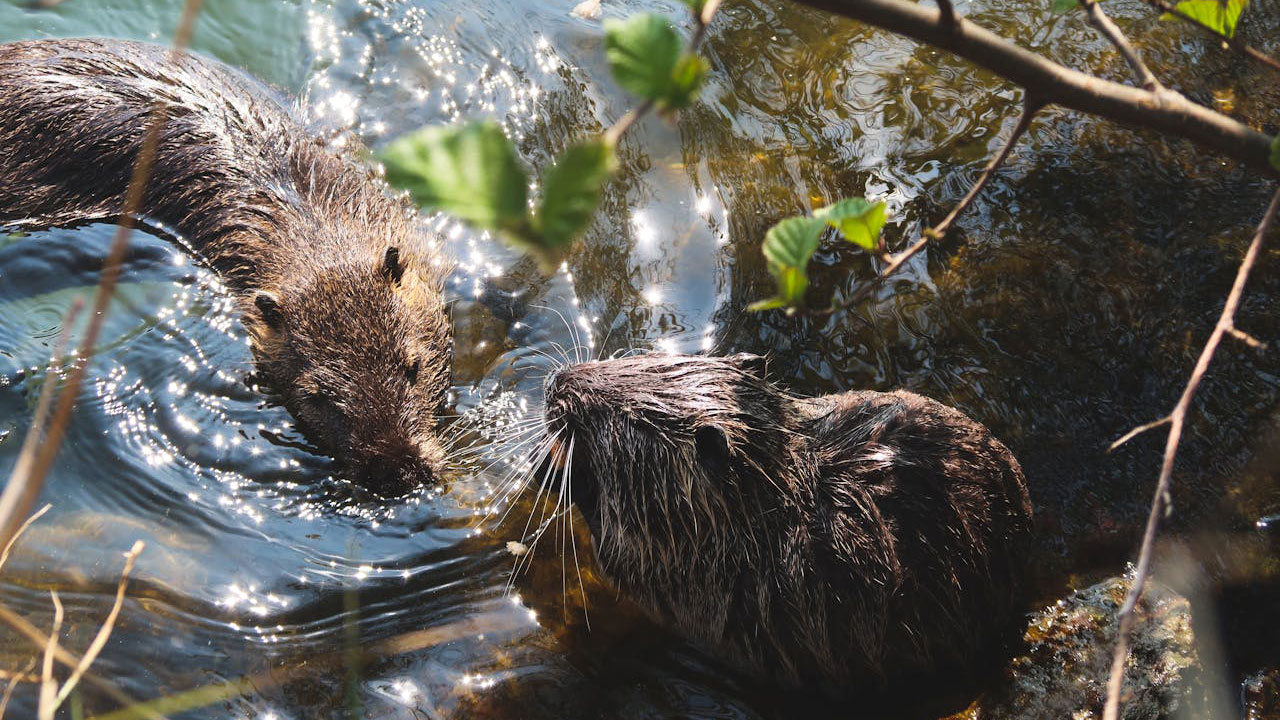
Photo credit: Lora Rikky/Pexels.com
“Invasive species” isn’t just a biology buzzword—if you hunt and fish, it can change what you see, what you can legally do, and how hard you have to work to get the same results you used to. Some of these invasives wreck habitat, some hammer native fish recruitment, and some straight-up rewrite food webs. Agencies are blunt about the damage in a lot of places, and the trend isn’t slowing down. Here are 15 states where that impact is showing up in real, practical ways for people who spend time outdoors.
Florida
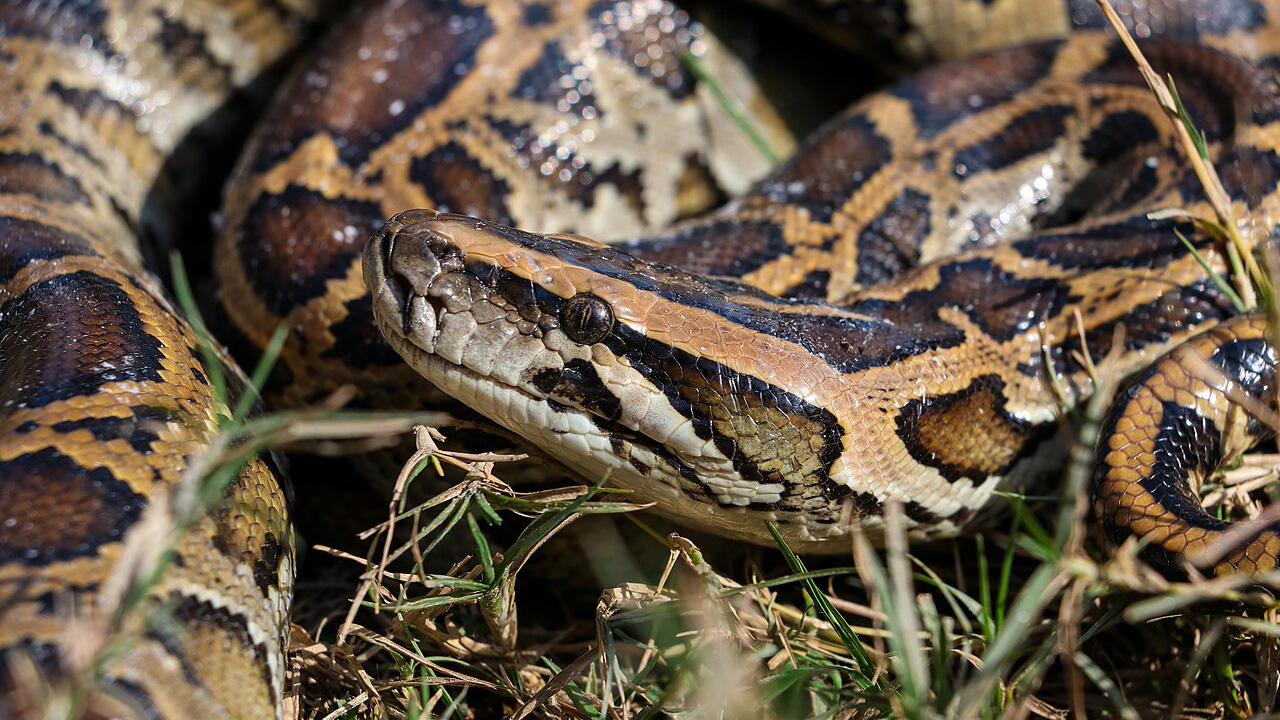
Florida is the poster child for “this is why invasives matter.” In the Everglades, invasive Burmese pythons are a major management focus because they’re established, hard to remove, and tied to heavy impacts on native wildlife. Offshore and on reefs, lionfish are another problem that hits fishing and ecosystems at the same time—NOAA notes they reduce native reef fish recruitment and compete with species anglers care about. For hunters, invasives can shift the whole prey base and habitat use of native animals. For anglers, it can change what’s available and what’s thriving in certain waters. Florida is also a state where “eat or harvest the invasive” programs and contests aren’t just PR—they’re part of the control strategy because the scale is that big.
Louisiana
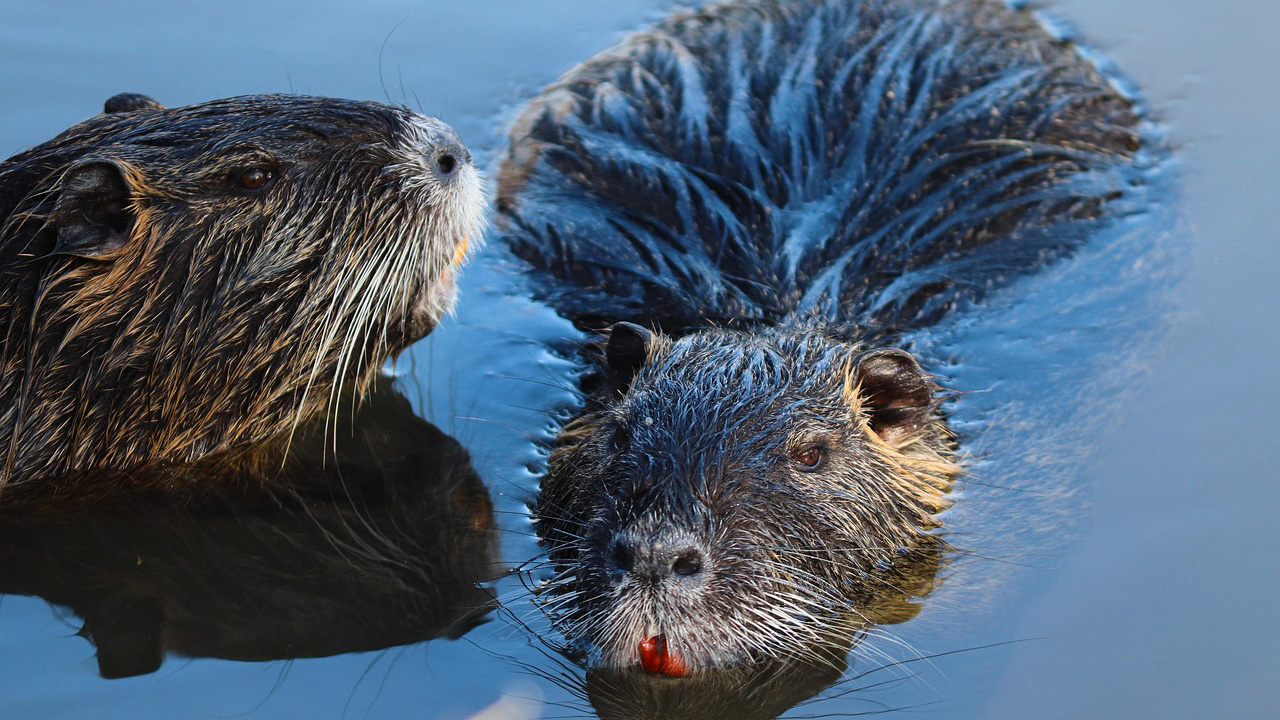
Louisiana’s invasives hit from multiple angles: habitat damage, land loss, and wildlife displacement. Nutria are a well-documented example—Louisiana wildlife officials note they cause extensive damage to coastal wetlands through feeding behavior, which matters because wetlands aren’t just pretty scenery; they’re the engine room for a lot of fish and waterfowl life. On top of that, feral swine are a constant headache in much of the South, and Louisiana deals with the rooting, wallowing, and habitat destruction side of it like everyone else. When habitat changes, everything downstream changes—access, movement patterns, nesting cover, and where animals concentrate. That’s why Louisiana belongs on this list: invasives aren’t a side story there, they’re part of the outdoor reality.
Texas

Texas has a long list, but feral swine alone earns it a spot. USDA APHIS calls feral swine a destructive invasive species with major damage to agriculture, ecosystems, and property, and they’ve expanded widely. For hunters, that can mean more opportunity in some places but also more habitat damage and more competition with native wildlife when hogs hammer food sources and cover. For anglers and landowners, pigs tearing up creek edges and wetlands can muddy water and wreck sensitive habitat. Texas also has enough varied habitat that once an invasive gets established, it finds a niche fast. This is one of those states where “invasive species management” isn’t theoretical—it’s a year-round part of what landowners and hunters talk about.
Illinois

If you fish big water in the Midwest, you already know why Illinois is here: invasive carp. Federal wildlife officials have warned that when invasive carp become abundant, they disrupt aquatic food webs and can destroy native fisheries, which is exactly what anglers fear when those fish dominate a system. Illinois sits right on major river corridors where carp spread and where the stakes are huge because connected waterways mean connected problems. That changes fishing quality, what species you can realistically target in certain stretches, and where management money goes. When a state has to plan around keeping a fish from rewriting an entire watershed, that’s not a minor issue—that’s a hunting-and-fishing issue.
Missouri

Missouri belongs in the same carp conversation because of the Mississippi River system and tributaries that tie the region together. When invasive carp are entrenched, it’s not just “another fish in the water.” It can mean different baitfish dynamics, different predator behavior, and pressure on native species that anglers depend on. Missouri also has a lot of fishing culture around big rivers, lakes, and floodplain habitat, so ecosystem shifts show up in real-world outcomes—tournaments, seasonal patterns, and what people are catching. If you’re a hunter, invasives that alter wetlands and riparian areas can also shift waterfowl use and the health of the habitat itself. Missouri is a state where the connected-water problem makes invasives hard to “contain” once they’re moving.
Kentucky
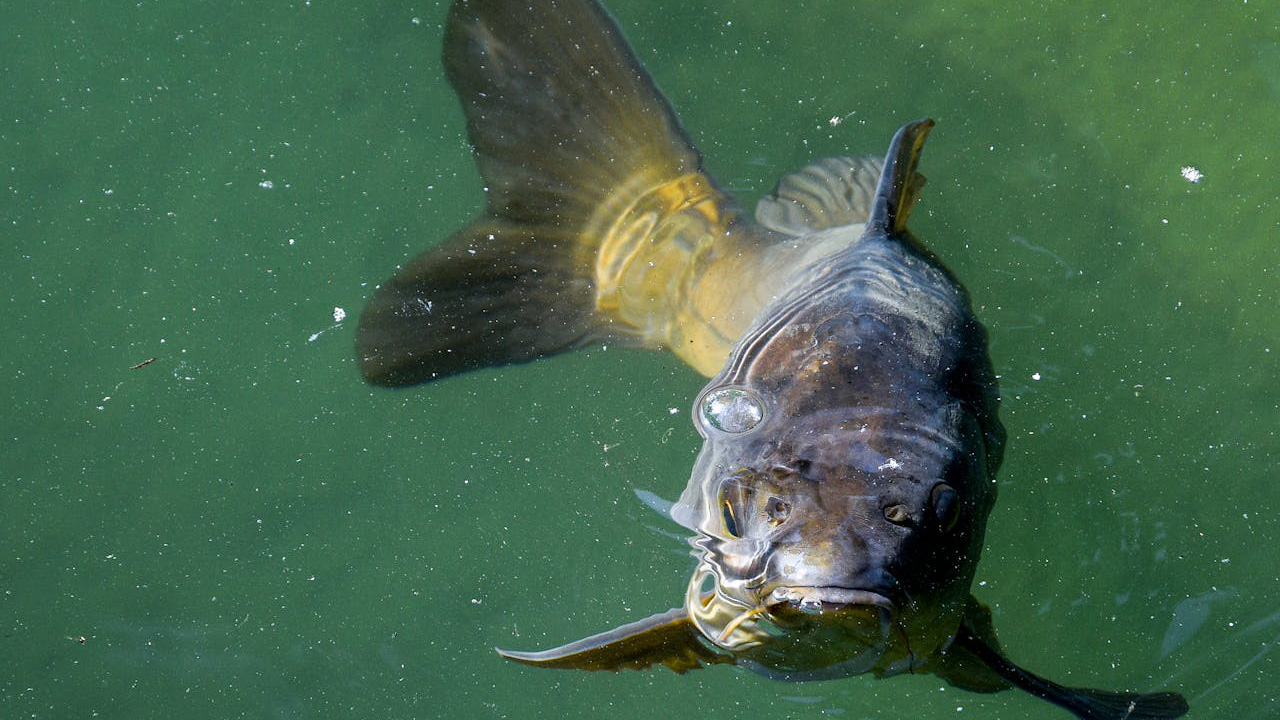
Kentucky’s rivers connect it to the same invasive carp fight that hits much of the Mississippi and Ohio River basins. The big deal with carp is how they scale—once they’re abundant, agencies describe major disruption to fisheries and aquatic life, and that’s the kind of change anglers feel fast when a system gets out of balance. Kentucky also has a lot of serious fishing pressure and a lot of river access, so the impact isn’t hidden in some remote marsh. It’s in the places people actually fish. And because invasive species management often means regulation changes and targeted removal efforts, Kentucky anglers can see it show up in what’s allowed, what’s encouraged, and where resources get focused.
Maryland
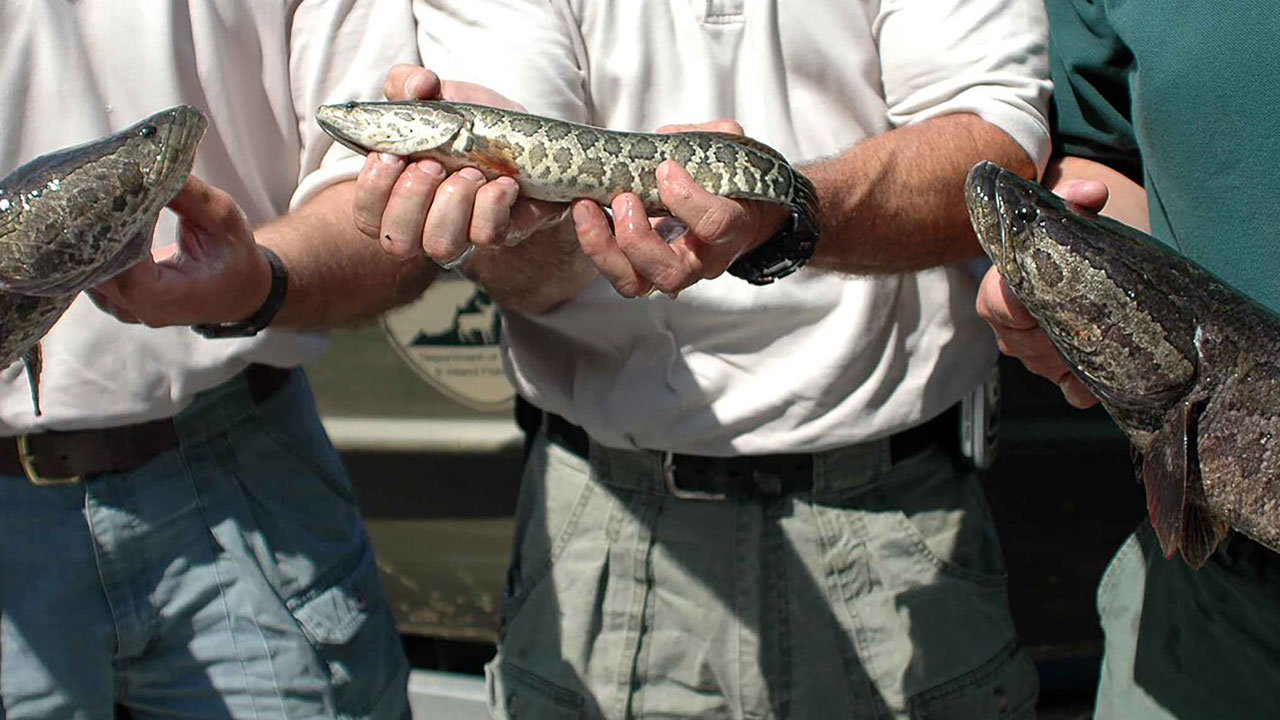
Maryland’s invasive fish problem is famous enough that the state has literally pushed “eat invasive” messaging around it. Maryland DNR has spotlighted invasive fish like northern snakehead (and others) as species that pose ecosystem problems in the Chesapeake Bay and tributaries. Broader invasive species tracking also notes Maryland’s efforts to rebrand snakehead to increase harvest interest, which tells you how serious the control side is. For anglers, it changes what’s common in some waters and can pressure native fish communities. For hunters and outdoorsmen who spend time on tidal rivers and marsh edges, invasives also shift habitat quality and food chains. Maryland is a state where invasive species isn’t “something scientists talk about.” It’s right there in the fishing rules, the messaging, and what people are catching.
Virginia
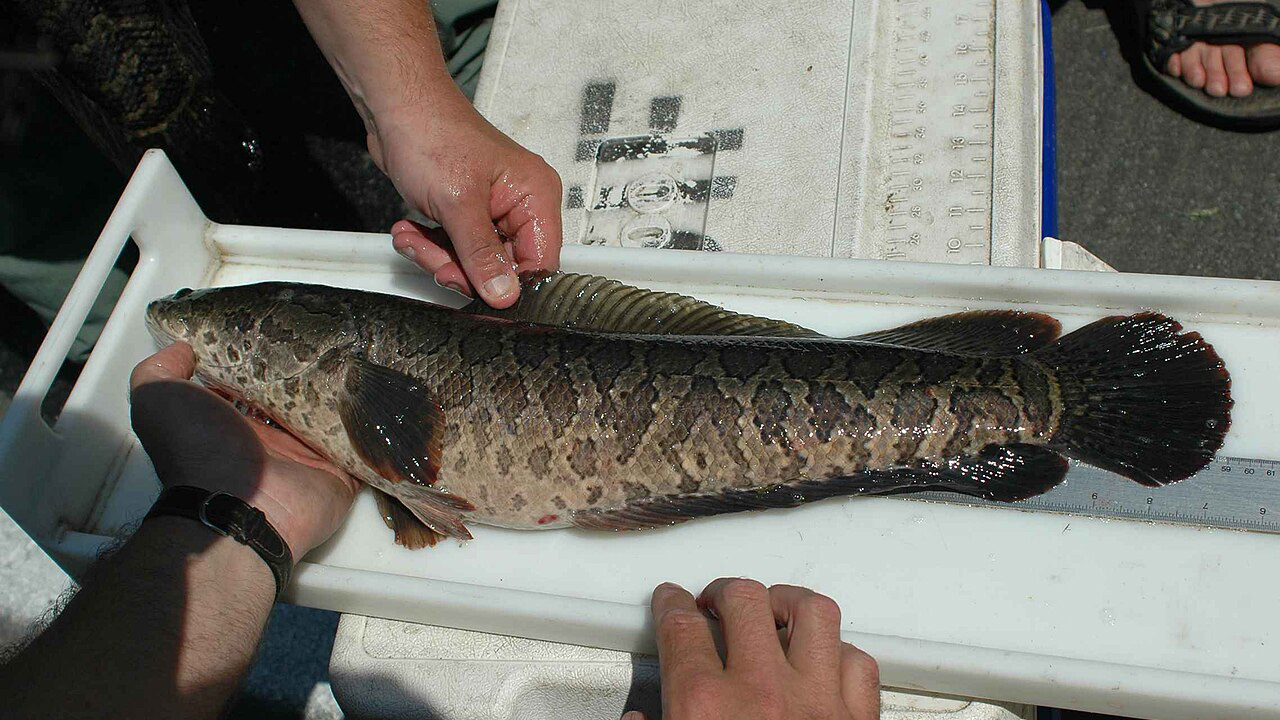
Virginia is tied into the same Chesapeake system, and Virginia’s own wildlife agency notes northern snakehead presence throughout the Potomac River system from above Great Falls down toward Chesapeake Bay reaches. That kind of distribution matters because it means the fish isn’t a local oddity anymore—it’s part of the ecosystem in a major, heavily fished river corridor. Management gets complicated when a species is established across big connected waters, and anglers feel it through shifting catch patterns and ongoing harvest pushes. Invasives also affect forage species and predator dynamics over time, and even when the day-to-day fishing feels “fine,” the long-term ecosystem consequences can still be stacking up, which is why agencies keep tracking and talking about it.
Michigan

In the Great Lakes, invasive mussels have changed the game for fisheries by reshaping food webs and habitat conditions. Reporting and scientific/agency discussions around quagga and zebra mussels consistently point to major ecological disruption, with knock-on effects that can ripple into fish populations and fishing quality. Michigan is right in the middle of that story because Lake Michigan and the surrounding waters are where a lot of these shifts show up in real time. When the base of the food web changes, it’s not just a “biology problem”—it’s why some traditional fisheries struggle, why management priorities shift, and why anglers have to adjust. Michigan is a state where invasives have already rewritten parts of the system, not just threatened to.
Wisconsin
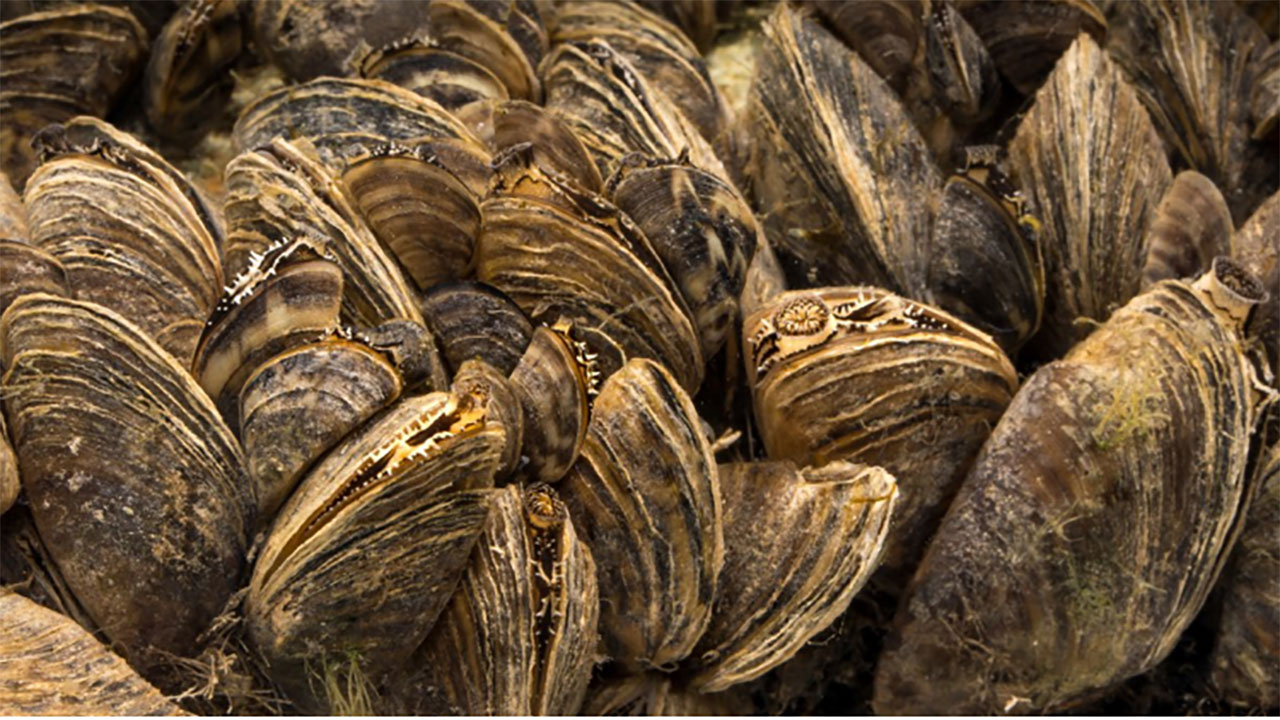
Wisconsin sits in that same Great Lakes ecosystem influence, and invasive mussels (plus other invasive aquatic species) have altered habitat and food web dynamics across the region. That matters because it can affect everything from baitfish availability to spawning habitat, and it can change which species thrive and which struggle. For anglers, it shows up in patterns over time—where fish are, what they’re eating, and how stable certain fisheries feel year to year. Wisconsin also has a lot of inland water, which means once invasive species get a foothold and hitch rides via boats and gear, the spread risk stays high. The practical takeaway is simple: this isn’t a one-lake problem. It’s a statewide “protect the resource” problem.
Minnesota
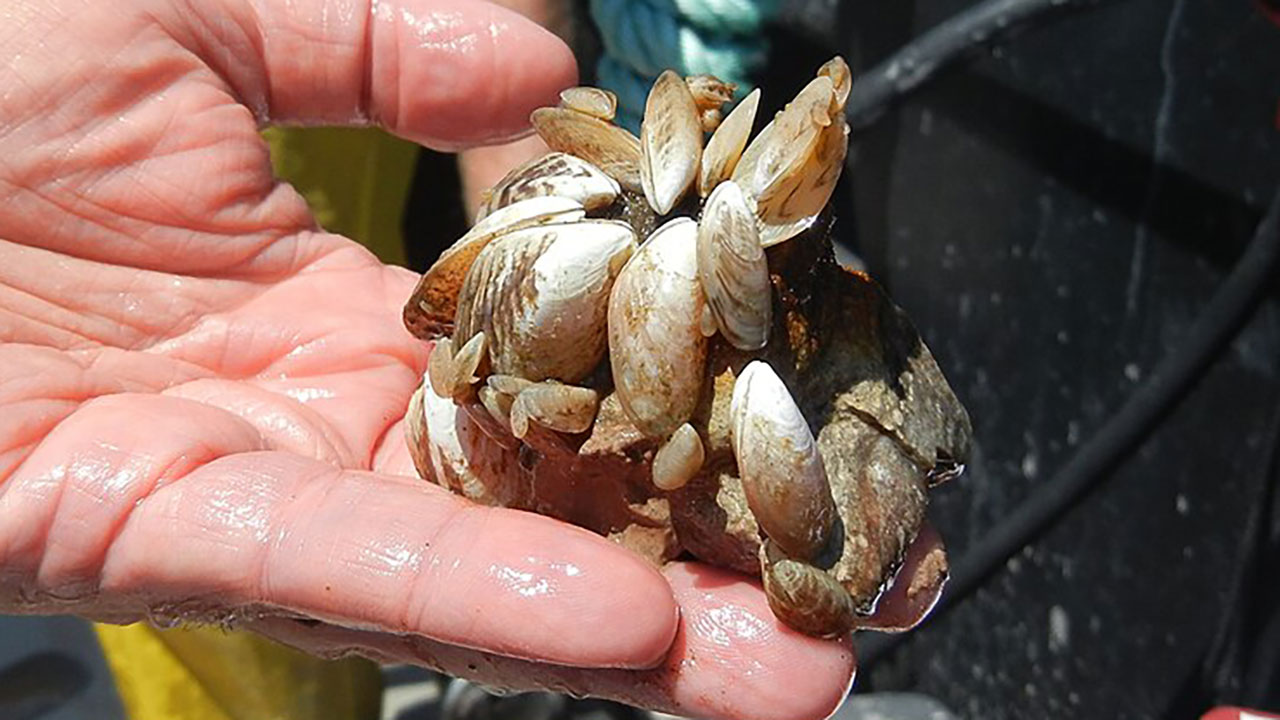
Minnesota makes the list because its fishing culture is huge and its waters are connected enough that invasive species can spread and create long-term headaches. Invasive mussels and other aquatic invasives have forced states around the Great Lakes and upper Midwest to put major emphasis on prevention, decontamination, and monitoring, because once these things are entrenched, they alter ecosystems and fisheries. For anglers, the impact isn’t always dramatic overnight. It’s the slow grind—changes in water clarity, changes in forage, changes in where fish hold, and more restrictions and checks at access points. Minnesota is one of those states where “invasive species rules” aren’t just red tape. They’re a reaction to real consequences.
Alaska

Alaska surprises people until they look at what invasive northern pike can do in the wrong waters. Alaska Fish and Game has warned that illegal stocking of northern pike threatens fisheries in Southcentral Alaska, and research coverage notes pike impacts on native fish like salmon when they invade new territory. That’s not a minor thing in a state where salmon fisheries are a huge deal culturally and economically. For anglers, it’s the difference between a system built around native runs and a system where an efficient predator starts changing survival rates. For hunters and outdoorsmen, it’s also a reminder that invasives aren’t just a “lower 48” issue—one bad introduction can create a long-term management fight in places that people assume are untouched.
Hawaii

Hawaii’s invasive problems hit land and water, and they tie directly into hunting and resource protection. Axis deer have become a major management issue in Maui County and elsewhere, with state and conservation sources describing big impacts that drive control efforts and hunting agreements. Add feral pigs to the mix, and you get ecosystem damage that affects watersheds, erosion, and habitat. Hawaii is a place where invasive species management and hunting overlap in a very direct way: controlled harvest is part of the solution. If you care about habitat, water quality, and long-term wildlife health, Hawaii is one of the clearest examples of how invasives can force hard choices.
Georgia

Georgia is another feral swine state where the damage side of the equation matters as much as the hunting opportunity side. USDA APHIS and related materials describe feral swine as destructive invasive animals that damage ecosystems and can impact game species habitat through rooting and wallowing behaviors. That affects turkey nesting cover, deer food sources, and the health of wet areas and creek bottoms that wildlife depends on. For anglers, habitat damage and runoff issues can show up in water quality problems over time. Georgia belongs here because the invasive isn’t isolated to one corner of the state; it’s widespread enough that hunters, landowners, and agencies treat it like a constant management problem.
Arizona
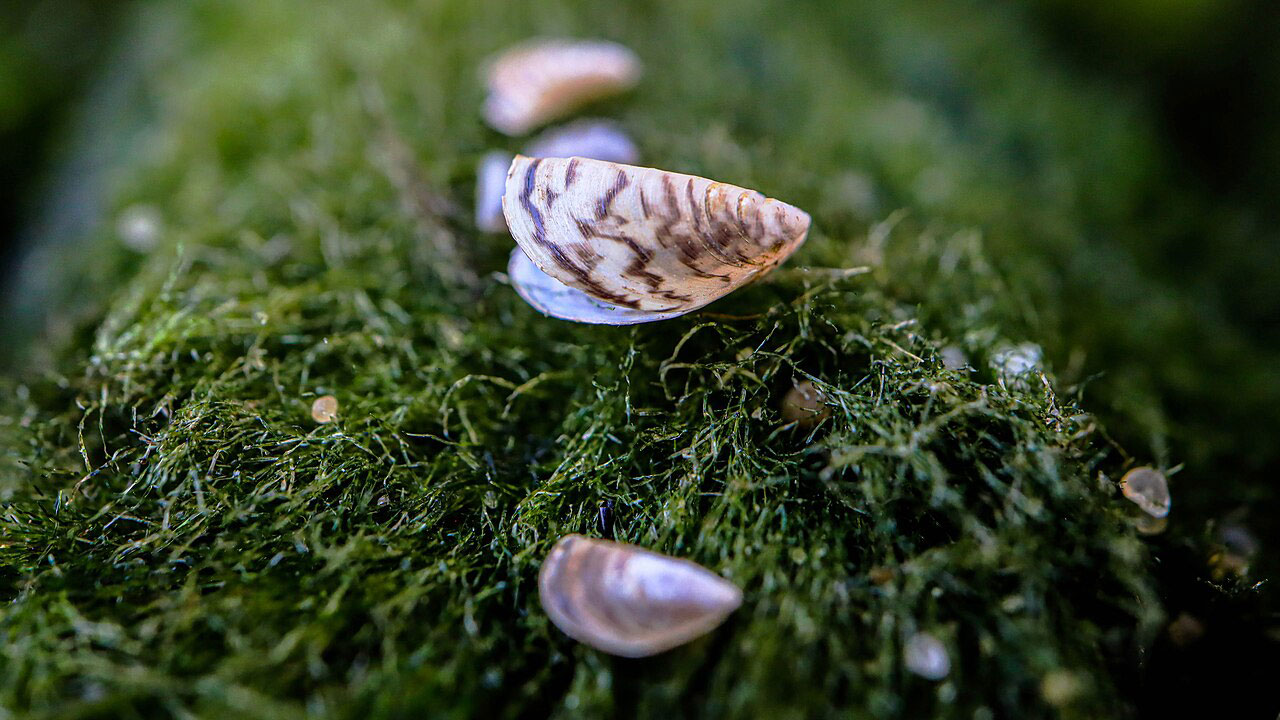
Arizona’s invasive story isn’t only about snakes and deserts—water systems out West have been fighting invasive mussels and other aquatic threats that can disrupt ecosystems and force expensive management responses. Broad invasive mussel discussions highlight impacts on aquatic food webs and native species health, and western reservoirs have been part of the control conversation for years. For anglers, even small shifts in food web dynamics can change fishing quality and stability, especially in reservoirs where the ecosystem is already a balancing act. Arizona also shows how invasives create “new normal” rules—inspection stations, decontamination expectations, and enforcement that becomes part of the fishing experience whether people like it or not.
Nevada
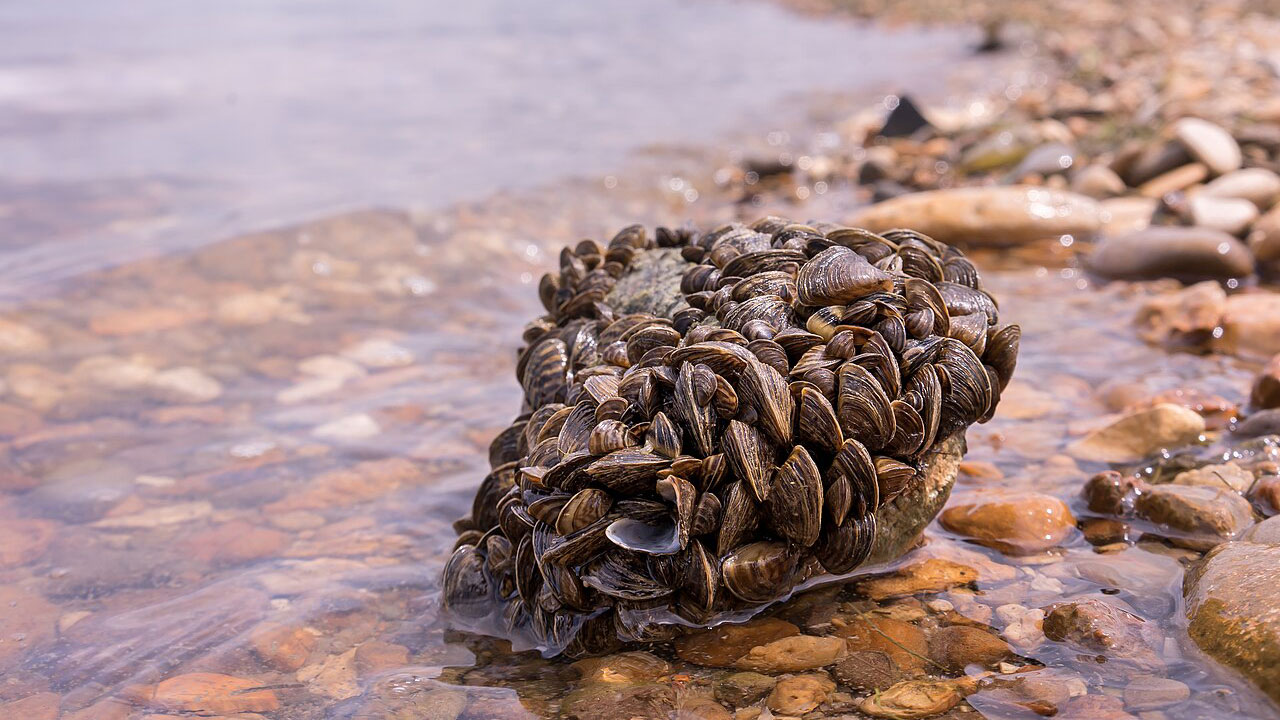
Nevada makes the list for the same western-water reason: invasive mussels and other aquatic invasives can force big-time prevention and management, especially around major reservoirs and connected waterways. Once mussels establish, they don’t just cause infrastructure issues—they can alter habitat structure and food web relationships that fish depend on. Nevada’s fishing opportunities are concentrated enough that ecosystem disruptions hit hard, and management costs can be a serious burden. For anglers, it’s not just “some gross shells on rocks.” It’s a shift in how the water behaves, what the forage base looks like, and how fisheries perform over time. In a desert state where water resources are already precious, invasives make everything harder.
Like The Avid Outdoorsman’s content? Be sure to follow us.
Here’s more from us: