Photo credit: Anne-Marie Gionet-Lavoie/Pexels.com
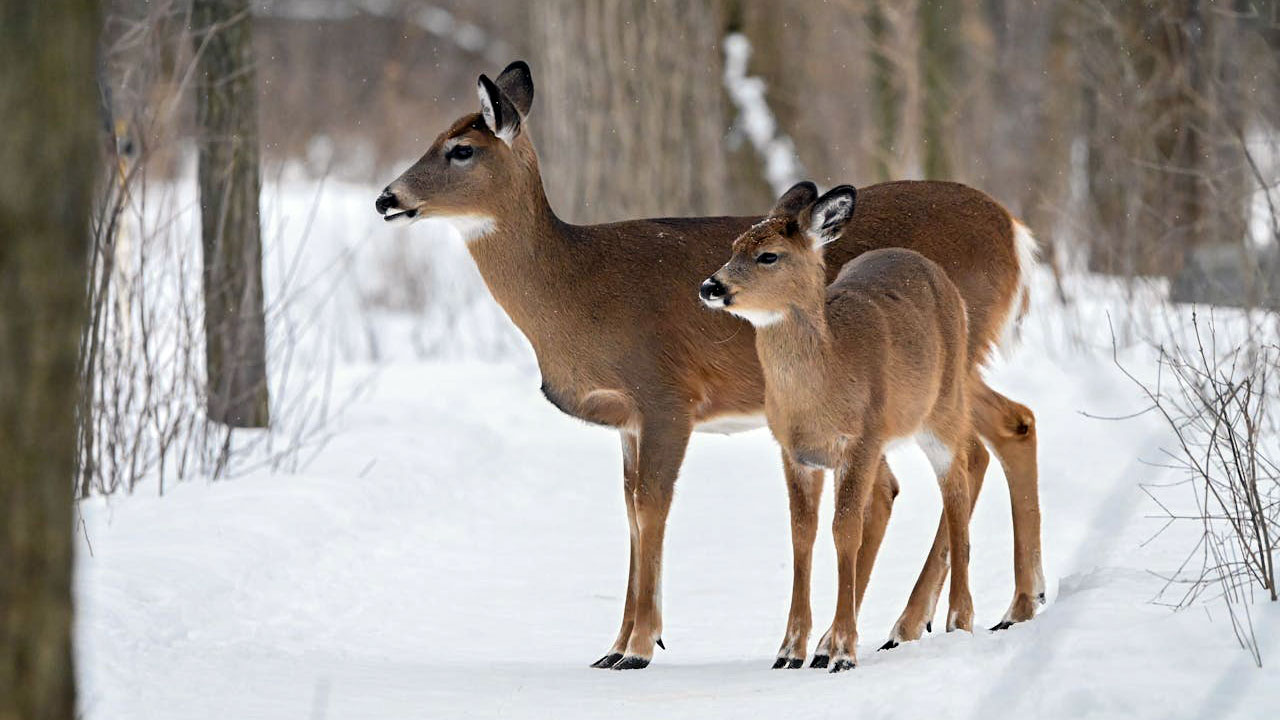
This is one of the most frustrating trends in modern deer hunting: you can have plenty of deer on the landscape, and still feel like you’re working harder for less. A big reason is that “deer numbers” and “hunter success” aren’t the same thing. Deer can be concentrated on private ground, living in suburban refuges, shifting nocturnal from pressure, or simply surviving because hunters are getting choosier. Layer on aging hunters and changing participation patterns, and success can slide even when deer are still abundant.
Below are 15 states where deer are still a major resource—strong populations/harvest culture, lots of deer habitat—but where more hunters are reporting lower success because the game has changed.
Pennsylvania
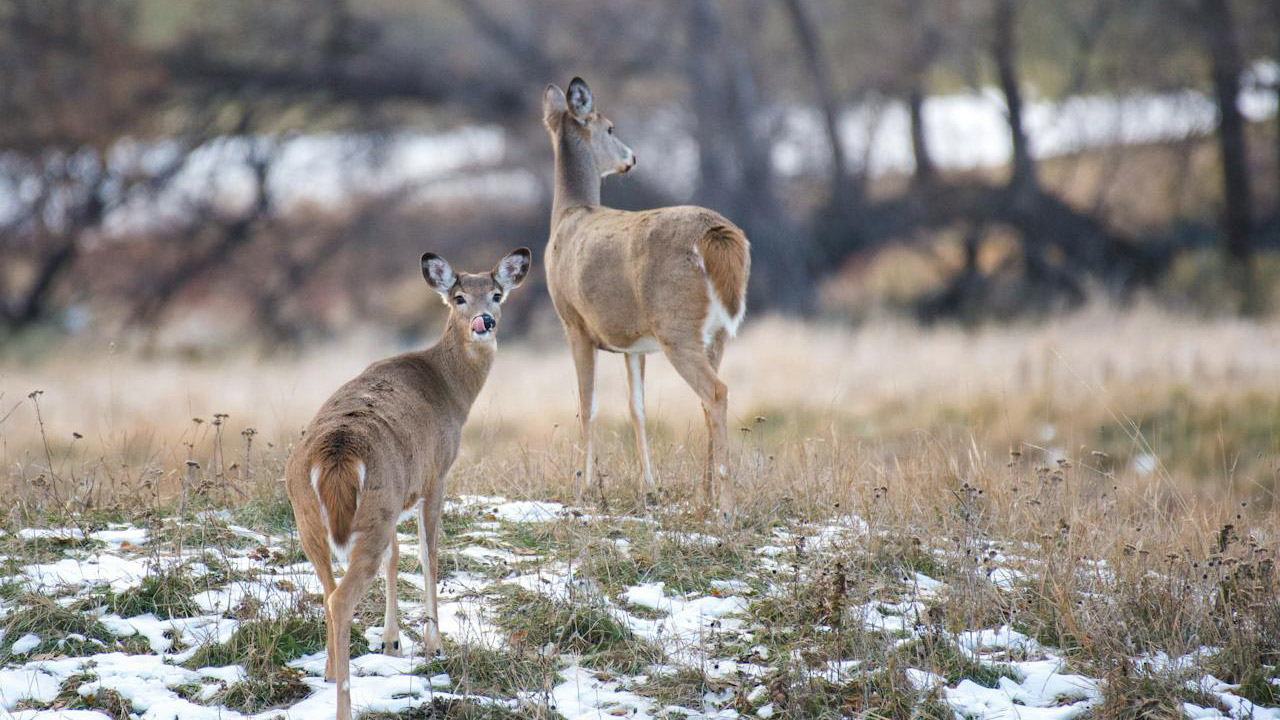
Pennsylvania has long been one of the nation’s biggest deer states, but “high deer numbers” doesn’t automatically mean high odds. Pressure is intense in many regions, and deer learn fast—especially on public ground near easy access. A lot of PA deer also live where hunters can’t touch them: private farmland, posted timber, and edges that get hunted hard for a weekend then go dead quiet when the deer shift patterns.
The other quiet factor is “hunter behavior.” When more hunters pass does, pass young bucks, and only shoot a narrow set of deer, the woods can feel empty even when deer are around. It’s not that deer disappeared—it’s that your odds of encountering a deer you’ll actually shoot got smaller.
Michigan
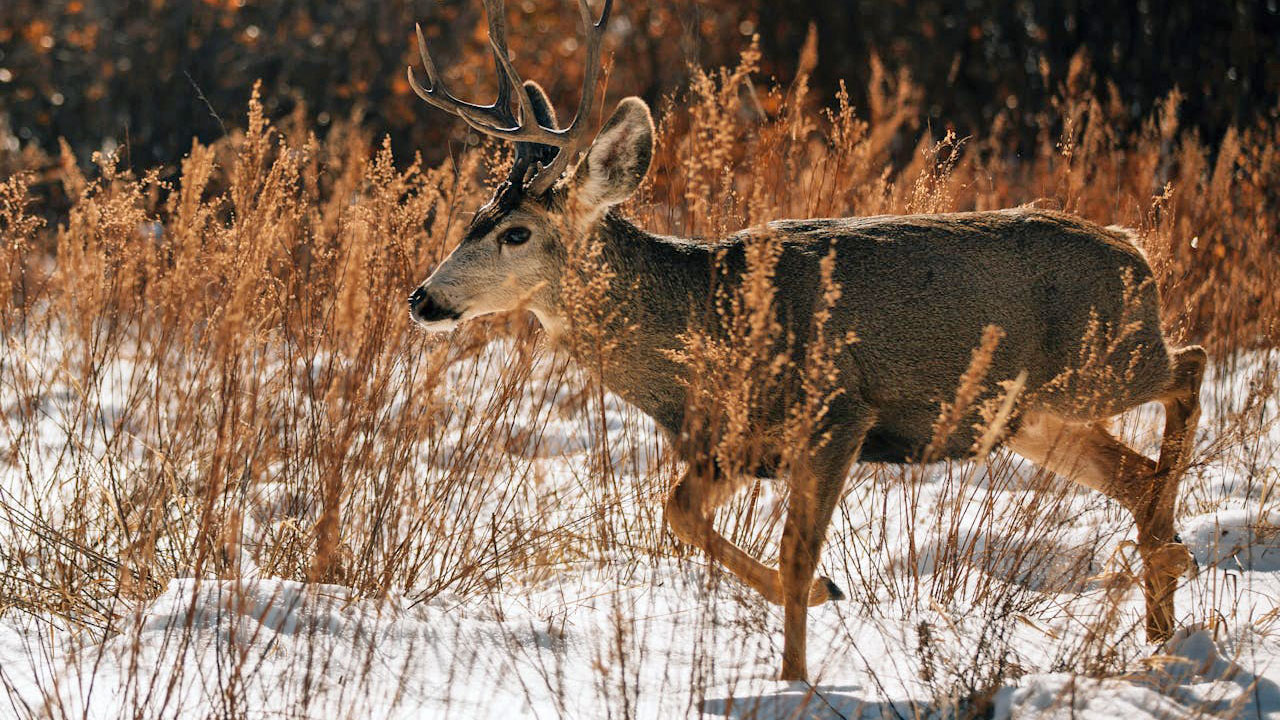
Michigan still has a huge deer culture, but recent harvest reporting shows meaningful dips in some segments even while deer remain widespread. For example, Michigan’s early archery harvest was reported down in 2025 compared to 2024, and down notably compared to the first mandatory-reporting year. That kind of drop can come from several places at once: weather, pressure, food shifts, and hunter selectivity.
Michigan is also a classic “access-and-pressure” state. A lot of hunters hunt close to home, and public parcels near population centers get hammered. Deer don’t vanish—they go nocturnal, tuck into thick cover, and use private edges. So the state can hold plenty of deer while the average hunter’s clean shot opportunities shrink.
Wisconsin
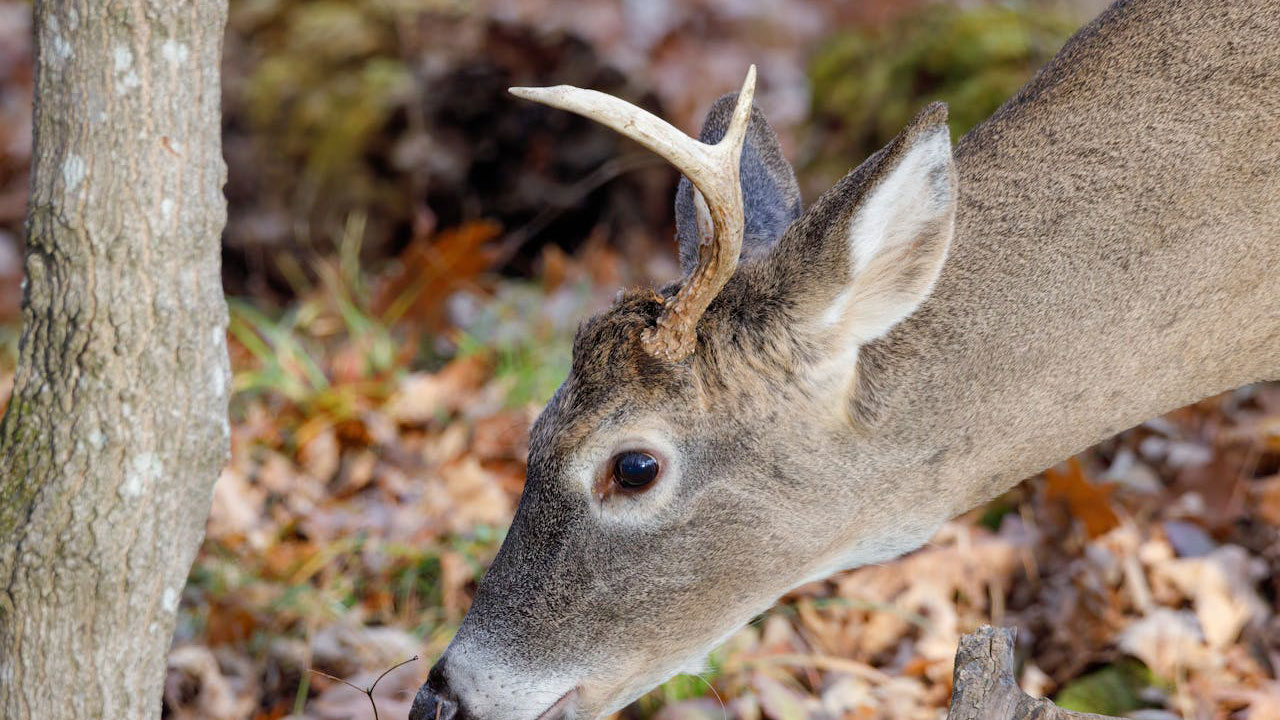
Wisconsin has strong deer numbers in many zones, but it’s also a state where pressure and tradition can make success feel tougher than it should. When opening-week habits and easy-access routes get repeated year after year, mature deer pattern people like clockwork. That drives more “I saw sign but didn’t see deer” seasons even when local numbers are fine.
Another reality is that a lot of Wisconsin’s best deer live near ag and private cover. If you’re not in that private-land circle (or you don’t have strong permission), the public-land hunter often ends up hunting the same pressured woods everyone else is hunting, while deer feed somewhere else after dark.
Illinois
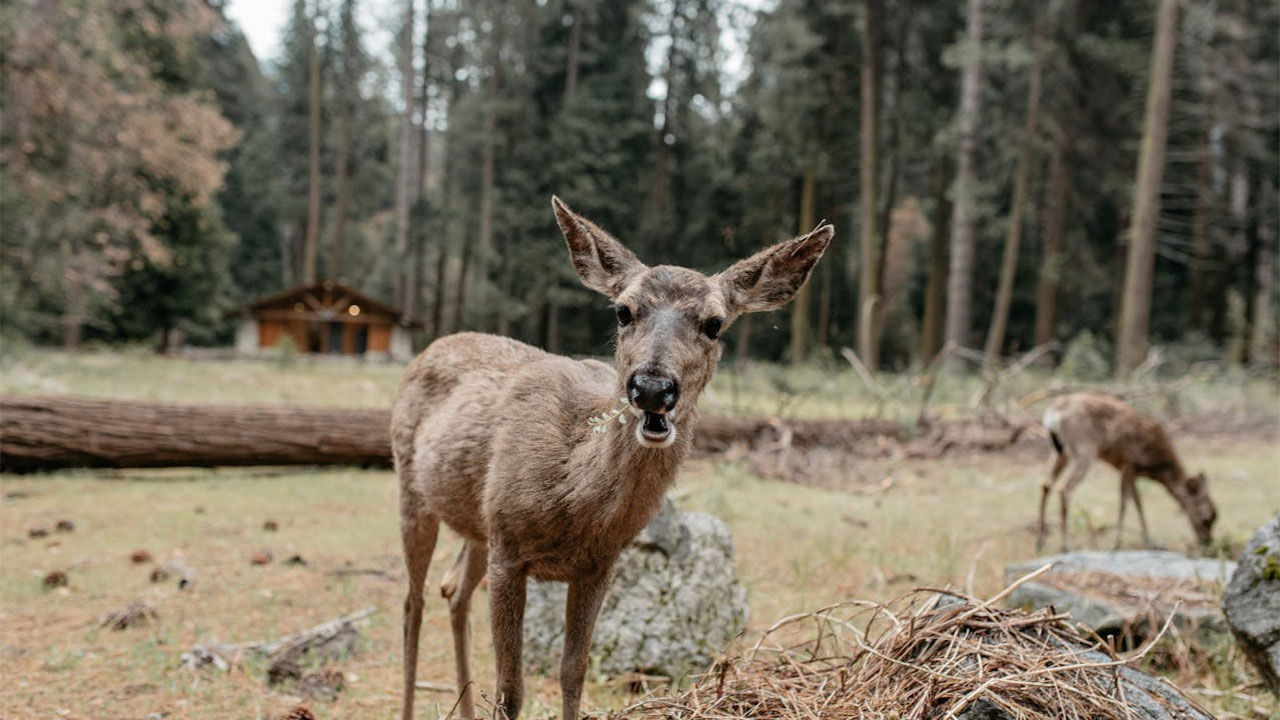
Illinois still produces a big harvest and holds plenty of deer, but even small year-over-year declines can feel big to hunters who are used to “automatic” success. Illinois reported a slight dip in firearm harvest in 2025 compared to 2024. That doesn’t mean deer are gone—it often means weather timing, pressure, and deer movement didn’t line up the same way.
Illinois also has a strong private-land dynamic. When most quality habitat sits behind permission, and public options get crowded, a lot of hunters are left with fewer good setups. Deer numbers can be solid, but access (and competition) can still drive success down.
Indiana
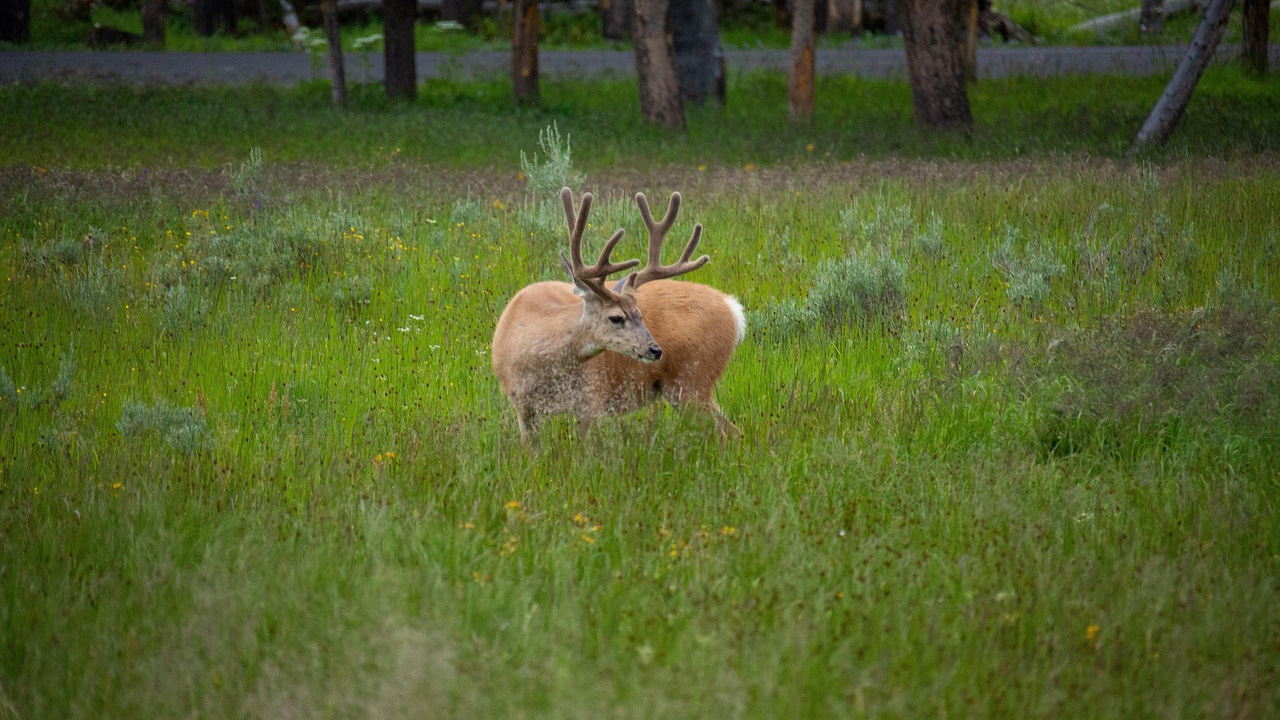
Indiana has high deer density in many areas, but hunter success can slip when deer shift to private refuges and suburban edges. A lot of Indiana’s “easy deer” are living on small private parcels, city greenbelts, or places where firearms pressure is low. Hunters then see plenty of deer in the off-season and wonder why they don’t see them during legal hours.
Another common Indiana success-killer is pressure stacking. When multiple hunters work the same public parcels and the same farm edges, deer movement compresses into the least accessible cover. You can still kill deer—but the easy patterns disappear fast.
Ohio
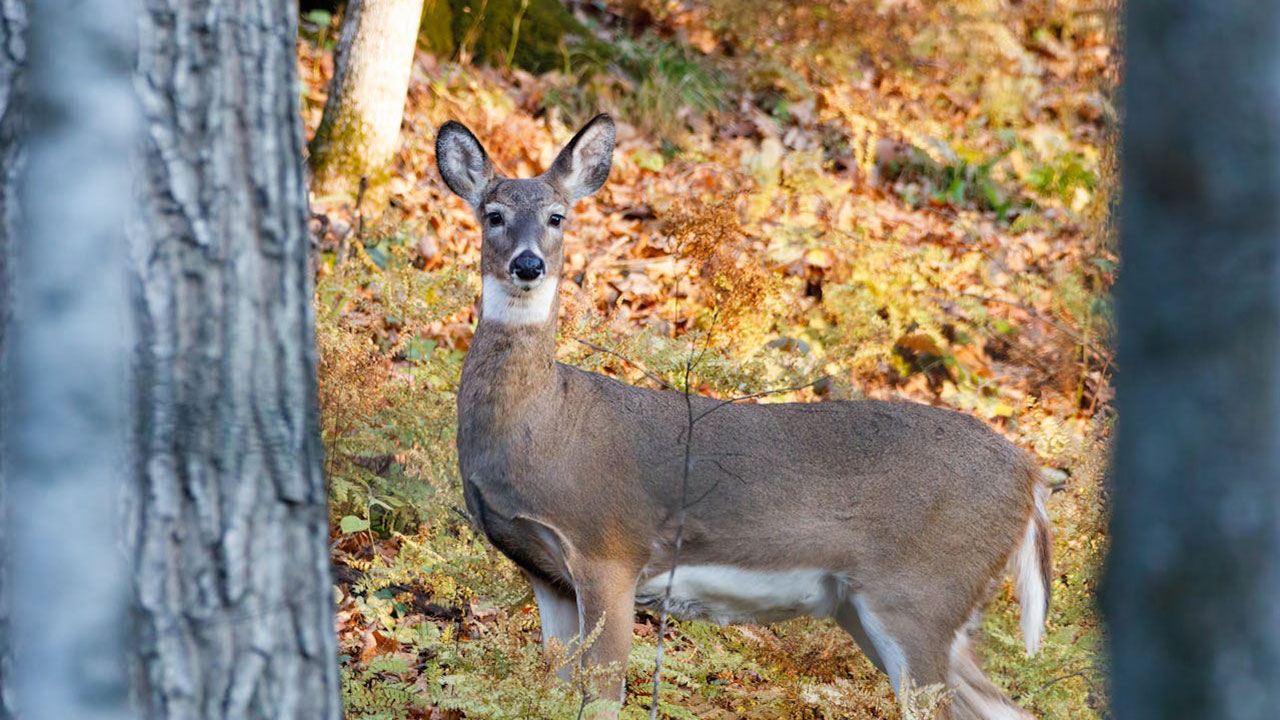
Ohio has plenty of deer, but success drops in the places where deer live “in plain sight” but out of reach—suburban zones, posted farm ground, and small parcels with constant human activity that deer have learned to use as shields. You’ll hear it all the time: “There are deer everywhere… just not where I can hunt.”
Ohio also has a big “weekend pressure” effect. In many areas, deer adjust after the first heavy wave of hunters. If you don’t change tactics (thicker cover, midweek hunts, less obvious access routes), the season can feel worse even when the population isn’t.
New York
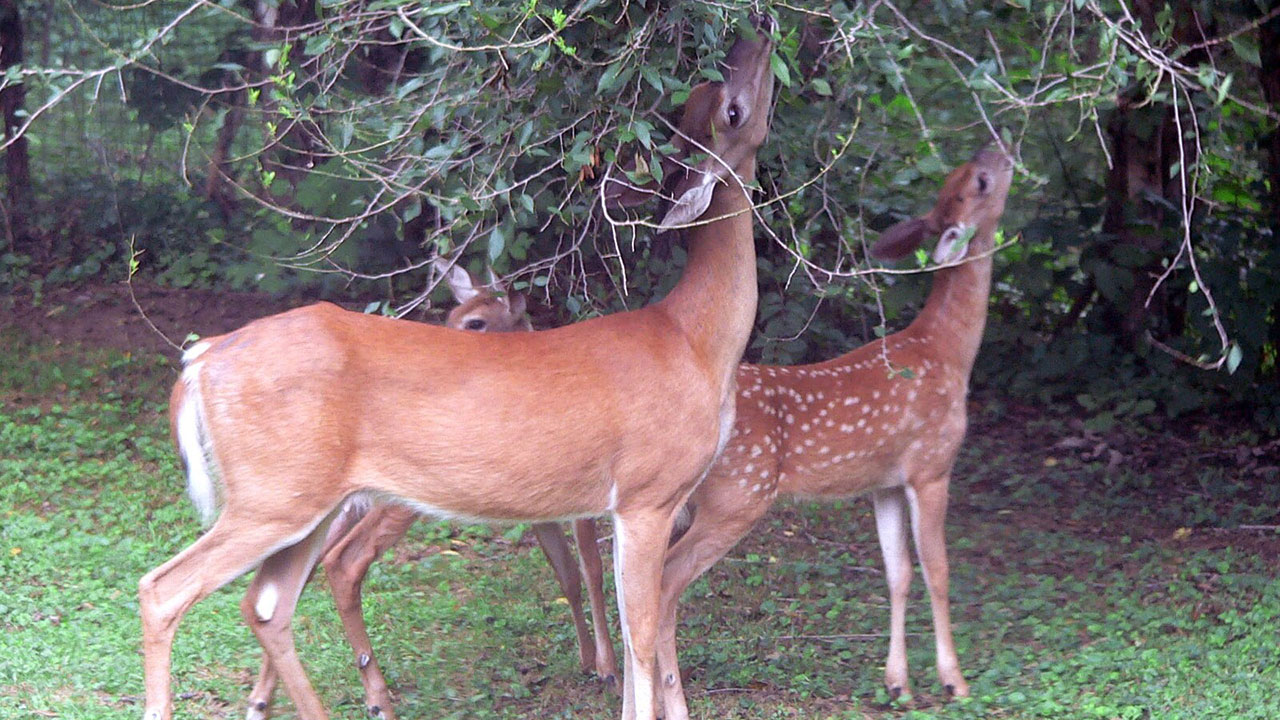
New York has plenty of deer—enough that the state has long had to talk about overabundance impacts in some regions. But hunter success can still feel low, especially where access is fragmented and deer concentrate in places that are hard to hunt: suburban pockets, small private parcels, and thick cover near development.
Also, the Northeast often shows lower success rates than the South, even when deer are present, because visibility and habitat layout work against hunters. That gap shows up in broader success reporting: the Southeast tends to lead, while the Northeast tends to lag.
New Jersey

New Jersey can have lots of deer, but it’s a textbook example of “deer where you can’t hunt them.” Suburban refuges, small parcel ownership, and high human activity create zones where deer thrive and hunters struggle. People see deer daily—then can’t translate that into legal opportunity.
When hunters do have access, pressure can be intense and movement windows can be short. Deer adapt to people quickly in dense states. So the population can be “high,” while success still drops because the huntable deer are a smaller slice of the whole pie.
Maryland

Maryland has plenty of deer, especially in mixed farmland/woodlots and suburban edges, but access is the choke point in a lot of areas. As deer stack up in no-hunt pockets and private property corridors, hunters without consistent permission end up concentrated on fewer parcels—often public—where pressure ramps fast.
Maryland also has plenty of hunters who are more selective than past generations. When more people pass does or hold out for a buck, “success” rates can fall even if sightings remain steady.
Virginia

Virginia has strong deer presence statewide, but hunter success can slide as hunting pressure, suburban growth, and access changes pile up. A big modern shift is that deer management increasingly depends on accurate reporting and localized strategy, because deer don’t behave the same in mountain timber as they do in Tidewater edges.
Virginia also illustrates a broader truth: when most deer harvest happens on private land nationally, the hunter without private access is often the one feeling success drop the hardest.
North Carolina

North Carolina has plenty of deer across the state, but hunter success can drop in pockets where deer have shifted toward private ag edges and thick security cover. You’ll see heavy sign and still struggle to catch deer moving in daylight because pressure and human activity compress their patterns.
NC also has regional differences that matter. In some areas deer are abundant, but the huntable habitat is broken up—small parcels, dense neighborhoods, lots of “buffer” cover deer can use to stay hard to hunt.
Georgia

Georgia holds a strong deer population and a massive hunting culture, but success can slide where deer live on private pine/ag mosaics and public land gets pressured hard. A lot of deer survive because they’ve got cover, food, and constant “soft pressure” that trains them to move at night.
Georgia is also a classic state for “hunter choosiness.” When hunters pass younger bucks and focus on a smaller slice of the buck population, more seasons end with “I saw deer, but I didn’t fill my tag.”
Alabama

Alabama can still have plenty of deer, but success can feel worse where habitat has shifted (timber rotation, thick regrowth, fewer open movement corridors) and where deer spend daylight in cover that’s hard to hunt clean. Add warm early seasons and nighttime feeding, and the average hunter’s daylight encounters can drop.
Alabama also has a big private-land component. When more of the good ground is leased or locked up, hunters crowd the remaining accessible areas. Deer numbers don’t have to be low for success to fall in that situation.
Mississippi

Mississippi is a clear example of “deer are there, but success has slipped.” Reporting has described hunter success around 60%, down from about 80% at the state’s peak, with the discussion tied to things like hunter selectivity and feeding practices affecting what hunters actually choose to harvest. When the culture shifts toward “waiting on the right deer,” success rates can drop even if the population is still healthy.
Mississippi also illustrates how deer behavior changes under pressure and food manipulation. When deer have predictable food sources on private land, daylight movement can tighten up and public-land success can take a hit—even when you know deer are around.
Arkansas
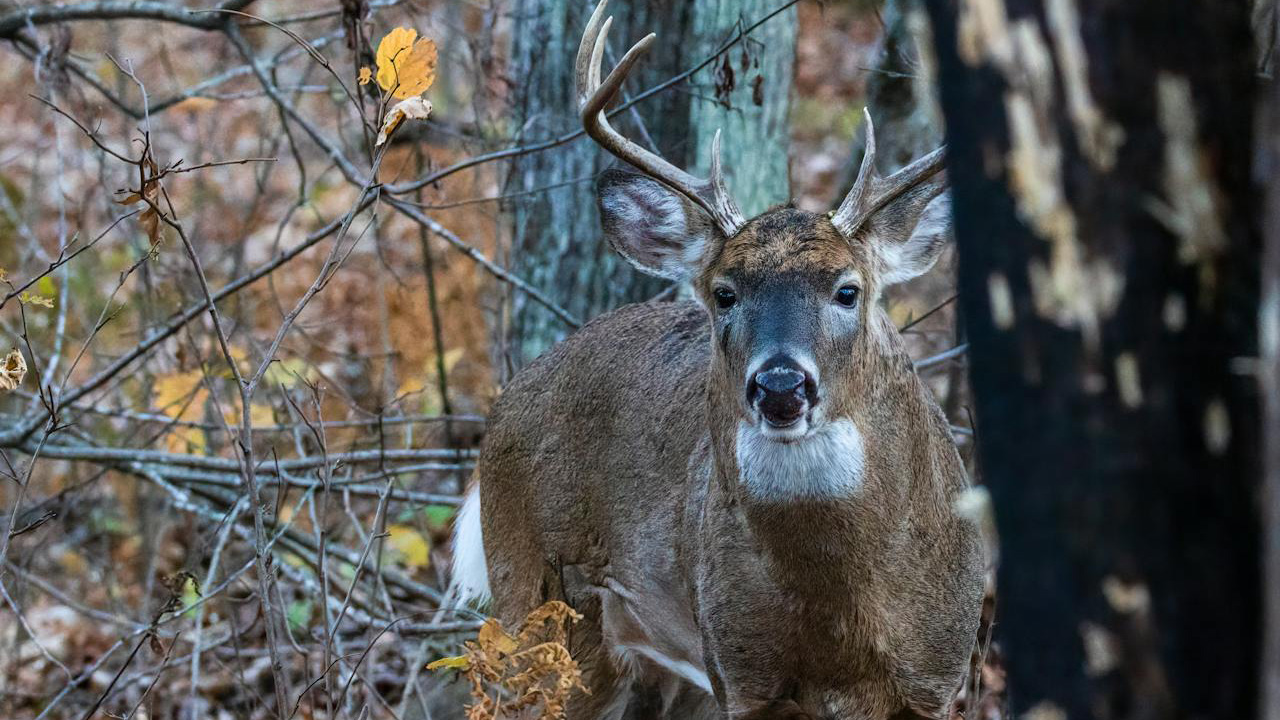
Arkansas has a strong deer base, but success drops for a lot of hunters because access is increasingly treated like a commodity. Nationally, the National Deer Association has reported that an average 88% of state whitetail harvest occurs on private land. In states with lots of private timber and lease culture, that statistic has teeth: the deer may be there, but the average hunter may not be where they’re huntable.
Arkansas also has thick habitat that hides deer movement. If you don’t adapt—hunt edges, hunt transitions, time fronts, and stop hunting the easiest roads—you can end up “hunting sign” all season.
Like The Avid Outdoorsman’s content? Subscribe to our newsletter so you never miss an article.
Here’s more from us: