Photo credit: Greg Johnson/Unsplash.com
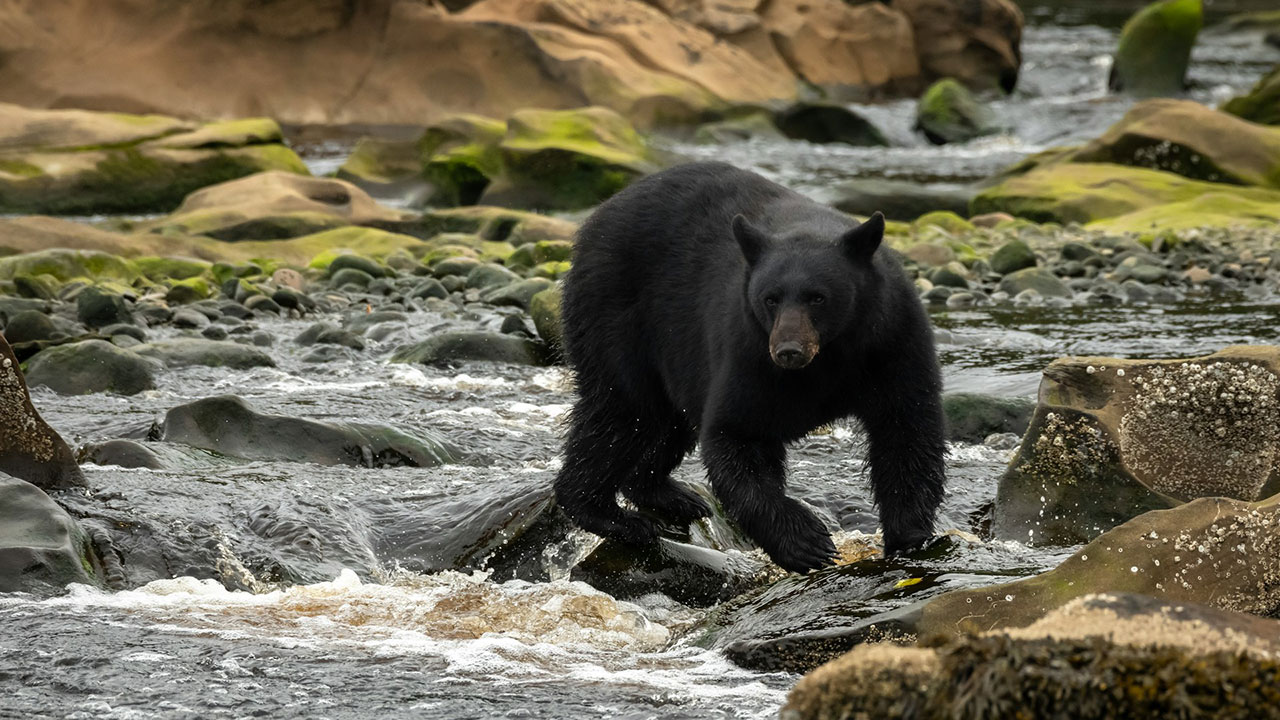
Dusk is prime time for bears because it’s the safest hour to move and the easiest time to score calories without bumping into people. Add in trash night, grills that didn’t get cleaned, bird feeders, outdoor pet food, fruit trees, compost, and backyard chicken feed, and you’ve basically built a route that a smart bear can run like a paperboy. In a lot of states, agencies will tell you the same thing: sightings are up, reports are up, and neighborhoods near cover are seeing more bears than they’re used to.
This list isn’t about “panic.” It’s about where the pattern keeps showing up: bears drifting through subdivisions at dusk, checking easy food, and learning that people zones aren’t as risky as they used to be.
Colorado

/Unsplash.com
Colorado is one of the clearest “dusk neighborhood bear” states because the data is loud. Colorado Parks and Wildlife reported 5,259 bear reports from Jan. 1 to Dec. 1, 2025, slightly up from 2024 and above the seven-year average. Those reports include sightings and conflicts, and a big chunk of them come from bears doing exactly what you’d expect: cruising residential areas near foothills and mountain towns as the light drops and people start bringing out trash.
The dusk piece matters because bears learn timing. They don’t need to be starving — they just need to know when the neighborhood is quiet and when the “easy food” is available. If you live along the Front Range or near mountain corridors, treat dusk like the high-risk window: secure trash, bring in bird feeders during bear season, and don’t leave a grill smelling like last night’s burgers.
Connecticut
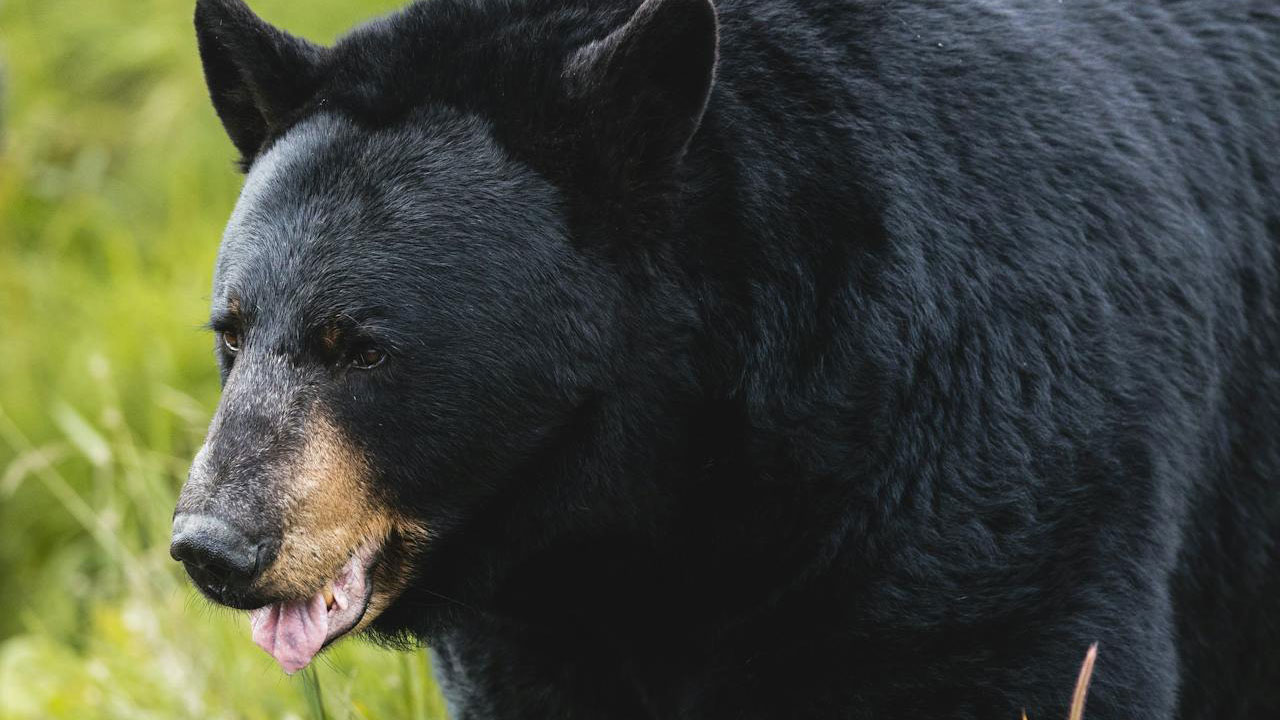
Connecticut is the poster child for bears getting normal in places that used to feel “too suburban.” State reporting showed more than 12,000 bear sightings in 2025, with reports coming from most municipalities. When bears are that widespread, it’s no surprise they’re strolling neighborhoods at dusk, cutting through yards, and checking trash cans like they’re part of the landscape.
What a lot of people miss is that dusk sightings don’t automatically mean the bear is “aggressive.” It usually means the bear has found a routine that works. If a bear can hit one street’s bird feeders and another street’s trash, it doesn’t need deep wilderness. Connecticut DEEP keeps pushing the same prevention message for a reason: once bears connect neighborhoods with food, you get repeat visits, especially in that dusk-to-dark window.
New Jersey

New Jersey has long had black bears in the northwest, but the reason it belongs here is simple: the state tracks bear activity closely and publishes summaries of reported sightings, nuisance, and damage. In a dense state with a lot of wooded pockets and green corridors, that means bears can move from cover to cul-de-sac fast — and dusk is when that movement is most common.
The neighborhood bear pattern in NJ usually starts with attractants. Trash left out early. Feeders kept up too long. Outdoor freezers and sheds that smell like food. Once a bear gets a reward, it’ll circle back. The state’s tracking exists because this isn’t rare or isolated — it’s a recurring management issue. If you’re in bear country there, dusk is the hour to keep pets close and not assume your porch is “safe.”
North Carolina

North Carolina bear activity spikes hard in late summer and fall when bears hit hyperphagia — that feeding stretch where they’re basically trying to pack on weight. Local reporting has warned residents to expect heightened bear activity, and it’s not subtle: bears show up on porches, around trash, and in neighborhoods more often during that period. And guess what time they prefer? Dusk, when there’s less chaos and more opportunity.
The practical reality in NC is that a bear doesn’t need to “move into town” permanently for it to feel like a neighborhood problem. It can run a dusk route from thick cover, hit a few houses, and be back in the woods before midnight. If you’re near western NC mountains or any area with heavy bear presence, you’ve got to treat dusk like the time to lock down food smells, bring in feeders, and supervise dogs like you mean it.
Tennessee

Tennessee has a huge visibility problem with bears because the Smokies and surrounding towns combine heavy tourism, rentals, and constant food mistakes. Bears get habituated fast when a steady stream of visitors keeps leaving trash out or grilling without cleaning up. Dusk is when you’ll see bears slipping behind cabins, crossing roads, and working through neighborhoods that back up to thick timber.
What makes Tennessee rough is repetition. One neighborhood might get the same bear five nights in a row because that bear has learned the schedule: trash cans appear, grills cool down, people go inside. If you’re hunting or living around that country, treat it like you’d treat raccoons on steroids. Dusk is when the routine starts, and if you don’t remove the reward, the bear doesn’t stop.
Pennsylvania

Pennsylvania’s bear population has been strong for a long time, and the state has plenty of mixed habitat where neighborhoods sit right on the edge of woods. That’s perfect for dusk bear movement because a bear can bed in thick cover and then work the edges as light fades. A lot of “neighborhood bears” in PA aren’t new bears — they’re bears using an old travel corridor that now runs behind someone’s deck.
The biggest trap in Pennsylvania is complacency. Folks are used to bears being “around,” so they leave out bird feeders longer than they should or put trash out early. Bears learn those habits. If you’re in a PA area with regular bear sign, dusk should be treated like the hour you tighten everything up: trash, bird feed, outdoor pet food, and anything that smells like a free meal.
Virginia

Virginia has enough bear habitat and enough expanding human footprint that the dusk neighborhood bear pattern shows up in a lot of places. Suburbs creeping into wooded ridges and creek bottoms create a clean path for bears to travel. Bears don’t need a highway — they need a strip of cover and a reason to keep moving, and dusk gives them the lowest-risk window to do it.
Virginia’s other factor is that “one bear sighting” isn’t always one bear. It can be multiple bears using the same corridor on different nights. If you’ve got a greenbelt, creek, or thick woods behind a neighborhood, the odds are high a bear is moving through at some point. The goal is to keep it moving through, not stopping to eat.
Georgia

Georgia bears in north Georgia and other suitable areas can be more neighborhood-visible than people expect, especially where developments back up to heavy cover. Dusk sightings are common in these edge zones because bears can stage in cover and then test a few easy food sources before full dark. If they score once, they’ll repeat it.
The big Georgia mistake is leaving attractants out during the exact season bears are working hardest for calories. Bird feeders, unsecured trash, livestock feed, and even fruit trees can pull a bear into a yard. It’s not “bad luck.” It’s predictable behavior. Dusk is when that behavior shows up most clearly, because that’s when the bear feels safest to move.
Florida

Florida surprises people, but it shouldn’t. Bears don’t need mountains — they need habitat pockets and food. In parts of Florida where bears are established, neighborhoods near conservation land, swamps, or wooded corridors can see bears at dusk, especially around trash and outdoor food. Bears learn the edges of human areas quickly because the calories are easy.
The other Florida detail is year-round opportunity. In warmer climates, bears can stay active and keep running these patterns longer than folks expect. If you’re in a Florida bear zone, dusk is the time to keep dogs supervised and trash locked down. A bear that learns a neighborhood route doesn’t need to be “big” or “aggressive” to become a repeated problem.
California

California’s neighborhood bear sightings are a steady reality in mountain communities and foothill zones where people live right inside bear habitat. Dusk movement is common because bears can move down to neighborhoods to check trash, fruit trees, and outdoor storage, then slide back into cover as darkness sets in. If you’ve ever spent time in those towns, you know the routine is basically seasonal.
California also has a lot of places where bears and people overlap daily — not because bears are “invading,” but because development sits in their travel lanes. The key to preventing dusk bears from turning into chronic bears is consistency: secure trash, don’t leave feed out, and don’t treat a dusk bear like a photo op.
Washington

Washington has the habitat and the corridor structure that makes dusk bears normal: dense forest, greenbelts, river corridors, and neighborhoods built along the same edges wildlife uses. Bears don’t need to “enter town” in a dramatic way. They can move behind houses and through parks as the light drops, checking for food smells and easy access points.
Washington’s risk pattern is the same everywhere: once bears learn that some homes equal calories, they repeat the behavior. That’s why dusk sightings can cluster street-by-street. One person’s trash habits can create a bear that bothers the whole neighborhood. If you’re in a bear area, dusk is the time to stop being casual about outdoor food.
Oregon

Oregon neighborhoods near timber, foothills, and mixed public-private forest can see dusk bears because cover is close and food opportunities are easy. Bears in those zones often travel logging roads and creek bottoms, and those routes can run right into rural neighborhoods. Dusk is when they feel safe enough to check the edges without dealing with daylight traffic.
Oregon also has the “seasonal rush” problem in fall when bears are feeding hard. People think it’s random because the bear appears out of nowhere. It’s not. The bear has been in the area — dusk is just when it chooses to show itself. If you want fewer dusk bears, make your property boring: no food rewards, no easy access, no repeat reason to return.
New York

New York is another “not just wilderness” bear state. The Adirondacks and Catskills obviously have bears, but the dusk neighborhood sightings show up where housing and woods overlap. Bears move along forest edges, green corridors, and creek lines, and dusk is the window where they can do it with the least friction.
A lot of New York bear issues are preventable because they come from the same list of attractants: trash, bird feeders, and outdoor food storage. If you’re in a region that gets seasonal bear activity, dusk is when you need to be the most disciplined. One easy trash hit can create weeks of repeat visits.
Massachusetts

Massachusetts has enough bear presence and enough wooded edge habitat that dusk sightings near neighborhoods aren’t shocking anymore. In many areas, bears use conservation land and forest patches as cover and then drift into nearby neighborhoods at dusk to check for easy calories. If the neighborhood is “food rich,” the bear learns it quickly.
Massachusetts also has the “new territory” effect in places where bears weren’t common years ago. When bears start showing up, people’s habits are usually behind the curve. They keep feeders out, don’t secure trash, and act surprised when the bear keeps returning. Dusk is when that learning curve turns into a problem if the community doesn’t tighten up.
New Hampshire

New Hampshire’s mix of forest and residential edge makes dusk bears a recurring thing, especially in towns bordering heavy woods. Bears can live close and stay unseen most of the day, then move at dusk when people settle inside. If there’s bird feed, trash, or livestock feed available, the bear doesn’t need to travel far.
The other factor in NH is how quickly neighborhoods can become “known” to bears. One yard with chickens and sloppy feed storage can create a bear that starts testing nearby properties too. Dusk is when that testing happens most often. If you’re in NH bear country, assume dusk is when bears will try the quiet approach.
Like The Avid Outdoorsman’s content? Subscribe to our newsletter so you never miss an article.
Here’s more from us: