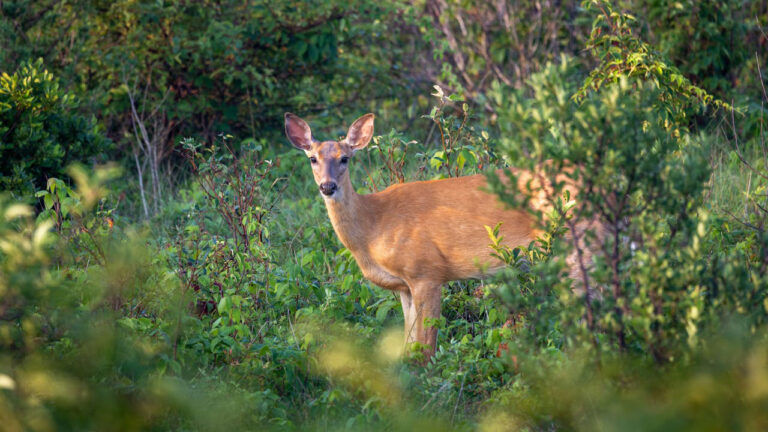
Photo credit: MargSkogland/Pixabay.com
A normal evening goes sideways fast when the wrong animal decides your yard, porch, pet routine, or trash area is worth checking. That is the pattern wildlife agencies keep warning about. The problem is usually not some dramatic wilderness encounter. It is ordinary home life meeting an animal that has learned where food, cover, and small pets show up after dark. Coyotes are one of the biggest examples, but bears, bobcats, and in some places snakes can turn a calm night into a mess much faster than people expect.
Coyotes are the most common backyard troublemaker
If one animal is most likely to turn a routine evening into instant stress, it is probably the coyote. New York’s DEC says outdoor pets should be supervised, especially at dusk and night, and that small dogs and cats are particularly vulnerable. Austin Animal Services also says coyotes are active in neighborhoods and greenbelts and are heard mostly at night. That is exactly the kind of setup that creates chaos fast: the dog goes out for one quick bathroom break, the yard feels familiar, and then suddenly there is movement at the fence line or just beyond the light.
What makes coyotes worse than people think is how quickly they learn routine. They do not need much to work with. A greenbelt, drainage line, open lot, or brushy edge is enough. Then they start noticing which houses leave food out, where rodents are active, and when pets come outside. That is why so many coyote problems feel sudden to homeowners. The coyote usually figured out the evening pattern before the people did.
Bears can turn one sloppy habit into a much bigger problem
In bear country, a normal evening can turn chaotic the second a bear decides your trash, pet food, grill, or bird feeder is worth the trip. The U.S. Fish and Wildlife Service says garbage, livestock feed, compost, and similar attractants need to be secured, and California wildlife officials warn that black bears search for pet food, human food, and trash around homes and can become habituated to people. That is not a small problem. Once a bear learns a property pays off, the stakes jump fast.
This is what catches people off guard. They do not think the mess by the cans, the food on the porch, or the dirty grill matters that much. Then one evening a bear is suddenly right there, and now the whole night is about kids, pets, noise, safety, and damage control. A calm evening disappears in a hurry when the animal outweighs everyone in the house and has already decided the yard is worth investigating.
Bobcats are quieter, but they can still create a real pet emergency
Bobcats do not get talked about as much as coyotes or bears, but they can still turn an ordinary evening bad, especially for small pets. Iowa wildlife guidance says pets should be indoors or supervised in bobcat territory and suggests deterrents like motion-activated lights or fencing. California’s fish and wildlife department also notes that bobcats that harass or kill pets may require official depredation action. That tells you this is not just a theoretical concern.
What makes bobcats tricky is that they do not need much attention to do damage. They move quietly, use cover well, and do not announce themselves the way people expect. If a yard backs up to brush, open space, or rodent-heavy ground, and a little dog or cat is outside in low light, that is enough for a routine evening to change tone very quickly.
Snakes can make one careless step the whole story
Not every evening wildlife problem is a predator chasing a pet. Sometimes it is a snake in exactly the wrong place at exactly the wrong time. The CDC says homeowners should remove brush and log piles and control rodents because rodents attract snakes, and Utah wildlife says brush, wood, rock, and junk piles, crawl-space openings, and standing water all make yards more attractive to rattlesnakes. That is why a simple after-dark walk to the shed, porch, or gate can go bad fast if the yard has turned into good snake habitat.
This kind of chaos feels different, but it is still chaos. One dog noses into the wrong corner. One person steps into low light without a flashlight. One child cuts across the yard barefoot. The evening may have started completely normal, but the margin for error disappears the second the snake is closer than anyone realized.
The real trigger is usually the setup, not the animal
The animals most likely to wreck a normal evening are usually the ones that have been given easy reasons to show up. Pet food left outside, loose trash, bird-seed spill, thick cover, pet doors at night, unsupervised cats, and small dogs let into the yard alone all make the same basic mistake. Irving’s city guidance tells residents not to feed wildlife, keep trash sealed, feed pets indoors or pick food up promptly, close pet doors at night, and trim overgrown landscaping. That list is basically a summary of how ordinary yards become easy wildlife stops.
That is why some evenings explode into chaos while others do not. It is usually not random bad luck. It is an animal finding a routine that makes sense. Once that happens, the coyote, bear, bobcat, or snake is not really acting out of character. It is just taking advantage of a property that has become too easy to use after dark.
Like The Avid Outdoorsman’s content? Subscribe to our newsletter so you never miss an article.
Here’s more from us: