Photo credit: Nickolas Hunt/YouTube
Some guns are fun for a mag or two, until you realize they’ve turned you into a full-time armorer. Whether it’s cheap internals, weak finishes, or flat-out bad design, certain models are known for chewing through components faster than you can order replacements. If you’re spending more time fixing than shooting, that’s not a firearm built for the long haul. These are the guns that love to break themselves—again and again.
Beretta U22 Neos

The U22 Neos has some loyal fans, but it’s got its fair share of weak points. The extractor spring is known to wear out fast, leading to spotty ejection and stovepipes. Some shooters have even reported cracking in the polymer frame around the takedown area.
It’s accurate when it runs clean, but any buildup or slight wear can throw it off. If you plan on putting a lot of rounds through it, expect to replace parts before too long—especially if you don’t keep it meticulously maintained.
FN FiveseveN (Gen 1)

The original FiveseveN has a lightweight polymer slide and frame, which helps with recoil but doesn’t always hold up under frequent use. The firing pin spring and magazine catch tend to be failure points, especially in older models with lots of use.
It doesn’t like steel-case ammo, and dry firing without snap caps can damage the firing pin. You’re working with a specialized platform that needs attention, and if you ignore the upkeep, it’ll show its cracks fast.
Springfield Armory XD-E

The XD-E aimed to bring a hammer-fired option to the modern carry market, but it hasn’t aged well. Recoil spring assemblies have been known to fail, and the decocker components can wear or stick, causing reliability issues over time.
There’s also a track record of the slide stop wearing prematurely. While it’s comfortable to carry, it’s not always dependable when pushed hard. If you’re running it regularly, keep a spare parts kit nearby—you’ll probably need it.
Mossberg Blaze .22

This lightweight semi-auto rimfire looks great on paper, but once you start putting rounds through it, things go downhill. Feed ramp wear, cracked stocks, and mag catch issues are common complaints. The polymer build doesn’t inspire long-term confidence.
It’s fun for plinking, but not for much else. The tolerances are loose, the components don’t hold up under volume, and repairs are often more trouble than they’re worth. Most folks eventually swap it out for something more reliable.
I.O. Inc. AK-47

If you’ve ever owned one, you know. I.O. Inc. AKs are infamous for poor construction and parts that practically shake loose with use. Rivets loosen, trunnions crack, and bolts wear out quickly. It’s the kind of gun that feels like it’s aging every time you rack the action.
Plenty of owners have reported catastrophic failures under moderate use. For a platform known for reliability, these knockoffs make the real thing look like royalty in comparison. You’re better off spending more upfront than trying to fix one of these.
Smith & Wesson Sigma Series

The Sigma series was S&W’s early attempt at competing with Glock, but it came with problems. Trigger components tend to wear quickly, and the stiff, gritty trigger pull gets worse over time. Some models also had issues with cracked frames under repeated stress.
It might seem fine for occasional range use, but once you get into regular shooting, you’ll notice small issues stack up fast. Parts replacement is possible—but most people move on to something better-built.
Rossi Circuit Judge

The concept sounds great—a revolver carbine that shoots .45 Colt and .410. But the reality is a gun that breaks under pressure. The rotating cylinder system puts a lot of stress on the timing mechanism, and misalignment issues are common as the parts wear down.
The forcing cone and cylinder gap can also start showing wear quickly if you shoot a lot of .410 shells. It’s fun for a weekend or two, but don’t count on it holding up through a season of hard use.
Bersa Thunder .380

The Bersa Thunder is often praised for its affordability, but many find it starts to break down under regular use. The trigger return spring is a known weak point, and issues with the safety/decocker mechanism aren’t uncommon after a few hundred rounds.
Slide and frame wear can start showing sooner than expected, especially on older models. If it’s your backup range pistol, you’ll probably be fine—but don’t be surprised if it needs a few repairs to keep going.
Remington 597

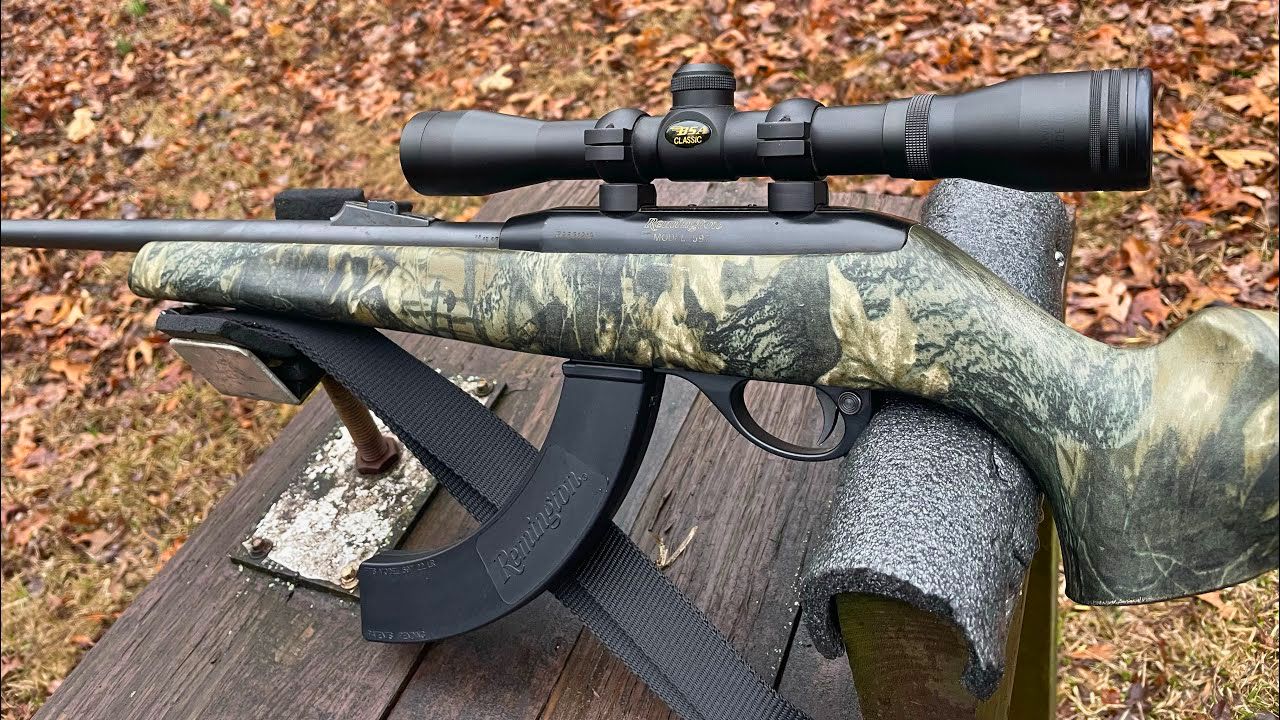
The 597 was Remington’s answer to the Ruger 10/22, but it never quite matched up. The extractor and hammer follow issues made reliability spotty. Plus, the factory mags were notorious for causing jams. Later models also had issues with bolt wear and cracked guide rails.
Even with aftermarket support, the platform never quite found its groove. If you’re lucky, you’ll get a smooth one—but most shooters ended up ditching it for something less finicky.
Taurus 24/7

This one had potential but fell short in execution. Frame integrity was a problem, and there were issues with slide cracks and trigger bar breakage. The trigger system itself could become unreliable with wear, which made it a liability for serious use.
Taurus eventually discontinued the line after a recall, and for good reason. If you’re still running one today, it’s probably more out of nostalgia than trust. You’re better off retiring it before it fails when you need it most.
*This article was developed with AI-powered tools and has been carefully reviewed by our editors.