Photo credit: American Tactical Inc/YouTube
When things go south, you don’t want to be second-guessing your gear—especially your sidearm. Reliability matters more than looks, specs, or marketing claims. If your pistol chokes, stovepipes, or can’t cycle a full mag without drama, you’re carrying a liability. Some of these handguns are fine for range play or casual carry, but when real pressure hits, they’ve been known to flinch. Whether it’s due to weak parts, finicky tolerances, or poor durability, these pistols have let plenty of folks down when it counted.
Taurus PT140 Millennium Pro
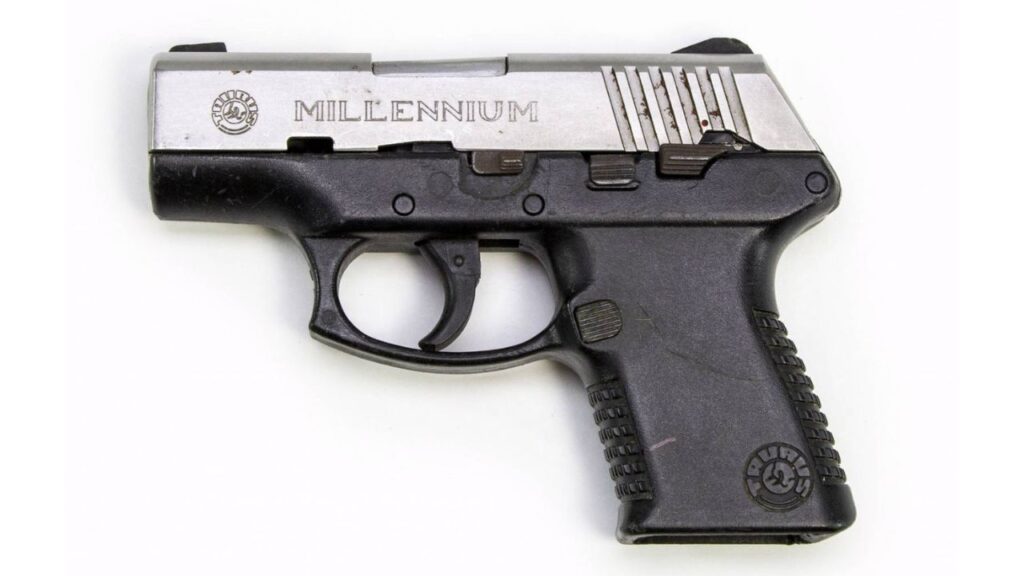
The PT140 had a decent following at one point, mostly due to price. But the issues piled up fast—light primer strikes, feed issues, and frame cracks all showed up too often. It’s not the kind of gun you want to count on when lives are on the line.
Taurus eventually discontinued it, which says plenty. Some early models even had safety recalls. It’s one thing for a budget pistol to need a little TLC, but when you’re fighting failure after failure, it stops being worth the risk.
KelTec PF9

The PF9 is one of the lightest 9mm carry options you’ll find, but that comes at a cost. Recoil feels snappy, even abusive, and that can mess with your follow-up shots under stress. The trigger is gritty, the sights are small, and the slide can feel loose after extended use.
Reliability isn’t consistent across the board. Some shooters report it runs fine after break-in; others can’t get through a box of ammo without a jam. In an emergency, there’s no time to gamble on whether today’s the day it runs clean.
SCCY CPX-2

The SCCY CPX-2 tries hard to be a budget-friendly carry pistol, but the execution falls short. The trigger pull is long and heavy, and that alone makes accuracy tough under pressure. Reliability is another issue—magazines tend to stick, and feed problems aren’t rare.
Durability over time is a concern. Frames show wear faster than they should, and if you’re not using high-quality ammo, failures become more likely. It may work fine on the range, but if you’re looking for a trusted EDC, you’re asking for trouble here.
Remington R51
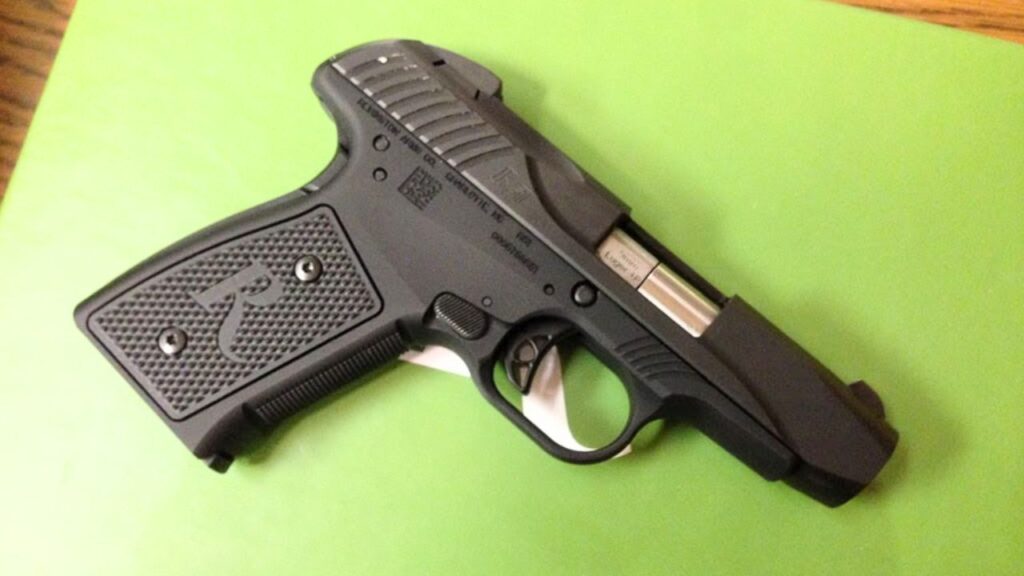
The R51 came back with a lot of hype, but it didn’t take long for the problems to show. The reengineered Pedersen-style action was supposed to be smooth and low-recoil. Instead, it turned into a reliability nightmare—failures to feed, failures to extract, and parts working loose.
Remington did release a Gen 2 version, but even that one didn’t fully solve the issues. If your life depends on a gun that cycles clean and runs hard, the R51 is a risky choice no matter which generation you’ve got.
Jimenez Arms JA Nine

This pistol screams budget, and not in a good way. The zinc-alloy slide and frame feel soft, and that plays out in long-term wear and sketchy function. Light strikes, misfeeds, and cracking frames aren’t unheard of. You get what you pay for—and sometimes even less.
It’s better suited as a last-ditch stash gun than a reliable carry option. You don’t want to be depending on something this cheap when things go bad. In a real emergency, there’s no time to fight your own weapon.
Diamondback DB9
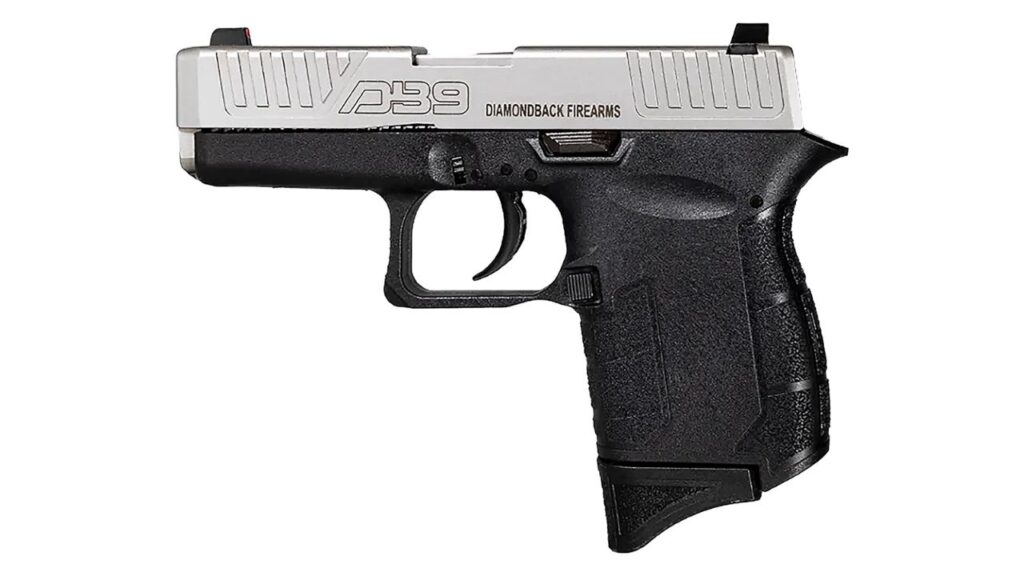
The DB9 is slim, lightweight, and easy to carry, but those perks don’t mean much when the gun fails under stress. It’s notoriously ammo-sensitive—run anything less than premium loads and you’re asking for problems. Limp wrist it even slightly, and cycling becomes an issue.
The slide and recoil system weren’t built for high round counts, and it shows fast. For casual use it might hang in there, but as a go-to defensive pistol? You’ll regret not bringing something tougher and more forgiving.
Hi-Point C9

Hi-Point fans love the C9 for its price, but even they’ll admit it’s not the most confidence-inspiring gun when the pressure’s on. The blowback action makes it heavy and awkward, and the overall feel is clunky at best.
It can be reliable in clean conditions, but grit, debris, or a slight bump in maintenance and it starts coughing. For target practice or backup storage, maybe. For betting your life? You’d be better off with something built to take more abuse.
Cobra Freedom .380

This little pistol might look like a convenient pocket option, but function is spotty at best. Misfeeds, jams, and even cracked frames aren’t uncommon. It’s another zinc-alloy build with questionable longevity and even worse ergonomics.
You’ll be fighting a heavy trigger, tiny sights, and an action that doesn’t like to stay smooth. If you’re carrying it for anything more than a range toy or deep concealment backup, know that you’re trading safety for cost.
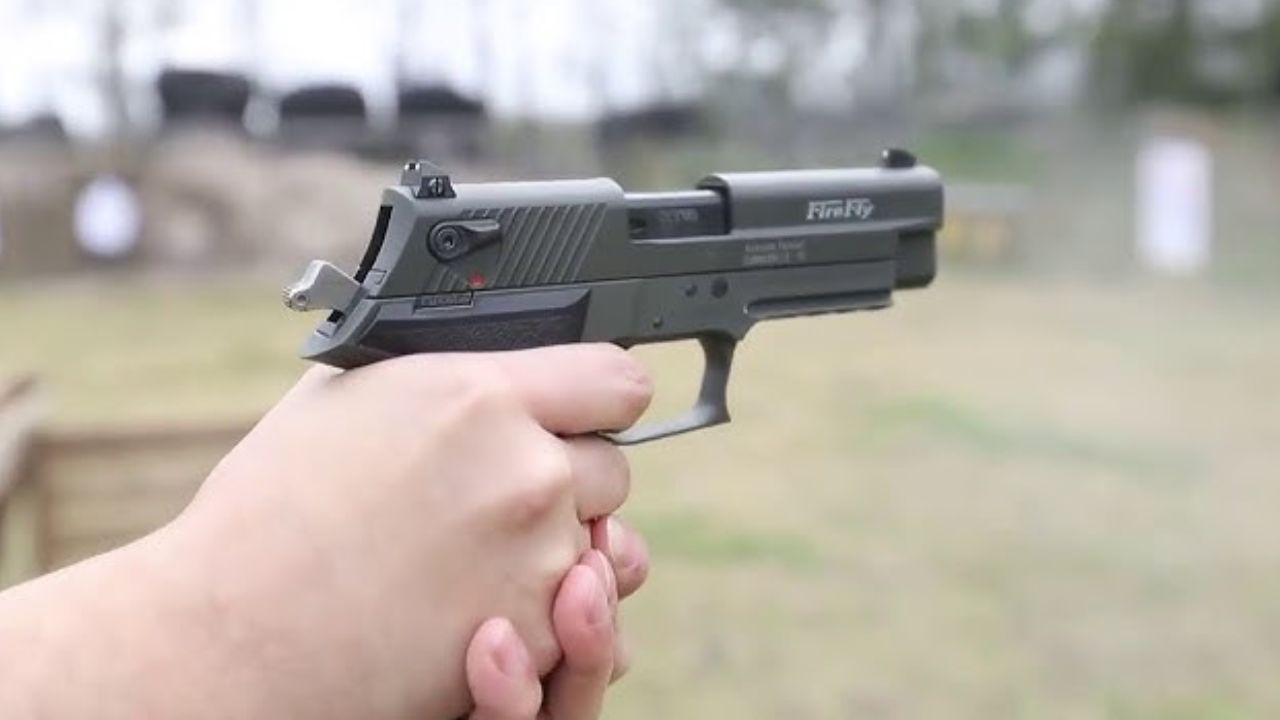
GSG Firefly
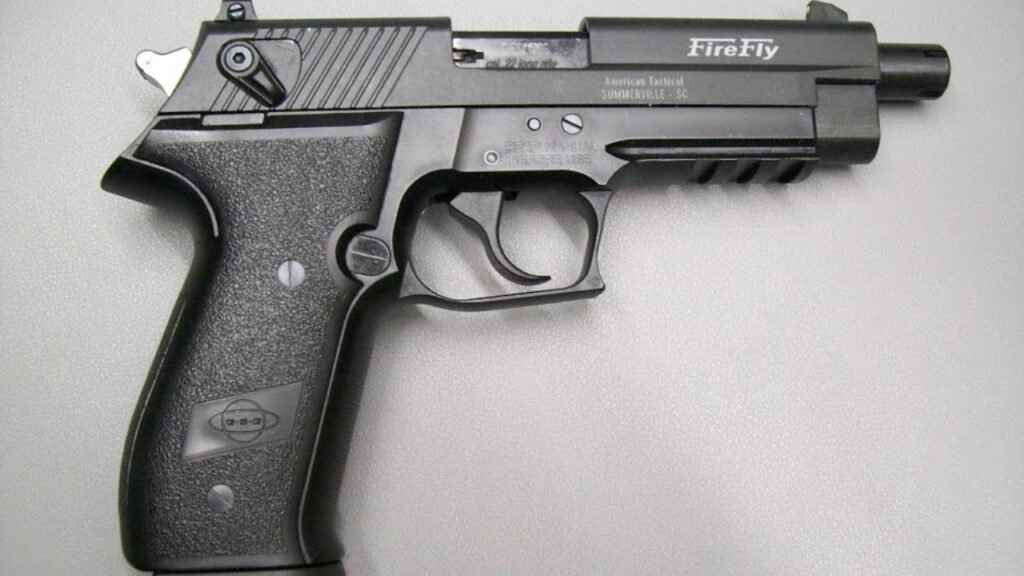
The Firefly is based on the old Sig Mosquito, and it inherited the same flaws. Even though it’s a .22, people sometimes carry these for trail defense or as backup. That’s risky. It’s picky with ammo, known to jam, and struggles with consistent cycling.
If you’re depending on this in a crisis—against a threat or even a nuisance animal—you’re trusting a platform that’s more frustrating than reliable. The Firefly might be fun for training, but don’t press it into real-world roles it can’t handle.
Zastava M70A
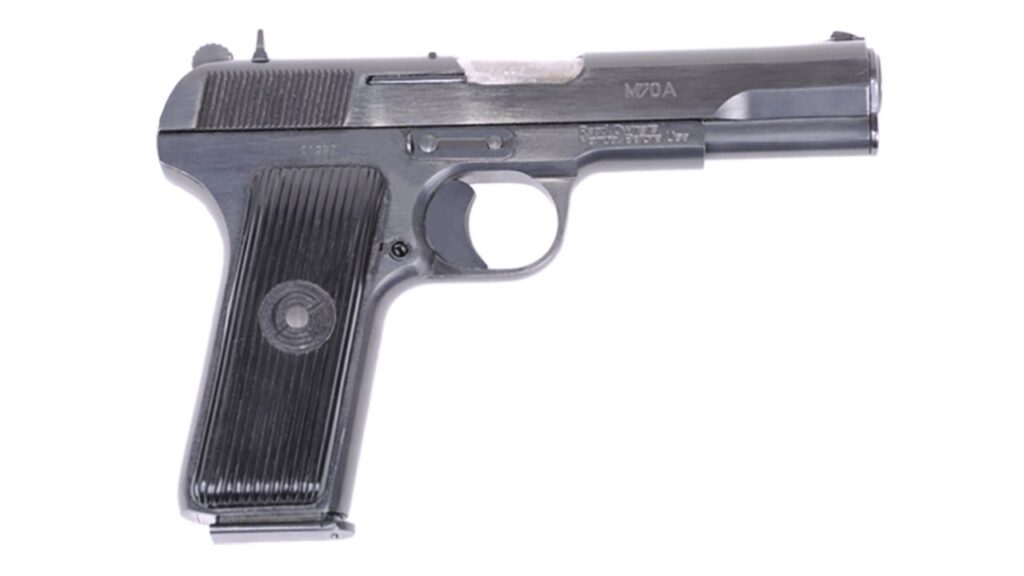
This Tokarev-style 9mm looks tough and feels solid, but issues with poor-quality springs, inconsistent machining, and spotty magazines make it a bad pick for emergencies. Slide bite is common, and feeding hollow points is a gamble without polishing the feed ramp.
It’s a fun range gun if you’re into surplus, but when seconds count, you need something more consistent. The M70A is a throwback, not a go-to. If you’re prepping for a situation where performance matters, this one belongs in the safe, not your waistband.
*This article was developed with AI-powered tools and has been carefully reviewed by our editors.