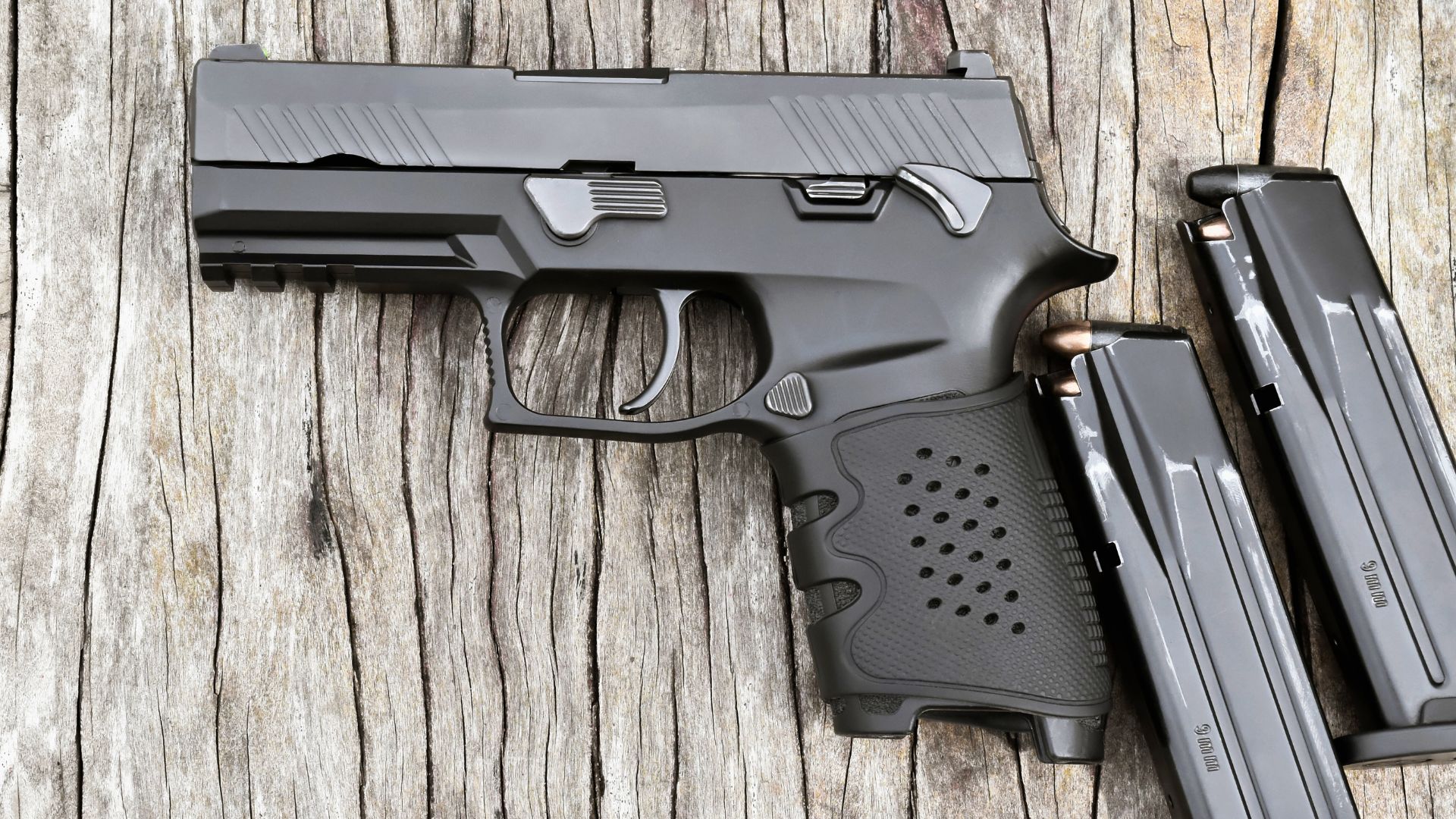
Photo credit: Sophon Nawit/Shutterstock.com
Some handguns do fine on a flat range where everything stays clean, slow, and controlled. But when you start running them harder—dirty conditions, longer strings of fire, faster reloads—you learn quickly which pistols can handle pressure and which ones fold after only minimal hard use. Certain designs aren’t built for heat, grit, or sustained firing. Others suffer from weak parts or tight tolerances that stop running the moment conditions shift.
These aren’t range-day malfunctions you can blame on bad ammo. These are repeat failures that show up early and often once the pace picks up.
Kimber Solo

The Kimber Solo performs acceptably in calm, low-volume shooting, but once you run it harder, the weaknesses show quickly. The tight tolerances that make it feel refined also make it sensitive to carbon buildup and inconsistent with anything but hot defensive ammunition. When you start putting real volume through it, slide speed and feeding reliability fall apart.
Shooters who push the Solo beyond slow practice sessions often see failures after only modest strings. It simply isn’t designed for extended or aggressive use, and it becomes clear fast that durability wasn’t the focus.
Remington R51 (Modern Release)

The modern R51 struggles once conditions get even slightly rough. The Pedersen-style action is sensitive to fouling, and the internal channels build grime quickly. After a short run of defensive-speed shooting, reliability drops fast with failures to feed and cycle.
Even shooters who keep theirs well-lubricated report early breakdowns under modest volume. The design asks for more maintenance than a carry gun should require. When pushed past casual use, parts binding and sluggish cycling become common issues that are hard to overlook.
SCCY CPX-1
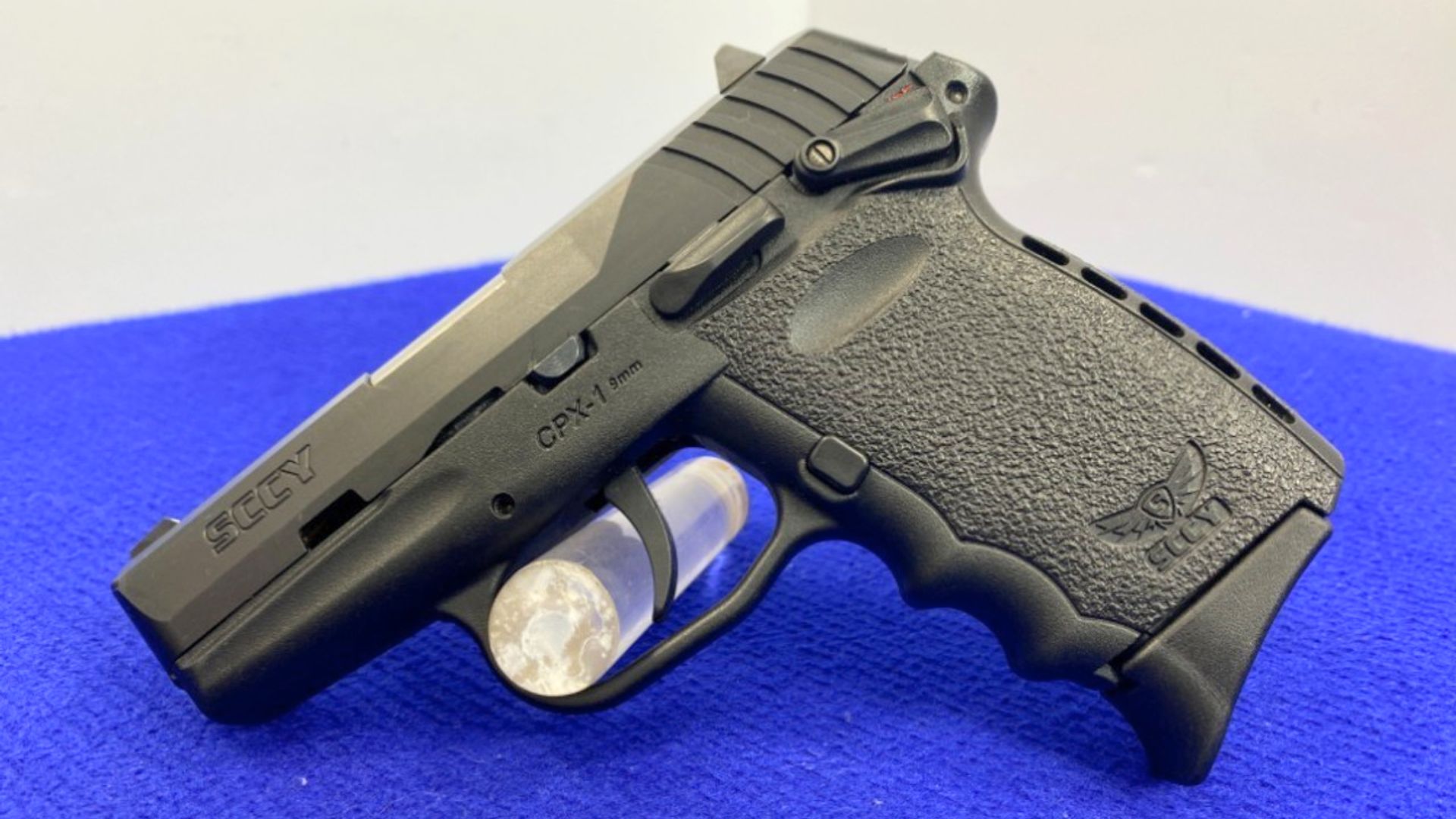
The CPX-1 is affordable and lightweight, but hard use exposes its weak points quickly. The manual safety can engage inadvertently during recoil or movement, and the long trigger pull becomes harder to manage during fast strings.
Once heat and carbon start building, feeding issues become more common. The pistol simply isn’t built for sustained firing or demanding training. Some examples run better than others, but the overall pattern shows that the CPX-1 has trouble holding up when pushed beyond casual shooting.
Taurus Spectrum

The Spectrum looks modern and carries well, but it struggles when you subject it to higher round counts or dirty environments. Many shooters report that the action slows quickly once residue builds, and slides start hesitating during cycling.
Under harder use, failures to feed become frequent, especially with defensive loads. The internal parts wear faster than expected, and the pistol doesn’t tolerate heat well. It’s fine as a minimal-range-use carry gun, but it shows its limits fast when used in serious training.
KelTec PF-9
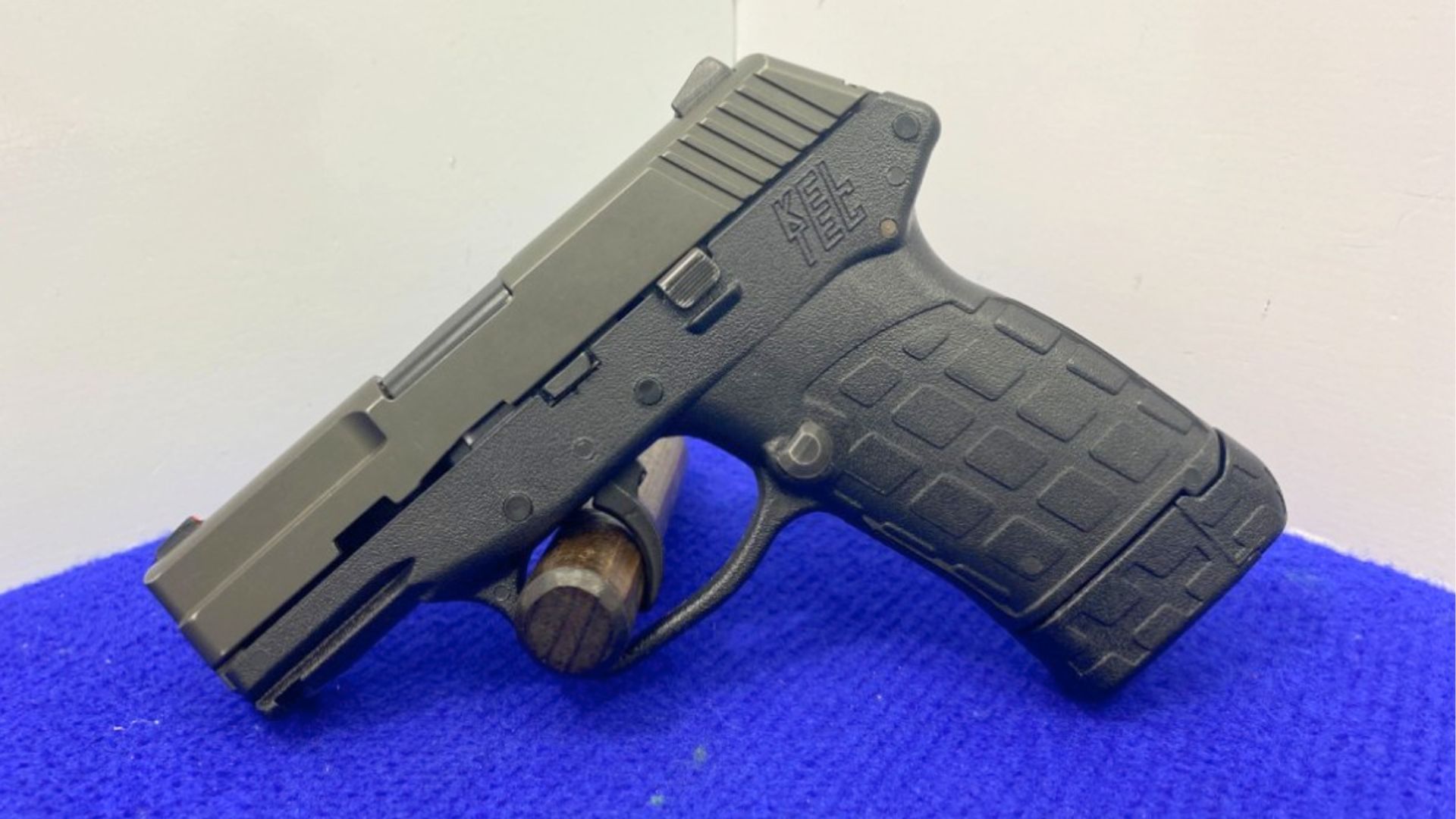
The PF-9’s extremely light frame becomes a liability under harder use. As heat builds, the slide speed changes noticeably, and magazine-related malfunctions become common. The recoil impulse also makes it difficult to maintain the firm grip required for the gun to cycle properly.
Shooters running drills often find the PF-9 choking after relatively small round counts. The internals start showing wear early, and tolerances loosen quickly. It’s a pistol that serves best in limited roles, not as a platform for sustained training.
SIG Sauer Mosquito

The Mosquito already struggles with ammunition sensitivity, and hard use amplifies that problem. Once you start firing long strings, the carbon buildup from rimfire loads sends reliability downhill fast. Failures to feed and light strikes appear quickly.
Even with recommended ammo, the pistol doesn’t hold up well to repeated or aggressive shooting. The design wasn’t built for durability under pressure. Many shooters learned that the Mosquito is best treated as a casual training tool—never as a gun for serious or high-volume use.
Kahr CW380

The CW380 is tiny and lightweight, but those traits make it fragile under stress. It doesn’t tolerate heavy shooting, and many shooters see early failures once they start running more than a few magazines at a time. Slide velocity becomes inconsistent as fouling builds.
The pistol also shows wear on internal parts faster than larger designs. It’s a capable deep concealment option, but it simply can’t handle hard-use training expectations. When you push it beyond short practice sessions, the failures begin to stack up.
Jimenez JA-380
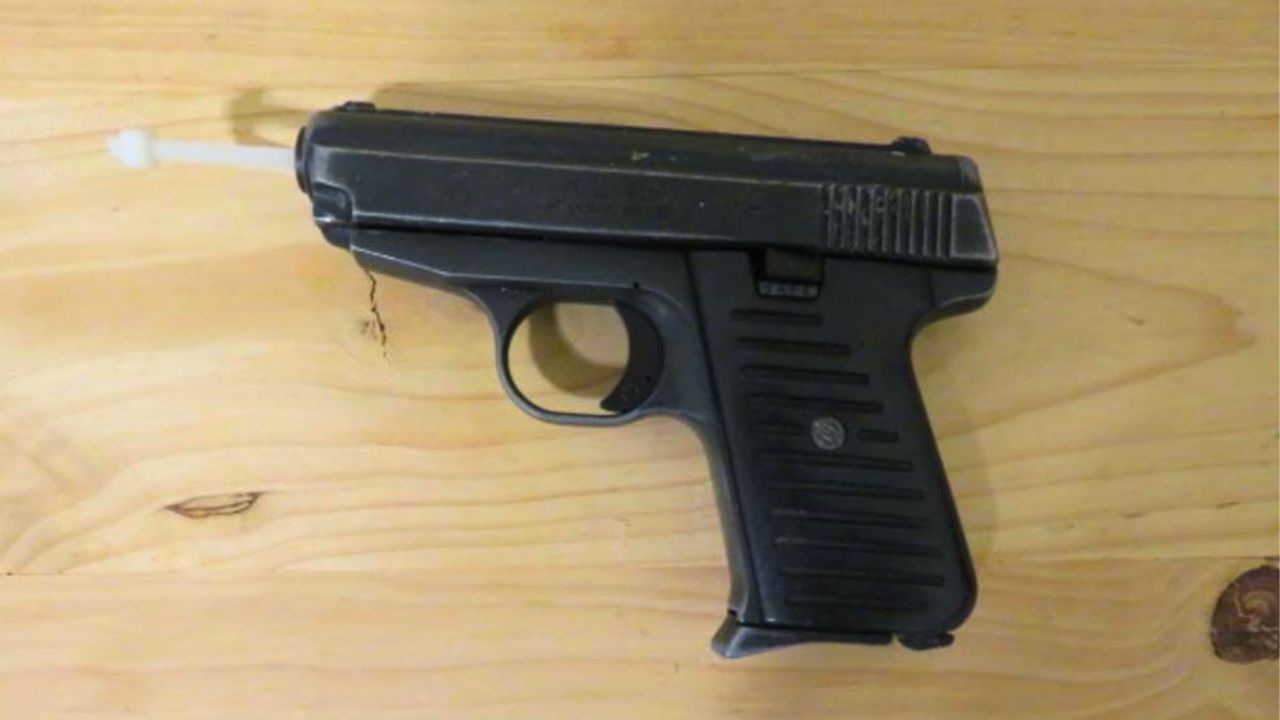
The JA-380 struggles under even moderate use, with parts wear appearing much sooner than most other pistols. Frames, slides, and small parts aren’t built for sustained firing, and failures begin to show early.
Heating the pistol for even a short session leads to feeding and extraction issues. Carbon and debris also cause rapid slowdowns in cycling. The gun is often defended for its affordability, but affordability doesn’t translate to durability. Under any kind of real use, it declines fast.
Walther CCP (Original Version)

The CCP’s gas-delayed action heats quickly, and the gas system accumulates carbon fast. Hard use exposes this immediately. Once the gun warms up, buildup affects cycling speed, and failures appear within surprisingly low round counts.
The action becomes inconsistent as heat expands the internals, and shooters often note sluggish movement during pressing drills. It’s a comfortable pistol to shoot at a slow pace, but it doesn’t hold up when you ask more from it.
Taurus PT22

The PT22 performs well for light plinking, but extended or rapid firing causes the gun to foul quickly. Residue from .22 LR loads impacts cycling, and reliability drops sharply once parts heat up.
Under harder sessions, the pistol frequently develops feeding and extraction problems. Wear appears on the slide rails and chamber area early compared to higher-quality rimfire designs. As long as you keep usage light, it works—but it doesn’t survive pressure.
KelTec P3AT

The P3AT’s tiny frame and sharp recoil mean the action relies heavily on perfect timing. Hard use disrupts that balance quickly. Once heat and fouling start building, cycling becomes erratic and failures appear.
Frequent carry exposes it to lint and debris, and those issues compound when shooting multiple magazines. The P3AT works fine as an emergency-carry option, but if you plan to train hard with it, you’ll see its limits early.
Bersa Thunder .380

The Thunder .380 can be pleasant to shoot, but it doesn’t perform well under sustained firing. The blowback design heats quickly and begins to lose consistency as carbon builds. Feeding issues become common once the pistol warms up.
Small internal parts also show wear earlier than many expect, especially in high-round-count training environments. It’s a fine casual-use gun, but the durability gap becomes obvious once you ask it to handle harder cycles.
Colt Mustang (Older Models)

Older Mustang models struggle with hard use because the small frames and internals aren’t built for sustained firing. Once you push several magazines through quickly, fouling and heat start affecting cycling.
Feed ramp buildup causes early failures, and some older springs fatigue quickly. While the Mustangs have charm and carry well, they were never intended for heavy training. If you try to run them like a modern micro pistol, the limitations show almost immediately.
SIG Sauer P250

The P250’s long trigger and reset make rapid shooting difficult, and many shooters accidentally short-stroke the action under pressure. That leads to cycling failures that appear early during hard-use sessions.
Even when the shooter runs it cleanly, the design doesn’t handle heat or heavy buildup as well as striker-fired models. While it’s reliable under controlled pace, once the intensity rises, the gun highlights its flaws.
Glock 36
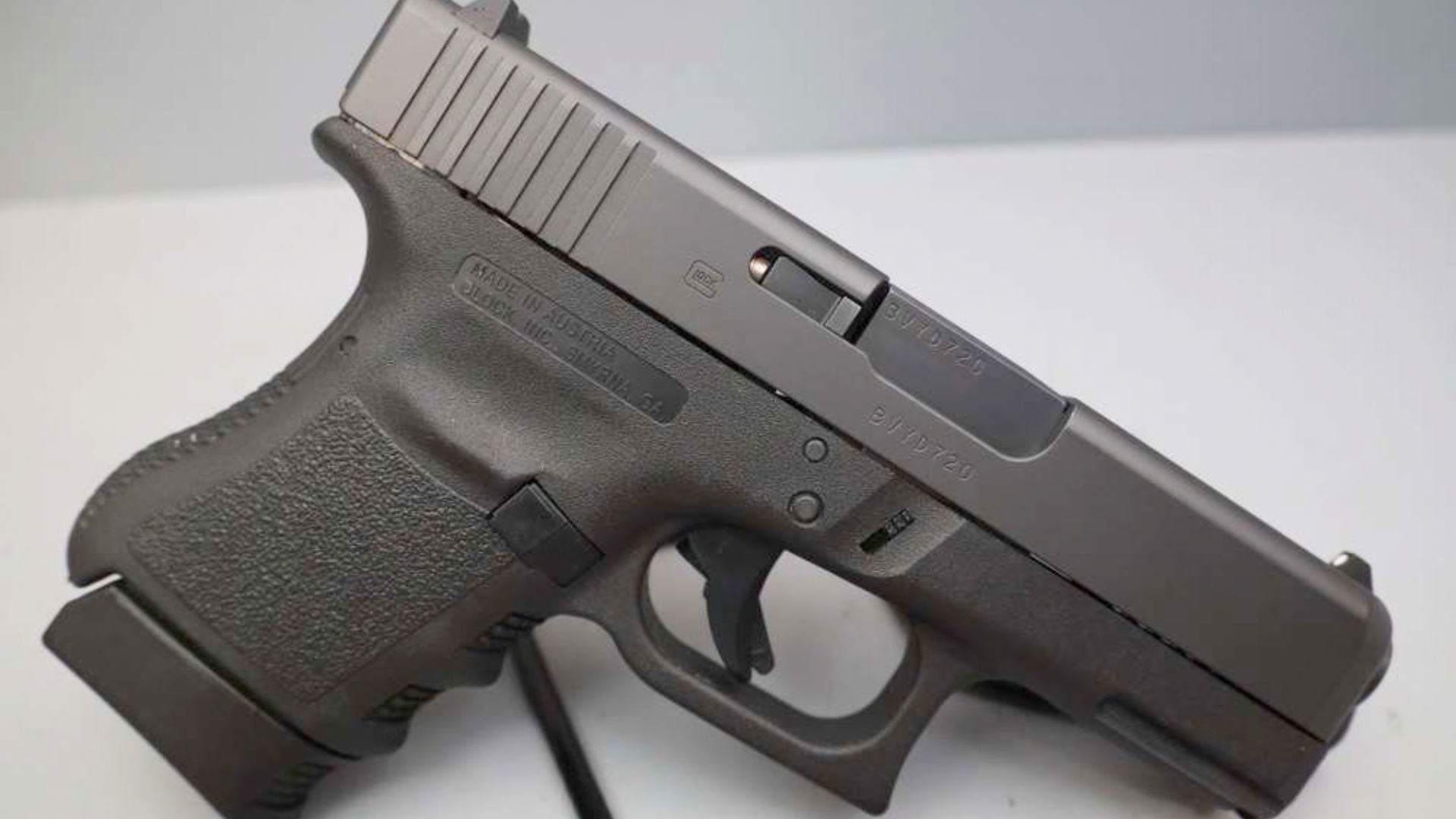
The Glock 36 is slimmer than other .45 models, but that design introduced reliability issues during harder sessions. Some pistols eject inconsistently, and the single-stack magazine design can create problems with feeding when the gun is hot or dirty.
During extended drills, shooters often notice the gun begins to hesitate or produce weak ejection patterns. It’s capable when clean and cool, but it falls behind the standards set by Glock’s more durable designs.
Like The Avid Outdoorsman’s content? Subscribe to our newsletter so you never miss an article.
Here’s more from us: