Photo credit: Alexey Spehalski/Shutterstock.com
Most hunters pick up the basics pretty quick—sighting in a rifle, setting up a blind, maybe even calling in a buck now and then. But there’s a whole list of skills that separate the seasoned from the struggling, and a lot of folks skip right over them.
If you’ve been hunting for years and still struggle to fill tags or stay one step ahead of game, it might be time to sharpen up these skills.
Reading Animal Tracks the Right Way

A lot of folks think they know how to track because they can spot a deer print in the mud. But if you’re not paying attention to stride length, depth, and freshness, you’re missing the bigger picture. Reading tracks is more than just spotting them—it’s about understanding what they’re telling you.
You should be able to tell if that animal was running, walking, or meandering. Was it heavy? Was it alone? Where was it headed and how long ago? That kind of detail takes practice, but it’s what separates real trackers from guessers.
Estimating Distance Without a Rangefinder
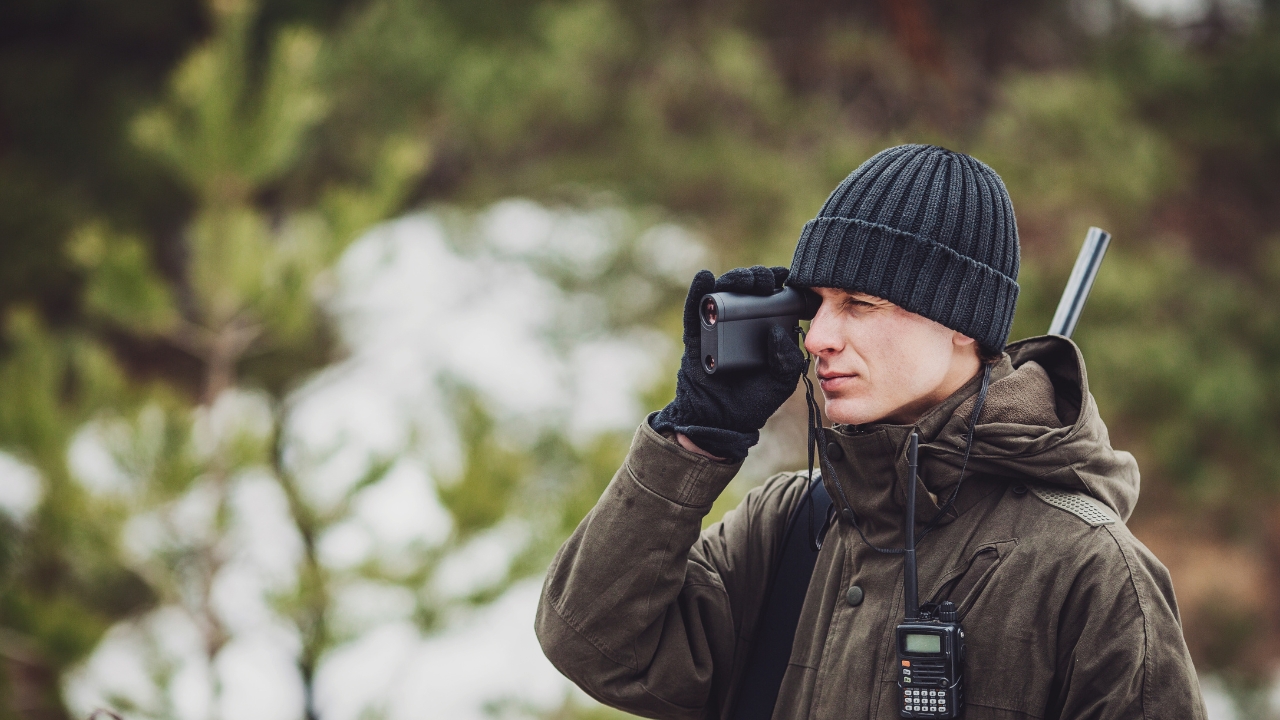
Rangefinders are handy—until the batteries die or the fog rolls in. Being able to eyeball distances out to 100 yards or more is a skill that can save a hunt. It’s also useful when you’re moving quick or trying to make a judgment call in low light.
Practice at home by guessing the distance to random objects, then checking yourself. Use landmarks like trees, fence posts, or rocks to help. You don’t need to be perfect—you just need to be close enough to make an ethical shot.
Making a Clean Shot in Awkward Positions

Not every shot is textbook. Sometimes you’re kneeling, leaning around a tree, or twisted up like a pretzel in a ground blind. If you haven’t practiced shooting from those weird positions, odds are you’ll mess it up when it counts.
Get off the bench and start training from the ground, offhand, or sitting against a tree. Learn how your gun or bow feels in those less-than-ideal setups. It’s one of the best ways to avoid a wounded animal or a total miss.
Judging Wind and Thermals

You can have the perfect setup and still get busted if you ignore the wind. And thermals? They’ll ruin your whole plan if you’re not paying attention. Wind direction shifts constantly, especially in hills or timber.
Use a wind checker and watch how the air moves. Early morning thermals drop scent downhill, but they reverse when the sun heats things up. Set your stands or stalks based on that. Knowing how to work with the wind—not against it—will get you closer, more often.
Quietly Moving Through Different Terrain

Crunchy leaves, brittle twigs, and gravel can all blow your cover if you’re stomping through like a freight train. Most hunters know they need to be quiet, but few actually practice how to move slowly and deliberately in different terrain.
Learn to roll your feet heel to toe. Pause often. Use natural noise—like wind gusts—to mask your steps. If you’re crossing a loud patch, take your time or wait it out. Being stealthy is what gets you within range before an animal even knows you’re there.
Field Dressing Fast and Clean
(Find an image of a field-dressing knife)

If it takes you 45 minutes to gut a deer, you’re doing it wrong—or you’re going to wish you’d practiced when the temps are pushing 80. Field dressing should be second nature, especially if you’re deep in the woods or racing daylight.
Get comfortable with your knife. Learn where to cut, how to avoid puncturing guts, and how to keep meat clean. Watch pros do it, then practice on your own. It’s messy work, but knowing how to do it fast and clean keeps your meat in better shape—and saves you a headache.
Identifying Fresh vs. Old Sign

Droppings, rubs, scrapes, beds—they all tell you something, but only if you know how fresh they are. Some hunters see a rub and think they’re in the right spot. Problem is, that rub could be weeks old.
Learn to judge how fresh tracks and sign really are. Are the edges crisp or dried out? Is the dirt still moist where the track was pressed? Are the droppings soft or dried and cracked? Knowing the difference can keep you from wasting hours in dead zones.
Navigating Without GPS

Technology’s great until it fails. Batteries die, signals cut out, and screens break. If you’re out in the backcountry, you better know how to use a map and compass—or at the very least, how to pay attention to your surroundings.
Mark landmarks as you walk. Watch the sun’s position. Use natural features like ridgelines, creeks, and valleys to orient yourself. Get in the habit of looking behind you every so often so you recognize the way back. Your GPS should be a backup—not your only plan.
*This article was developed with AI-powered tools and has been carefully reviewed by our editors.