Image Credit: My Good Images/ Shutterstock.
If you’re the kind of guy who likes your boots dirty and your map scrawled on the back of a gas receipt, this list’s for you. Some of us don’t head to the parks to stroll the boardwalks or pose at the overlook. We’re there to disappear—off trail, off grid, and out of sight.
The parks on this list aren’t about convenience. They’re about real backcountry. The kind of places where you earn your view, sleep with your bear spray close, and see fewer people in a week than you do in line at the post office.
Yellowstone National Park, Wyoming

Yellowstone’s backcountry is massive and packed with off-trail opportunities. Once you get away from the roads and boardwalks, you’re in some of the wildest terrain in the lower 48. Think geothermal features, thick forest, and long stretches of untouched land. It’s bear country, so don’t come unprepared.
The park requires permits for overnight backcountry use, and you’ll want to know how to read a map and compass out there. But if you’re after raw wilderness with no crowds, this place delivers. Just don’t expect cell service or trail markers.
North Cascades National Park, Washington

North Cascades is wild in the best way—steep, rugged, and remote. The terrain’s not easy, but that’s what makes it great for experienced hikers looking to go off-grid. Glacial valleys, alpine lakes, and thick forests give you plenty of variety to work with.
Once you step off the trail, route-finding gets real fast. Snowfields stick around well into summer, and the elevation gain is no joke. But for serious off-trail hikers, this is one of the most underrated spots in the country.
Denali National Park, Alaska

Denali is a no-trail paradise. The park doesn’t even maintain a formal trail system beyond the visitor area—backcountry hikers are expected to pick their own path. That means full navigation skills, topographic maps, and the mindset to handle true wilderness.
You’ve got tundra, river crossings, and wide-open views in every direction. Weather can turn quick, and grizzlies roam freely. It’s not for beginners, but if you’ve got the experience, Denali gives you more freedom than almost any park out there.
Great Basin National Park, Nevada

This place flies under the radar, but it shouldn’t. Great Basin has everything from desert lowlands to high alpine terrain—and much of it’s wide open for exploration. Off-trail routes around Mount Wheeler offer quiet, high-country hiking without the usual crowds.
The terrain can be rocky and dry, so you’ll want solid boots and to carry plenty of water. The Bristlecone Pine groves are worth checking out, and the remoteness makes it easy to feel like you’ve got the whole place to yourself.
Big Bend National Park, Texas
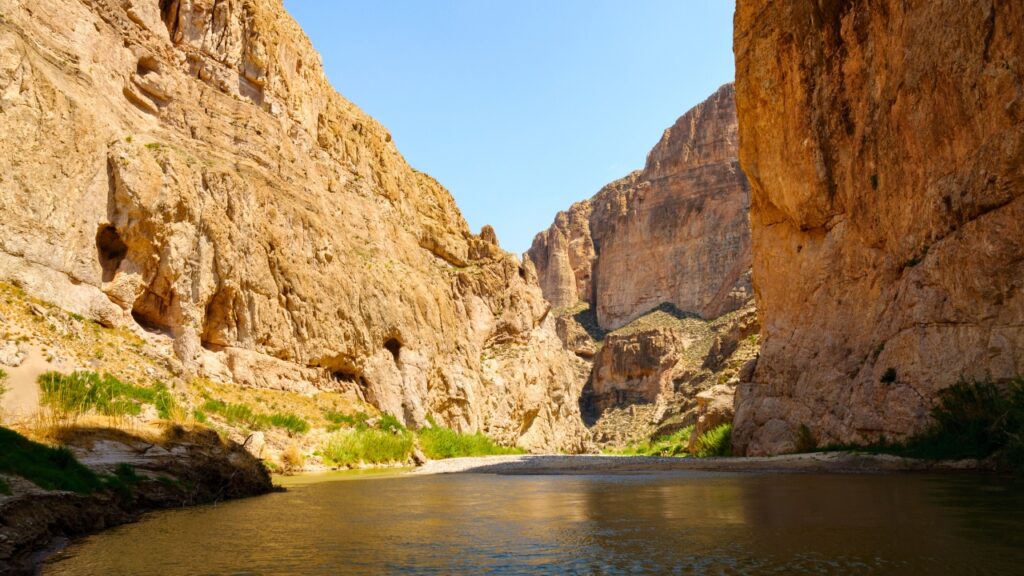
Big Bend is remote, rugged, and perfect for folks who want to make their own way. Off-trail hiking is popular here, especially in the desert flats and the Chisos Mountains. The terrain varies, but there’s plenty of open country for exploring without a set path.
Navigation can be tricky in the desert, and heat is always a concern, so prep matters. But if you’ve got your bearings and a good plan, Big Bend offers serious solitude and big views without much foot traffic.
Glacier National Park, Montana

Glacier’s got over a million acres of terrain, and once you leave the main trails, it feels like stepping into the past. The park allows off-trail travel in many areas, but you’ll need solid map and compass skills, especially with all the alpine passes and thick forest.
Grizzlies are a real concern here, so bear spray isn’t optional. The scenery’s tough to beat—crystal-clear lakes, rugged peaks, and snowfields that’ll test your footing. It’s not for rookies, but Glacier rewards the effort.
Sequoia & Kings Canyon National Parks, California
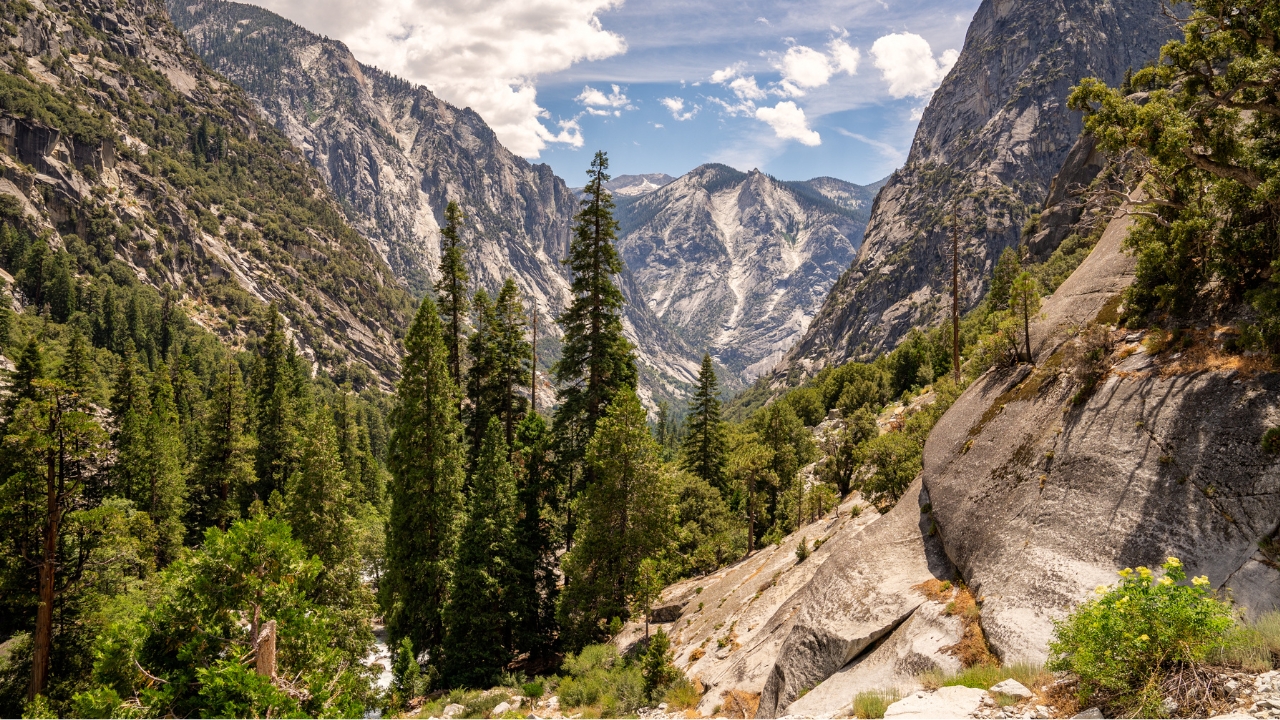
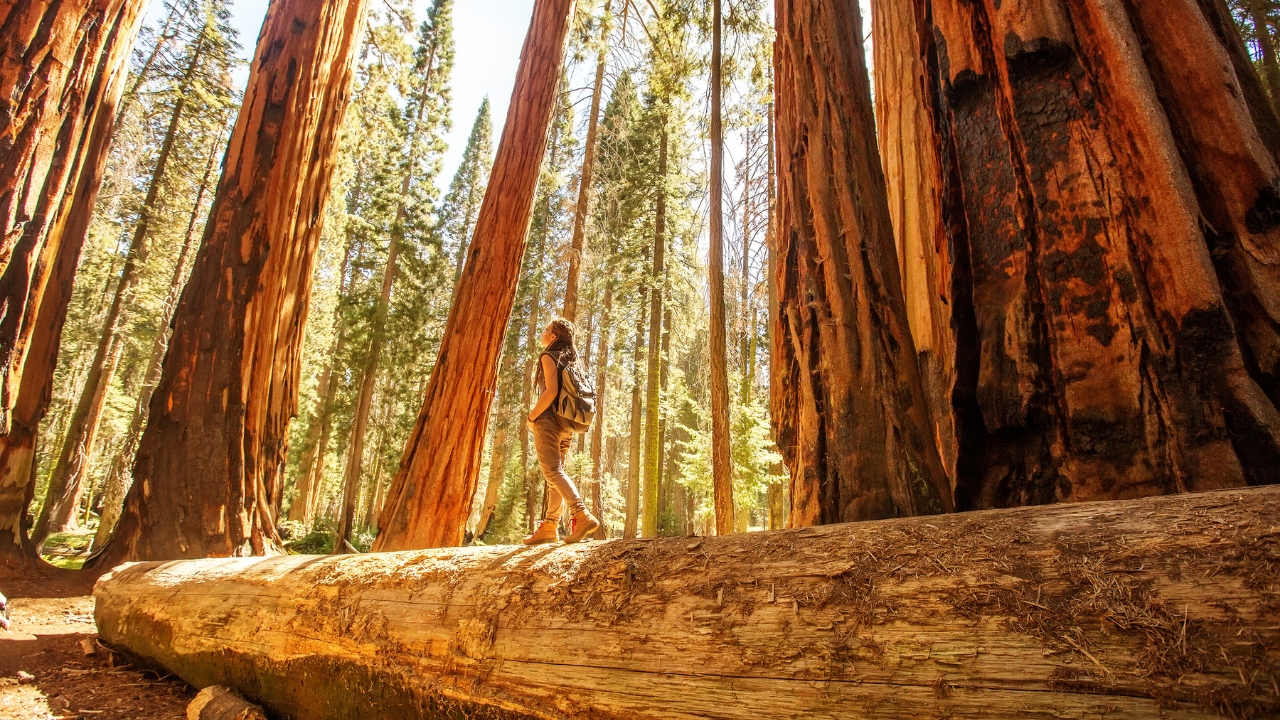
These parks are connected and share a massive backcountry that’s mostly untouched. While there are well-used trails like the John Muir, there are also huge stretches of terrain that see almost no foot traffic. That’s where the good stuff is.
Expect granite ridges, alpine basins, and long miles between people. It’s high elevation country, and weather can turn quick, so you’ve got to be prepared. But for off-trail hikers who want to stay out a while, this area delivers in spades.
Shenandoah National Park, Virginia
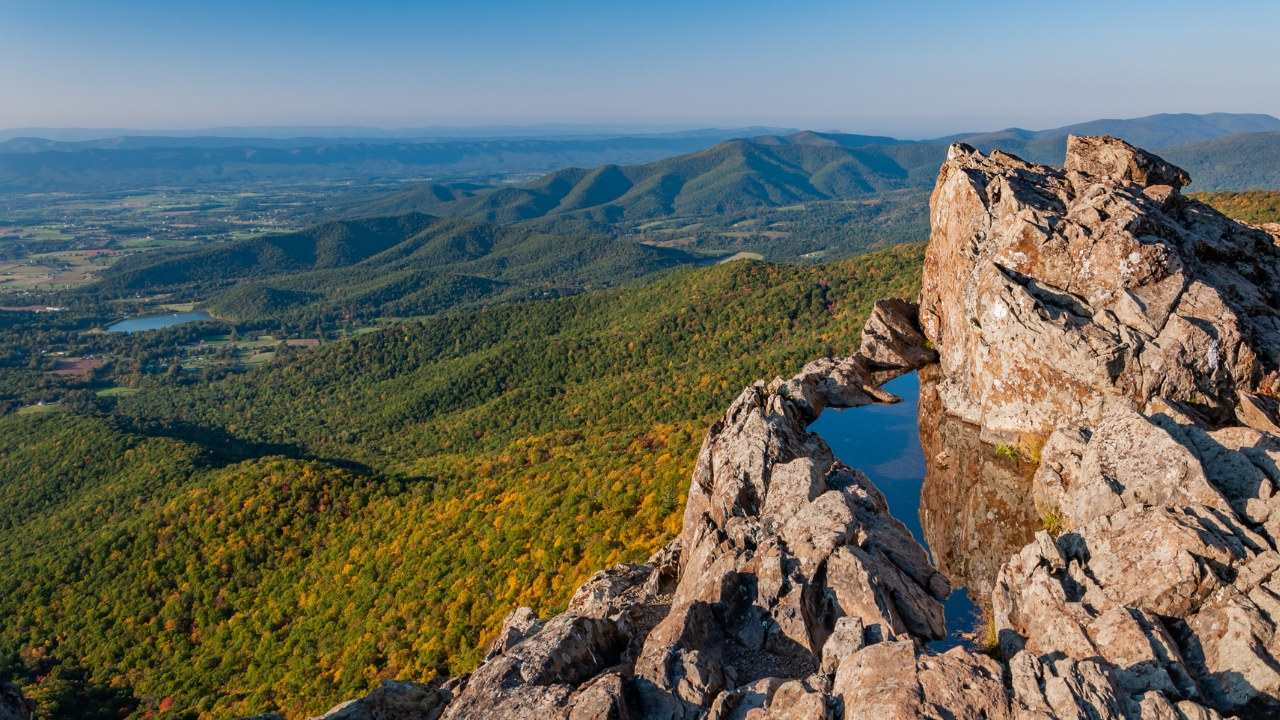
You wouldn’t think of Shenandoah as an off-trail spot at first glance, but it’s got a surprising number of hidden hollows, ridge routes, and lesser-known paths that make for solid bushcraft or stealth camping practice. You’ve just got to know where to look.
Dense forest and thick undergrowth can make navigation tricky, especially in summer, but that’s part of the fun. It’s not as remote as some others on this list, but for East Coast hikers, it’s a good training ground with plenty of terrain to explore.
Wrangell-St. Elias National Park, Alaska

This one’s for the serious backcountry crowd. Wrangell-St. Elias is the biggest national park in the country, and a lot of it doesn’t even have established trails. You’re dealing with glaciers, massive river valleys, and some of the most remote land in the U.S.
You’ll need solid gear, a clear plan, and probably a packraft or bush plane if you really want to get deep. But for off-trail exploration that feels untouched and wild, this place is tough to top.
Olympic National Park, Washington

Olympic has a little bit of everything—rainforest, mountains, and coastline—and plenty of space for hikers who want to blaze their own trail. The interior gets rugged fast, with steep ridges and brushy valleys that challenge even experienced hikers.
The Olympic Mountains aren’t the highest, but the terrain’s no joke. You’ll need to be sharp on your navigation and ready for wet conditions. It’s a great place to test your backcountry chops without the crowds you find in other parks.
*This article was developed with AI-powered tools and has been carefully reviewed by our editors.