Photo credit: Bobby Cee/YouTube
The 10mm looks good on paper. It hits hard, shoots flat, and carries real power—enough to make it a go-to for hunters and backcountry carry. But once the brass starts flying, reality sets in. The recoil surprises people, ammo costs sting, and not every pistol handles the round well. You see a lot of these guns show up on used racks, barely broken in. Folks buy into the power, but not everyone’s ready to live with it. The truth is, the 10mm isn’t for everyone, and a few pistols make that lesson clear fast.
Glock 20 feels like too much gun for most shooters
The Glock 20 has the right idea—big grip, big capacity, big energy—but that grip is a handful. Most shooters realize after a few mags that the frame’s too bulky and the recoil too sharp for casual range time. It’s accurate and dependable, sure, but unless you’ve got large hands and strong wrists, it feels like work to shoot well. Guides and outdoorsmen love it for bear country, but most folks don’t. The full-size frame amplifies the recoil and fatigue sets in quick. After one trip, a lot of new 10mm fans list theirs online, thinking maybe they’ll “go back to 9mm.”
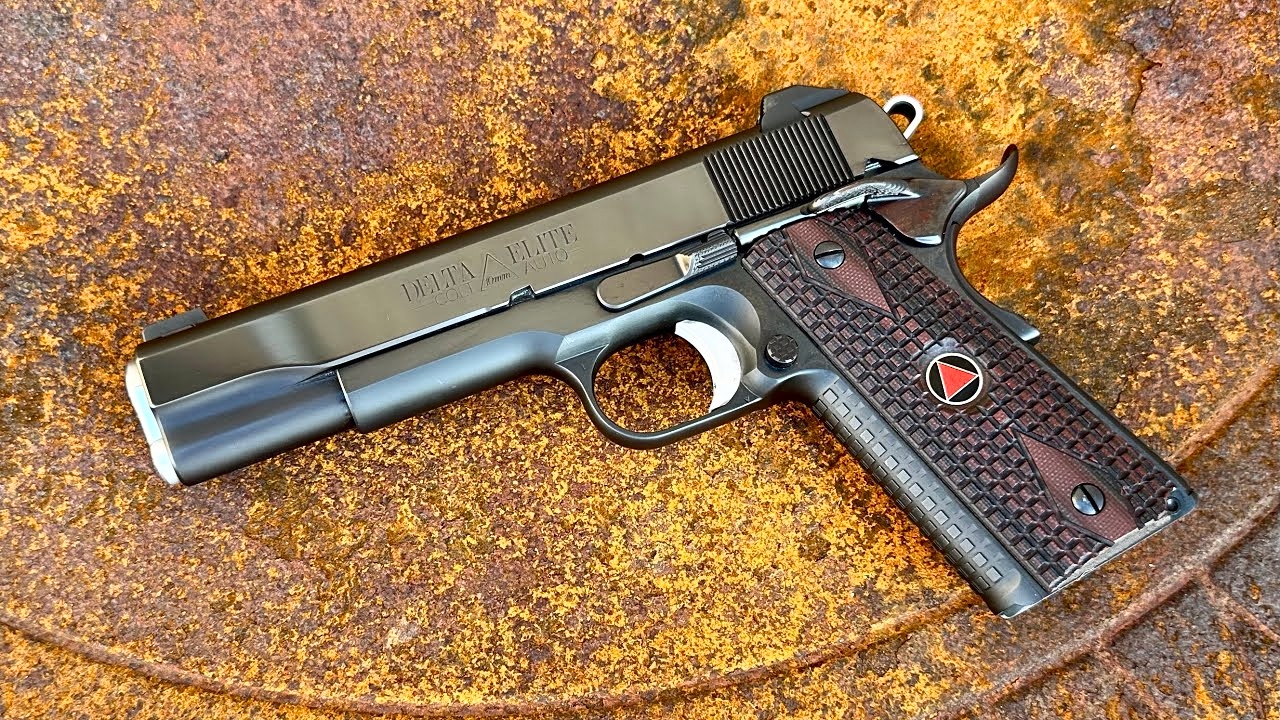
Colt Delta Elite looks better than it shoots

The Delta Elite carries nostalgia—it’s a 1911 in 10mm, and that sells fast. But the same people who love how it looks tend to hate how it feels. The all-steel frame tames some recoil, but not all, and the single-stack design limits capacity while adding weight. More than a few shooters discover that 10mm power doesn’t mix well with a gun designed around .45 ACP pressures. The sharp impulse and slide velocity make it less comfortable to shoot than you’d expect. They’re beautiful guns, but plenty of them go back into cases after one range trip with sore wrists and wide eyes.
Kimber Camp Guard 10 teaches hard lessons fast
Kimber made the Camp Guard for hunters and guides who wanted a sleek 1911-style 10mm. It looks the part—stainless frame, classy grips, clean lines. But recoil and reliability don’t always cooperate. The gun runs hot fast, and magazines tend to struggle when dirty. For shooters who bought one thinking they’d found the perfect woods gun, disappointment sets in quick. It’s accurate in short bursts, but follow-ups are rough, and the trigger bite doesn’t help. By the second box of ammo, most folks decide they’d rather pack something with fewer quirks and less kick. It’s a looker, but not a keeper.
Smith & Wesson M&P 10mm surprises nobody
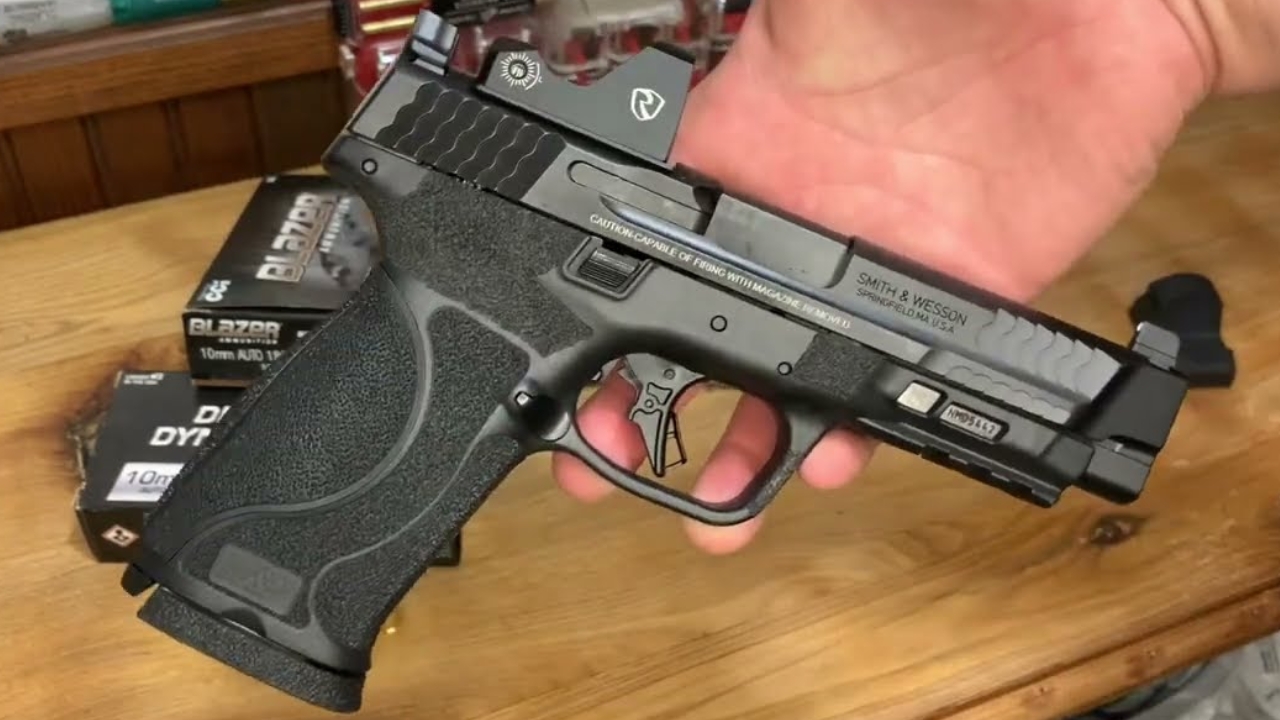
When Smith & Wesson launched the M&P 10mm, everyone expected it to be the “Glock killer.” On paper, it’s everything the 10mm crowd wanted—striker-fired, optic-ready, and lighter than most. But that lightness works against it. The recoil impulse feels snappy, and it can be unforgiving with hotter loads. The slide speed outpaces some shooters’ ability to recover, especially when fatigue kicks in. Add the cost of ammo and the challenge of mastering it, and many new buyers bail early. It’s not unreliable—it’s just too much work for most people who were expecting a mild-mannered polymer gun.
Springfield XD-M 10mm brings the flinch
The XD-M 10mm hits hard—sometimes too hard. It’s accurate, rugged, and feature-rich, but the recoil feels abrupt and the grip texture can chew on your hands after a few mags. Many shooters buy it expecting it to shoot like a .40 S&W on steroids, then realize it’s closer to a lightweight .41 Magnum. The muzzle rise is sharp, and the gun demands proper grip discipline to stay on target. For hunters or experienced shooters, it’s manageable. For the average range-goer, it’s a wake-up call. Many sell it within a month, claiming it’s “too much gun,” and they’re not wrong.
Sig Sauer P220 Hunter doesn’t fit the crowd

Sig’s P220 Hunter is beautifully built—accurate, precise, and tuned for serious shooters. But it’s big, expensive, and heavy, which means it doesn’t fit most folks’ needs. The single-stack mag limits capacity, and the DA/SA trigger throws off newer shooters. Add the fact that 10mm ammo runs $40 a box, and enthusiasm fades quick. The recoil is sharp, the gun’s weight doesn’t help much offhand, and it’s more of a specialist’s tool than a range toy. Guides and backcountry hunters who know how to handle it love it. Everyone else? They sell it after one box and a bruised palm.
Rock Island Armory 10mm turns buyers cautious
Rock Island’s 10mm 1911s are affordable, which makes them appealing. But that low price tag comes with compromises. The triggers are gritty, the slides sometimes sluggish, and recoil feels harsher than it should. New shooters hoping for “a cheap way to try 10mm” often find themselves disappointed. It runs fine with light loads, but full-power ammo feels like punishment. The finish wears fast, and so does enthusiasm. It’s a gun that looks like a deal until you realize you’re spending more time clearing jams than shooting. A lot of folks learn their 10mm lesson the hard way with one of these.
Glock 29 kicks harder than it should

Compact 10mm pistols sound good in theory—until you shoot them. The Glock 29 is a prime example. It’s a powerhouse in a small package, but the laws of physics don’t care. There’s nowhere for that energy to go except straight into your hand. The recoil is sharp and unforgiving, muzzle flip is noticeable, and accuracy suffers for most shooters. It’s a practical carry piece for bear defense, sure—but only if you’ve trained with it extensively. Most buyers take it to the range once, grin through the first mag, and then quietly decide that compact 10mm carry isn’t for them.
Like The Avid Outdoorsman’s content? Be sure to follow us.
Here’s more from us:
The worst deer rifles money can buy
Sidearms That Belong in the Safe — Not Your Belt
*This article was developed with AI-powered tools and has been carefully reviewed by our editors.