Photo credit: WildSnap/Shutterstock.com
Not every round is built to stretch its legs. Some start dropping or drifting long before they hit 200 yards, and if you’re still trying to force them past that, you’re wasting ammo and time. These aren’t bad rounds—they’ve got their place—but expecting tight groups beyond 150 yards? That’s asking too much. Most of these start to lose velocity fast, get tossed around by wind, or never had the ballistic profile for longer shots in the first place.
.22 LR
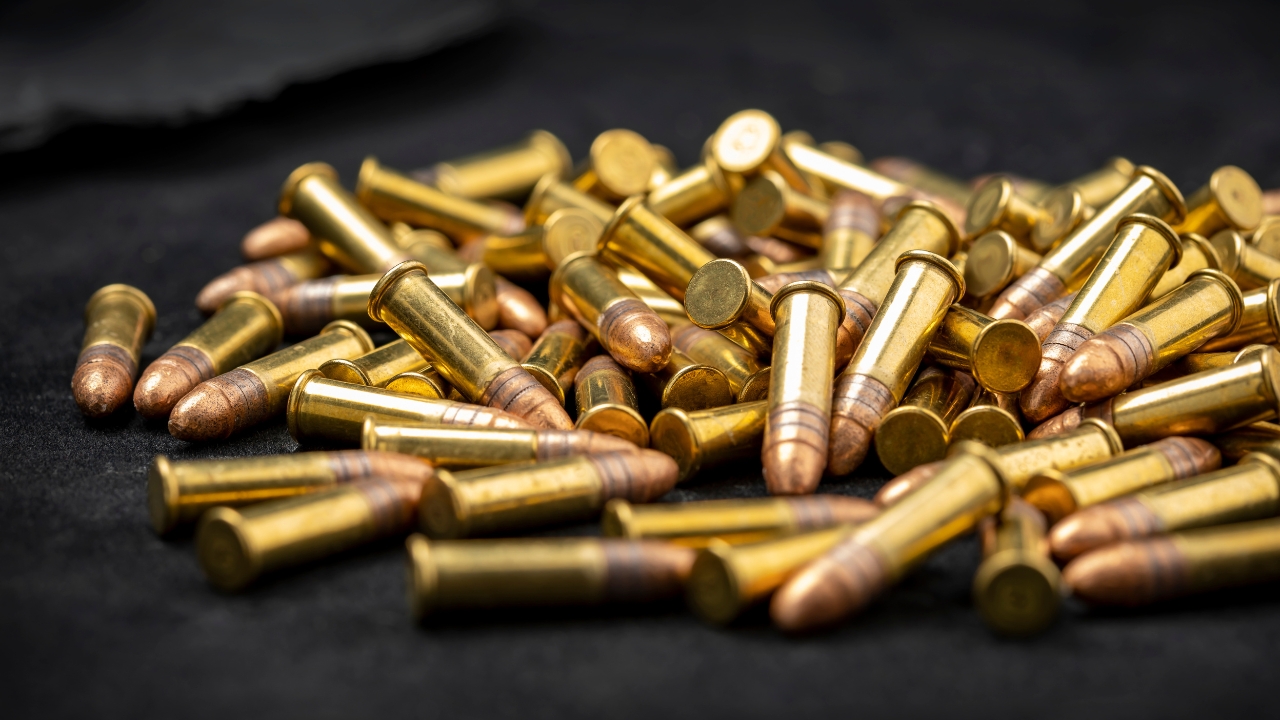
The .22 LR starts dropping like a rock past 100 yards and becomes a guessing game by 150. Even with high-velocity loads, it’s not built to buck wind or maintain accuracy beyond that. You’ll need a serious dial on your scope and a lot of trial-and-error to stretch it further.
If you’re punching paper or popping squirrels at closer ranges, it performs great. But for anything further out, especially in wind, you’ll be all over the place. It’s a rimfire round, not a long-range contender.
.410 Bore Slugs

Shotgun slugs already struggle with range, and .410 slugs are among the worst offenders. They’re light, slow, and don’t carry much momentum, so even at 100 yards you’re starting to see serious drop.
At 150 yards, accuracy is a coin flip unless you’ve got perfect conditions and a zeroed-in single-shot setup. Most folks use them for close-range pest control or youth hunting setups, and for good reason. You’re not going to make clean hits further out with any consistency.
.380 ACP

Even out of a carbine, .380 ACP loses steam fast. It was never designed for distance—it’s a low-pressure, short-case round meant for compact pistols. Past 50 yards, you’re already seeing a noticeable drop, and by 100, accuracy turns unpredictable.
Trying to stretch it to 150 yards is unrealistic. Bullet drop is steep, wind plays a big role, and it’s hard to get consistent hits. Keep this one in close-quarters territory where it belongs.
.38 Special

Out of a snub-nose revolver, .38 Special’s effective range is already limited. Even in a longer barrel, it doesn’t carry enough velocity to stay accurate past 150 yards. You’re looking at serious bullet drop and sluggish travel time.
If you’re running it in a lever-action or revolver, stick to under 100 yards where it shines. Anything further and you’ll be adjusting for drop and drift more than you’re aiming. It’s a great round—but it’s not for reach.
7.62x39mm

The round itself isn’t terrible, but steel-case 7.62x39mm tends to be inconsistent past 150 yards. Most of the cheap surplus stuff has wide velocity swings and poor quality control, which makes it tough to group well beyond mid-range.
AKs and SKSs can stretch to 300 yards, but accuracy falls off fast after 150 if you’re not using decent ammo. For close-quarters or inside 100, it’s solid. Past that, your groups start to open up fast unless you’re running premium brass loads.
.45 ACP
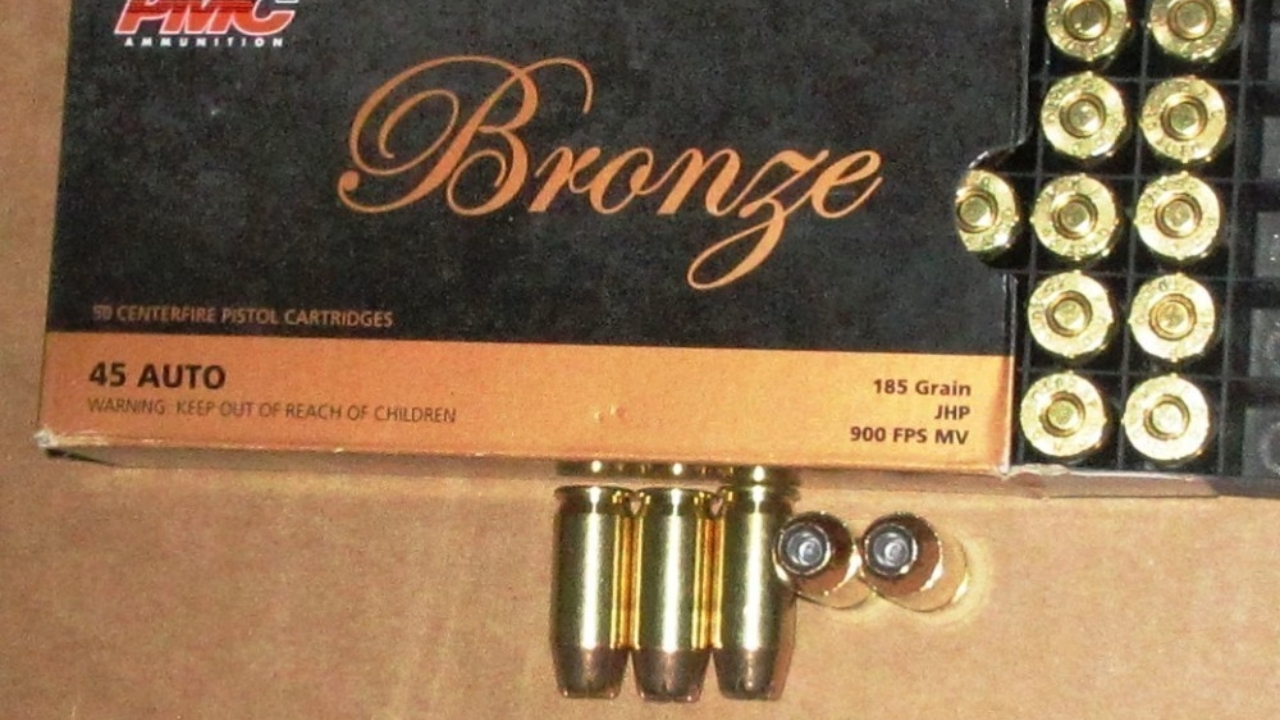
This round drops like a rock past 100 yards. Out of a pistol, you’re not going to get reliable hits much beyond that unless you’re compensating heavily. Even in a carbine, .45 ACP’s low velocity means wind and drop take over quick.
It’s meant for close work. It hits hard up close, but expect spray-and-pray patterns at longer distances. Trying to hold tight groups at 150 yards is a losing battle with this one.
.32 ACP
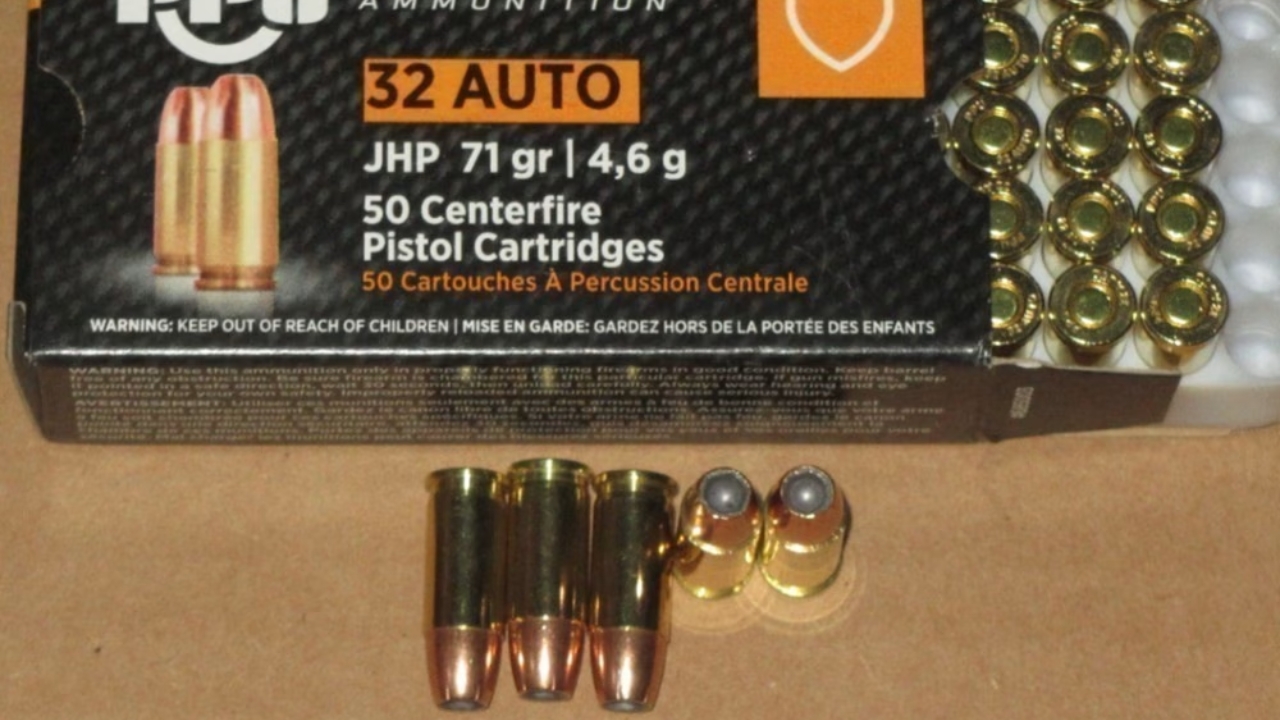
.32 ACP was made for pocket pistols, not precision. It’s soft-shooting and easy to carry, but accuracy past 50 yards gets dicey. Stretch it to 100 and beyond, and you’re in guessing territory.
Most of the bullets are light and not well-shaped for long flight. Add in inconsistent loads and limited barrel length options, and you’ve got a round that struggles to stay on target much past backyard range.
20 Gauge Slugs

A 20 gauge slug can hold up decently inside 100 yards, especially in a rifled barrel, but once you stretch to 150, accuracy starts falling apart. They’re slower and lighter than 12 gauge slugs, and they lose stability faster.
For tight woods or close-quarters hunting, they’re fine. But if you’re trying to take something down at distance, you’ll be better off with a rifle round. Beyond 150 yards, you’re flirting with missed shots and wounded game.
9mm

Out of a handgun, 9mm drops fast after 75 yards. Even out of a carbine, it’s a short-range round. It’s accurate enough inside 100, but past 150, you’ll notice the drift and drop catching up quickly.
It works great for home defense or training, but if you’re trying to stretch it into rifle territory, you’re setting yourself up for frustration. Most loads weren’t made to fly far, and the ballistic coefficient reflects that.
.45 Colt (Cowboy Loads)
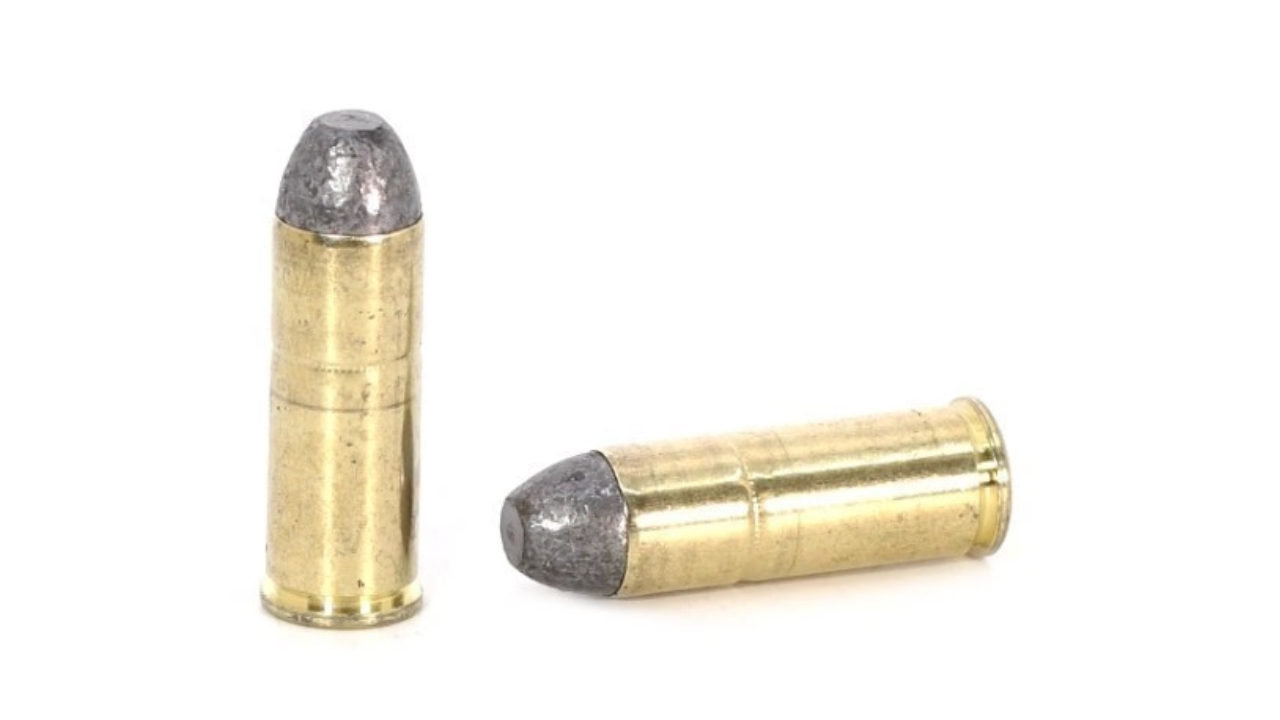
Standard .45 Colt cowboy loads have a rainbow arc past 100 yards. These are low-pressure, slow-moving rounds that start to drift and drop hard once you try to stretch them out.
Some modern loads do better, but your average cowboy-action load isn’t stable enough to be accurate beyond 150 yards. It’s fine for short-range hunting or steel, but expect wide groups if you push it too far.
.300 Blackout (Subsonic)

Subsonic .300 BLK is great for suppressed setups and close work, but it falls apart fast once you try to stretch it. The heavy bullets don’t carry enough speed to stay flat or fight wind well at longer ranges.
You can make hits at 150 if you’re dialed in and conditions are right, but don’t expect consistent tight groups. It’s optimized for short work, and that’s where it does best. Try supersonic if you need reach.
*This article was developed with AI-powered tools and has been carefully reviewed by our editors.