

Image Credit: Ron Karpel/ Shutterstock.
Getting off the grid means going where there’s no signal, no crowds, and no easy way out. These places don’t have gift shops or scenic pullouts. You’ve got to plan ahead, pack smart, and know how to handle yourself once you’re in.
Each of these twelve spots offers real isolation. You won’t run into many people, and you won’t have a safety net if something goes wrong. That’s the trade-off for true quiet, real wilderness, and the kind of reset you can’t get anywhere else.
The Frank Church–River of No Return Wilderness, Idaho

They don’t call it that for nothing. This place is huge—over 2 million acres of remote country with no roads cutting through the heart of it. You’re looking at steep canyons, wild rivers, and rugged backcountry that takes real effort to access.
Float the Salmon River or hike in from the edges, and you won’t see many people. No cell service, no easy bailouts—just wilderness that hasn’t changed much in decades. It’s a true off-the-grid spot where you earn every mile.
Arctic National Wildlife Refuge, Alaska
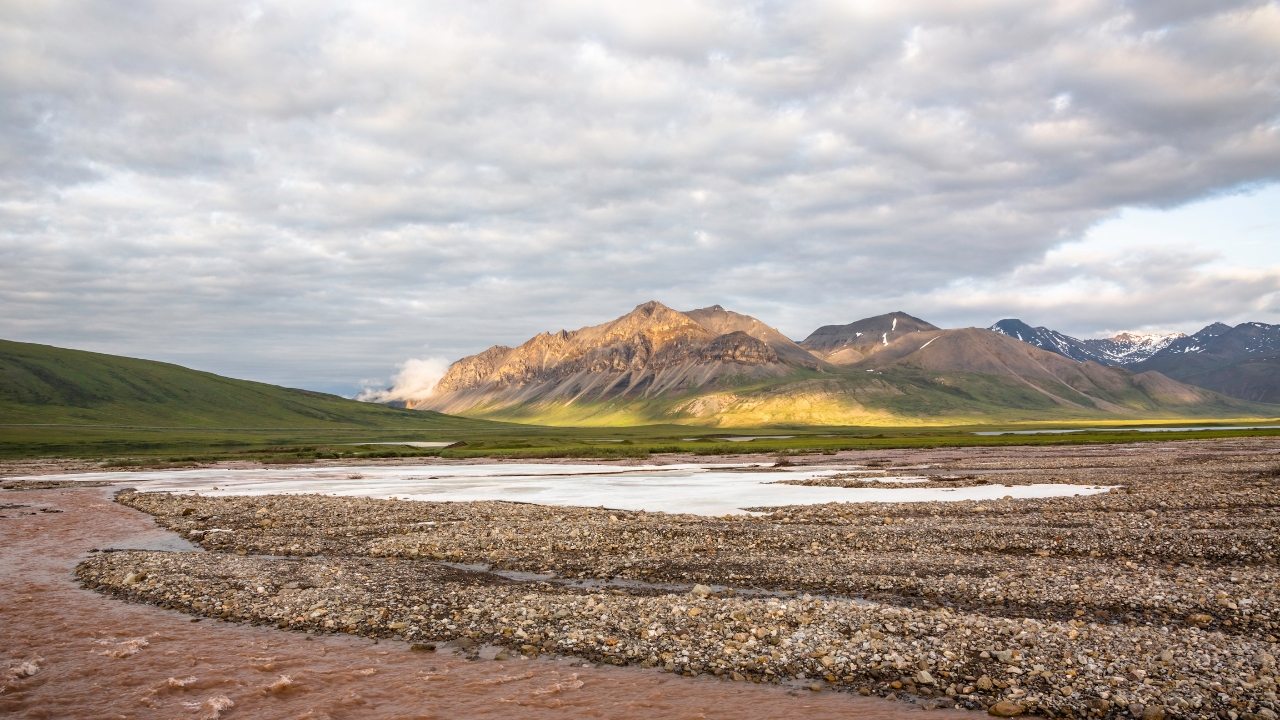
If you want remote, this is as far out as it gets in the U.S. The Arctic Refuge is only reachable by bush plane, and once you’re dropped off, it’s just you and thousands of square miles of untouched tundra and mountains.
Weather’s unpredictable, and everything you need has to come with you. But the solitude out here is unreal. No noise, no trails, no signs—just wide-open country and maybe a few caribou if you’re lucky. It’s not for everyone, and that’s the point.
The Owyhee Canyonlands, Oregon
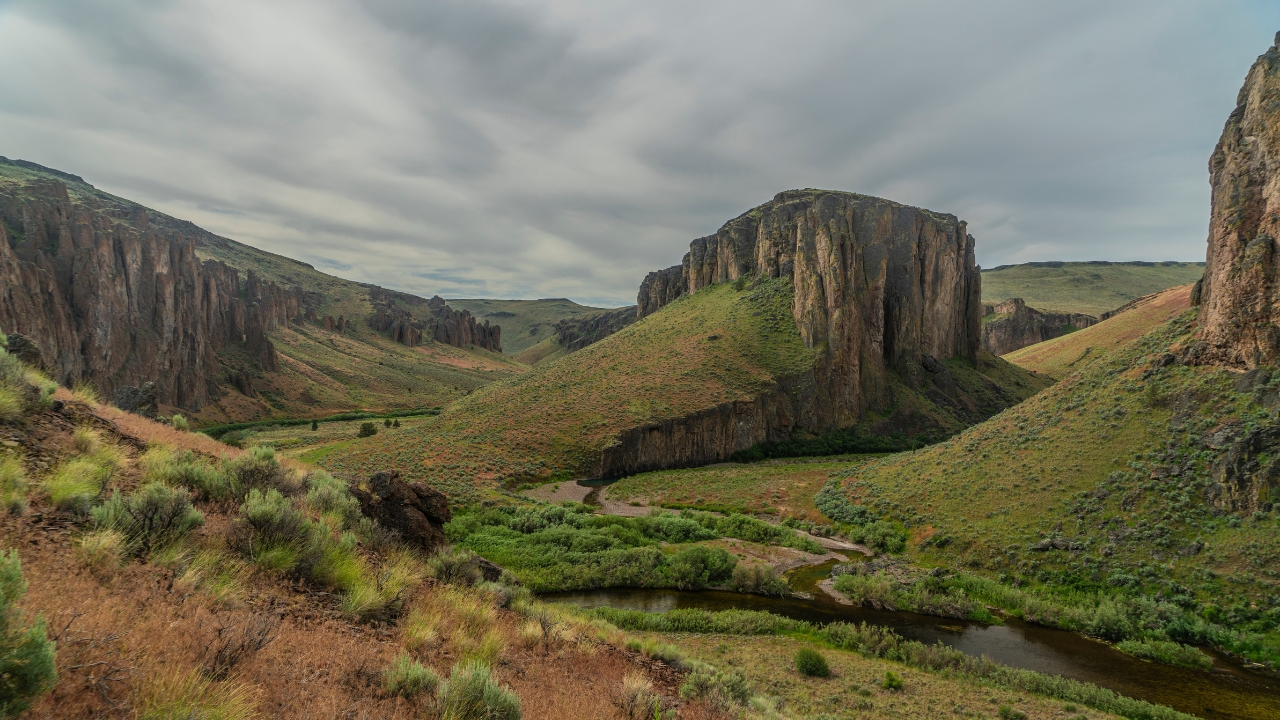
Tucked away in southeastern Oregon, the Owyhee Canyonlands feel more like Utah than the Pacific Northwest. It’s all sagebrush, red rock, and deep, winding canyons—and barely anyone out there.
Roads are rough, cell service is spotty, and water can be hard to find. But if you want a place where you won’t hear anything but wind and maybe a hawk overhead, this is it. Bring a map, plenty of fuel, and be ready to be on your own.
Absaroka-Beartooth Wilderness, Montana/Wyoming

Just northeast of Yellowstone, the Absaroka-Beartooth Wilderness is wild, rugged country with alpine lakes, steep climbs, and very few people. Trails are there, but they don’t see much traffic once you’re a few miles in.
You’ve got serious elevation and weather that can turn quick, even in July. But the payoff is big—true quiet, cold creeks full of trout, and no cell signal for miles. If you’re looking for high-country solitude, this place delivers.
Maze District – Canyonlands National Park, Utah

The Maze lives up to its name. This part of Canyonlands is hard to get to and harder to navigate once you’re there. It’s full of dead-end canyons, slickrock, and routes that require real backcountry know-how.
You’ll need a high-clearance 4×4 just to reach the trailheads, and even then, you’re a long way from help. Navigation is tricky, and water is scarce, but if you want red rock country without crowds, the Maze is one of the last true holdouts.
Wind River Range, Wyoming

The Winds offer serious backcountry for folks who don’t mind working for their peace and quiet. Long trails, high passes, and enough alpine lakes to keep you busy for weeks. It’s not as famous as the Tetons, but that’s exactly why it’s better.
Grizzlies, fast-changing weather, and tough terrain keep most folks closer to the parking lot. But hike in a day or two, and you’ll feel like you’ve got the mountains to yourself. Bring bear spray, and don’t expect a signal out here.
Bob Marshall Wilderness Complex, Montana

Locals just call it “The Bob,” and it’s one of the largest wilderness areas in the lower 48. You’re looking at over a million acres of rough country with no roads, no services, and miles of trail that rarely see boots.
It’s grizzly country, and the weather can turn fast, so you’ve got to know what you’re doing. But if you’re ready for it, this place offers some of the best solitude in the Rockies. You won’t stumble into The Bob—you’ve got to mean it.
Dry Tortugas National Park, Florida

It may sound strange, but some of the most remote land in the U.S. is surrounded by saltwater. Dry Tortugas sits 70 miles west of Key West and is only reachable by boat or seaplane. Once you’re out there, it’s just ocean, a fort, and quiet.
No cars, no crowds, and no cell service. Camping is allowed, but everything—water, food, gear—has to come with you. It’s a salt-soaked kind of solitude, but if you want isolation with sea breeze and stargazing, this one’s hard to beat.
Hells Canyon, Idaho/Oregon

Deeper than the Grand Canyon and a whole lot less visited, Hells Canyon straddles the border of Idaho and Oregon along the Snake River. It’s remote, rugged, and wild in every direction.
Access isn’t easy—especially if you’re on foot—but it’s worth it if you want steep trails, river views, and true isolation. Some folks float it, others hike or hunt it. Either way, you won’t have much company once you’re in the thick of it.
Great Sand Dunes National Park Backcountry, Colorado

Most people never make it past the first few dunes—but the real solitude starts once you hike deep into the dune field or up into the surrounding mountains. The transition from sand to alpine is like nothing else.
Camp out there and you’ll see more stars than you thought possible. No hookups, no light pollution, and no crowds. Just sand, wind, and silence. Bring extra water and a solid GPS—you don’t want to get turned around in this place.
Big Bend Ranch State Park, Texas

Everyone talks about Big Bend National Park, but the state park next door is even more remote. Fewer visitors, rougher roads, and wide-open desert that makes you feel like you’re on another planet.
It’s a high-clearance, pack-it-in, pack-it-out kind of place. There’s cell signal in a few spots, but don’t count on it. If you’re looking for off-grid desert solitude without the tourist crowd, this is where you want to be.
Wrangell–St. Elias National Park, Alaska

This is the biggest national park in the country, and parts of it don’t see people for years. Glaciers, mountains, and remote valleys stretch for hundreds of miles with almost no infrastructure. You’ll need a bush plane or a serious off-road setup to get in.
Weather, wildlife, and remoteness make this one of the most serious off-grid experiences you can have. It’s not casual—it’s the kind of place you plan carefully for. But if you’re ready, it’s about as wild as America gets.
*This article was developed with AI-powered tools and has been carefully reviewed by our editors.


