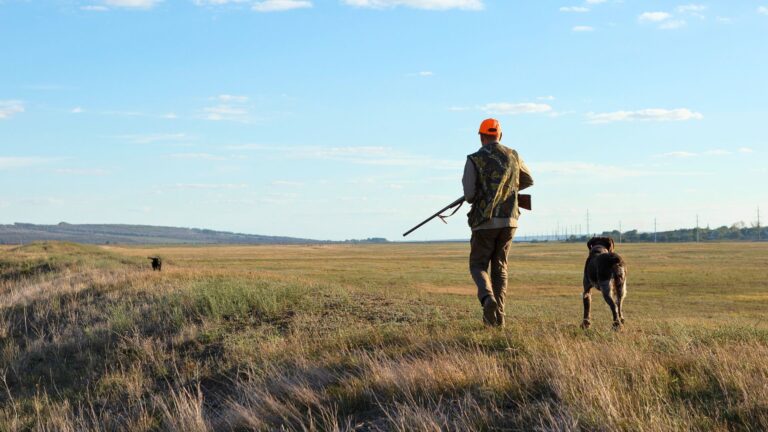
Photo credit: Tony Campbell/Shutterstock.com
Deer season in Tennessee is about to feel very different for anyone who hunts private land. Beginning with the 2026–27 season, you will be able to use bait in some situations that have long been off limits, but only if you follow a new set of rules and buy an additional permit. The changes are designed to give you more flexibility in the field while keeping a tight grip on disease risks and enforcement.
As you look ahead to the next couple of years, you are not just watching dates on a calendar, you are watching a full reset of how the state treats bait, drones, and deer management. The decisions that regulators have already approved will shape where you can place corn, how you can recover a wounded buck, and what it will cost to take advantage of those options.
The road to legal baiting on private land
If you have hunted in Tennessee for any length of time, you know baiting has been largely off the table under state law. Present law has treated the use of feed to attract wildlife as a prohibited shortcut, with only narrow exceptions for activities like wildlife viewing or feeding birds around the house. That long standing posture is what makes the upcoming shift so significant, because it moves bait from a blanket “no” to a regulated “yes, if” for deer hunters on private property.
The legal foundation for that shift comes from a bill in the General Assembly, identified in the Bill Summary for HB 0938, which starts by acknowledging that Present law generally prohibits the use of bait for hunting wildlife. The legislation then carves out two specific exceptions, opening the door for deer baiting under controlled conditions and clarifying that certain feeding around a residence, including feed placed for animals in the household of its owner, does not fall under the hunting ban. That statutory change gave wildlife regulators the authority they needed to design a permit system instead of a flat prohibition.
What the Tennessee Fish and Wildlife Commission actually approved
Once lawmakers created room for exceptions, the real work shifted to the rulemaking arena, where the Tennessee Fish and Wildlife Commission had to decide how far to go. At its final meeting of the year in CHATTANOOGA, The Tennessee Fish and Wildlife Commission, often shortened to TFWC, approved two rules that will shape your options beginning with the 2026–27 hunting season. According to the agency’s own summary, those rules cover a new deer baiting privilege and a separate change involving endangered species, both of which will be implemented through the Tennessee Wildlife Resources Agency.
Local coverage of that December meeting underscored how deliberate the process was, noting that The Tennessee Fish and Wildlife Commission spent considerable time on new deer baiting regulations alongside other business involving the Tennessee Wildlife Resources Agency (TWRA). In that account, commissioners signed off on a framework that lets you use bait only if you obtain a specific privilege license and follow placement rules that TWRA staff will enforce on the ground, a structure that reflects the balance between hunter demand and biological caution that the commission has tried to strike in recent years. You can see that focus in the way the new deer baiting regulations are described as a controlled privilege rather than a free for all.
Key dates: when the new rules start to matter
For your planning, the most important detail is timing. The Tennessee Wildlife Resources Agency has been clear that the new baiting rule does not kick in immediately, even though the commission has already approved it. In its formal notice, TWRA explained that the rule takes effect Aug. 1, 2026, and that the associated license will be valid beginning with the 2026–27 hunting season, which means you will go through at least one more full deer season under the old no baiting standard before anything changes on the ground.
That same timeline has been echoed in other agency communications, which stress that the period between now and Aug. 1, 2026 is being used to finalize forms, update enforcement guidance, and educate hunters about the new privilege. TWRA has also emphasized that before the rule becomes final, it must clear the state’s rulemaking process, a reminder that even after The Tennessee Fish and Wildlife Commission acts, there are procedural steps that have to be completed. Those caveats are spelled out in the agency’s explanation of how the bait privilege license will roll out, so you should treat the 2026–27 season as the first realistic window for legal baiting on private land.
Where you can bait, and where you still cannot
Even once the calendar turns, you will not be able to scatter corn just anywhere. The new system is built around private land, and it explicitly keeps baiting off limits in areas where chronic wasting disease is a concern. TWRA has stated that Hunters will legally be allowed to use corn and other grains as bait beginning in August, but baiting is not allowed in chronic wasting disease management zones, which means you need to know whether your property falls inside one of those zones before you ever open a bag of feed.
The geographic carve outs are not a minor detail, they are the core of how the state is trying to expand opportunity without undermining disease control. In its public explanation of the change, the agency framed the new privilege as a deer baiting permit outside disease zones starting August 2026, language that makes clear the permit is tied to both location and timing. If you hunt in a county that is part of a chronic wasting disease management zone, the new flexibility will not apply, and baiting will remain prohibited even if you hold a permit. That distinction is central to the permit outside disease zones concept that TWRA has adopted.
How the bait privilege license will work
The new system is not a blanket permission, it is a paid privilege that you will have to opt into. TWRA has described the new authorization as a deer bait privilege license, a separate item that you will need to purchase in addition to your standard hunting license if you want to place bait for deer on private land. The agency has also made clear that the license will be valid beginning with the 2026–27 hunting season, aligning it with the Aug. 1, 2026 effective date of the underlying rule so there is no gap between when you can buy the privilege and when you can use it.
In its explanation of the rule, TWRA noted that before the rule becomes final, it must go through the state’s formal review process, but the structure is already set: a defined privilege, a specific license, and a clear season of use. That same notice, which also touched on changes to the endangered species list, framed the bait license as a way to manage demand and fund enforcement, not just a bureaucratic hurdle. When you read the agency’s description of the new rules on deer bait, you can see how the license is meant to give TWRA a direct line of sight into who is baiting and where, which will matter if problems emerge.
Drones, recovery, and the broader 2026–27 rule package
The baiting change is arriving alongside another technological shift that will affect how you hunt and recover deer. Reporting on the new rules has highlighted that Tennessee deer hunters face new rules on drones and baiting at the same time, with the state preparing to allow the use of drones for deer recovery under specific conditions. The key point for you is that both bait and drones are being treated as regulated tools, not free for all gadgets, and the details of how you can deploy them will be spelled out in TWRA’s regulations for the 2026–27 season.
Coverage from Nashville has already noted that Tennessee hunters can bait deer on private land from 2026 only if they comply with the new licensing system, and that they cannot use bait or drones this season while the rules are still being finalized. That framing underscores how the state is trying to modernize its approach without losing control of fair chase principles or safety. When you look at the explanation of the deer hunting bait license and drone recovery rules, it is clear that the 2026–27 season will mark a broader reset of what tools you can legally bring into the field.
What HB 0938 actually changed in state law
Behind the scenes, the most important shift for you as a hunter is the way HB 0938 rewrote the baseline rules on bait. The Bill Summary for that measure starts by restating that Present law generally prohibits the use of bait for hunting wildlife, a reminder that the default in Tennessee has been to treat bait as incompatible with fair chase. The bill then creates two exceptions to the general prohibition, which is the legal hook that allows TWRA and The Tennessee Fish and Wildlife Commission to build a permit system instead of continuing with a flat ban.
The same summary goes on to spell out a related clarification that matters for landowners who feed animals around their homes. It specifies that a particular type of feeding, including feed placed for animals that are part of the household of its owner, is not treated the same way as bait used for hunting. That distinction is important if you keep livestock or pets near your hunting area, because it helps separate everyday feeding from activity that could be considered baiting under the new rules. By reading the HB 0938 language closely, you can see how lawmakers tried to give you more hunting flexibility without criminalizing routine care for animals on your property.
How TWRA is explaining the changes to hunters
Regulatory language can feel abstract until you hear it translated into plain terms, and that is where TWRA’s outreach efforts come in. In its own news release, the agency summarized how The Tennessee Fish and Wildlife Commission approved two new rules in CHATTANOOGA, including the bait privilege that will apply beginning with the 2026–27 hunting season. That summary is aimed squarely at you as a license holder, walking through what the new rules do, when they take effect, and how they fit into the broader mission of managing wildlife populations across the state.
TWRA has also leaned on more conversational formats to reach hunters who might not read formal rule notices. A video segment titled as an explainer on rules for the new deer baiting law in Tennessee in 2026 breaks down how the law could help communities control their deer populations and give hunters better odds at a catch, while stressing that the start date is still in the future. In that piece, which is tagged with an Oct reference, the host walks through the basics of the new deer baiting law so you can understand what will change on your farm or lease and what will not. Together, the written and video explanations are meant to reduce confusion before the first bait piles ever go on the ground.
What this means for your strategy in 2026–27
All of these moving parts add up to a simple reality: if you plan to hunt deer on private land in Tennessee during the 2026–27 season, you need to decide whether the bait privilege is worth it for you. On one hand, legal baiting with corn and other grains could concentrate deer and increase your odds of seeing animals during shooting hours, especially in heavily pressured areas. On the other hand, you will have to pay for a separate license, track where chronic wasting disease management zones begin and end, and adjust your setups to comply with whatever placement and distance rules TWRA ultimately publishes.
National hunting outlets have already started to frame the change as a major shift, noting that The new rules go into effect August 1, 2026, on private land only, and that a baiting permit will be required if you want to take advantage of them. Those same reports remind you that you cannot use bait or drones this season, which means you have time to scout, talk with neighbors, and think through how baiting might fit into your existing stands and travel corridors. By the time the 2026–27 season opens, the combination of a clear rule set, a defined permit, and your own preparation should help you decide whether to embrace the new baiting options or stick with the patterns that have worked for you under the old system.
Supporting sources: Commission Approves Two New Rules in Final Meeting of the ….
Like The Avid Outdoorsman’s content? Be sure to follow us.
Here’s more from us: