Photo credit: Iraqveteran8888/Youtube
Some guns don’t get ignored because they’re bad. They get ignored because they don’t fit the easy story. Wrong brand. Plain finish. Odd design. Not enough internet noise. Maybe they came out at the wrong time, or maybe shooters were too busy chasing whatever everyone else was buying.
Then people finally gave them a real look. They shot them, carried them, hunted with them, or watched prices climb after everyone realized what had been sitting there all along. These are the guns that became respected only after shooters stopped overlooking them.
Ruger P90
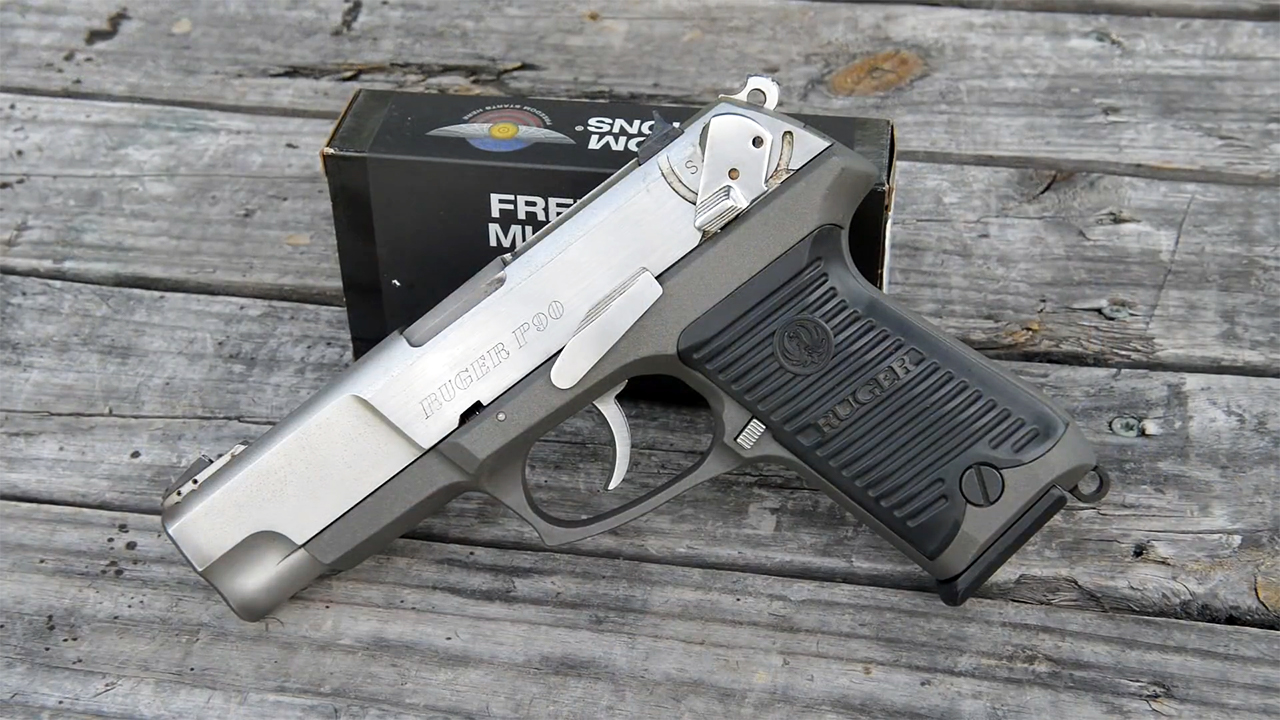
The Ruger P90 was never a beautiful pistol, and that probably hurt it more than anything. It was big, blocky, and built like Ruger cared more about strength than style. A lot of shooters walked past it because it didn’t have the clean lines of a 1911 or the duty-gun appeal of a SIG or Beretta.
Once people actually used it, the P90 earned more respect. It handled .45 ACP well, ran reliably for many owners, and had the kind of rugged build that made it hard to kill. The trigger was not match-grade, and the grip was chunky, but the pistol worked. Shooters eventually realized that ugly and dependable beats pretty and fussy every time.
Mossberg Patriot
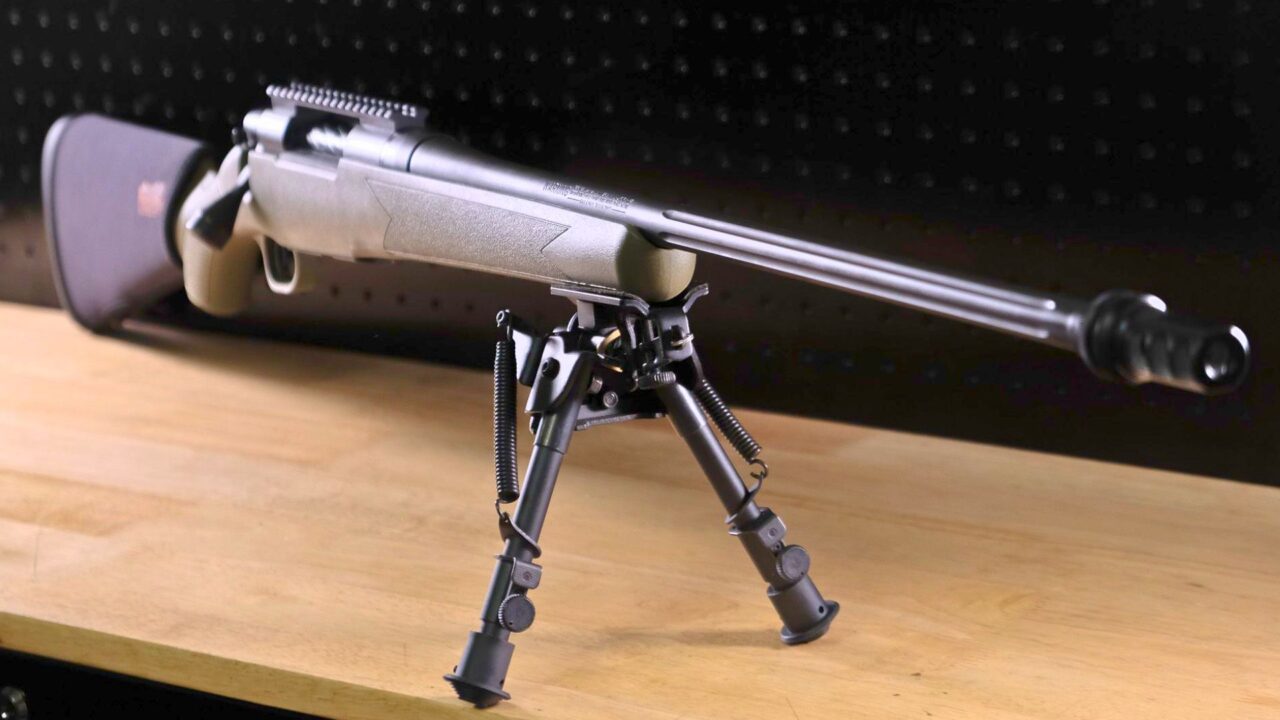
The Mossberg Patriot had to fight the fact that Mossberg is still seen by many people as a shotgun company first. A bolt-action rifle with the Mossberg name didn’t automatically make hunters stop and stare. A lot of buyers stuck with Savage, Ruger, Remington, or Winchester because those names felt more familiar in the rifle rack.
Over time, the Patriot earned respect by being a useful, affordable hunting rifle that often shoots better than people expect. It comes in practical chamberings, several stock options, and configurations that fit deer, predators, and general field use. It’s not a premium rifle, and it doesn’t pretend to be. But once hunters stopped dismissing the name and judged the rifle by what it did, the Patriot started looking like a solid working option.
Beretta PX4 Storm

The Beretta PX4 Storm was overlooked partly because of its looks. It didn’t have the classic appeal of the Beretta 92, and the rounded polymer frame made some shooters dismiss it as strange. The rotating barrel system also sounded unusual enough that plenty of people didn’t know what to make of it.
Then more shooters started putting real rounds through it. The PX4 shoots softer than many expect, especially in compact and full-size models. The recoil impulse is smooth, the pistol is reliable, and the DA/SA setup gives it a serious service-pistol feel. It never became the default choice in the polymer market, but people who gave it time often came away surprised. The respect came late, but it was earned.
CVA Cascade
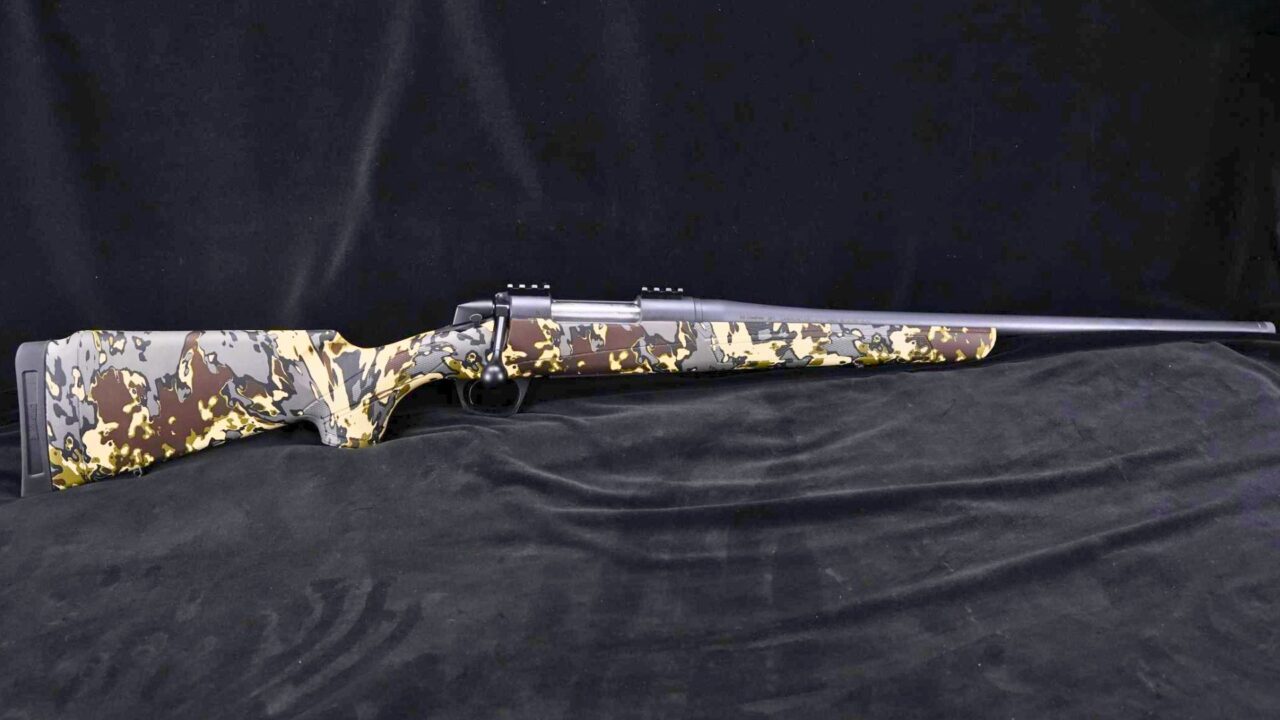
The CVA Cascade was easy to overlook because CVA’s name was so tied to muzzleloaders. When the company moved into centerfire bolt-action rifles, some hunters didn’t take it seriously right away. That’s understandable. Rifle buyers tend to trust brands with long bolt-action histories.
The Cascade changed minds by offering practical features and good accuracy at a reasonable price. The threaded barrel, useful stock design, decent trigger, and field-friendly weight made it feel like CVA paid attention to what hunters actually wanted. It didn’t need fancy wood or a famous old action to prove itself. Once hunters stopped treating it like a side project from a muzzleloader company, the Cascade started earning real respect.
Smith & Wesson 457
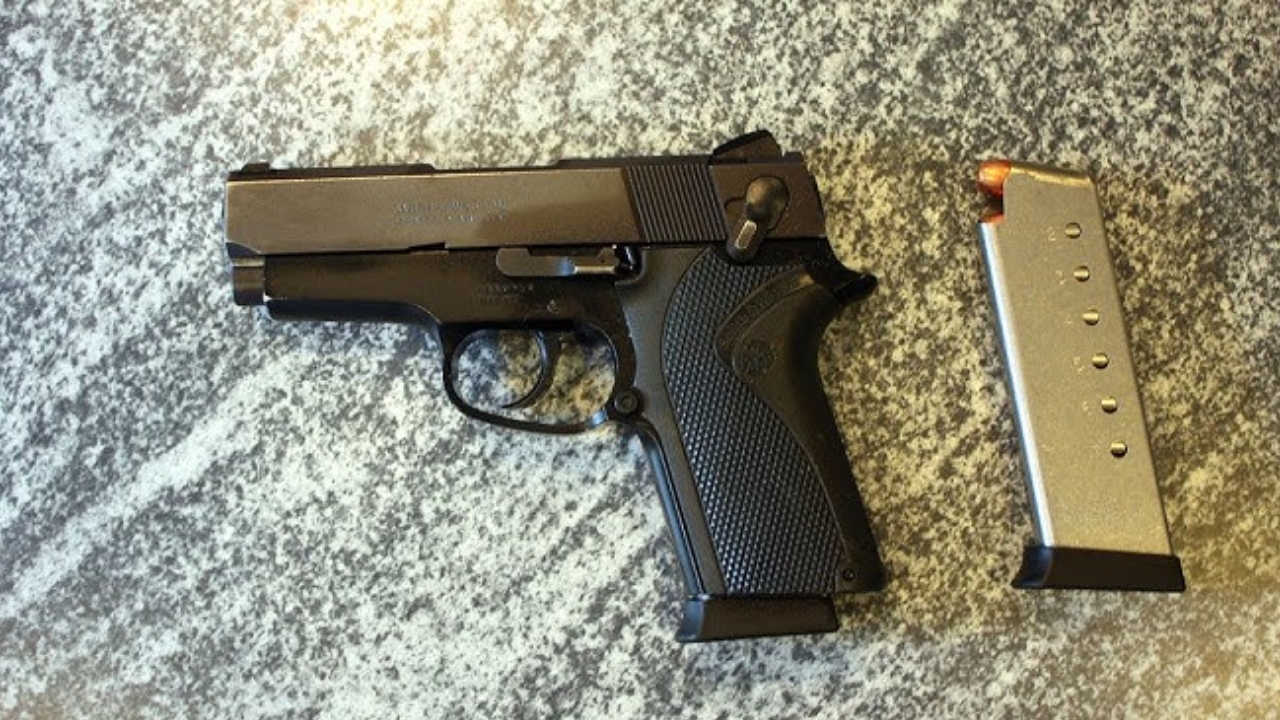
The Smith & Wesson 457 never had the same following as some other third-generation Smith pistols. It was a compact .45 ACP with plain looks and a working-gun personality. It didn’t have the sleekness of a 1911 or the modern appeal of newer polymer .45s. For years, it was easy to walk past.
Now it gets more appreciation because compact metal-frame .45s are not exactly common anymore. The 457 is sturdy, practical, and surprisingly useful for shooters who like DA/SA pistols. It’s not a high-capacity handgun, and it’s not the easiest pistol to find parts and magazines for today. But as a compact .45 with old Smith build quality, it fills a lane that newer guns mostly abandoned.
Howa 1500
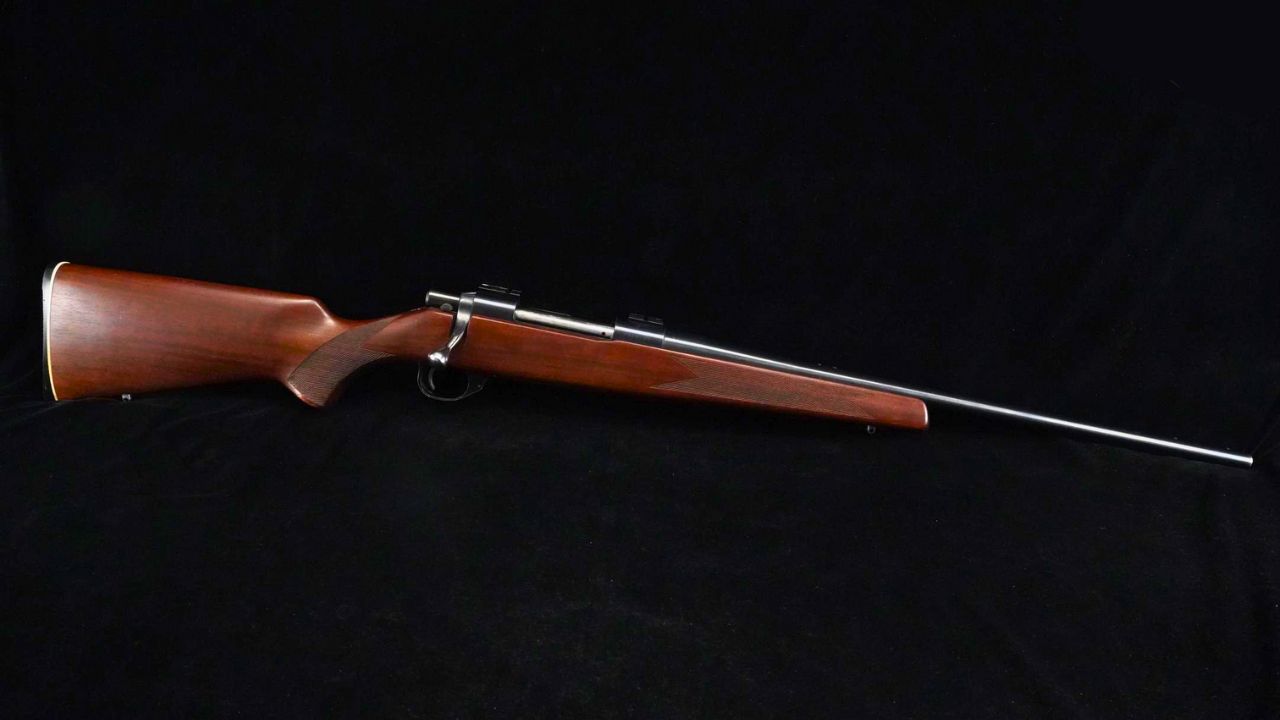
The Howa 1500 spent years being overlooked by hunters who were more comfortable with American names. It didn’t have the Remington 700’s aftermarket reputation or the Winchester Model 70’s tradition. That made some buyers assume it was a second-tier rifle, even though the action had a lot going for it.
The more people used Howas, the more respect they earned. The 1500 is strong, smooth enough, and usually accurate. It feels more substantial than many bargain rifles and has become the basis for plenty of good hunting and precision-style builds. Weatherby Vanguard buyers also got familiar with the Howa-built action, even if they didn’t always think of it that way. Once shooters stopped overlooking the name, the rifle’s quality became obvious.
Canik TP9SFx
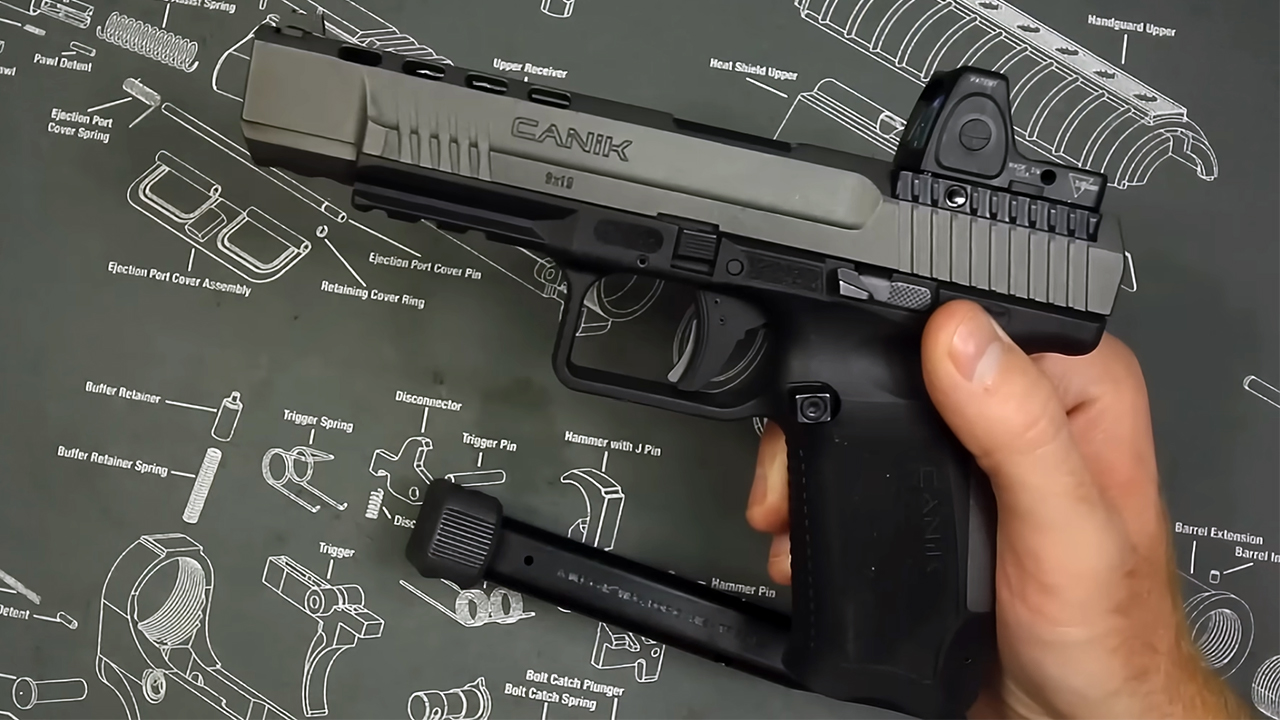
The Canik TP9SFx was overlooked early because Canik still had the “cheap import” label hanging around. A budget-friendly competition-style pistol with a long slide, good trigger, and plenty of extras sounded almost too good to trust. Some shooters assumed it had to be a gimmick.
Then people started shooting matches and range sessions with them. The TP9SFx delivered a lot of performance for the money, especially with its trigger and included features. It wasn’t perfect, and it wasn’t as refined as high-dollar competition pistols, but it worked well enough to embarrass the price tag. Canik’s reputation grew because guns like this made shooters stop laughing and start paying attention.
Franchi Affinity 3

The Franchi Affinity 3 has often lived in the shadow of Benelli and Beretta, which is a tough place to get noticed. Since Franchi sits under the same larger company family, some hunters treated it like the less exciting option. That was a mistake for anyone who wanted a practical inertia shotgun without premium pricing.
The Affinity 3 earned respect by being light, simple, and field-ready. It carries well, cycles reliably with proper loads, and makes sense for upland, waterfowl, and general hunting depending on the model. It kicks more than some gas guns, but that’s part of the inertia tradeoff. Once hunters stopped treating it like the “lesser” shotgun and judged it in the field, the Affinity started looking smart.
Walther PPS

The Walther PPS got overshadowed in the slim carry pistol race, even though it was one of the better early answers. It was thin, reliable, and comfortable, but it didn’t always get the same attention as the Shield, Glock 43, or later micro-compacts. The paddle magazine release on the M1 version also turned some shooters away before they gave it time.
The PPS earned respect because it carried flat and shot better than many small pistols. It had Walther ergonomics in a truly slim package, which made it easier to control than its size suggested. Higher-capacity micro-compacts eventually changed the market, but that doesn’t erase what the PPS did well. Shooters who stopped overlooking it found a carry pistol that was more refined than its quiet reputation suggested.
Winchester SXP
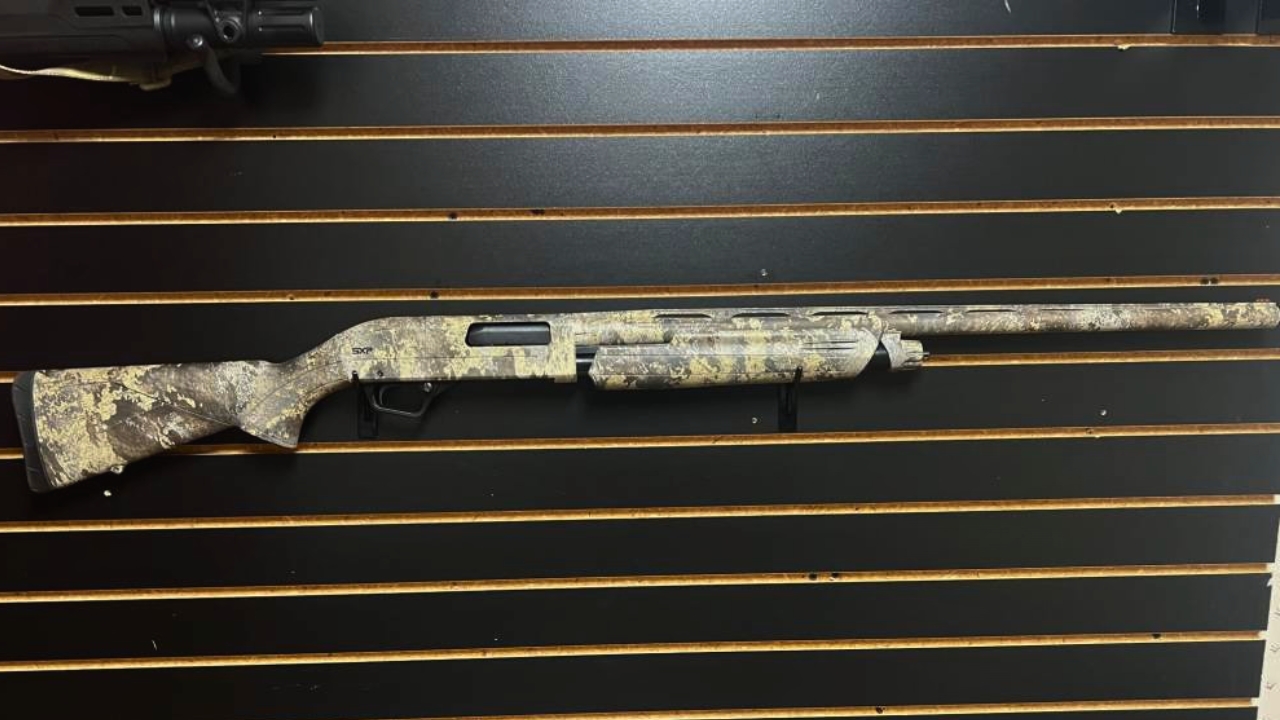
The Winchester SXP has been overlooked because it doesn’t have the long emotional pull of the Model 12, Remington 870, or Mossberg 500. It’s a modern pump gun in a market where nostalgia matters. That makes it easy for some shooters to dismiss before they ever work the action.
The SXP earned more respect by being fast, affordable, and useful. Its rotary bolt design gives it a quick cycling feel, and Winchester offers it in enough versions to cover field, turkey, waterfowl, and defensive roles. It may not have the old-school feel of classic pumps, but it doesn’t need to. Once shooters judged it as a modern working shotgun instead of a replacement for their favorite classic, it made a stronger case.
Bersa Thunder 380
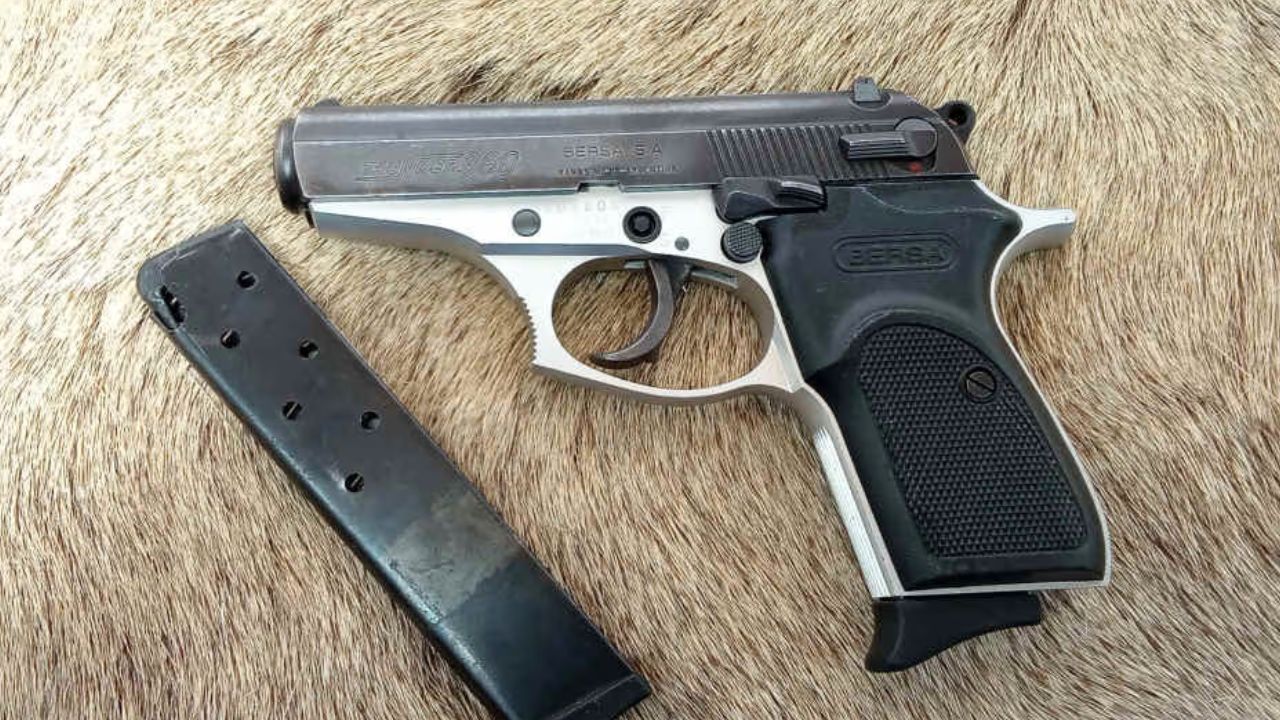
The Bersa Thunder 380 has always been easy to overlook because it’s affordable and chambered in .380 ACP. Some shooters dismiss the caliber, while others assume a low-priced pistol cannot be worth much. That keeps a lot of people from giving the Thunder a fair chance.
The pistol earned respect by being comfortable, simple, and easy to shoot compared with many tiny .380s. It’s larger than a pocket pistol, but that size makes it much more manageable. The fixed barrel helps with accuracy, and the DA/SA controls feel familiar to people who like older designs. It isn’t a premium defensive pistol, but it gives budget-minded shooters a pleasant, practical handgun that does more than its price suggests.
Savage 220

The Savage 220 was overlooked by hunters who didn’t need a slug gun or who assumed shotgun-only deer setups were old news. But in places where slug guns still matter, the 220 gave hunters a real accuracy advantage. A bolt-action 20-gauge slug gun may sound narrow, but narrow can be useful when the job is specific.
The 220 earned respect because it shoots more like a rifle than a traditional slug shotgun. The AccuTrigger helps, the 20-gauge chambering keeps recoil more manageable than many 12-gauge slug guns, and the platform gives hunters confidence in areas with shotgun restrictions. It’s not a do-everything firearm. It’s a specialized tool that proved very good at its job.
IWI Masada

The IWI Masada entered one of the most crowded pistol categories imaginable. Another polymer-framed, striker-fired 9mm can disappear fast when Glock, SIG, Smith & Wesson, Walther, and CZ are already fighting for attention. A lot of shooters overlooked it simply because they had too many other choices.
Those who gave it a fair chance found a solid duty-style pistol with good ergonomics, optics-ready capability, interchangeable backstraps, and a practical price. It doesn’t have the same aftermarket depth as the biggest names, but it feels sturdy and well thought out. The Masada earned respect from shooters who cared less about popularity and more about whether the gun worked well out of the box.
Henry Single Shot Rifle
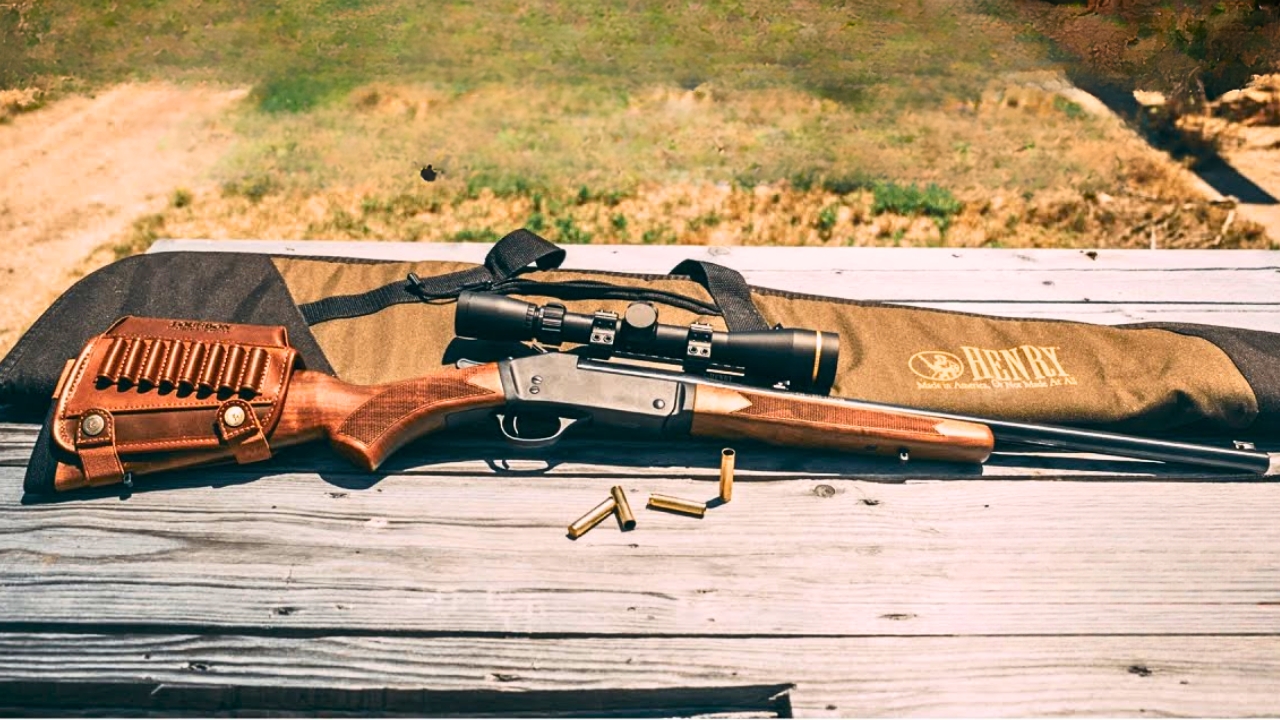
The Henry Single Shot Rifle is easy to overlook because single-shots don’t make much noise in today’s market. Most buyers want magazines, fast follow-up shots, and modern features. A break-action rifle with one round seems old-fashioned before the conversation even starts.
But the Henry earned respect by being simple, solid, and useful in the right hands. It’s available in practical chamberings, carries well, and encourages careful shooting. For deer hunting, youth hunters, straight-wall cartridge areas, and anyone who values simplicity, it makes more sense than people first assume. It’s not fast, and it isn’t trying to be. Once shooters stop overlooking the single-shot concept, the appeal gets clearer.
CZ 75 PCR

The CZ 75 PCR spent years being overlooked by shooters who either wanted the full-size CZ 75 or a lighter modern striker-fired compact. It sat in the middle as an alloy-framed DA/SA compact that didn’t always get the attention it deserved. That’s too bad, because the PCR is one of CZ’s most practical carry pistols.
It earned respect by blending comfort, control, and carry size better than many expected. The alloy frame keeps the weight reasonable, while the grip shape and low bore axis make it shoot smoothly. The decocker setup is practical for defensive carry, and the pistol has enough size to train with seriously. Once shooters gave it a real chance, the PCR stopped looking like a compromise and started looking like one of CZ’s smartest compact designs.
Like The Avid Outdoorsman’s content? Subscribe to our newsletter so you never miss an article.
Here’s more from us: