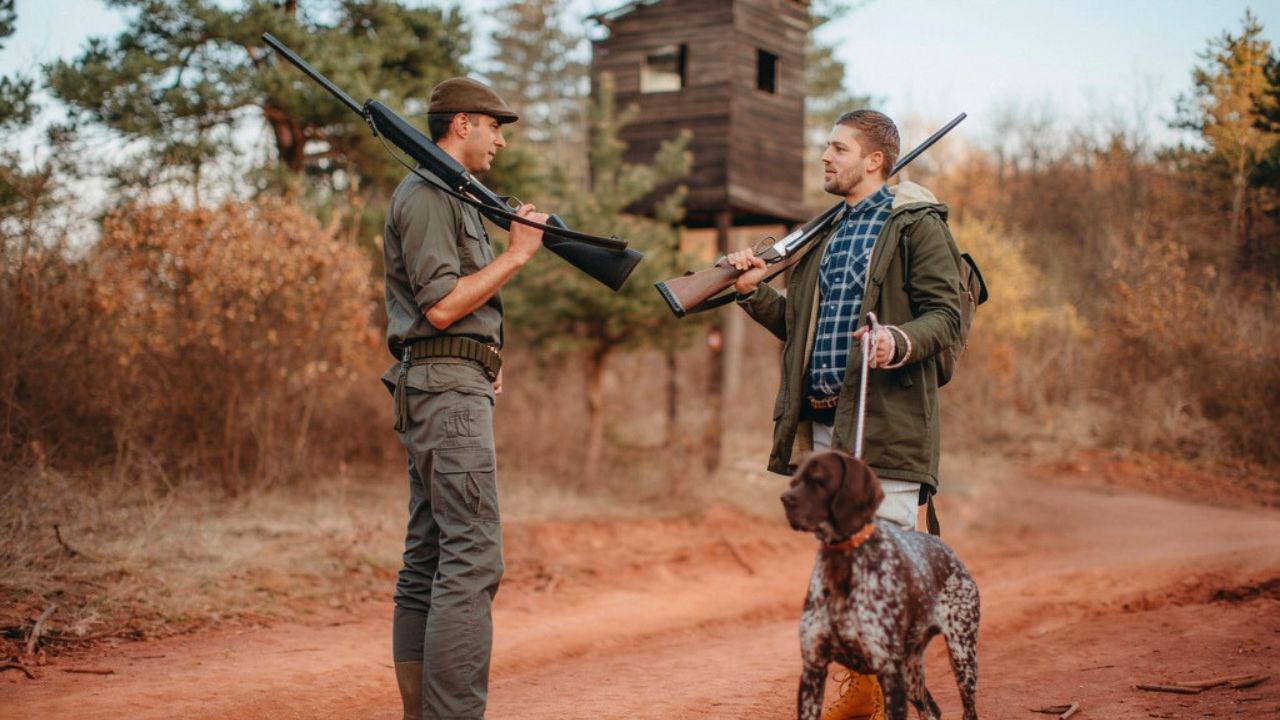
Photo credit: StefaNikolic/istock.com
At some point, it happens quietly. Conversations still happen, but they feel thinner. People talk, but they don’t say much that actually helps. The details that used to come up—where movement has been, what someone’s been seeing, what’s changed—just don’t seem to make it your way anymore. Nobody announces it. Nobody calls it out. It just shifts. A lot of hunters chalk this up to secrecy or competition, but most of the time there’s a reason behind it. Hunters don’t stop sharing useful information randomly. They stop when they feel like sharing it isn’t safe, respected, or worth the trouble anymore. And once that shift happens, it’s hard to reverse because it’s based on patterns people have already noticed.
The frustrating part is that the habits that cause this usually don’t feel like a big deal in the moment. A comment here, a decision there, a small slip in judgment that didn’t seem like it mattered. But over time, those small moments build a reputation. And in hunting circles, reputation carries a lot of weight. People don’t have to confront you directly to change how they deal with you. They just adjust what they say, what they don’t say, and who they trust with the good stuff. That’s when you realize you’re still in the conversation—but not really in it the way you used to be.
Sharing information too loosely
One of the quickest ways to shut off useful information is to treat it like it’s yours to pass around. Someone tells you about movement, a good area, or something they’ve been seeing, and before long that same detail is getting repeated somewhere else. It may not feel like a big deal, especially if you’re just talking casually, but people notice.
Once someone realizes what they tell you doesn’t stay with you, they stop telling you things that matter. It’s not personal—it’s practical. Hunters protect information that costs them time and effort to figure out. If they don’t trust you to handle it carefully, they’ll keep it to themselves.
Moving too fast on what you hear
Another pattern that turns people off is jumping on information too aggressively. You hear about a spot or movement and immediately try to act on it—next morning, next hunt, no hesitation.
That tells people something important: if they mention anything useful around you, there’s a good chance you’ll run with it right away. Even if that wasn’t your intention, it creates a sense that sharing information comes with a cost. And once people feel that, they start holding back.
Talking more than you listen
Some hunters want to be part of every conversation, but they don’t always take the time to really listen. They jump in, redirect, add their own take, or turn every discussion into something about their own experience.
Over time, that makes people less likely to bring up useful details around you. Not because they don’t like you, but because they don’t feel like they’re actually being heard—or they don’t want to deal with the conversation that follows.
Not reading the room
Every hunting circle has its own rhythm. Some information is shared openly. Some is shared carefully. Some is only mentioned in certain situations. Hunters who can’t read that difference tend to push too far without realizing it.
They ask too directly, press for details, or bring up topics that others are intentionally keeping vague. That kind of pressure makes people uncomfortable, and the easiest way to deal with it is to stop offering useful information in the first place.
Turning everything into competition
A little competition is normal. But when everything starts feeling like a race—who gets there first, who uses the information fastest, who comes out ahead—people start protecting what they know.
Information stops being shared because it feels like it’s going to be used against them instead of alongside them. That shift doesn’t always happen all at once, but once it does, it changes how everyone communicates.
Trust is what keeps information moving
At the end of the day, useful information flows where trust exists. It’s not about being the best hunter in the group or the most experienced. It’s about being someone others feel comfortable sharing with.
That comes down to how you handle what you hear, how you act on it, and how you show up over time. Hunters who keep getting told useful things usually aren’t doing anything flashy—they’re just consistent, respectful, and aware.
Once that trust is in place, the good information tends to follow.
Like The Avid Outdoorsman’s content? Subscribe to our newsletter so you never miss an article.
Here’s more from us: