Photo credit: The Avid Outdoorsman
The carrier was not dealing with a normal dud.
A dud is annoying. A failure to fire gets your attention. A bad primer or one weird round can make you stop and inspect what happened. But this was something different.
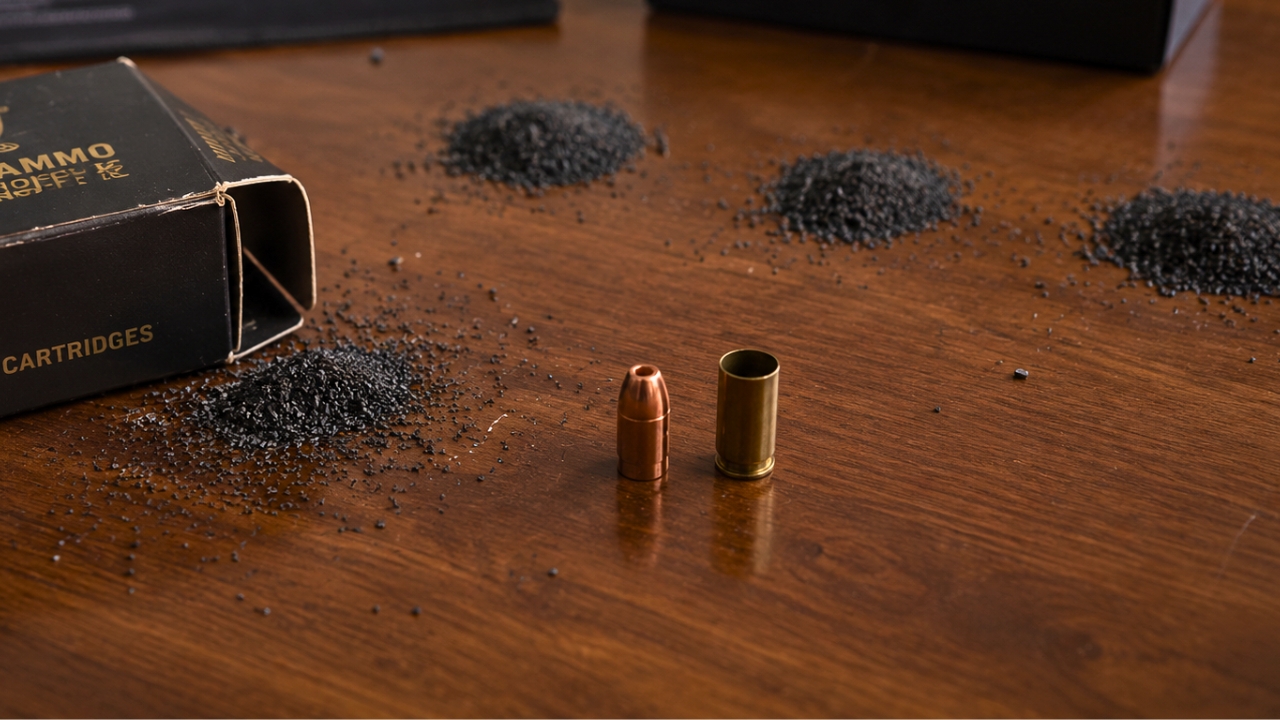
The bullet came out of the casing.
In a Reddit post, a concealed carrier said his carry ammo had a bullet separate from the case, dumping powder onto the floor. Then it happened again. And again. Three times from the same box.
That is the kind of thing that makes a person stop trusting the whole box immediately.
Carry ammo is not supposed to behave like loose craft supplies. The bullet should stay seated in the case. The cartridge should remain intact through normal handling, loading, unloading, and chambering. If the bullet pulls free and powder spills out, that round is dead, and the rest of the box is now under suspicion too.
The first time might feel like a fluke.
The second time starts to look like a pattern.
The third time turns into a hard no.
A defensive round has to do a very basic job before it ever reaches the target: stay together long enough to feed, chamber, fire, and cycle the gun. If the bullet separates from the casing before that, it is not just unreliable. It can create a mess inside the firearm, leave powder in places it does not belong, and create confusion about what is safe to fire.
Powder on the floor is obvious. Powder inside a magazine, chamber, range bag, or holster is worse.
Bullet setback gets talked about a lot in concealed carry, especially when people rechamber the same round repeatedly. Setback happens when the bullet gets pushed deeper into the casing, which can raise pressure if fired. Bullet pull or separation is the opposite kind of problem, but it is just as alarming in its own way. The cartridge is no longer a proper cartridge.
It is parts.
That matters because carry ammo gets handled more than people think. A lot of carriers unload when they get home, reload when they leave, clear the gun before dry practice, rechamber the top round, rotate magazines, and repeat that process over time. Each chambering cycle can stress the round a little. Good ammo should tolerate normal use within reason, but repeated cycling can still create problems.
That is why many carriers rotate the top round or stop reusing a repeatedly chambered cartridge.
But three separations from the same box points toward something bigger than one tired top round. It could be poor neck tension, a bad batch, improper crimp, manufacturing defect, or damage from handling. Whatever the cause, the shooter’s confidence was gone for good reason.
The scary thing is imagining when the failure could have happened.
If the bullet separates while unloading, powder spills and the owner sees it. Annoying, but manageable. If it happens while loading or chambering, the gun may fail to feed or could leave debris in the action. If a bullet is pushed into the barrel or stuck somewhere it should not be, now the shooter has to worry about obstruction. If the carrier does not notice and the next round gets involved, the situation can get dangerous quickly.
That is why the right response is not to shrug and keep carrying the remaining rounds.
The whole batch needs to be quarantined. Save the box. Save the lot number. Save the failed rounds. Contact the manufacturer. Do not keep loading the ammo into a carry gun hoping the next one behaves. Defensive ammo that falls apart in normal handling has failed the job before the trigger is ever pressed.
It is also a reminder to inspect carry rounds.
Not obsessively in a way that damages them more, but regularly enough to catch problems. Look for bullet setback, loose bullets, damaged case mouths, corrosion, high primers, dented cases, or rounds that feel different when chambered. If a round has been repeatedly cycled, compare it to a fresh one. If anything looks wrong, pull it from carry use.
Ammo is cheaper than regret.
Some people hate that because defensive ammo costs real money. Throwing away or retiring rounds feels wasteful. But a carry gun is not the place to save a few dollars by trusting questionable cartridges. If a round has already shown it may not stay together, it has no business sitting at the top of a magazine meant for real trouble.
The carrier’s powder-on-the-floor story is also useful because it is so visible. A lot of ammo issues are subtle. Slight setback. A weak primer. A squib that only reveals itself after the shot. This one was obvious. The cartridge literally came apart and dumped its contents where he could see them.
That is a gift, in a way.
It told him the ammo was not trustworthy before it had a chance to fail during a defensive moment.
The box may have been expensive. The brand may have had a good reputation. The rounds may have looked fine when purchased. None of that matters once three of them separate from their casings.
A carry load has one job before all the fancy ballistic talk starts.
Stay together.
This one did not.
Commenters mostly agreed that three bullet separations from one box was enough to stop using that ammo immediately.
Several people said to contact the manufacturer and keep the lot number. If multiple rounds from the same box are failing, the company needs to know, and the lot information is what lets them trace a possible batch issue.
Others focused on repeated chambering. Carry rounds can take wear from being loaded and unloaded, especially the top round in the magazine. Commenters suggested rotating rounds and not rechambering the same cartridge over and over.
A lot of people said the remaining ammo should not be carried. Even if some rounds looked fine, the box had already shown a pattern. Defensive ammo needs to inspire confidence, not suspicion.
Some commenters also suggested inspecting carry ammo regularly. Look for setback, loose bullets, corrosion, dents, or anything that seems off compared with a fresh round.
The main lesson was simple: if your carry ammo starts coming apart in your hands, it is no longer carry ammo.
Like The Avid Outdoorsman’s content? Subscribe to our newsletter so you never miss an article.
Here’s more from us: