Photo credit: MICHAEL MCGARRY/Pexels.com
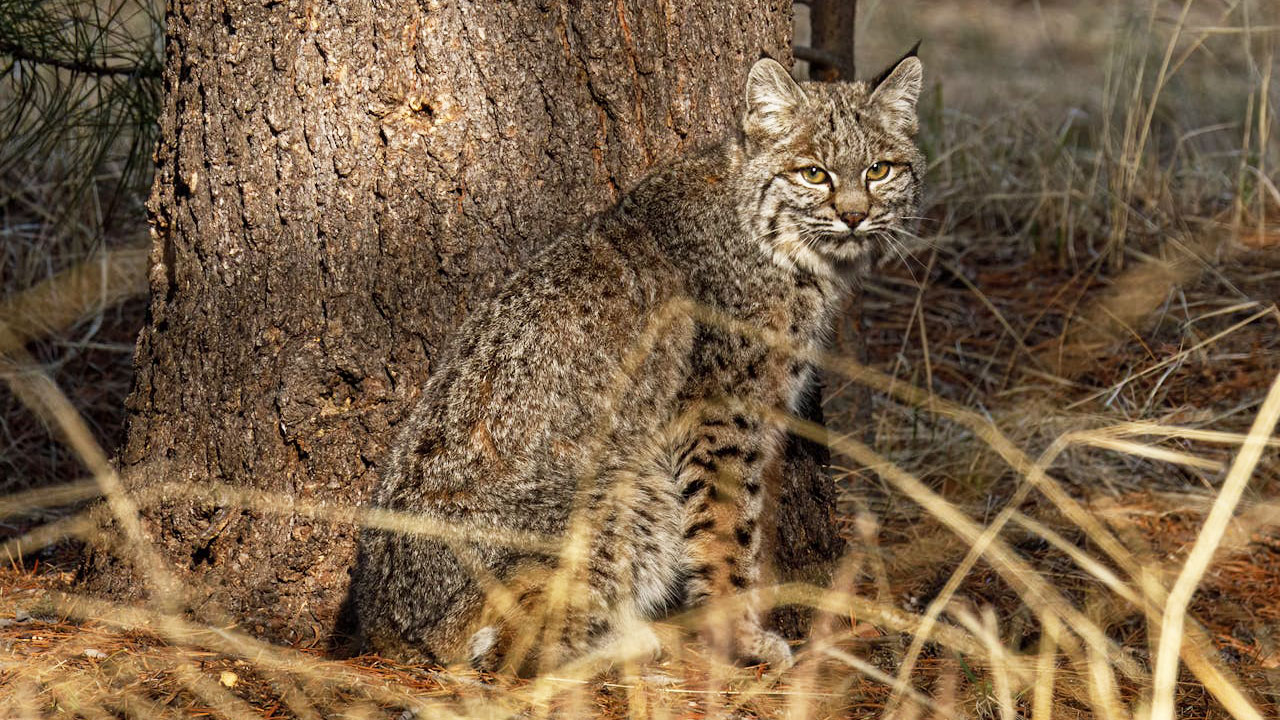
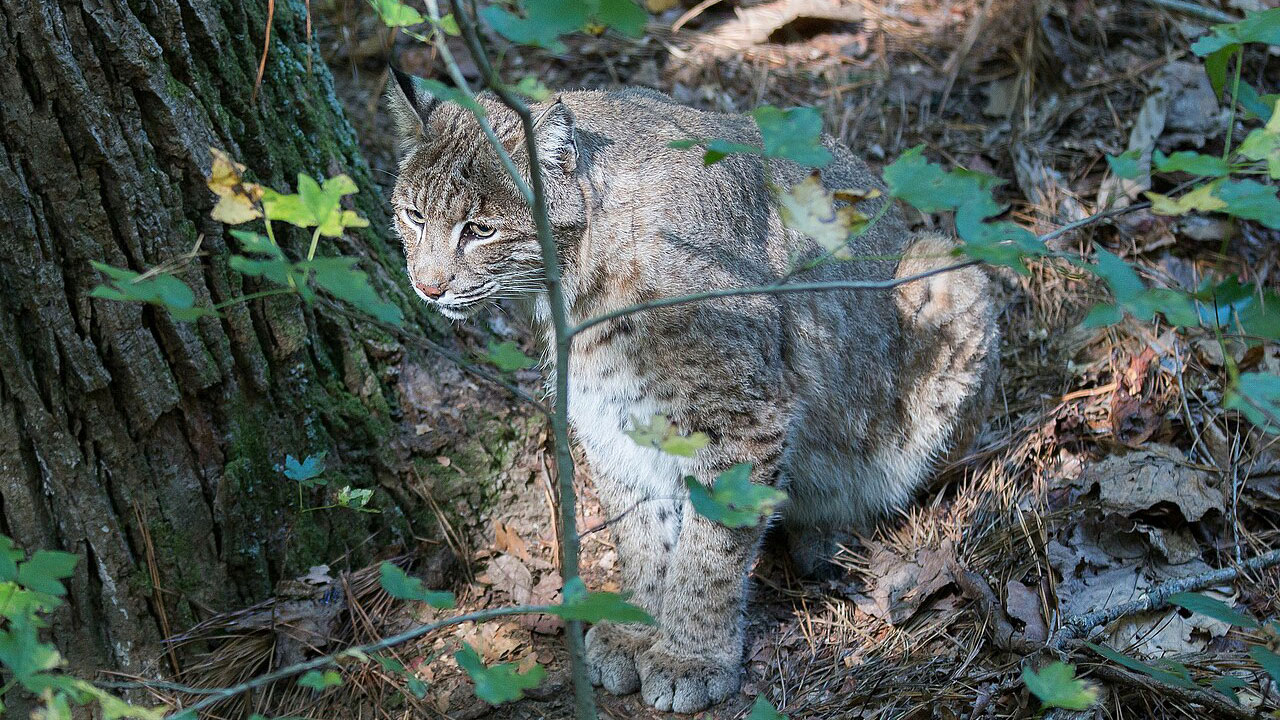
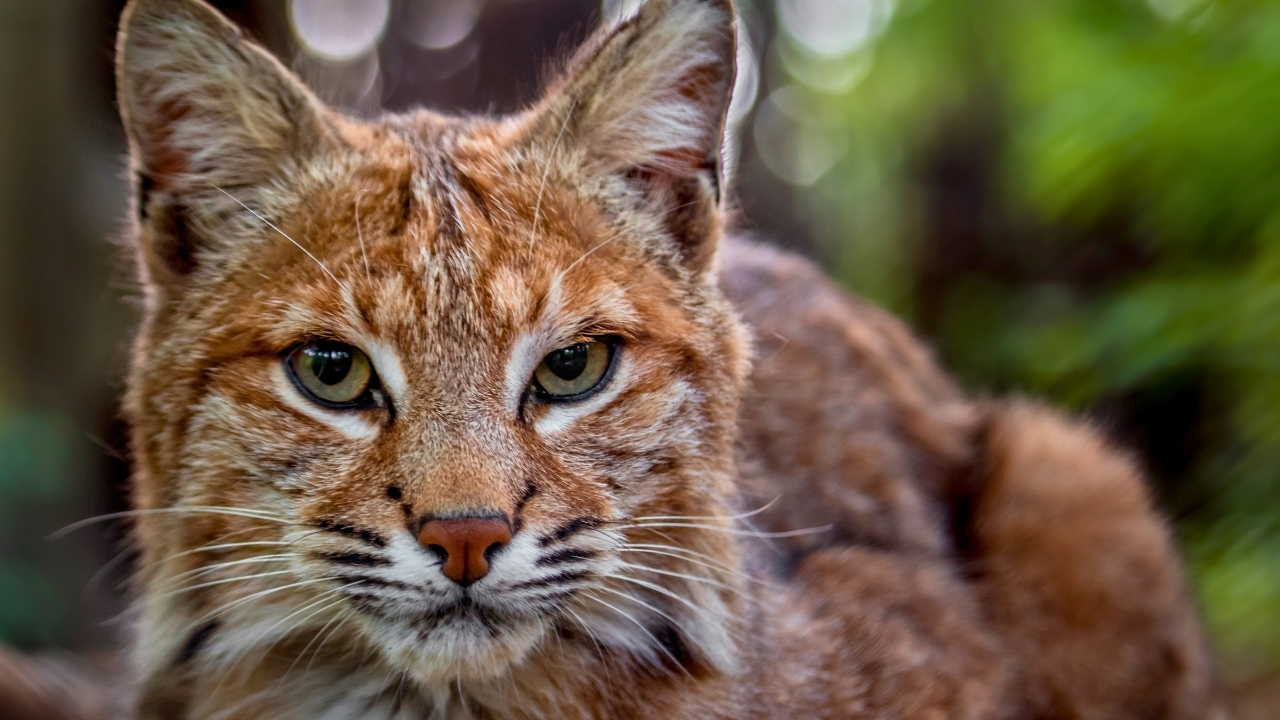
Bobcats are the definition of “you don’t see them because they don’t want you to.” They live close, hunt close, and travel on the edges of human activity without being obvious. Most hunters underestimate bobcat numbers because they judge by sightings. That’s the wrong metric. Tracks, trail cams, and small-game behavior tell the real story. In many places, bobcats are not rare at all — they’re just quiet, mostly nocturnal, and good at using cover.
This list focuses on states where bobcat populations are strong, widespread, or consistently documented — and where hunters regularly find sign even if they rarely see the animal itself.
Texas

Texas has bobcats everywhere — brush country, river bottoms, farmland edges, and even suburban greenbelts. Hunters miss how common they are because bobcats move like ghosts and spend a lot of time in thick cover. Trail cameras on deer trails and feeders catch them regularly, usually at night, slipping through like they own the place.
In Texas, bobcats also adapt well to prey availability. Rabbits, rodents, birds — they’ll take what’s easy. If you’ve got thick brush and a steady prey base, you’ve got bobcats. The best way to “see” how many are around is looking for tracks in sandy soil along roads and creek edges. Once you start paying attention, you realize you’re in bobcat country more often than you thought.
Oklahoma

Oklahoma has strong bobcat presence, especially in mixed habitat — woods, fields, and river corridors. Bobcats thrive on edges. They like cover with open hunting lanes nearby. That’s basically Oklahoma in a nutshell. Hunters might go years without seeing one and still have multiple cats living in the same area.
If you run trail cams in Oklahoma, bobcats show up more than you’d expect, often in the same funnels deer use. They travel those same creek crossings and fence gaps because it’s efficient. The biggest giveaway is sign: tracks in mud after rain, scat on trails, and rabbit populations that seem “nervous” in certain areas. Bobcats leave hints if you’re looking.
Arizona
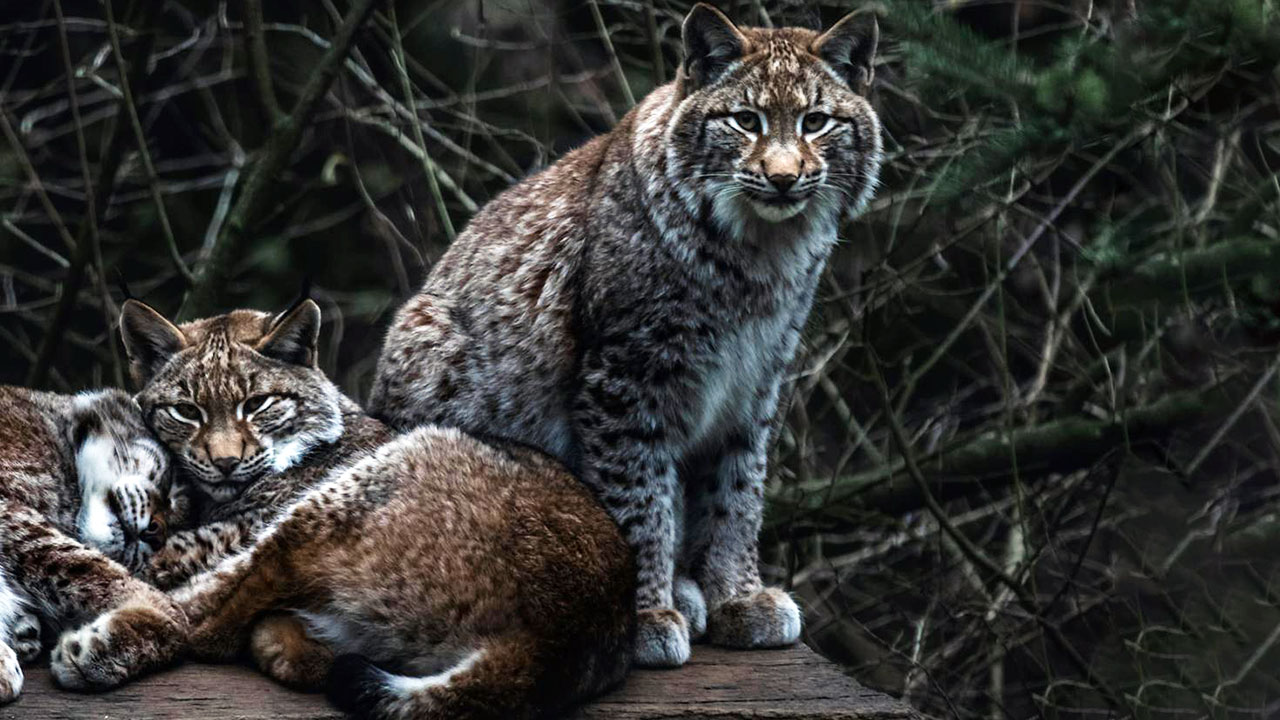
Arizona bobcats do well because the terrain offers endless cover and prey. Desert brush, rocky draws, washes — all of it works. They’re especially common near washes and broken terrain where they can move unseen and ambush prey. People think “mountain lions” when they think predators, but bobcats are often the more common cat.
In AZ, hunters underestimate them because the landscape is big and sightings are rare. But put a camera near a wash crossing or a game trail that pinches through brush, and bobcats show up. They’re also comfortable near human edges where rabbits and rodents thrive around landscaping and irrigation. They don’t need wilderness. They need prey and cover.
New Mexico

New Mexico has bobcats across a lot of the state, from desert to timber to brushy foothills. Public land is extensive, and bobcats use the same travel corridors as everything else — drainages, saddles, and rim edges. Their numbers can be higher than hunters assume because they don’t announce themselves.
Bobcats also benefit from varied prey and terrain. When rabbit numbers are up, bobcats do well. When rodents are thick, they adjust. If you hunt in NM and you’ve seen rabbit sign and thick cover, you’re in bobcat country. The reason you don’t see them is they’re usually watching you first.
California
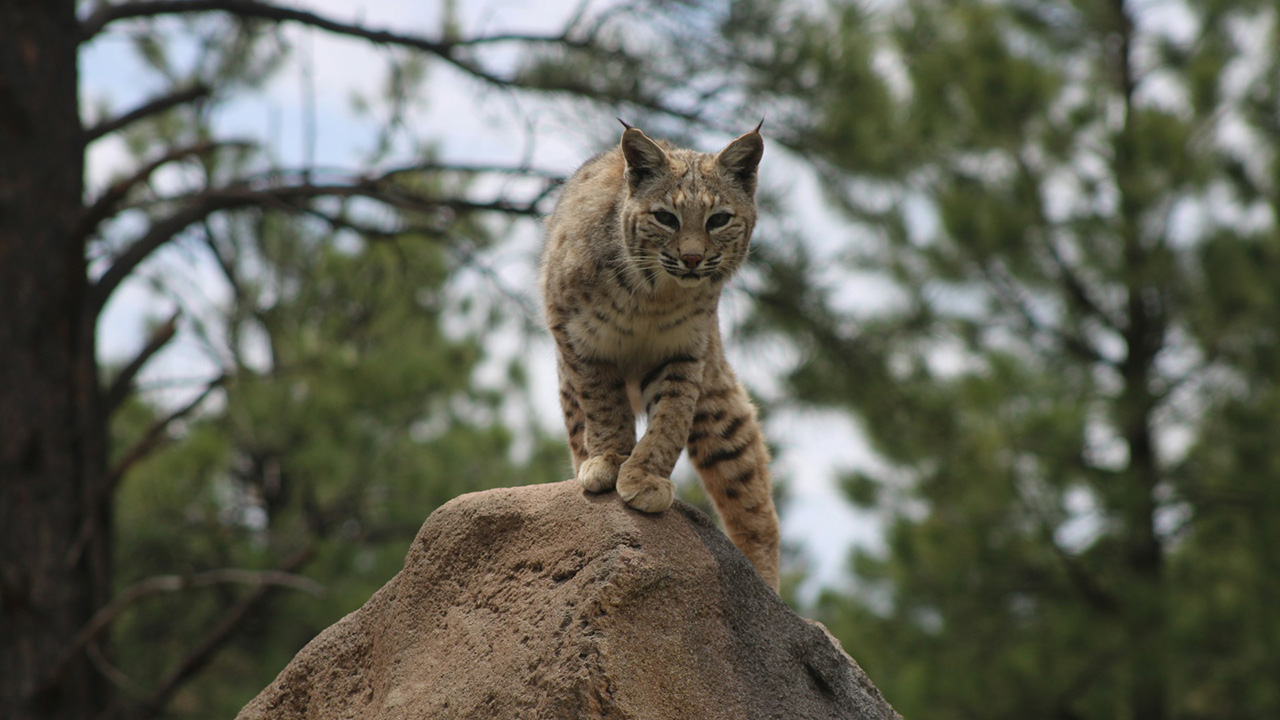
California has strong bobcat populations in many regions, and they adapt incredibly well to human-wildland edges. In some areas, bobcats are practically suburban predators, living in brush and hunting in open spaces near neighborhoods. They’re also present on public land and in rugged backcountry where prey and cover are consistent.
What makes California bobcats “more common than you think” is how close they can live to people without being noticed. You’ll get trail-cam hits where a bobcat walks the same path every week, but nobody ever sees it in person. If you hunt public land in CA and you’ve got rabbits and quail around, odds are bobcats are around too.
Florida

Florida is loaded with bobcats, and they thrive in swamps, pine flats, palmetto thickets, and rural edges. They move quietly and hunt a lot of small prey. Hunters underestimate them because visibility is limited in thick Florida cover and bobcats are mostly active when people aren’t.
In Florida, a lot of bobcat presence gets detected through trail cams and tracks in sandy soil. They also show up around edges of cattle land, timber land, and suburban green spaces. If you’ve got palmetto and cover with rabbits nearby, bobcats are not rare. They’re common — you just don’t see them often.
Georgia

Georgia bobcats are widespread and do well in the state’s mix of timber, farm edges, and thick brush. They hunt rabbits, rodents, birds, and whatever else is available. The reason hunters don’t “feel” bobcats is because they’re quiet and their movement patterns don’t always overlap with daylight deer hunting.
If you run cameras in Georgia, bobcats show up in funnels and edge habitat more than people expect. They travel logging roads, creek bottoms, and field edges at night. The sign is there — tracks, scat, and sometimes feathers or fur piles. You may not see the cat, but the woods tell you it’s present.
South Carolina
South Carolina has healthy bobcat populations, especially in mixed timber and farm regions. Thick cover and abundant prey make it easy for them. Hunters might go seasons without seeing one, then catch multiple on camera in a single month. That’s the bobcat effect — low visibility, high presence.
In SC, bobcats also work marsh edges and brushy corridors that connect habitat. They move in a way that avoids open exposure. If you hunt near thick cover and prey-rich edges, you’re in bobcat territory. The best way to confirm it is a camera near a pinch point. Bobcats love traveling funnels.
Alabama

Alabama has bobcats across much of the state, and they do well in the timber-and-thicket habitat that’s common on both public and private land. They’re predators that thrive in edges — logging cuts, thick regrowth, and creek bottoms with cover. Hunters underestimate them because they don’t show themselves in daylight often.
In Alabama, bobcats can be particularly active around areas with high rabbit activity and around field edges where small prey concentrates. Trail cams on deer funnels catch them regularly. If you’ve ever wondered why you see fewer rabbits in certain spots, bobcats can be part of that answer. They’re more present than people realize.
Tennessee

Tennessee’s mix of ridges, hollers, and timber makes it solid bobcat habitat. Bobcats use rocky breaks, thick brush, and creek corridors to move. Hunters may not see them often, but tracks and camera hits suggest they’re around more than people think — especially in less pressured, cover-heavy areas.
Bobcats in TN also benefit from prey availability and edge habitat around farms and timberland. They can live close to human activity without being noticed. If you’re hunting and you’ve got thick cover near fields or clearcuts, bobcats are likely working that edge at night. The woods can look empty and still be full of predators.
Kentucky

Kentucky has bobcats in many regions, and expanding habitat edges and prey availability help support them. Hunters underestimate them because they’re not commonly seen in daylight, and their sign can be subtle unless you know what you’re looking for. Tracks in mud, scat on trails, and camera hits are the real story.
Kentucky’s rugged hollers and mixed woodlots are perfect for bobcats. They can move along ridges and drop into creek bottoms, hunting as they go. If you’ve got a property or public land area with rabbits and cover, bobcats can be present even if nobody talks about them. They’re quiet, not absent.
Missouri
Missouri has bobcats across much of the state, and they’re more common than a lot of hunters admit. Mixed habitat — timber, fields, creek corridors — is ideal. Bobcats thrive on edges and funnel travel lanes. Cameras in Missouri catch them fairly often, especially in areas with good rabbit and turkey sign.
In MO, bobcats also use rugged terrain and thick cover where they can avoid people easily. Hunters tend to judge predator presence by sightings, but bobcats don’t cooperate with that. If you pay attention to track sign and camera data, you’ll realize bobcats are part of the ecosystem in many hunting areas. They’re not a rare surprise.
Pennsylvania

Pennsylvania bobcat populations have been a growing topic for years in many hunting circles, and their presence is stronger than many casual hunters realize. Thick cover, rugged terrain, and prey availability support them. Hunters who run cameras in remote funnels often catch bobcats even if they never see one in person.
The key in PA is habitat: broken terrain, brush, and pockets of low human traffic. Bobcats can live in those areas and move through them quietly. If you hunt in PA and you’ve seen rabbit cycles shift or turkey nests getting hit, bobcats may be part of that predator mix. They aren’t always the visible culprit, but they’re there.
Michigan

Michigan has solid bobcat habitat in many areas, and populations can be stronger than hunters assume. Thick cover, swamp edges, and mixed woodlots give bobcats plenty of hiding and hunting opportunity. They’re also more active at night and during low-light hours, which keeps sightings low even when numbers are decent.
In Michigan, the best way to understand bobcat presence is camera work and track sign in snow or sandy soil. Bobcats often travel the same corridors repeatedly — creek lines, edge trails, and funnels that deer use. If your cameras show them once, don’t assume it’s a fluke. It’s usually a sign that corridor is part of their routine.
Like The Avid Outdoorsman’s content? Subscribe to our newsletter so you never miss an article.
Here’s more from us: