Photo credit: Frank Fichtmueller/Shutterstock.com
Coyotes do not usually announce themselves all at once. They ease in. First they are just passing through the back edge of the property. Then they start cutting across more often. Then one evening you spot one a little earlier than you should have, or a dog starts acting funny at the fence line, or you notice tracks closer to the house than you ever have before. By the time most people say, “That coyote is getting bold,” the truth is usually that it got comfortable a while ago and has been working up to that point in stages.
That is what makes coyotes tricky around homes. They are smart, adaptable, and good at learning routines without drawing much attention while they do it. A coyote that still sees people and houses as something to avoid acts very differently than one that has started treating a property like part of its regular route. Once that line starts shifting, the signs are usually there if you know what to watch for. Here are 15 signs a coyote has gotten a little too comfortable near the house.
You start seeing it in full daylight

A coyote crossing the far edge of a field at dawn or slipping by at dusk is one thing. Seeing one in broad daylight near the house is another. That does not automatically mean the animal is dangerous, sick, or looking to cause trouble, but it does mean the fear barrier is changing. A coyote that still feels strong pressure from human activity usually tries to move in lower light or at quieter times. One that starts showing itself during the day, especially near driveways, porches, outbuildings, or yards, is telling you it has grown more willing to share space.
The bigger issue is not one random sighting. It is repeat behavior. If you start seeing the same kind of movement more than once, particularly at times when people are out and active, that coyote is no longer treating the house like a hard boundary. It may still bolt if pushed, but it has already decided the area around your home is usable ground. That is the part people need to take seriously before the animal gets any more confident.
It stops and looks instead of leaving immediately

A cautious coyote usually does not waste much time near a house once it realizes it has been spotted. It slips off, cuts back into cover, or stretches out its stride and puts distance between itself and people fast. A coyote that stops, stands there, and studies you before leaving is a different story. That pause matters. It means the animal is not reacting with the same urgency it should if the property still felt off-limits.
This is one of those signs people often shrug off because the coyote did eventually leave. But the hesitation tells you something important about how it is weighing risk. If the animal feels comfortable enough to watch you, size you up, or linger instead of breaking off immediately, it is already pushing closer to the line than you want. The house has stopped meaning “get out now” and started meaning “let me see what’s happening first.”
Your dog suddenly becomes a lot more interested in one part of the yard
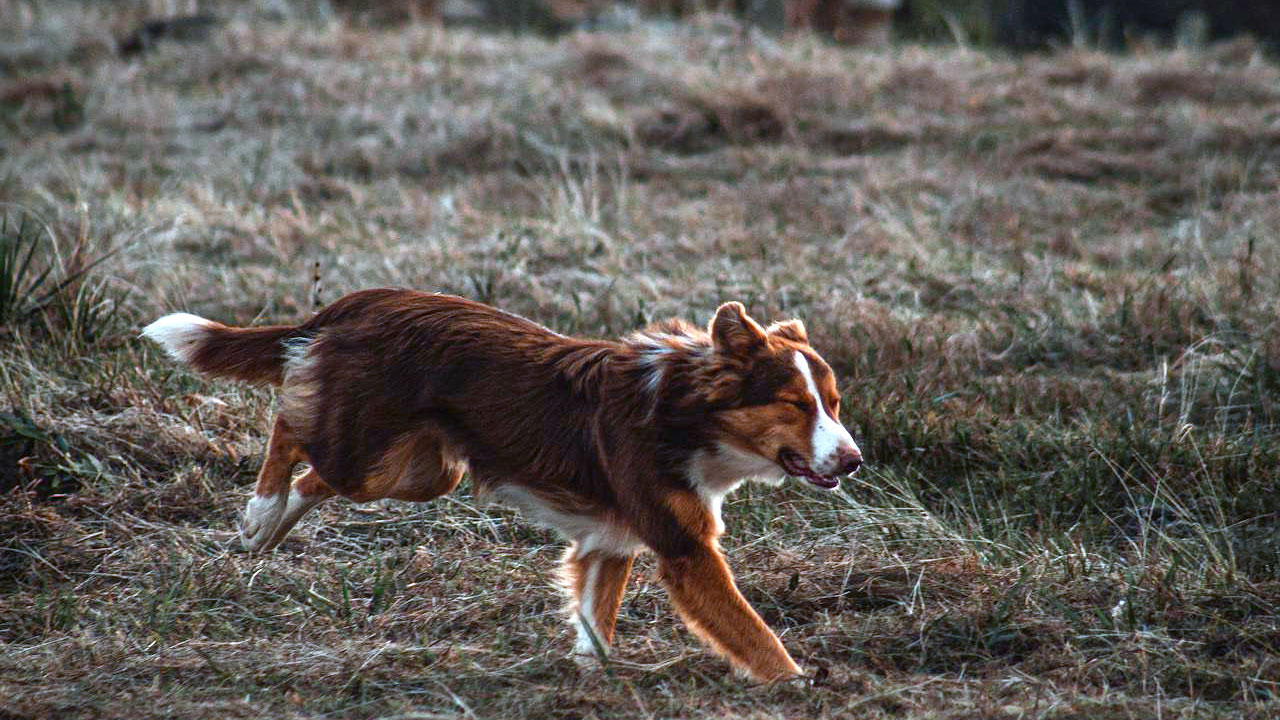
Dogs usually notice coyotes before people do. They scent them on the fence, along the edge of the property, near gates, or around the same travel routes coyotes reuse. If your dog starts fixating on one stretch of fence, one brushy corner, one treeline, or one side of the yard more than usual, that often means something has been moving there repeatedly. Coyotes leave scent, and dogs read that loud and clear.
What makes this a bigger deal is when the behavior becomes a pattern. A one-off bark is not much. A dog that keeps checking the same spot, sniffing hard, pacing near it, or throwing nighttime alarm barks in that direction is often telling you there is traffic there now. If the dog used to ignore that area and now suddenly treats it like serious business, I would assume a coyote has started working that edge of the property more regularly than before.
You hear howling from much closer than usual

Coyotes vocalize for plenty of reasons, and hearing them somewhere in the distance is normal in a lot of places now. Hearing them consistently closer to the house is different. If the yipping, group calling, or lone howls sound like they are coming from just past the treeline, behind the barn, along the drainage edge, or from the back side of a nearby lot, it usually means they are using that ground more confidently than before.
The important thing here is not just volume. It is location and repetition. Coyotes that still feel pressured will often stay farther out or keep quieter near human activity. Once they begin vocalizing closer in, especially around the same zones night after night, they are acting like that area belongs within their normal pattern. That does not mean they are about to rush the house. It means they are getting comfortable enough to operate nearby without trying to stay invisible about it.
Tracks start showing up close to doors, porches, or outbuildings

A coyote crossing the back edge of the yard is one thing. Tracks showing up near the porch, side door, garage, barn, dog run, coop, or trash area is another. Coyotes do not move that close by accident very often. If tracks start appearing near structures, it usually means the animal is investigating scent, food, pet activity, or some part of your routine it has decided is worth checking.
This is one of the clearest physical signs that the coyote has gotten more comfortable. Dirt tells the truth even when the sightings do not. A track line that swings toward the house instead of away from it means the property is no longer just a corridor. It is becoming a point of interest. If those tracks keep turning up in the same places, that interest is turning into habit.
Small pets get watched from the edge of the property

One of the uglier signs of a coyote getting too comfortable is when it starts visually keying in on pets near the house. That might mean you catch one sitting at the far edge of the yard watching your little dog. It might mean a coyote lingers near the fence when the dog is outside. It might even mean your outdoor cat vanishes and the sightings around the same time start increasing. Coyotes do not have to charge the yard to tell you what they are thinking. Sometimes the watching is enough.
This matters because it shows the animal is no longer just moving through. It is assessing opportunity. Coyotes that are still strongly wary of people tend to avoid spending extra time close to houses unless they have a reason. If pets have become that reason, the coyote is already operating at a level of comfort that needs to be taken seriously. Waiting until something gets grabbed is waiting too long.
It starts cutting through the same part of the yard repeatedly
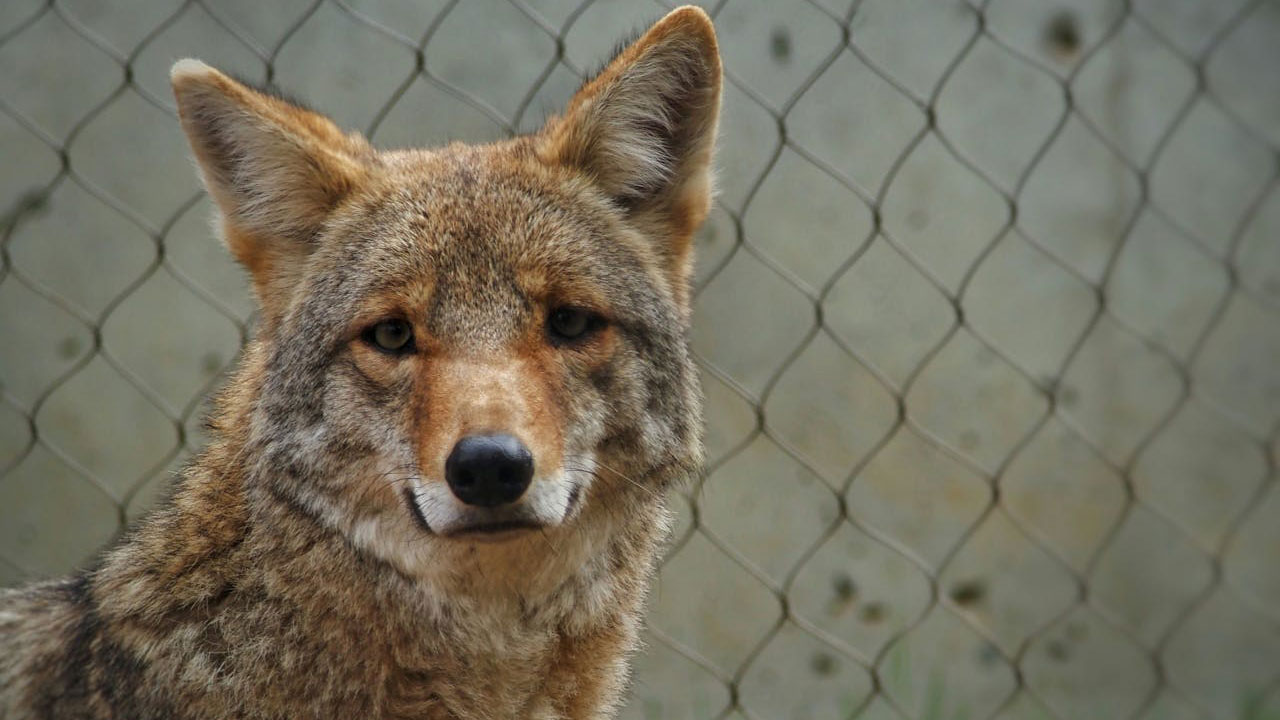
Coyotes love efficient routes. Once they find a path that works, they tend to keep using it. If you notice one crossing the same stretch of yard, using the same fence gap, moving along the same side of the barn, or slipping through the same brush opening over and over, that is not random. It means the property has been folded into a routine. The coyote now sees that route as safe enough to reuse.
This becomes a problem because repeated use builds confidence. Every time the animal crosses without pressure, the next time gets easier. Soon the house is not a place it carefully skirts. It is just part of the map. Once that happens, the coyote often starts checking a little closer each trip, especially if food, pets, poultry, or loose trash keep rewarding the interest.
It circles the coop, dog yard, or trash area
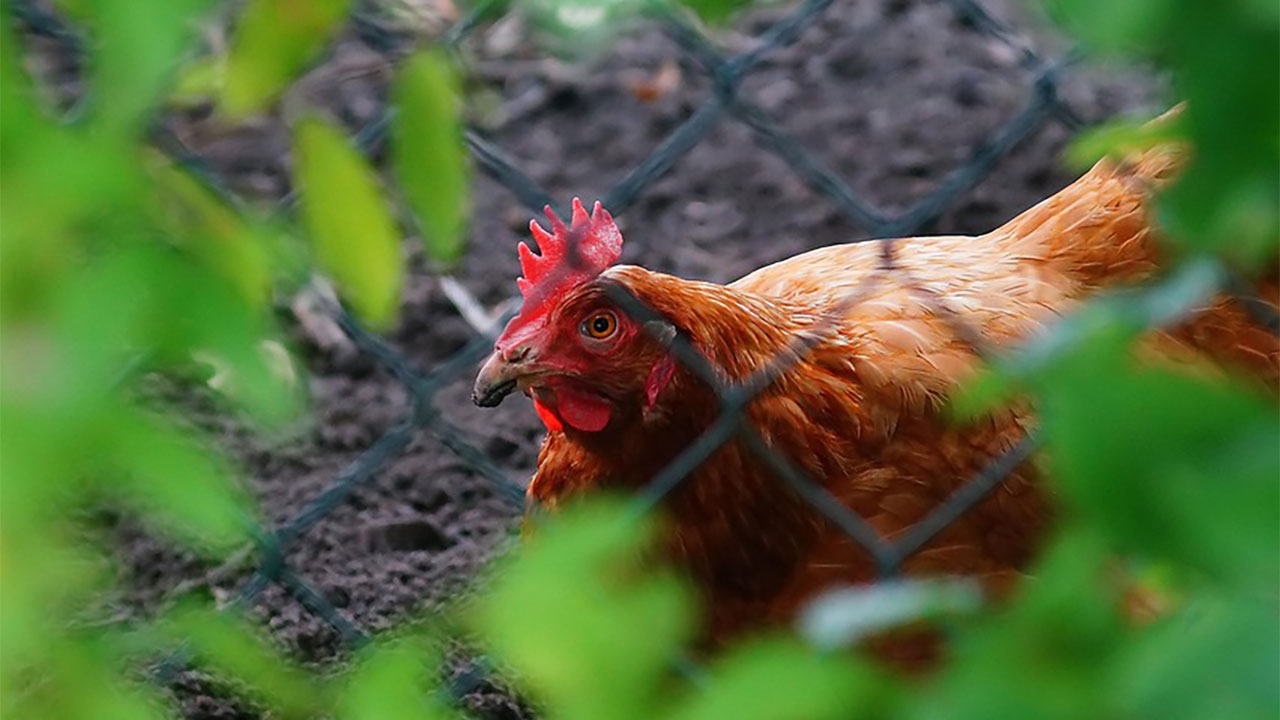
A coyote passing through is one thing. A coyote circling a specific feature is another. If tracks, sightings, or dog reactions suggest the animal is looping around the coop, pacing the dog yard, checking the trash cans, or swinging behind a barn where feed or animals are kept, that is investigative behavior. It is not just using the property. It is studying part of it.
This is the stage where people often still think nothing serious has happened yet, so they let it ride. But circling is one of the clearest signs that a coyote is testing. It is checking wind, scent, access, timing, and whether anything about that setup feels easy. That is exactly the kind of behavior you want to interrupt early, because once the animal decides the answer is yes, the next step is usually more direct.
It shows up at the same time every day or night
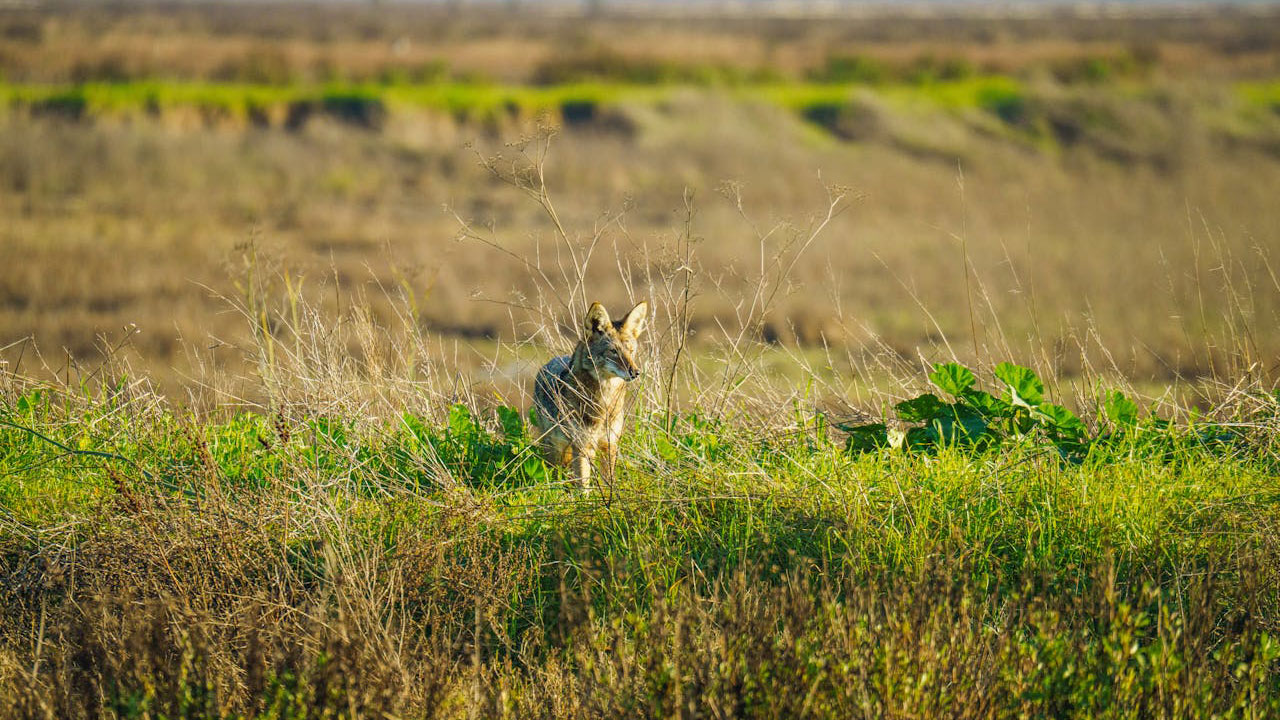
Coyotes pay attention to timing. If one starts appearing around the same hour regularly, it usually means it has learned when the property is quietest, when pets go out, when feed gets put away, or when human activity drops enough for it to feel safe. Routine sightings are one of the biggest signs that the animal is no longer improvising. It is scheduling you into its own schedule.
That is what should bother people. Predictability means the coyote is working from information. It has watched enough to know when your place is easiest to pass, test, or check. Once a coyote starts showing up on a dependable pattern, it is not just comfortable near the house. It is beginning to trust the routine around it, and that is how real conflicts usually get closer.
It keeps coming back even after being scared off

A coyote that gets yelled at, chased off, or otherwise pushed out once and still comes back the next night or two is sending a pretty clear message: whatever is drawing it in is worth the risk. A healthy fear of people should create some space. If that space no longer holds, the coyote has started discounting your presence as more bark than bite.
This is one of the strongest behavioral signs on the list because it shows the animal is making a calculation and not liking the odds against itself enough to stay away. Maybe it is after chickens. Maybe it is after pet food, rodents, or easy cover. Whatever the reason, repeated return after pressure means the coyote’s comfort level is already too high. Hoping it will “eventually move on” is usually not much of a plan at that point.
Outdoor cats or barn cats start disappearing
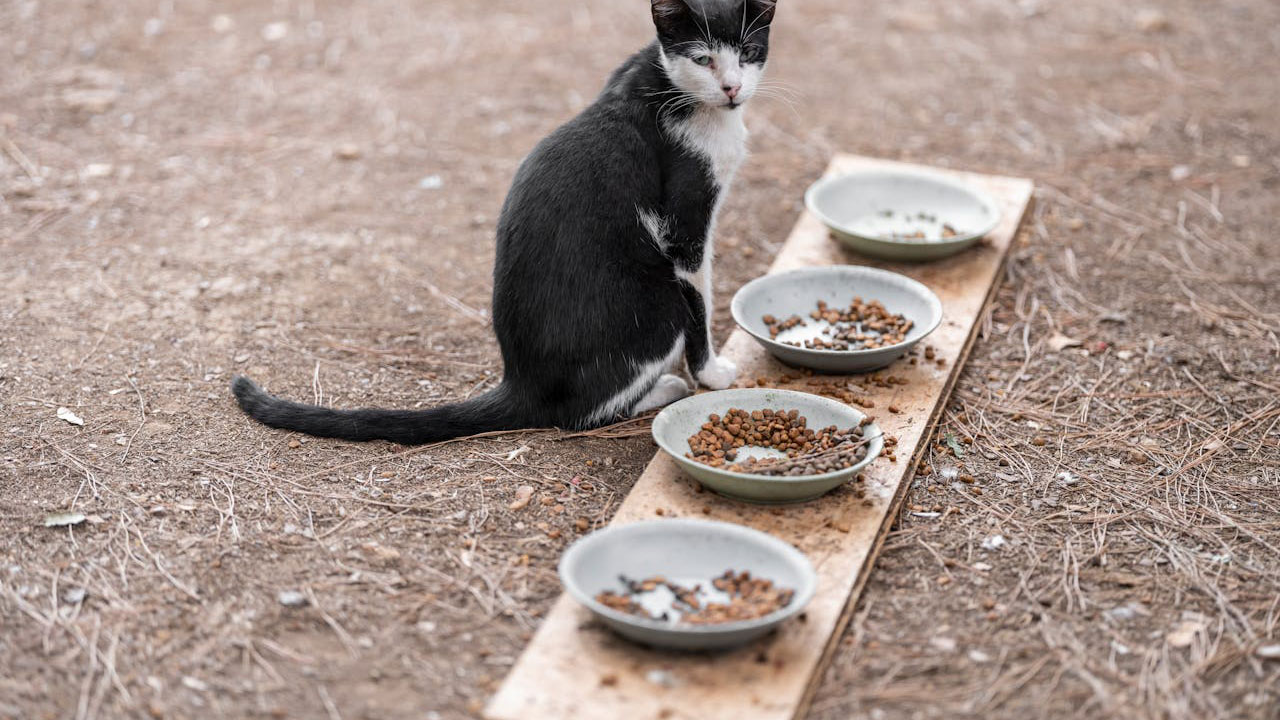
Coyotes are not the only thing that can make a cat disappear, but repeated losses combined with local coyote activity often tell a pretty plain story. If barn cats vanish, outdoor cats stop coming home, or the cats that remain suddenly stop roaming like they used to, a coyote may have started using the property more aggressively than people realize. Cats are easy targets, and coyotes learn that quickly.
This is one of the signs that often gets noticed too late because the pet loss is treated like bad luck instead of a pattern shift. If coyotes are being seen more, heard closer, or leaving tracks near the house around the same time cats start vanishing, I would not treat those as separate issues. A coyote that is comfortable enough to work cats near a home is already pretty deep into bad habits.
The coyote starts using your driveway or open yard instead of sticking to cover
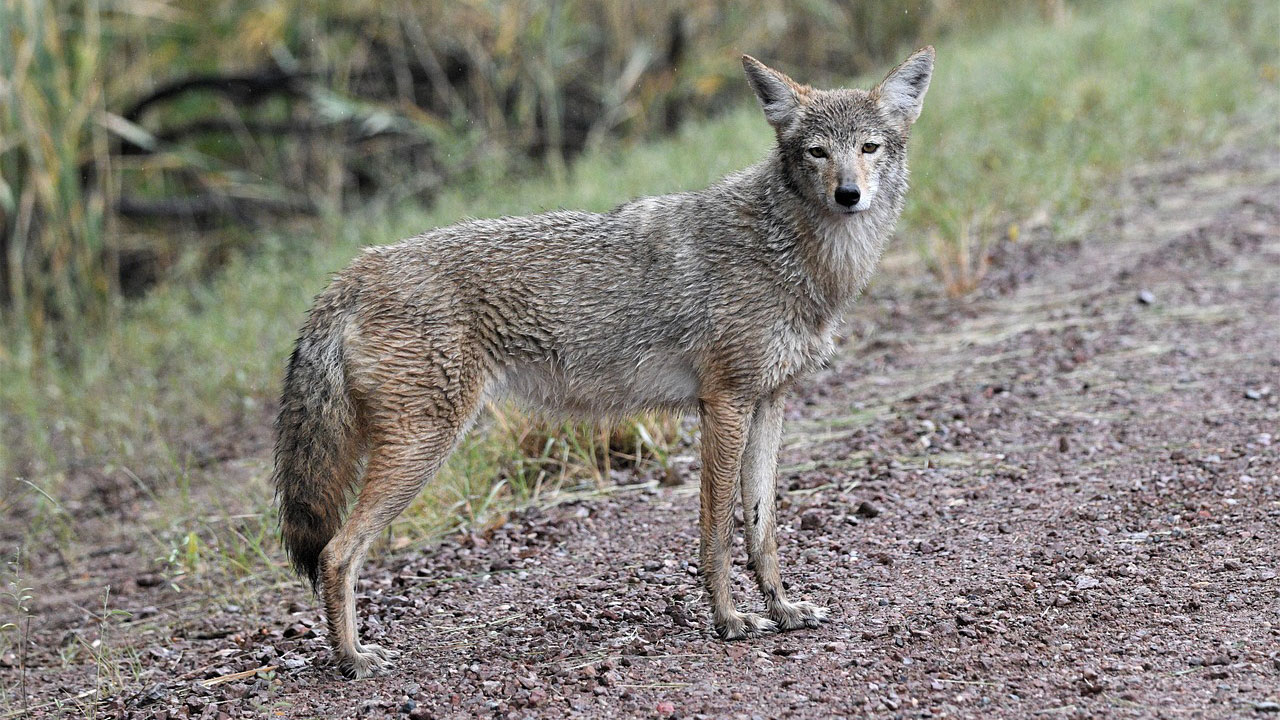
Coyotes prefer edges, brush lines, drainage cuts, shadows, and fence rows when they are still acting cautious. Once one begins trotting right down a driveway, cutting openly across the yard, or moving through the front-side open rather than hugging cover, that is a bad sign. It means the animal no longer feels the same need to stay tucked away.
This is not about whether it looks calm while doing it. Calm is the problem. A coyote crossing open ground near a home without much urgency has gotten used to that level of exposure. The house may still be avoided at close range, but the surrounding space has stopped feeling risky enough to hide from. That shift is exactly what people mean when they say a coyote is getting too comfortable.
It pays more attention to the house than to escaping

A wary coyote usually thinks about exit first. A comfortable one may spend more time looking, listening, scenting, and orienting around the house itself. That can show up as the animal pausing near a porch light, looking toward the windows, scenting around the dog area, or lingering where it can hear what is going on inside. The behavior feels wrong because it is wrong. The house has become part of its information-gathering.
This matters because curiosity this close to a home rarely improves on its own. Every extra minute a coyote spends reading your routines is another step toward bolder behavior. You do not want a coyote learning where the pets sleep, when the kids come outside, when the chickens get let out, or which side of the house stays quiet. A coyote that is paying that kind of attention is already too invested.
The local prey animals start acting different near the house
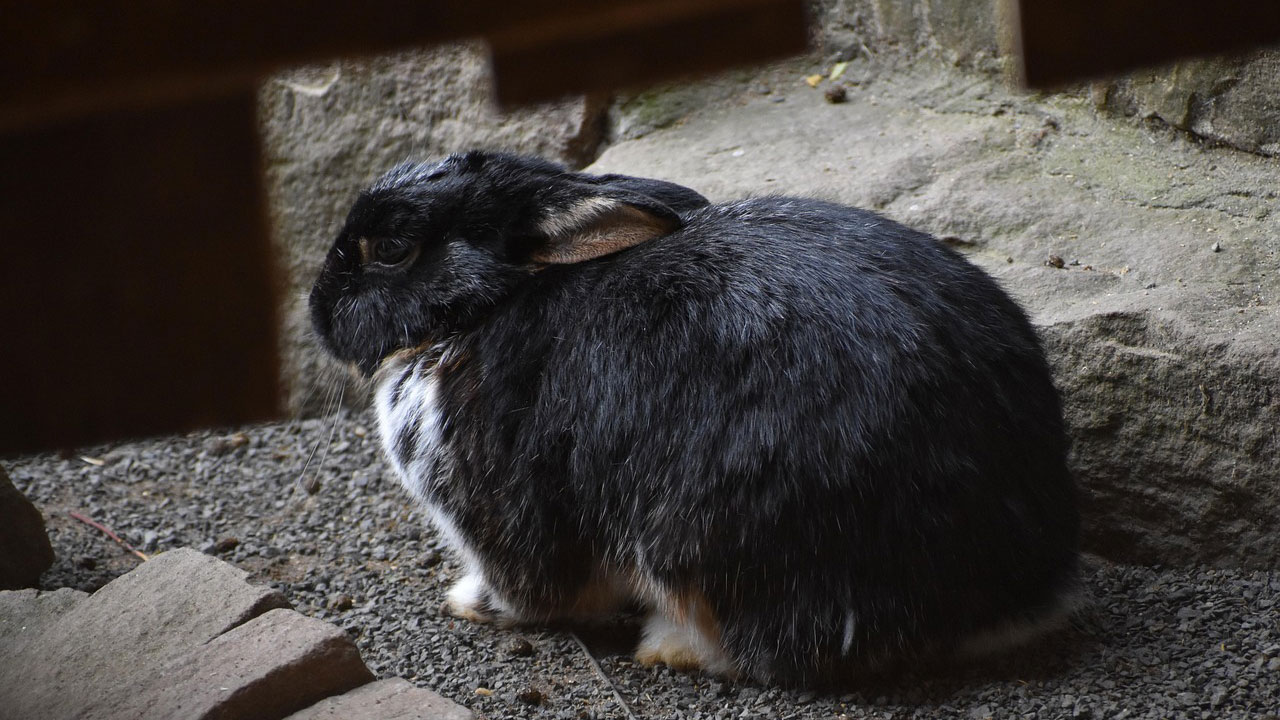
Sometimes the coyote sign shows up first in the way everything else behaves. Rabbits stop using the same spots near the yard. Deer start blowing and cutting wide around one side of the property. Birds get more agitated at first light. Your dog starts scanning one part of the fence before you even hear anything. Coyotes change the mood of a place when they start working it regularly, and the other animals often notice before people do.
This is easy to miss if you do not spend much time observing the same ground day after day. But if the normal rhythm of wildlife around your house suddenly shifts and coyote sightings or sounds are happening too, that is often connected. A coyote that has gotten comfortable near a home tends to make the smaller creatures around it act like they know something has changed.
You catch it hunting right at the edge of the property
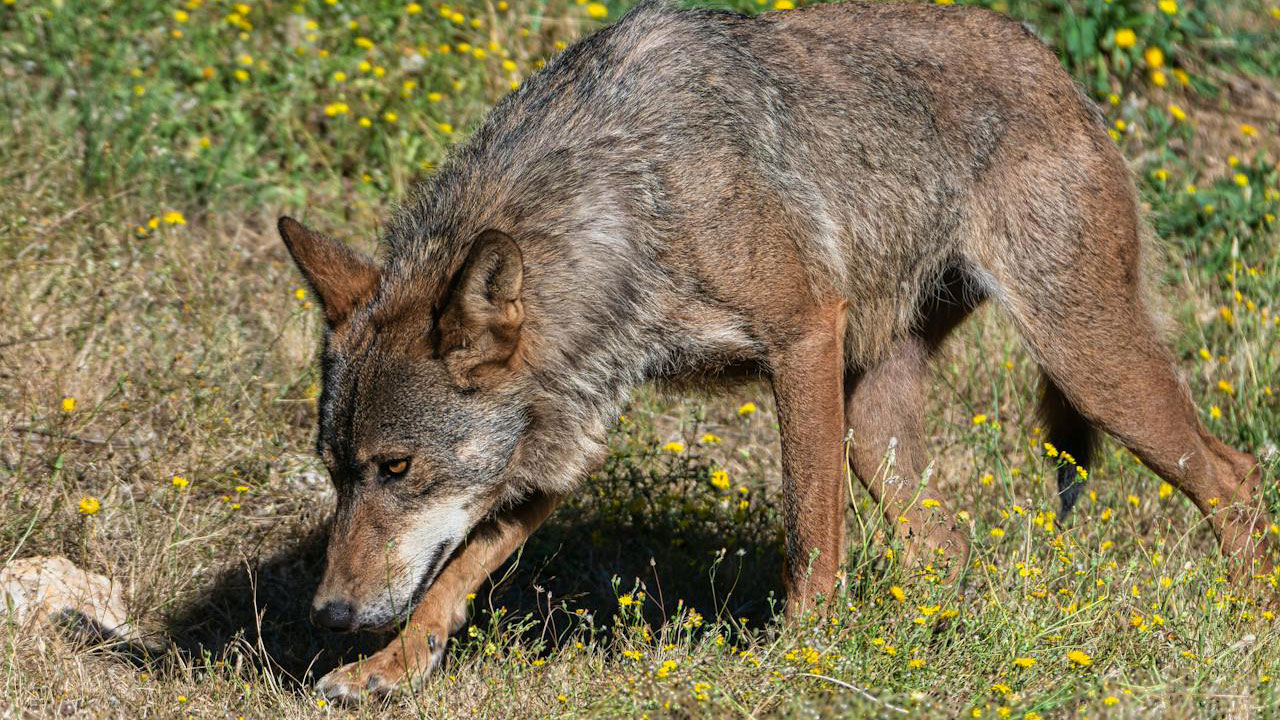
There is a big difference between a coyote traveling by and a coyote actively hunting mice, rabbits, or other prey right along your fence, beside the shed, near the barn, or behind the house. Hunting behavior means the animal is not in a hurry. It feels safe enough to stop, listen, stalk, and work a spot. That is a major comfort signal.
If you ever watch a coyote mousing in the grass near your home, pouncing in a ditch line behind the yard, or stalking along a fence while ignoring the fact that the house is right there, I would take that as one of the clearest signs possible. The coyote is no longer just tolerating proximity to the house. It is functioning normally inside that proximity, and that means the line has already moved too far.
Like The Avid Outdoorsman’s content? Subscribe to our newsletter so you never miss an article.
Here’s more from us: