Photo credit: Ojas Raj/Unsplash.com
Predators get talked about like campfire monsters or like harmless Disney side characters. Neither one is true. Most “predator problems” in the outdoors come from people believing the wrong stuff—then making dumb decisions around pets, food, carcasses, and distance. Knowing what’s real changes how you hike, hunt, camp, and handle nuisance situations around the house.
Below are 15 things people constantly get wrong, plus why it matters when you’re actually outside.
“If you don’t see them, they aren’t around.”

Predators are built to move without being noticed. Mountain lions, bobcats, coyotes, even black bears can live close to people and rarely get spotted. Trail cams prove this all the time: animals show up on the same roads and ridgelines you walk, then disappear when humans are out there.
Why it matters: folks get lazy about basic habits—walking the dog at dusk, leaving feed out, dragging a gut pile near camp, letting kids roam the edge of woods. Not seeing predators doesn’t mean you’re safe. It just means they’re better at the game than you are.
“Coyotes only hunt at night.”

Coyotes will hunt whenever it’s useful. Daylight activity is normal—especially in winter, during denning season, or in areas where they’ve learned people aren’t a threat. When food is easy (trash, rodents, pet food, feral cats), they’ll move in broad daylight with zero shame.
Why it matters: if you’re letting small dogs out “just for a minute” mid-morning or mid-afternoon, you’re not magically protected because the sun is up. If you see coyotes in the daytime, it doesn’t automatically mean rabies. It usually means the coyote is comfortable.
“A bobcat can’t take a decent-size dog.”

Bobcats are smaller than coyotes, so people assume they’re harmless to pets. A bobcat may not want a fair fight, but it can absolutely grab a small dog or cat, especially in yard-edge situations where it can ambush and vanish into cover.
Why it matters: people leave pets unattended near brush lines because they think bobcats are “too small to be a problem.” The danger window is usually quick—dusk, dawn, or anytime a bobcat is traveling and sees an easy opportunity.
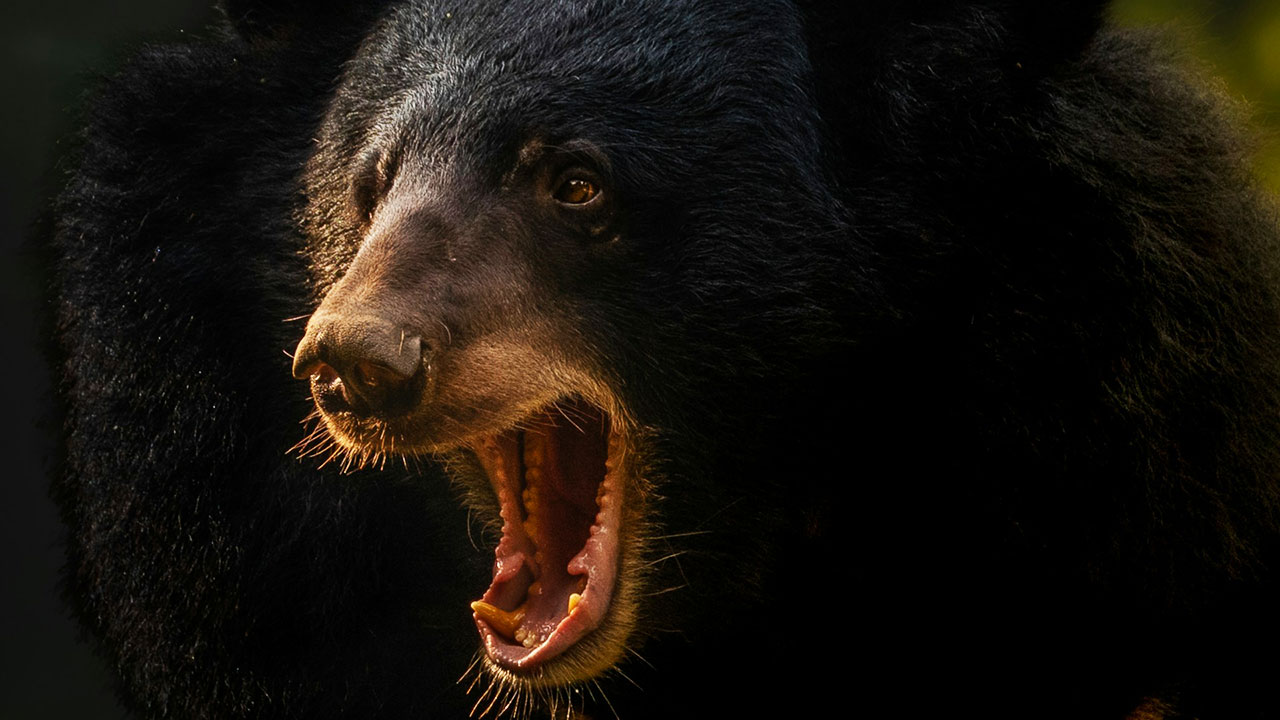
“Black bears are always scared of people.”

Some bears avoid humans. Some bears learn that humans equal calories. A bear that’s been rewarded by trash, bird feeders, livestock feed, or coolers may not spook like you expect. It may just stand there, evaluate you, and keep doing what it came to do.
Why it matters: the “just yell and it’ll run” mindset gets people lazy about food storage and trash discipline. Habituated bears are where trouble starts—property damage, aggressive behavior, and repeat visits that don’t stop until the bear is removed.
“Brown bears/grizzlies and black bears act the same.”

They don’t. Behavior, posture, and how they respond to pressure can differ. Black bears are more likely to be driven off by aggression in some situations. Grizzlies can be more defensive—especially around cubs, carcasses, or surprise encounters.
Why it matters: the wrong response can escalate a situation. The bigger issue is prevention: noise in thick cover, awareness around carcasses, and respecting distance. Treating all bears like one category gets people hurt.
“Predators ‘go rogue’ when they taste blood.”

That’s movie stuff. Predators are opportunists. They repeat what works because it’s efficient, not because they turned into a monster. If a cougar kills livestock once and gets away with it, it may try again because it learned the pattern. Same with coyotes raiding chickens.
Why it matters: if you don’t remove the attractant and fix the vulnerability, you’ll get repeat hits. People want to blame a “bad animal,” but most repeat predation is just an animal exploiting a weakness you haven’t corrected.
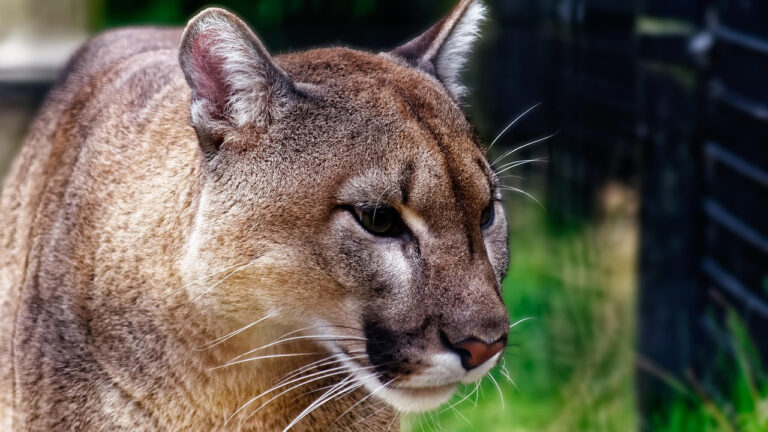
“Mountain lions only live deep in the wilderness.”

Lions use wilderness corridors, but they also use edges: creek bottoms, greenbelts, canyon systems, and travel routes that run right behind neighborhoods. They don’t need a national park to exist. They need cover and prey.
Why it matters: edge living creates risk windows—kids at bus stops in low light, people jogging with earbuds, pets walked near brush lines. You don’t have to panic, but you do need to respect the reality that lions can be closer than you’d like.
“Wolves are basically just big coyotes.”

Wolves and coyotes overlap sometimes, but wolves are a different animal in size, behavior, and impact on prey. A wolf pack can push deer and elk patterns around, change where animals bed, and make certain drainages feel “empty” for stretches.
Why it matters: hunters who refuse to adapt waste time. If wolves are in an area, you may need to hunt different habitat, different timing, and be smarter about where you glass and where you expect game to show. Acting like wolves don’t change things makes you hunt yesterday’s map.
“If predators are around, prey disappears completely.”

Prey doesn’t vanish. It shifts. Deer and elk change where they travel, how long they stay in openings, and what time they move. Coyotes can change rabbit behavior. Lions can make deer hug thicker cover. It’s more about pattern changes than total absence.
Why it matters: hunters blame predators for “no animals,” then never adjust. Predators force prey to act differently. If you learn to read that pressure—fresh tracks, nervous movement, bedding shifts—you can still hunt effectively.
“Carcasses and gut piles are harmless if you’re not there.”

A gut pile is a billboard. Bears, coyotes, wolves, lions, and even scavengers like ravens will find it fast. Predators will return to it, circle it, and sometimes defend it—especially bears. Even a few hours can change the risk.
Why it matters: this is how people stumble into ugly encounters. If you’re packing meat, be alert. Don’t assume a carcass area is safe because you “just left.” If you’re camping, don’t dump scraps near camp and call it “nature.”
“A predator that follows you is hunting you.”

Sometimes, yes. Often, it’s assessing, curious, or moving along the same corridor. Lions and wolves can shadow movement without committing. Coyotes will follow to see if there’s a chance at an easy meal or to escort you away from a den.
Why it matters: people either panic and run (bad), or they dismiss it completely (also bad). The smart response is controlled confidence: face the animal, make yourself big, keep eyes on it, create distance, and don’t turn it into a chase game.
“Rabies is the main reason predators act weird.”

Rabies exists, but it’s not the default explanation for every daytime sighting or bold animal. Hunger, habituation, protecting a den, or learned behavior explains most “odd” encounters. Rabies usually shows up as severe neurological behavior, not just “wasn’t scared.”
Why it matters: if you treat every bold coyote like rabid, you miss the real fix—remove attractants, secure pets, stop feeding wildlife (even accidentally). At the same time, if an animal is truly acting sick—staggering, foaming, uncoordinated—you need to keep distance and report it.
“Predators won’t cross open areas or enter yards.”

They will, especially at low light. Coyotes trot across open lawns. Bears walk down driveways. Lions cross trails. They’re cautious, not restricted. If the reward is there, they’ll risk it.
Why it matters: the “my yard is open so it’s safe” idea gets pets killed and trash raided. Edge cover is a factor, but it’s not a force field. Lighting, fencing, noise, and removing food sources matter more than hoping predators stay where you want them.
“You can scare off predators the same way every time.”

Sometimes yelling works. Sometimes it doesn’t. Habituated animals don’t respond like wild ones. A bear that has been rewarded repeatedly may ignore noise. A coyote that’s learned pets are food may keep testing boundaries.
Why it matters: if your plan is one trick, you’re unprepared. You need layered deterrence: secure trash, remove feeders, fence upgrades, motion lights, supervised pet time, hazing when legal and appropriate, and reporting repeat problem animals. Consistency beats “one big scare.”
“Predators only go after weak or sick animals.”

Predators prefer easy meals, but “easy” can include healthy prey if the conditions favor the predator—deep snow, calves separated from cows, deer moving through a choke point, or prey animals distracted during rut. Coyotes can take healthy fawns. Lions can take healthy deer. Wolves can take healthy elk.
Why it matters: it changes how you think about risk on the landscape. If you’re running livestock, you don’t assume “my animals are healthy so I’m fine.” If you’re hunting, you don’t assume “predators only remove the weak so it improves the herd.” Real predation is more complicated than that.
Like The Avid Outdoorsman’s content? Subscribe to our newsletter so you never miss an article.
Here’s more from us: