
Photo credit: ShenandoahNPS, Public domain, via Wikimedia Commons
A lot of deer hunters get stuck in the same three-caliber loop. It’s not because those cartridges don’t work—they do. It’s because most people buy what’s on the shelf, what their buddy shoots, and what they’ve heard about a thousand times. Meanwhile, there’s a whole bench of deer rounds that kill clean, shoot well, and don’t beat you up, but they rarely get picked anymore.
Some of these are “old” cartridges that got pushed aside by newer marketing cycles. Others were never trendy to begin with. The common thread is they’re still effective on whitetails with the right bullet and reasonable shot selection. If you’re the type who likes a rifle that’s a little different—but still practical—these are worth a second look.
.257 Roberts

The .257 Roberts is one of the smoothest deer cartridges ever made, and it doesn’t get enough credit anymore. Recoil is mild, accuracy is often excellent, and it shoots flat enough for normal whitetail distances without turning every shot into a holdover math problem.
With modern bullets in the 110–120 grain range, it penetrates better than people expect and opens reliably on lung shots. It’s not a shoulder-smashing round, but it doesn’t need to be. If you like the idea of a cartridge that encourages practice and still drops deer cleanly, the Roberts is the kind of “forgotten” round that keeps proving itself.
.250 Savage

The .250 Savage has been quietly doing deer work for a long time, and it still makes sense if you value shootability. It’s easy to shoot well, easy to spot your own hits, and it doesn’t punish you during long range sessions. That alone makes it more effective than plenty of harder-kicking options.
On deer, it performs best with proper hunting bullets and sensible angles. Think lungs and heart, not steep quartering shots through heavy bone. When you do your part, it leaves clean blood trails and quick recoveries. The .250 is underused because it’s not trendy, not because it’s lacking.
.260 Remington

.260 Remington got overshadowed by newer 6.5 cartridges, but it never stopped being a great deer round. It shoots accurately in a lot of rifles, recoil stays comfortable, and the bullet options are strong because 6.5mm has a deep bench of hunting projectiles.
It carries well enough for open-country whitetails, but it’s also calm and precise in the woods. With a controlled-expansion bullet, you get reliable penetration and consistent performance without needing magnum speed. If you want a cartridge that feels modern in the way it shoots, but you don’t want to follow the crowd, .260 still belongs in a deer camp.
7mm-08 Remington
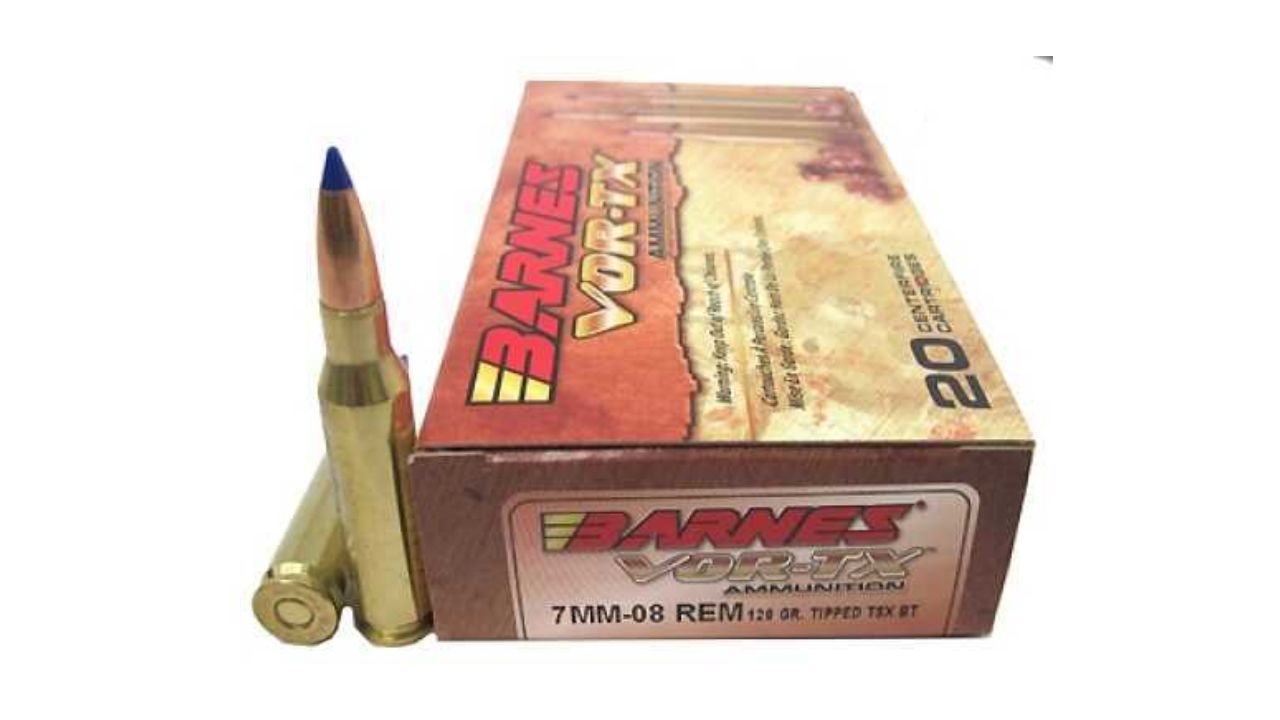
7mm-08 is the kind of deer cartridge that makes you wonder why it isn’t more popular than it is. It’s mild enough to shoot fast and well, but it hits with real authority on whitetails. The recoil impulse is friendly, which helps you keep your head in the scope and your trigger press clean.
It also handles a wide range of bullets that work across different styles of hunting. In the woods, it’s decisive. In open fields, it carries well enough that wind and distance don’t feel intimidating inside realistic ranges. If you want a cartridge that feels balanced in every way, 7mm-08 is still one of the smartest deer rounds around.
.280 Remington

The .280 Remington is a classic that never got the attention it deserved because it lived in the shadow of the .270 and .30-06. Ballistically, it’s a sweet spot. You get 7mm bullet performance with recoil that stays reasonable in standard hunting rifles, and the cartridge is capable of excellent accuracy.
On deer, it gives you plenty of margin without overreacting on impact when you choose the right bullet. It’s effective at woods ranges and still carries enough steam for longer shots across a bean field. If you like traditional cartridges but want something you don’t see in every rifle rack, .280 Remington is a legitimate “second look” choice.
.35 Remington

.35 Remington is a woods deer cartridge with a personality, and it still works extremely well. It isn’t fast, but it hits with a heavy bullet that penetrates and cuts a wide path through the lungs. In thick cover where shots are quick and distances are short, that matters.
It’s also an easy cartridge to shoot in the rifles it’s typically chambered in. The recoil is manageable, and the performance is dependable when you keep shots within its lane. A lot of hunters moved on because ammo can be harder to find, not because the cartridge stopped working. If you hunt timber and like a decisive, straightforward round, .35 Rem still has teeth.
.300 Savage

The .300 Savage is underused today because the .308 took over the world, but the old Savage round still does deer work cleanly. It carries a .30-caliber bullet with enough velocity for typical whitetail distances and tends to shoot accurately in rifles that are set up right.
Where it shines is in practical hunting. It’s not a long-range showpiece, but it gives you solid terminal performance without punishing recoil. With modern hunting bullets, it’s reliable on lung shots and moderate angles. If you appreciate classic rifles and want a cartridge that’s proven without being boring, .300 Savage deserves more respect than it gets.
.25-06 Remington

.25-06 has the trajectory and speed to make open-country deer hunting feel easier, but it’s fallen out of the spotlight. Recoil is moderate, accuracy can be excellent, and it shoots flat enough that you can focus on a steady rest and a clean trigger press instead of guessing hold.
On deer, the key is bullet selection. Use a real deer bullet that holds together, and you’ll get quick kills without turning every shoulder into soup. People sometimes judge it by the wrong loads and the wrong shots. When you run it correctly, .25-06 is a fast, effective deer cartridge that rewards good shooting instead of brute force.
.264 Winchester Magnum

The .264 Win Mag is one of those cartridges that looks “overkill” on paper, but it can be very effective on deer when you use the right bullet. It’s flat-shooting and carries velocity, which helps in wind and across open terrain. That makes it appealing for hunters who stretch distance responsibly.
The downside is it can be hard on barrels and it’s louder than milder options, so it’s not everyone’s idea of fun. Still, it’s underused today mostly because it’s uncommon, not because it performs poorly. If you already have one—or you find a good rifle for it—it’s a legitimate deer round with real reach.
.308 Marlin Express

The .308 Marlin Express doesn’t get talked about much, but it’s one of the more practical “modern lever gun” deer rounds. It gives you better reach than traditional lever cartridges while keeping the fast handling and quick follow-up capability that lever hunters love.
Inside normal deer distances, it hits hard and shoots flat enough to simplify your hold. It’s especially useful for hunters who bounce between timber and field edges and want one rifle to cover both. The reason it’s underused isn’t performance—it’s availability. When ammo is on hand, it’s a smart, efficient lever-gun choice for whitetails.
.358 Winchester

.358 Winchester is a thumper that doesn’t get enough play because it isn’t common on shelves. It’s basically a .308 case pushing a heavier .35-caliber bullet, which means strong penetration and a wide wound channel without needing extreme velocity.
For deer in the woods, it’s decisive. It also does well on hogs and black bear, which makes it a practical crossover cartridge if you hunt more than one animal. Recoil is noticeable, but it’s not punishing in a properly weighted rifle. If you like short-action rifles and want a cartridge that ends the conversation quickly when you do your part, .358 is worth revisiting.
.45-70 Government (modern loads, sane distances)

A lot of people think of .45-70 as a bear cartridge or a nostalgia round, but it’s still a very effective deer option when used correctly. At woods ranges, a big, heavy bullet through the lungs settles things fast. You don’t need extreme velocity for that kind of performance.
The mistake is trying to make it something it isn’t. Keep your shots within its practical trajectory, choose a bullet built for deer, and you’ll get reliable penetration and strong blood trails. It’s underused for deer because many hunters default to flatter rifle rounds, but in thick cover the .45-70 is more practical than people admit.
6.5×55 Swedish

6.5×55 has a long track record on game, and it still makes a ton of sense for whitetails. Recoil is mild, accuracy tends to be strong, and the cartridge handles modern hunting bullets extremely well. It’s a shooter’s cartridge, which matters because shot placement is still the whole game.
On deer, it offers reliable penetration and consistent expansion when you pick the right bullet. It carries well across normal hunting distances without needing a magnum case. The reason it’s underused is mostly market momentum, not performance. If you like cartridges that feel refined and practical, the Swede is a quiet killer that keeps earning tags.
.270 WSM

.270 WSM got lumped into the “short mag craze” and then many hunters moved on, but it’s still a strong deer cartridge. It’s flat, it carries well, and it handles modern .277 bullets that perform better than the old stereotypes. In open terrain, it’s a very capable whitetail round.
Recoil is manageable for most hunters, and good rifles in this chambering often shoot extremely well. The key is not treating it like a grenade—choose a controlled-expansion bullet if you care about meat and take responsible angles. It’s underused today because the market shifted, not because the cartridge stopped working.
.284 Winchester

.284 Winchester is one of the more interesting “almost famous” cartridges that never became mainstream. It’s efficient, accurate, and it pushes 7mm bullets that have a great balance of penetration and performance. On deer, it’s more than enough cartridge without requiring heavy recoil or long barrels to behave.
The practical downside is rifle and ammo availability, but the cartridge itself is solid. If you stumble onto a good .284 rifle or you’re the kind of shooter who appreciates uncommon chamberings, it’s a very legitimate deer choice. It’s underused because it never got mass adoption, not because it lacks capability in the field.
Like The Avid Outdoorsman’s content? Subscribe to our newsletter so you never miss an article.
Here’s more from us: