Photo credit: Alejandro Gómez Nísino, CC BY-SA 4.0, via Wikimedia Commons
Black bears aren’t moving the way they used to. Instead of staying tucked into big, wild blocks of timber, they’re spreading outward—into farm country, suburbs, river bottoms, and places that didn’t deal with bears a generation ago. This isn’t a mystery. Strong populations, protected corridors, changing land use, and a lot of adaptable bears are pushing the range lines outward.
For hunters, homeowners, and outdoor folks, the surprise isn’t that bears exist—it’s where they’re showing up now. Trail cams catch them where you’d never expect. Road crews spot tracks where there wasn’t bear sign before. And wildlife agencies keep fielding calls from people who are seeing a black bear for the first time in their lives.
These are states where black bears are appearing in new places, not because they were dumped there, but because they walked in on their own.
Texas

Black bears never fully disappeared from Texas, but where they’re showing up now is what catches people off guard. East Texas and parts of the Piney Woods are seeing more confirmed sightings, often far from traditional bear country. These aren’t one-off wanderers anymore. They’re using river corridors, timber tracts, and thick bottomland to move quietly.
In West Texas, bears moving in from Mexico are also turning up in places that rarely dealt with them before. Ranchers and hunters are adjusting fast. Bears in Texas tend to stay low-profile, but as populations stabilize and food sources improve, encounters are becoming more common. If you spend time in thick cover or along water in rural Texas, bear sign is no longer a shock.
Oklahoma

Oklahoma’s black bear population has grown steadily, and the range is spreading beyond the eastern mountains. Bears are showing up deeper into forested and agricultural transition zones, especially where timber, creeks, and crops intersect. Trail cameras have documented bears well outside areas people once considered “bear country.”
Most of these animals are young males pushing boundaries, but that’s how range expansion starts. As suitable habitat fills up, bears follow natural travel routes into new areas. Wildlife officials now field regular calls from landowners who never expected to see a bear near their property. Oklahoma’s mix of cover and food makes it an easy state for bears to quietly settle in without much notice.
Missouri

Missouri has gone from occasional curiosity sightings to confirmed, repeat bear activity in multiple regions. Bears are showing up in southern counties and using wooded creek systems to move through farm country. The big surprise is how close to towns some of these sightings occur.
Missouri’s habitat offers plenty of food and cover, especially where forest meets agriculture. As populations in neighboring states remain strong, young bears continue to cross borders and test new ground. Most sightings involve single bears passing through, but repeated appearances suggest more than temporary visits. Hunters and landowners in areas that never planned for bears are now learning how quickly that can change.
Arkansas

Arkansas has long had black bears, but their presence is no longer limited to traditional strongholds. Bears are appearing farther east and north, often following river systems and wooded corridors that connect habitat across the state. This expansion has been gradual, which makes it easy to miss until sightings pile up.
Many of these bears are young and curious, showing up near agricultural fields, orchards, and even residential edges. As the population remains healthy, bears continue to spread into places that didn’t deal with them historically. Arkansas’s mix of cover and food makes it ideal for quiet expansion, and bears are taking advantage of every connected stretch of timber they can find.
Kentucky

Kentucky’s black bears are no longer confined to the far eastern mountains. Sightings have increased in central and even western parts of the state, surprising residents who never considered bear precautions necessary. Bears use forested ridges and creek bottoms to move across landscapes that look heavily developed on a map.
These aren’t dumped or relocated animals. They’re walking in naturally from established populations. Most encounters involve bears passing through, but repeat sightings in the same areas suggest growing comfort with the terrain. As bears continue to adapt to mixed-use landscapes, Kentucky residents in new areas are learning how quickly a species can reclaim ground when conditions allow.
Tennessee

Tennessee has always been known for bears in the Smokies, but now they’re appearing far beyond that core range. Bears are turning up in middle Tennessee and along major river systems where cover and food overlap. Suburban sightings are becoming more common, especially in areas with green space and natural travel routes.
As populations remain strong in eastern Tennessee, dispersing bears are testing new territory. Wildlife officials stress that these bears aren’t aggressive, but they are curious and adaptable. For residents who never dealt with bear-proof trash or livestock protection, the learning curve is steep. Tennessee’s landscape makes long-distance movement easier than most people realize.
Virginia

Virginia’s black bears are expanding outward from traditional mountain areas into foothills, farmland, and suburban zones. Northern Virginia, in particular, has seen an uptick in bear sightings well outside what used to be considered normal range. Bears follow green corridors that weave through development.
Most of these animals are young bears exploring on their own, but repeated appearances suggest more than simple wandering. As habitat becomes more connected and human food sources remain accessible, bears find reasons to stick around. Virginia’s experience shows how quickly a large animal can blend into a developed landscape when people aren’t expecting it.
North Carolina

North Carolina’s coastal plain is one of the most surprising places black bears are turning up. Once associated mostly with mountains, bears are now established in eastern swamps, agricultural areas, and river systems. In some regions, they’re becoming a regular part of the landscape.
These bears thrive in thick cover and abundant food sources, and coastal North Carolina offers both. As populations grow and stabilize, bears are showing up closer to towns and roadways. For hunters and landowners used to thinking of bears as a mountain animal, the shift has been eye-opening. Eastern North Carolina is now firmly part of bear country.
Georgia

Georgia’s black bears are expanding beyond the mountains and into central and southern parts of the state. Sightings have increased along river bottoms and wooded agricultural areas, often miles from known bear populations. These movements usually involve young males exploring new ground.
As bears adapt to mixed landscapes, they’re learning how to move through human-dominated areas with minimal conflict. That makes them harder to spot until someone stumbles into a close encounter. Georgia’s expanding bear range highlights how effective travel corridors can be when habitat is connected, even loosely.
South Carolina

South Carolina has seen black bears push beyond coastal strongholds into inland areas where they were rarely seen before. Bears are using forest patches and river corridors to move through farmland and near residential developments. Sightings are becoming less surprising with each passing year.
These bears tend to stay mobile, but repeated activity suggests some are settling in. As hunting pressure and habitat management change, bears find opportunities to expand quietly. South Carolina’s experience shows how quickly bears can reclaim territory when food sources are reliable and human conflict remains low.
Alabama
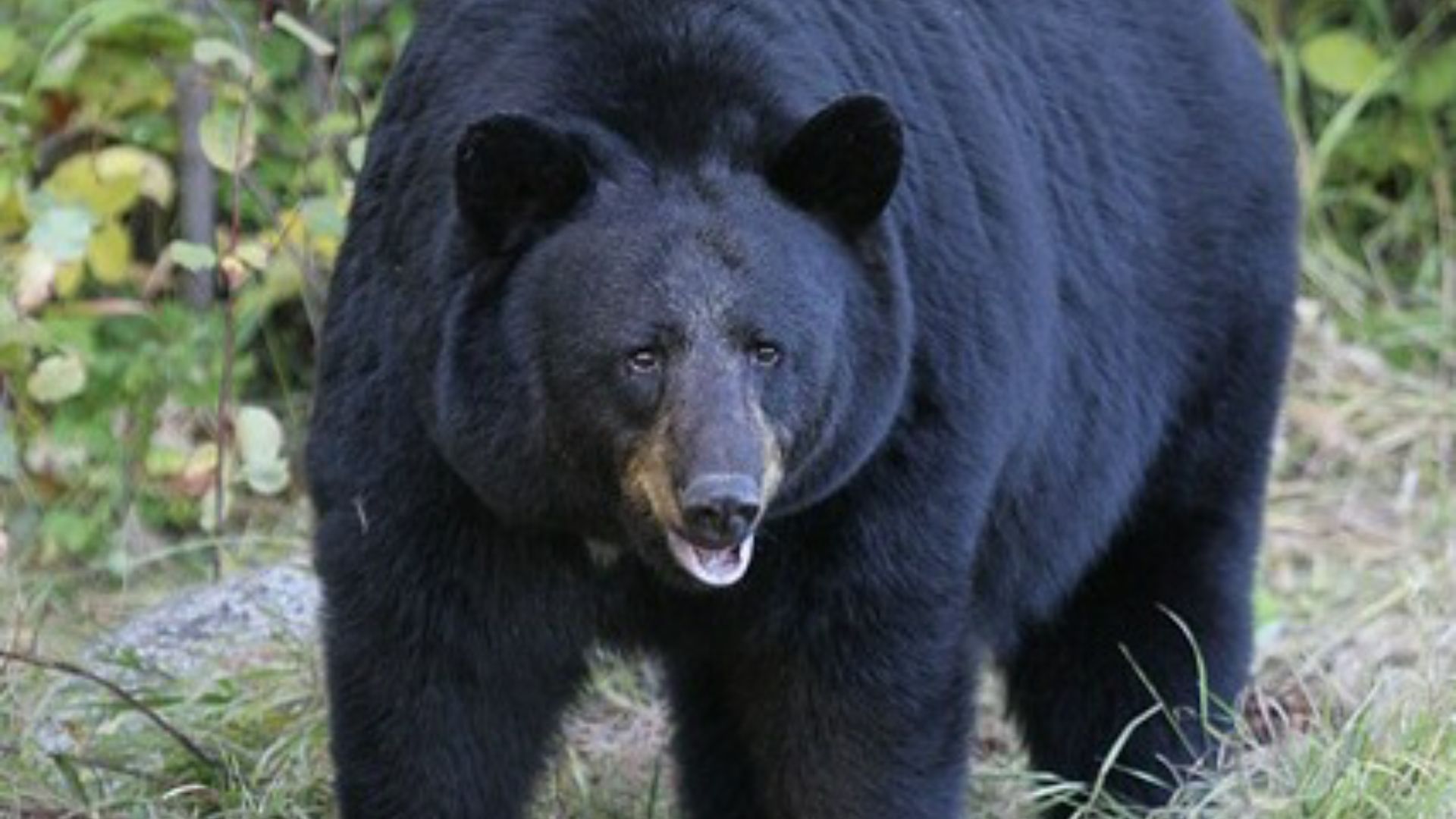
Alabama’s black bear population has been rebounding, and with that recovery comes expansion. Bears are turning up outside traditional southern strongholds, especially along wooded waterways and large timber tracts. Many of these sightings come from people who never expected to see a bear in their county.
Most bears observed are transient, but their presence indicates suitable habitat is being used more often. As populations stabilize, bears continue to explore new areas. Alabama’s growing number of confirmed sightings suggests that bear country in the state is larger than many residents realize.
Mississippi

Mississippi is another state where black bears are showing up in places that haven’t seen them in decades. Sightings along river corridors and forested farmland are becoming more common, often involving bears moving between established populations.
These bears are cautious and rarely aggressive, but their presence signals a slow, steady range expansion. Mississippi’s landscape provides enough cover and food to support traveling bears, even if long-term residency is still developing. For landowners and hunters, bear awareness is becoming part of normal outdoor planning.
Ohio

Ohio’s black bears are still relatively rare, but where they’re appearing is what matters. Bears are being spotted in eastern and southern counties where forest recovery and connected habitat make movement possible. Most are young males exploring far beyond core populations.
While Ohio doesn’t have a breeding population yet, repeated sightings show that bears are comfortable passing through. As neighboring states maintain strong numbers, Ohio remains on the edge of regular bear activity. Residents who never considered bear encounters now have reason to stay alert.
New Jersey

New Jersey’s black bears aren’t new, but the places they’re appearing are. Bears are moving into suburban and semi-developed areas where green space connects larger forest blocks. For many residents, seeing a bear near their neighborhood is no longer shocking.
As populations remain healthy, bears push into marginal habitat that still meets their needs. New Jersey shows how adaptable black bears can be when human tolerance and habitat connectivity overlap. These bears often move at night, keeping their presence quiet until someone checks a trail camera.
Massachusetts
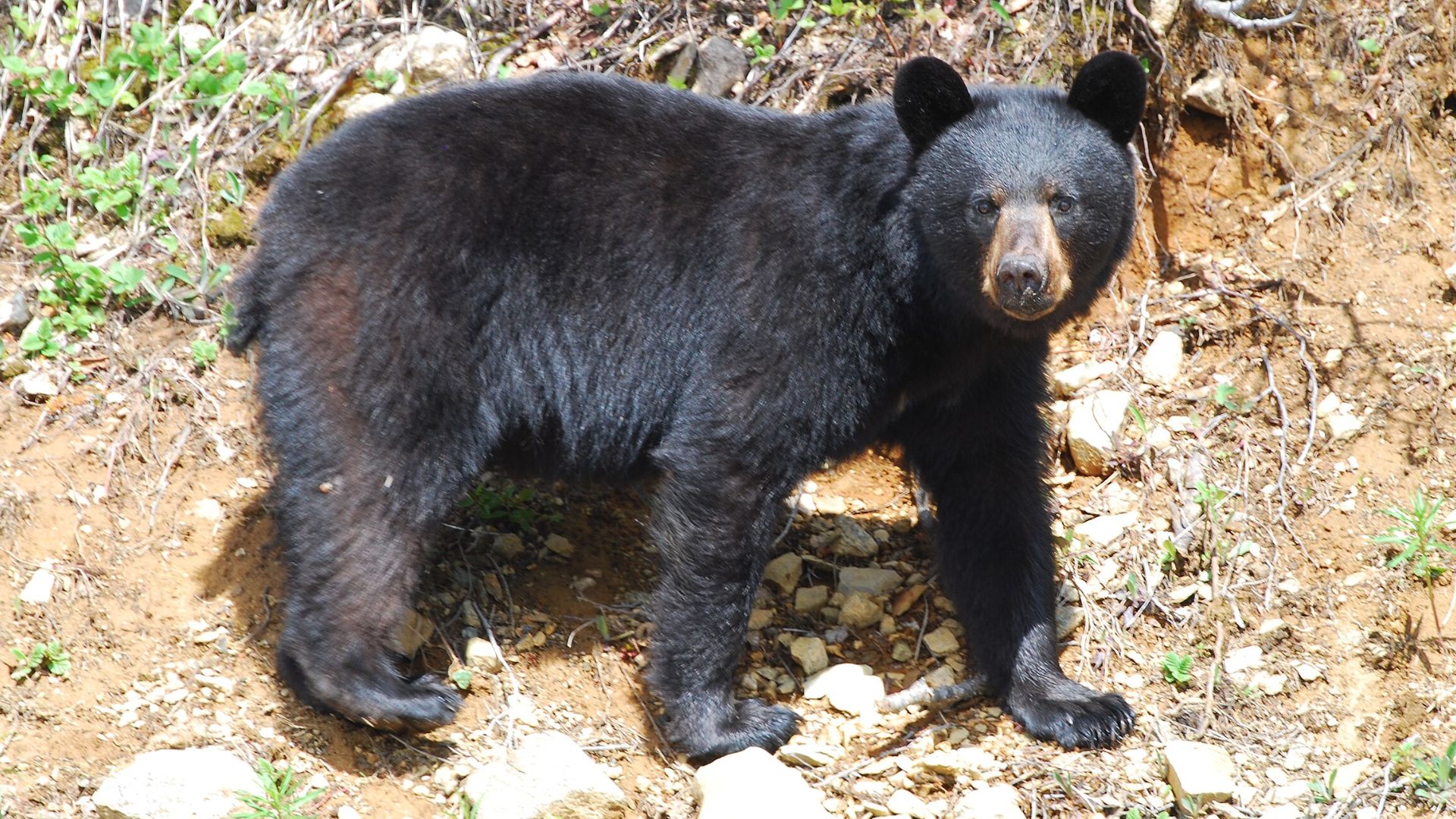
Massachusetts has seen black bears expand into areas well beyond their historical range. Bears are appearing in central and eastern parts of the state, often using forest patches and wetlands to move through populated regions.
Most sightings involve single bears traveling long distances, but some areas now report repeat activity. As bears adjust to fragmented habitat, they find ways to move with minimal conflict. Massachusetts illustrates how black bears can quietly reclaim ground, even in states with dense human populations and limited wild space.
Like The Avid Outdoorsman’s content? Subscribe to our newsletter so you never miss an article.
Here’s more from us: