Photo credit: GUDKOV ANDREY/Shutterstock.com
Most predators make a living on prey they can control. But some hunters are built for a harder job: taking animals that outweigh them, outmuscle them, or flat-out should be too much to handle. They pull it off with teamwork, ambush, terrain, patience, and a willingness to stay committed when the prey starts fighting back.
When you look closely, the pattern is pretty consistent. The animals that “punch up” either bring friends, pick the perfect moment, or use an environment that stacks the odds in their favor. Size still matters, but it stops being the only thing that matters.
Here are 15 animals that can take down prey bigger than themselves, and how they get it done.
Gray wolf

A lone wolf is tough, but the real trick is the pack. Wolves use spacing, pressure, and teamwork to wear down animals that outweigh any one of them by a mile. That is why elk, large deer, and even moose end up on the menu in places where wolves still have room to hunt.
When the pack commits, you will see them test a herd for weakness, then push and turn the target until it breaks rhythm. Once the animal slows, wolves focus on hamstrings and the rear end to keep it from kicking free. It is not pretty, but it works. In deep snow or steep terrain, the pack uses the ground like another set of jaws, and the finish comes fast. You rarely see wasted motion.
African wild dog

African wild dogs win with tempo. They do not have the raw size of the antelope and zebra they chase, but they make up for it with endurance and teamwork. Once a pack locks onto a target, the pressure rarely lets up, and that constant push forces bigger prey to make mistakes.
What makes them scary is how clean their roles look in motion. Some dogs run the flanks to turn the animal, others stay in line behind it, and fresh runners rotate forward as the pace wears the target down. When the prey stumbles or separates, the pack closes fast and ends it by sheer numbers and speed. For a hunter watching the track line, it is a reminder that stamina can be a weapon.
Dhole
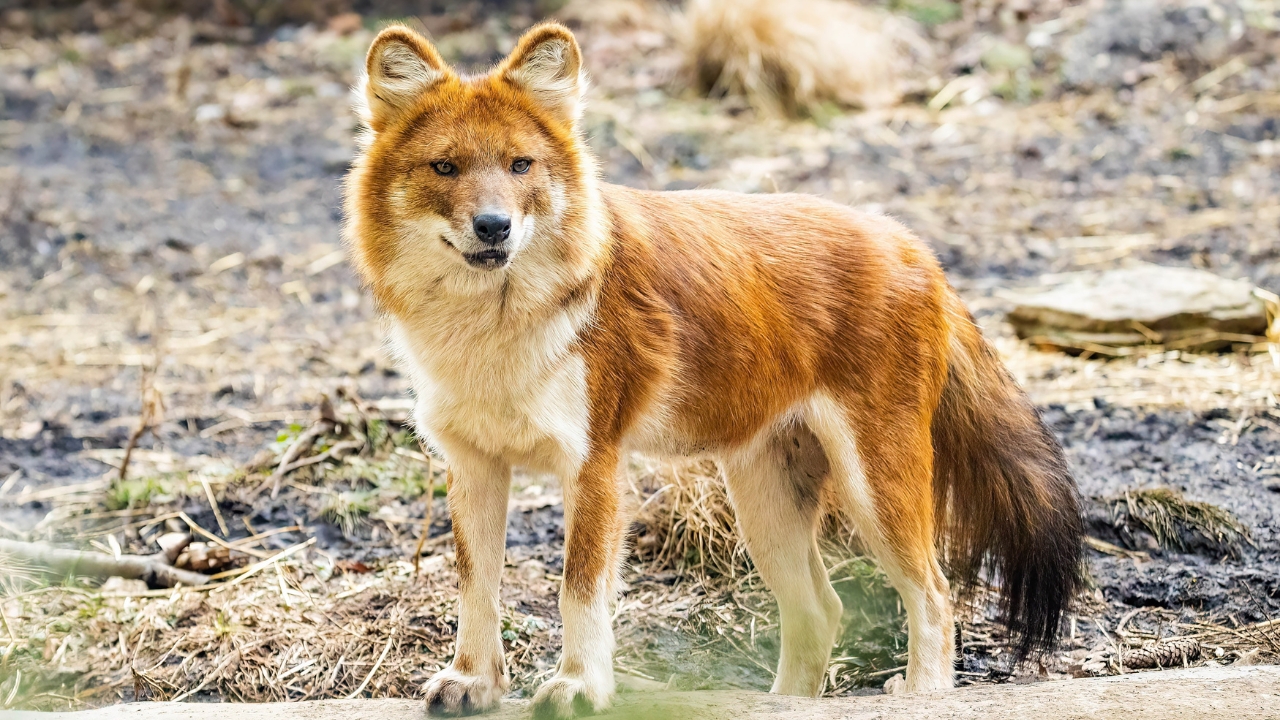
Dholes, sometimes called Asiatic wild dogs, are smaller than many of the deer they hunt, yet they can be brutally effective in a group. In parts of India and Southeast Asia, packs have been documented taking large sambar deer, and they do it by turning a heavy-bodied animal into a runner that cannot keep up.
The pack hunts tight and noisy, and that is part of the strategy. The chase drives the target into bad footing, thick cover, or water crossings where it loses balance and speed. Then the dholes pile on with repeated bites that drain the fight out of the animal. You do not need huge jaws when you have enough mouths working together and the discipline to keep contact until the job is done.
Spotted hyena

Spotted hyenas get called scavengers by people who have never watched a clan hunt. They can and do kill their own meals, and they often pick fights with prey that is bigger than any single hyena. Wildebeest, zebra, and even young buffalo become targets when numbers and timing line up.
A hyena’s edge is brutal efficiency. The bite is powerful, the jaws crush, and the animals do not hesitate to hang on when a larger target tries to kick free. The clan uses harassment and repeated hits to break the prey’s rhythm, then they commit when it starts to fade. If you have ever seen one trot off with a heavy bone like it is a stick, you understand why big prey does not guarantee safety.
Lion

A lion is already a large predator, but a mature zebra, wildebeest, or Cape buffalo can still outweigh a single cat and hurt it badly. Lions solve that problem with teamwork and ambush. You will see the pride use cover, wind, and darkness to get close enough that the prey has no time to build speed.
Once contact happens, roles take over. One lion clamps on up front to control the head, another hits the hindquarters, and the rest add weight and chaos until the animal cannot stand. It looks like a pileup, but it is controlled violence built around leverage. The big lesson is that a heavy-bodied animal can be brought down when multiple predators coordinate the first three seconds of the fight. More often than you think.
Tiger

Tigers hunt alone more often than not, which makes their “bigger than me” kills even more impressive. In parts of Asia, tigers have taken prey like gaur and water buffalo, animals that can dwarf a cat in both mass and attitude. They do not win by outmuscling a bull head-on. They win by choosing the moment and the angle.
A tiger’s play is a close-range ambush, then a suffocating hold. The cat targets the throat or the back of the neck, using body weight and forelimbs to control the head and keep the prey from using its horns. A large animal can still throw a tiger off, so selection matters. You can see the logic: patience, precision, and a finish that ends the fight before size becomes the deciding factor.
Cougar

Cougars, or mountain lions, make a living on deer, but they are fully capable of taking prey that outweighs them, especially in western country. Elk are the headline, and while not every cat targets adults, cougars do kill elk often enough that it shapes local herds and hunter expectations.
The method is classic ambush. A cougar closes the gap with cover and quiet footwork, then launches onto the shoulders and rides the animal like a saddle. The cat uses claws to stay attached and a killing bite to the throat that cuts air and blood. Terrain is part of the equation, too. A steep slope, deep snow, or a tangled draw turns a big animal into one that cannot shake a predator that knows how to hang on.
Snow leopard

A snow leopard does not look built to fight an animal twice its size, but high-country reality does not care. In the mountains, these cats take blue sheep and ibex that can outweigh them, and they do it where footing is bad and one slip ends everything.
The snow leopard’s advantage is how it uses gravity. It hunts with steep angles, short bursts, and sudden contact that knocks the prey off balance. When the cat hits, it drives the animal into rocks or off a ledge, then clamps down with a throat bite. You will hear stories of prey tumbling hundreds of feet, and while that is not every kill, it shows the theme. In rough terrain, the landscape becomes part of the predator’s bodyweight.
Wolverine

A wolverine is not a big animal, but it is built like a block of stubborn muscle with teeth. Most of the time it lives on smaller prey and scavenging, yet wolverines have been documented killing deer and even caribou, especially when deep snow, crust, or exhaustion slows the larger animal down.
This is not a clean chase-and-pounce story. It is persistence. The wolverine uses aggression, repeated bites, and a refusal to back off to keep pressure on a prey animal that is already struggling. When conditions are harsh, that matters more than speed. If you have ever packed out meat in late-season snow and felt how quickly movement becomes work, you can picture how a smaller predator can turn winter itself into a weapon.
Komodo dragon

Komodo dragons look like something that crawled out of an older world, and their hunting reflects that. A single dragon can kill deer and wild pigs, but when large prey shows up, groups will sometimes feed and fight over animals like water buffalo that outweigh any one lizard by a long shot.
They win through a mix of ambush and patience. A dragon bites, tears, and backs off, letting blood loss and shock do their work. Infection is often mentioned in old stories, but the immediate trauma and bleeding are the real drivers in the early hours. Other dragons may trail the same wounded animal, and the end comes when it weakens enough that multiple lizards can latch on. It is ugly, effective, and a reminder that time can be as deadly as teeth.
Orca

Orcas are top predators that routinely tackle prey larger than a single whale. Pods have been documented killing large whales, including species that outweigh an individual orca many times over. The only way that works is coordination, and orcas might be the best team hunters in the ocean.
Different groups use different playbooks, but the theme is the same: isolate, exhaust, and control. You will see orcas separate a calf from its mother, batter the target to sap strength, and use wave action or body pressure to limit breathing. It can take hours. That is what makes it real risk, not a quick strike. If you want a clean example of brains beating size, watch how a pod turns a huge animal into a problem it cannot solve alone.
Polar bear
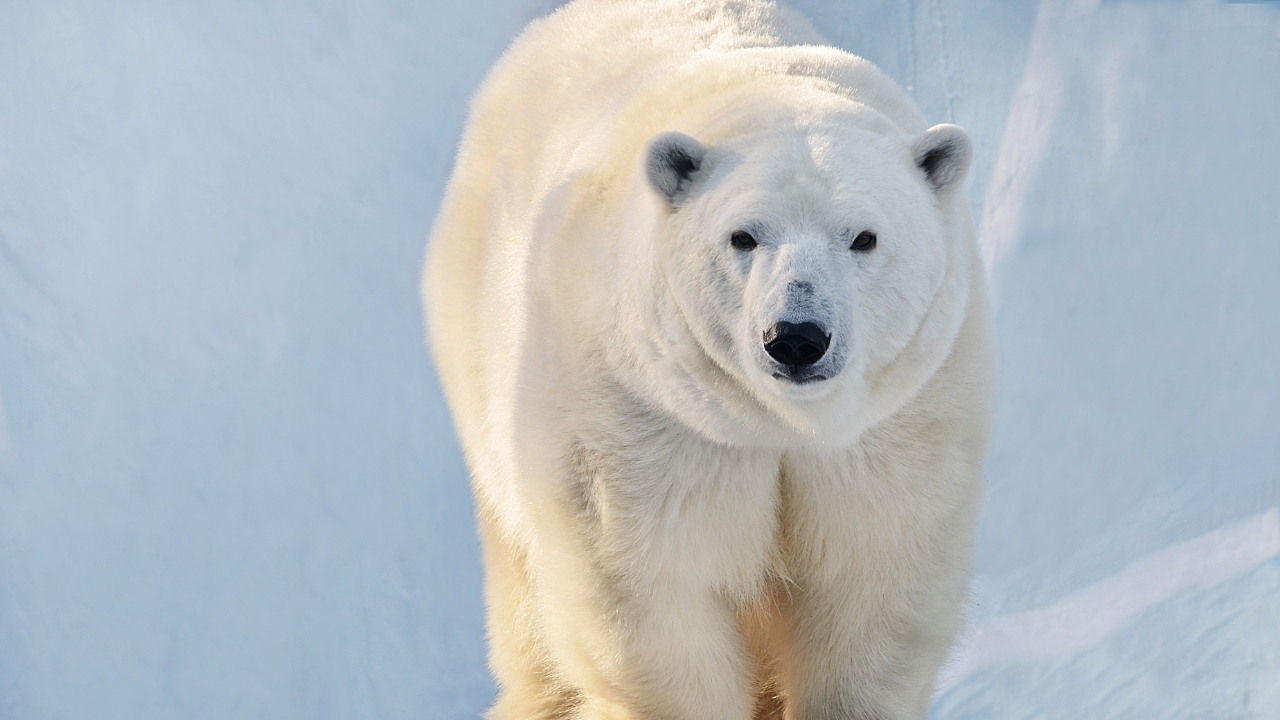
Polar bears are massive, but adult walrus can still outweigh many bears, and the tusks can end a hunt in a hurry. Even so, bears do kill walrus, especially calves, smaller adults, or animals separated from the herd. When it happens, you are watching a predator commit to prey that can be bigger and far more dangerous.
The bear’s edge is surprise and leverage. It uses the ice, pressure at the edge of the water, and sudden contact to keep the walrus from getting organized with the group. A bear that gets a clean bite and pins the head can finish fast, but the margin is thin. The takeaway is not that every bear can do it. It is that when conditions line up, a predator will risk a lot to bring down a meal that could feed it for days.
Reticulated python
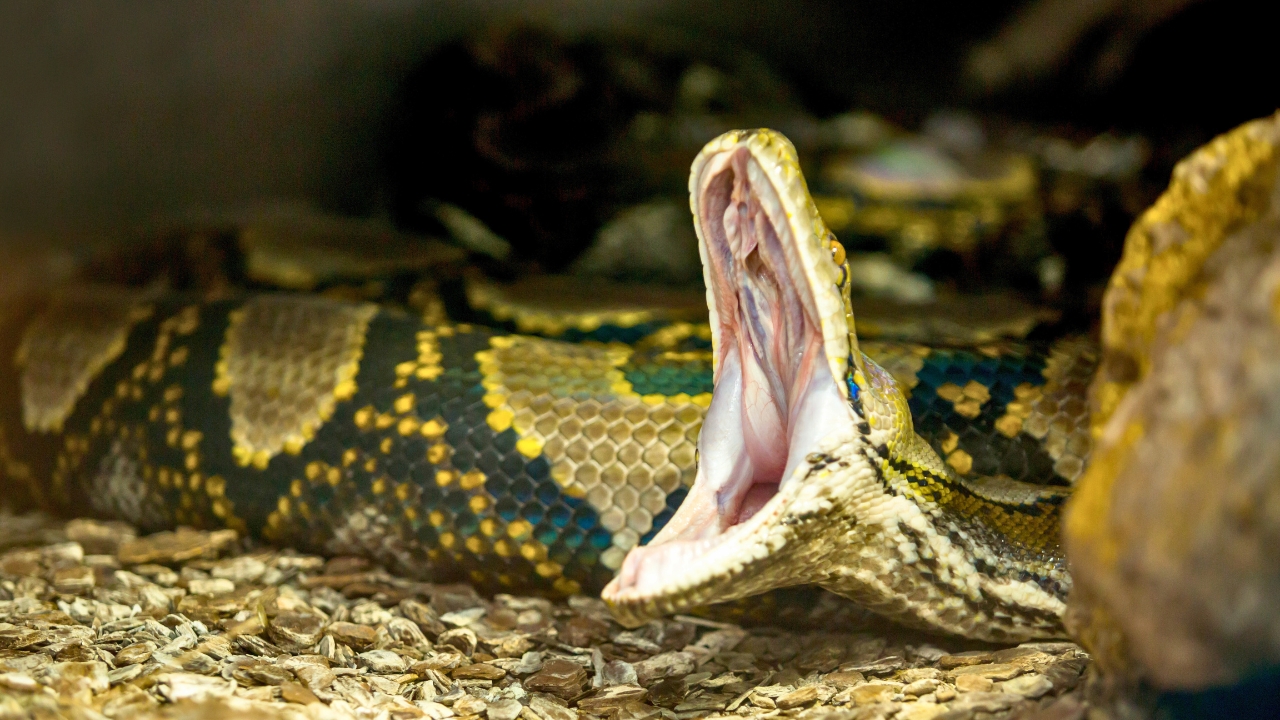
Reticulated pythons do not fight prey in the way a cat does. They ambush, seize, and wrap. That matters because a snake can take animals that outweigh it, including deer and pigs, by using constriction instead of muscle-on-muscle wrestling.
The kill happens through control and time. Once the coils lock in, every breath the prey takes makes the wrap tighter. The snake does not need to chew. It needs to keep contact until circulation and breathing fail, then it begins the long process of swallowing. That is where the python’s flexible skull and ribs earn their keep. You may not like the thought of it, but in the wild it is an efficient system. A patient predator can turn a big-bodied animal into one long meal.
Green anaconda

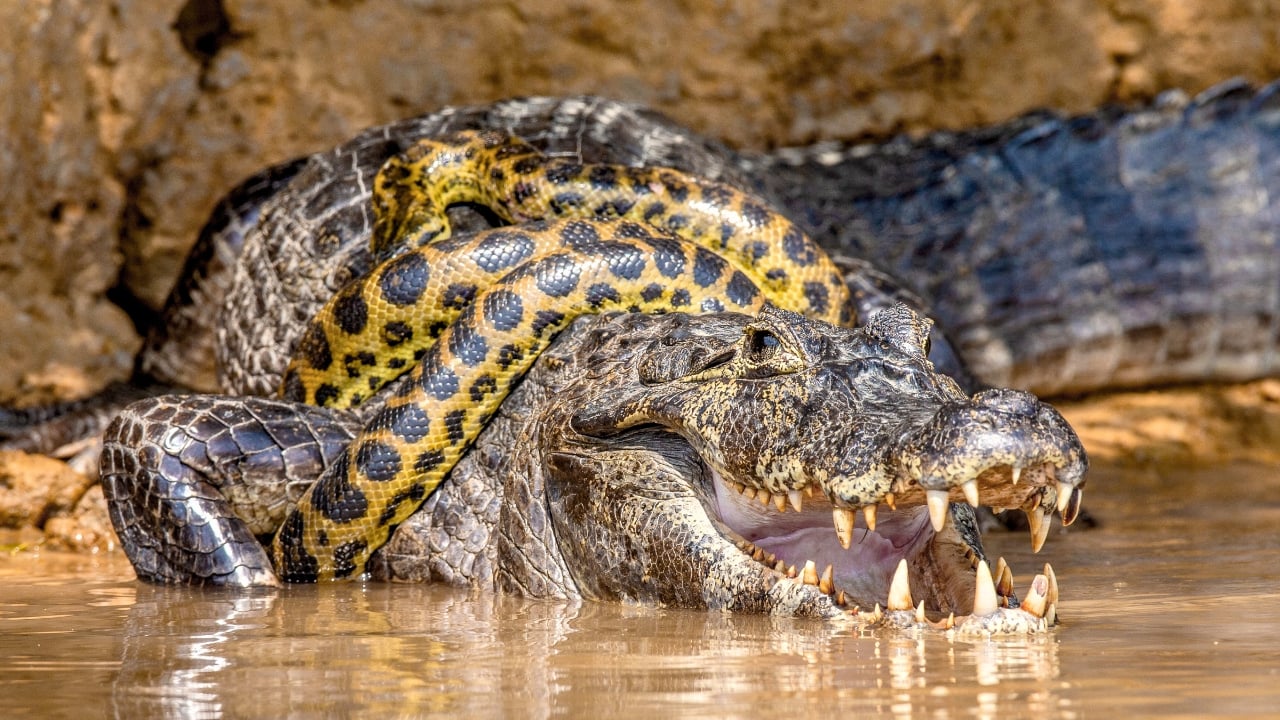
The green anaconda is the heavyweight of the snake world, and it specializes in water ambush. In the wetlands of South America, it takes prey that can be larger than the snake in mass, including capybara, deer, and large birds. Water is the secret weapon because it helps the anaconda move and hold without burning energy.
When it strikes, the anaconda clamps down and wraps, often keeping the prey pinned against the bank or submerged enough to add panic and fatigue. The snake does not need speed for long. It needs a clean grab and a place where the prey cannot get footing. After the kill, the swallow begins, and that is where the animal’s anatomy does the heavy lifting. For a hunter, it is a lesson in how environment can replace horsepower.
Stoat

The stoat, or ermine, is small enough to fit in your hand, yet it can kill prey that looks ridiculous for its size. Rabbits are the classic example. A stoat uses speed and aggression to get close, then delivers a bite to the back of the neck that shuts things down fast.
It is not strength that wins. It is placement and commitment. A stoat will hang on, keep biting, and use tight spaces like burrows and brush piles to stay in control of a bigger animal that cannot maneuver. You see the same truth in small-game hunting: if you cannot move, you cannot fight. The stoat also caches kills, which shows it is not making a one-time gamble. It is a working predator that routinely punches above its weight.
Like The Avid Outdoorsman’s content? Subscribe to our newsletter so you never miss an article.
Here’s more from us: