Photo credit: Springfield Armory
A handgun that keeps running when it’s filthy earns your trust in a different way. You’re not talking about a clean range day with perfect lube and slow fire. You’re talking about carbon buildup, pocket lint, unburnt powder, grit, sweat, and the kind of neglect that happens when life gets busy and the gun still has to work.
The pistols that handle that abuse usually share a few traits: generous internal clearance where it matters, strong extraction, magazines that feed even when they’re not spotless, and a recoil system that doesn’t turn minor drag into a stoppage. You still need to maintain your gear, but if you want a handgun that’s known for functioning when it’s not pampered, these are solid places to start.
HK USP

The USP has a long reputation for staying functional when conditions aren’t friendly. The slide and frame fit isn’t overly tight, the extractor system is strong, and the gun tends to keep cycling even when carbon and grit start building up in places you can’t see. You feel that in the way it chambers and extracts—consistent, with little drama.
It also helps that the magazines and feed geometry are forgiving. When a pistol starts choking while dirty, it’s often magazine-related first. The USP’s mags and overall design tend to tolerate grime better than many tighter, match-leaning setups. You still clean it because you’re not trying to prove a point, but if you want a handgun that doesn’t immediately punish you for neglect, the USP has earned its place.
HK P30

The P30 is one of those pistols that feels like it was built for people who carry and train a lot. The reliability track record is strong, and the gun tends to keep functioning even as it gets dry, dusty, and fouled from high round counts. It’s not a fragile system that needs everything to be perfect.
A big part of that is the way it feeds and extracts. The P30 usually keeps pulling cases out and shoving the next round in even when the gun is dirty enough that you can feel the drag in the slide. The magazines are also dependable, and that matters when grit gets into the feed lips or follower area. If you want a pistol that keeps working after a long class day, the P30 is a safe bet.
HK VP9

The VP9 has earned a following because it runs and it’s easy to shoot well, and it generally doesn’t turn into a problem child when it gets filthy. The internal design isn’t set up like a tight race gun, so a little crud and carbon doesn’t automatically translate into stoppages.
You’ll notice it most when you’re shooting fast and the gun is hot. Some pistols start slowing down as fouling builds, and suddenly your ejection pattern gets weird and you’re chasing malfunctions. The VP9 tends to keep a steady rhythm, especially with decent magazines and normal ammo. It isn’t magic, and every mechanical thing can be pushed too far, but as a working pistol that tolerates neglect better than most, the VP9 has a real-world reputation.
SIG Sauer P226

The P226 is a classic service pistol for a reason: it keeps running when it’s not treated gently. The design has enough tolerance to keep cycling when carbon builds up, and the overall extraction and feeding system is proven across decades of hard use. You can run it a lot before it starts complaining.
Metal-framed pistols can sometimes feel “slick” even when dirty, and the P226 benefits from that. The slide travel stays consistent, the magazines are mature and widely available, and the gun tends to digest a wide range of ammo without getting finicky. You still want to watch recoil spring life and magazine condition, but if you’re looking for a handgun that’s known to keep going when it’s grimy, the P226 belongs on the short list.
SIG Sauer P320
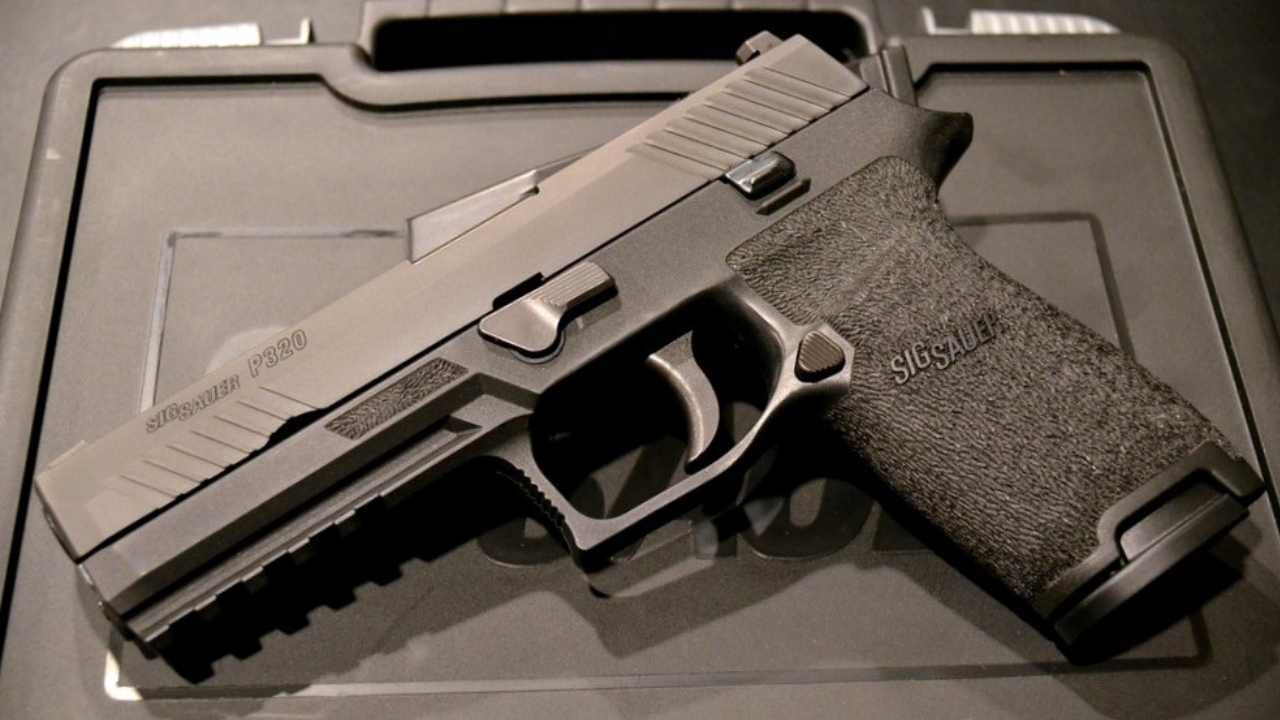
The P320 became widely adopted because it’s a practical, duty-grade pistol that handles real use. In the dirty-gun conversation, the P320 usually holds up well because it feeds and extracts reliably even when you’ve got carbon in the action and lint in places you’d rather not think about. It tends to keep cycling without needing constant attention.
Where you earn trust is in volume. When you’re a few hundred rounds into a session and the gun is dry and hot, some pistols start losing their margin. The P320 often keeps its timing and keeps throwing brass with consistency. Mags matter here, and good magazines help any pistol stay dependable. If you carry a P320 and you actually shoot it, you’ll appreciate that it’s built to keep functioning when it’s not spotless.
Beretta 92FS / M9

The Beretta 92-series has a reputation for running when it’s dirty, and a lot of that comes from the open-slide design and the way the gun ejects. It has plenty of real estate for debris to move through rather than getting trapped and turning into friction. When carbon starts building, the pistol often keeps cycling anyway.
You also get a long history of service use and a huge parts and magazine ecosystem. That matters because you’re not depending on a fragile, rare magazine design to keep the gun feeding. The 92 can go a long time between deep cleanings if you keep it reasonably lubed, and it tends to keep extracting even when things aren’t pretty inside. If you want a handgun with a proven “keeps working” track record, the 92 is still relevant.
Beretta PX4 Storm

The PX4 is often overlooked, but it’s a pistol that tends to stay reliable when it’s dirty and the round count climbs. The rotating-barrel system can feel smooth under recoil, and many shooters notice that the gun keeps cycling even when it’s hot, dry, and fouled. It’s built with duty use in mind, not careful bench shooting.
The other reason it holds up is feeding consistency. When a pistol gets filthy, minor drag can start causing nose-dives or sluggish slide return. The PX4 generally has enough momentum and a forgiving feed path that it keeps pushing rounds into the chamber. You still maintain it because it’s your tool, but if you want a carry or duty pistol that doesn’t turn finicky when it’s not clean, the PX4 is a sleeper pick.
Smith & Wesson M&P 2.0

The M&P 2.0 line has earned a strong reputation as a working pistol, and part of that is how well it tends to run under neglect. It’s not unusually tight, the extractor system is dependable, and the gun usually keeps feeding and ejecting even when the inside looks like a coal mine. That’s what you want in a carry pistol that lives through sweat and lint.
You see it in long training days. The M&P tends to keep cycling as carbon builds, and it doesn’t usually become ammo-temperamental when the gun is dirty. Keep your mags in good shape and don’t ignore basic maintenance forever, but if you want a modern striker-fired handgun that’s known for running through grime, the M&P 2.0 has a real track record.
FN 509

The FN 509 was built around duty reliability, and it shows when the gun gets dirty. The pistol tends to keep its timing and extraction consistent even when fouling starts slowing things down. It’s the kind of handgun that feels like it has margin—like it can take a little abuse without immediately turning it into a stoppage.
It’s also a pistol that often runs well across different ammo types, which matters when dirt and carbon are already stacking the deck against you. A gun that’s barely reliable when clean is going to fall apart fast once it’s filthy. The 509 usually doesn’t live on that edge. With solid magazines and normal lubrication habits, it tends to keep working after the round count climbs. If you want a modern service pistol that tolerates grime, the 509 is a strong candidate.
CZ P-10 C

The P-10 C has a reputation for being a straightforward, dependable striker-fired pistol, and it usually keeps running even when it’s dirty enough that you can smell it. The design doesn’t require tight tolerances to shoot well, and that helps when you’ve got carbon and grit building in the slide and frame rails.
Another part of the equation is how it feeds. When fouling increases drag, the slide has to keep returning to battery with authority. The P-10 C generally does that, and it tends to keep extracting and ejecting without getting weird as the gun heats up. It’s not immune to neglect, and magazine maintenance still matters, but if you want a handgun that’s known for working even when it’s not clean, the P-10 C has earned its reputation the honest way—by being shot a lot.
Walther PDP

The PDP is known for shootability, but it also tends to run well when it’s dirty, which is what makes it more than a “nice range gun.” The action has enough energy to keep cycling as fouling increases, and the gun generally keeps feeding reliably if your magazines are in good shape. That’s the kind of reliability that shows up when you’re tired and shooting fast.
You’ll also appreciate how predictable it stays. Some pistols start changing behavior as they get filthy—ejection gets weak, the slide return gets sluggish, and suddenly you’re diagnosing problems instead of training. The PDP often keeps a steady rhythm through that phase. Clean it when you can, but if you want a carry-capable pistol that doesn’t immediately turn picky once it’s dirty, the PDP tends to hold up.
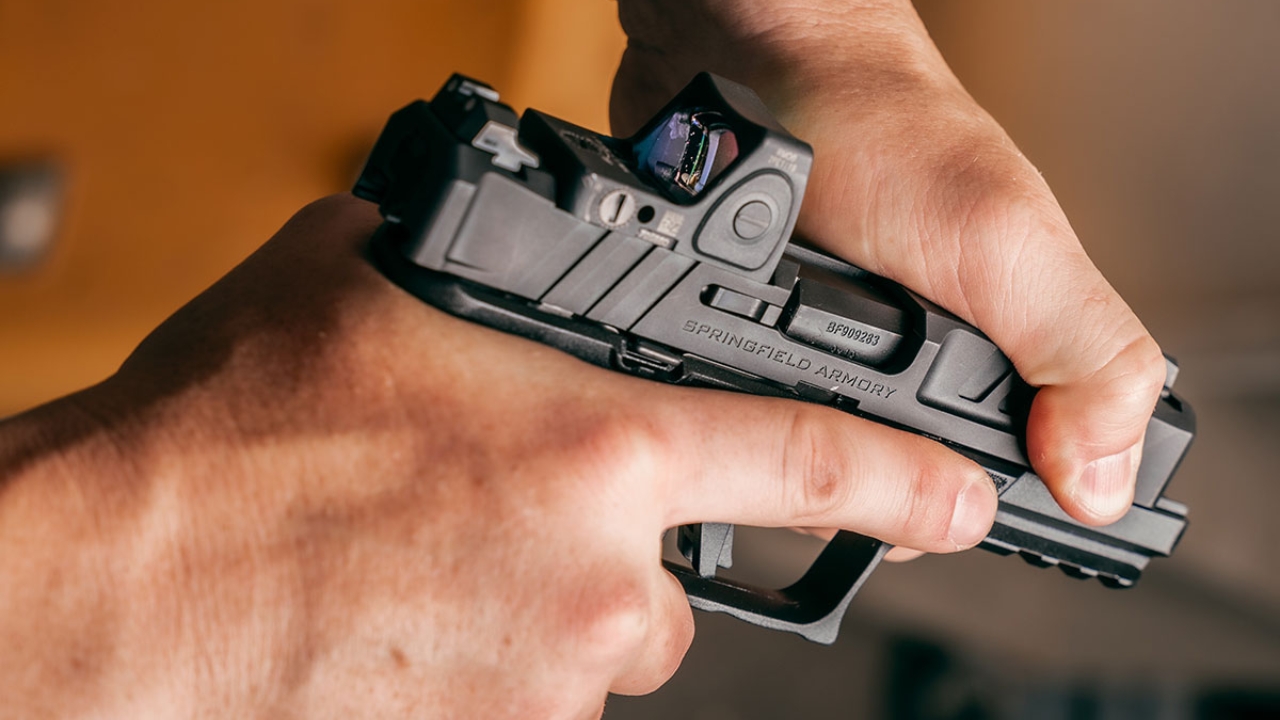
Springfield Armory Echelon
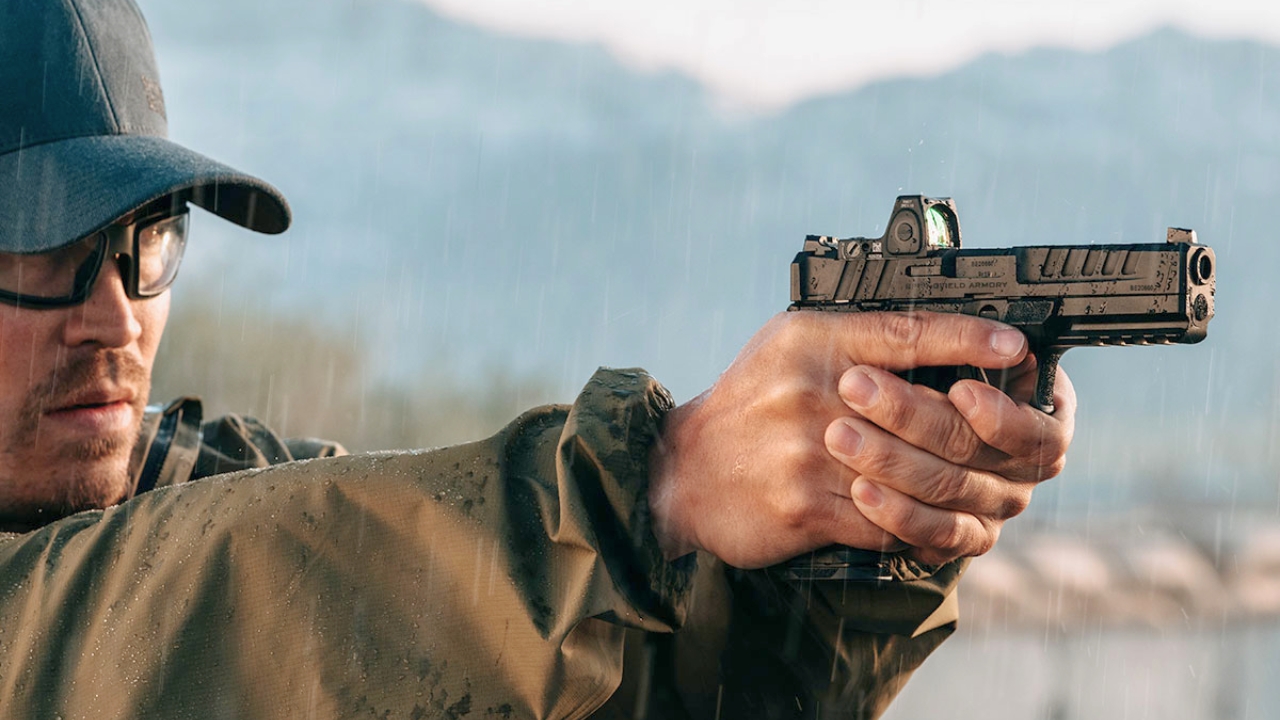
The Echelon came out with a clear goal: be a modern duty pistol that runs hard. One of the quickest ways a pistol earns respect is by staying functional through high round counts when it’s hot, grimy, and dry. The Echelon tends to do that well, with consistent feeding and extraction that doesn’t fall apart as the gun gets filthy.
A big factor is how stable it feels when cycling. The gun doesn’t seem easily disrupted by the small increases in friction that show up after hundreds of rounds. You still need to keep an eye on magazines and basic lubrication, but the platform is built for real use. If you’re looking for a newer service pistol that you can shoot a lot without it turning into a maintenance diva, the Echelon belongs in the conversation.
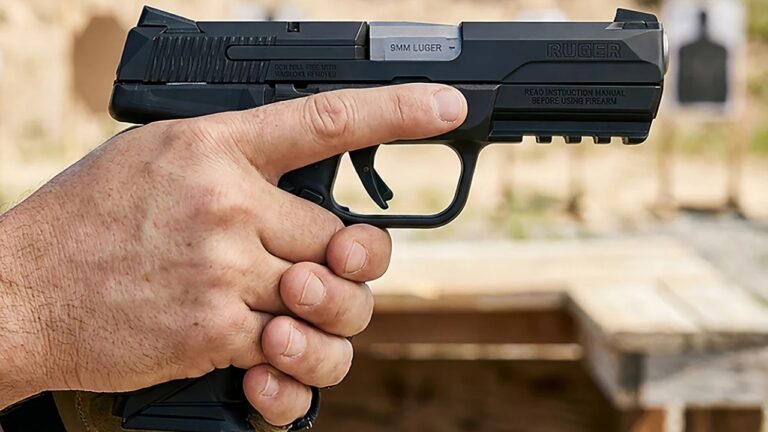
Ruger P95

The Ruger P95 is an old-school workhorse that has a reputation for running when it’s dirty, ugly, and neglected. It was built for durability and function, and you can feel that in the way it cycles. It’s not a refined pistol, but it tends to keep going even when the inside is full of carbon and the outside has been bouncing around in a truck console.
A lot of that comes down to generous tolerances and a design that doesn’t rely on tight fitment to function. When grime builds, the P95 often shrugs it off. The magazines are basic and generally dependable, and the gun feeds common ammo without acting temperamental. If you want a pistol you can treat like a tool and still expect it to work, the P95 has earned its reputation over decades.
Ruger GP100

A revolver can be a great “runs dirty” option because it doesn’t depend on slide velocity or magazine feeding to keep going. The GP100, in particular, is known for being tough and dependable, and it’ll keep firing after a lot of rounds even when you’re dealing with powder residue and grime. It’s a working gun in the truest sense.
That said, you still need to be honest about where revolvers can choke—grit under the extractor star, a bent ejector rod, or debris near the cylinder gap can cause trouble. The GP100 tends to handle normal fouling well, and it’s built stout enough that it doesn’t get knocked out of time easily. If you want a handgun that can live in a holster, see bad weather, and still function when it’s far from clean, a GP100 is hard to argue against.
Smith & Wesson 686

The 686 is another revolver that earns trust through consistency and durability. You can run a lot of .357 and .38 through it, get it dirty, and still expect it to keep working if you’re not letting debris pile up in the wrong places. The action stays smooth, the lockup stays solid, and the gun handles real use well.
You still have to respect the few failure points that matter with wheelguns—keep the area under the extractor star clear, and don’t let fine grit build up around the cylinder and forcing cone. Within those realities, the 686 tends to tolerate fouling better than many people expect, especially compared to finicky semi-autos that lose steam when friction increases. If you want a handgun that keeps functioning with minimal drama, a well-maintained 686 is a dependable choice.
CZ 75 (full-size variants)

The CZ 75 family has a reputation for being durable, shootable, and reliable through hard use. In the dirty-gun category, a lot of shooters trust it because the pistol keeps feeding and extracting even after long sessions where the gun is hot, fouled, and overdue for a wipe-down. It’s a design that’s been proven for decades.
The steel frame and consistent cycling feel help too. When a gun is dirty, you want the action to keep moving with authority, not stall out on friction. The CZ 75 tends to keep its rhythm if it’s reasonably lubed, and it doesn’t usually become ammo-temperamental when fouling builds. It’s not the lightest carry choice, but as a handgun known for running hard and staying dependable, the CZ 75 has earned its reputation the long way—through real shooting, not marketing.
Like The Avid Outdoorsman’s content? Subscribe to our newsletter so you never miss an article.
Here’s more from us: