Photo credit: Texas Plinking Gear/YouTube
You learn fast that the gun you think you want and the gun you actually shoot well aren’t always the same thing. A lot of firearms sell a feeling—power, toughness, old-school cool, “battle proven.” Then you touch one off and reality shows up: recoil that changes your grip, blast that makes you blink, a trigger that feels fine until you try to run it quickly, or ergonomics that fight you under speed.
None of these are “bad guns.” They’re guns with a bigger skill tax, sharper tradeoffs, or a narrower lane than the marketing suggests. If you’ve ever saved up for a dream gun and walked off the range a little underwhelmed, you’re not alone. These are specific models people chase hard… until they shoot them.
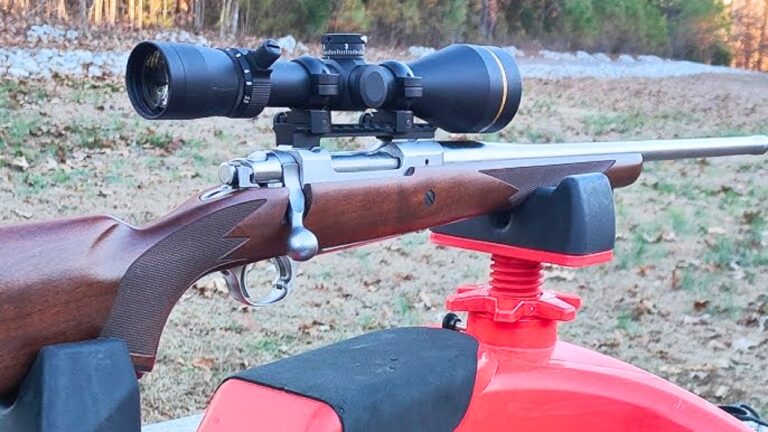
Ruger American Rifle (lightweight models) in .300 Win. Mag

On paper, a light Ruger American in .300 Win. Mag sounds like the ultimate “one rifle” answer. Then you shoot it and realize the recoil isn’t a gentle shove—it’s a sharp snap that makes it hard to stay in the scope and harder to practice without developing a flinch. The rifle can be accurate, but the shooter behind it often can’t stay consistent when every shot feels like a penalty.
The disappointment isn’t that it can’t kill elk. It’s that most people don’t shoot it enough to truly own it. A heavier rifle or a milder cartridge will often give you better field performance because you’re actually willing to train. When a rifle discourages practice, confidence disappears fast past normal hunting distances.
Savage 110 Ultralite in .300 WSM
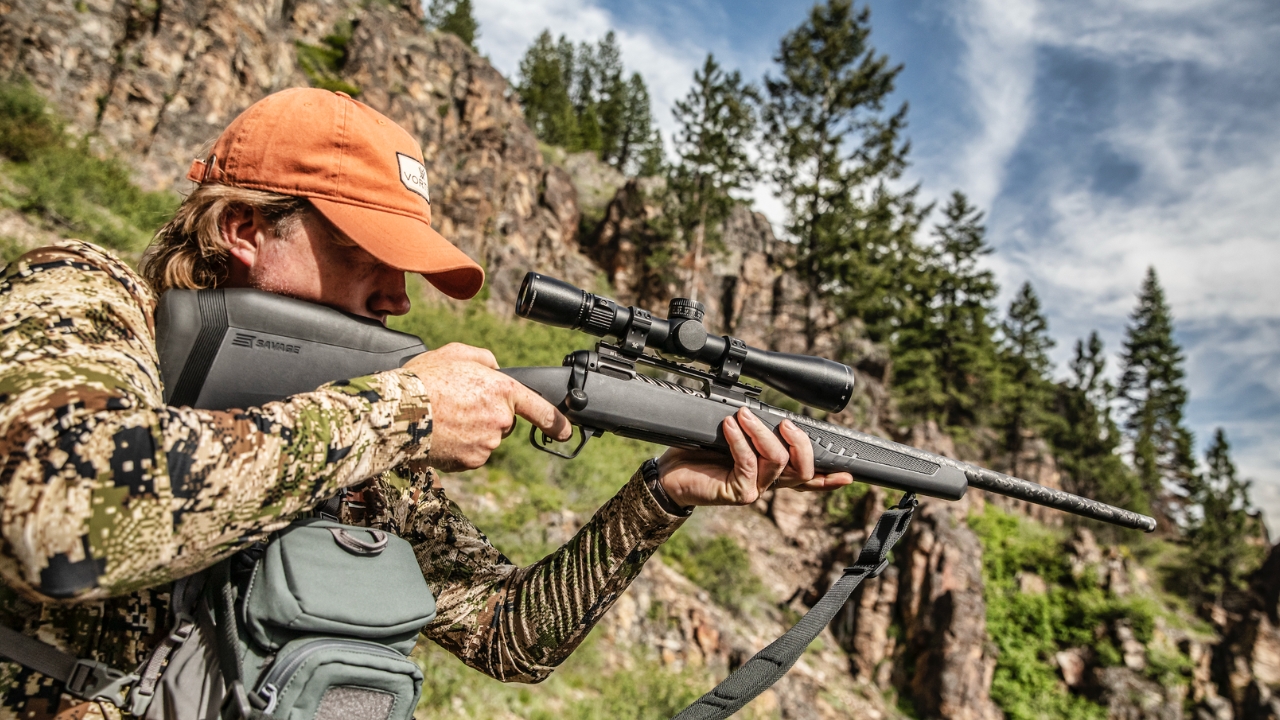
The Savage 110 Ultralite is a smart mountain rifle, but in .300 WSM it can surprise you the first time you run a box of ammo. That light weight makes recoil fast and abrupt, and it can turn a calm range session into a bruising one. Even shooters with good fundamentals often find they’re working harder to keep the crosshairs steady and press the trigger clean.
None of that makes it a bad rifle. It means you’re buying a specialized tool that asks more of you. If you’re not careful, you’ll convince yourself the rifle is “inconsistent” when what’s really happening is you’re bracing for the hit. The rifle shines in the mountains, but it’s not the easy, fun shooter many people picture.
Kimber Mountain Ascent in .300 Win. Mag

A Kimber Mountain Ascent is built to carry like a dream, and in a big magnum it can shoot like a nightmare if you’re not honest about recoil. The rifle is so light that full-power loads feel violent, and that changes how you grip, how you breathe, and how you break the shot. You’ll see it on paper fast: groups open up, and you start chasing your zero like the rifle is the problem.
In the field, a single shot on game can feel fine. The issue is the practice required to make that shot automatic. Many shooters buy a rifle like this for the idea of capability, then realize the cost is paid in bruised shoulders and limited range time. You can make it work, but it’s not the “easy power” purchase it looks like.
Remington 870 Super Magnum (3.5-inch)

The 870 Super Magnum in 3.5-inch sounds like more capability—more pellets, more range, more authority. Then you pattern it and shoot it, and you learn recoil has consequences. Heavy 3.5-inch loads can beat you up enough that you start blinking, lifting your head, or changing your mount. That makes follow-up shots slower and consistency worse.
The other surprise is that “more” doesn’t always pattern better. Sometimes it patterns different, sometimes it patterns worse, and you end up doing more work to get a clean pattern than you expected. Plenty of hunters run 3.5-inch guns well, but they’re usually dedicated turkey hunters who commit to patterning and technique. For most people, a 3-inch setup feels more controllable and often performs just as well in real hunting.
Mossberg 590 Shockwave

The Shockwave looks compact, tough, and intimidating. Then you shoot it and realize how much a stock matters. Without a shoulder stock, recoil control gets messy, the gun wants to climb, and fast, accurate hits become harder than they should be. You can run it, but it’s far more technique-dependent than the marketing vibe suggests.
You also lose repeatability. A stocked shotgun lets you mount the gun the same way every time, build a consistent cheek weld, and aim precisely. The Shockwave pushes you toward point shooting and compromise, and that’s where confidence starts falling apart beyond very close distances. It’s a fun range novelty and a niche tool, but most people who buy it thinking “home defense solution” learn quickly that a standard 18-inch shotgun with a stock is easier to shoot well.
Smith & Wesson 340PD

The S&W 340PD is the dream pocket revolver—ultralight, powerful, and easy to carry. Then you shoot full-power .357 and realize the weight that disappears in your pocket shows up as recoil in your hand. It’s sharp, it’s loud, and it can make even experienced shooters rush the trigger just to get the shot over with.
A lot of owners end up running .38 +P, which is smart, but it’s not what many pictured when they bought a “.357 snub.” The gun does what it’s supposed to do: carry effortlessly. The tradeoff is shootability, especially in fast strings. If you aren’t willing to practice with it—real practice, not a cylinder once in a while—it becomes a gun you carry but don’t trust. Shooting it makes that reality hard to ignore.
Ruger LCR in .357 Magnum

The Ruger LCR is a great carry revolver, but the .357 version often shocks people the first time they run real magnum loads. The recoil is abrupt, the blast is nasty, and the short grip can make the gun feel like it’s trying to rotate out of your hand. You can shoot it, but you’re not casually running fast drills without paying attention.
What usually happens is you discover the LCR shines with .38 +P, not because the gun can’t handle .357, but because you can handle the gun better. A carry revolver you practice with beats a “more powerful” one you avoid. Many buyers want the flexibility of .357 and then learn, through experience, that the practical load choice matters more than the rollmark on the barrel.
Glock 43X (for people expecting “full-size feel”)
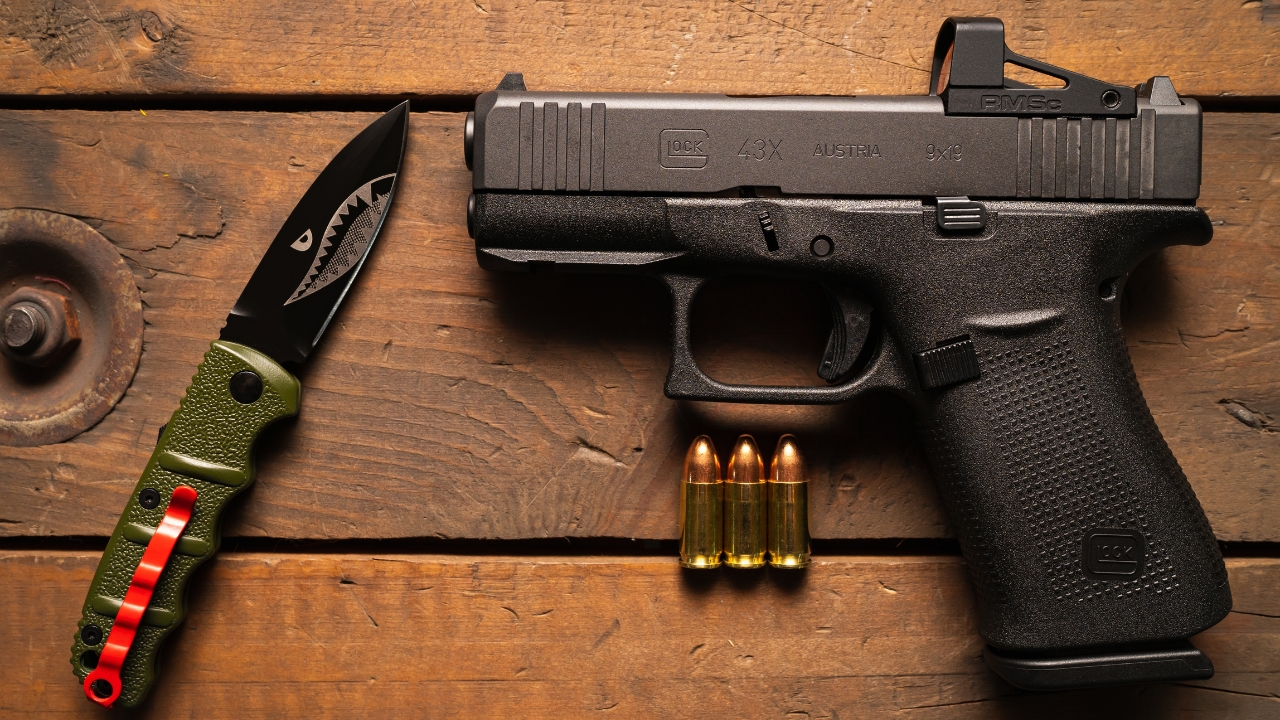
The Glock 43X gets bought by a lot of people who want “thin but still shoots like my bigger pistol.” Then they run it hard and realize a slim micro still moves more, the grip gives you less leverage, and fast strings take more discipline. It’s a very shootable slim gun—but it isn’t a compact duty pistol.
The disappointment usually comes from expectations, not performance. You’ll see the gun’s strengths immediately: easy carry, simple controls, reliable function. But when you start shooting at speed, the smaller contact patch shows up. If you don’t lock in your grip and follow through, your shots drift and your splits slow down. Many shooters end up carrying it and loving it—after they accept it demands a little more effort than the “it’s basically a 19” myth.
Springfield Hellcat

The original Hellcat is tiny, capable, and easy to conceal. Then you shoot it fast and understand the micro-compact tax: snappier recoil, shorter grip, and a sight picture that punishes sloppy trigger work. It’s not that it’s uncontrollable—it’s that it’s less forgiving when you’re pushing speed.
A lot of people buy it as their first serious carry gun and expect instant competence because the specs look great. The first range trip can humble you, especially if you try to run drills like you would with a compact. The fix isn’t complicated: better grip pressure, more reps, maybe a different backstrap or magazine base. But the point stands—micro guns demand more consistency from you. Shooting one shows you quickly whether you’re willing to pay that price.
SIG Sauer P365

The P365 changed the carry world, but plenty of people still have the same first-day reaction: “This is smaller than I expected, and it moves more than I thought it would.” In a short-grip configuration, your pinky is working for real estate, and that affects recoil control when you try to run it quickly.
The P365 can be extremely accurate and reliable, and many shooters end up loving it. The “until you shoot it” moment happens when you realize it’s not a cheat code. It’s a small pistol that carries easily, and small pistols require honest grip work. If you’re coming from a compact or full-size, you’ll notice the difference immediately. Most people trust it after training. The ones who don’t usually expected full-size behavior in a micro package.
Desert Eagle Mark XIX (.50 AE)

The Desert Eagle Mark XIX is an icon. Then you shoot it and realize it’s not a practical handgun—it’s a very specific experience. The gun is huge, heavy, and requires good technique and the right ammo to run reliably. The blast is intense, and recoil is more of a big shove that still disrupts your grip and sight picture.
Most people also learn it’s not something you casually train with. Ammo is expensive, magazines aren’t cheap, and the gun’s size makes it awkward for anything but the range. That doesn’t make it a bad gun. It means the fantasy doesn’t match the reality for most buyers. You buy it for the moment, the grin, the shockwave. If you expected it to feel like a “serious” sidearm you’ll master quickly, the first magazine usually corrects that expectation.
Smith & Wesson Model 500 (X-frame)

A Model 500 looks like ultimate handgun power. Then you shoot it and realize “power” is not the same thing as “useful.” The recoil is violent, the blast is punishing, and every shot demands full attention. You can’t casually work on fundamentals when your body is bracing for impact. Even experienced shooters often find the learning curve is steep and the fun-to-effort ratio changes after a few cylinders.
The Model 500 has legitimate roles for specialty hunting and big-animal backup, but that’s not why most people want it. Most people want the idea of it. Shooting it makes the reality clear: it’s heavy to carry, expensive to feed, and it’s not forgiving of sloppy technique. It’s an impressive tool, but it’s not a “more is better” purchase for the average shooter.
Barrett M82A1 (.50 BMG)

A Barrett M82A1 is the ultimate bucket-list rifle for many shooters. Then you shoot it and realize the rifle itself isn’t the hard part—everything around it is. The gun is heavy, awkward to transport, loud enough to feel in your chest, and expensive to feed. You don’t “practice” with it casually unless you’ve got the budget and space.
It’s also not a precision rifle in the way many people imagine. It’s a semi-auto .50 built for a specific purpose, and while it can be accurate, it’s not a benchrest rig. The first time you shoot one, you often walk away thinking, “That was awesome… and I don’t need to own it.” For many shooters, it’s better as a once-in-a-while experience than a firearm you build your skills around.
Kel-Tec KSG

The Kel-Tec KSG looks like the perfect compact shotgun solution. Then you shoot it and learn bullpup shotguns have quirks. The balance is different, the manual of arms is different, and recoil can feel sharper because the mass is closer to your body and the gun behaves differently under recoil. It takes real reps to run it smoothly.
The other “until you shoot it” moment is manipulation. Tube selection, loading, and clearing issues aren’t as intuitive as a traditional pump. When you’re calm, it’s manageable. Under speed, it can feel busy. Some people love it after training, and it can be reliable with the right technique. But many buyers expect a short 870 that handles the same way, and the first session teaches them it’s its own system—and it demands commitment.
IWI Tavor X95

The Tavor X95 sells the promise of a short rifle with a full-length barrel. Then you shoot it and notice the bullpup tradeoffs: trigger feel isn’t usually as crisp as a good AR, the ejection and noise are closer to your face, and reloads can feel slower until you build new habits. If you’re used to AR ergonomics, it takes adjustment.
Accuracy can be perfectly solid, and the rifle can run hard. The issue is expectation. A lot of people want it because it looks compact and modern, then realize the “compact” part comes with a different handling style. Once you learn it, it can be a great rifle, especially in tight spaces. But most shooters don’t want to put in the reps to become truly smooth with it. Shooting one makes that clear quickly.
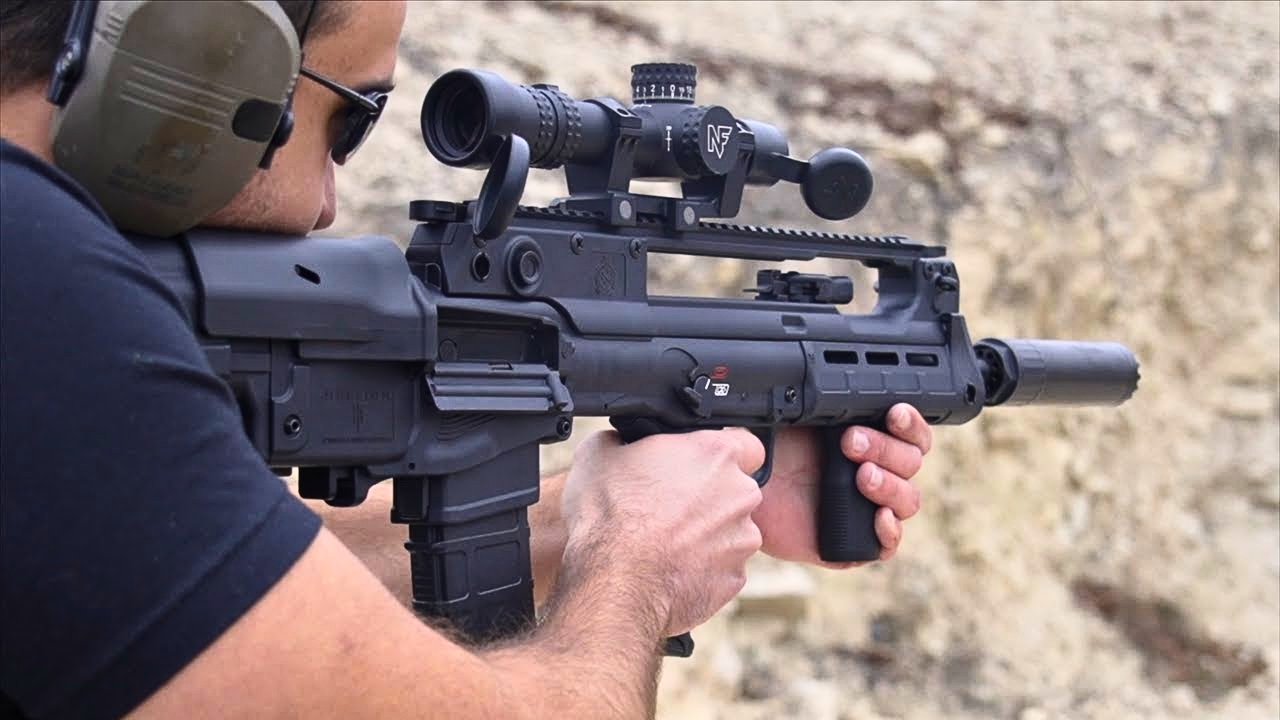
Springfield Armory Hellion (VHS-2)

The Hellion looks like a rugged, military-style bullpup that solves the length problem instantly. Then you shoot it and find out bullpups still feel like bullpups. The trigger is serviceable but not match-clean, the balance is rear-heavy, and the manual of arms requires you to rewire habits you’ve built on ARs.
It can be reliable and it can shoot well, but your first range session often feels awkward. Manipulations take more thought, and getting truly fast takes practice. The people who end up loving the Hellion are usually the ones who commit to learning it. The ones who don’t are the ones who wanted a “short AR” experience. Shooting it shows you quickly whether you want to invest in a different system—or stick with what you already run well.
Like The Avid Outdoorsman’s content? Subscribe to our newsletter so you never miss an article.
Here’s more from us: