Photo credit: Robert Woeger/Unsplash.com
A lot of dangerous animals look dangerous from a distance. Big teeth, heavy shoulders, sharp antlers, bad attitude, no mystery there. The real problem animals are often the ones people misread at first. They look slow, calm, awkward, small, or almost harmless until the distance is already wrong and the situation has already gotten stupid. By the time people realize what kind of animal they are actually dealing with, they are close enough for the animal to feel pressured, cornered, surprised, or ready to defend itself.
That is what makes these animals worth talking about. Some are dangerous because they hit fast. Some because they hold ground better than people expect. Some because they are strong enough to wreck a person without looking built for it. The common thread is that they lull people into the wrong kind of confidence. These are 15 animals that do not always look dangerous until you are already standing a whole lot closer than you should be.
Moose
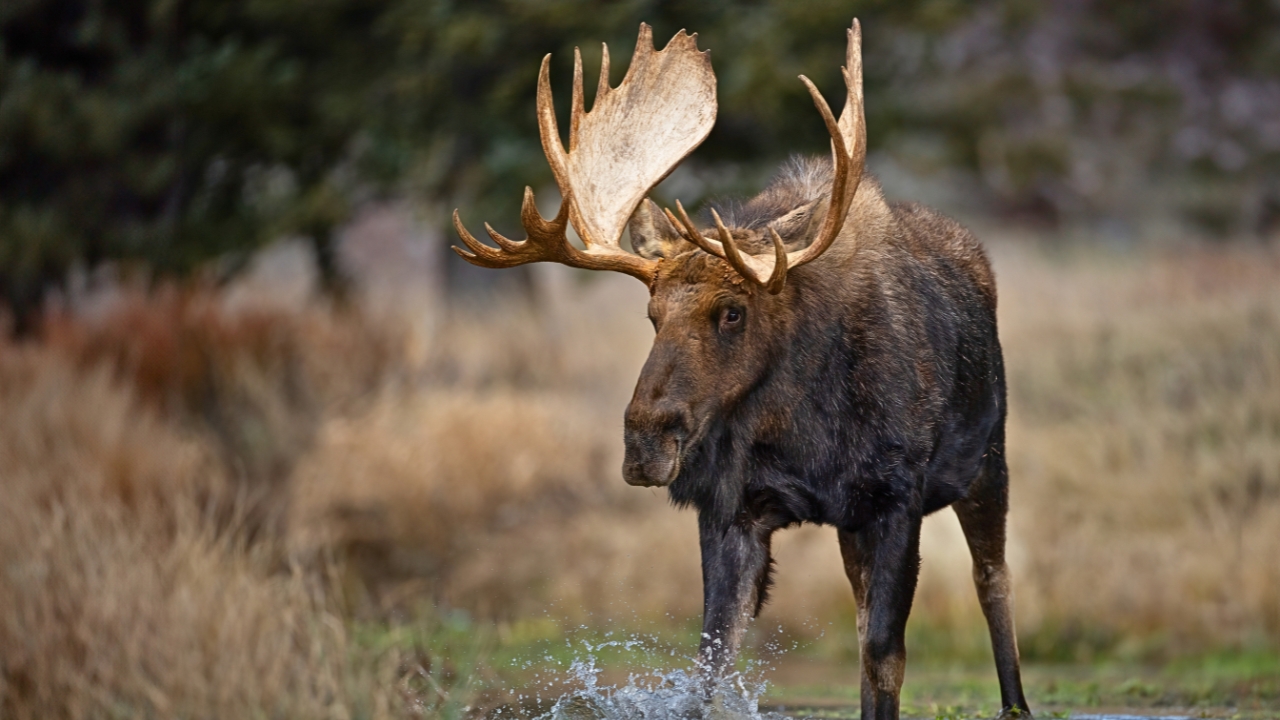
Moose fool people all the time because they do not move like classic predators. They are big, awkward-looking, and often seem more interested in feeding or standing there than in anything a person is doing. That creates a false sense of safety fast. People see a moose near a roadside, in a yard, or on a trail and assume the animal is calm just because it is not acting dramatic. That is a bad read. A moose does not have to be a predator to be one of the most dangerous large animals a person can crowd.
The trouble is how fast they can go from still to violent. A moose can charge, kick, stomp, and keep coming long after someone thought the danger window had passed. Cows with calves are especially rough, and bulls during the rut are not much better. Their size alone makes them dangerous, but the real issue is how many people do not take them seriously until the ears pin back, the body shifts, and they realize they are way too close to a very bad idea.
Bison

Bison can look almost lazy from a distance. They graze, stand around, and carry that heavy, slow look that makes tourists do incredibly dumb things around them every year. But there is nothing slow about a bison once it decides you are too close or too irritating to tolerate. People mistake calm for permission all the time, and that is exactly how they end up learning the hard way that a huge animal with a bad temper does not need much excuse.
What makes bison especially dangerous is that people treat them like scenery instead of livestock with an attitude problem and a gym membership. They are powerful, fast, and fully capable of launching someone into the air or trampling them into the dirt. By the time a bison gives you the body language you should have noticed sooner, you are often already inside the space where a bad choice becomes a hospital trip. They do not look sneaky dangerous, but they absolutely are.
Elk

Elk do not always strike people as immediately dangerous because they are often seen in scenic settings where folks are already in photo mode instead of paying attention. A bull elk standing out in a meadow can look majestic more than threatening, and cows often seem calm enough that people assume they are safe to edge closer to. That works right up until the animal decides you have crossed a line. Then the size, speed, and attitude all show up at once.
During the rut, bulls are especially easy to misread if someone has no experience around them. The bugling, posturing, and pacing can look dramatic and almost theatrical from a distance, but up close it means the animal is fully wound up and not thinking kindly about intrusion. Cows with calves are plenty dangerous too. Elk do not need to act like predators to be serious animals. If you are too close when one changes its mind, that lesson usually comes fast.
Wild hogs

A wild hog can look more like a nuisance than a real danger at first, especially if someone is used to seeing domestic pigs and assumes the difference is not that big. That is a mistake. A mature hog, especially a boar, can be fast, nasty, and fully willing to fight in tight quarters. People often do not take them seriously until they hear the popping jaws, see the body tense, or realize the hog they thought would run off is actually deciding whether to come through them.
Part of what makes hogs tricky is the setting. A lot of bad encounters happen in thick cover, around traps, near wounded animals, or in the kind of brushy places where visibility is already poor. That means by the time someone fully understands how close they are, the space to react is gone. Hogs are not always looking for a fight, but when they feel trapped or pressured, they can become dangerous in a hurry. They look dumpy right up until they are moving like a missile.
Cow moose with calves

A cow moose by herself may not draw the same attention as a bull, and that is part of the problem. People see what looks like a big, plain animal without antlers and assume the threat level is lower. Then they miss the calf tucked nearby or fail to realize the animal is already keyed up. A cow with calves can be mean in a way that surprises people who only think danger comes with antlers, claws, or obvious aggression.
The dangerous part is how quickly that maternal switch flips. A cow moose does not need to wait around and test your intentions. If she thinks you are too close, she may go straight to charging, stomping, or trying to drive you into the ground. That can happen on trails, in campgrounds, near roads, or even in neighborhoods where moose drift close to people. The animal may look plain compared to a rutting bull, but if calves are involved, that plain-looking moose can be one of the worst animals in the area to crowd.
Black bear

Black bears often do not look as dangerous as people expect big bears to look. A lot of them seem shy, curious, or almost clumsy when they are moving around camps, trails, or yards. That gets people relaxed in the worst way. They assume the bear is just nosy or scared off easily, and sometimes it is. But black bears are still powerful animals with teeth, claws, and enough confidence to become a real problem if they get too comfortable or feel cornered.
They also get underestimated because many encounters start quietly. A bear may just be feeding, walking through, or standing there watching. That makes people think they have more control over the moment than they really do. If the bear changes its mood, gets startled, or decides it does not want to give ground, the whole situation tightens up fast. By then, if you let the distance get too short, you are no longer having a cool wildlife moment. You are in a live problem with a strong animal that can do real damage.
Mountain goat

Mountain goats are one of those animals people often think of as hardy and impressive but not especially threatening. They are smaller than moose, not predators, and often seen in beautiful high country where people are already in sightseeing mode. That is exactly why they catch people off guard. A mountain goat can be aggressive, territorial, and surprisingly bold, especially if it is used to human presence or feels crowded in narrow terrain.
Their horns are no joke, and neither is the setting where many encounters happen. On steep slopes, tight trails, or rocky ledges, you do not need a full attack for things to get ugly. A goat that lowers its head, presses toward you, or reacts hard at close distance creates a situation where one bad step can matter as much as the animal itself. They do not look like headline-dangerous animals at first glance, but when you are too close on bad terrain, that changes in a hurry.
Javelina

Javelinas look almost odd enough that some people do not take them seriously at all. They are smaller than hogs, kind of stiff-looking, and often seen trotting around in a way that feels more strange than threatening. That is a mistake, especially when several are together. Javelinas can be aggressive when cornered, defensive around young, and bold enough to hold their ground if they feel pressured. People who assume they will always just scatter are sometimes wrong.
The problem is that they are often encountered at close range without much warning, especially in brushy country, around yards, or near trails where visibility is limited. That means someone may be nearly on top of them before the animal reacts. Once startled, they can charge, snap, and create real panic fast. They do not look like the kind of animal that can make a person regret being careless, but that look is misleading. Up close, a javelina can feel a whole lot more serious than it looked from ten seconds earlier.
Beaver

Beavers do not scare many people, and that is exactly why they deserve a place on a list like this. Most folks think of them as pond builders, not as animals that could actually hurt somebody. But a large beaver up close is not some soft cartoon thing with a funny tail. It is a heavy, strong rodent with sharp teeth, a low center of gravity, and plenty of ability to defend itself if cornered, trapped, or handled badly.
Most people are never going to get into trouble with a beaver because they are not going around crowding them. But when trouble does happen, it usually starts with underestimating the animal completely. Someone corners one along a bank, handles one wrong, or gets too close in the water and suddenly realizes this thing has a lot more fight in it than expected. They do not look dangerous because people do not mentally file them that way, but in the wrong moment a beaver can absolutely hurt you.
Swan

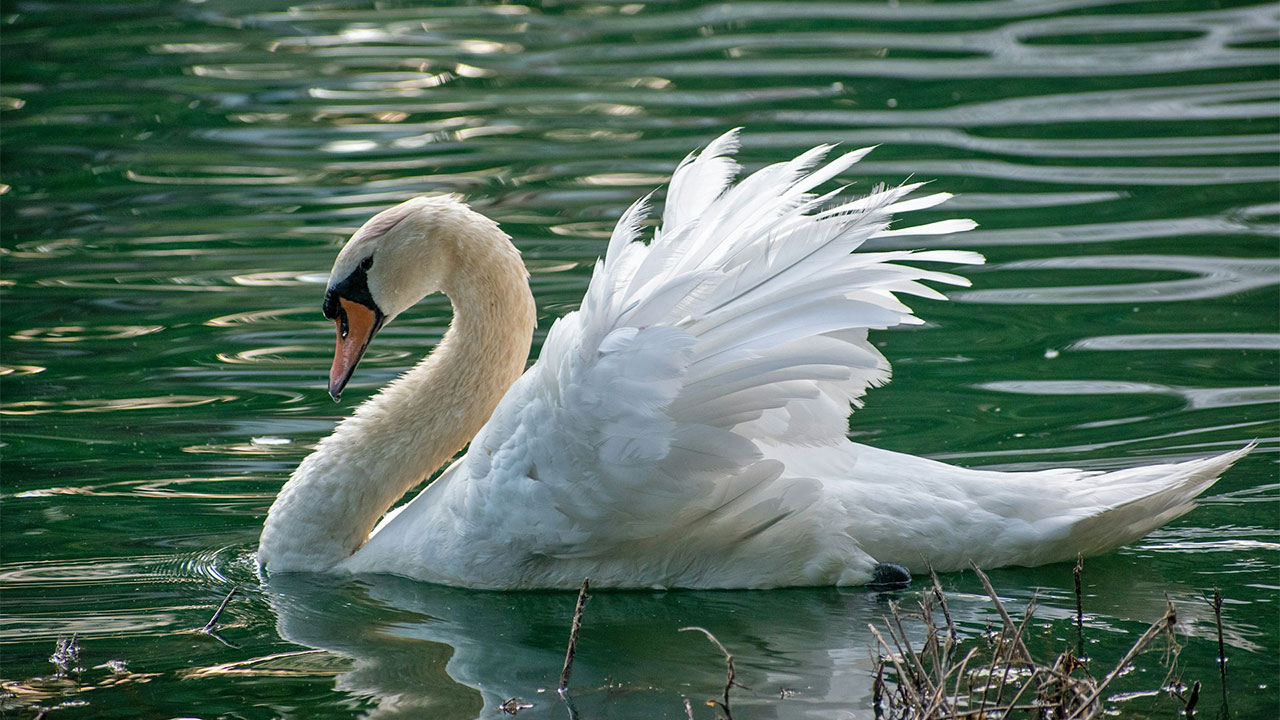
Swans get treated like decorative birds until they decide they have had enough, and then people find out real fast how much power a large bird can bring into close quarters. They look graceful on the water, almost delicate if you are not paying attention to their size. But a swan defending a nest, mate, or territory is a completely different thing. The wings, neck, and aggression all become a lot more serious once the bird stops being scenery and starts treating you like a problem.
The danger with swans is not that they are killing-machine animals. It is that people let them get too close because they do not respect the animal early enough. On foot, that can mean getting struck, chased, or knocked off balance. Near water, it can get even worse if panic and poor footing come into play. A swan looks elegant right up until it comes at you low and hard with that wingspan and attitude, and by then most people are already closer than they should have been.
Sea lion

Sea lions often come across playful, noisy, and almost goofy, which makes people want to treat them like oversized dogs at the marina. That is a terrible read. They are strong, fast in short bursts, and fully capable of biting hard if someone crowds them or acts stupid around haul-out areas. The problem is that they look expressive and social enough that people forget they are dealing with a big wild animal, not some dockside mascot.
A sea lion that feels cornered or irritated can turn aggressive fast, and people usually do not see it coming because they were focused on the novelty of being close instead of the risk. Around water, that is even worse. Slippery footing, low docks, and surprise movement all make a bad situation easier to create. They do not wear a dangerous look the way a shark or crocodile does, but a sea lion at close range can absolutely change somebody’s day in a hurry.
River otter
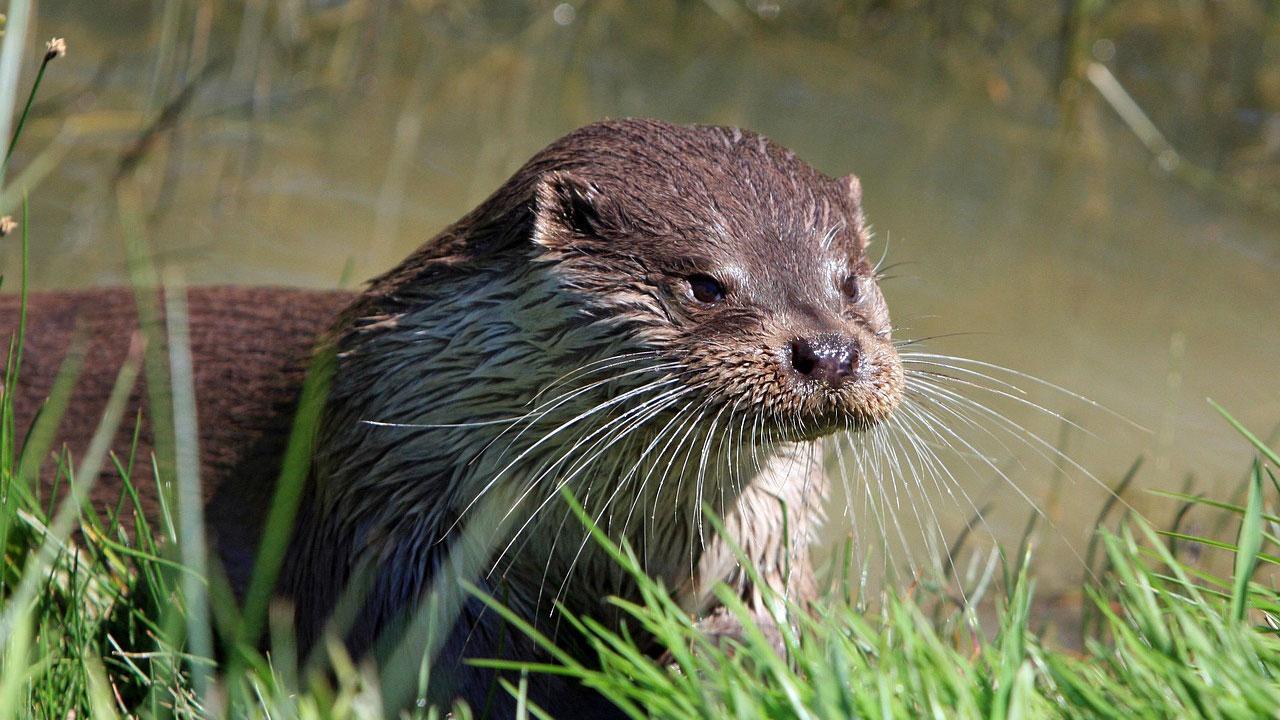
River otters look playful enough that people often treat them like harmless little water clowns. That image falls apart fast when one feels threatened or boxed in. Otters are quick, sharp-toothed, and a whole lot tougher than their size suggests. In most cases they avoid people, but when things go wrong, it is usually because someone got too close, trapped one, or encountered it in a way that removed its escape route.
The surprise factor is what makes them memorable. Nobody looks at an otter and immediately thinks serious bite hazard, but they should at least respect the possibility. They move fast, fight hard, and can do real damage with teeth designed for catching and holding prey. They are not one of the classic dangerous animals people warn each other about, which is exactly why someone can end up much too close before realizing this is not going to be a cute wildlife moment.
Musk ox

A musk ox can look shaggy, slow, and almost prehistoric in a way that makes it seem more strange than threatening. But that heavy-bodied look hides an animal that is built to stand its ground in harsh country and defend itself hard. People who think of danger only in terms of predators can badly misread an animal like this. A musk ox does not need claws to be a serious problem if you get too close and it decides you are pressure.
Their strength and group behavior matter too. These are animals built to face down serious threats, not melt away at the first sign of trouble. If one feels crowded, challenged, or trapped, that old, shaggy look stops feeling harmless real quick. Most people will never encounter a musk ox at bad distance, but that is not the point. The point is that if you do, you may realize too late that the animal you thought looked slow and weird is actually built like a battering ram.
Porcupine

Porcupines get dismissed because they are slow, awkward, and usually just trying to mind their own business. That makes people think they are harmless unless you do something incredibly foolish like try to grab one. But the danger with porcupines is exactly that people do not respect them enough. They let dogs get too close, crowd them for a better look, or fail to realize how quickly a defensive response can turn into a pile of quills in flesh.
For people, the danger is usually less dramatic than with a moose or hog, but it can still be serious depending on where those quills land and how panicked the situation gets. The bigger issue is how often people underestimate the animal completely until they are right in its space. A porcupine does not need to chase or roar to be dangerous. It just needs somebody to treat a heavily armed rodent like it is some harmless woodland decoration.
Bull

A bull might seem like an obvious danger to people who work around livestock, but to folks who do not, it often just looks like a big cow with attitude. That bad read has gotten plenty of people hurt. A bull standing still in a pasture does not always look dramatic, and that lack of visible drama is exactly why people get too close. They assume calm means manageable. It does not. A bull can decide in a split second that it wants you gone, and by then the closing speed gets real in a hurry.
What makes bulls especially dangerous is how normal they can seem right up until they are not. There is no requirement for them to give you a big theatrical warning. They can posture, bluff, or charge depending on the animal and the moment. Anybody who has spent real time around rough cattle knows the shift can happen fast and mean something immediately. They may look domestic, but if you get too close to the wrong bull, you find out quick that domestic does not mean safe.
Like The Avid Outdoorsman’s content? Be sure to follow us.
Here’s more from us: