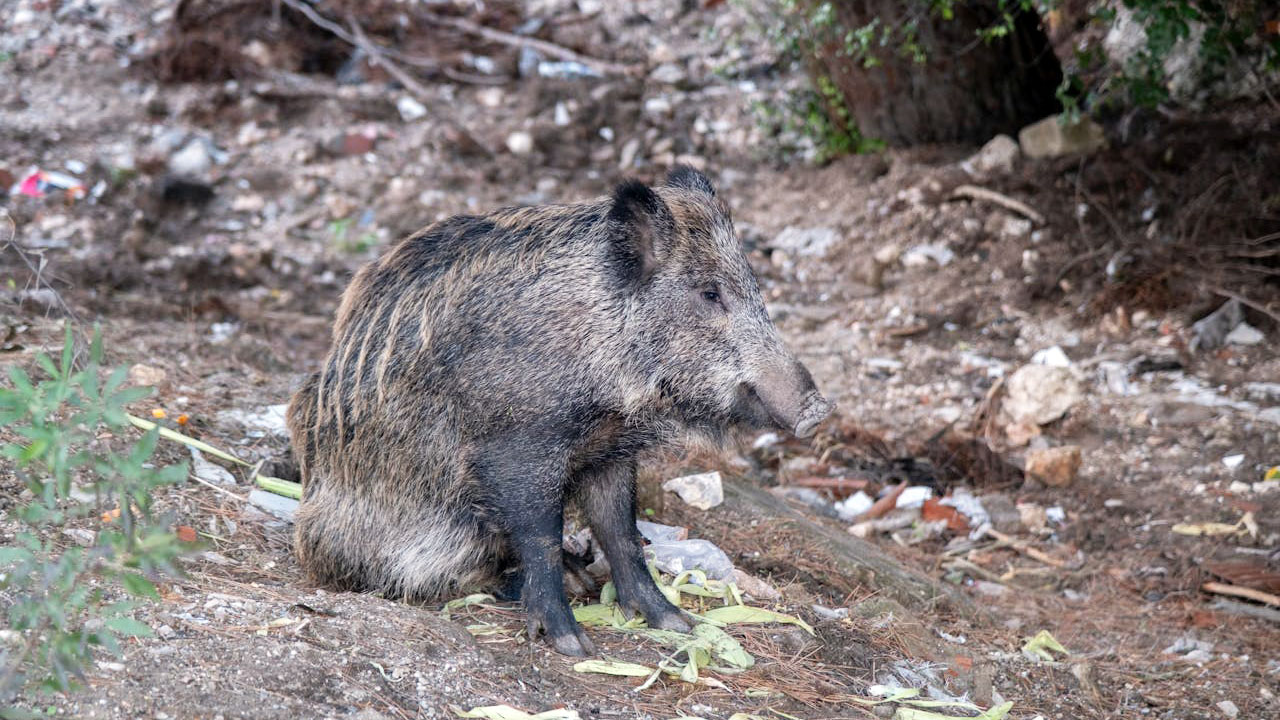
Photo credit: Doğan Alpaslan Demir/Pexels.com
Wild hog spread is one of those things that feels slow… right up until it doesn’t. One year it’s “they’re down by the river,” and the next year somebody’s posting trail-cam pics 40 miles away in a county that’s never had a hog problem. USDA tracks feral swine distribution by county year to year, and the map has kept expanding over time in a lot of regions.
A quick note before the list: in several states, agencies don’t want the public “hunting them for fun” because it scatters sounders and makes trapping and removal harder. So “hunters seeing sounders” often means hunters and landowners spotting them, reporting sign, and realizing the problem is now local—sometimes for the first time.
Texas

Texas is the baseline for what “spread everywhere” looks like. USDA’s county distribution shows feral swine in almost the whole state, and local reporting often reflects how normal sightings have become—even in built-up areas. A lot of folks mistake the situation as “they’ve always been here,” but what changes year to year is where they’re showing up—new subdivisions, new farm edges, and new creek systems that didn’t used to have consistent hog traffic.
The money side tells the same story. A Texas A&M publication notes massive agricultural losses and control costs tied to feral pigs, which is exactly what you see when sounders move into new ground and start rooting like they own it. If you’re a hog hunter in Texas, “new counties” might really mean “new parts of your county” that suddenly have pressure, damage, and groups moving through on a schedule.
Tennessee

Tennessee is one of the clearest examples of county-by-county expansion. TWRA says wild hogs went from being present in 15 Tennessee counties to being present in nearly 80 out of 95. That’s not a “few sightings” situation—that’s a statewide footprint shift that changes how farmers, hunters, and wildlife managers deal with damage.
This is also why Tennessee treats hogs as a serious invasive problem rather than a casual hunting opportunity. When you’ve got that kind of spread, the goal becomes containment and removal, not “let’s go shoot one.” Hunters are often the first to notice new sign—fresh rooting in food plots, wallows on creek edges, and tracks where there weren’t tracks last season—but the smart move is reporting and coordinated removal, not scattering the group and making them nocturnal.
Kentucky

Kentucky is a good example of a state trying to stop “new counties” from becoming “new regions.” Kentucky Fish and Wildlife has emphasized reporting and professional trapping, and it’s also moved to prohibit wild pig hunting because shooting into a sounder can blow them out and make them harder to eliminate. That alone tells you the state is focused on control, not recreation.
What hunters see on the ground is often the early stage: a trail-cam photo, a rooted-up corner of a field, or a set of tracks that doesn’t match deer. Kentucky’s messaging is basically: if you see them, don’t “handle it yourself,” because the goal is to keep small, isolated problems from turning into a county-by-county spread.
Ohio

Ohio is another state where the conversation is tied to confirmed breeding populations in specific counties, and those county lists matter because they show where hogs are established versus just passing through. Ohio DNR lists confirmed breeding populations in several southeastern counties. When people start reporting hogs outside those core counties, that’s the “new counties” alarm bell.
Ohio’s policy arguments have also been shaped by the idea that uncoordinated hog hunting can make elimination harder—scatter the sounder, push them nocturnal, and suddenly the same hogs show up in a neighboring county’s creek bottoms. You can see that theme echoed in news coverage around Ohio’s legislative push to restrict hog hunting while emphasizing removal.
Indiana

Indiana is a classic “they aren’t supposed to be here like this” story. Sightings have been reported across a noticeable share of the state’s counties, and that’s exactly how expansion looks early on—sporadic reports becoming consistent reports. Even if a lot of those sightings don’t represent established sounders yet, it shows pressure building outward.
For hunters, the pattern is familiar: the first sign shows up along a river corridor or a strip of cover between farms, then you get rooting in a bean field edge, then somebody sees multiple pigs at once. That’s when you’re no longer talking about “a stray pig” and you’re likely dealing with a small group that can multiply and spread fast if nobody hits them the right way.
Michigan

Michigan is messy because it includes both truly feral populations and controversy around escaped/contained “Russian boar” operations, but the bigger point is: pigs have been reported widely over time. Michigan’s invasive species reporting notes feral swine have historically been reported in a large share of Michigan counties. That kind of footprint creates lots of opportunities for “new county” reports as pigs pop up, disappear, and pop up again.
For hunters, Michigan’s “new county” moment often looks like trail-cam proof on a property that’s never had pigs, followed by quick damage—rooting, torn-up wetlands, and trashed food plots. The state emphasis tends to be on reporting and coordinated control because once pigs establish, they don’t stay politely contained.
Illinois

Illinois is interesting because the state’s posture is aggressive elimination, not acceptance. Illinois DNR and partners say they work to eliminate feral swine and encourage reporting when pigs are found. At the same time, Illinois materials have noted that many counties have reported feral swine presence at some point—often tied to escapes, dumped domestic pigs, or intentional releases.
That combination creates a “whack-a-mole” feel: hogs show up in a new county, photos hit Facebook, and then agencies want the location details so they can remove them before a breeding group settles in. Hunters are often the ones who get the first confirmation because they’re the ones sitting quiet on field edges and checking cameras in the back corners.
Missouri

Missouri is one of the few states that can honestly say its elimination efforts are moving the needle. University of Missouri Extension reported feral hog occupancy of Missouri watersheds has fallen sharply since the state’s partnership effort began, with thousands removed annually through trapping and aerial operations. That’s real progress, and it matters.
But “progress” doesn’t mean “done.” Missouri’s situation shows how spread works: you can reduce occupancy hard, and still have hunters and landowners bump into sounders in places that didn’t have them last season—especially if even a few groups slip through in rough cover. The state’s approach is basically: don’t turn it into a sport hunt that scatters pigs; treat every report like a target for removal.
Oklahoma

Oklahoma is one of the core hog states where county-level spread is an ongoing reality. USDA’s county distribution consistently shows established feral swine presence across wide parts of the state, which is exactly why “new counties” keeps coming up around farm country edges and river systems. In states like this, hogs don’t need help to spread—they just need corridors and cover.
What hunters notice is that hogs show up where the groceries are: crops, acorns, and any wet low ground that holds water. When a sounder discovers a new pocket of cover near agriculture, they can set up shop fast. If you’re seeing fresh rooting in a county that “never had hogs,” that’s usually not a one-night visit—it’s the start of a pattern unless removal is fast and coordinated.
Arkansas

Arkansas fits the same expansion recipe: thick cover, water corridors, and a lot of mixed ag/timber habitat. USDA’s county distribution shows feral swine established across many areas, and that footprint has been one of the most stubborn in the country. With that much connected habitat, it’s easy for hogs to slide into counties that used to be “quiet.”
For hunters, Arkansas hog spread often shows up as sounders using creek bottoms like highways. One farm gets hit, then the next farm down the drainage gets hit, then suddenly you’ve got multiple counties seeing the same kind of damage. The hard truth is hogs don’t spread like deer. They spread like a problem—fast and aggressively—once they find food and cover.
Louisiana

Louisiana’s habitat makes hog movement easy: wetlands, timber, and agricultural edges all connected by water. USDA’s county distribution reflects established feral swine presence in the state. When water levels shift and food availability changes, hogs move, and that’s when “new county” reports spike—especially after floods, storms, or heavy pressure in one area.
From a hunter’s angle, Louisiana hogs are often nocturnal and tight to cover, so you might not “see” them until the damage is obvious. Once a sounder starts hammering a field edge, it won’t stop on its own. That’s why Louisiana has long treated hogs as a nuisance and damage issue first, and why hunters on the ground end up being the early warning system.
Mississippi

Mississippi’s hog spread is fueled by the same combination: strong cover, abundant food sources, and travel corridors that cross county lines without anyone noticing until the rooting shows up. USDA’s county distribution shows established feral swine populations in Mississippi. That baseline presence makes it easier for pigs to push outward in waves.
Hunters in Mississippi often report the “new county” moment as a sudden run of trail-cam photos—multiple pigs, multiple nights, same route—usually along a creek or cutover edge. If you get that pattern, assume they’re already comfortable there. The worst thing you can do is pop one and scatter the group, because now you’ve got the same pigs living harder, moving later, and spreading farther.
Alabama

Alabama is another state where hogs have a long foothold, and “new counties” often means new pockets getting hit where they weren’t a regular problem before. USDA’s distribution tracking shows established populations across Alabama. In these southern states, expansion isn’t always a dramatic new invasion—it’s the slow filling-in of gaps.
For hunters, Alabama sounders tend to show up where there’s soft ground, water, and feed. That can be a hardwood bottom, a planted field edge, or a cutover that’s grown up enough to hold pigs in daylight. When they start bedding in cover and feeding in ag at night, you’ll see damage first, then tracks, then finally the pigs. By that point, they’re already local.
Georgia

Georgia has one of the biggest hog problems in the U.S., and USDA tracking reflects broad established presence. The “new county” story in Georgia often happens in places that used to have mostly small pockets—then one good food year, one mild winter, and now you’ve got multiple sounders working new ground.
Georgia hunters see this especially around crops and timber interfaces. Hogs don’t mind pressure, but they adjust to it. When they get pushed off one tract, they don’t disappear—they relocate, sometimes into a neighboring county where folks haven’t been dealing with them much yet. That’s why spread feels sudden. It isn’t sudden. It’s just finally visible.
Florida

Florida’s warm climate and habitat diversity make hogs hard to keep contained. USDA’s county distribution shows established feral swine presence in Florida. In practical terms, that means hogs can be active year-round and keep expanding into places that “used to be clear,” especially around agriculture and suburban edge habitat.
For hunters, Florida sounders showing up in new counties can look like pigs using canals and wetlands as travel lanes, then hitting sod farms, cattle ground, or row crops. You’ll also see hogs pop up in unexpected places near people because they follow food and cover, not county lines. If a Florida county starts getting consistent reports, it usually doesn’t go back to “no hogs” without a serious, coordinated removal push.
Like The Avid Outdoorsman’s content? Subscribe to our newsletter so you never miss an article.
Here’s more from us: