Photo credit: Reidastexturas/Pixabay.com
A whole lot of snakebites start the same way: somebody decides to “help.” They try to move a snake off the road, pick one up out of the yard, free one from netting, nudge one with a shovel, or grab one because it looks slow, tired, cold, or harmless. That is exactly the kind of thinking that gets people tagged. The CDC says most bites happen when people try to catch or kill venomous snakes, and Texas Parks and Wildlife says the majority of bites come from unnecessary or foolish risks with venomous snakes. Snakes bite when they feel threatened, cornered, or trapped, not because they woke up looking for a fight.
So this list is not a guide to handling snakes. It is the opposite. These are the kinds of snakes people most often misjudge when they get the urge to “help,” and that mistake can get ugly fast. Some are venomous. Some are nonvenomous but defensive enough to make you regret getting involved. Either way, the smartest move is usually simple: leave it alone, give it room, and call a trained local wildlife professional if the snake is truly in danger or creating an immediate safety issue.
Copperheads

Copperheads are near the top of this list because people constantly underestimate them. They blend in so well with leaves, mulch, pine straw, flower beds, and wood lines that folks often do not even realize they are dealing with one until they are already too close. North Carolina Wildlife says many copperhead bites happen when people try to capture, kill, or handle them, and that tracks with how these bites usually play out in the real world. Somebody thinks the snake is small, calm, or easy to relocate, then reaches in like this is going to be a quick little rescue.
What makes copperheads especially bad for the “I’m just helping” crowd is that they do not need to look dramatic to be dangerous. They are not always coiled up putting on a big warning show. A lot of times they are just sitting still and trusting camouflage to do the job. That lulls people into trying to scoop them, pin them, or move them with a tool. Then the snake finally reacts at close range, which is exactly where you never wanted to be in the first place.
Cottonmouths
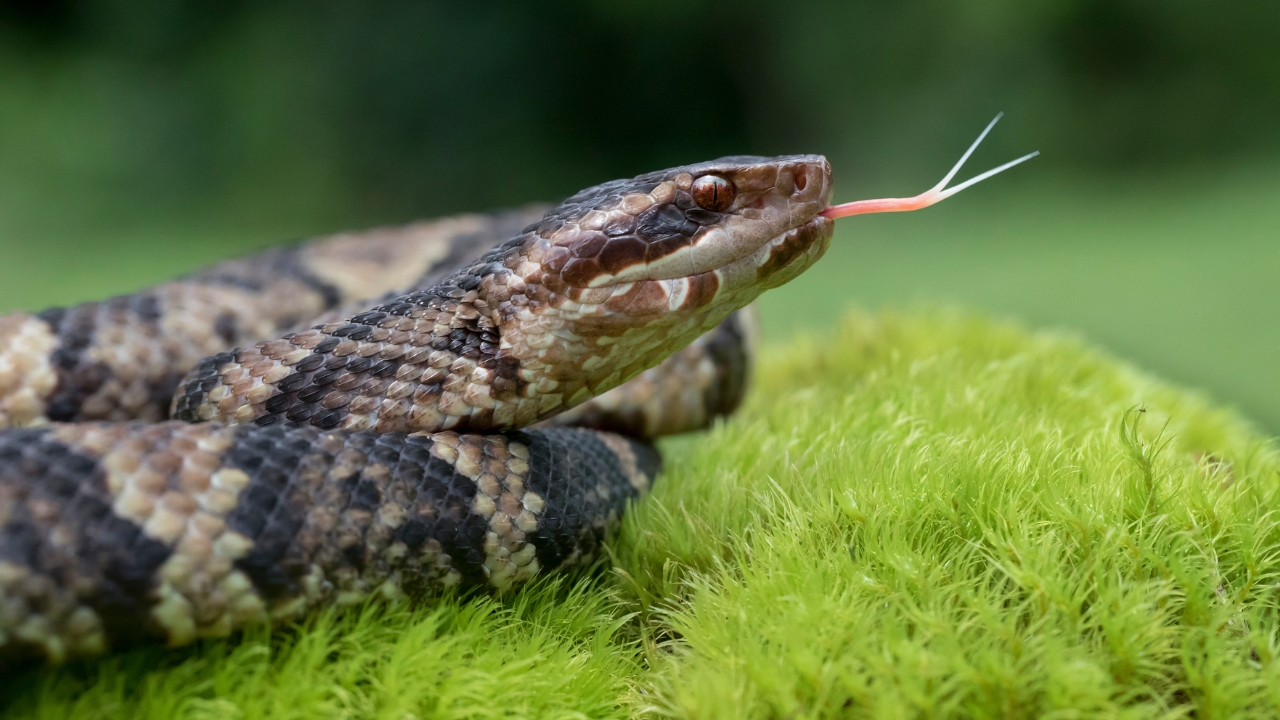
Cottonmouths get misread because people either overreact to every water snake on earth or swing too far the other direction and act like a real cottonmouth is no big deal. That second group is the one that gets in trouble trying to “save” one from a road, move one from a pond edge, or push one away from a dock or boat ramp. Texas Parks and Wildlife notes that bites usually happen when snakes are surprised, cornered, or handled, and cottonmouth country gives people a lot of chances to do all three in one bad decision.
They are also the kind of snake people try to manage with confidence they have not earned. A cottonmouth near water already has escape routes, cover, and bad footing working in its favor. Once a person steps in and starts “helping,” the whole situation gets tighter fast. The snake is stressed, the person is overcommitted, and suddenly nobody is where they should be. That is why trying to move a cottonmouth yourself is one of those ideas that sounds kind in your head and dumb in the emergency room.
Timber rattlesnakes
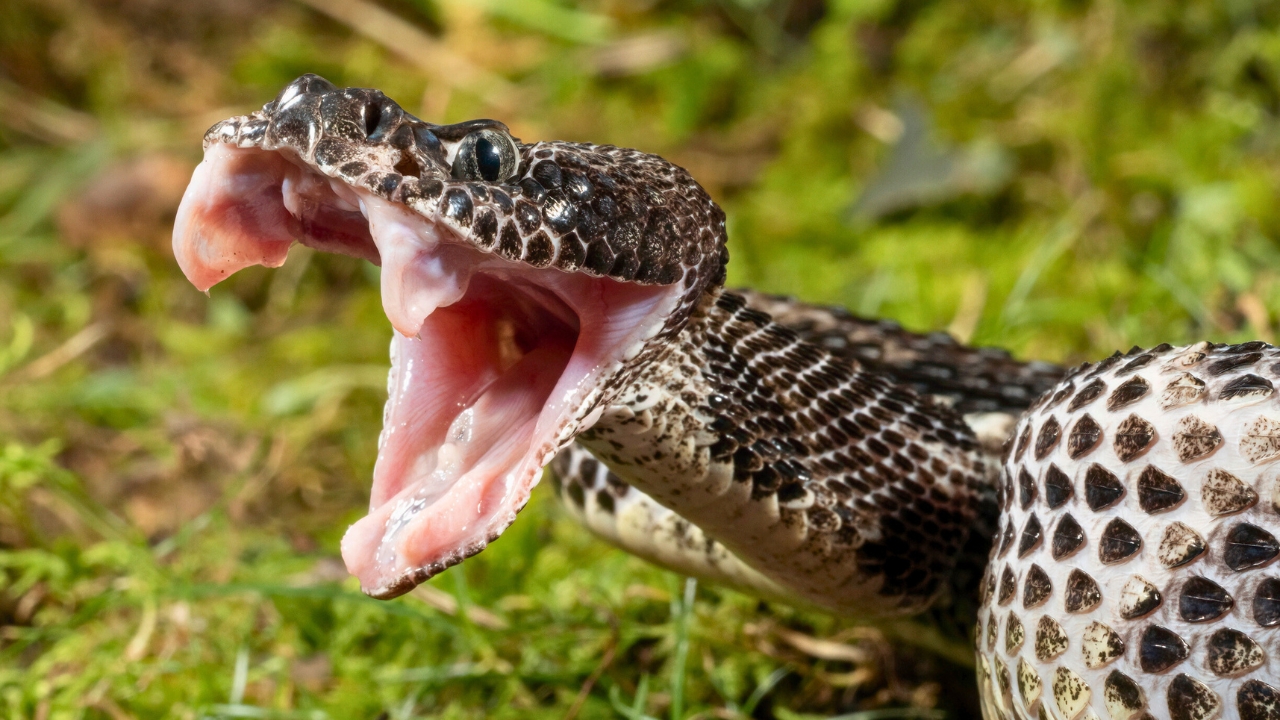
Big rattlesnakes fool people in a different way. Their size makes some folks respectful, but it also makes others think they are easy to read. They assume a big timber rattler will stay put, give a long warning, or be simple to steer off a trail or road. National Park Service guidance says not to harass or attempt to kill snakes and to keep your distance, because serious bites often happen when people provoke them instead of backing off. That matters with timber rattlers because a calm-looking snake can turn into a very serious problem the second somebody tries to play hero.
Another issue is that people see a large rattlesnake and think they have enough time to “do something.” That usually means a stick, a rake, a shovel, or some half-baked plan to drag it out of the way. Big rattlers are still fast enough to make that plan look stupid in a hurry. Once you shorten the distance and start trying to direct the snake’s next move, you are gambling on timing against an animal that has done this a lot longer than you have.
Western diamondbacks

Western diamondbacks are probably one of the clearest examples of a snake people should never try to help on their own. They are common around the kinds of places where people get too comfortable: ranch roads, outbuildings, brush piles, fence lines, feed areas, and warm edges around homes. Texas Parks and Wildlife says most bites happen because people take needless risks with venomous snakes, and the western diamondback is exactly the snake that punishes that kind of thinking.
The big mistake is assuming the rattle gives you all the information you need. It does not. A rattlesnake may not rattle right away, may be partly hidden, or may strike from a spot you did not expect once you try to move it. People hear one, think they know where it is, and start inching in like they are going to solve the problem with a garden tool. That is not helping. That is forcing a venomous snake into a close-range decision, and the snake usually chooses the option you should have expected.
Pygmy rattlesnakes

Pygmy rattlers get people because they do not look like much at first glance. They are smaller, easier to miss, and easy for a non-expert to dismiss as some harmless little snake that just needs relocating. That is a bad read. The CDC warns that even small or juvenile venomous snakes have potent venom, and that is the kind of reminder more people need when dealing with smaller rattlers. Little does not mean low-risk.
These are also the snakes that invite sloppy confidence. Somebody sees a short snake, figures it cannot strike far, and goes from curious to hands-on way too fast. That is how bites happen. Smaller venomous snakes are often the ones people treat casually because they do not look as intimidating as a full-grown diamondback or timber rattler. The snake does not care what impression it made on you. If you corner it trying to “help,” it will answer like a rattlesnake.
Coral snakes
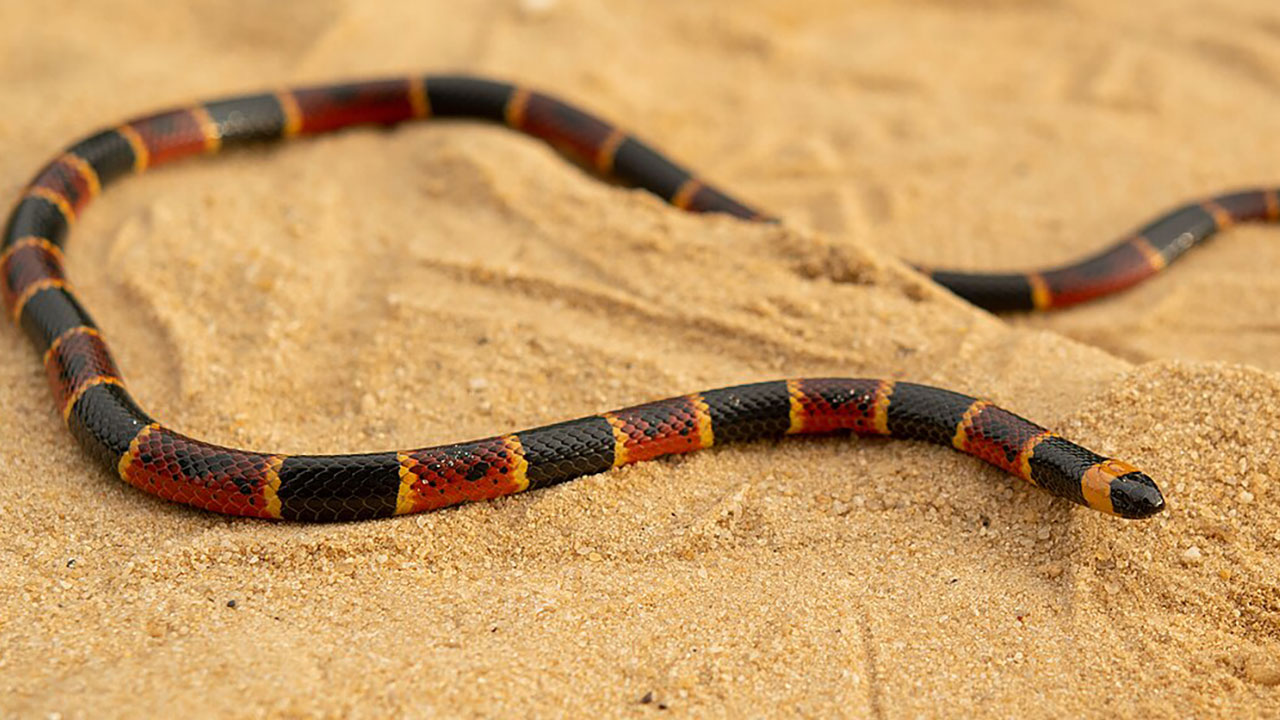
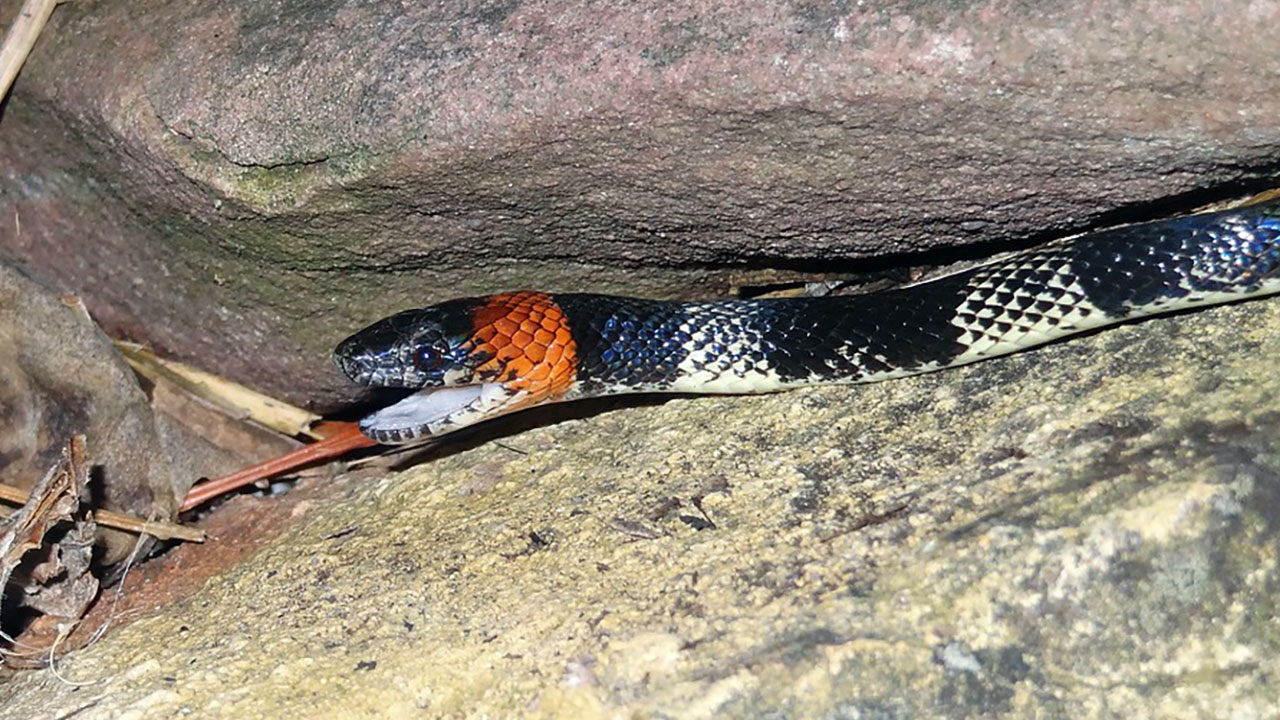
Coral snakes draw the wrong kind of curiosity. Their colors make people want to get closer, confirm the ID, take a picture, or talk themselves into thinking they are dealing with a harmless lookalike. That alone is a problem. Add in somebody trying to move one from a driveway, patio, garage, or pool area, and you have the kind of unnecessary contact Texas Parks and Wildlife keeps warning people about. Venomous snakes should be left alone, period.
The trouble with coral snakes is not that people encounter them constantly. It is that when they do, some folks act like the small size and slender build make them manageable. That is exactly backward. A venomous snake that is hard to read, easy to mishandle, and often found in tight cover is not something you should be trying to “save” with your own two hands. The better move is the boring one: back off, control the space, and let somebody qualified deal with it.
Juvenile rattlesnakes
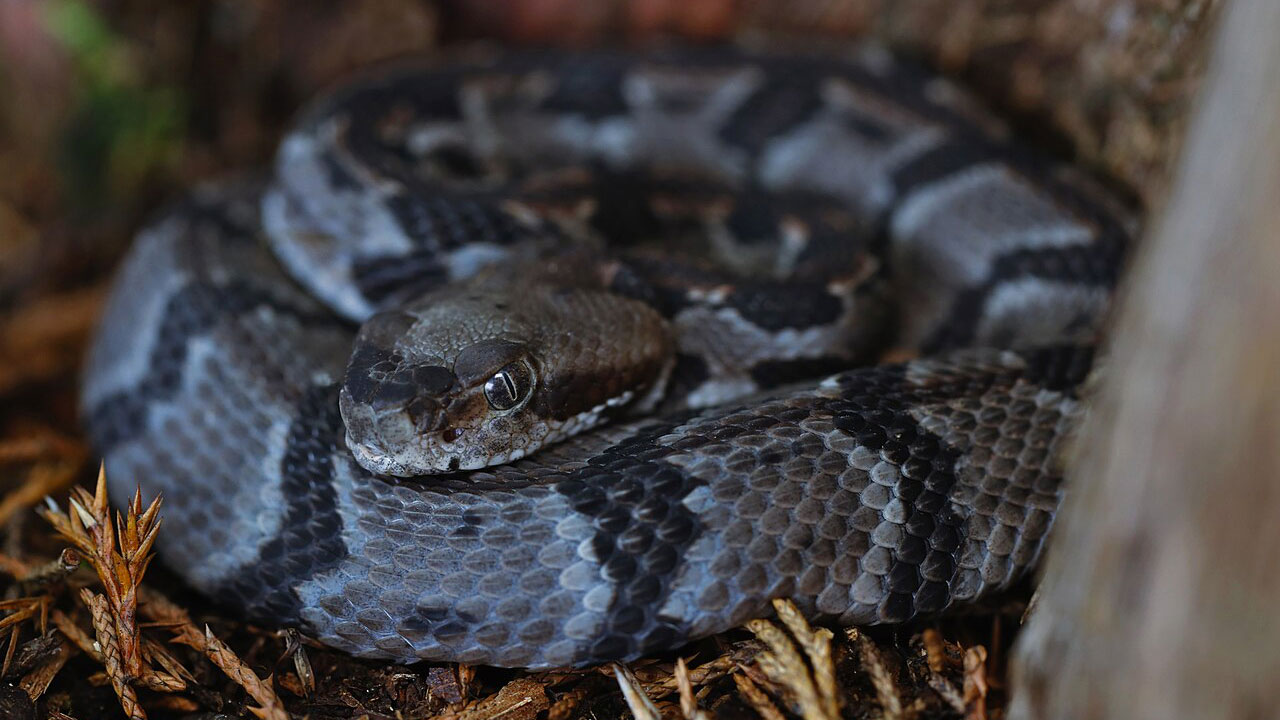
Juvenile rattlesnakes deserve their own spot because people make two bad assumptions about them. First, they assume small means less dangerous. Second, they assume a young snake will be easier to spot or hear. Neither is a safe bet. CDC guidance specifically warns people not to disregard bites from small or juvenile venomous snakes because their venom is just as potent as an adult’s. NPS also warns that baby rattlesnakes may not have rattles, and adult rattles can break off.
That matters because a lot of “helping” starts after somebody talks themselves into thinking, “It’s just a baby.” Then they try to move it with a stick, bucket, or gloved hand and learn a lesson the hard way. Young rattlers are often harder to notice, easier to misread, and more likely to be treated casually by people who should know better. That combination makes them one of the worst snakes to get near when your plan depends on everything going exactly right.
Rat snakes

Now we get into the nonvenomous crowd that still likes to remind you they are not props. Rat snakes are one of the most commonly mishandled snakes around homes, barns, coops, and garages because people know they are useful and harmless to humans in the bigger picture. So they decide to help one out of netting, move one from a chicken coop, or relocate one from a porch. The problem is that rat snakes can be defensive, muscular, and surprisingly good at turning a simple grab into a mess of bites, musk, and flailing.
People get in trouble with rat snakes because they mistake nonvenomous for cooperative. It does not work that way. A stressed rat snake can twist, strike repeatedly, and turn your nice little rescue idea into a scene. It may not be life-threatening the way a venomous bite can be, but it can still leave you bleeding and looking foolish. More than that, it can escalate the snake’s stress and make the whole situation worse for the animal you claimed you were trying to help.
Black racers
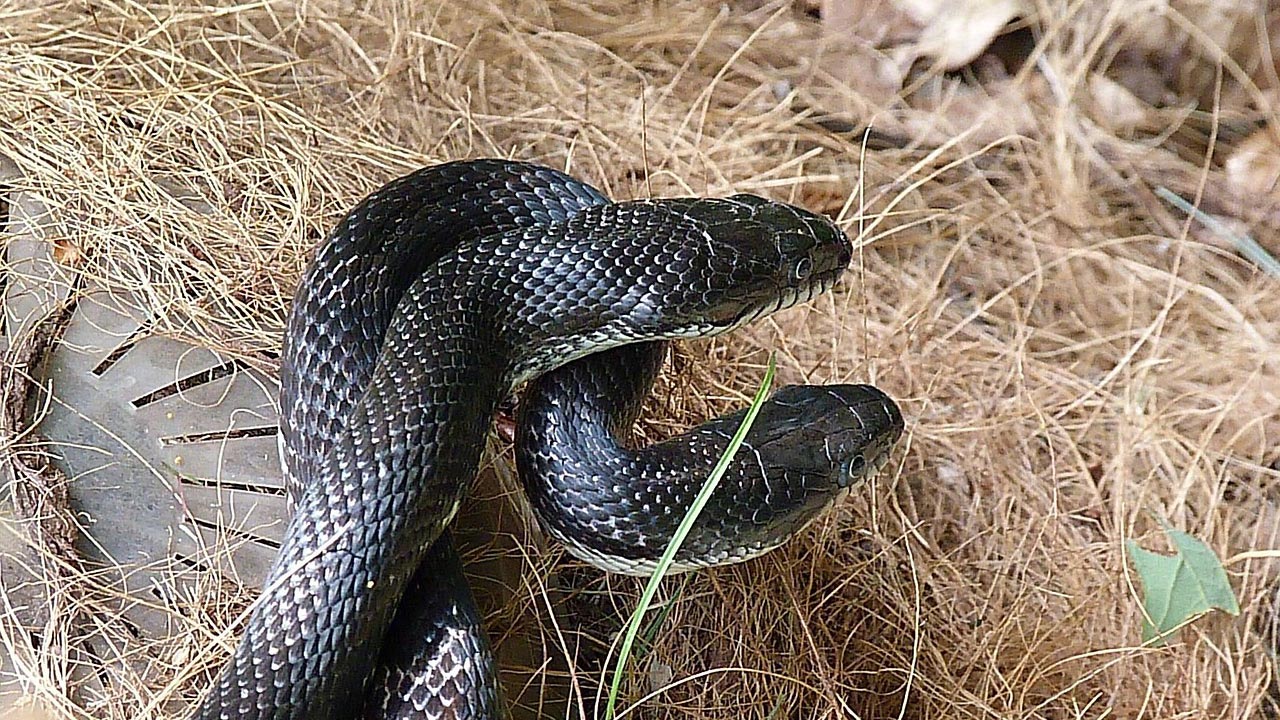
Black racers are built to make overconfident people regret reaching for them. They are fast, alert, and usually gone before a smart person gets close, but that speed also tempts some folks to corner them because they think they have to act fast. Bad idea. When you trap a racer in a garage, along a fence, or against a wall, it often goes from flight to fight in a hurry. That is when the “I was only trying to get it out of the house” story starts writing itself.
Racers also get handled more than they should because they are familiar. People see a long, dark, nonvenomous snake and decide it is no big deal. Then they find out no-big-deal snakes can still tag you several times before you even get a solid grip. A racer is one of those snakes best helped by giving it an exit and getting out of the way. The second you decide your hands need to be part of the solution, the odds usually get worse.
Kingsnakes
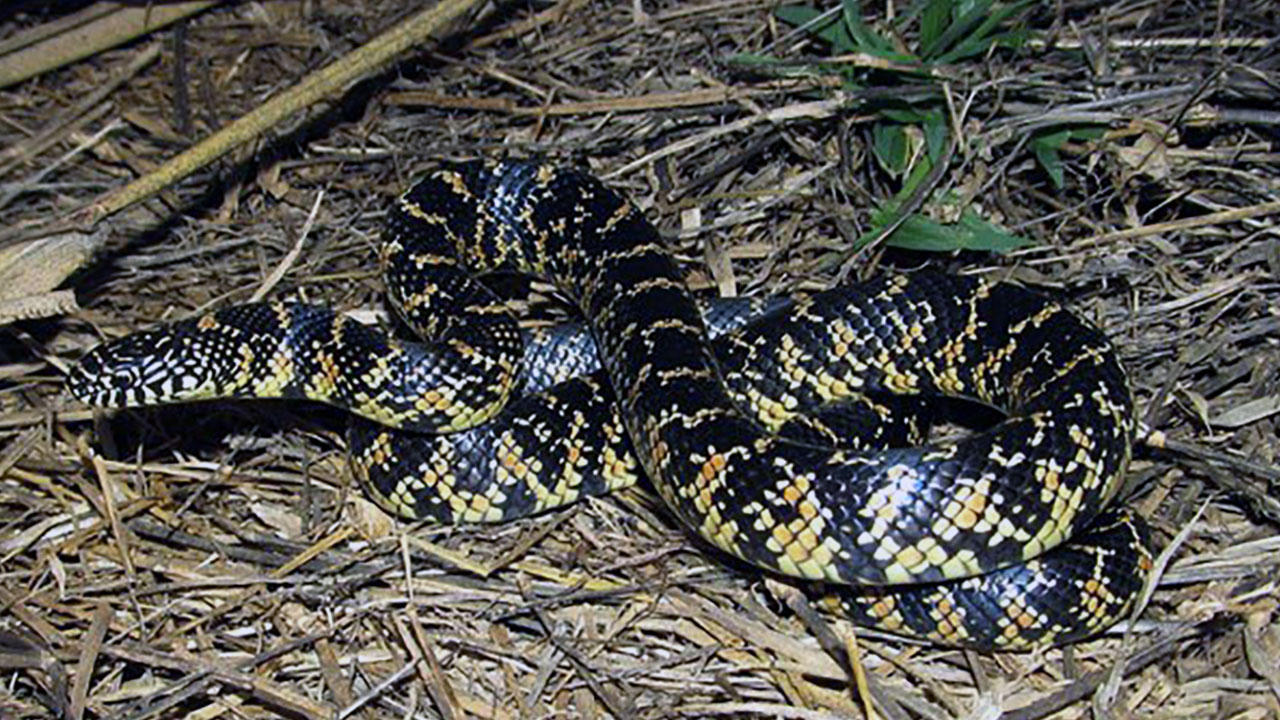
Kingsnakes have a reputation that gets them in trouble with people. Because they eat other snakes and are generally viewed as the good guys around a property, people get way too comfortable trying to move them out of sheds, garages, roadways, and livestock areas. The logic is always the same: it is a helpful snake, so helping it must be easy. That logic falls apart the second the snake feels pinned and starts defending itself.
A kingsnake is not usually the hardest biter on the list, but it is one of the snakes most likely to be mishandled by well-meaning folks who think familiarity equals safety. That is really the theme of this whole article. The snakes people “help” most are often the ones they think they understand. With kingsnakes, that false comfort is what gets hands too close and good judgment too far away.
Garter snakes
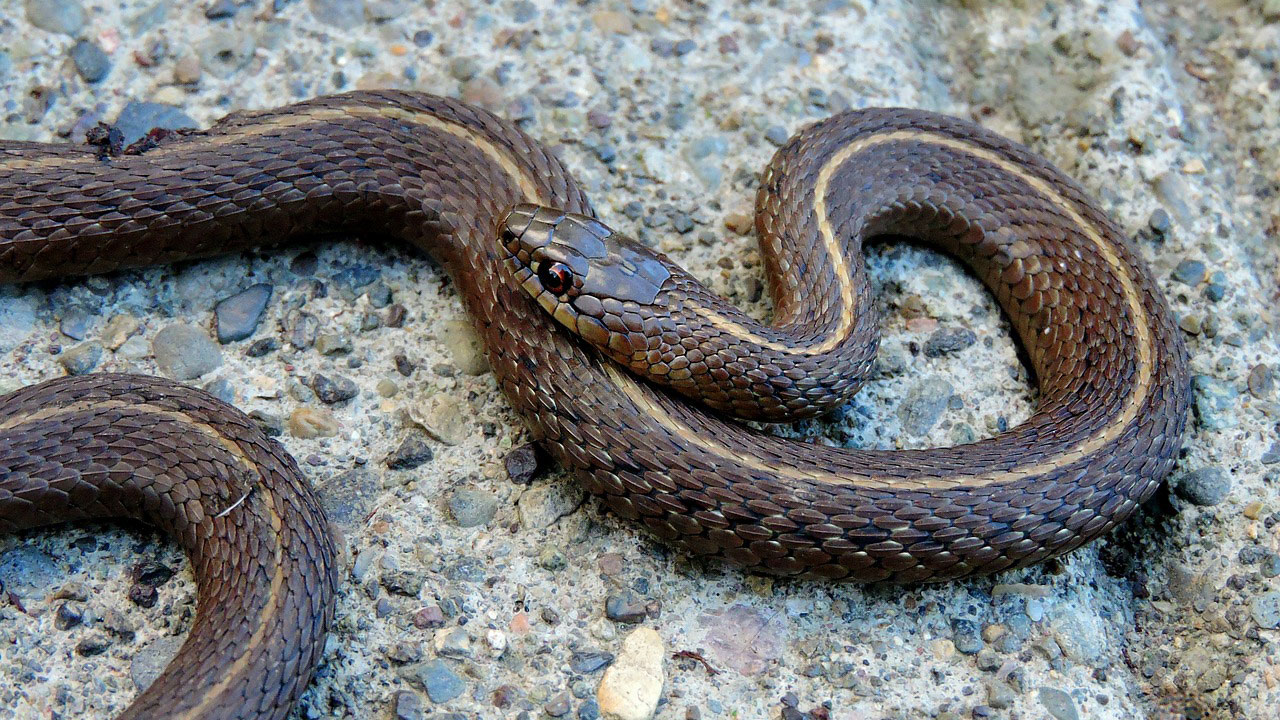
Garter snakes are another classic example of people doing too much because the snake seems harmless. Kids pick them up. Adults scoop them out of flower beds. Somebody moves one from a pool skimmer with bare hands because they think it is basically the reptile version of helping a frog across the road. Then the snake panics, bites, writhes, and suddenly the whole family is acting like they found a king cobra in the yard.
No, a garter snake is not the same level of danger as a copperhead. But that is not really the point here. The point is that “helping” often means creating stress where none needed to exist. Garter snakes are one of the most likely snakes to get grabbed simply because they are common and small. That alone earns them a place on this list. The easiest way to avoid a bite is to quit treating every snake encounter like a hands-on project.
Water snakes
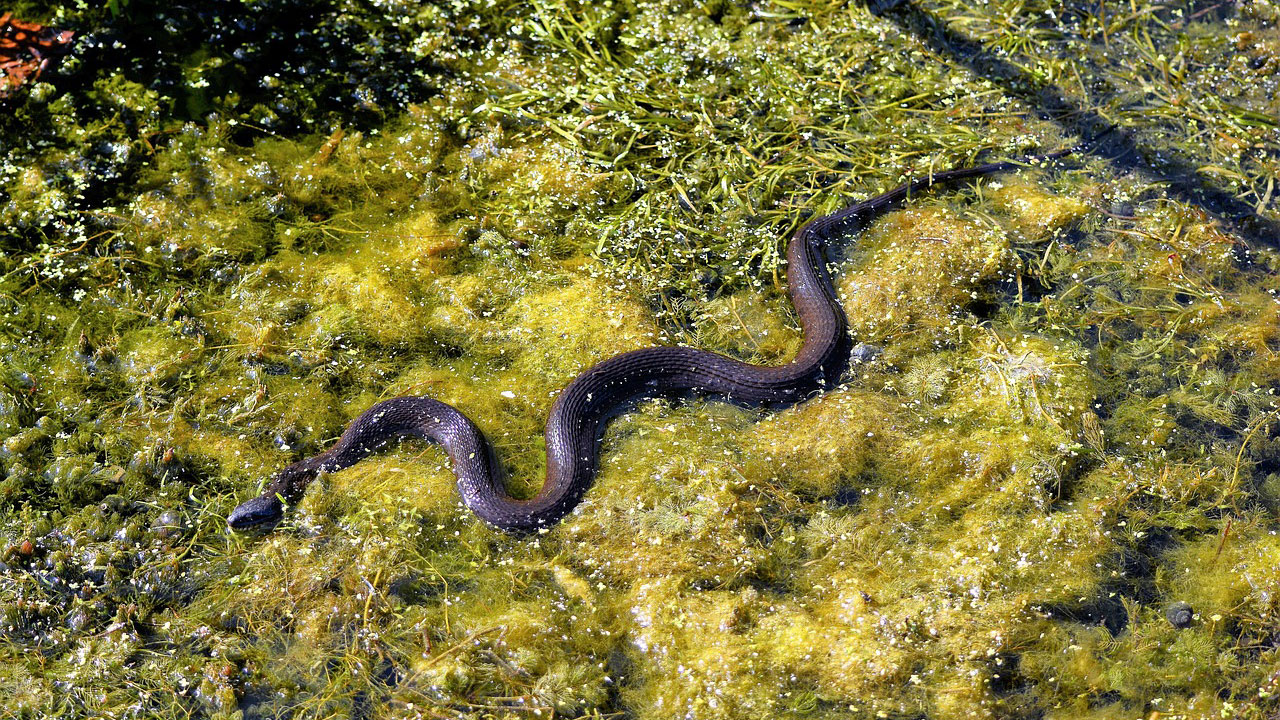
Water snakes might be the single most commonly mishandled nonvenomous snakes in the country because people constantly confuse them with cottonmouths, then double back and try to prove they are not cottonmouths by getting too close. Or they decide a stranded one on a dock, boat, pool edge, or retaining wall needs help. Either way, the result is often the same: a defensive snake in a tight spot that wants nothing to do with you and is fully prepared to show it.
They are also more defensive than many people expect. Water snakes do not have to be venomous to make you pay for bad judgment. In and around water, your footing is worse, the snake has terrain working for it, and the whole encounter can go sideways faster than it would on dry ground. That alone makes them a poor candidate for amateur rescue efforts. If the snake can leave on its own, let it. If it cannot, call someone with training and proper equipment.
Bullsnakes and gopher snakes

Bullsnakes and gopher snakes are big, impressive, and often loud enough to get mistaken for rattlesnakes. That mix creates two bad outcomes. Either somebody tries to kill one that should have been left alone, or somebody realizes what it is and decides to move it themselves because now they feel confident. That second group still gets bit. A big nonvenomous snake can defend itself just fine when you corner it, grab it, or keep pressuring it after it already told you to back off.
These snakes are strong, they know how to posture, and they are not shy about using that bluff-and-bite combination when stressed. The “helping” problem here usually comes from ego. Someone thinks, “It’s only a bullsnake,” and goes in with zero respect for how the encounter is about to feel. Nonvenomous does not mean pleasant. It definitely does not mean you need to be the one handling it when there are better ways to let the animal clear out on its own.
Coachwhips
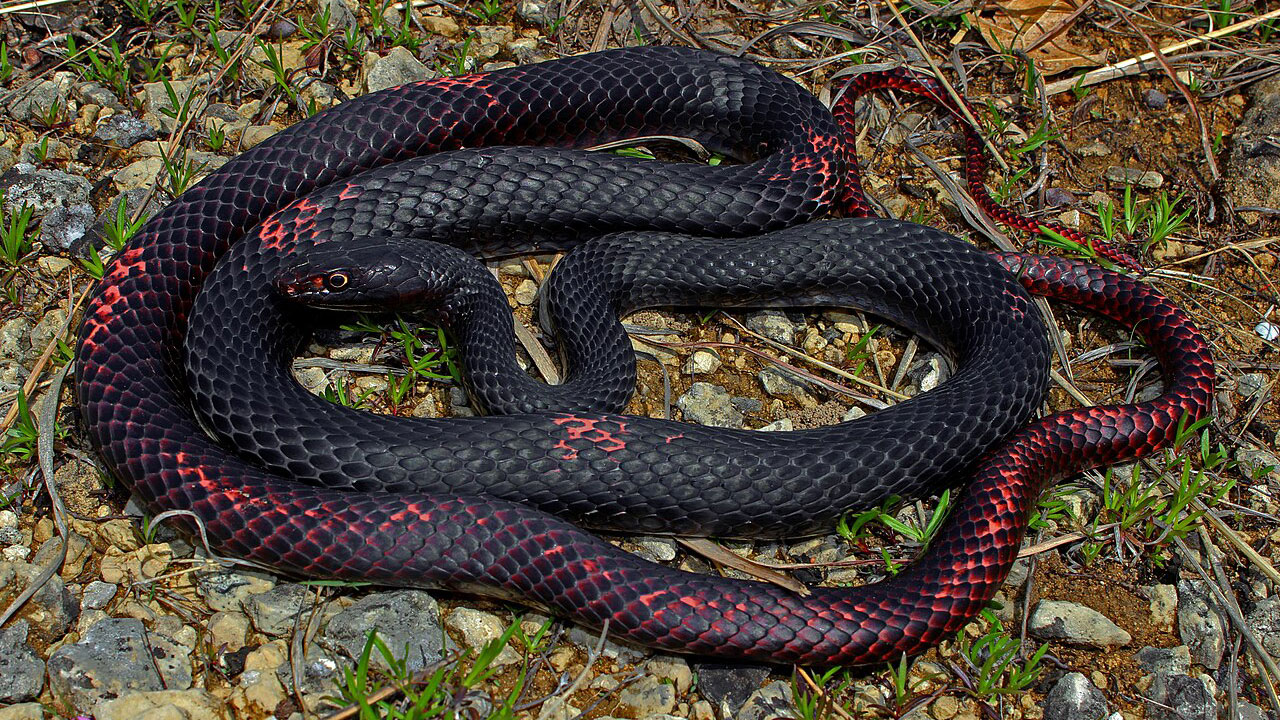
Coachwhips are the kind of snake that can make a bad plan fall apart in real time. They are fast, sharp-eyed, and not interested in being cornered. Because they move so quickly, people sometimes get this dumb burst of urgency and decide they need to catch or redirect the snake before it disappears somewhere inconvenient. That is how you turn a passing encounter into a defensive one. A coachwhip that would have been gone in five seconds suddenly has a reason to stay engaged.
They also get misread because their speed and length make people think they are dramatic but manageable. Wrong. A stressed coachwhip can thrash, strike, and keep the whole situation chaotic from start to finish. They are a great example of why “helping” often has more to do with making ourselves feel useful than actually helping the animal. Most snakes do not need your hands. They need your patience and a little room.
Hognose snakes
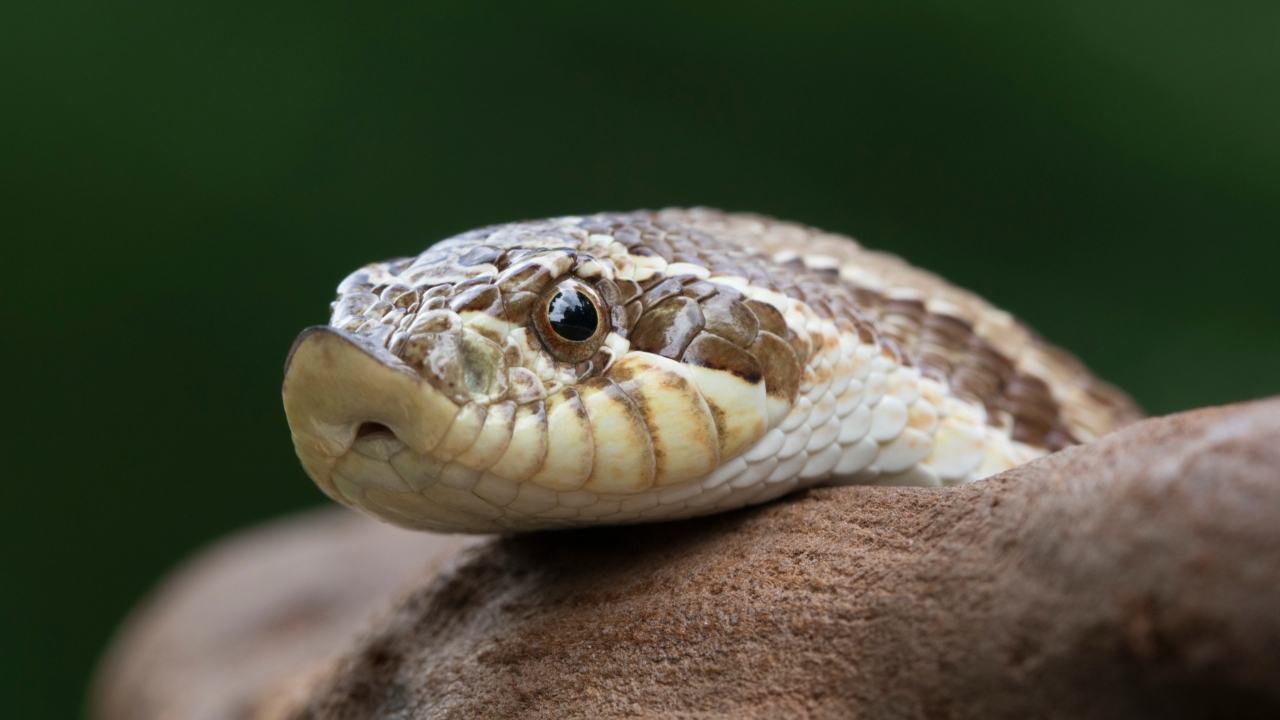
Hognose snakes are famous for bluffing, flattening out, hissing, and putting on a whole show. That performance is exactly why people mishandle them. They think the snake is being theatrical instead of serious, so they get casual. Then they start poking, nudging, or picking it up because it “probably won’t do anything.” That kind of thinking has started plenty of bites from snakes people were absolutely sure they had figured out.
A hognose may not be the toughest snake here, but it is one of the easiest to underestimate because its behavior looks almost funny to people who do not know better. Once again, that is the danger of “helping.” The more harmless or dramatic a snake seems, the more tempted people are to get involved. A hognose does not need you proving it is not dangerous. It needs you to stop looming over it and let it leave.
Like The Avid Outdoorsman’s content? Subscribe to our newsletter so you never miss an article.
Here’s more from us: