Photo credit: Beyza Kaplan/Pexels.com
Some dog breeds have been softened so much by modern life that the original purpose barely shows anymore. They may still carry the name, the look, or the reputation, but not always the same drive. Then there are the breeds that still seem to wake up every morning expecting a job. Those dogs notice patterns, watch movement, react fast, and carry themselves like lying around all day was never the plan. You can see it in how they move, how they focus, and how quickly they get frustrated when nothing useful is happening.
That working instinct does not always make a breed easy. In fact, it often makes the breed harder to live with unless the setup fits. But it does make the dog feel real in a way a lot of softened breeds no longer do. These are 20 breeds that still act like they were bred to work, whether that work was herding, guarding, hunting, pulling, tracking, or holding down serious ground.
Border Collie
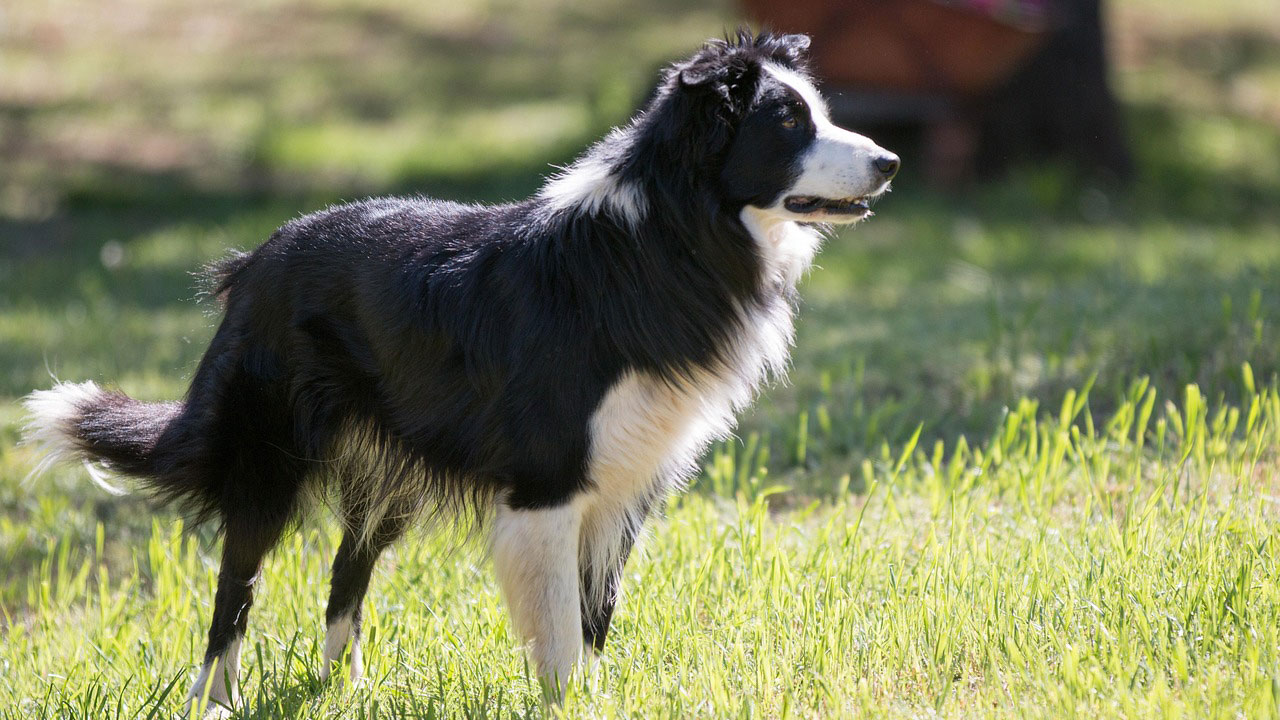
The Border Collie still feels like one of the purest working breeds left. This is a dog that notices everything and wants to do something with what it notices. On livestock, that turns into reading movement, applying pressure, and adjusting in real time. Off livestock, it often turns into trying to organize the world anyway, because the instinct does not just disappear because the setting changed.
That is what makes the breed feel so undeniably real. A Border Collie is not usually pretending to be a working dog. It acts like one whether you gave it sheep or not. That can be impressive or exhausting depending on the owner, but either way, the old purpose is still there. You do not have to guess what this breed was made for once you live with one.
Australian Cattle Dog
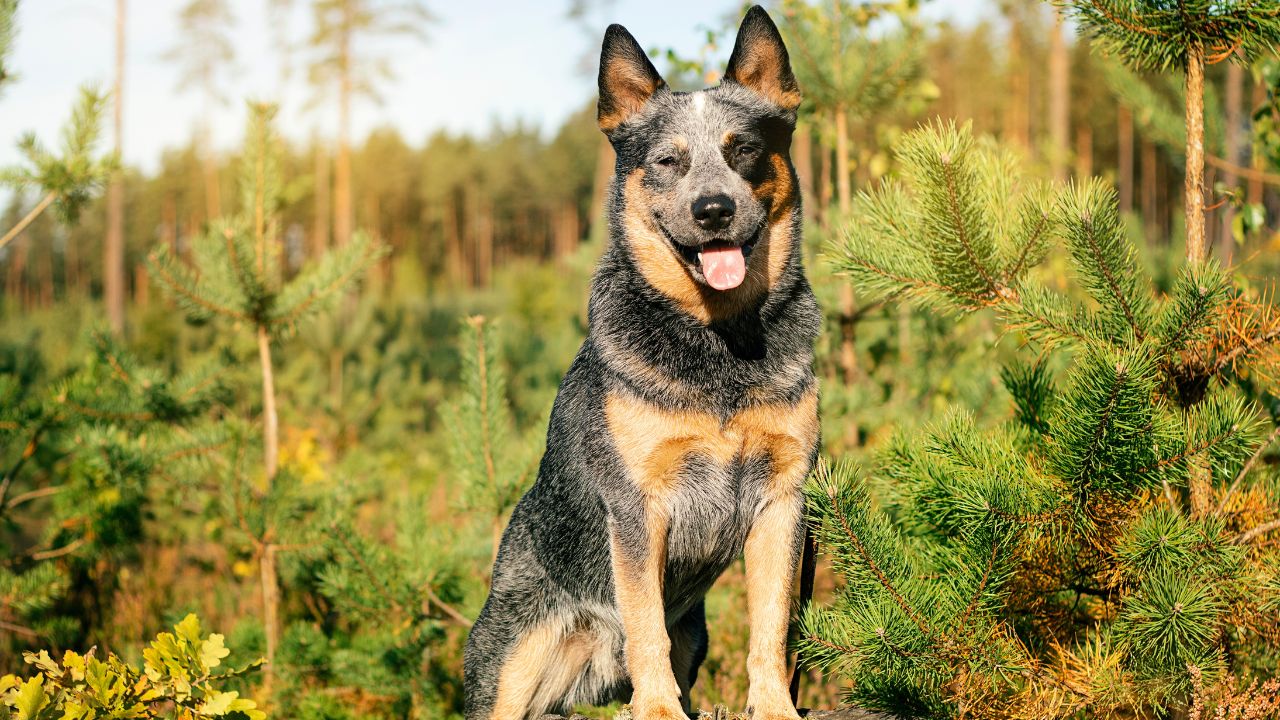
Australian Cattle Dogs still act like hard little ranch hands trapped in a dog’s body. They are tough, suspicious, bossy, and built to handle pressure without falling apart. That old heeling-dog grit still shows up in the breed’s attitude. They want a reason to move, a reason to watch, and a reason to control something. Without that, they usually start trying to manage the household instead.
A lot of dogs will “play” at work. Cattle dogs tend to approach it more seriously than that. They are not usually soft about responsibility, and they do not mind conflict the way some breeds do. That edge is part of why they still feel so honest as working dogs. They were made for demanding work, and they still tend to carry that same chip on their shoulder.
Australian Shepherd

The Australian Shepherd may be popular as a family dog now, but the working mind is still there. A good one still watches movement, responds quickly, and carries a lot more purpose than people expect if they only know the fluffy pet version. Around stock, they can still show plenty of feel and drive. Around everyday life, they usually show an obvious need to stay mentally engaged.
That is why the breed still acts so much like it was bred to work. Even when the dog is friendly and social, there is often still that constant inner engine running. Aussies do not tend to fade into the background well. They like patterns, routines, and having some role in what is going on. That instinct to stay involved is one of the clearest signs the original working dog is still very much alive.
Belgian Malinois
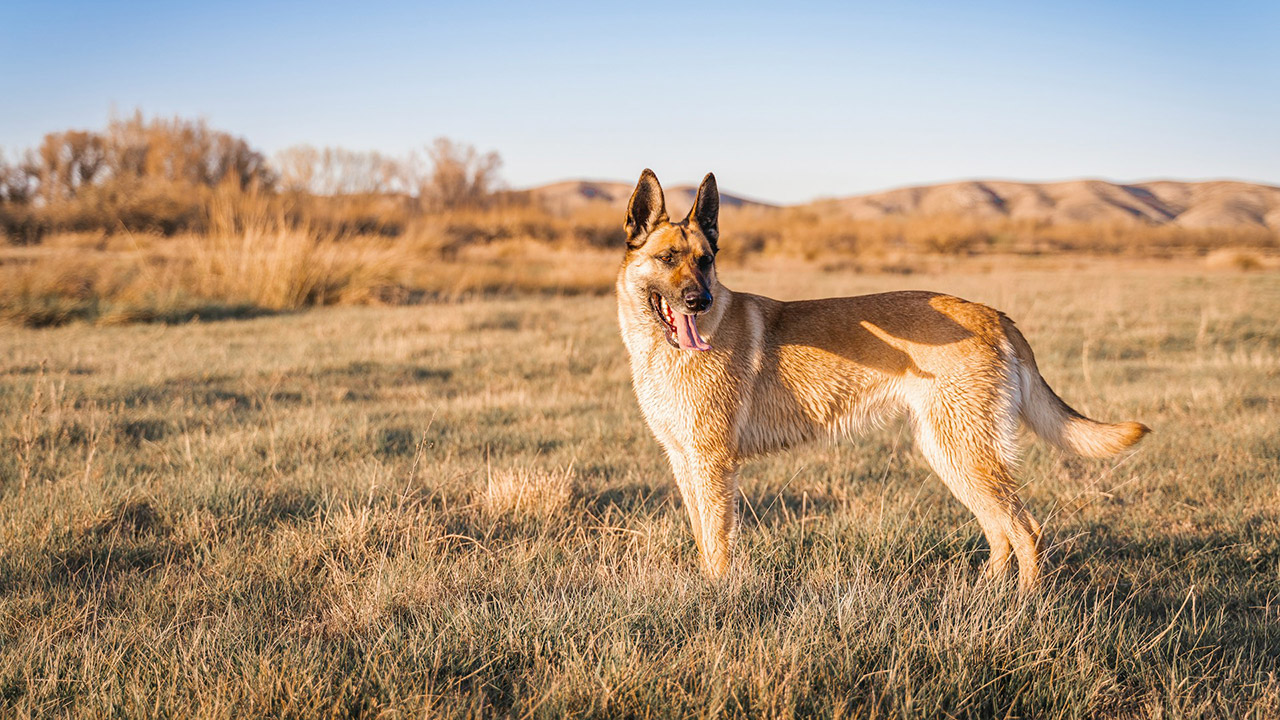
The Belgian Malinois still acts like it woke up expecting a mission. Everything about the breed points that way. It moves with urgency, notices tiny changes, and tends to stay mentally switched on long after other dogs would have settled. Whether the job is protection, scent work, obedience, or just being told to do something precise, the breed still carries serious working ambition.
That does not always make it pleasant for average owners, but it does make the breed feel incredibly true to its roots. A Malinois is not usually content to drift through life casually. It wants pressure, direction, and a reason to use itself. That kind of intensity is exactly why it still feels like a real working breed instead of just a dog with a working-dog reputation.
Dutch Shepherd
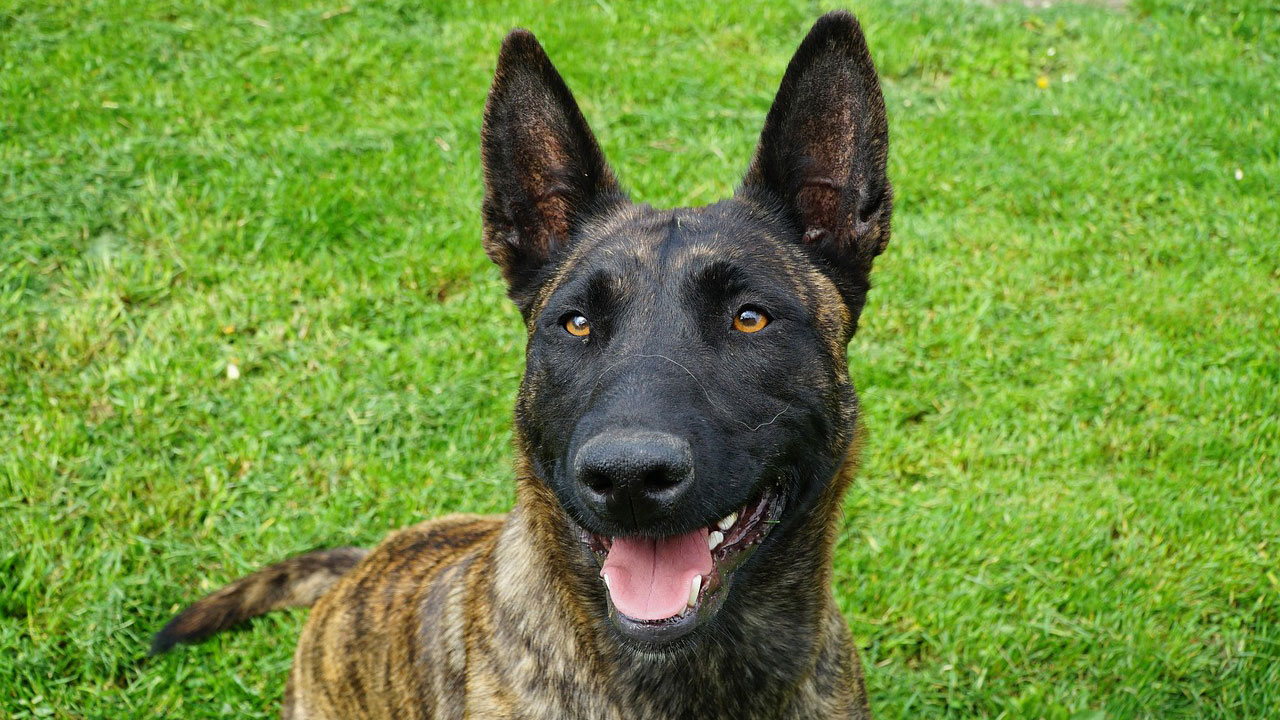
The Dutch Shepherd still feels like a breed that wants to be useful every day. It carries a lot of the same working seriousness people admire in Belgian dogs, but often with a slightly steadier overall feel. It watches hard, responds fast, and tends to move through the world like it expects tasks to exist whether you planned any or not.
That kind of attitude is what keeps the breed in the real working category. It does not just look athletic. It behaves like it needs function. Dutch Shepherds are often at their best when they have a job, structure, and somebody who knows how to direct all that drive into something productive. Without that, the work ethic does not disappear. It just starts creating problems.
German Shepherd
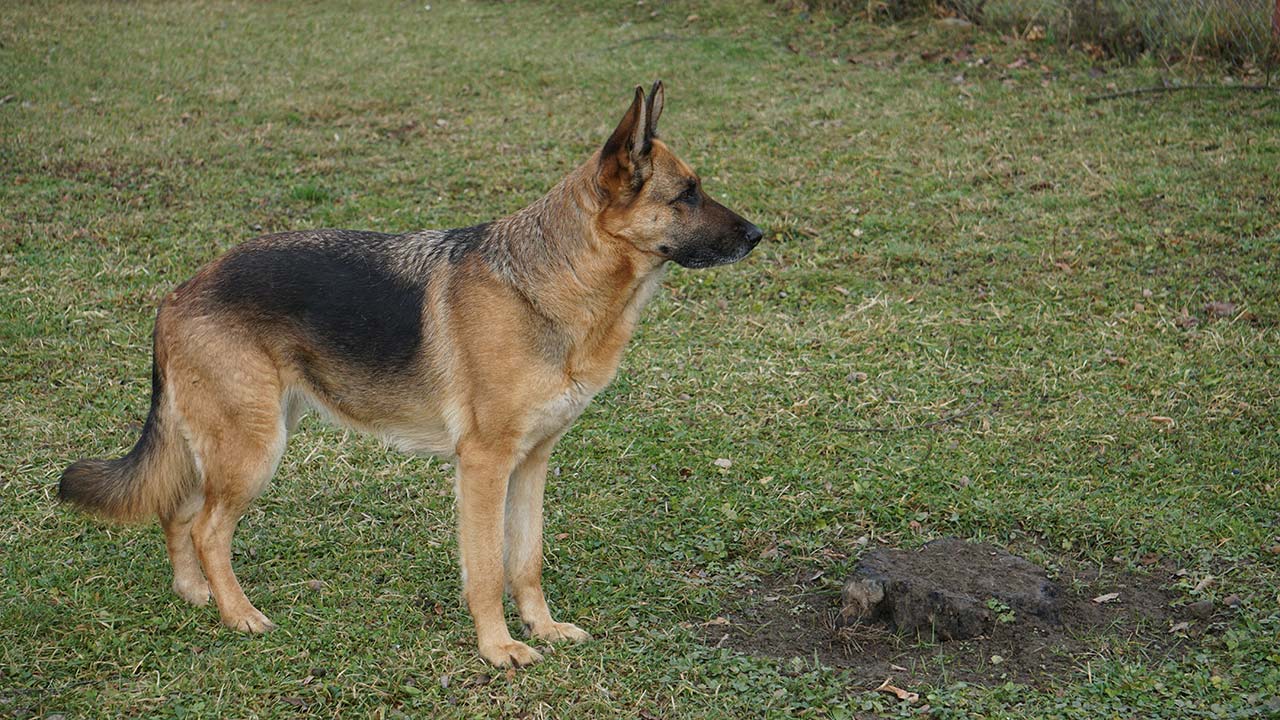
German Shepherds are one of the clearest examples of a breed that still acts like it was built for serious purpose. Even when individual lines vary, the breed at its best still shows the same qualities that made it useful in the first place: awareness, nerve, trainability, and a natural instinct to stay involved with whatever is happening around it.
That is why a good German Shepherd still feels different from a lot of softer companion breeds. It does not usually just exist in the background. It watches, assesses, and tends to care about its environment in a way that feels practical rather than ornamental. Whether used for protection, tracking, patrol, or general property work, the breed still often acts like meaningful work makes sense to it.
Doberman Pinscher

The Doberman still behaves like a breed built to be on the job. It tends to stay highly tuned in to its person, its home, and any change in the atmosphere. That alertness is part of what made the breed useful historically, and it still shows. A Doberman is rarely just decorative. Even when it is resting, it often feels like it is still listening and processing.
That is a big reason the breed still comes across as real working material. It has speed, responsiveness, and a naturally serious side that does not need much encouragement to surface. Owners who want a casual dog often find that intensity tiring. Owners who appreciate purpose usually see it as exactly what makes the breed special. Either way, the old design is still obvious.
Rottweiler

Rottweilers still carry themselves like dogs that were meant to matter. They are not usually frantic workers, but that does not mean the working instinct is gone. A good Rottweiler still has the grounded seriousness, physical confidence, and willingness to step into responsibility that made the breed valuable in the first place. It may not look busy all the time, but it rarely feels empty.
That is what keeps the breed in this conversation. The work does not always show up as speed. Sometimes it shows up as presence, steadiness, and a dog that seems to understand guarding, handling pressure, and taking situations seriously. Rottweilers are not lightweight dogs in body or in mindset, and that old useful weight still comes through clearly when the breeding and ownership are right.
Cane Corso
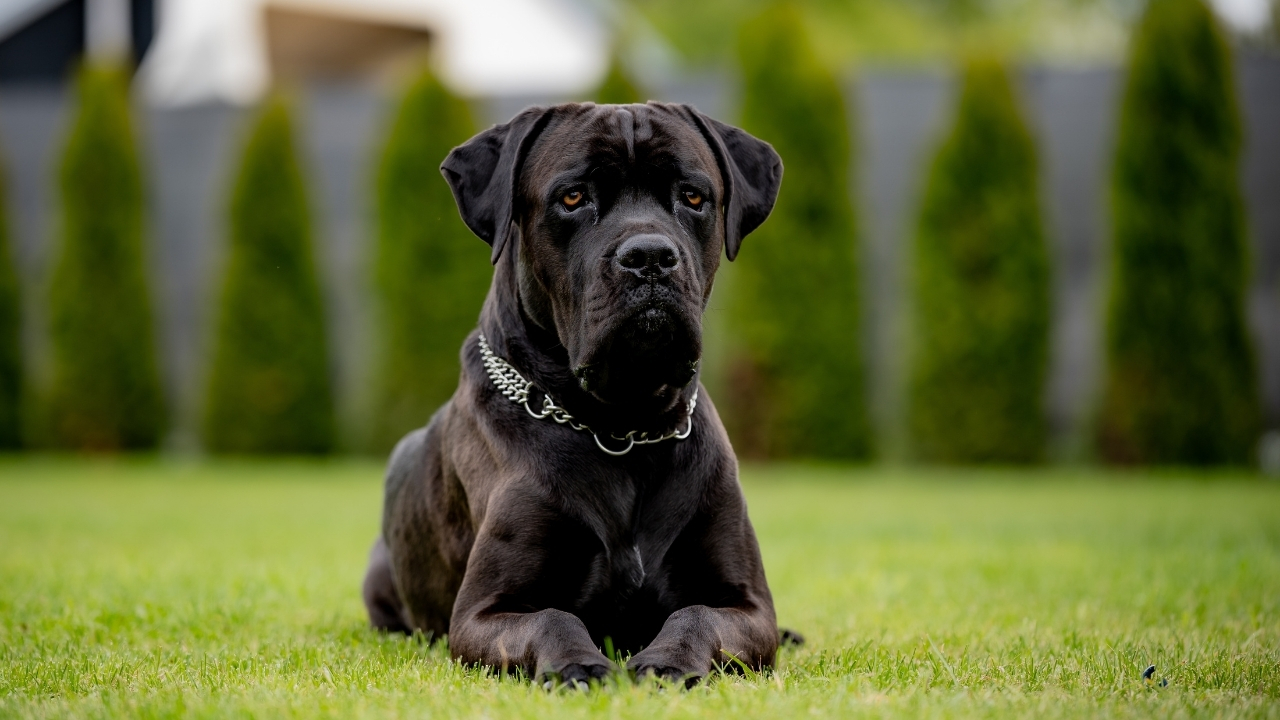
The Cane Corso still acts like a dog that expects to guard something. It has that old estate-dog attitude where the space, the people, and the boundaries all seem to mean something to it. This is not usually a goofy dog that floats through life hoping everyone gets along. A Corso tends to be observant, physical, and naturally aware of what belongs on its ground and what does not.
That instinct is exactly why the breed still feels tied to real work. It is not pretending. Even as a modern companion, a lot of Corsos still think in terms of defense and responsibility. That can be a burden in the wrong home, but it is also what makes the breed feel authentic. The old job is still close to the surface.
Great Pyrenees
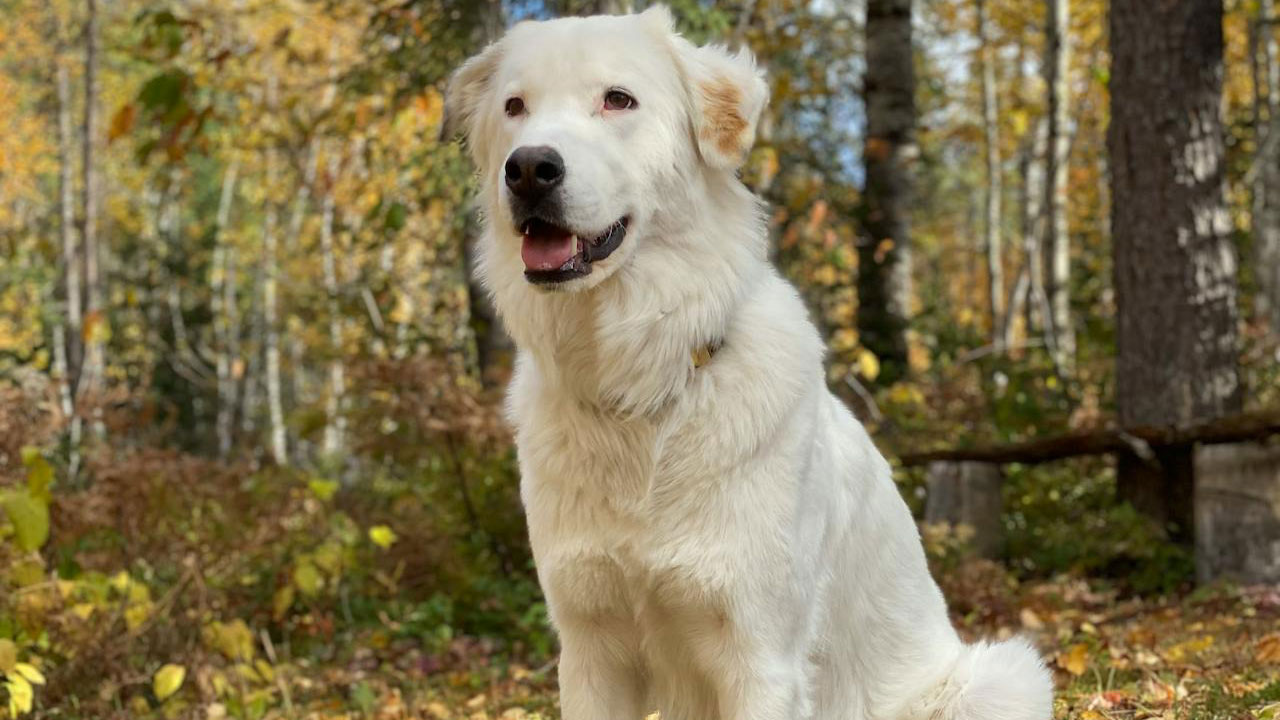
The Great Pyrenees still acts like it has livestock somewhere to protect, even if the owner forgot to provide any. It patrols, watches, barks at night, and makes its own decisions in a way that makes perfect sense for a breed built to guard without constant human direction. That independence can frustrate owners who wanted a giant teddy bear, but it makes complete sense in the working context.
That is why the breed still feels so honest. The Pyrenees does not act like a dog waiting to be entertained. It acts like a dog with responsibilities. The responsibilities may be self-assigned if there is no flock around, but the instinct remains. That old guardian wiring is still one of the strongest parts of the breed.
Anatolian Shepherd

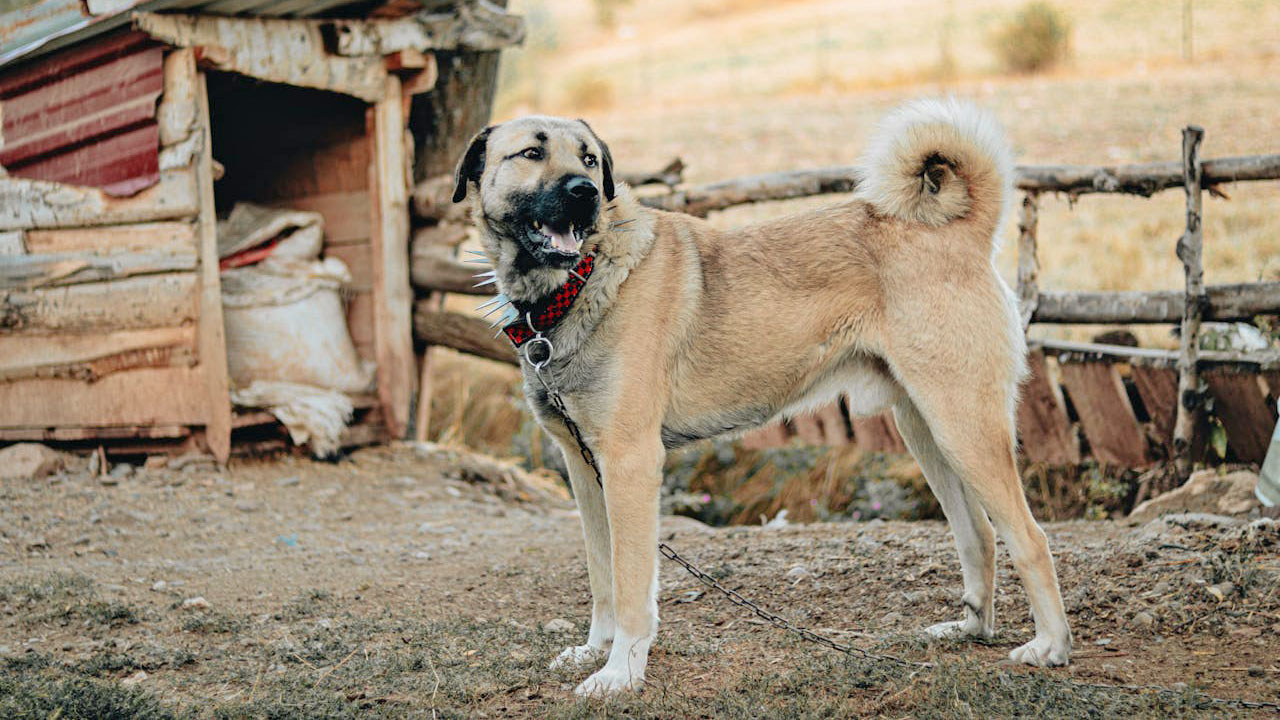
The Anatolian Shepherd is another breed that still behaves like real property and stock matter to it. It does not usually wait around for approval before deciding what needs attention. It watches territory, reads unfamiliar presence carefully, and carries itself with a kind of quiet authority that makes sense for a serious guardian dog.
That makes the breed feel very true to its original purpose. Anatolians are not cute little assistants begging for tasks. They are independent workers that tend to trust their own judgment. On the right land, that is a strength. In the wrong home, it becomes a challenge. But either way, the working roots are hard to miss because the dog still acts like the job never really ended.
Kangal
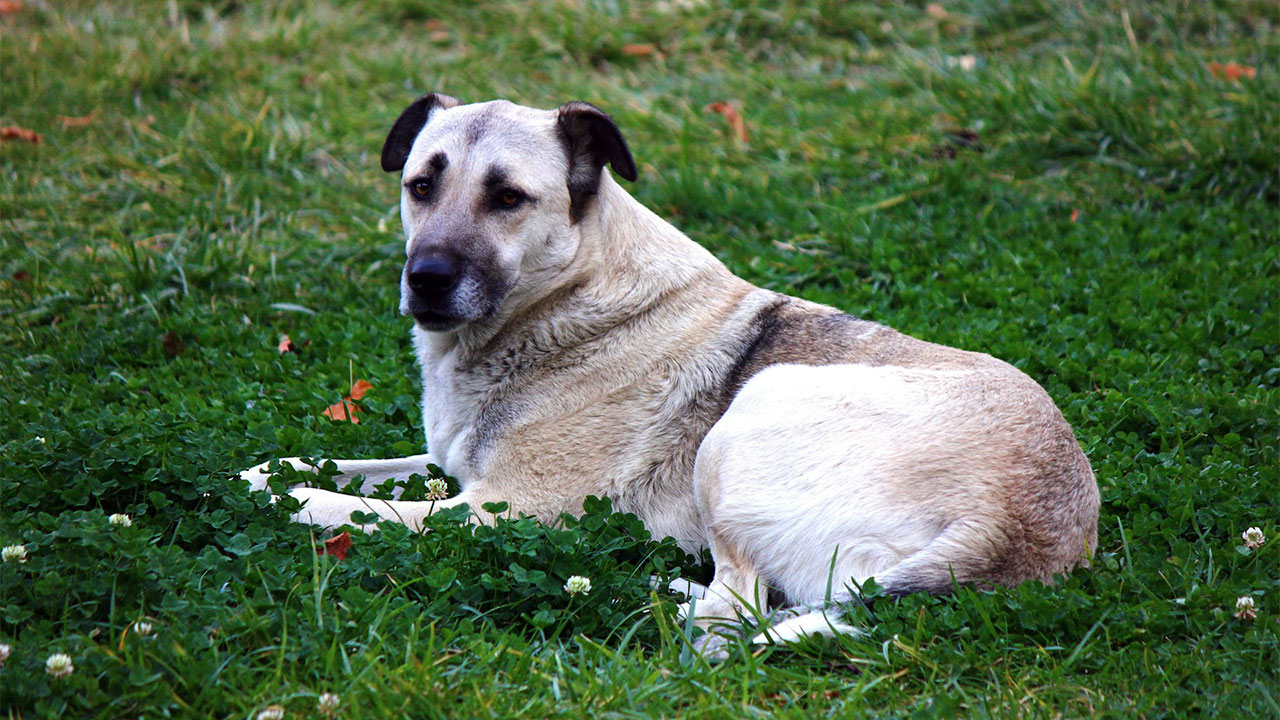
The Kangal still acts like a breed meant to face real threats. It is not just big. It is aware, territorial, and naturally ready to take space seriously. That old livestock-guardian nerve has not been bred out of it. A Kangal still tends to watch first, judge carefully, and hold ground with a level of confidence that feels very different from breeds that have drifted toward softer companion traits.
That is a big part of what makes the breed feel so clearly tied to work. It does not need fake scenarios to seem serious. The seriousness is built in. If the environment gives it something real to protect, that purpose usually becomes even more obvious. The breed still feels like it belongs on hard ground with an actual reason to be there.
Maremma Sheepdog

The Maremma still carries that classic guardian blend of calm, independence, and constant awareness. It is not usually theatrical about the job, which is part of why some people underestimate it. But the breed still thinks in terms of territory, animals, routine, and intrusion. That mindset is exactly what kept it useful around flocks and large pieces of land for so long.
A lot of modern dogs want stimulation for fun. The Maremma tends to want function. It likes being attached to a place and something worth watching over. That does not always fit neatly into pet life, but it makes the working roots obvious. This is still a breed that behaves like responsibility is part of daily life.
Catahoula Leopard Dog

The Catahoula still acts like it belongs in rough country doing something that matters. It is independent, intense, and built for problem-solving more than passive companionship. Whether it is handling stock, covering ground, or working around tough conditions, the breed tends to carry a level of grit and readiness that feels genuinely tied to work.
That is what keeps it from feeling watered down. Even when living as a companion, a lot of Catahoulas still seem like they are waiting for a challenge. They want to move, think, and stay involved. A breed like that does not stop being a working dog just because the owner wanted a cool-looking pet. The dog still brings the old expectations with it.
Black Mouth Cur

Black Mouth Curs still act like everyday working dogs in the best possible way. They may not get the same fancy attention as some of the imported or high-profile breeds, but they still show the kind of practical, no-nonsense usefulness that matters on real ground. They tend to be alert, rugged, and ready to do whatever job the place seems to need.
That is why the breed still feels so real. It was never built to be decorative. It was built to work hard, handle rough conditions, and stay useful around land, livestock, and hunting. That practical nature still shows clearly. A Black Mouth Cur often feels like the kind of dog that would rather help than pose.
Like The Avid Outdoorsman’s content? Subscribe to our newsletter so you never miss an article.
Here’s more from us: