Photo credit: imageBROKER.com/Shutterstock.com
Everyone knows about Yellowstone and Yosemite—but once the crowds start backing up at the gate and every overlook has a line, it stops feeling like the wilderness. If you’re looking for national parks that still feel wild, where you can breathe without bumping elbows, these are worth a spot on your list. They might not get all the hype, but they’ve got the kind of terrain, remoteness, and grit that real outdoorsmen are after.
North Cascades National Park, Washington

Most people have never heard of it, and that’s a good thing. North Cascades is steep, rugged, and full of glaciers. There aren’t a bunch of roads or lodges—just raw country that makes you feel small in the best way.
You’ve got to hike in to really experience it, but the payoff is worth it. Alpine lakes, thick forests, and peaks that go on forever. If you’re after solitude and don’t mind working for it, this park delivers.
Guadalupe Mountains National Park, Texas

Tucked way out west near the New Mexico border, this one’s easy to miss. But it’s home to the highest point in Texas and has trails that climb fast into serious desert mountains.
There’s not much in the way of amenities, and that’s part of the draw. This place is dry, windy, and unforgiving—but if you’re looking for long views and quiet trails, it’s hard to beat.
Lassen Volcanic National Park, California

While everyone else crowds into Yosemite, Lassen stays mostly under the radar. It’s got steaming vents, alpine lakes, and the remains of one of the last major eruptions in the continental U.S.
You’ll find fewer people, easier camping, and trails that still feel wild. The summit hike is worth it if the snow’s cleared, but even the lower elevation trails offer great scenery without the foot traffic.
Great Basin National Park, Nevada

This is high desert country, with hardly any crowds and plenty of stars. The main draw is Wheeler Peak—over 13,000 feet—and the Bristlecone Pine Grove, home to some of the oldest trees on Earth.
The caves are worth a look, and the backcountry is wide open. Bring plenty of water and be ready for temperature swings, but you’ll likely have the trail all to yourself.
Voyageurs National Park, Minnesota

If you like canoes more than hiking boots, this one’s for you. Most of the park is water—lakes, islands, and channels. It’s quiet, remote, and best accessed by boat.
The fishing’s solid, the scenery’s peaceful, and it feels like the kind of place where time slows down. If you want a trip that’s more about paddling and camping under the stars, put this one on your radar.
Black Canyon of the Gunnison National Park, Colorado

This canyon is deep, narrow, and dramatic—and it doesn’t get nearly the crowds it deserves. The South Rim is easier to reach, but the North Rim is where things really quiet down.
There are a few solid hikes, but this park is really about the views, the vertical drops, and the feeling that you’re on the edge of something massive. Great spot for anyone who likes steep country and doesn’t need a gift shop.
Congaree National Park, South Carolina

It’s not mountainous or flashy, but Congaree protects one of the last old-growth bottomland hardwood forests in the U.S. The trees here are massive, and the boardwalks make it accessible even when it floods.
There’s a calm, eerie stillness to the place. If you like slow walks, bird calls, and places that feel untouched, Congaree’s worth your time—especially in the cooler months when the bugs ease up.
Wrangell-St. Elias National Park, Alaska

It’s the biggest national park in the country—larger than some states—and most folks have never even heard of it. This place is remote, wild, and mostly trail-less.
If you’ve got the gear and know-how to handle glacier country, you’ll be rewarded with views and solitude you won’t get anywhere else. It’s not for casual travelers. This is real wilderness.
Theodore Roosevelt National Park, North Dakota

You wouldn’t expect North Dakota to land on a bucket list, but this park surprises people. It’s full of badlands, wild horses, and quiet trails through rolling country that’s easy to love.
Sunsets here are wide open and beautiful, and you’ll have a hard time finding a better place to sit in silence and watch the prairie come alive.
Dry Tortugas National Park, Florida

It’s 70 miles off the coast, only accessible by boat or seaplane, and way different than most national parks. Fort Jefferson is the main structure, but the real magic is in the water—coral reefs, shipwrecks, and crystal-clear snorkeling.
Camping out here is no-frills and takes some planning, but if you want to get off the grid in a tropical setting without the usual crowd, this is one of the few places left that still feels remote.
Isle Royale National Park, Michigan

This one’s in Lake Superior and only reachable by boat or floatplane, which keeps the crowds way down. It’s a backpacker’s park, full of moose, wolves, and long, remote trails that follow the shoreline and cut through forest.
The isolation is part of the appeal. There’s no cell service, no vehicles, and no noise—just water, woods, and whatever you packed. If you want quiet and wild, Isle Royale delivers.
Channel Islands National Park, California

Most people stick to the mainland and never make it out to these islands, which means more space for those who do. You’ll need to book a ferry or plane, but the payoff is rugged cliffs, quiet beaches, and clear water.
It’s a great spot for kayaking, snorkeling, and coastal hiking. Camping here takes some planning, but once you’re out there, it feels like you’ve got the Pacific to yourself.
Katmai National Park, Alaska

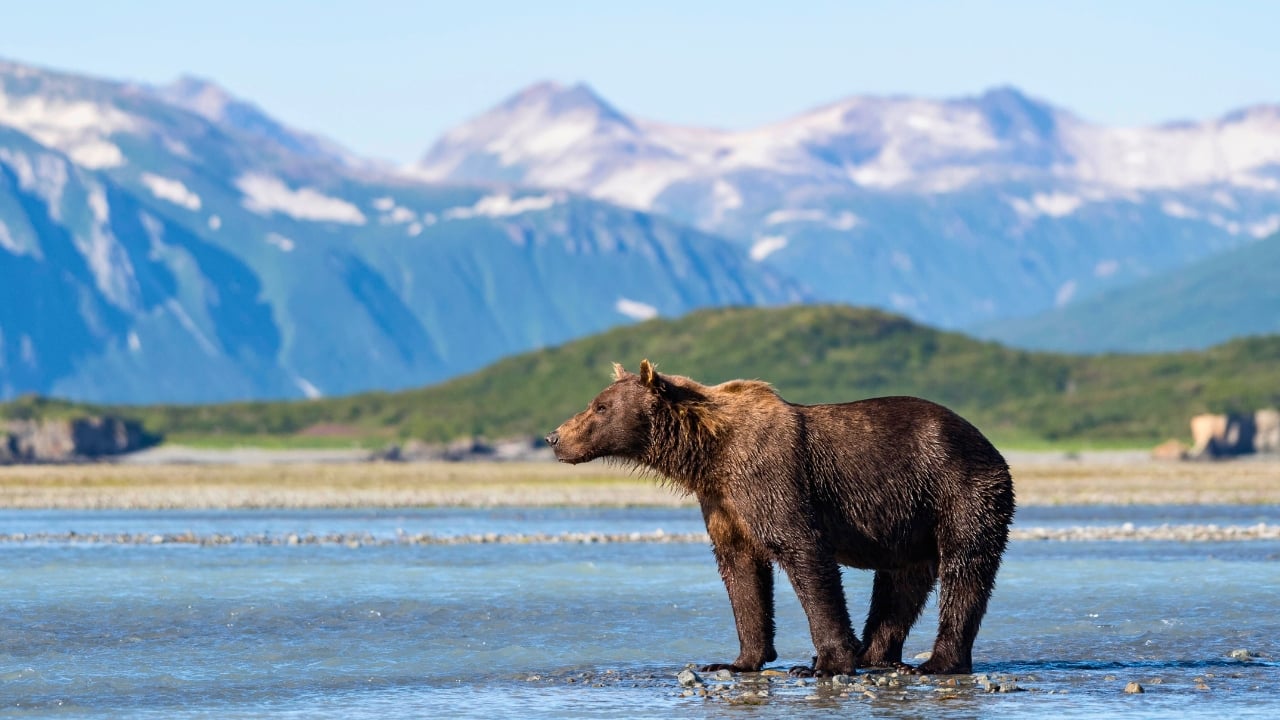
Katmai is where the famous bear videos come from—giant grizzlies catching salmon at Brooks Falls. But there’s more here than just bears. Volcanic valleys, wild rivers, and massive lakes make this one of the most untouched parks in the country.
It’s remote and expensive to reach, but if you want to witness nature raw and up close, it’s worth every bit of the effort. Not a place you stumble into—this one’s for folks who come prepared.
Pinnacles National Park, California

While Yosemite and Sequoia get packed, Pinnacles stays relatively quiet. It’s got unique rock spires, cave trails, and a chance to spot California condors flying overhead. Spring brings solid wildflower blooms, and the hiking is surprisingly challenging.
There’s not a ton of shade or water, so come prepared. But for a less-trafficked California park with real terrain and big views, Pinnacles checks the box.
Gates of the Arctic National Park, Alaska

This is as remote as it gets. No roads, no visitor center, no trails—just wilderness. You’ll need to charter a bush plane to get in, and once you’re there, it’s up to you to navigate.
This park isn’t for casual hikers. It’s for experienced backcountry hunters, paddlers, and explorers who know how to survive in the wild. But if you’re after true off-grid adventure, this is one of the last places where you can still find it.
*This article was developed with AI-powered tools and has been carefully reviewed by our editors.