Image Credit: Andrew de Bie/ Shutterstock.
Some hikes are just a nice walk in the woods. These aren’t those. These are the kind of trails that leave your legs burning, your shirt soaked, and your feet barking before you ever hit the halfway mark. But if you like a good challenge, they’re hard to beat.
These are some of the toughest day hikes in the national parks. Long miles, serious climbs, rough terrain, and the kind of payoff that makes the pain worth it—if you can gut it out. Bring water, good boots, and a little grit. You’ll need all three.
Half Dome – Yosemite National Park, California

Half Dome’s not just long—it’s a grind. You’re looking at over 14 miles round trip with about 4,800 feet of elevation gain. The final cable section gets all the attention, but the real work starts way before that. Switchbacks, exposed granite, and a steady uphill push will test your legs and lungs.
The views are worth it, but don’t underestimate this one. If you’re not prepared or you’re afraid of heights, that last stretch up the cables might stop you cold. Permits are required, and good boots—and grit—are non-negotiable.
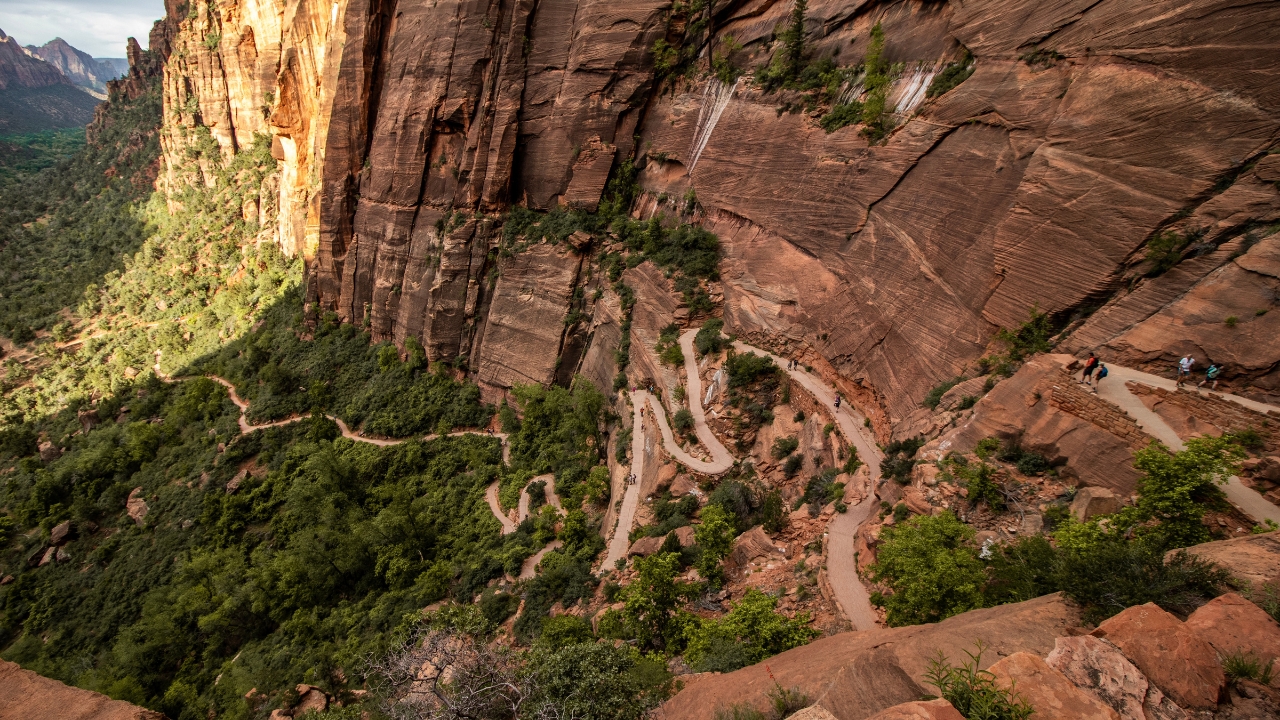
Angel’s Landing – Zion National Park, Utah

Angel’s Landing is short, but it packs a punch. It’s just over 5 miles round trip, but you’re climbing nearly 1,500 feet, and the last half-mile is what makes it infamous. That narrow spine of rock with thousand-foot drops on both sides isn’t just nerve-wracking—it’s physically demanding, especially with foot traffic.
You’ll need steady legs, a good grip, and a calm head. It’s not one to rush, and it’s definitely not for folks uncomfortable with heights. Permits are now required, which helps thin the crowd—but it’s still a serious challenge.
Mount LeConte via Alum Cave Trail – Great Smoky Mountains, Tennessee

This hike is just under 11 miles round trip, but the elevation gain and technical sections make it feel longer. You’ll deal with exposed ledges, narrow paths, and slick rock, especially in wet weather. Alum Cave Bluffs is scenic, but the real work begins after that.
You’re climbing nearly 2,800 feet to the top of Mount LeConte, and it’s no casual stroll. Weather can shift fast up there, and the trail can get crowded, so starting early helps. Bring layers—it gets cold at the top, even in summer.
Mount Washington via Tuckerman Ravine – White Mountain National Forest, New Hampshire

It’s not in a national park, but this one earns its spot. The Tuckerman Ravine Trail is only about 8.4 miles round trip, but it climbs over 4,000 feet—and that gain hits fast. The terrain gets rocky, steep, and slippery, especially as you near the summit.
Weather is the wildcard here. Mount Washington has some of the most unpredictable and dangerous conditions in the country. Clear mornings can turn into freezing wind and fog by noon. Don’t mess around on this one—check the forecast and come prepared for anything.
The Maze Overlook – Canyonlands National Park, Utah

The Maze is one of the most remote spots in the entire park system, and just getting there can feel like an expedition. The day hike to the overlook is roughly 8 miles round trip depending on the route, but the trail is barely marked, and the terrain is rough and unforgiving.
Expect scrambling, exposure, and the kind of silence that tells you how far out you really are. It’s not a trail for beginners. If you don’t know how to read terrain or pack extra water, this hike will humble you quick.
South Kaibab to Bright Angel Loop – Grand Canyon National Park, Arizona

This isn’t your average canyon hike. Dropping down South Kaibab and coming back up Bright Angel is around 17 miles with over 4,500 feet of climbing—mostly on the way out, when you’re already tired. It’s a full-body workout wrapped in desert heat and brutal switchbacks.
Don’t take this one lightly. Temps at the bottom can hit triple digits, and there’s no shade on the way down. Water’s limited, legs get smoked on the climb out, and every mile feels longer than it should.
Highline Trail to Haystack Pass – Glacier National Park, Montana

The Highline Trail is known for views, but if you push to Haystack Pass and beyond, the elevation gain and narrow ledges make it a challenge. You’re looking at about 12 miles round trip if you turn back at the pass, and it gets steep quick.
This one’s more mentally tough than physically punishing—narrow paths, sheer drop-offs, and high exposure. Add in unpredictable mountain weather and you’ve got a hike that demands attention the whole way. Worth it—but not something you just wing.
Flattop Mountain – Rocky Mountain National Park, Colorado

Don’t let the name fool you—Flattop is anything but easy. The trail gains over 2,800 feet in just under 4.5 miles one way, and the air gets thin fast once you’re above the tree line. It’s a steady, uphill grind with no real let-off.
Wind is almost a given near the summit, and afternoon storms are a regular threat. You need to start early and be ready for cold, even in summer. It’s a solid test of fitness, especially if you’re not used to elevation.
Clouds Rest – Yosemite National Park, California

Clouds Rest doesn’t get the attention Half Dome does, but it’s every bit as tough. Around 14.5 miles round trip with more than 3,000 feet of elevation gain, this one’s all about the long haul. The trail climbs steadily and the final ridge is narrow and exposed.
The views are unreal, but you’ve got to earn them. That last stretch will test your nerves if you don’t like heights. Bring plenty of water and pace yourself—especially on hot days when the switchbacks feel endless.
Grinnell Glacier Trail – Glacier National Park, Montana

Grinnell Glacier is around 11 miles round trip depending on the trailhead, and it packs in steady elevation gain, rocky terrain, and long exposed stretches. It’s beautiful the whole way, but that final climb near the glacier kicks up fast.
Weather can roll in without much warning, and there’s always a chance of bear activity up here. The hike’s not technical, but the length and climb wear on you. It’s one of those hikes that rewards you big—after it’s earned every step.
*This article was developed with AI-powered tools and has been carefully reviewed by our editors.