Photo credit: Colion Noir/Youtube
Elk are not bulletproof, but they are big, tough animals that deserve more respect than internet debates sometimes give them. A good elk cartridge needs more than a flat trajectory or a clever sales pitch. It needs enough bullet weight, penetration, energy, and real-world shootability to handle imperfect angles, steep country, wind, adrenaline, and the fact that elk do not always stand broadside in perfect light.
That is where some calibers become risky choices.
Plenty of small or trendy cartridges can kill an elk under ideal conditions with the right bullet and perfect placement. That does not mean they belong in elk country as a first choice. These are the calibers that often leave hunters with too little margin when the animal is large, the country is rough, and the shot needs to count.
.223 Remington

The .223 Remington is accurate, affordable, low-recoil, and useful for varmints, predators, training, and AR-15 shooting. It has earned its place in the gun world. Elk hunting is not that place.
Even with premium bullets and perfect shot placement, .223 leaves very little room for error on an animal the size of an elk. Bullet weight, frontal area, and penetration are all limited compared with more appropriate big-game cartridges. A hunter may argue that it can work under narrow conditions, and maybe it can. But elk country is not where hunters should be trying to prove a point with the smallest possible rifle. There are too many better options that offer far more confidence.
5.56 NATO
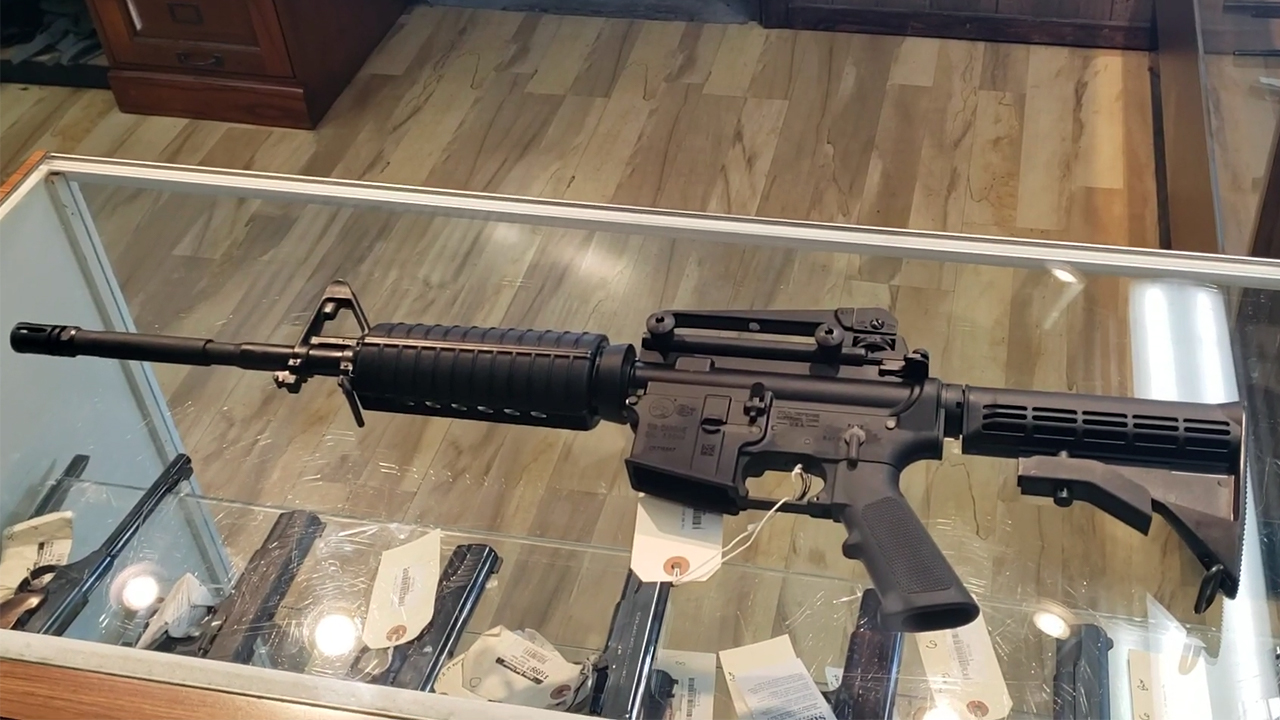
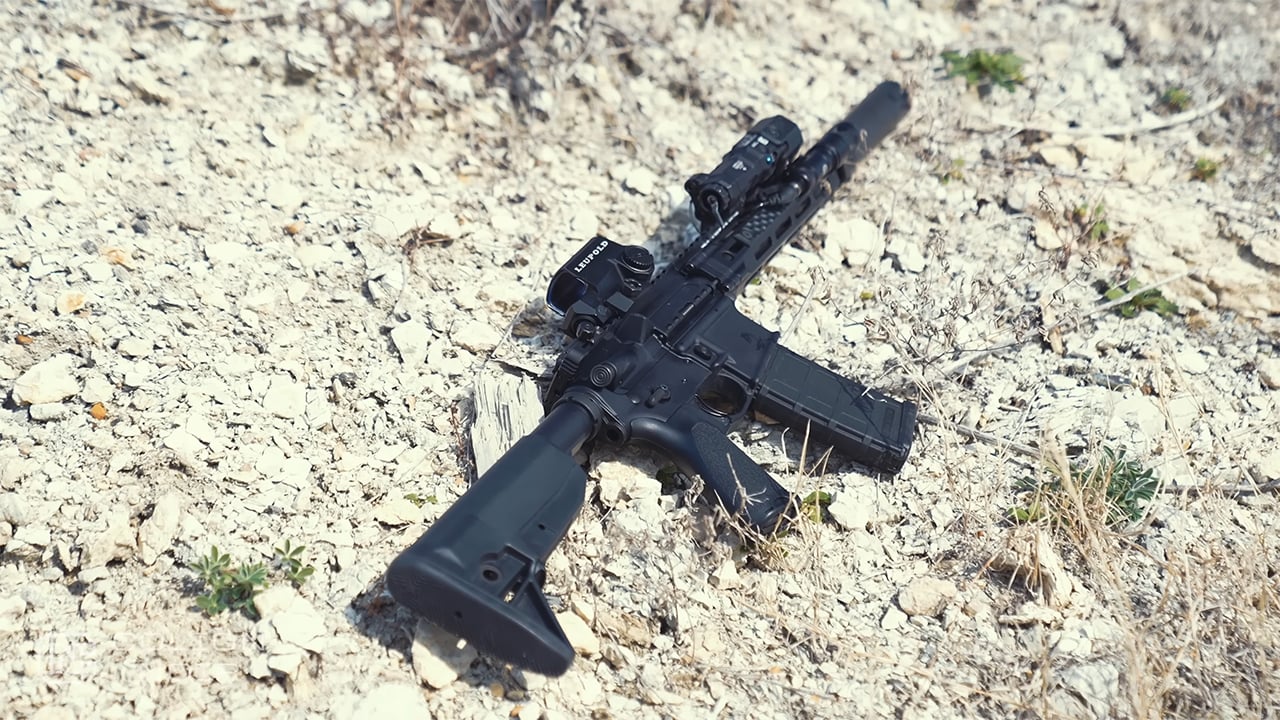
The 5.56 NATO runs into the same problem as .223 Remington, only with even more confusion because people associate it with military rifles and assume that means it must be powerful enough for anything. It is a useful cartridge, but military usefulness and elk-hunting usefulness are not the same thing.
Elk require deep penetration and reliable performance through muscle, bone, and less-than-perfect angles. The 5.56 simply does not give hunters much margin. It may be easy to shoot well, and that matters, but shot placement does not erase the need for enough bullet. Most ethical elk hunters are better served by stepping into cartridges designed for medium-to-large big game. A lightweight AR may be handy in the mountains, but handiness cannot make a small cartridge bigger.
.22-250 Remington

The .22-250 Remington is a fantastic varmint and predator cartridge. It is fast, flat, and deadly on coyotes and prairie dogs. That speed sometimes tempts people into thinking it can stretch into bigger game because the bullet gets there quickly.
Elk are where that thinking breaks down. The .22-250 typically uses light bullets designed for rapid expansion, not deep penetration on large-bodied animals. Even with heavier controlled-expansion bullets where legal, the cartridge gives a hunter a very narrow window. It is much better suited to small targets and predators than to large ungulates. A cartridge that shines on coyotes does not automatically belong on elk. Speed is not a substitute for bullet weight and construction.
.243 Winchester

The .243 Winchester is a classic deer and youth cartridge, and it can be excellent with the right bullets. For whitetails, pronghorn, coyotes, and similar game, it has a long record of success. That makes some hunters wonder whether it can handle elk if the shooter is careful.
The answer is that it leaves very little margin. A .243 can be accurate and mild, but elk are a major step up from deer. Bullet selection becomes critical, shot angles become limited, and penetration is less forgiving than with larger cartridges. Some experienced hunters may make it work under ideal conditions, but as a general elk rifle, it is not a wise choice. A young or recoil-sensitive hunter would be better served by a mild cartridge with more bullet, like 7mm-08 Remington or .308 Winchester with proper loads.
6mm Creedmoor
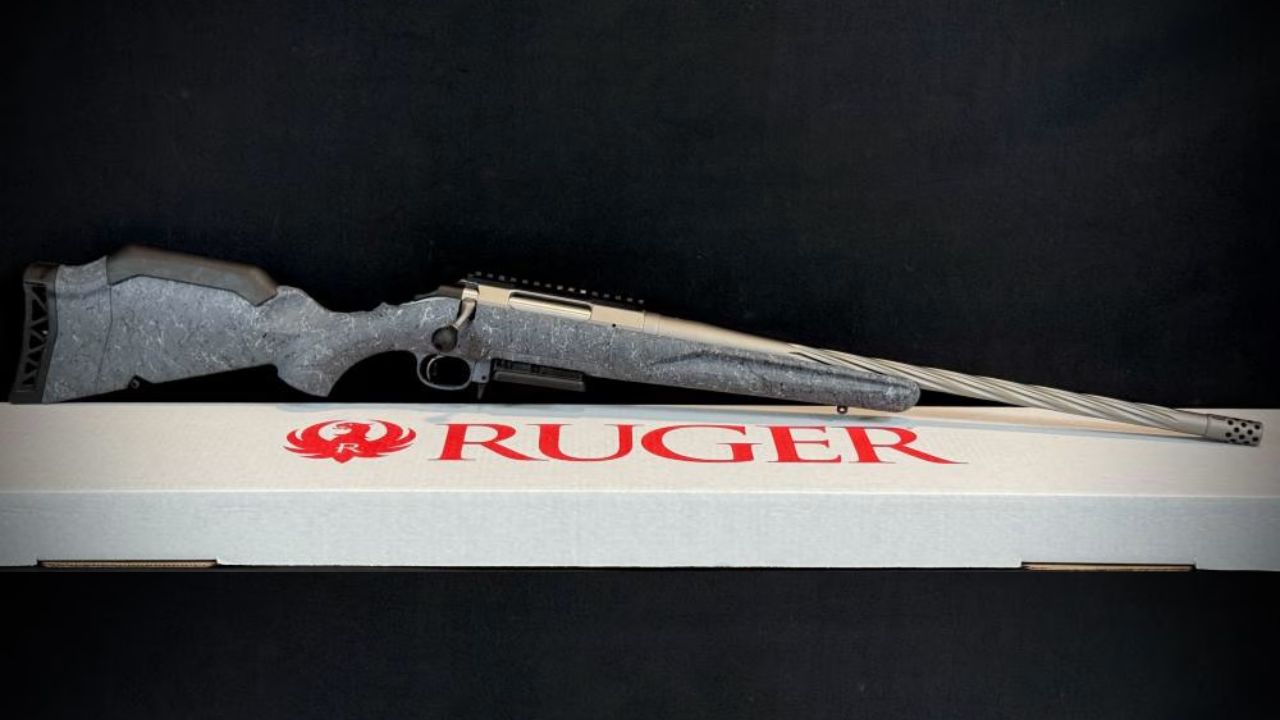
The 6mm Creedmoor is accurate, efficient, and excellent for target shooting, predators, and some deer-sized game with the right bullets. It is easy to shoot well, which is part of why people like it. That low recoil and high accuracy can make it sound tempting for bigger game.
But elk country asks more than tiny groups. The 6mm Creedmoor still launches relatively small bullets compared with traditional elk cartridges. For long-range target work, that is fine. For elk, especially when angles are not perfect, the hunter needs deeper penetration and more bullet weight than the cartridge comfortably provides. It is not that the 6mm Creedmoor is bad. It is that it belongs in a different conversation. Elk hunting is not the place to prioritize target efficiency over terminal margin.
.257 Roberts
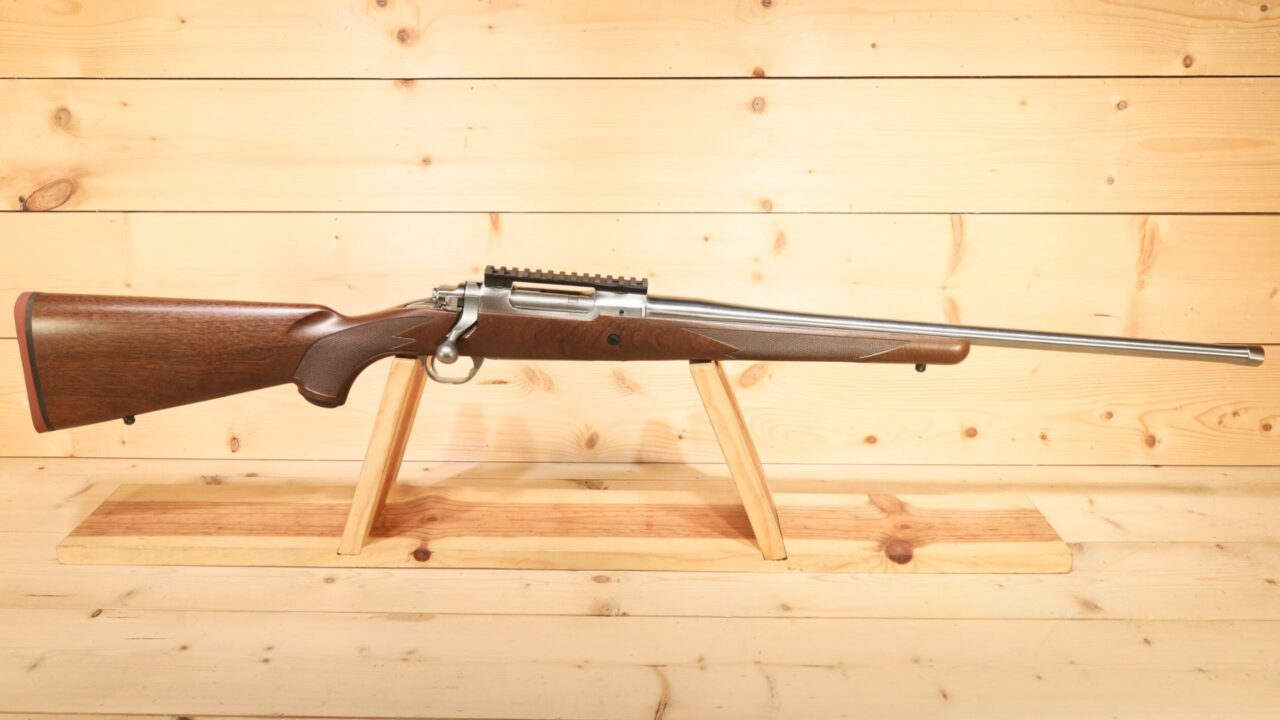
The .257 Roberts is a beautiful, mild, classic cartridge. It has plenty of charm and works wonderfully for deer, pronghorn, and similar game. Many old-school riflemen love it because it is gentle, accurate, and efficient.
That does not make it an elk cartridge. The Roberts can be loaded with good bullets, and an expert could make careful shots under close, controlled conditions. But as a general elk choice, it is too light for comfort. Elk hunting often involves steep terrain, variable shot angles, and the need for reliable penetration. The .257 Roberts deserves respect in its lane, but elk country is a larger lane than it was built for. Admiring a cartridge does not mean assigning it every job.
.25-06 Remington
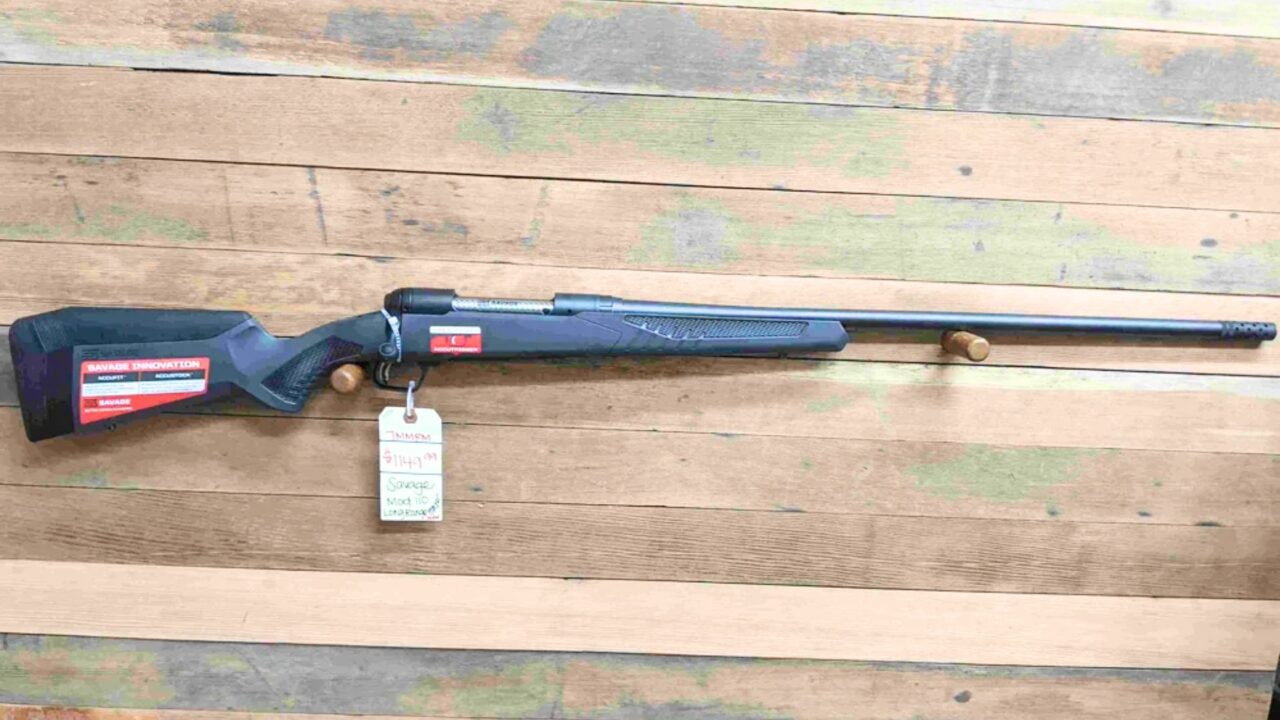
The .25-06 Remington is fast, flat, and excellent on deer, antelope, and coyotes. It hits harder than many smaller cartridges and has a loyal following for open-country hunting. That makes it one of the more tempting “maybe it can do elk” rounds.
The problem is that elk are where “maybe” starts to feel thin. The .25-06 can push quality bullets fast, but bullet weight and sectional margin are still limited compared with 6.5mm, 7mm, and .30-caliber elk cartridges. It may work with premium bullets and careful broadside shots, but it is not forgiving. Many hunters who love the .25-06 for deer still step up for elk because they know the difference between a cartridge that can work and a cartridge that gives confidence.
.30 Carbine
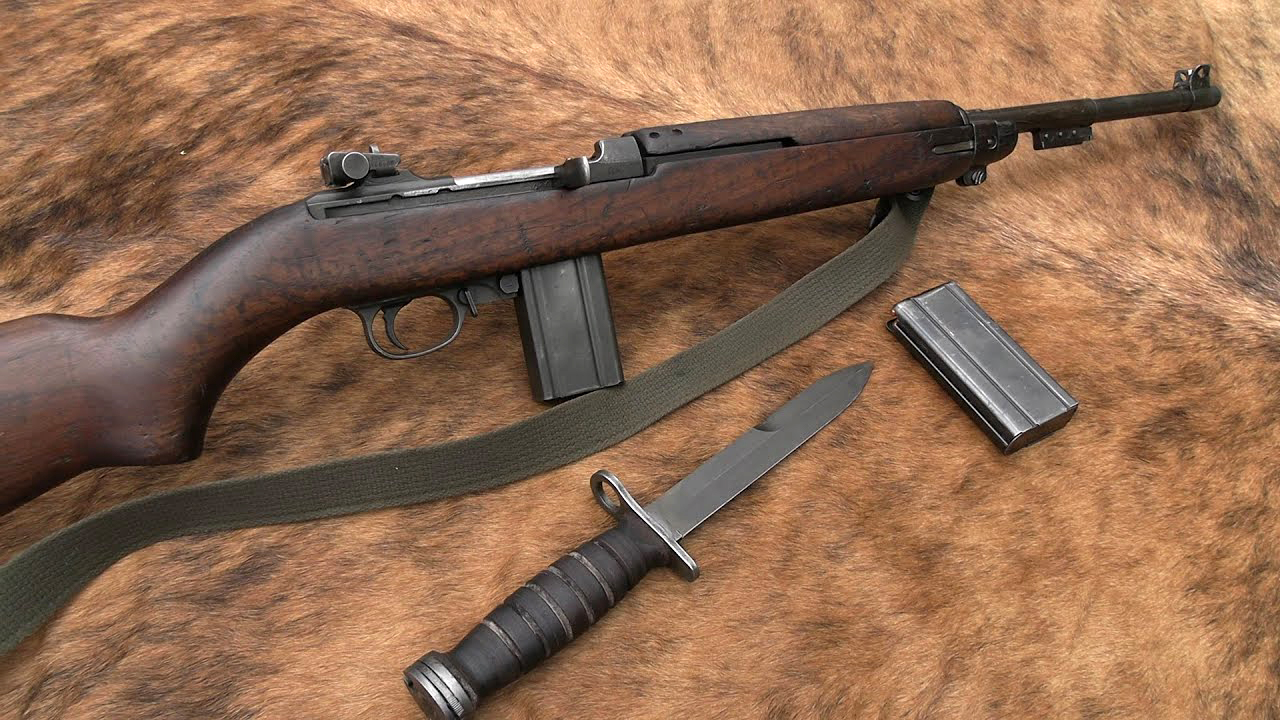
The .30 Carbine is a fun, historic little cartridge, especially in the M1 Carbine. It is light recoiling, handy, and enjoyable to shoot. Some people overestimate it because the carbine itself has military history and a semi-auto platform that feels more serious than the cartridge really is.
For elk, it does not belong in the discussion. The .30 Carbine lacks the power, bullet weight, and penetration expected for large game. It is not a modern big-game rifle cartridge, and trying to treat it like one is unfair to the animal and the hunter. It may have niche usefulness for small game or defensive history, but elk country demands far more. This is one of those cartridges where the answer should be simple: leave it home.
.300 Blackout
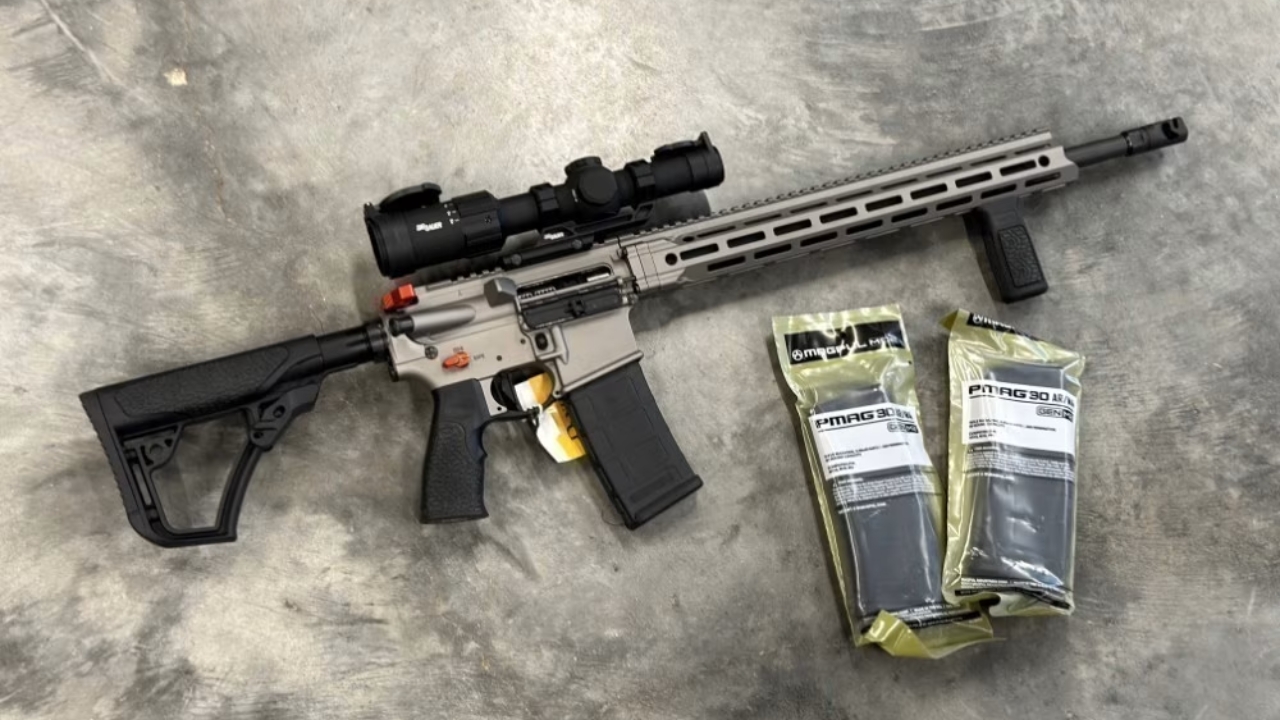
The .300 Blackout has real value in short-barreled rifles and suppressed setups, especially inside its intended range. It can also be useful for hogs and deer at close distances with proper supersonic loads and bullets. That usefulness sometimes gets stretched too far.
Elk are too much animal for that stretch. Supersonic .300 Blackout does not offer the velocity, energy, or trajectory of traditional .30-caliber hunting rounds like .308 Winchester or .30-06 Springfield. Subsonic loads narrow the margin even further and require extremely careful bullet selection and distance limits. It may be a neat cartridge, but neat does not equal elk-ready. Elk country is not the place for a short-range specialty round pretending to be a full-power rifle cartridge.
7.62x39mm
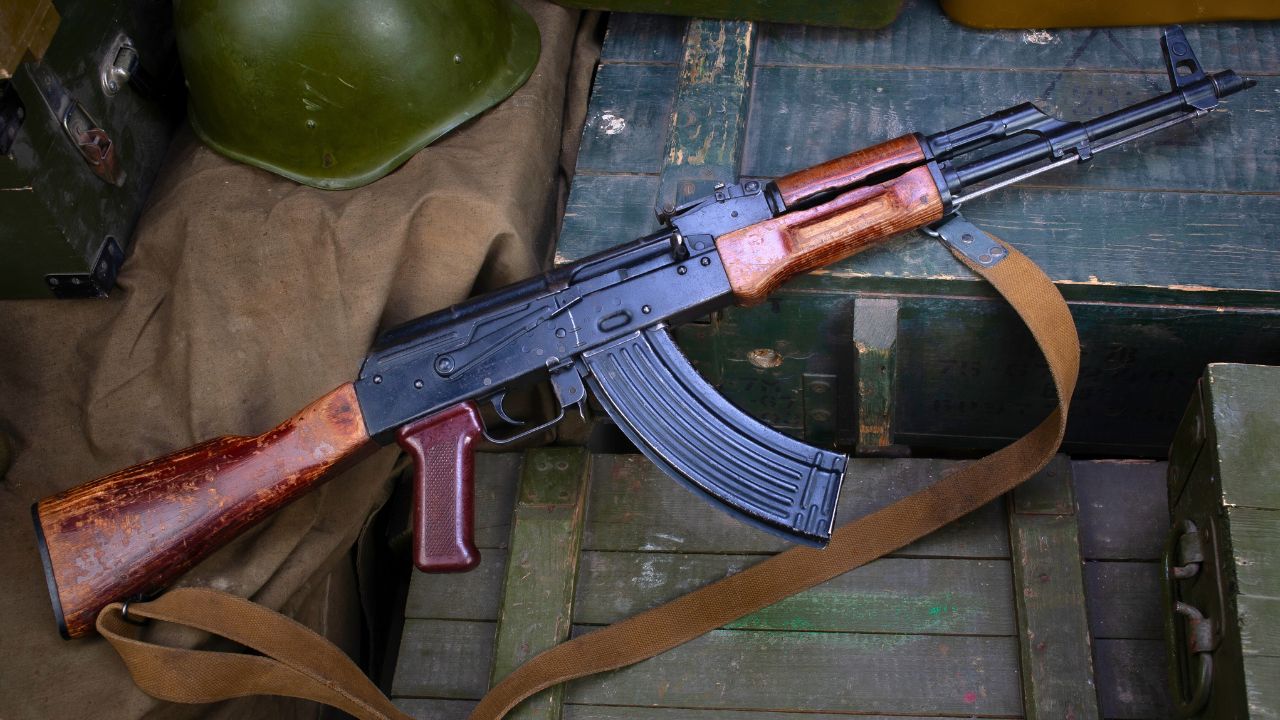
The 7.62x39mm can be a solid short-range deer or hog cartridge with proper bullets and a good rifle. It has more thump than .223 and works well inside realistic distances. That makes some hunters wonder if it can step into elk country.
It really should not. The cartridge is limited in velocity, bullet selection, trajectory, and energy compared with better elk rounds. Even if a hunter uses premium ammunition, the margin remains thin. It is also often chambered in rifles that are not built around precise hunting accuracy. A close-range deer cartridge does not automatically become a close-range elk cartridge. Elk deserve more cartridge than 7.62×39 can comfortably provide.
.350 Legend
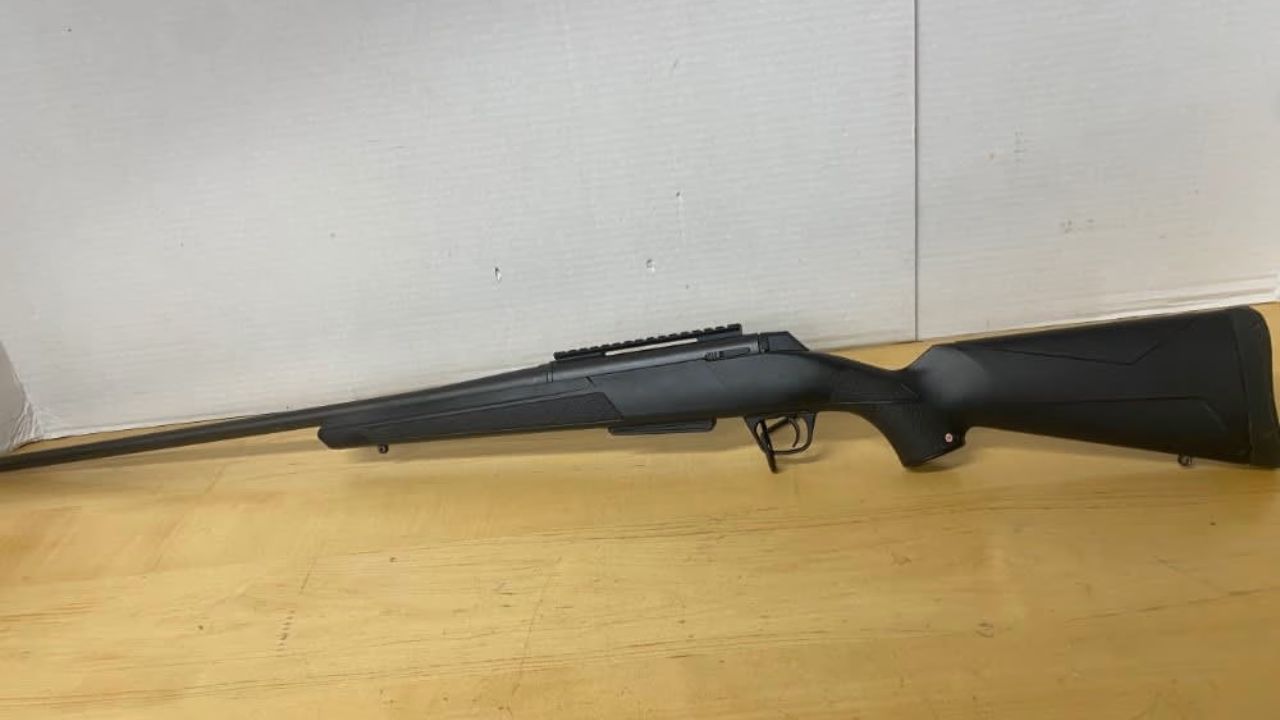
The .350 Legend has a legitimate role in straight-wall states and close-range deer hunting. It is mild, practical, and useful where regulations limit what hunters can carry. That does not mean it should be dragged into elk country.
The cartridge was not designed as a broad elk solution. It has moderate velocity, limited range, and bullet performance that needs to be matched carefully to the job. On deer inside its lane, it can work well. On elk, the hunter is asking much more from it. Some people may point to close-range success stories, but elk hunting should not depend on ideal scenarios and internet exceptions. If straight-wall rules are not forcing the choice, there are far better elk cartridges.
.410 Slugs

A .410 slug sounds more serious than birdshot, and in a survival or emergency conversation, people sometimes exaggerate what it can do. From a proper shotgun, a .410 slug can be interesting and even useful for small-game or very limited roles.
It has no business being treated like an elk cartridge. The projectile is light, energy is limited, and effective range is short. Elk are large animals requiring deep, reliable penetration, and a .410 slug does not offer anything close to the margin responsible hunters should want. This is not a “with the right bullet” debate. It is simply the wrong tool for the job. Elk country is not where a .410 should be asked to prove itself.
.44 Magnum From a Short Rifle

The .44 Magnum from a carbine or lever-action can be a useful short-range deer and hog cartridge. It is handy, hits hard inside its limits, and pairs nicely with revolvers for people who like shared ammunition. In thick woods, it has real appeal.
Elk are a different matter. Out of a rifle, .44 Magnum gains velocity, but it is still a short-range cartridge with a curved trajectory and limited penetration compared with true elk rounds. Heavy hard-cast or controlled bullets may improve the equation, but the hunter is still dealing with narrow distance and angle limitations. It can be a great woods cartridge for the right game. Elk country usually calls for more reach, more penetration, and more forgiveness.
.357 Magnum From a Rifle

A .357 Magnum lever-action rifle is one of the most fun and useful firearms a person can own. It is light recoiling, affordable to practice with using .38 Special, and effective for certain short-range hunting roles where legal and appropriate.
That does not make it an elk rifle. Even from a carbine, .357 Magnum is far below what most hunters should consider for elk. The bullet weight and energy are limited, and shot angles would need to be extremely controlled. It is a wonderful deer and small-game-adjacent utility cartridge in its lane, but elk hunting is outside that lane. The fact that a rifle is handy does not mean the cartridge is adequate.
.17 HMR
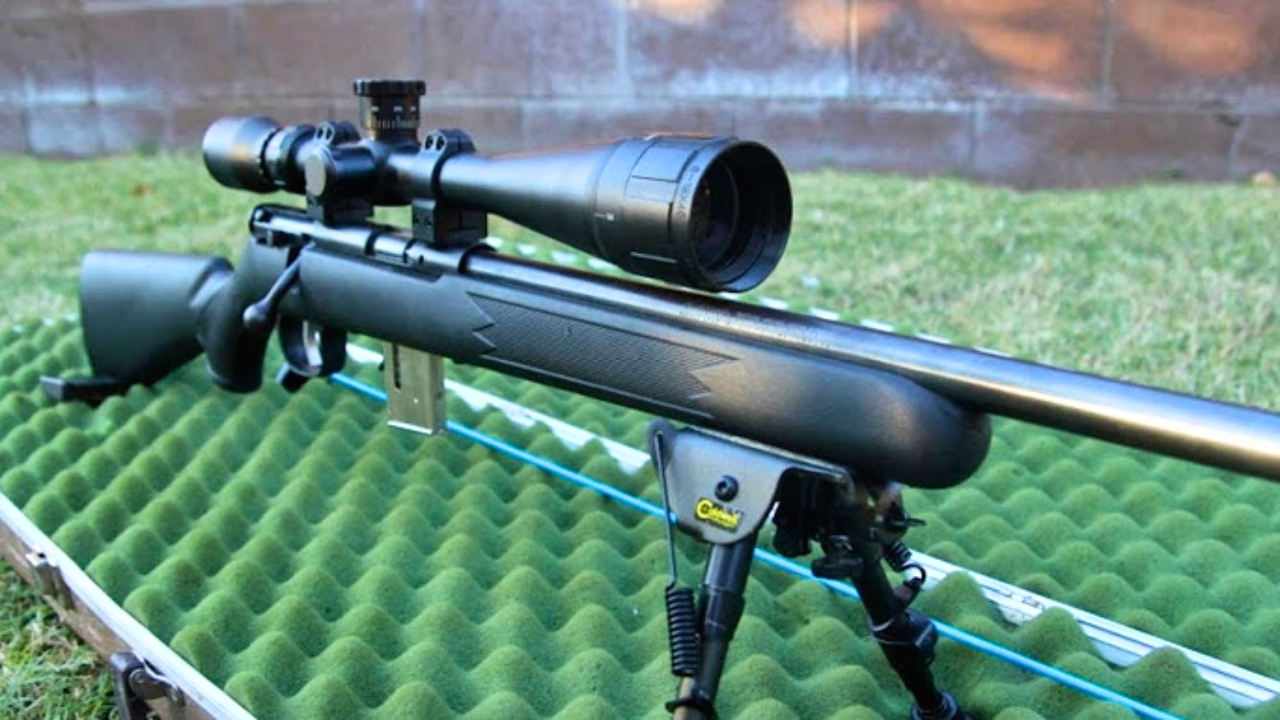
The .17 HMR is fast, flat, and wonderfully accurate for a rimfire. It is excellent for small varmints and makes a fun precision rimfire cartridge. Its speed can make it seem more powerful than it really is to inexperienced shooters.
For elk, it is completely inappropriate. It lacks the bullet weight, energy, and penetration for large game by an enormous margin. This may sound obvious, but every so often, people talk about extreme shot placement as if that solves everything. It does not. The .17 HMR belongs on small targets, not big game. Elk country requires a cartridge built for elk-sized animals, not a rimfire built for prairie dogs and pests.
.22 Magnum

The .22 Magnum is more powerful than .22 LR and useful for small game, pests, and certain farm or trail roles. It can be accurate and handy, especially in rifles. That practical usefulness sometimes causes people to overextend it.
Elk are not remotely within its responsible range of use. The cartridge is still a rimfire with limited bullet weight and penetration. It is not a deer cartridge in many places, and it certainly is not an elk cartridge. A hunter carrying .22 Magnum in elk country is not undergunned by a little. They are in the wrong category entirely. It is a useful small-game round, but elk demand centerfire power built for large animals.
Like The Avid Outdoorsman’s content? Be sure to follow us.
Here’s more from us: