Photo credit: Academy Sports
Some guns are almost impossible to ignore from across the counter. They may have a famous name, a military background, unusual capacity, movie-star looks, or a feature list that makes every competing firearm seem boring. Shooters start imagining how impressive the gun will feel before they have even bought ammunition for it.
Ownership has a way of exposing what excitement hides. Ammunition may cost too much to shoot regularly. The gun may be heavy, awkward, unreliable with common loads, or difficult to support with magazines and parts. None of these firearms are hated by every owner, and some fill specialized roles extremely well. They simply have a habit of creating more enthusiasm before the purchase than after it.
Desert Eagle Mark XIX
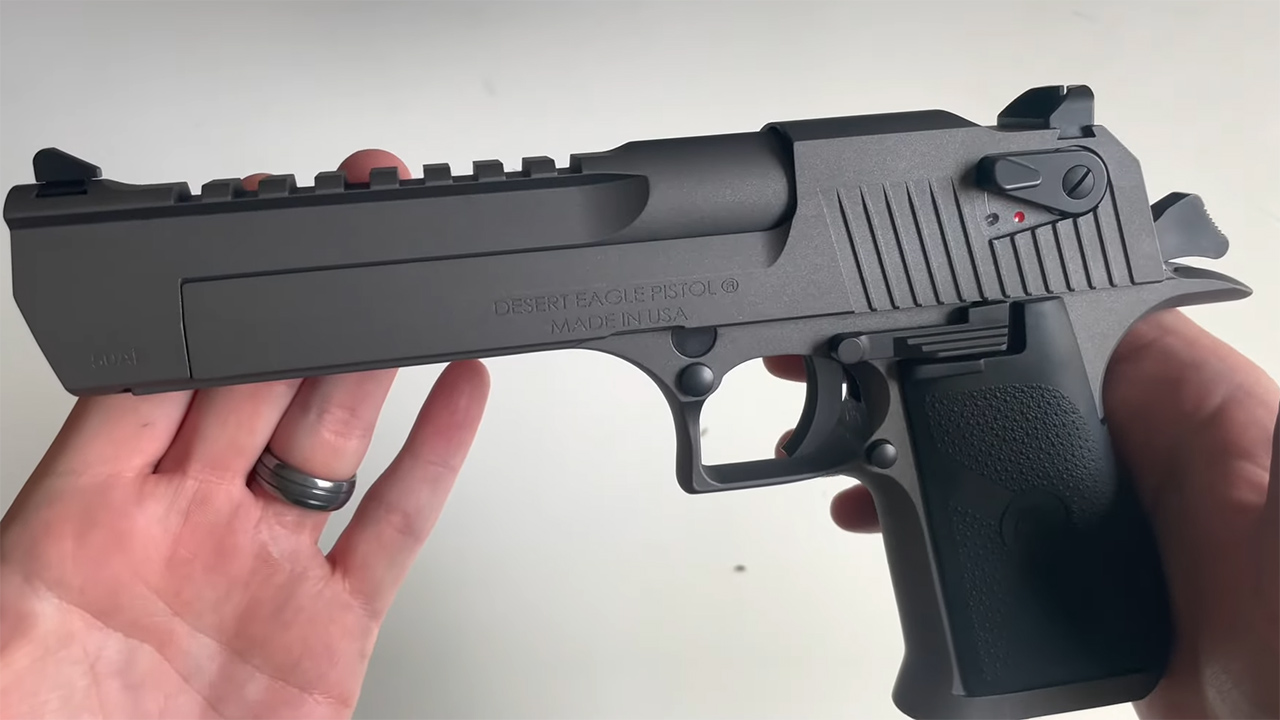
The Desert Eagle is one of the easiest guns to want before handling one for more than a few minutes. Its massive profile, gas-operated action, and powerful chamberings make it feel like the ultimate semi-automatic handgun. Movies and video games turned it into a symbol of handgun power, and many shooters eventually decide they need to own one at least once.
The reality arrives quickly. The pistol is extremely heavy, the grip is too large for many hands, and ammunition in .50 Action Express or .44 Magnum becomes expensive fast. Reliable operation also depends on full-power ammunition and a firm grip. It is difficult to carry, awkward to store, and tiring during longer range sessions. Owners still enjoy letting friends fire it, but many eventually realize they purchased a conversation piece rather than a handgun they regularly use.
FN Five-seveN
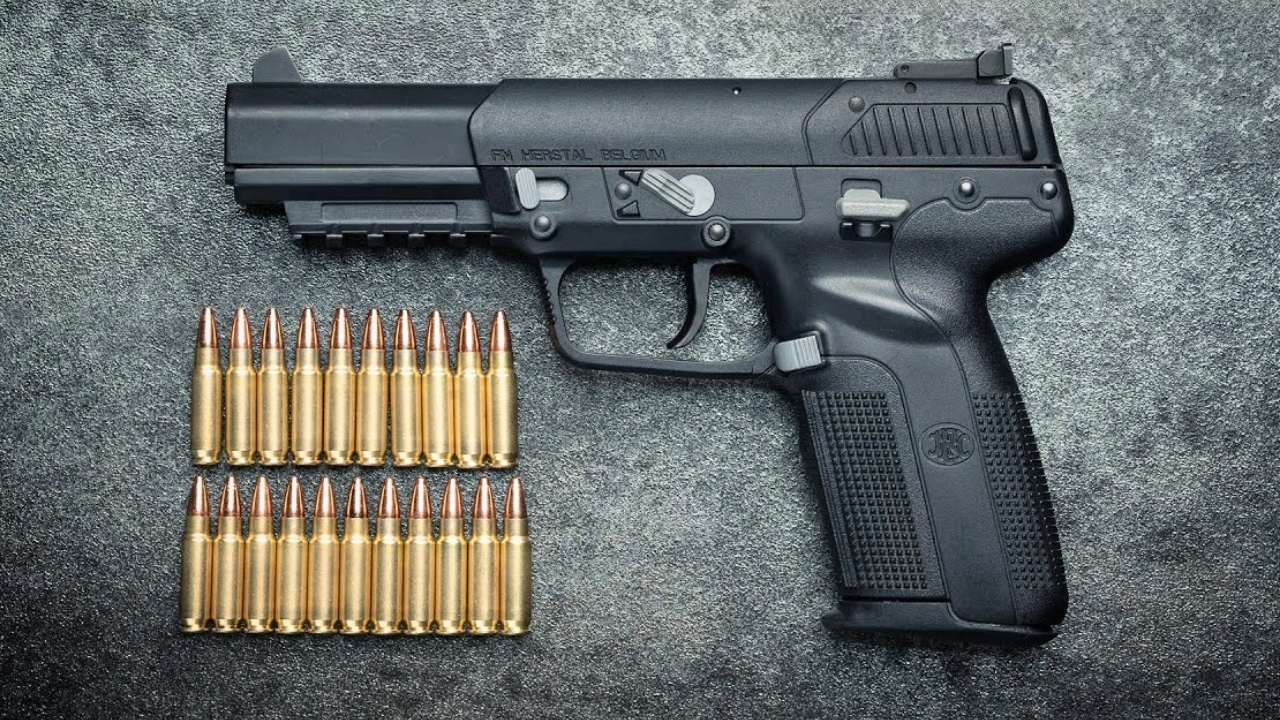
The FN Five-seveN built a huge following through its 20-round capacity, military connection, low recoil, and unusual 5.7x28mm cartridge. It looks unlike a traditional service pistol and carries the kind of reputation that makes buyers expect something far more advanced than an ordinary 9mm.
Once they own one, some shooters struggle to justify the cost. The pistol is expensive, the grip is large, and the controls take adjustment. Ammunition remains considerably more expensive than common handgun cartridges, which discourages the frequent practice needed to truly appreciate the gun. Civilian loads also do not always match the dramatic performance people associate with specialized military ammunition. The Five-seveN is accurate and easy to control, but many owners eventually admit that a quality 9mm would have been cheaper, easier to support, and more practical.
Taurus Judge
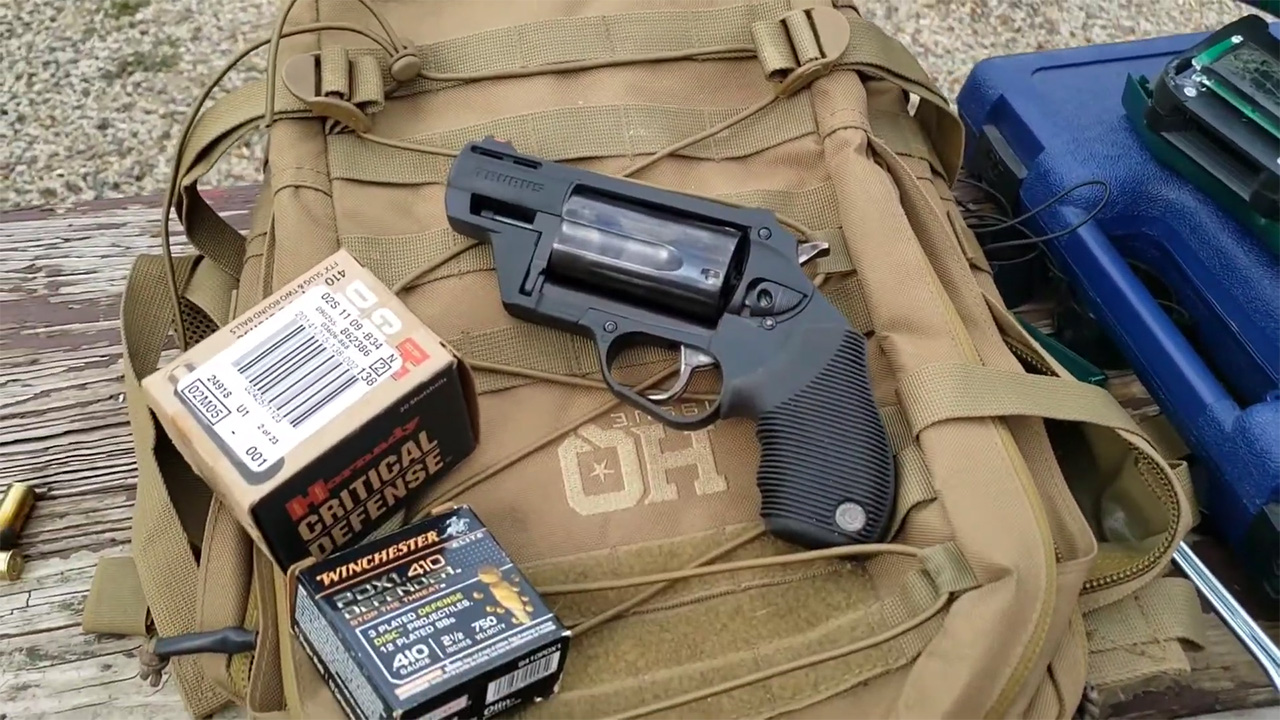
The Taurus Judge is easy to sell because its concept sounds so useful. One revolver can fire both .45 Colt cartridges and .410 shotshells, giving the owner a gun for home defense, snakes, pests, trail carry, and general protection.
The appeal weakens after owners start testing different loads. The revolver is large and heavy, while .410 performance from a short rifled barrel varies dramatically. Patterns can spread quickly, and many shells lose velocity compared with firing them from a shotgun. The long cylinder and shallow rifling also do not optimize accuracy with .45 Colt ammunition. The Judge can still be useful in narrow situations, but owners often discover that its versatility mostly exists because it performs several jobs adequately instead of doing one exceptionally well.
Smith & Wesson Governor
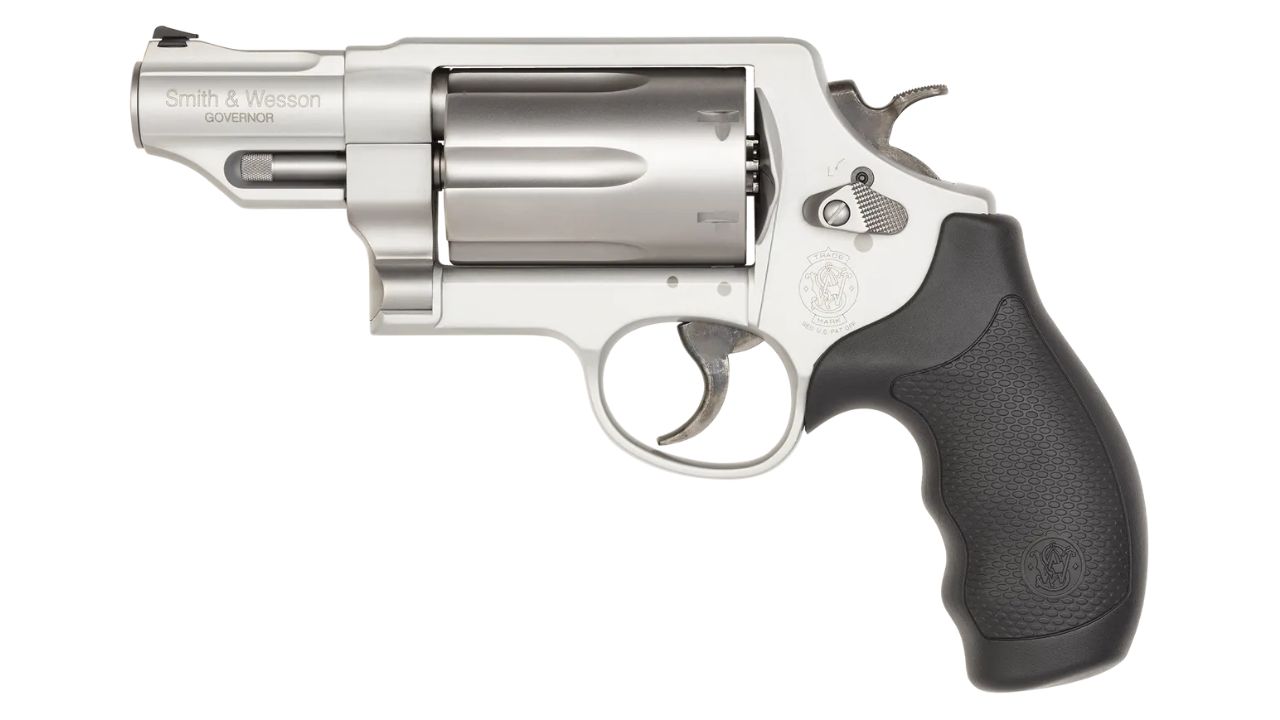
The Governor takes the same mixed-ammunition concept and adds .45 ACP capability through moon clips. That gives buyers three ammunition choices and makes the revolver sound like one of the most adaptable handguns ever produced.
Ownership reveals that every additional cartridge comes with another compromise. The Governor is bulky, difficult to conceal, and expensive compared with more conventional revolvers. Moon clips require organization, while .410 loads remain highly dependent on distance and shell design. A dedicated .45 ACP pistol carries more ammunition, a proper .45 Colt revolver usually shoots that cartridge better, and a shotgun handles shotshells more effectively. The Governor is well made and entertaining, but many owners eventually realize the feature list was more valuable to them than the actual performance.
KelTec PMR-30
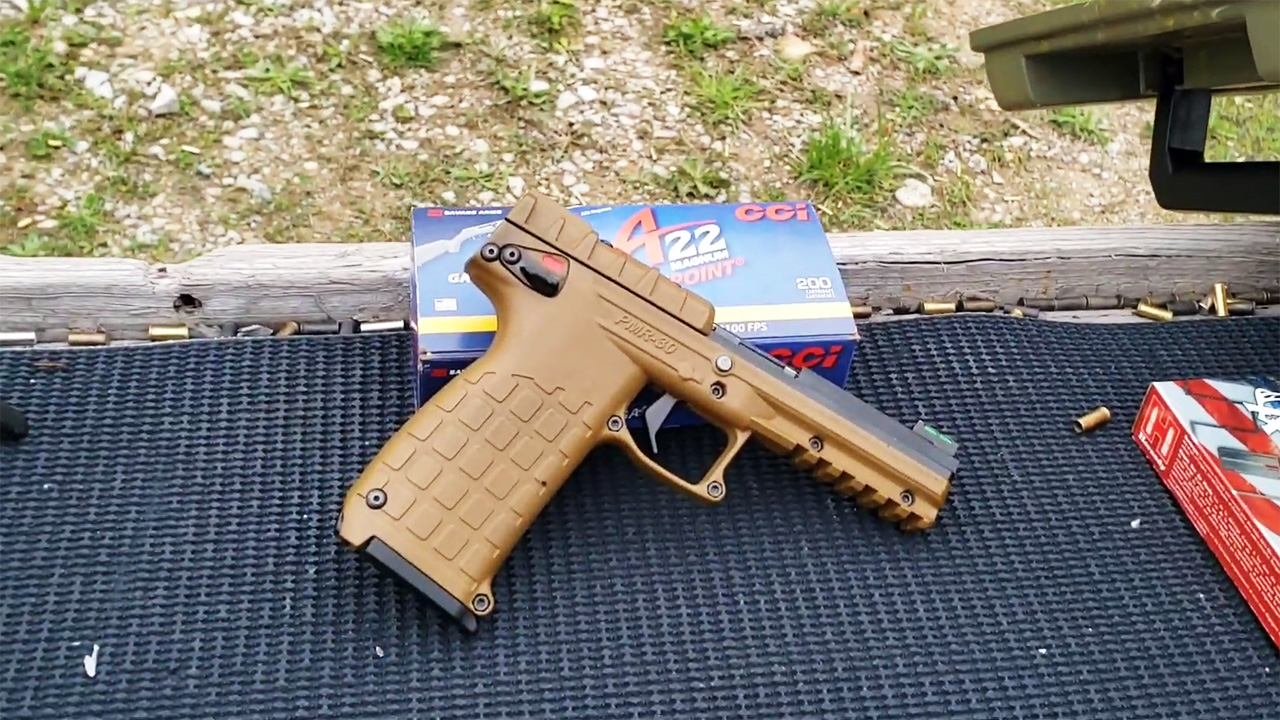
The PMR-30 seems nearly perfect for anyone who enjoys high-capacity pistols. It weighs very little, holds 30 rounds, and fires the louder and faster .22 Magnum instead of ordinary .22 Long Rifle. It looks futuristic and creates almost no fatigue when carried.
The long rimmed cartridges demand careful magazine loading, and improper stacking can quickly create feeding problems. Ammunition selection matters, cleanliness matters, and some examples require far more attention than owners expected from a recreational pistol. The gun can be accurate and extremely fun when it runs, but loading 30 rounds correctly becomes a chore. Many people buy it imagining endless magazines of trouble-free shooting and end up spending more time checking ammunition, springs, and feed behavior than they planned.
KelTec P50
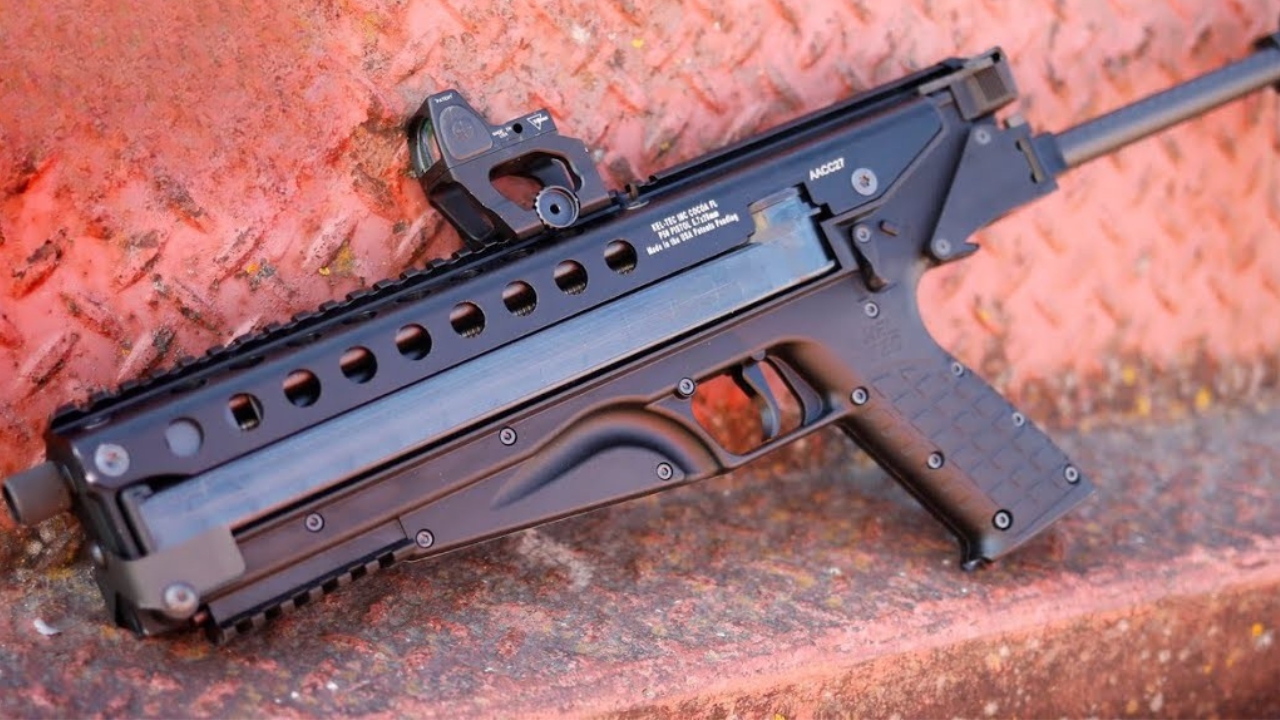
The KelTec P50 attracts attention because it accepts 50-round P90 magazines and places them horizontally above the action. It looks like a firearm from a science-fiction movie and offers enormous capacity without a magazine hanging below the grip.
The problem appears when owners try to decide what it is actually for. It is too large to handle like a normal pistol and lacks the stock and ergonomics of a proper carbine in its factory form. Reloading requires opening the action, while ammunition and magazines are expensive. Holsters, cases, slings, and accessories also require more thought because the gun follows no familiar layout. It remains one of the most interesting range guns available, but plenty of buyers eventually realize they wanted the appearance and novelty more than the ownership experience.
SIG Sauer P365 SAS

The P365 SAS looked like the ultimate concealed-carry pistol for buyers worried about snagging. SIG removed traditional sights, flattened the controls, and smoothed the exterior to create a gun designed to draw cleanly from deep concealment.
Owners frequently discover that the regular P365 already draws without meaningful trouble. The recessed sight can be slower to locate, especially in poor lighting or when shooting from an unusual position. Flush controls also make slide manipulation and takedown more awkward. The pistol retains the capacity and compact size that made the P365 successful, but the specialized changes reduce practical shootability. Many SAS owners eventually install more conventional sights or trade the gun for a standard P365 that offers nearly the same concealment with fewer compromises.
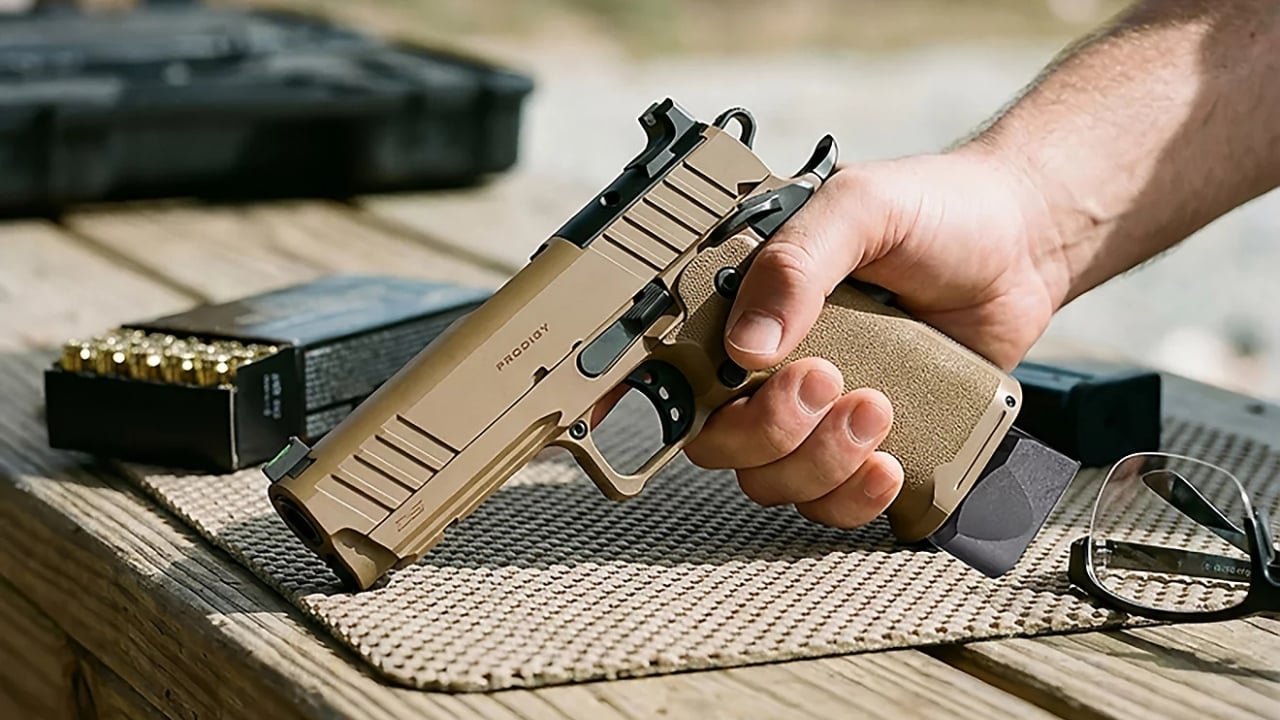
Springfield Armory Prodigy

The Springfield Prodigy created enormous excitement by offering a double-stack 1911-style pistol for far less than many established 2011 platforms. It came optic-ready, used large magazines, and delivered the appearance of a competition or tactical pistol without a custom price.
Some owners discovered that the lower entry cost did not always mean the gun was ready to run hard. Early examples developed complaints involving feeding, rough movement, extractor tuning, and inconsistent reliability. Magazines are expensive, and upgrades to the ignition system, springs, or controls can erase the original price advantage. Good examples shoot extremely well, and later production appears more refined. The disappointment comes when buyers expect a finished premium pistol and realize they may have purchased a platform that still needs tuning and careful maintenance.
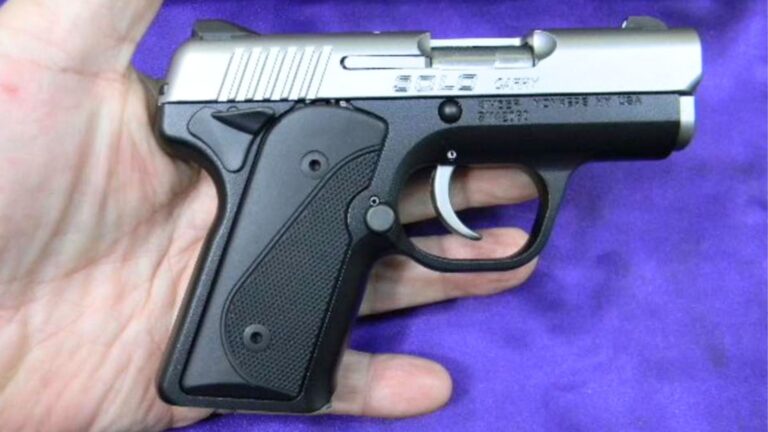
Kimber Solo
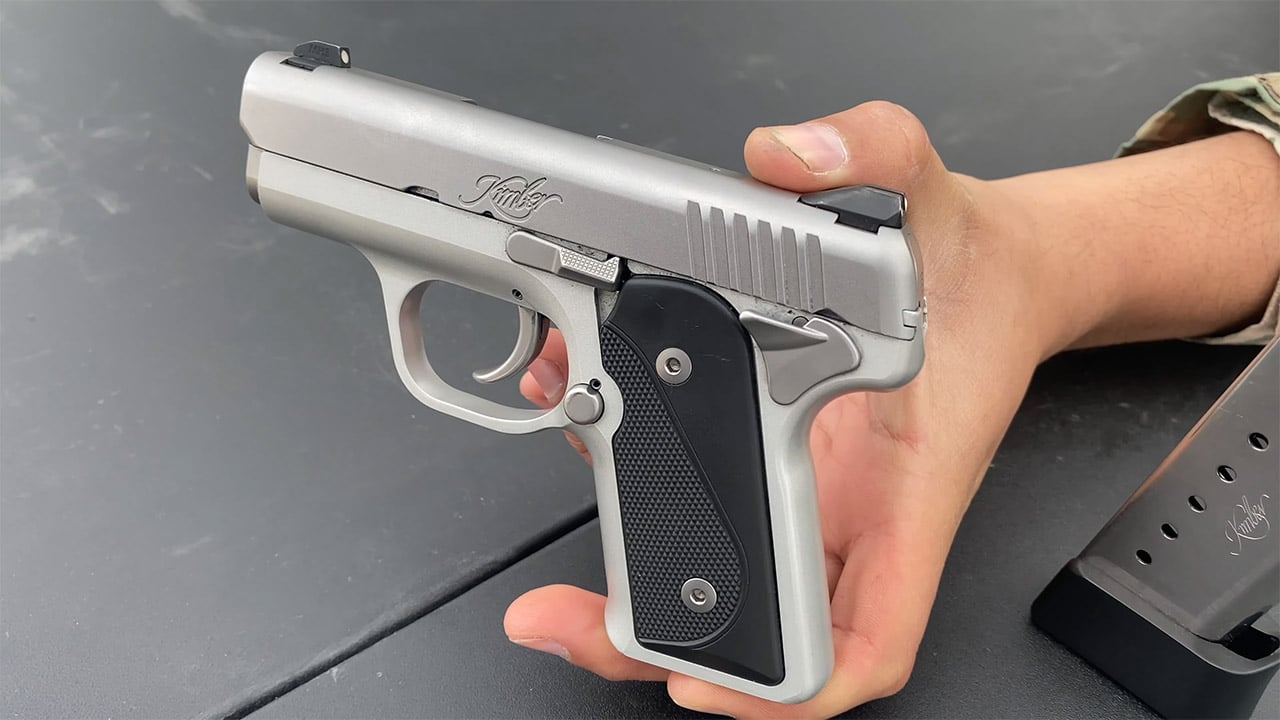
The Kimber Solo looked like a premium answer to the early pocket 9mm market. It had a compact metal frame, smooth lines, attractive machining, and a trigger that appeared more refined than many inexpensive polymer competitors.
The pistol gained a reputation for being particular about ammunition. Kimber recommended specific premium loads, which meant owners could not always expect reliable function with common practice ammunition. That is a difficult limitation for a defensive pistol that needs to be tested extensively. The Solo also cost enough that buyers expected more flexibility and confidence. Many people wanted one because it looked like a compact handgun built to a higher standard. Some eventually wished they had chosen a less attractive pistol that functioned with a broader range of ammunition.
CZ Scorpion EVO 3 S1

The CZ Scorpion became one of the most wanted pistol-caliber platforms because it looked modern, accepted affordable magazines, and had a strong aftermarket. It gave buyers a compact 9mm firearm that felt more distinctive than another AR-based carbine.
Ownership often begins a long chain of upgrades. The factory safety can dig into the hand, the trigger is heavy, the grip is awkward, and the straight-blowback action produces more movement than many shooters expect from a heavy 9mm gun. Replacement springs, grips, controls, handguards, and stocks can improve it dramatically, but the final cost climbs quickly. The Scorpion remains dependable and enjoyable, yet many owners eventually realize they wanted the idea of the gun more than the unmodified factory product.
FN SCAR 17S

The SCAR 17S is a dream rifle for shooters attracted to military history, folding stocks, .308 power, and a platform that looks completely different from a standard AR-10. Its light weight and service background create the impression that it must outperform ordinary civilian rifles in every way.
The ownership costs go well beyond the purchase price. Magazines, replacement parts, triggers, and optics capable of tolerating the recoil behavior can be expensive. Older reciprocating charging-handle models can interfere with certain grips and accessories, while the factory stock and trigger feel less impressive than buyers expect at the price. The SCAR remains capable and desirable, but many owners eventually admit that a well-built AR-10 would have been easier to configure and far less expensive without giving up much practical performance.
HK USP
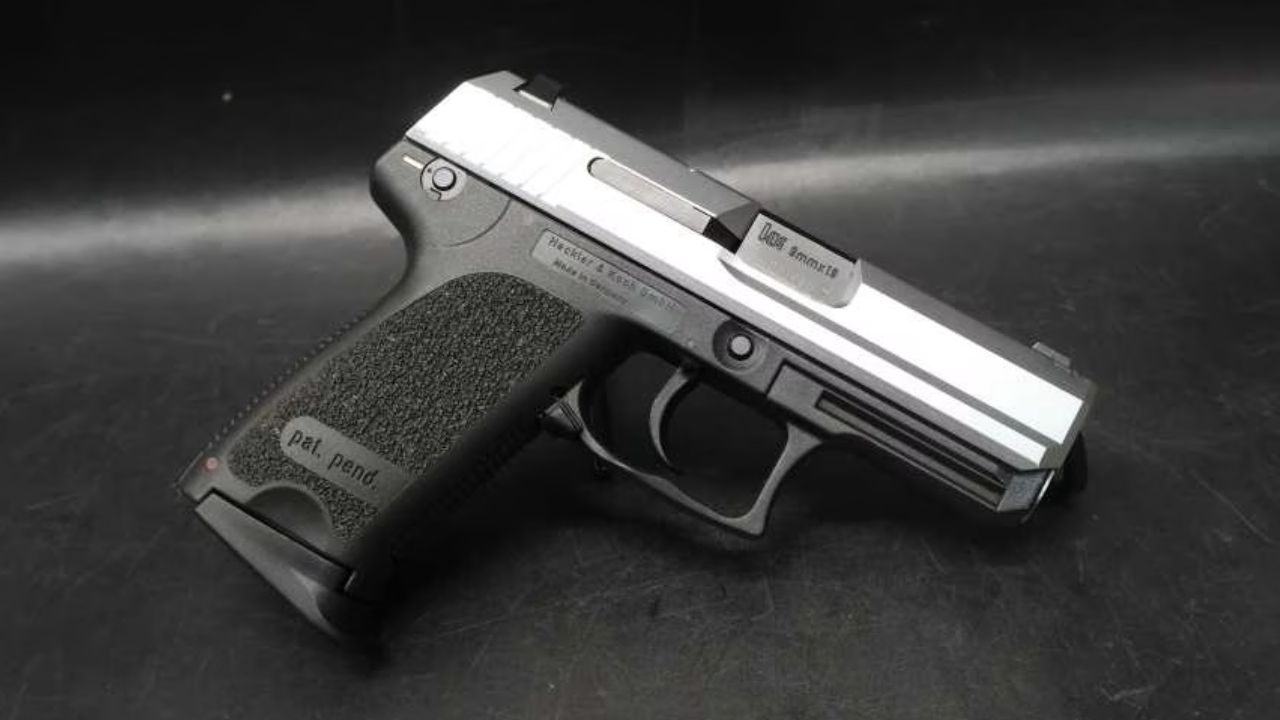
The HK USP has one of the strongest durability reputations in the handgun world. It was built to handle hard service, powerful cartridges, and rough environments, which makes it irresistible to shooters who want a pistol that feels nearly impossible to wear out.
After purchase, the design can feel far older than the reputation suggests. The grip is large, the bore axis is high, and the double-action trigger can be heavy. Magazines and parts are expensive, while older accessory rails require adapters for common weapon lights. The pistol may survive abuse most owners will never create, but that durability does not automatically make it pleasant to carry or shoot. Many buyers still respect the USP after owning one, yet some realize they would rather have a newer pistol with better ergonomics and nearly equal practical reliability.
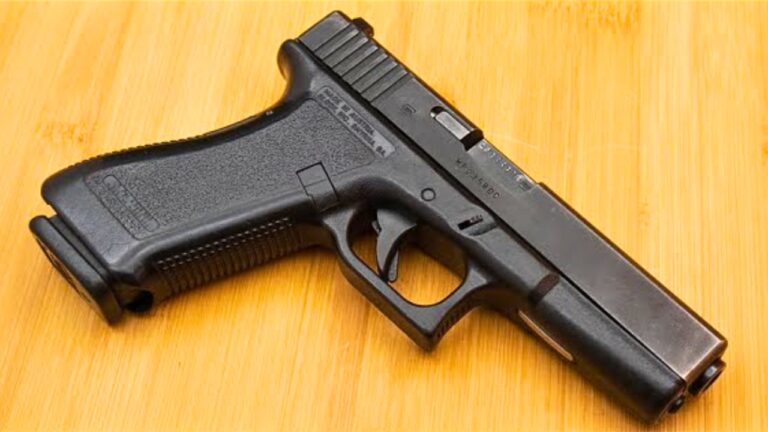
Glock 26
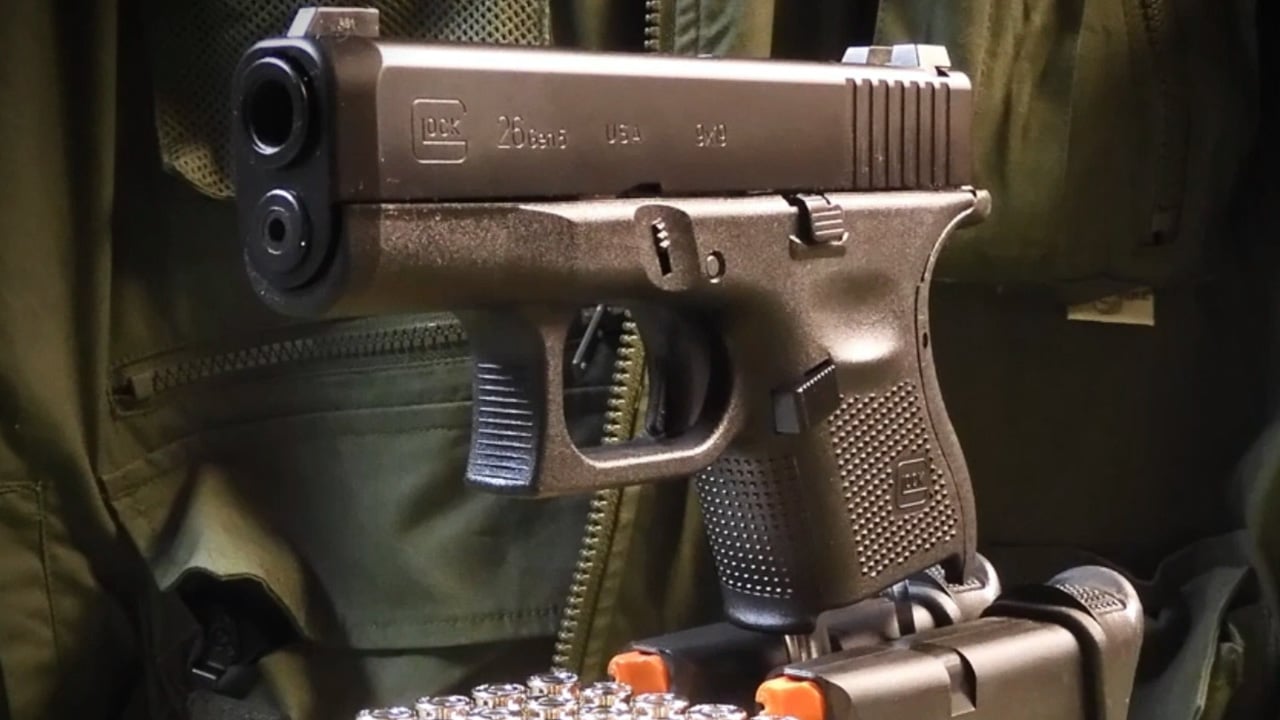
The Glock 26 built a loyal following by shrinking the proven Glock system into a subcompact pistol that could accept larger Glock magazines. It promised duty-pistol reliability in a package small enough for concealed carry.
The short grip becomes the main frustration. Adding a magazine extension improves control but also makes the gun nearly as tall as a Glock 19 while keeping the shorter slide and sight radius. The pistol remains thick, which can make it print more than newer slim carry guns. It is dependable and capable, but many owners eventually move in one of two directions: a thinner micro-compact for easier concealment or a Glock 19 for better shooting. The Glock 26 often ends up stuck between those roles.
Ruger LCP Max

The LCP Max became highly desirable because it placed impressive capacity inside a pistol small enough for genuine pocket carry. It solved the original LCP’s limited magazine capacity without making the gun dramatically larger.
The appeal is strongest while carrying it and weakest while shooting it. The tiny grip, light frame, and short sight radius make recoil feel sharp and rapid fire difficult. The improved sights help, but the gun still demands more concentration than a slightly larger .380 or 9mm pistol. Owners often love how easily it disappears into a pocket, then avoid practicing because longer sessions are unpleasant. Many eventually buy a larger carry gun and keep the LCP Max only for the days when nothing else will conceal.
Colt Python
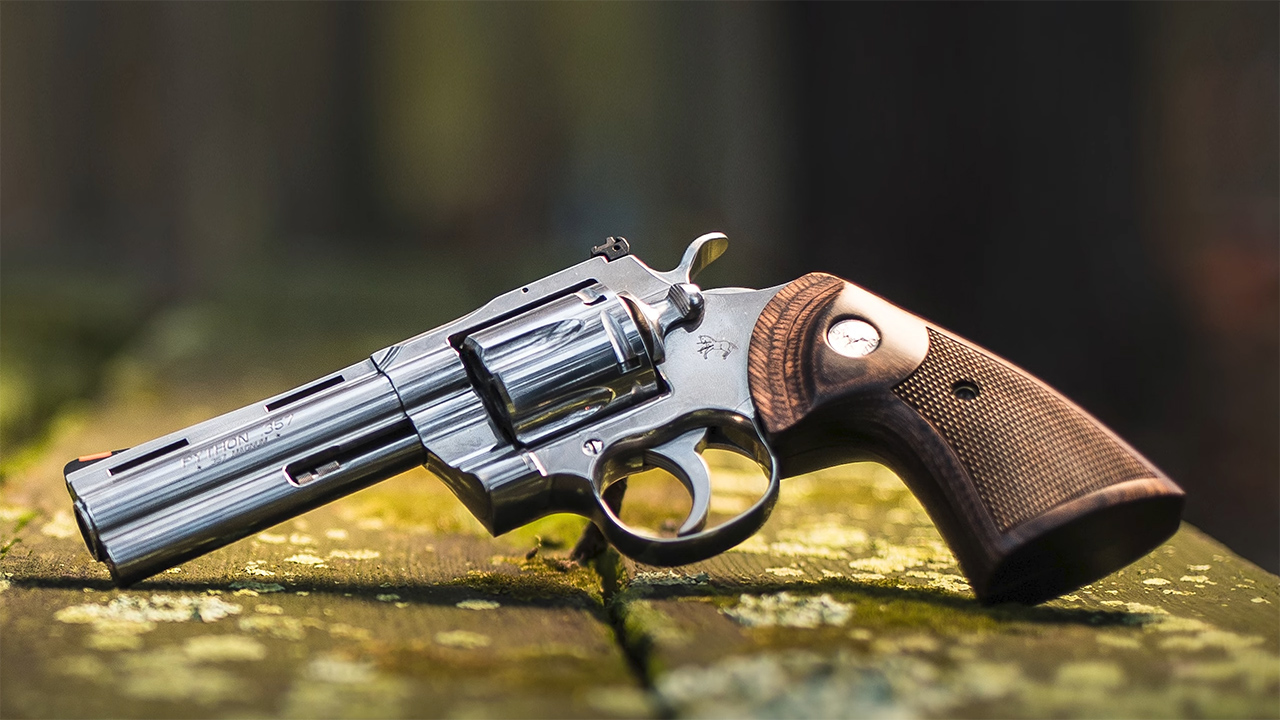
The modern Colt Python created enormous demand by reviving one of the most famous revolver names ever used. Buyers wanted the polished stainless finish, ventilated rib, full underlug, and connection to the carefully fitted original Pythons.
The new Python is strong, accurate, and attractive, but some owners discover that the experience does not fully match the mythology. The trigger does not automatically outperform every Smith & Wesson or tuned Ruger, and the price includes a substantial premium for the Colt name. It is too expensive for some buyers to treat as a rough-use field gun, which can leave it sitting in the safe. Many owners still love theirs, but others realize they wanted the legend more than they needed another .357 Magnum revolver.
Glock 44

The Glock 44 sounded like the ideal training pistol for anyone who owned a Glock 19. It has nearly identical dimensions and controls, fires inexpensive .22 Long Rifle ammunition, and fits many of the same holsters.
Its lightweight slide and ten-round magazines made the gun feel less satisfying than some buyers expected. Rimfire ammunition can be inconsistent, and the pistol may require specific loads and regular cleaning to remain dependable. It also faces high-capacity competitors that hold significantly more ammunition and cost a similar amount. The Glock 44 remains useful for practicing draws and controls, but many owners discover that a Ruger Mark IV, Taurus TX22, or SIG P322 provides a better recreational shooting experience.
Smith & Wesson Model 340 PD
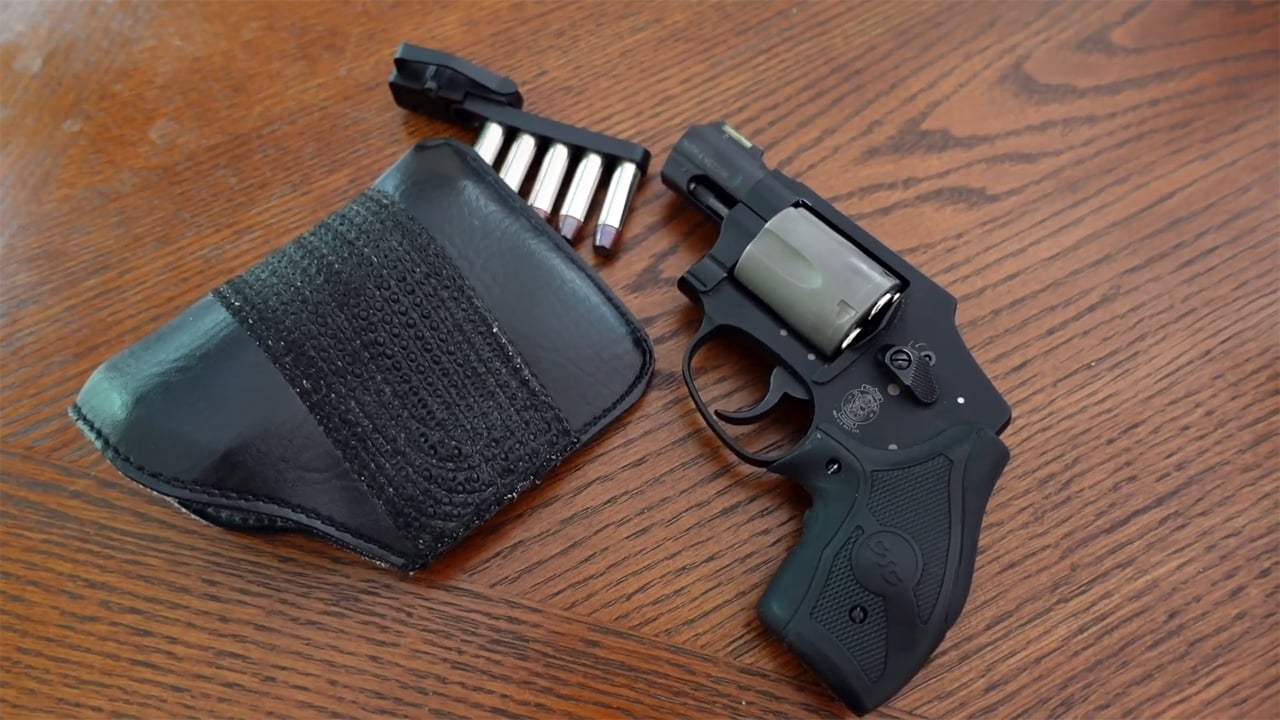
The Model 340 PD attracts concealed carriers by offering .357 Magnum capability in an extremely light revolver. Its scandium frame and titanium cylinder create a gun that can disappear into a pocket and remain comfortable all day.
Firing it is another matter. Full-power .357 Magnum loads produce severe recoil, blast, and muzzle rise. Many owners quickly switch to .38 Special ammunition, which raises the question of whether they needed the expensive magnum-rated model in the first place. The revolver is difficult to shoot accurately at speed and unpleasant to practice with enough to build confidence. It remains an exceptional carry tool for experienced shooters who accept the tradeoff, but plenty of buyers eventually wish they had chosen a heavier steel revolver or a softer-shooting compact pistol.
Chiappa Rhino
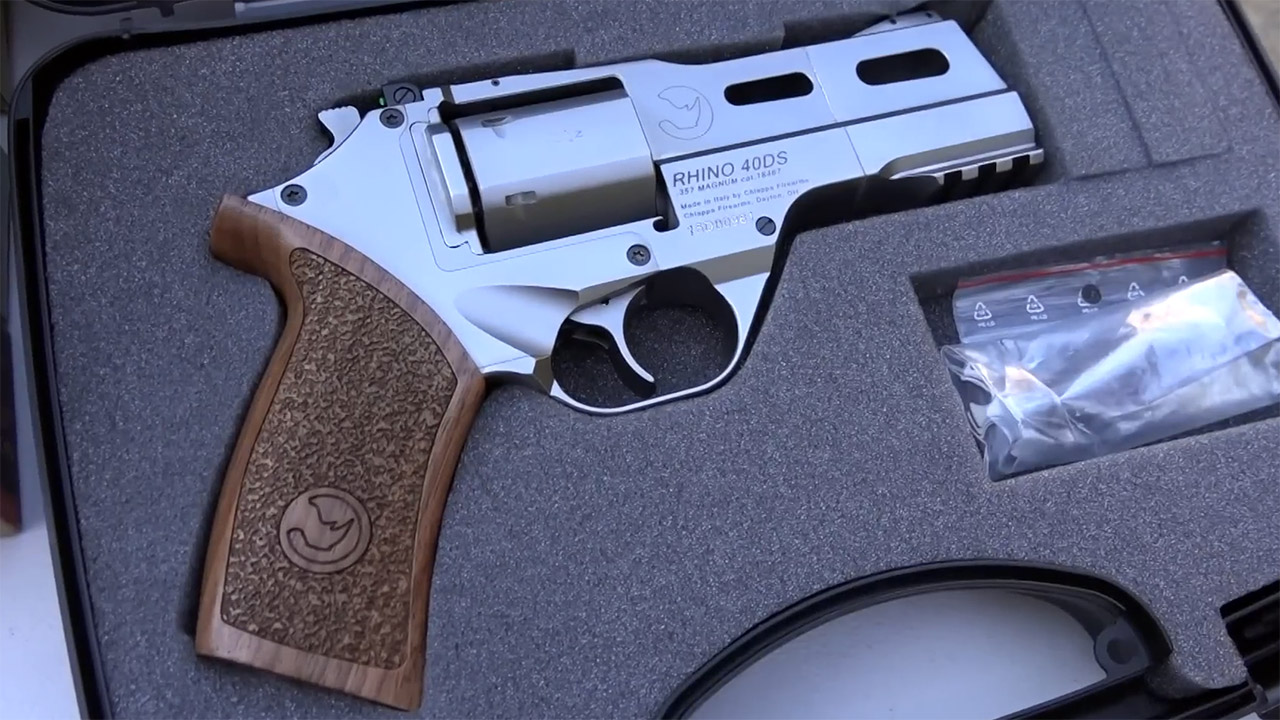
The Chiappa Rhino looks revolutionary because it fires from the bottom chamber of the cylinder. That lowers the bore line and sends recoil more directly into the shooter’s hand, promising less muzzle rise than a conventional revolver.
The system works, but ownership brings complications. The trigger and hammer mechanism feel unusual, the internal design is more complex, and finding qualified service can be difficult. Holsters, grips, and replacement parts are less common than they are for Smith & Wesson or Ruger revolvers. The appearance also attracts buyers who may not actually enjoy revolvers enough to adapt to its controls. Many owners admire the engineering but eventually return to a conventional revolver that is easier to maintain, support, and understand.
Remington R51
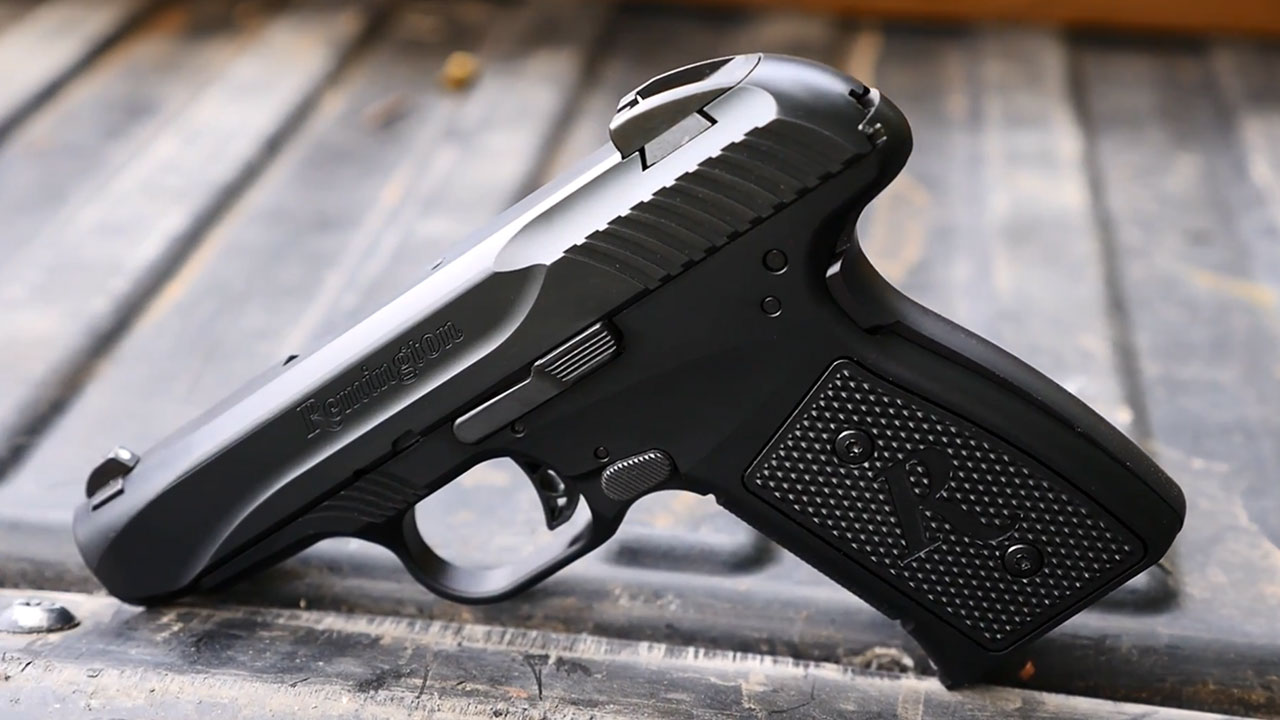
The R51 generated major excitement because it promised a slim metal-framed 9mm with mild recoil and an unusual hesitation-lock action. The Remington name gave buyers reason to expect a polished carry pistol backed by generations of American firearm manufacturing.
The first production guns quickly became associated with rough operation, poor fit, reliability problems, and difficult disassembly. Remington recalled the original run and later introduced a revised version, but trust never fully returned. Buyers who had waited eagerly for the pistol became some of its harshest critics because the concept had sounded so promising. The R51 became a lasting example of how quickly excitement can collapse when a firearm reaches consumers before the design and manufacturing process are ready.
Benelli M4
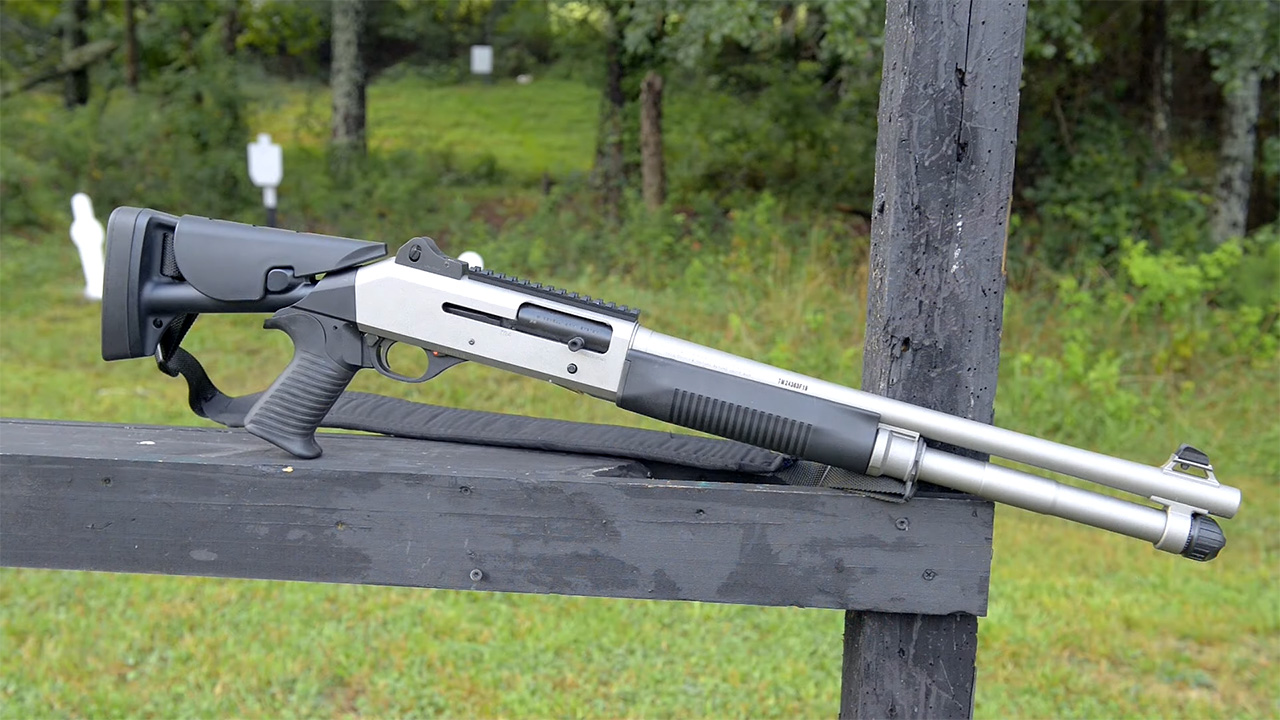
The Benelli M4 is one of the most wanted tactical shotguns in the world. Its military history, gas-operated system, and reputation for reliability make it feel like the final answer for anyone building a serious defensive shotgun.
Ownership can be less glamorous. The gun is heavy, expensive, and costly to configure with the stock, magazine tube, light mount, and controls many buyers actually want. Certain factory configurations arrive limited by import rules, forcing owners to spend even more money after purchase. The shotgun is extremely capable once properly set up, but many civilians never use it hard enough to justify the price. Some eventually realize a Beretta 1301, Benelli M2, or even a quality pump shotgun would have handled their needs for much less money.
Like The Avid Outdoorsman’s content? Be sure to follow us.
Here’s more from us: