Photo credit: Academy Sports
Some firearms earn attention through military contracts, movie appearances, aggressive marketing, or a famous name stamped on the slide. Buyers hear enough praise and begin expecting something that will shoot flatter, last longer, or perform better than everything else in the same category. Then the first serious range session exposes how much of the reputation came from image instead of results.
That does not make every gun here worthless. Most can work well in the right role, and several have loyal owners who will defend them without hesitation. The problem is that their actual performance rarely matches the excitement surrounding them. Once price, recoil, ergonomics, reliability, and real-world usefulness are considered, many experienced shooters discover that less celebrated firearms offer more for the money.
FN Five-seveN

The FN Five-seveN built an enormous reputation around its military connection, 20-round capacity, and unusual 5.7x28mm cartridge. It looks futuristic, shoots with mild recoil, and offers the kind of velocity that sounds impressive when compared with ordinary pistol ammunition. Its appearance in games, movies, and tactical discussions turned it into something close to a cult gun.
The actual shooting experience is far less dramatic. The grip is large, the controls feel unusual, and the pistol costs much more than most proven service handguns. Civilian ammunition also does not deliver every capability people associate with specialized military loads. It is accurate and enjoyable, but most owners would be better served by a quality 9mm they can afford to practice with regularly. The Five-seveN remains interesting, yet much of its appeal comes from rarity and reputation rather than a clear practical advantage.
Desert Eagle Mark XIX
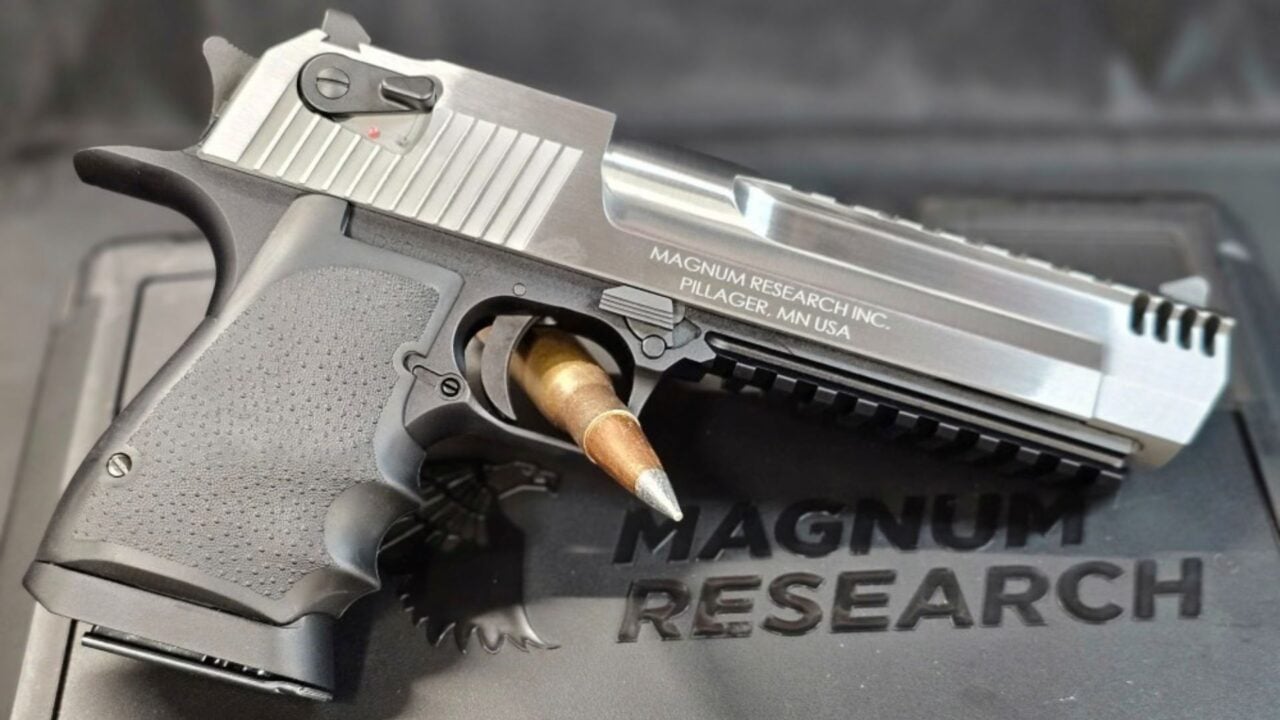
The Desert Eagle may be the most recognizable oversized pistol ever produced. Its gas-operated action allows it to fire powerful cartridges such as .44 Magnum and .50 Action Express, while its massive slide and angular profile guarantee attention anywhere it appears.
That attention is the main thing it delivers consistently. The pistol is extremely heavy, difficult for many shooters to grip, and expensive to feed. Reliable operation depends on strong ammunition and proper technique, which means it can malfunction when the shooter does not give it a firm platform. It is far too large for practical carry and less convenient for hunting than many revolvers or specialized single-shot pistols. The Desert Eagle is an entertaining range gun, but its real performance rarely supports the larger-than-life image built around it.
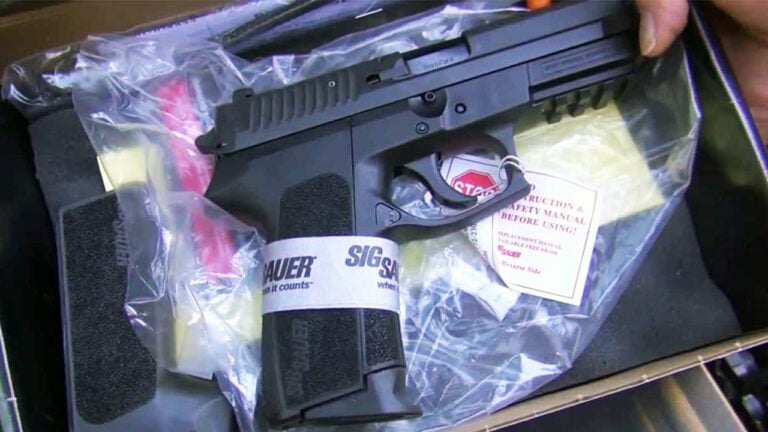
SIG Sauer P365 SAS

The P365 SAS was promoted as a carry pistol stripped of every possible snag point. SIG recessed the sighting system into the slide, flattened the controls, and created a pistol designed to come out of clothing without catching on anything.
In practice, the standard P365 was already smooth and compact enough for concealed carry. The SAS version gave up usable sights and easy-to-manipulate controls to solve a problem most shooters were not experiencing. The recessed sight can be slower to find, especially under stress or in poor lighting, and the flush slide release is less convenient during reloads. The pistol still offers good capacity and concealability, but the specialized changes make it harder to shoot and operate. It is a clever marketing idea that often performs worse than the ordinary model.
Taurus Judge
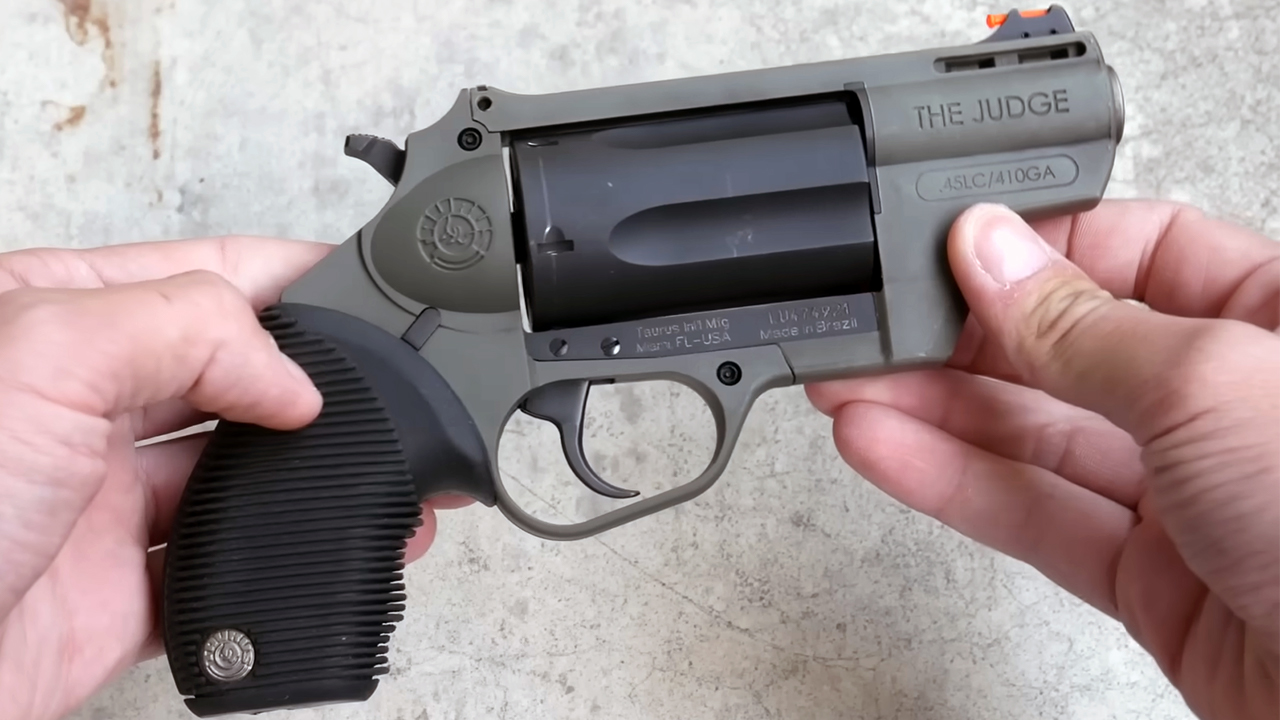
The Taurus Judge became famous by offering the ability to fire both .45 Colt cartridges and .410 shotshells. That feature made it sound like a revolver capable of handling home defense, trail carry, snakes, pests, and nearly every short-range problem a gun owner might encounter.
The versatility comes with major compromises. The long cylinder makes the revolver bulky, while the shallow rifling needed for shotshells does not help .45 Colt accuracy. Many .410 loads lose substantial velocity and pattern poorly from the short rifled barrel. The gun is also heavy for the performance it delivers and can recoil sharply with defensive loads. It remains popular because the concept is easy to sell. Experienced shooters usually discover that a dedicated revolver or shotgun performs each job more effectively.
Smith & Wesson Governor
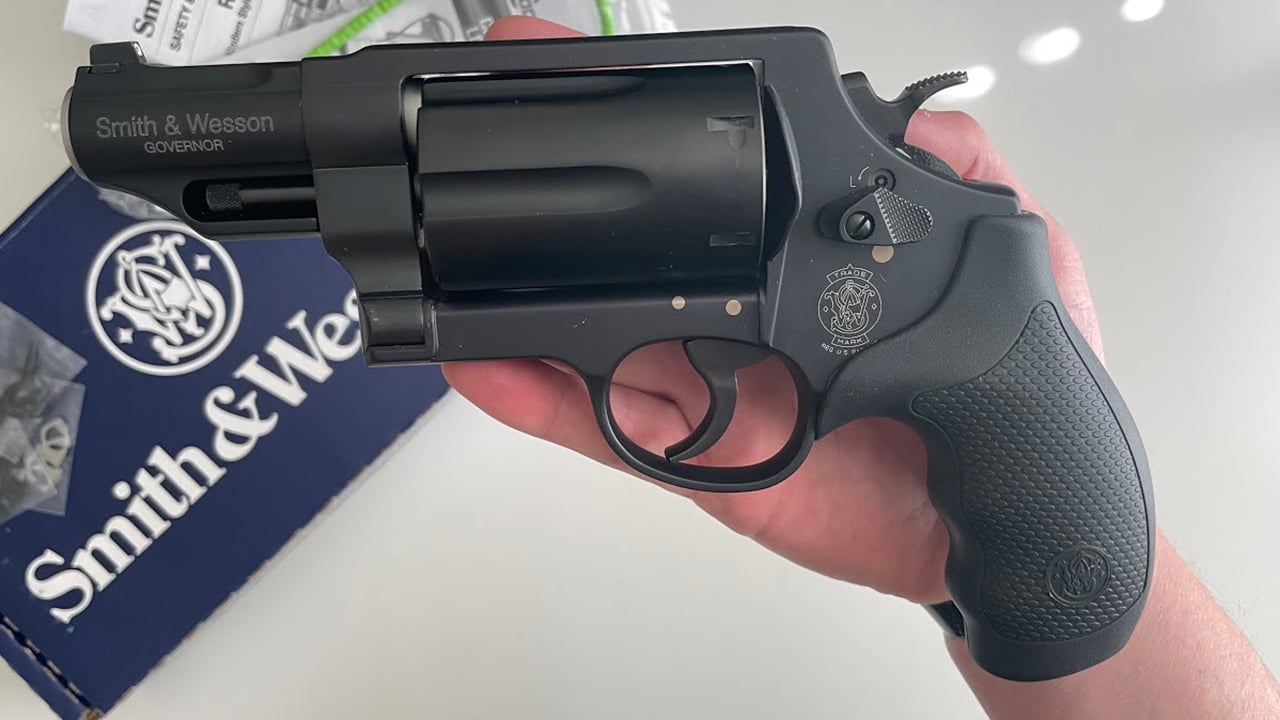
The Governor expands the Judge concept by adding the ability to fire .45 ACP with moon clips. On paper, that makes it one of the most flexible revolvers available, capable of handling three different ammunition types without changing cylinders or barrels.
The extra chambering does not fix the platform’s basic weaknesses. The revolver is large, wide, and difficult to conceal. Shotshell performance remains inconsistent, while a dedicated .45 Colt revolver will generally handle that cartridge better. Using .45 ACP with moon clips works, but a conventional semi-automatic pistol offers far greater capacity in a smaller package. The Governor is well made and can be entertaining, yet the feature list is more impressive than the actual usefulness. It performs several jobs adequately without excelling at any of them.
Springfield Armory Prodigy

The Springfield Prodigy created huge excitement by bringing double-stack 1911 capacity to a price far below many established 2011-style pistols. It offered an optic-ready slide, large magazines, a familiar single-action trigger, and the appearance of a competition gun without the usual custom price.
Early examples quickly developed complaints involving feeding, rough fitting, slide movement, and inconsistent reliability. Some later guns improved, and many owners have excellent examples, but the platform often requires more tuning and maintenance than a basic polymer pistol. Magazines are expensive, and replacing internals can erase the original price advantage. The Prodigy can become a very good handgun, but buyers expecting premium performance straight from the box sometimes discover they purchased an affordable starting point rather than a finished high-end pistol.
FN 509 Tactical

The FN 509 Tactical appears to include every feature a modern defensive pistol could need. It comes with a threaded barrel, suppressor-height sights, an optic-ready slide, extended magazines, and the FN name associated with military and law enforcement firearms.
The shooting experience is often ordinary compared with the price. The trigger can feel gritty or heavy, the grip texture is aggressive, and the pistol does not necessarily shoot flatter or more accurately than less expensive competitors. Many owners immediately replace the trigger, which adds more money to an already costly handgun. It remains reliable and well equipped, but much of the appeal comes from the tactical package rather than exceptional performance. A buyer can often build a more comfortable and better-shooting pistol for less.
HK USP
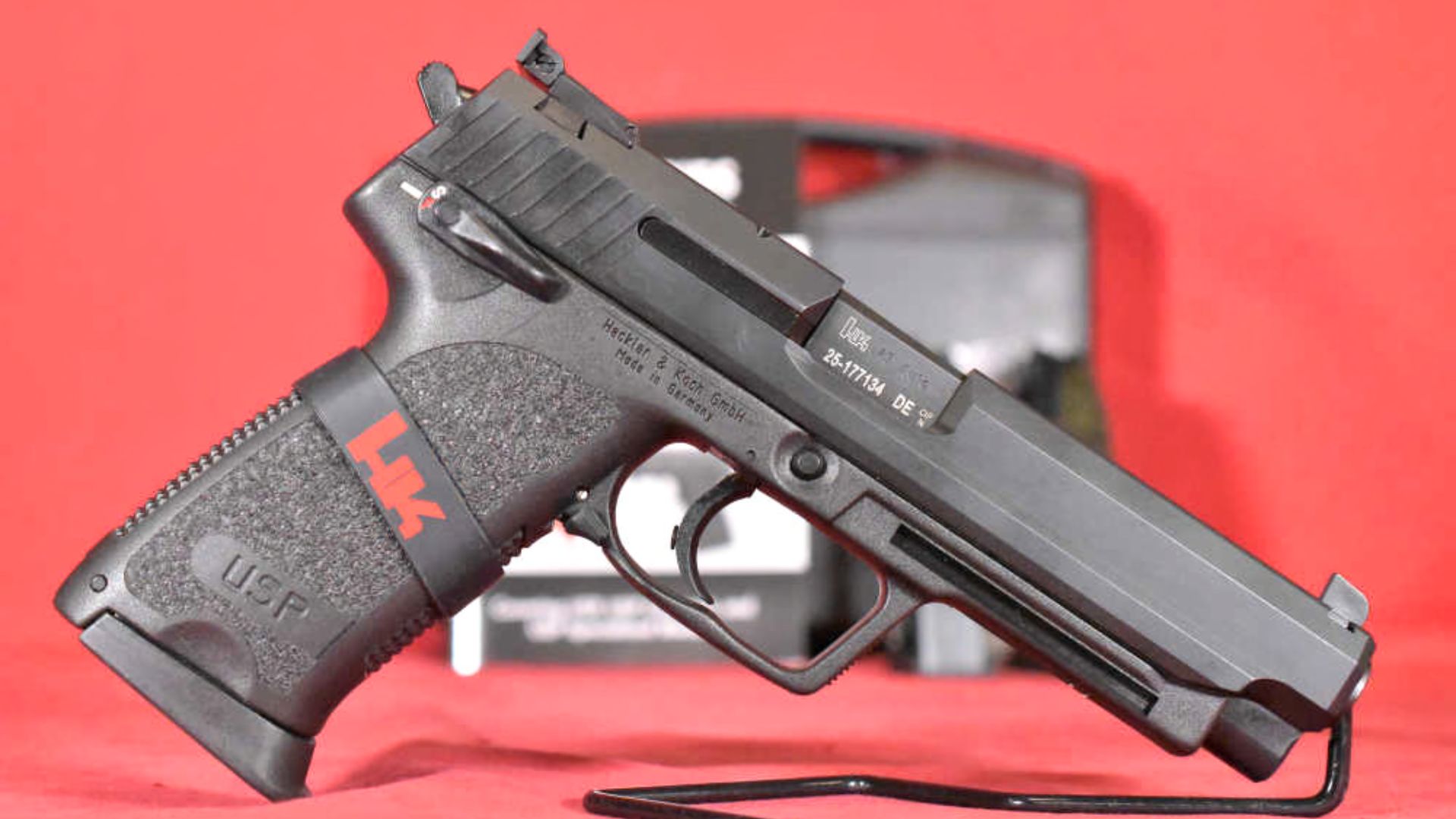
The HK USP earned a legendary reputation for durability and its ability to handle demanding military and police use. It was designed around strength, reliability, and powerful cartridges, and those qualities remain real.
The hype often ignores how dated the pistol feels beside newer alternatives. The grip is large and blocky, the bore axis is high, and the double-action trigger is rarely impressive. Older proprietary accessory rails complicate light mounting, while magazines and replacement parts remain expensive. The USP may survive abuse that most owners will never create, but it does not automatically shoot better because it is overbuilt. Modern pistols provide equal practical reliability with better ergonomics, lighter weight, and lower cost.
Glock 43X

The Glock 43X became one of the most recommended concealed-carry pistols because it combines a slim frame with a full-length grip and the familiar Glock operating system. It is easy to conceal, simple to maintain, and supported by an enormous aftermarket.
The standard ten-round capacity feels disappointing considering the grip length. The pistol can also feel sharper under recoil than thicker compact guns, and the factory trigger offers nothing special. Aftermarket magazines promise more capacity but may require different magazine catches and additional reliability testing. The 43X is dependable and practical, but it is often treated as the perfect carry gun when it is really a compromise between a micro-compact and a Glock 19. Several newer pistols offer more capacity or better shootability in nearly the same space.
SIG Sauer P320
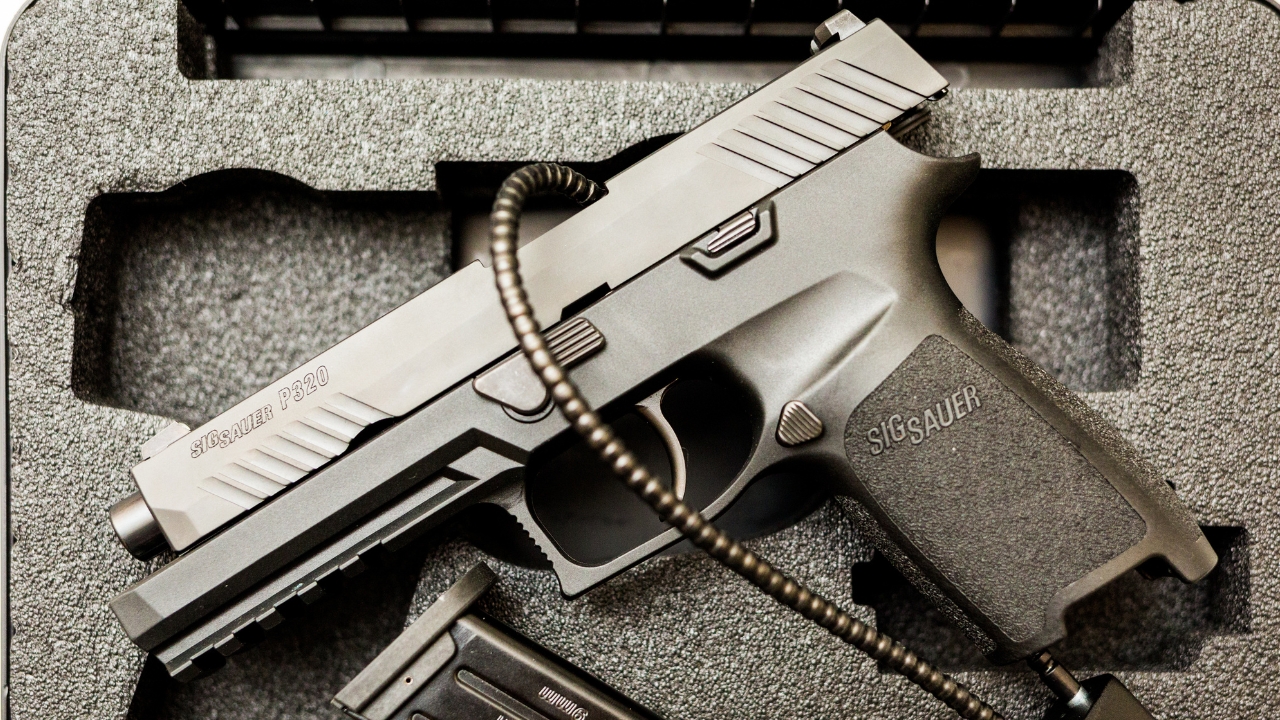
The SIG Sauer P320 became famous through military adoption and its removable fire-control unit. Owners can swap grip modules, slides, barrels, and sizes while keeping the serialized internal chassis.
That modularity sounds more useful than it often becomes. Many owners configure the pistol once and never change it again, leaving them with a high-bore-axis striker-fired gun that can feel top-heavy. Trigger quality varies between versions, and the platform’s safety controversies created years of debate. The P320 can be accurate and reliable, but its main advantage is how easily major components can be replaced. Shooters who care more about how a pistol feels and tracks out of the box may prefer less modular competitors that require fewer upgrades.
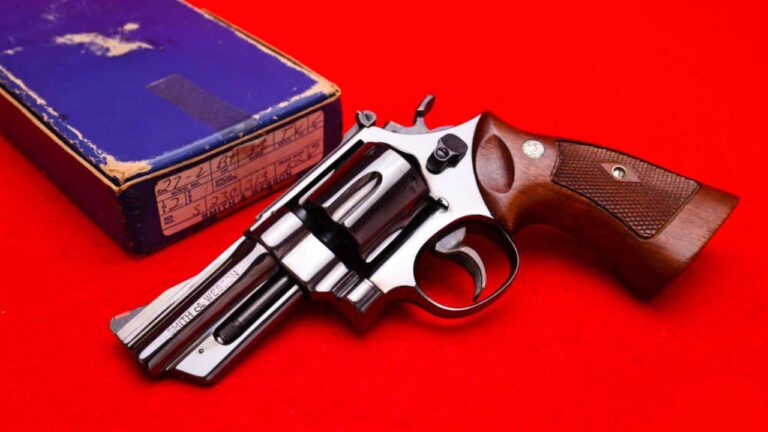
Colt Python

The Colt Python carries one of the strongest names in the revolver world. Original examples became famous for polished finishes, carefully fitted actions, and smooth triggers. The return of the Python created enormous demand and gave buyers a modern version of a legendary .357 Magnum.
The current model is strong, attractive, and generally accurate, but the price is heavily influenced by the name. It does not automatically have a better trigger than every Smith & Wesson or tuned Ruger, and it offers little practical advantage for hard use. Buyers expecting the hand-fitted feel of an older Python may find the modern production gun more ordinary than the reputation suggests. It is a desirable revolver, but much of the hype comes from nostalgia and appearance rather than a major performance difference.
CZ Scorpion EVO 3 S1

The CZ Scorpion became popular because it looked modern, accepted large magazines, and offered a compact 9mm platform with huge aftermarket support. It seemed like an affordable path into the pistol-caliber carbine category.
The straight-blowback action produces more recoil movement than many shooters expect from a heavy 9mm firearm. The factory trigger is poor, the safety can dig into the firing hand, and the grip is widely replaced. Owners often spend heavily changing controls, springs, stocks, and handguards before the gun feels finished. The Scorpion can become excellent, but its popularity sometimes hides how much work the original configuration needs. Delayed-blowback competitors often shoot softer and feel more refined straight from the box.
FN SCAR 17S
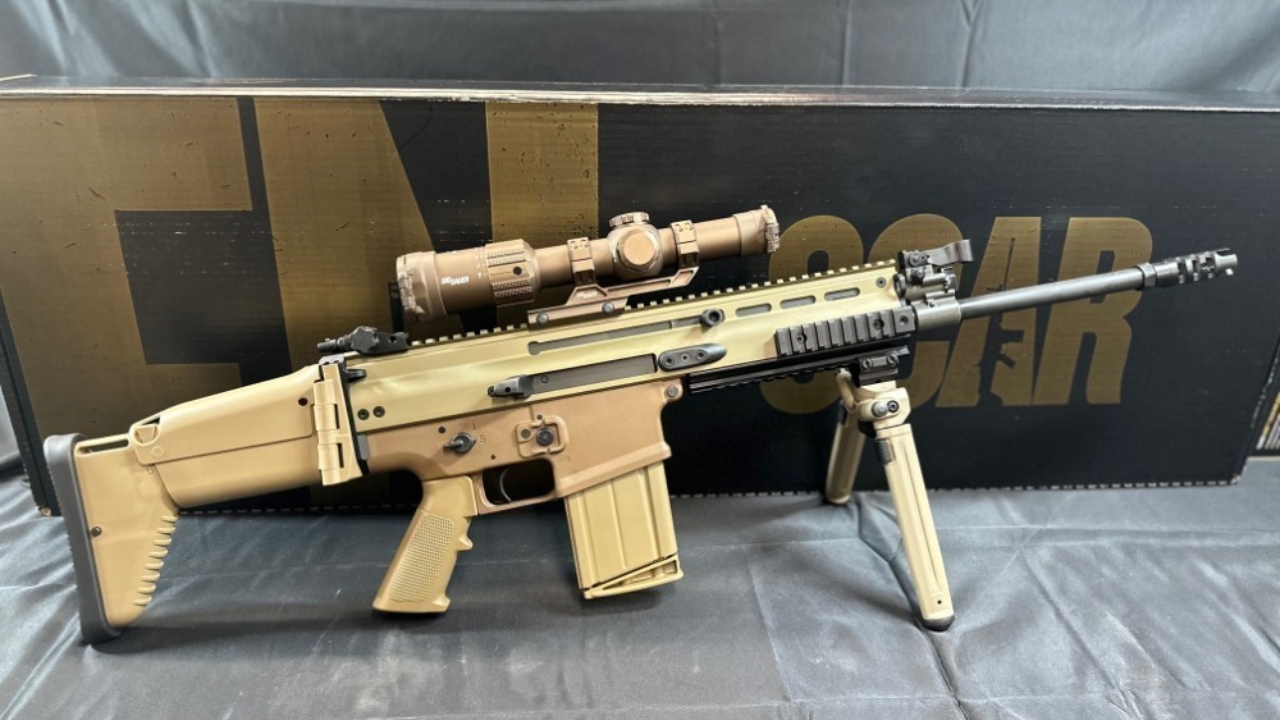
The FN SCAR 17S developed near-legendary status through military use, its folding stock, and its relatively light weight for a .308 semi-automatic rifle. It looks distinctive and carries more battlefield credibility than most civilian rifles.
The civilian owner pays an enormous premium for that image. The factory trigger is average, the stock feels less substantial than the rifle’s price suggests, and older reciprocating charging handles can interfere with certain grips or accessories. Modern AR-10 platforms can provide excellent accuracy, better triggers, and broader parts support for much less money. The SCAR is capable, but it does not deliver three times the performance of rifles costing a third as much. Much of its value comes from exclusivity and identity.
Kimber Custom II

The Kimber Custom II became popular by offering a visually attractive 1911 with features buyers previously associated with more expensive pistols. It has a recognizable name, good-looking finishes, and enough variations to appeal to nearly any 1911 buyer.
The disappointment often comes when owners compare it with other pistols in the same price range. Reliability experiences vary, factory magazines are frequently replaced, and some examples require break-in or tuning before owners trust them. The finish can also wear faster than expected. A good Custom II can shoot very well, but the Kimber name sometimes creates expectations closer to a semi-custom pistol. In reality, it is a production 1911 that must be judged individually rather than assumed to be premium because of the branding.
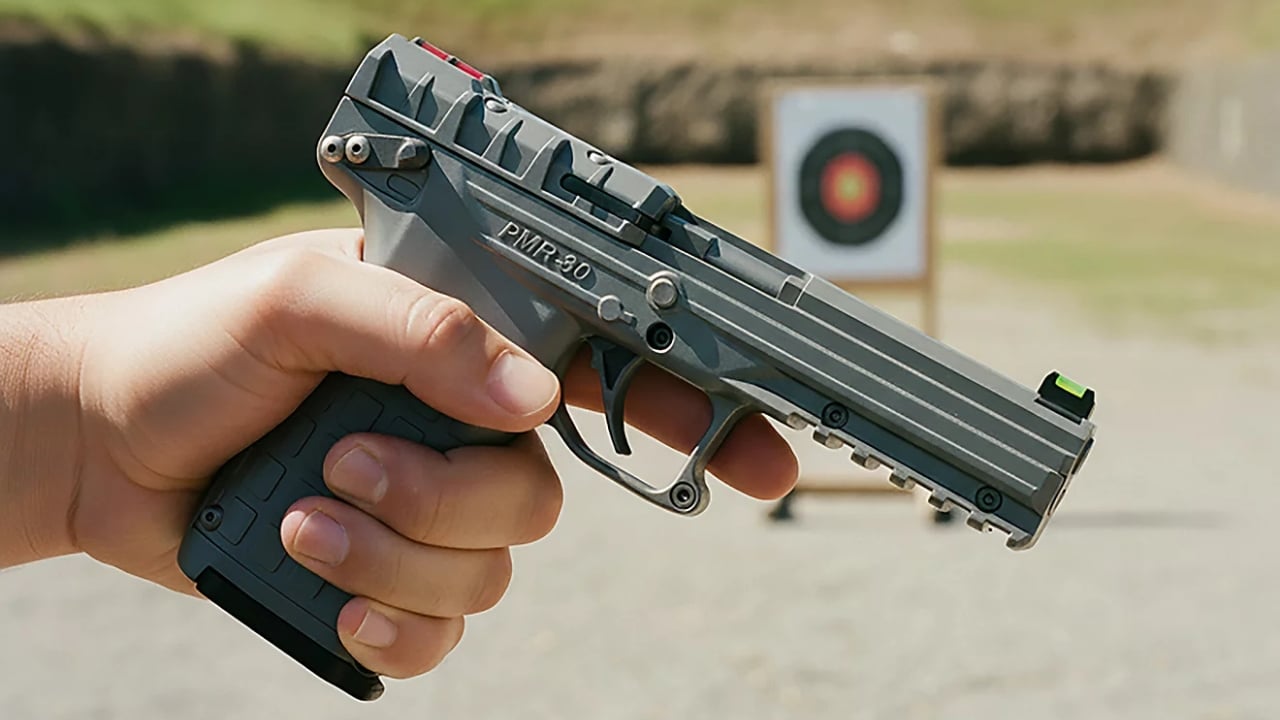
KelTec PMR-30
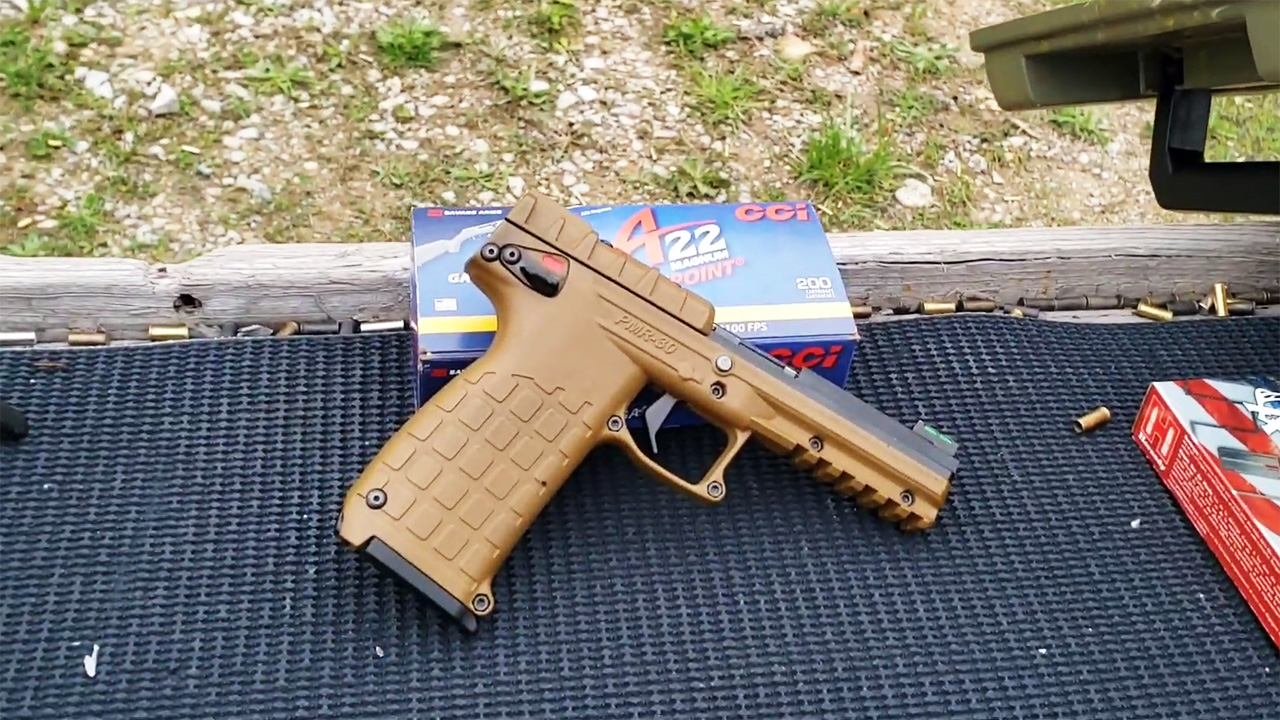
The PMR-30’s 30-round capacity and lightweight design make it sound like one of the most entertaining pistols ever created. The .22 Magnum cartridge adds velocity and a louder, more dramatic shooting experience than ordinary rimfire ammunition.
The long rimmed cartridges must be loaded carefully into the magazine, and poor technique can create feeding problems. Ammunition selection matters, maintenance matters, and the pistol can feel less durable than its large dimensions suggest. It is light, accurate enough, and fun when running correctly, but it demands more attention than many owners expect from a recreational handgun. The 30-round number drives most of the excitement, while the real ownership experience often revolves around careful magazine loading and troubleshooting.
Ruger American Pistol

The Ruger American Pistol was promoted as a rugged duty handgun with interchangeable grip modules, ambidextrous controls, and military-style durability. It carried the Ruger name and appeared ready to compete with Glock, SIG Sauer, and Smith & Wesson.
The pistol is bulky, heavy, and visually awkward without offering a major shooting advantage. The trigger is adequate, the aftermarket is limited, and few agencies or competitive shooters adopted it strongly enough to create momentum. It may run reliably for years, but it does not feel especially refined or enjoyable. The Ruger American sounds impressive when described as overbuilt and duty-ready. At the range, it often feels like a competent pistol that arrived after competitors had already perfected the category.
Beretta 92FS
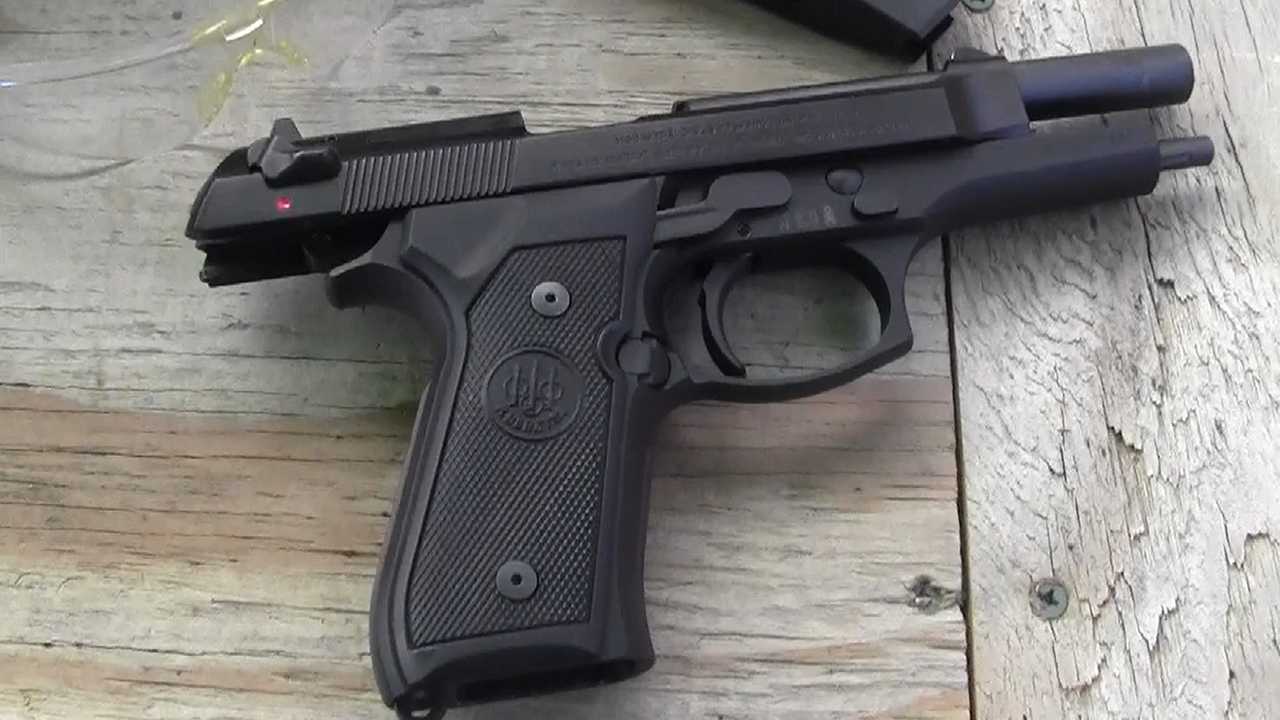
The Beretta 92FS is one of the most recognizable pistols in the world. Military service, movie appearances, and decades of police use created a reputation for reliability and smooth shooting.
The standard pistol can feel less impressive to experienced shooters who have tried upgraded versions. The grip is large, the double-action reach is long, and the slide-mounted safety remains awkward for many hands. Capacity is ordinary for the pistol’s size, and the locking block requires periodic attention. Langdon Tactical and Beretta’s performance models show how excellent the platform can become, but they also reveal how dated the basic 92FS feels. The reputation is stronger than the factory configuration most buyers actually receive.
Springfield Armory Hellcat
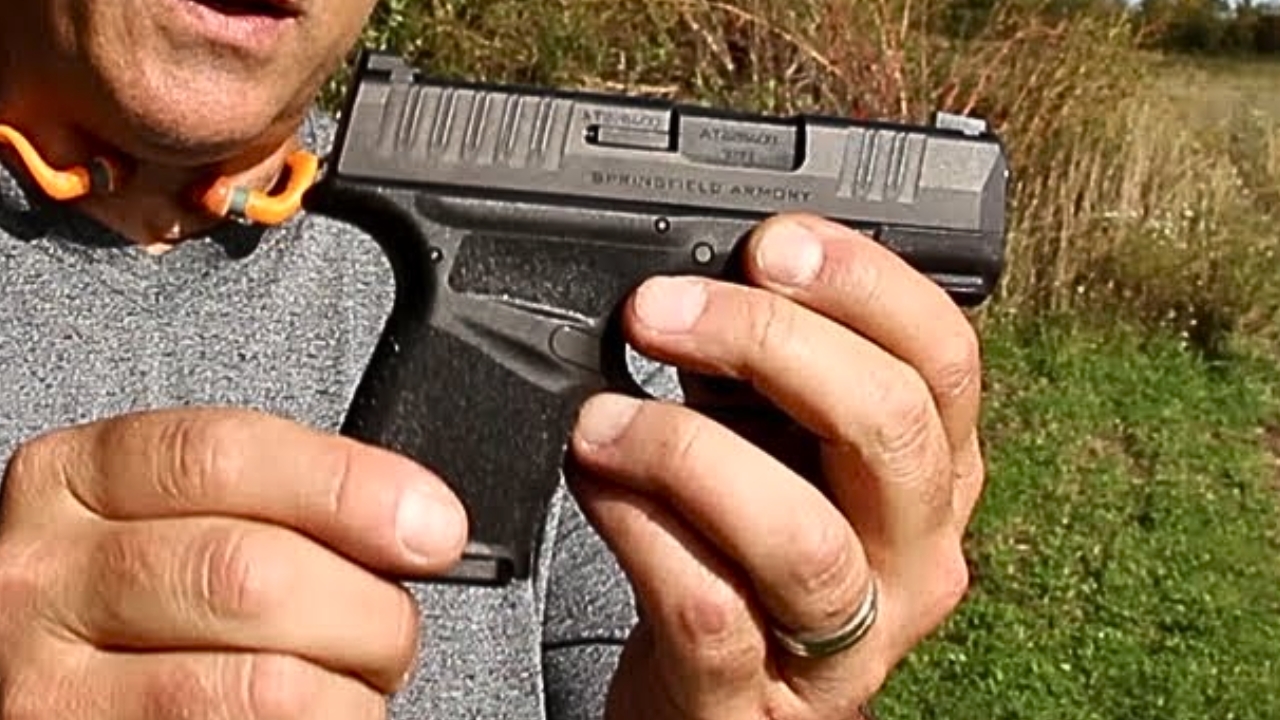
The Hellcat earned strong sales by fitting impressive capacity into a tiny frame. Its aggressive texture, visible sights, and broad range of versions made it a major competitor in the micro-compact market.
The gun can be surprisingly sharp to shoot. Its short grip and light frame give the recoil impulse a quick, snappy character that becomes tiring during longer practice sessions. The trigger is usable but not exceptional, and many experienced shooters perform better with a slightly larger compact pistol. The Hellcat excels at carrying a lot of ammunition in very little space. The hype begins when that achievement is confused with being easy or pleasant to shoot. Small size solves concealment problems while creating control problems.
Christensen Arms Ridgeline
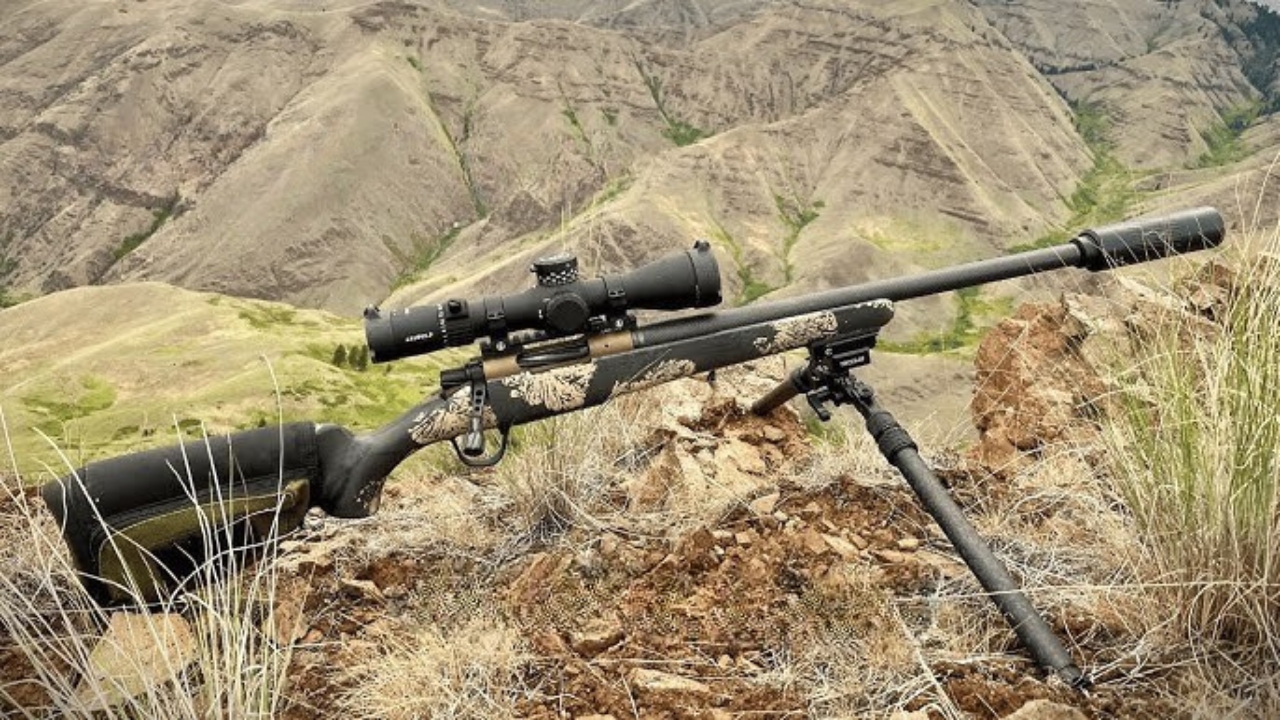
The Christensen Arms Ridgeline gained attention through carbon-fiber barrel technology, low weight, and premium hunting-rifle marketing. It looks like a factory-made shortcut into the custom lightweight rifle world.
Light rifles are difficult to shoot steadily, heat quickly, and punish the shooter more with powerful cartridges. Those tradeoffs are unavoidable, but buyers paying a premium also expect consistent accuracy and quality control. Reports of uneven performance have made experienced hunters cautious. A good Ridgeline can be accurate and easy to carry, but it does not automatically outperform heavier rifles from Tikka, Bergara, or Sako. The carbon barrel and premium appearance create expectations that the field performance does not always meet.
Mossberg 464 SPX

The Mossberg 464 SPX tried to combine a traditional .30-30 lever action with adjustable furniture, rails, a flash suppressor, and tactical styling. It looked like a modernized woods rifle capable of bridging the gap between classic and contemporary designs.
The final package added bulk and awkwardness without improving the cartridge or action. The rails made the rifle less comfortable to carry, the stock looked poorly matched to the receiver, and the gun remained limited by a tubular magazine and traditional lever-action layout. Hunters preferred conventional lever guns, while tactical shooters preferred semi-automatic carbines. The 464 SPX received attention because it was visually unusual. Its performance never gave buyers a strong reason to choose it over either category it attempted to combine.
Like The Avid Outdoorsman’s content? Be sure to follow us.
Here’s more from us: