Photo credit: Theavidoutdoorsman.com
Guiding is one of those jobs where you can do everything right and still have a bad day—weather flips, animals don’t move, a hunter shows up underprepared, or expectations get set by highlight reels instead of reality. Most of the time, it ends with a tired handshake and a promise to try again next season. But in one recent situation, a single complaint took a working guide from booked-out to sidelined, and the reason behind it wasn’t what anyone expected.
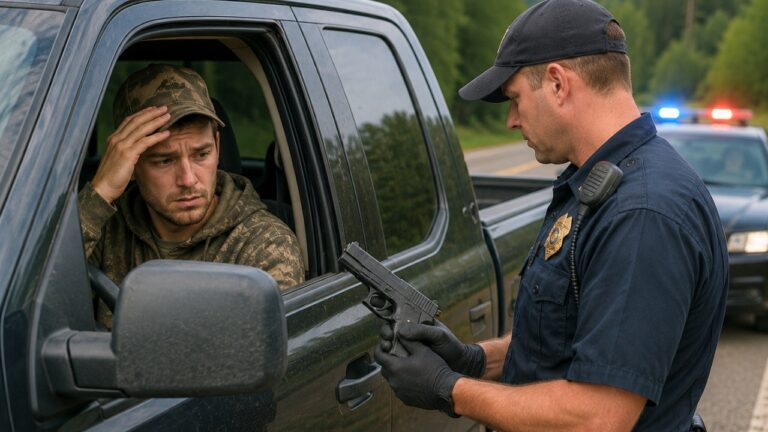
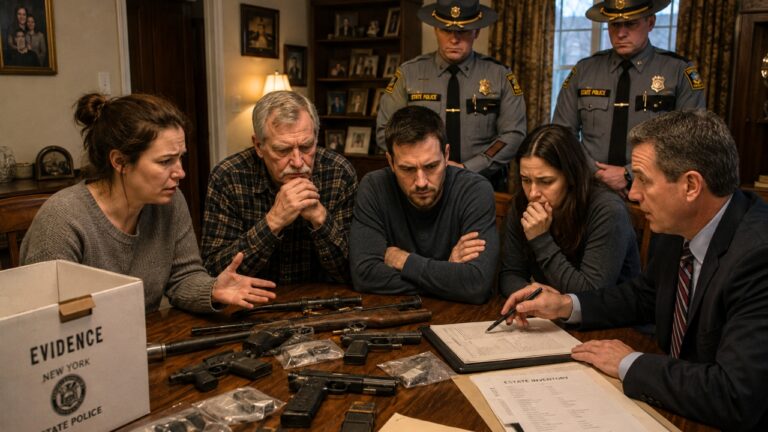
A licensed hunting guide running a small operation had his credentials pulled after a client filed a report with the state. The complaint wasn’t just a bad review online. It was the kind of report that gets an investigator involved, triggers paperwork, and can freeze a guide’s ability to legally conduct hunts while the state sorts it out. And then, after the dust started settling, the client reportedly admitted he only filed it because he wanted his money back.
The hunt went sideways in a pretty normal way
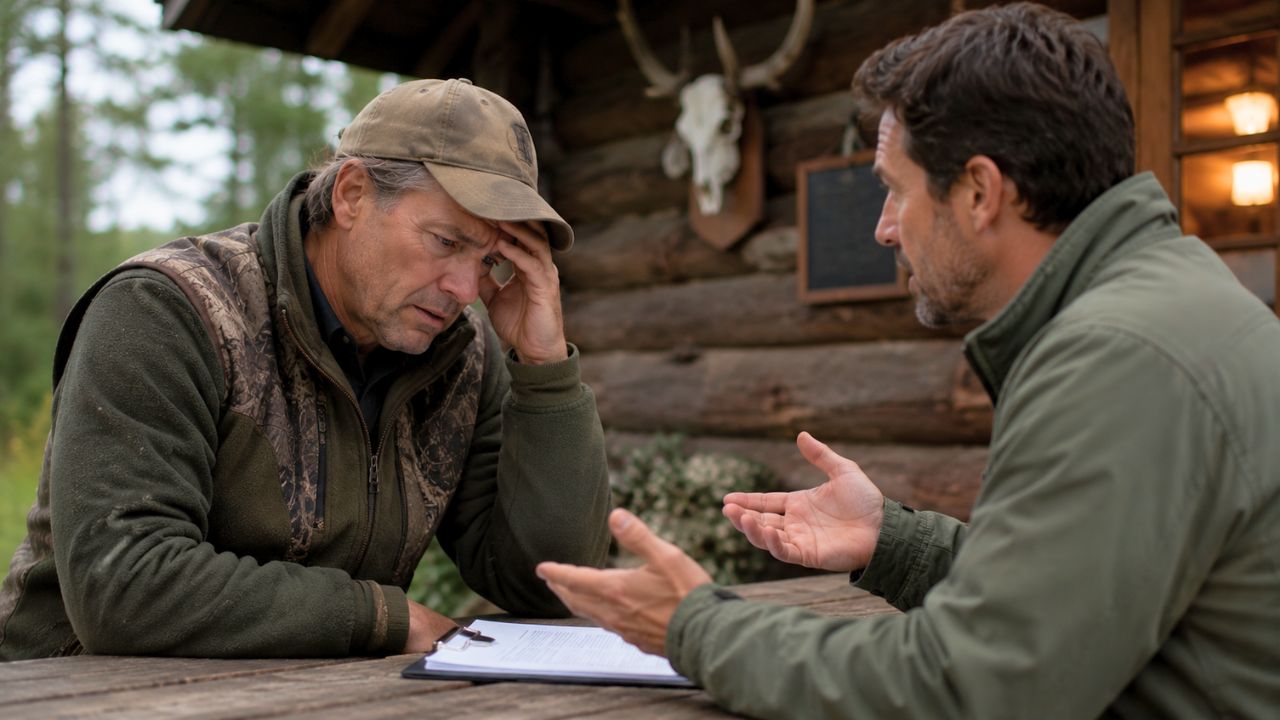
From what other outfitters described, the hunt itself sounded like a lot of real hunts: tough conditions and no easy answers. The client booked a multi-day package, showed up with high hopes, and quickly ran into the stuff that doesn’t make the brochure—wind that wouldn’t quit, shifting pressure, and animals that stayed tight in cover until dark.
The guide put in the miles, moved glassing points, and made adjustments like you’d expect. But when the last day rolled around without a punched tag, the mood changed. That’s not unusual. Paying good money and going home empty-handed stings, even when everyone worked hard.
The refund demand turned into a threat
Most reputable guides are clear about how refunds work: you’re paying for time, access, scouting, and effort, not a guaranteed kill. Some will offer a “return hunt” or a discounted rebook if conditions were truly miserable, but a straight refund for “no animal” usually isn’t on the table.
In this case, the client allegedly pushed for his money back anyway. When that didn’t happen, the situation escalated. Instead of keeping it between the parties, the client went to the state with allegations serious enough to put the guide’s license in immediate jeopardy.
That’s a big deal. A licensing hit isn’t like a chargeback on a credit card. It can shut down a season, cost thousands in deposits that now have to be refunded to other clients, and leave a guide explaining to landowners and partners why he’s suddenly “under investigation,” even if he hasn’t been found guilty of anything.
How a complaint can snowball into a license suspension
Most states treat guide and outfitter licenses as a privilege, and the agencies that oversee them tend to move fast when certain boxes get checked—especially anything that sounds like a safety violation, a trespass issue, or game-law problems.
A common pattern in these cases is that a complaint triggers a temporary hold while an officer or investigator interviews the client, the guide, and sometimes the landowner. They’ll ask for contract language, communication logs, hunt dates, harvest reporting, tag validation, and where exactly the hunt took place. If a complaint alleges something like guiding without proper permissions, misrepresenting access, or unsafe firearm handling, it can go from “customer dispute” to “license action” in a hurry.
Even if the guide is eventually cleared, the damage can be done. Losing the ability to legally guide during prime season is like taking the wheels off a truck during harvest.
The admission changed the conversation, but it didn’t fix the damage
The twist here is what came next. After the state got involved and the guide’s license was already impacted, the client reportedly admitted the report wasn’t about safety or illegal activity at all. He just wanted leverage for a refund.
That’s the part that ought to bother every hunter who books guided trips. If licensing systems get used as a negotiation tool, it encourages bad behavior and punishes good operators. It also clogs up the same pipeline wardens and investigators rely on for real issues—poaching, reckless shooting, trespass, and genuine fraud.
It doesn’t mean guides should be above scrutiny. Far from it. But there’s a difference between a legitimate complaint and trying to use the state as your customer service department.
What folks zeroed in on: contracts, texts, and “paper trails”
When hunters and outfitters talked about the situation, the same themes kept coming up. First was the written agreement. A surprising number of guided hunts still get booked on a handshake, a few messages, and a deposit—until something goes wrong. Then everyone wishes the expectations were spelled out clearly.
Second was documentation. People pointed out how important it is for guides to keep texts, emails, pin drops, access permissions, and daily notes. Not because you want to live in court, but because when someone claims you promised a guaranteed opportunity or says you weren’t where you said you’d be, facts matter.
Third was the refund question itself. Plenty of hunters said they’d never ask for a refund for an honest effort hunt. Others said if a guide misrepresented the hunt—like advertising private ground and then hunting pressured public with no warning—that’s different. The problem is that those lines get argued after the fact, usually when emotions are high.
Practical takeaways for hunters and guides before the next booking
If you’re the hunter, ask direct questions before you send money. Are you hunting private, public, or a mix? What’s the typical shot distance? What’s the plan if weather blocks access? What are the daily hours in the field? And most importantly—what exactly is refundable and what isn’t?
If you’re the guide, tighten up the basics even if you’re a one-man show. Put the “no guarantee of harvest” language in plain words. Spell out what happens if a client quits early, shows up late, violates safety rules, or arrives without required tags. Keep your access permissions organized. And don’t assume a reasonable person won’t do an unreasonable thing when money is on the line.
Everybody benefits when expectations are set up front. It keeps the focus where it belongs: safe hunting, legal hunting, and doing the work in the field.
The hard truth is that a single complaint—fair or not—can derail a guide’s season, and an “I only did it for a refund” admission doesn’t magically rewind the calendar. If you’re booking a hunt, treat it like a serious transaction. If you’re running one, treat paperwork like part of the gear list. In today’s world, it’s not optional.