Photo credit: Marta Branco/Pexels
Some hunting cartridges are forgiving. They offer enough bullet weight, penetration, and velocity to cover a small mistake in range estimation or shot angle. Others work well only when the hunter stays inside a narrow set of conditions.
That does not make these calibers useless. Many have taken plenty of game when used properly. The problem is that they demand careful bullet selection, disciplined distances, and precise shot placement. Push them too far, hit heavy bone, or take a poor angle, and the margin disappears quickly.
.22 Hornet

The .22 Hornet is quiet, light recoiling, and useful for small predators and varmints at moderate range. It can also tempt hunters into using it on animals larger than the cartridge handles comfortably.
Its lightweight bullets lose velocity quickly and provide limited penetration on angled shots. Even on coyotes, poor placement can result in a wounded animal that travels farther than expected. The Hornet performs best when the hunter keeps distances reasonable and waits for a clean presentation.
.218 Bee
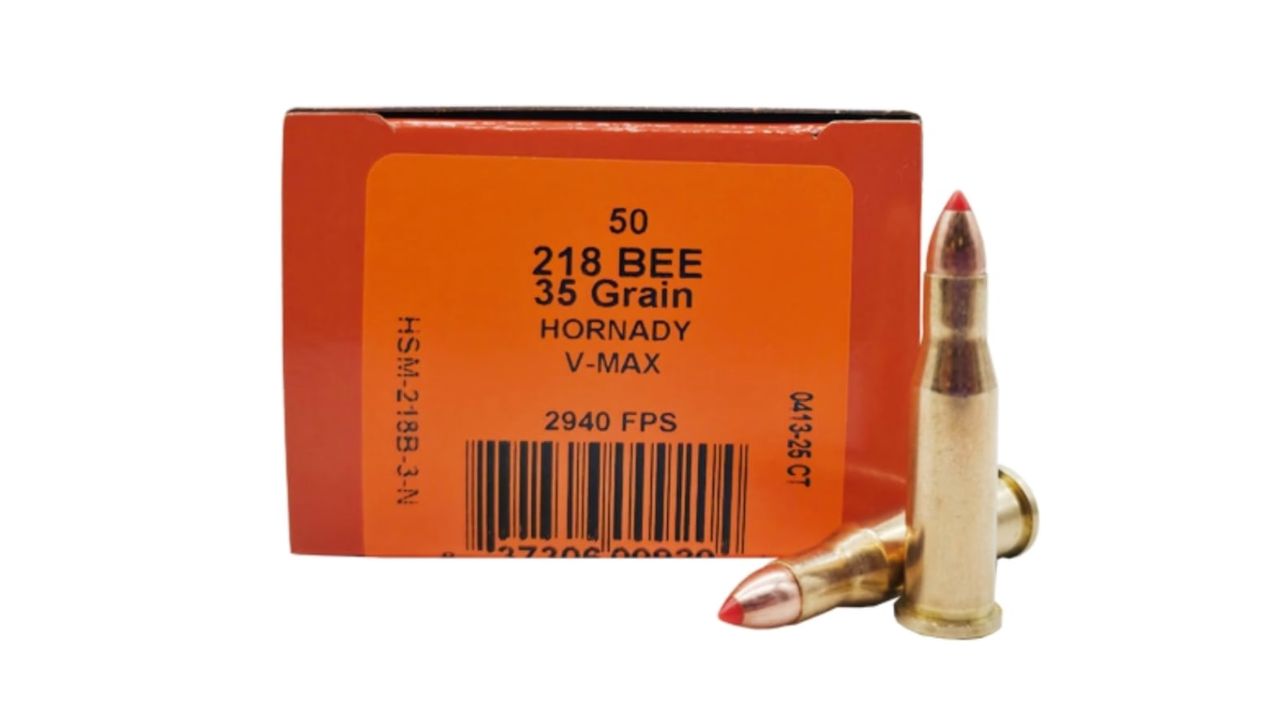
The .218 Bee offers slightly more speed than the .22 Hornet and works well from compact varmint rifles. It remains a small-capacity cartridge firing light bullets.
Wind drift and rapid velocity loss become serious concerns once the distance stretches. Bullet construction matters enormously because a thin varmint bullet may expand too violently on a larger predator. The Bee can be effective, but it requires better range judgment than its mild recoil suggests.
.17 Hornet

The .17 Hornet delivers impressive velocity with almost no recoil. It is excellent for prairie dogs, groundhogs, and other small targets when conditions are favorable.
Its tiny bullets are extremely sensitive to wind and shot angle. A minor breeze can move the point of impact enough to turn a clean hit into a miss or superficial wound. The cartridge can work on foxes and similar predators, but the hunter has little room for poor placement.
.17 Remington
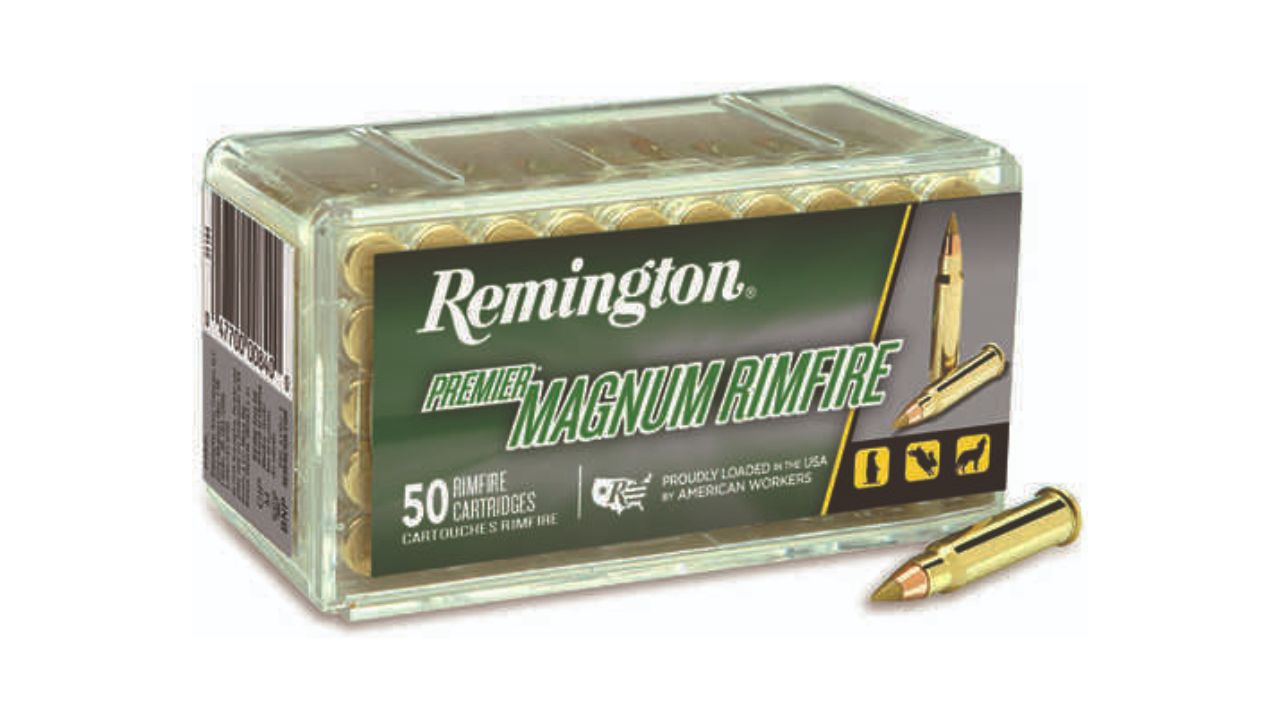
The .17 Remington is faster and more capable than the .17 Hornet, yet it still depends on a very small projectile. Its flat trajectory can make the cartridge look easier to use than it really is.
The bullet may react violently to small obstructions such as grass or twigs. Wind also becomes increasingly important as distance grows. On coyotes, success depends on selecting a controlled bullet and placing it carefully into the chest rather than relying on raw speed.
.204 Ruger

The .204 Ruger is one of the flattest-shooting common varmint cartridges. It allows hunters to see impacts through the scope and makes range estimation less critical at moderate distances.
The tiny bullet still gives the hunter little penetration margin on quartering shots or heavy shoulder impacts. Many loads are designed to fragment rapidly rather than drive deeply. The .204 can be excellent for coyotes, but it rewards broadside shots and careful bullet choice.
.22-250 Remington

The .22-250 is fast, flat, and extremely effective on varmints and predators. It is also one of the cartridges most likely to encourage hunters to take shots beyond their ability.
Light bullets can drift substantially in wind despite the high muzzle velocity. On deer-sized game where legal, bullet construction and placement become critical. A varmint bullet through the shoulder may fail to penetrate the way the hunter expects. The cartridge has power, but not enough bullet weight to rescue bad decisions.
.220 Swift

The .220 Swift produces tremendous speed and explosive terminal performance with lightweight bullets. It has been used successfully on predators and deer for decades.
Its velocity can become a weakness when paired with fragile bullets. Close impacts may cause rapid expansion before the bullet reaches vital organs, while longer shots demand accurate wind calls. Hunters using the Swift on larger animals need controlled projectiles and disciplined shot selection.
.223 Remington
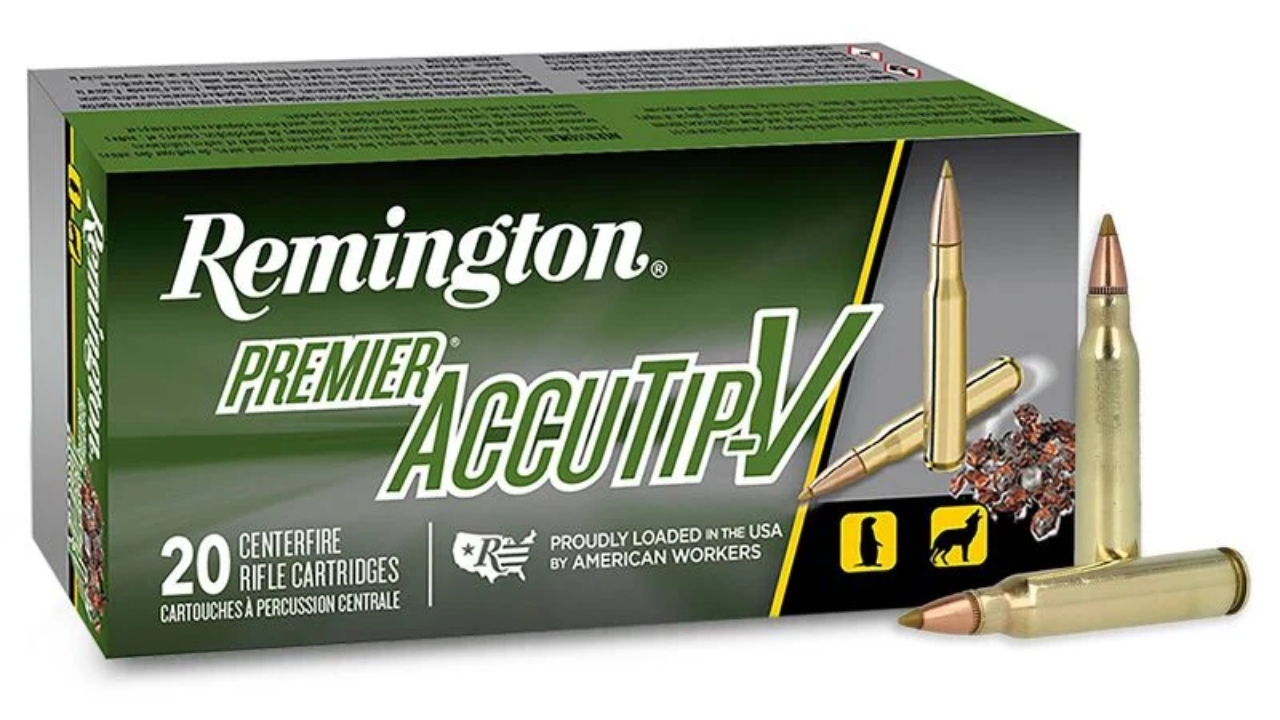
The .223 Remington is accurate, affordable, and easy to shoot well. Those qualities have made it popular for predators, hogs, and deer where regulations allow it.
The cartridge leaves little reserve when shot placement is poor. Light varmint bullets may fail on shoulder bone, while heavier controlled bullets require the correct barrel twist and still cannot match larger hunting rounds for penetration. A careful broadside shot can work well. A steep angle or rushed hit can produce a long recovery.
5.7x28mm
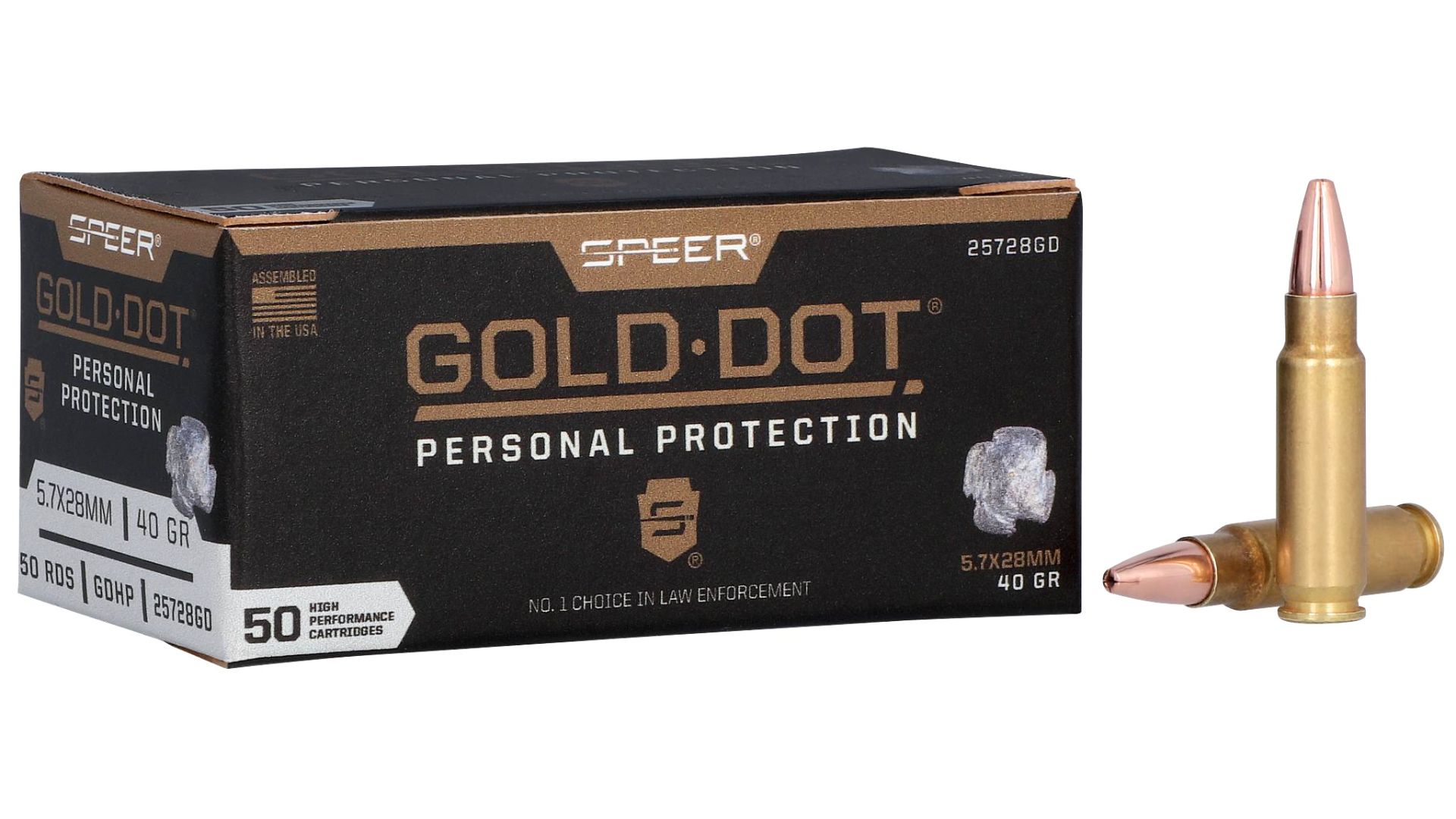
The 5.7x28mm is lightweight, low recoiling, and available in several compact rifles and pistols. Those characteristics make it appealing for pests and small predators.
Its bullets are extremely light, and hunting loads offer limited penetration compared with traditional centerfire rifle cartridges. Range, angle, and target size must all be kept conservative. The cartridge can be useful in a narrow role, but it gives the hunter almost no reserve energy when the shot is imperfect.
.30 Carbine

The .30 Carbine is mild, handy, and effective from compact semiautomatic rifles. It has enough power for small predators and can be used on deer or hogs under limited conditions.
Its trajectory drops quickly, and many loads use bullets designed for feeding rather than controlled hunting performance. Penetration can be disappointing on heavy shoulders or angled animals. The cartridge works best at close range with expanding ammunition and careful shot placement.
.357 Magnum from a rifle

A .357 Magnum lever gun gains meaningful velocity over a revolver and can be an effective short-range deer rifle. Recoil is mild, and the rifles are easy to carry.
The cartridge still loses energy quickly and depends heavily on bullet construction. A soft handgun hollow point may expand too rapidly at rifle velocity, while a hard bullet may produce little tissue damage. Hunters must know their load and avoid treating the .357 like a true medium-range rifle cartridge.
.44-40 Winchester
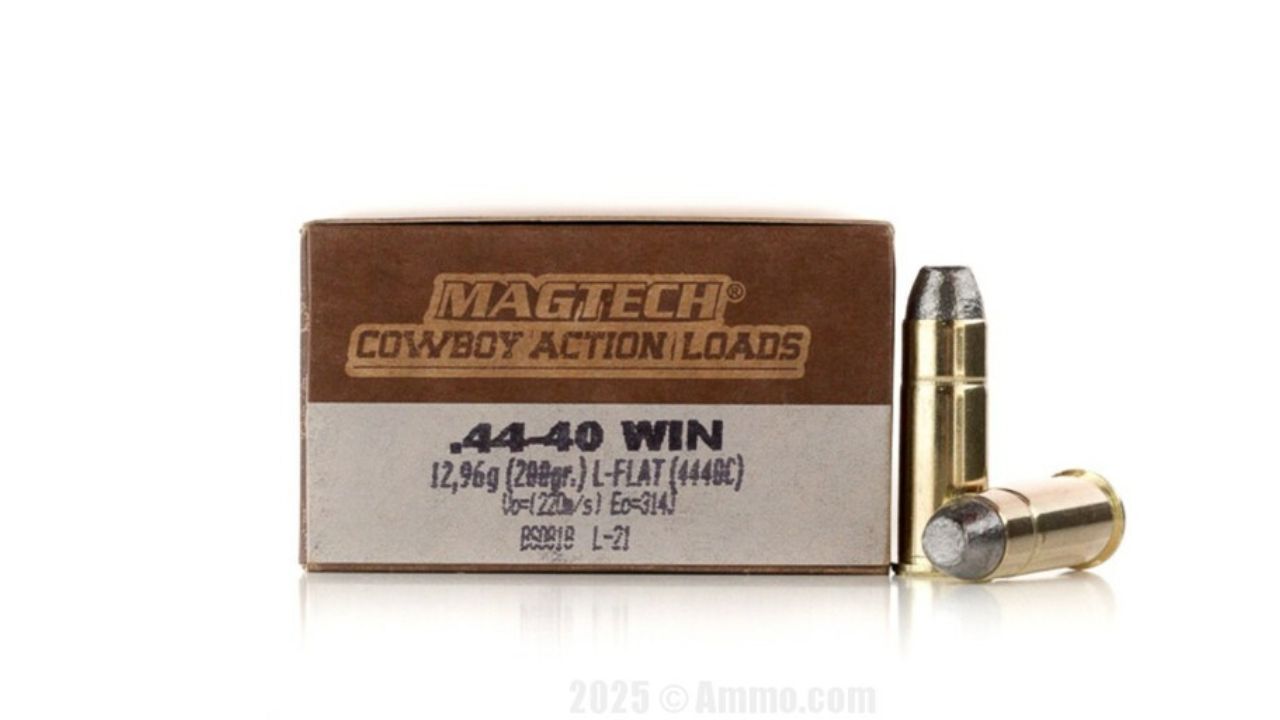
The .44-40 was once widely used for deer and smaller game. In modern reproductions, it remains pleasant to shoot and historically appealing.
Its traditional loads are relatively mild, and the thin case limits how aggressively it can be loaded. Trajectory becomes arched quickly, while penetration varies greatly with bullet design. The cartridge can work inside close woods ranges, but poor distance judgment or a hard quartering angle leaves little margin.
.45 Colt from a rifle
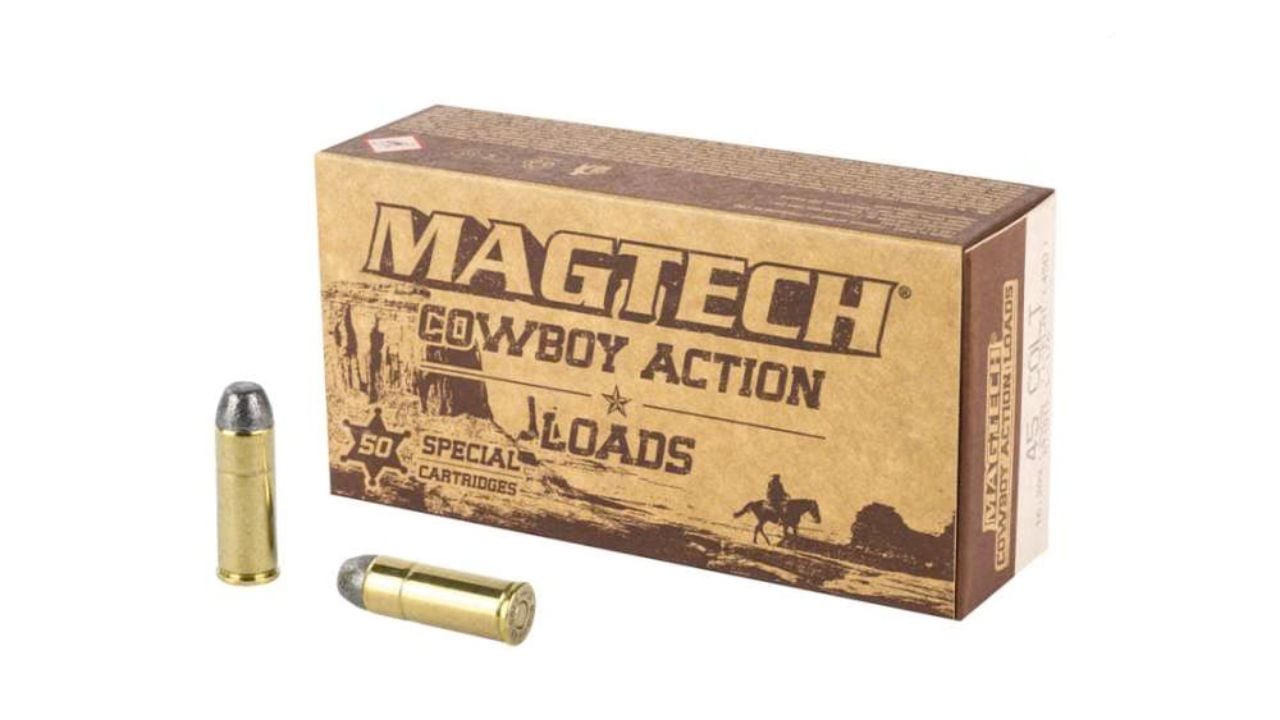
The .45 Colt can range from mild cowboy ammunition to powerful hunting loads in strong modern rifles. That wide performance range creates confusion for hunters.
A load intended for target shooting may not provide enough velocity or bullet construction for reliable game performance. Even heavy loads have a curved trajectory that punishes range-estimation errors. The cartridge can be highly effective, but the hunter must know exactly what the rifle and ammunition are producing.
.300 AAC Blackout

The .300 Blackout is excellent from short barrels and suppresses well. With supersonic hunting ammunition, it can work effectively on deer and hogs at moderate distance.
Its trajectory drops quickly compared with traditional deer cartridges. A small error in range estimation can produce a low hit beyond 150 or 200 yards. Subsonic ammunition requires even greater care because expansion and penetration vary dramatically between loads. The Blackout works best when distance and ammunition are tightly controlled.
7.62x39mm
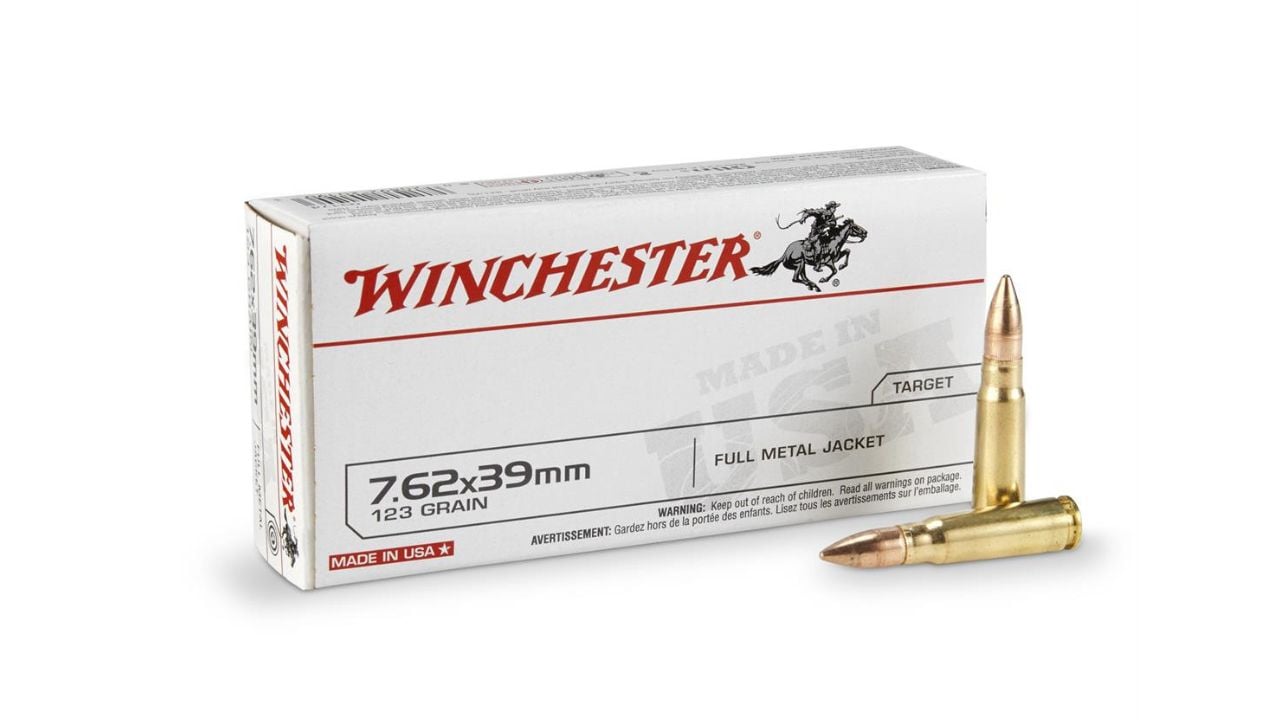
The 7.62x39mm has taken enormous numbers of deer and hogs from compact rifles. At close range, good soft-point ammunition can perform much like a traditional .30-caliber woods cartridge.
The cartridge loses velocity quickly, and inexpensive full-metal-jacket ammunition is not appropriate for hunting. Bullet quality varies more than it does in many established sporting cartridges. At longer range or on steep angles, the cartridge provides less penetration and expansion margin than its bullet diameter suggests.
.350 Legend
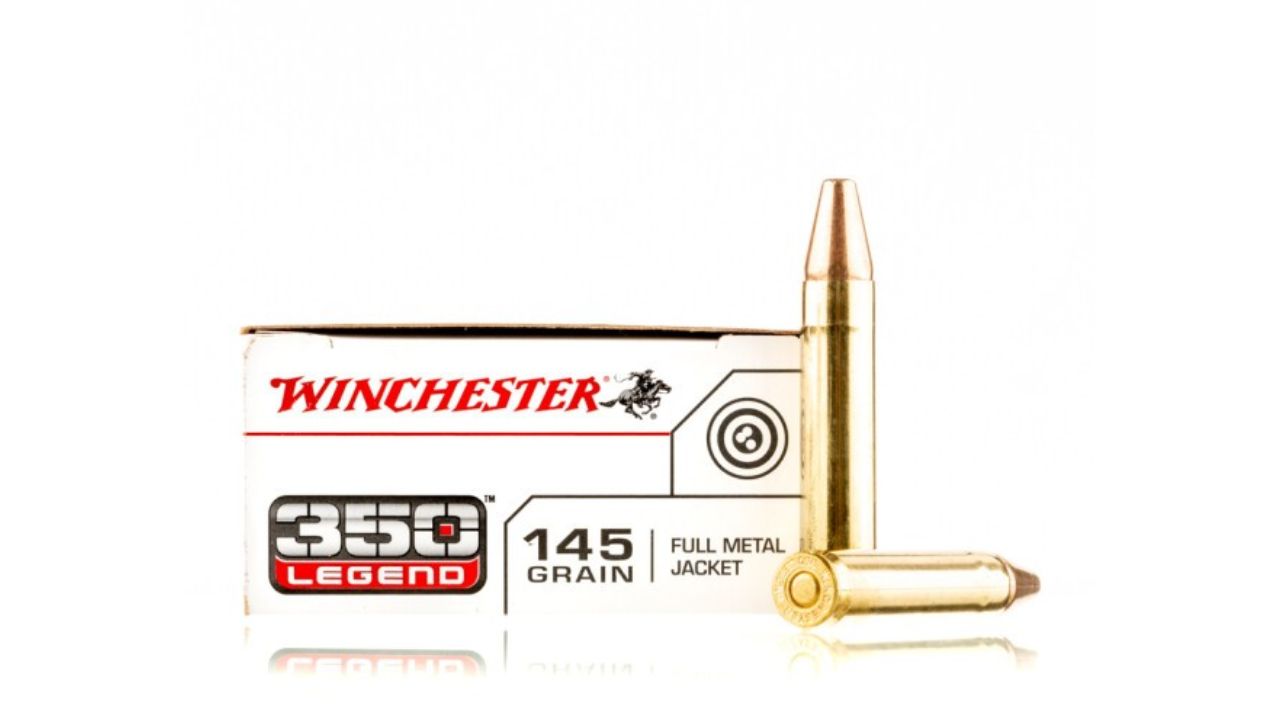
The .350 Legend was designed for straight-wall hunting areas and offers low recoil from lightweight rifles. It can be very effective on deer at close to moderate range.
Its relatively blunt bullets shed velocity quickly. Hunters who estimate distance poorly may see much more drop than expected beyond normal woods ranges. Some bullets also expand more reliably than others. The Legend works well inside its intended envelope but becomes far less forgiving once the hunter stretches it.
.450 Bushmaster
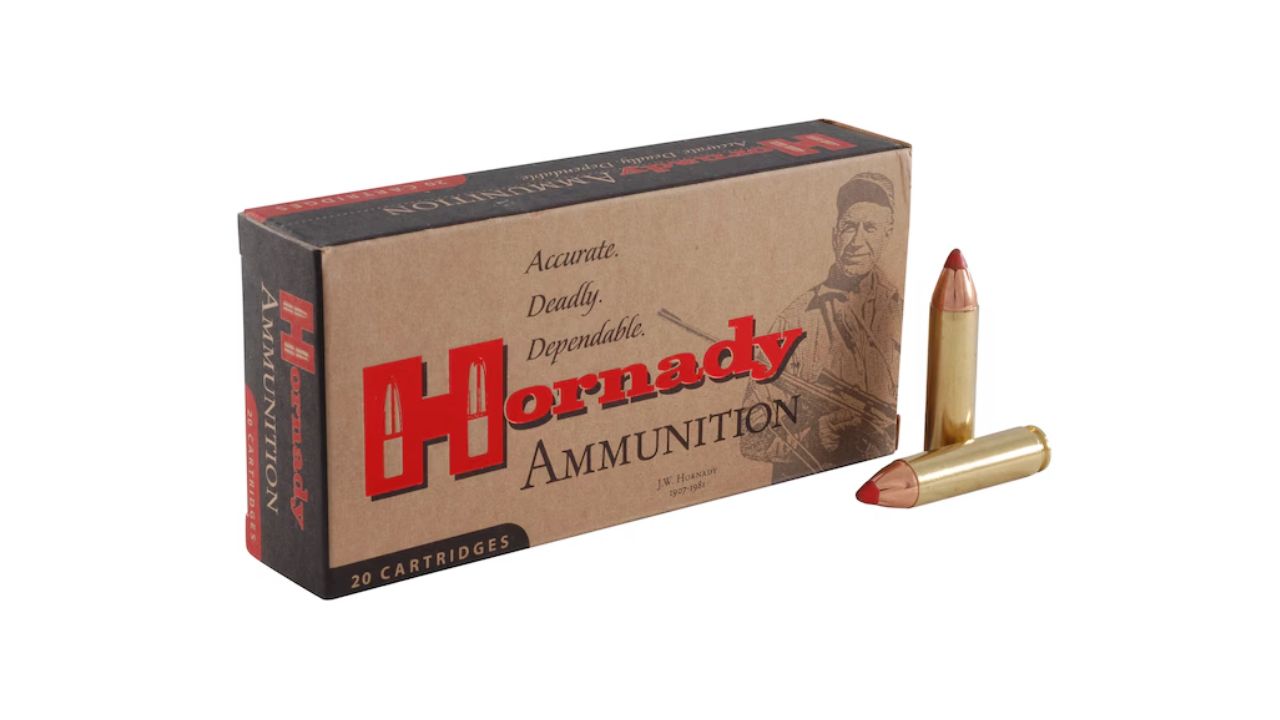
The .450 Bushmaster launches a large, heavy bullet and produces strong close-range performance on deer and hogs. Its power can make it seem nearly impossible to misuse.
Trajectory is the limiting factor. The bullet drops rapidly, and range errors beyond 150 yards can lead to low hits or complete misses. Recoil may also cause inexperienced shooters to anticipate the shot. It hits hard, but it does not forgive poor distance judgment.
.45-70 Government
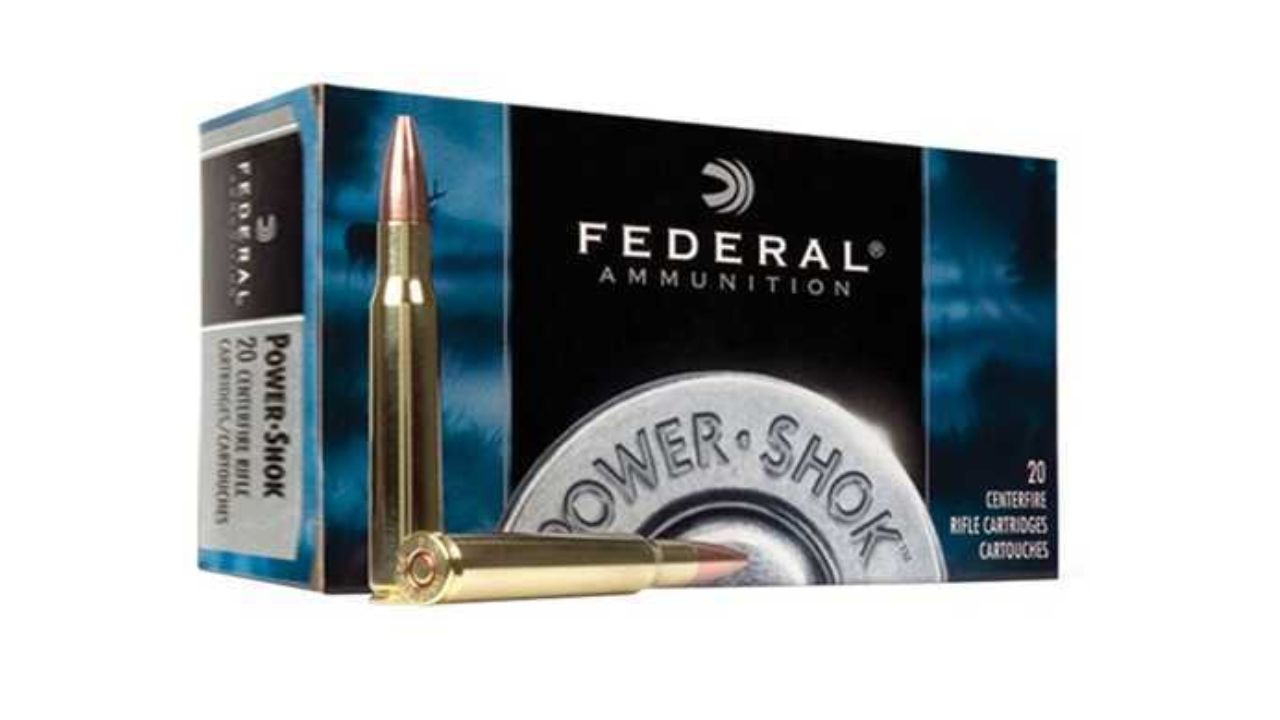
The .45-70 can fire everything from mild trapdoor loads to extremely powerful ammunition intended for modern actions. It is capable of taking nearly any North American game animal at appropriate distances.
The wide variation between loads makes trajectory difficult to generalize. A rifle zeroed with one load may strike dramatically differently with another. Heavy bullets also drop quickly once range increases. The cartridge provides excellent penetration, but it cannot compensate for a hunter who guesses the distance incorrectly.
.410 Bore slug
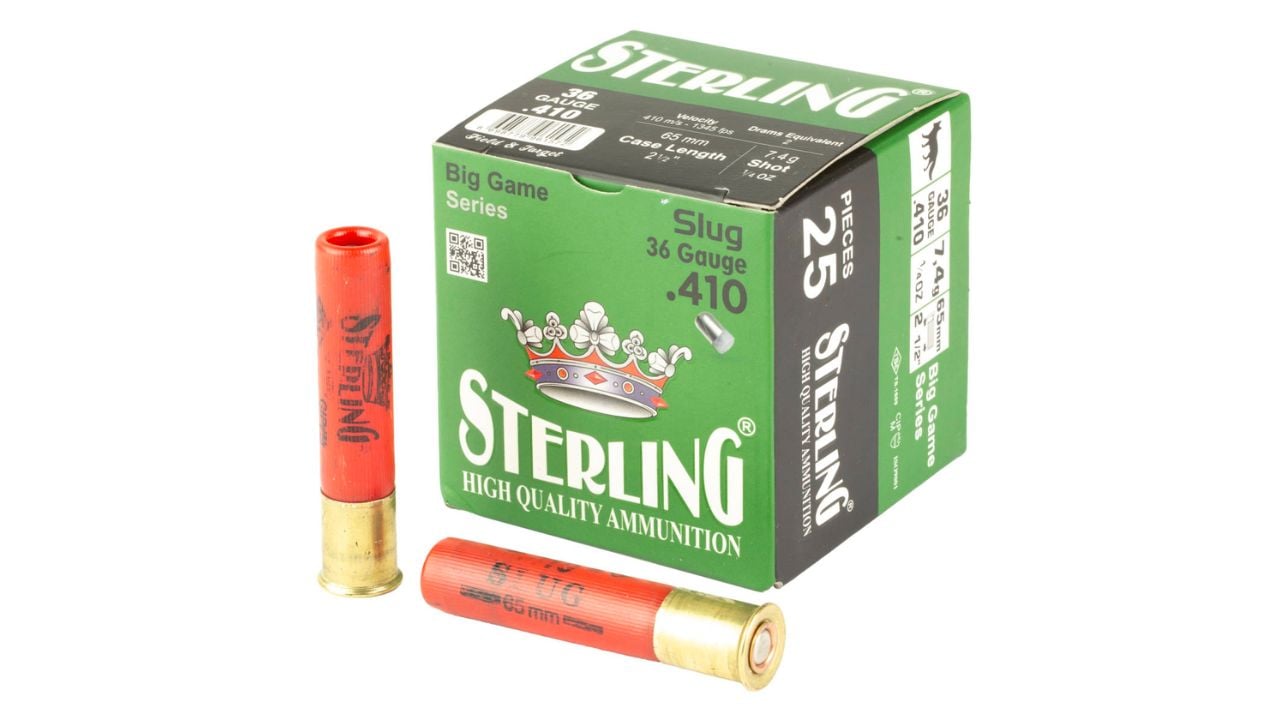
A .410 slug produces very little recoil and can be fired from light, compact shotguns. It is sometimes chosen for young hunters because the gun feels manageable.
The small slug offers limited energy and diameter compared with 20- or 12-gauge alternatives. Accuracy can vary significantly between guns and loads, while poor shot placement leaves little tissue damage. It can take deer where legal, but only after careful patterning and strict range limits.
28 Gauge slug
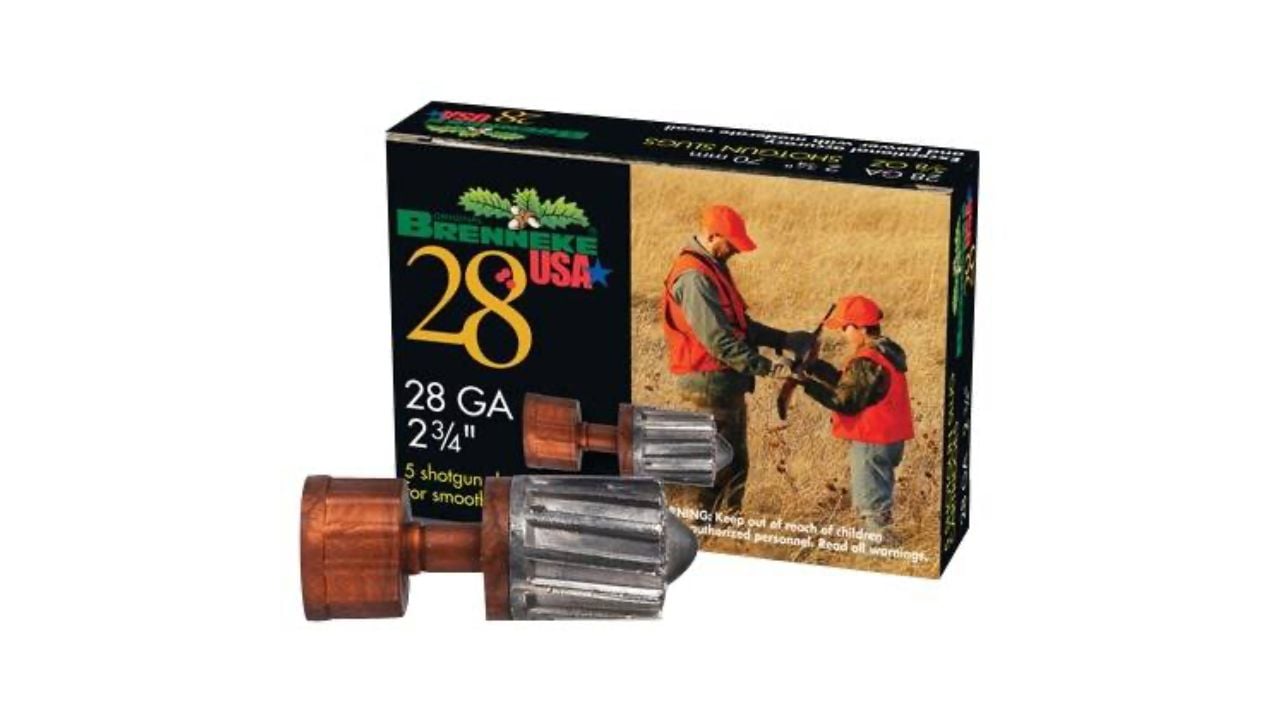
The 28 gauge is widely respected for upland hunting, but slug ammunition is much less common and offers fewer proven options than larger gauges. Its mild recoil can make it attractive to recoil-sensitive deer hunters.
The lighter projectile and limited ammunition selection mean the hunter must test the exact gun and load carefully. Range should remain conservative, and broadside shots are strongly preferred. The 28 gauge can work, but it provides far less room for error than a properly fitted 20-gauge slug gun.
Like The Avid Outdoorsman’s content? Be sure to follow us.
Here’s more from us: