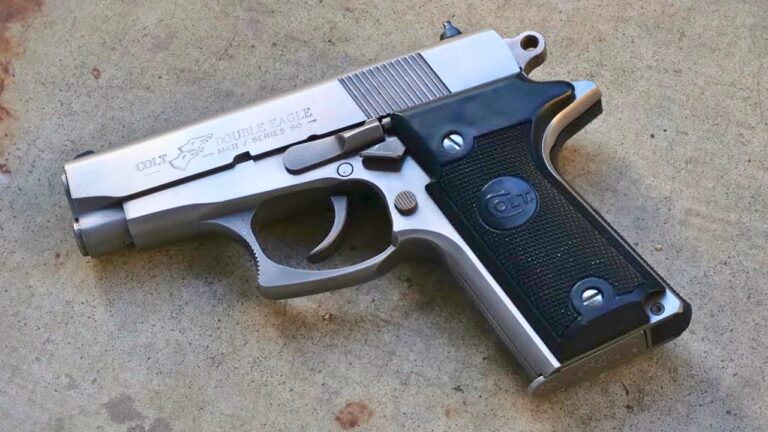
Photo credit: Buffalo's Outdoors/YouTube
When you’ve been around firearms long enough, you stop caring about how a gun behaves on the rack and start caring about what it does on the second shot. Plenty of rifles and pistols cycle that first round cleanly, giving you the false sense that everything’s dialed in. Then the second shot exposes feeding quirks, timing issues, heat sensitivity, or design shortcuts that never show up in a showroom. These are the guns that look dependable until you start running them for real, and that’s when you learn which platforms weren’t built with follow-up shots in mind.
Remington R51

The Remington R51 often fires its first round smoothly, but the follow-up is where problems show up. The hesitation-lock system can struggle with timing, especially when the gun gets even slightly dirty. You’ll feel the stutter as the slide tries to settle back into battery, and that’s where reliability slips. Many shooters report the second shot hanging up or feeding slowly.
If you’re relying on a pistol to run in every condition, this kind of behavior keeps it far from your carry rotation. It’s a design that promised a lot on paper but rarely holds up once you start shooting at a normal pace.
Kimber Solo

The Kimber Solo is well known for giving shooters a flawless first shot. But when you fire again, the pistol starts showing sensitivity to ammunition and grip pressure. The Solo requires specific loads to function correctly, and anything outside those narrow specs can cause incomplete cycling. That’s where the second shot often becomes an issue.
For a gun designed for concealed carry, you expect consistency across a range of defensive ammo. The Solo struggles to provide that, turning range sessions into reminders that sleek appearances don’t equal repeatable performance under pressure.
Ruger Mini-30 (early models)

Early Ruger Mini-30 models are reliable for the first shot, but they can struggle with hard-primer surplus ammo on the second. Light primer strikes have followed this rifle for years, especially when using steel-cased ammunition. The gun fires, cycles, and then clicks on the follow-up because the firing pin didn’t hit with enough force.
Once you learn the rifle’s preferences, you can make it run more consistently, but that doesn’t erase the reputation. A rifle meant for field use shouldn’t require babysitting between rounds, and the Mini-30’s early tendency to stumble on shot two is why many hunters moved on.
Kahr PM40

The Kahr PM40 gives you a clean first shot almost every time, but once recoil starts working against the lightweight frame, the second round can hang. The combination of snappy recoil and a tight slide-to-frame fit means it’s unforgiving of any grip inconsistency. That’s where feeding issues show up, usually right after that first shot.
It’s a pistol that rewards perfect technique but punishes anything less. For experienced shooters, that might be manageable, but for everyday carry, you want something less sensitive to minor changes in grip or stance.
Mossberg 464 Lever-Action
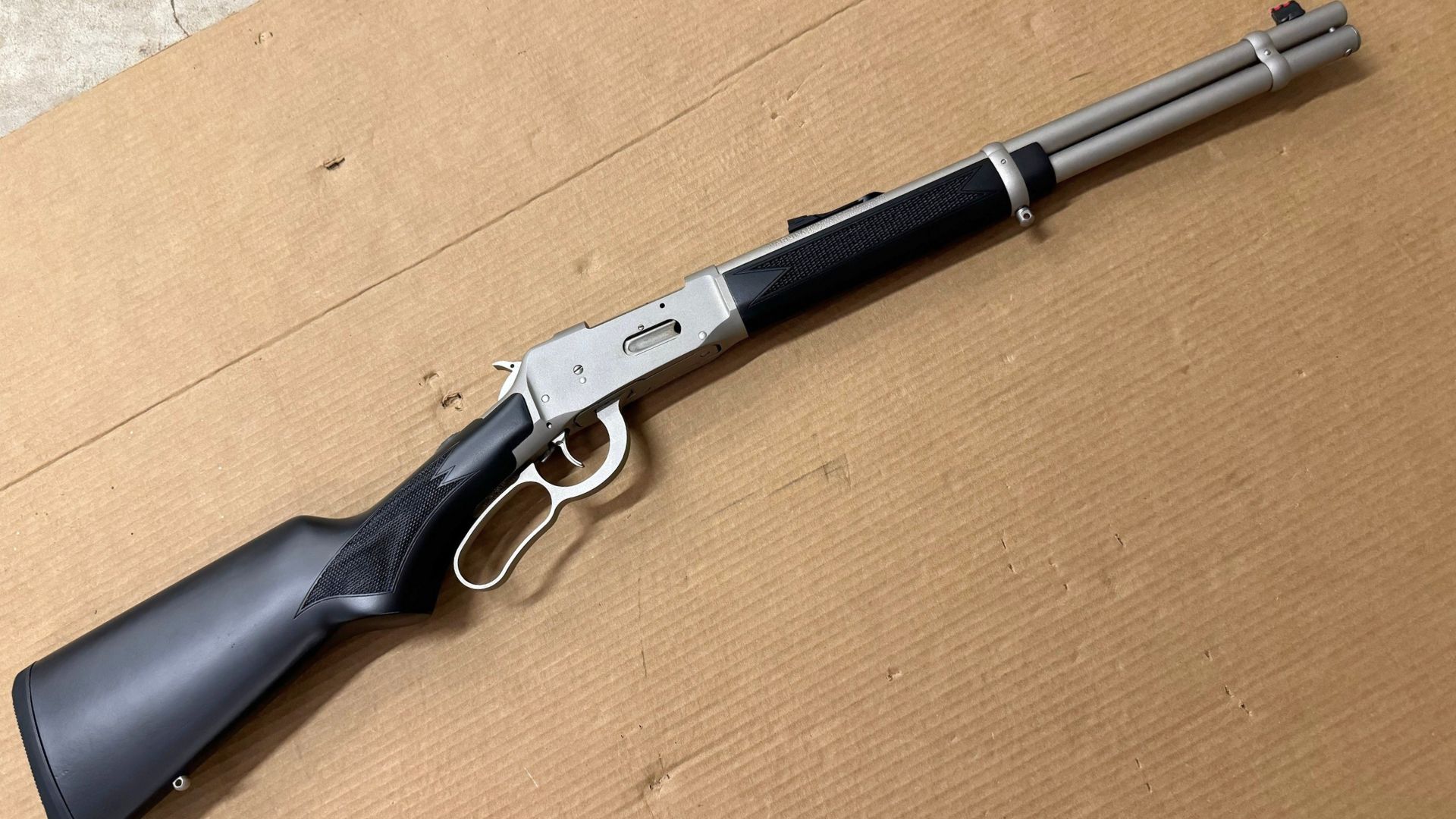
Early Mossberg 464 rifles had a reputation for seeming smooth until the second round entered the mix. The first shot cycles the action fine, but the next cartridge sometimes catches at the carrier or hesitates entering the chamber. That interruption can slow follow-up shots to a crawl.
Lever guns already rely heavily on clean mechanics and proper timing, and when the system isn’t tuned perfectly, the second shot is usually where you notice. Mossberg improved the platform later, but early owners remember how quickly the rifle exposed its quirks.
Taurus PT145 Millennium Pro

The Taurus PT145 Millennium Pro often feels like a dependable carry gun on the first trigger pull. But as soon as you fire again, certain models experience erratic feeding or failures to return fully to battery. The polymer frame flex and inconsistent early-run parts contributed to these issues.
When a pistol doesn’t inspire confidence in its second shot, it’s tough to trust it for real-world use. Many owners who liked the size and capacity eventually moved on to something more predictable under recoil.
Winchester Super X Model 1 (late-run examples)
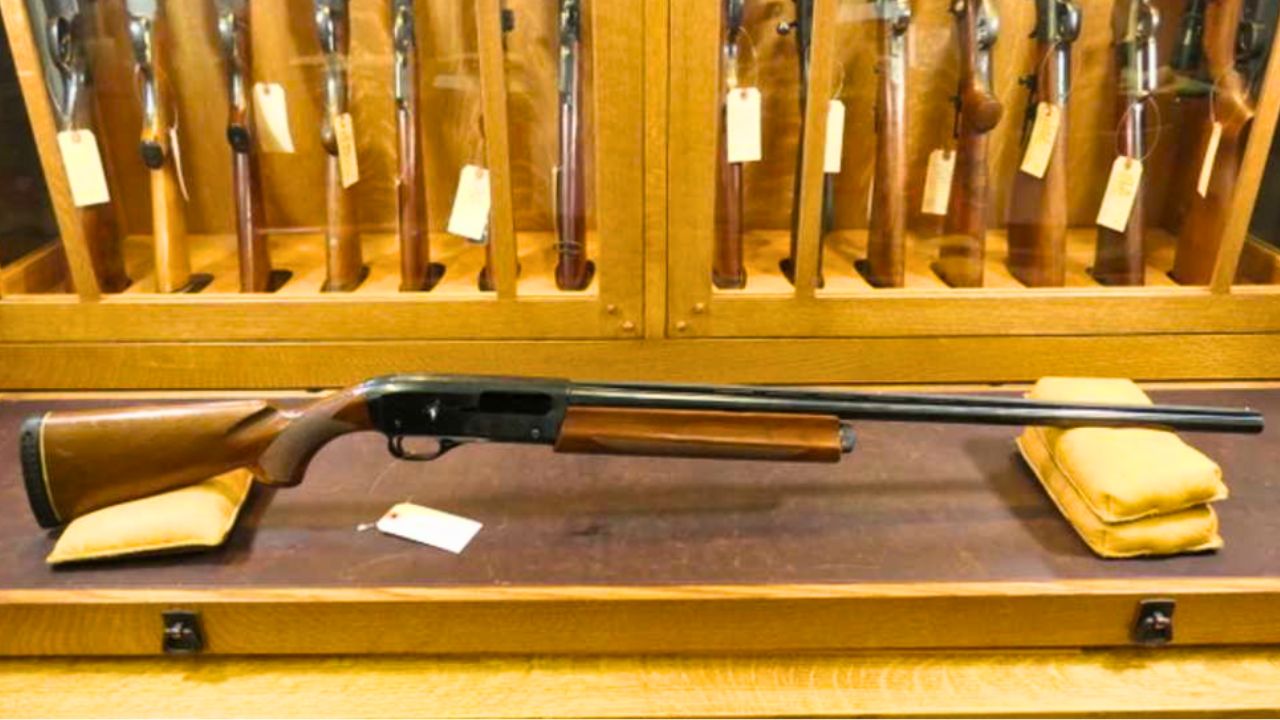
Most Winchester Super X1s are smooth shooters, but late-run examples sometimes develop cycling issues right after the first shot. Wear on the gas system or inconsistent replacement parts can cause sluggish movement, and that shows up immediately after recoil hits the system.
The gun’s reputation is mostly positive, but anyone who’s run a worn or neglected example knows the odd feeling of the second shot failing to chamber smoothly. It’s a reminder that even great designs can falter when parts availability becomes limited.
KelTec PF-9

The KelTec PF-9 is known for firing the first shot cleanly, but the second often exposes its limitations. The lightweight frame and aggressive recoil impulse can cause failures to eject or sluggish feeding, especially when the gun starts to heat up. Grip inconsistency compounds the problem.
It’s a pistol built to be carried more than shot, but when you start working through rounds quickly, it becomes clear the platform wasn’t designed to sustain consistent cycling. That’s why many shooters outgrow it once they train regularly.
Remington 742 Woodsmaster
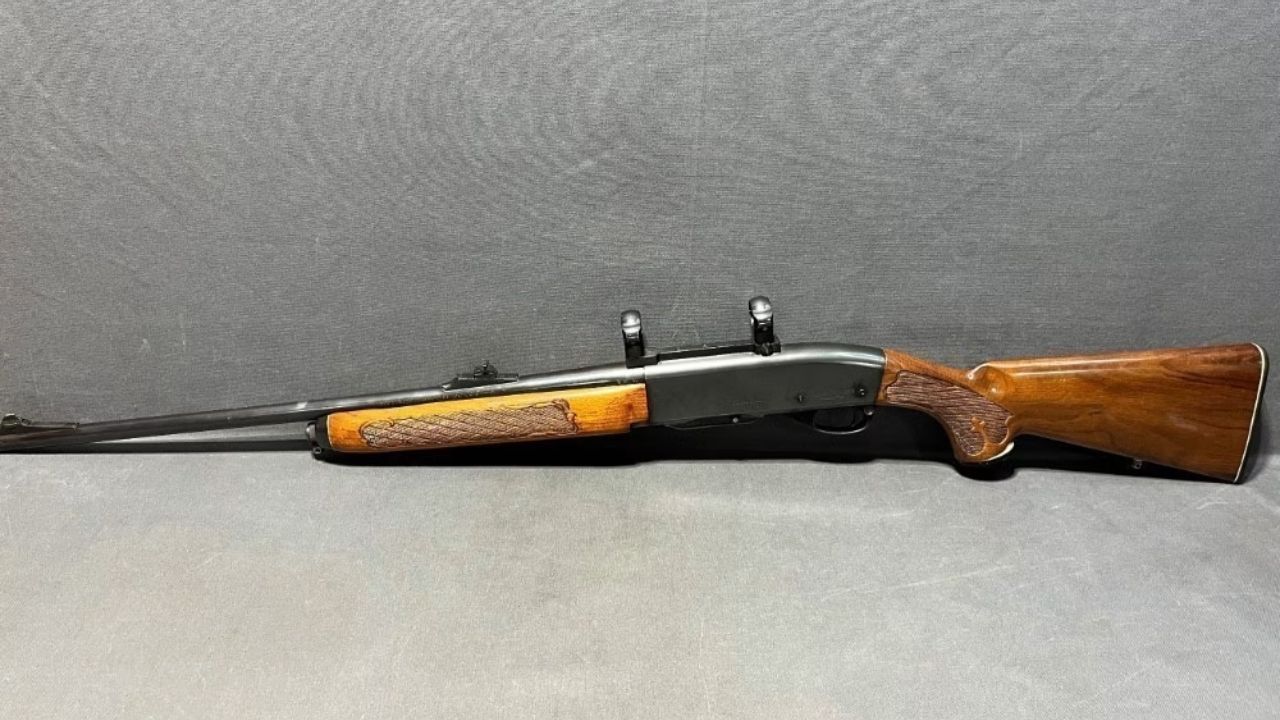
The Remington 742 Woodsmaster fires the first shot exactly how you want, but carbon buildup and wear on the action bars reveal themselves immediately when you fire again. Many hunters have experienced the notorious “jam-master” reputation, especially with rifles that weren’t kept meticulously clean.
The design can run well with proper maintenance, but the second shot is often the first sign things aren’t right. When a semi-auto hunting rifle hesitates under real field conditions, confidence fades quickly.
Smith & Wesson Sigma .40
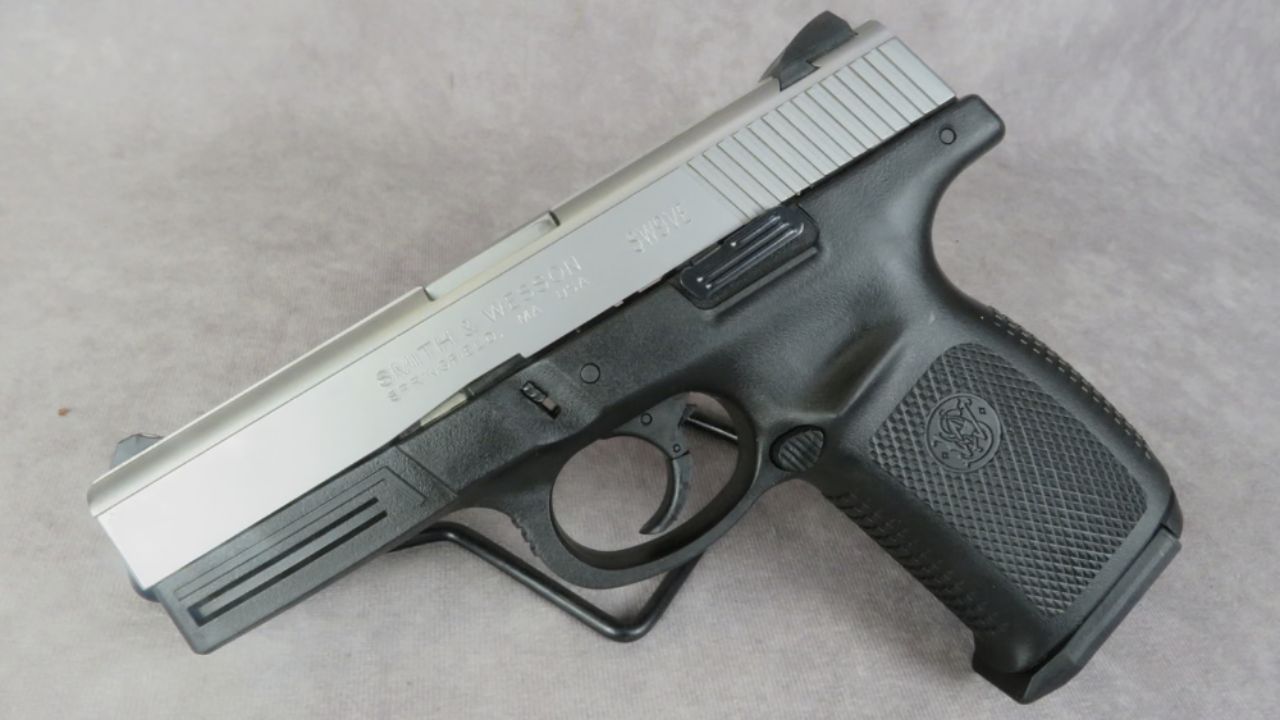
The early Sigma pistols usually fire the first round without issue, but the second is when the stiff trigger and cycling inconsistencies show up. Some examples fail to chamber smoothly or feel sluggish returning to battery. Heat and fouling exaggerate the problem during extended shooting.
Plenty of shooters upgraded to more refined pistols once they realized how unpredictable the Sigma could feel past that first trigger pull. Even though later models improved, the early versions remain known for that awkward second-shot reliability gap.
Browning BAR Mark II
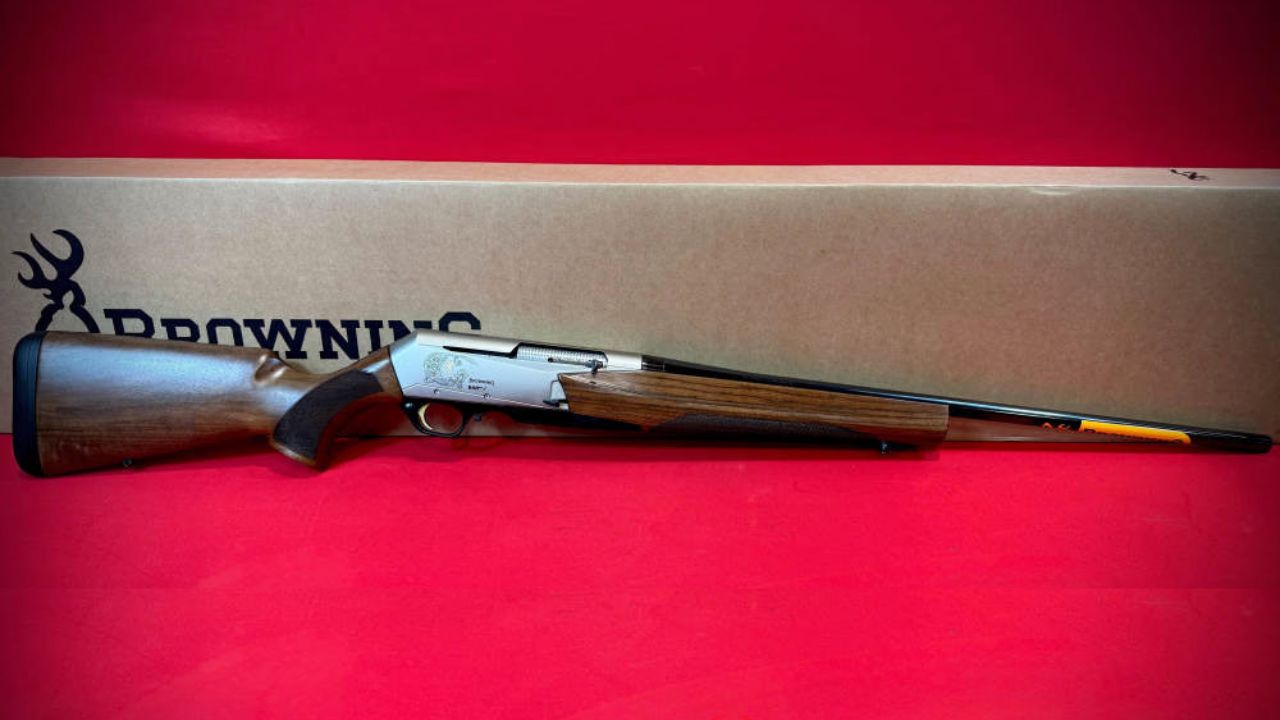
A well-maintained Browning BAR Mark II is solid, but high-mileage examples can reveal themselves on the second shot. Gas system wear often causes sluggish cycling, leading to inconsistent chambering right after recoil. It’s not something you’ll always catch on the first shot.
In the field, that hesitation can cost you opportunities. The BAR is a respected hunting rifle, but aging rifles that haven’t been serviced will show their problems quickly once you start stacking shots.
SIG Sauer P290RS

The SIG P290RS usually delivers a clean first round, but the second is where timing issues sometimes arise. The heavy trigger and short slide travel can create marginal cycling when grip tension varies. This leads to occasional failures to feed or incomplete slide movement.
For a small defensive pistol, that sensitivity doesn’t inspire much trust. It’s a platform that performs best only under ideal technique, which isn’t always realistic when a gun is being used for concealed carry.
Marlin 922M
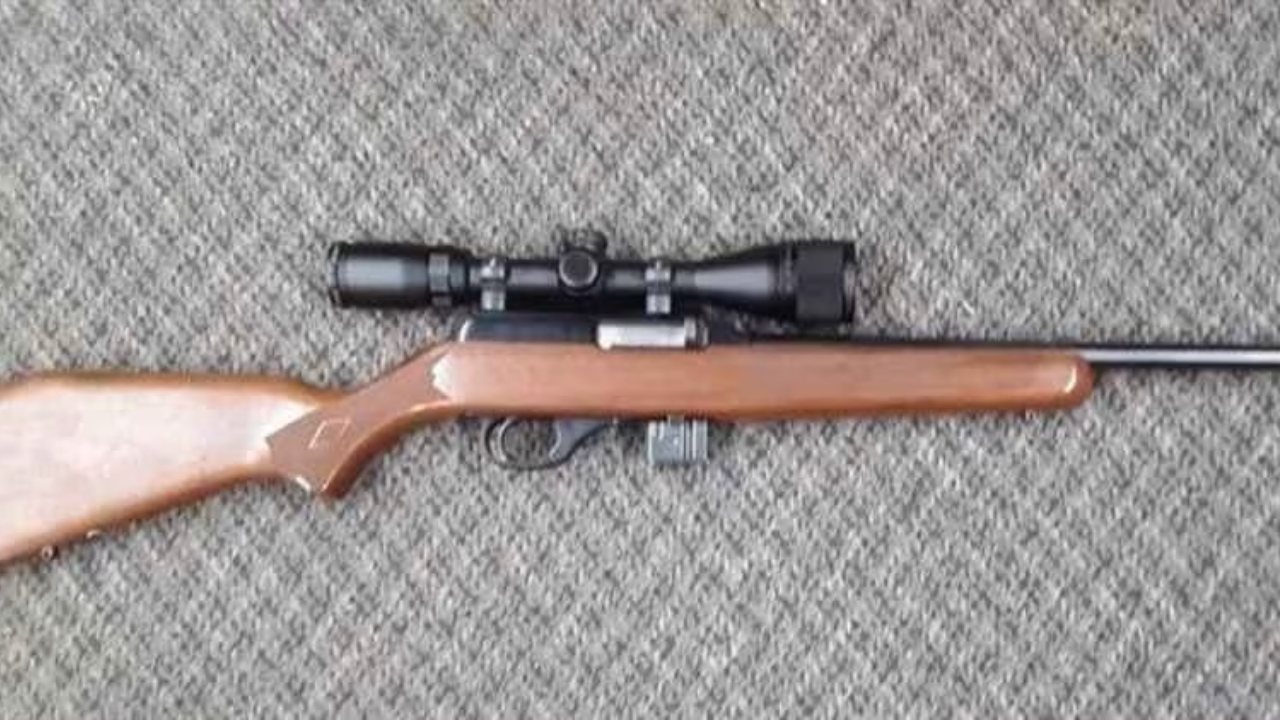
The Marlin 922M semi-auto .22 Magnum rifle often fires its first shot perfectly, but the second can expose wear in the magazine lips or buildup in the chamber. Feeding .22 Magnum reliably in a semi-auto requires tight tolerances, and this rifle sometimes struggles to maintain that consistency across multiple rounds.
Owners often learn to keep the rifle exceptionally clean and to test magazines carefully. Even then, the second shot remains the most common point of failure when the system starts getting finicky.
SCCY CPX-1

The SCCY CPX-1 can fire the first shot without trouble, but the follow-up sometimes reveals issues with the slide lock safety interacting with recoil. Early models were known for the lever engaging unintentionally, stopping the gun before the second round chambers.
Later updates improved the design, but many owners still remember the odd feeling of a gun that behaves on shot one and stops dead on shot two. For those relying on compact pistols, that inconsistency is tough to overlook.
Remington Model 8

The Remington Model 8 fires its first shot with classic recoil-operation charm, but worn rifles often struggle with the second. Weak springs or friction points in the shroud can interrupt cycling right after the first recoil cycle. That hesitation usually appears only when you shoot the rifle as intended—faster than a bench test.
It’s a reminder that early semi-autos require more upkeep than modern shooters are used to. When they’re maintained correctly, they run well, but a single neglected part can turn the second shot into a surprise.
Like The Avid Outdoorsman’s content? Be sure to follow us.
Here’s more from us: