Photo credit: Sophon Nawit/Shutterstock.com
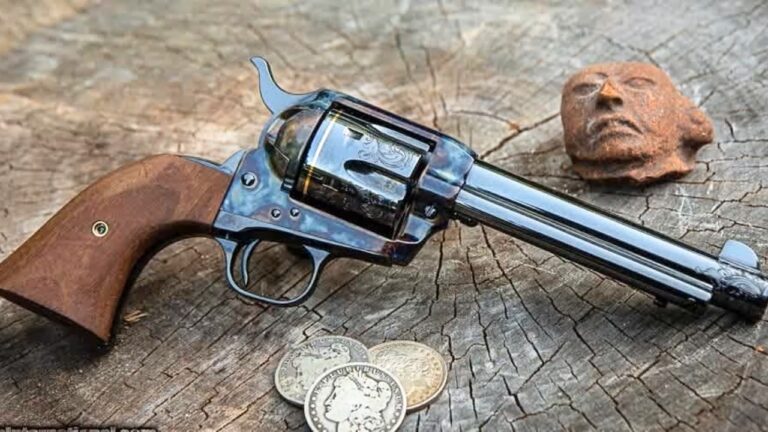
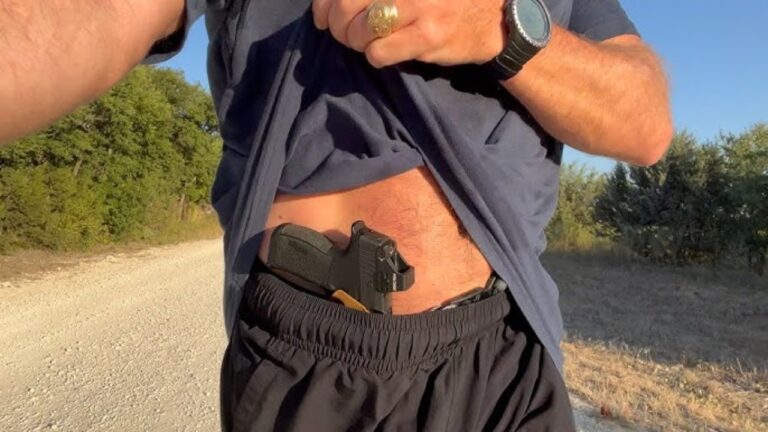
If you’ve ever loaded a full mag, slapped it in, dropped the slide, and watched the first round jam with the bullet nose buried into the feed ramp or frame…welcome to one of the most common “small gun” headaches there is. First-round nose-dives usually come from a few places: the top round sitting at the wrong angle, magazine springs that are borderline, followers that tilt, feed lips that don’t control the round well, and tight little pistols where the feeding path is less forgiving. Add hollow points or soft-nose ammo and the problem gets louder.
This isn’t always a “bad gun.” Sometimes it’s a bad magazine. Sometimes it’s technique—riding the slide or easing it forward. But some carry pistols and mag designs show this issue more often than they should, especially when mags are brand new, fully stuffed, or carried for long periods under pressure.
SIG Sauer P365

The P365 is a strong carry pistol, but it’s still a compact system with a steep feed cycle and tight mags. First-round nose-dives often show up when shooters load the magazine to full capacity and then ease the slide forward instead of letting it run with full spring force. That top round is under a lot of tension, and if the slide doesn’t hit it with authority, the round can dip and catch.
Another common trigger is magazine condition and follower behavior. If a mag is dirty, worn, or the follower isn’t tracking smoothly, the top round can present slightly nose-low. Some ammo profiles are more forgiving than others. The fix is usually simple: keep mags clean, confirm the slide is released cleanly (not ridden), and test different defensive loads. If a specific mag does it repeatedly, mark it and stop trusting it.
Springfield Hellcat

The Hellcat runs well for many shooters, but nose-dives can happen in micro guns when the mags are very tight and the top round is being pushed hard by the spring. The first round is the most compressed, which means the follower and feed lips are doing the hardest work right there. If the mag geometry isn’t presenting perfectly, the round can dip when the slide strips it.
This issue gets worse when shooters do administrative loading and unloading all the time. Repeatedly chambering the same top round can slightly deform it or change how it sits. Some hollow points are also more prone to catching. If your Hellcat does this, don’t panic—try different ammo, clean the mags, and make sure you’re not easing the slide forward. Micro pistols punish gentle handling.
Glock 43 (and sometimes 43X)
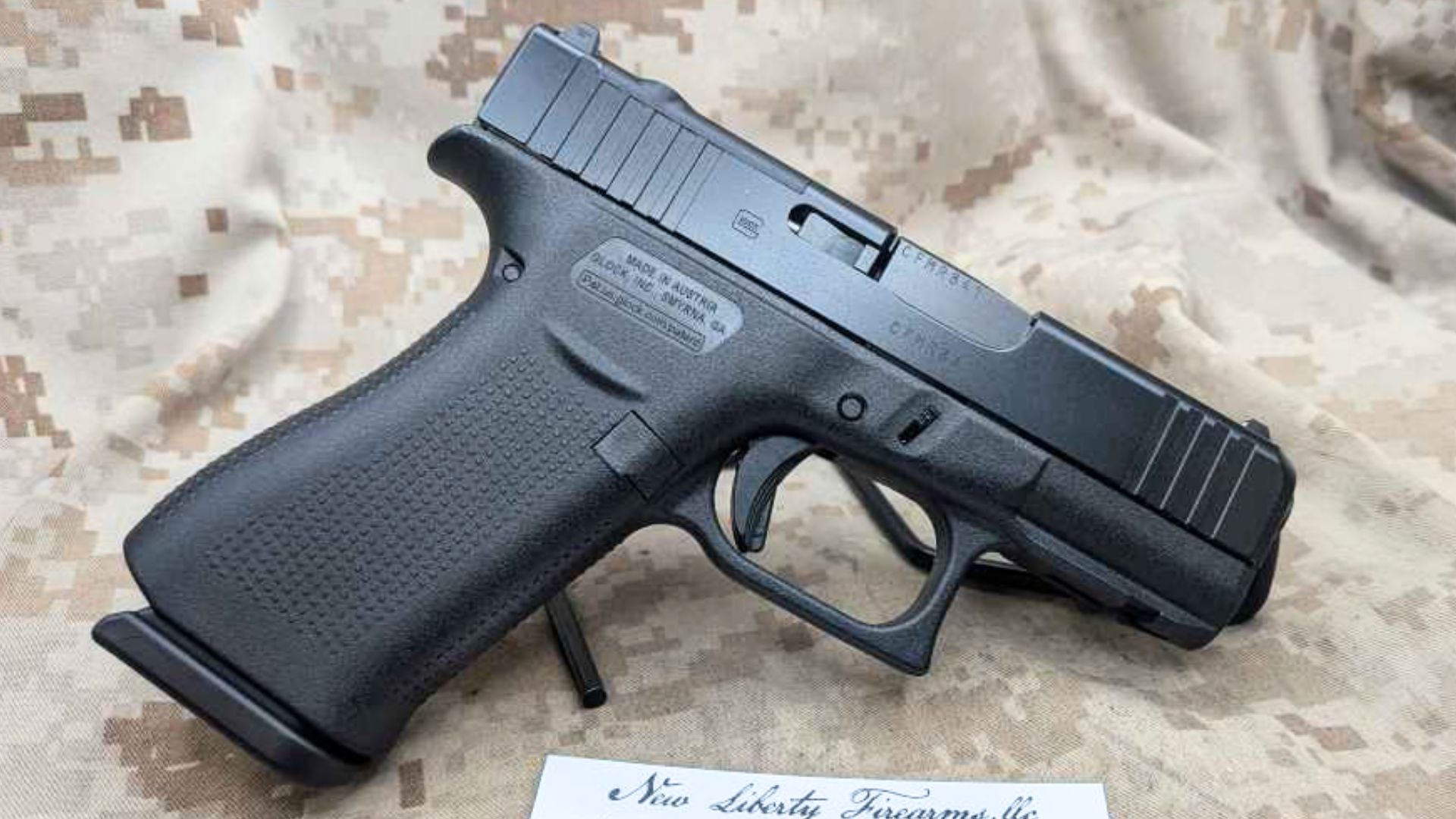
Glock slimline pistols are usually solid, but first-round nose-dives can show up with certain magazines, certain ammo, and certain loading habits. On a full magazine, the top round is under maximum spring pressure. If you insert the mag with the slide forward and don’t seat it firmly, or if you drop the slide slowly, the round can dip and hang.
Another issue is the shooter inadvertently riding the slide. Glocks want the slide to slam forward. If you guide it, you remove energy from the system and create a nose-dive opportunity. Also, some aftermarket mags and certain follower setups can change presentation angle. The fix is simple: use proven mags, seat them hard, release the slide cleanly, and test your carry ammo. If the problem follows one magazine, that magazine is the problem.
Smith & Wesson Shield (especially older variants with tired mags)

The Shield has earned its reputation, but worn magazines can cause nose-dives—especially on the first round from a fully loaded mag. As springs weaken or followers tilt more than they used to, the top round can sit slightly low. Then when the slide strips it, the bullet nose dips into the feed ramp instead of gliding up into the chamber.
This shows up more with certain hollow point shapes and with mags that have been loaded for long periods without rotation. A Shield that runs perfectly with FMJ can still choke on a wide-mouth hollow point if presentation isn’t ideal. The solution is what most people don’t want to do: replace mag springs or retire mags that are acting weird. Also, stop babying the slide. Run it with full force, and you’ll eliminate a lot of “mystery” nose-dives.
Ruger LCP Max (.380)

Pocket guns are more sensitive, period. The LCP Max can nose-dive the first round because everything is small and the feeding path is short. A tiny change in cartridge presentation becomes a big change at the feed ramp. Fully loaded mags are under maximum tension, and if the slide doesn’t come forward with authority—or if the ammo profile is blunt—the top round can dip and stop.
These guns also get carried in linty environments, and mags can get dirty fast. A dirty mag follower doesn’t track smoothly, which can lower the top round’s angle. If your LCP Max does this, keep the mags clean, test ammo carefully, and don’t rely on “it’s probably fine.” Pocket guns are not forgiving. Prove the gun with the exact load you’ll carry, and if one mag is a repeat offender, replace it.
Ruger EC9s / LC9s

The EC9s/LC9s line can be dependable, but nose-dives can happen when magazines are tired or when the slide is ridden forward during chambering. These pistols are light, and their recoil springs can feel stout. People get in the habit of easing the slide because they don’t like the slap. That’s exactly how you create nose-dives.
Ammo shape matters too. Some defensive loads have a nose profile that catches more easily if the round presents low. If you’re seeing first-round issues, start by changing your loading habit: lock the slide back, insert the mag firmly, and release the slide cleanly. Then test multiple mags and mark any that cause repeat failures. A carry gun gets exactly zero excuses for repeating the same feeding problem.
Kahr PM9 / CM9

Kahrs have a loyal following, but they can be sensitive to magazine condition and loading technique. They’re designed with a specific recoil spring system and feed cycle, and they don’t always love being “helped.” If you ride the slide or ease it forward, the first round can nose-dive. Fully loaded mags with stiff springs make it more likely.
Also, Kahr mags can get dirty and start presenting rounds inconsistently if you carry them daily. This is one reason Kahr owners who have no issues tend to be very particular about mags and maintenance. The fix is boring: keep mags clean, don’t limp-wrist the gun, don’t ride the slide, and test your ammo. If it still happens with a specific mag, retire that mag and move on.
Kimber Micro 9

The Micro 9 looks like a little tank, but it’s still a small 1911-ish system. Small 1911-style pistols can nose-dive if the magazine doesn’t present the round correctly or if the feed ramp geometry isn’t forgiving with certain hollow points. The first round from a full magazine is where that presentation angle matters the most.
The other culprit is administrative handling. People chamber, unload, chamber, unload, and keep reusing the same top round. That can beat up the bullet nose and change how it feeds. If your Micro 9 nose-dives, start by using quality mags, avoid repeatedly cycling the same round, and test different ammo profiles. Small 1911-style guns can run well, but they’re more sensitive than striker guns.
SIG P238 (.380)
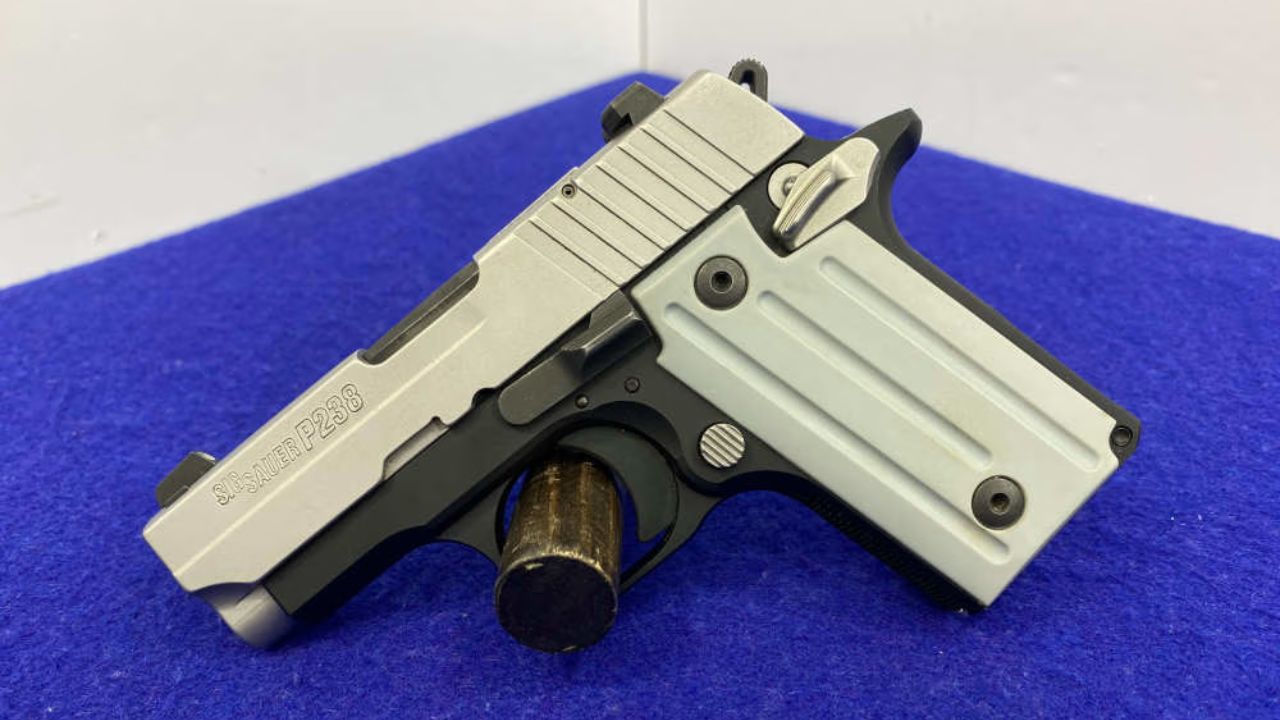
The P238 is a great carry pistol for many folks, but nose-dives can happen if magazines are worn, dirty, or if the slide isn’t released with full force. The gun is small, and .380 ammo profiles vary a lot. A blunt hollow point is less forgiving than a smooth FMJ, and the first round off a fully loaded mag is where any presentation issue shows up.
Many P238 owners avoid problems by sticking to ammo that feeds well in that platform and keeping mags in good shape. If you’re getting nose-dives, don’t just shrug it off as “small gun stuff.” It’s telling you something is off—mag spring strength, follower tracking, or technique. Fix it before you trust it. Carry guns don’t get a pass because they’re cute.
Walther PPS (single-stack)

The PPS is generally reliable, but single-stacks can still nose-dive when mags are tired or when the top round is presented low. Fully loaded mags compress the spring the most, and if the follower tilts or binds slightly, the first round can dip as the slide grabs it. It’s not always dramatic. Sometimes it’s a partial feed that still chambers. Sometimes it’s a hard stop.
Ammo shape and magazine health are everything here. A PPS with fresh mags and good ammo is usually boringly reliable. A PPS with a tired mag spring can suddenly develop “random” first-round issues. If you see it, stop guessing: swap mags, replace springs, and test your carry load thoroughly. You want the first round to chamber like it’s on rails every time.
Taurus G2C / G3C

These are popular carry guns because they’re affordable, but nose-dives can show up with certain magazines and ammo profiles—especially when mags are new, stiff, and fully loaded. Some shooters also have a habit of easing the slide forward, which these guns don’t love. When the slide doesn’t have full energy, the first round can dip and catch.
The other issue is inconsistency from mag to mag. If you have three mags and only one causes first-round jams, you’ve learned something important. Mark it. Don’t trust it. If you’re carrying a budget pistol, you need to be even more disciplined about proving mags and ammo. The gun can still serve you well, but you can’t be casual about reliability testing.
SCCY CPX series
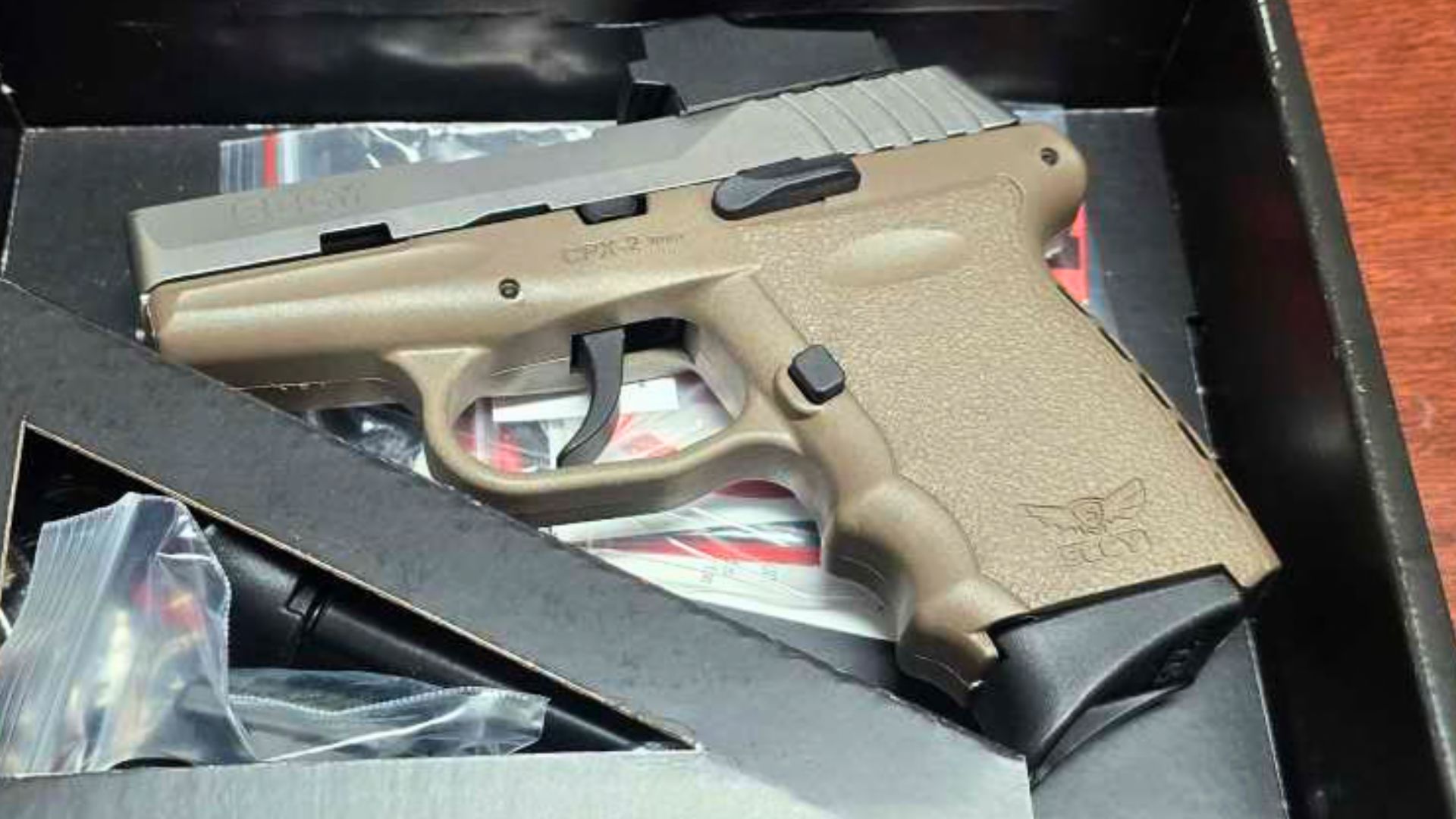
SCCY pistols can be carried, but first-round nose-dives can happen due to magazine presentation issues and the general “less forgiving” nature of some budget compacts. The problem is often not the pistol itself—it’s the magazine not presenting the top round at the right angle consistently, especially at full capacity. That’s where you get a bullet nose driving into the feed ramp.
If you own one, don’t assume because it fired 50 rounds once that it’s proven. Run it with your carry ammo, run it with full mags, and run it from slide lock. If you see any first-round feed issues, address them immediately. Magazines are cheap compared to the cost of trusting a bad one. Replace the mag or the springs and retest until it’s boring.
Beretta Nano

The Nano has a reputation for being a bit particular, and first-round issues can pop up if magazines aren’t presenting the round well or if the gun is being “helped” during chambering. The Nano’s design is very snag-free, which is nice for carry, but it also means controls and manipulation feel different than more common pistols. That can lead to inconsistent loading technique.
If you’re getting nose-dives, don’t turn it into a mystery. Swap magazines, test different ammo, and release the slide cleanly. Also pay attention to how you’re seating the magazine—especially with the slide forward. If the mag isn’t fully locked, the first round can sit wrong and create an immediate failure. With carry guns, your process matters as much as the platform.
CZ RAMI
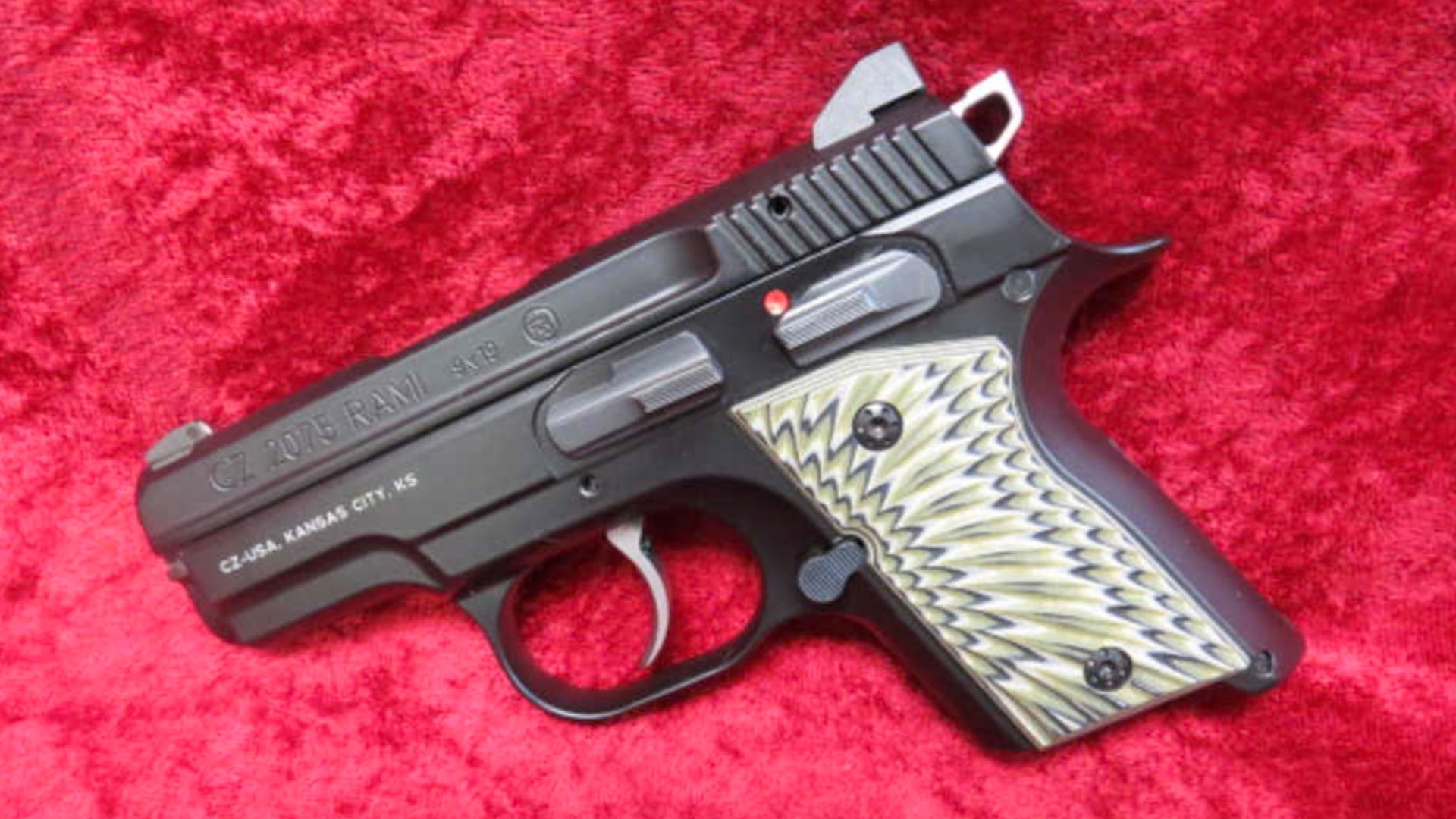
The RAMI can be a great little pistol, but it’s more sensitive to magazine setup than people expect. If the mag spring is tired or the follower tilts, the first round can present low. Add a blunt hollow point and you’ve got a recipe for a nose-dive. This is especially true if you’ve got mixed mags or baseplates that change how the mag seats.
The best RAMI owners keep their mags consistent and proven. If you’re seeing first-round feed issues, stop rotating a bunch of random mags and pick the ones that run. Replace springs if needed. And be careful about repeatedly chambering the same top round—small pistols show wear on ammo faster. When the RAMI is set up right, it can be solid. When it isn’t, it’ll tell you immediately.
1911 Officer/Ultra-size pistols (category issue)
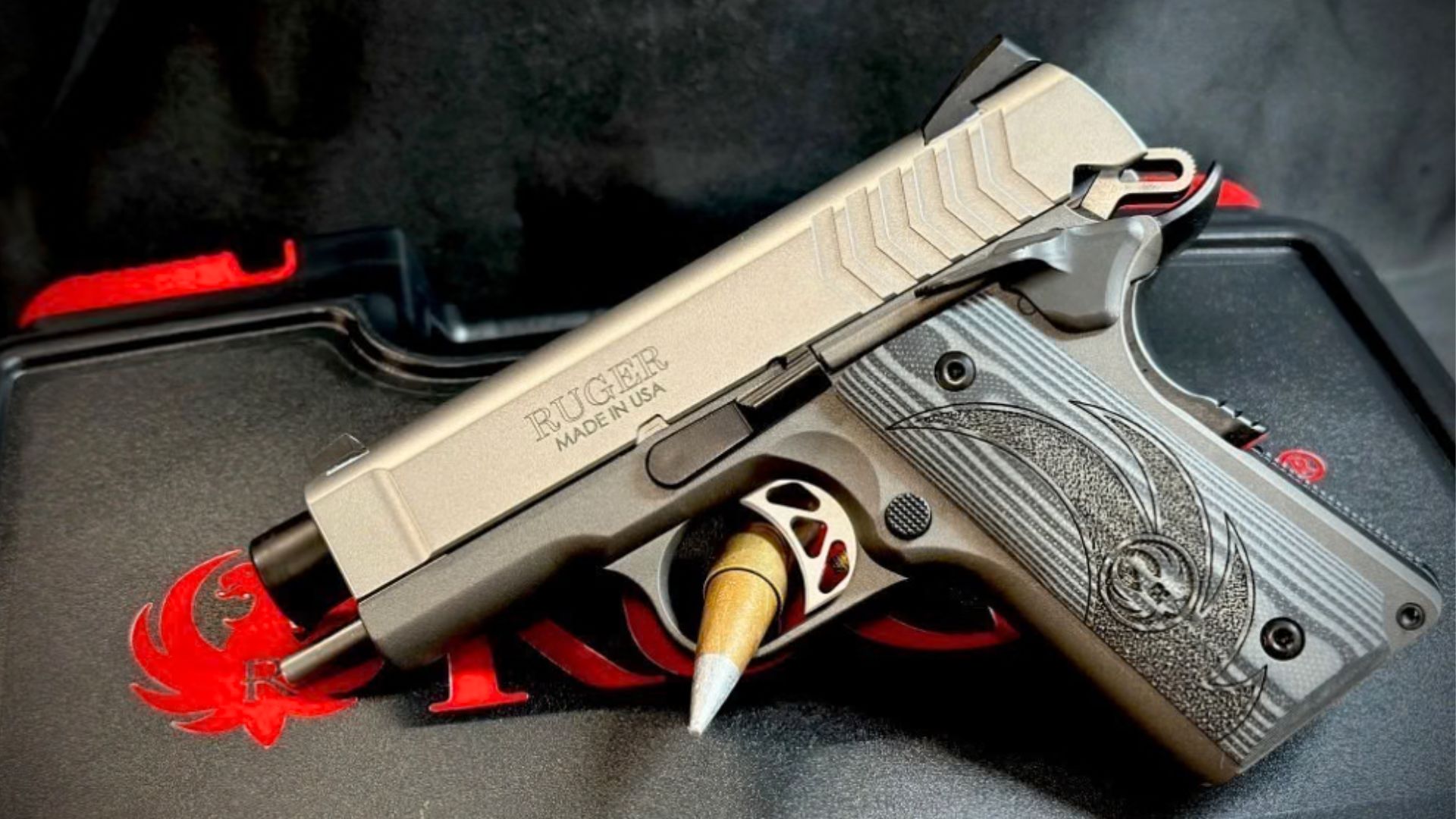
This is a category problem more than one brand. Short 1911s often nose-dive the first round because the magazine spring/follower system is under more stress and the feeding cycle happens fast. The shorter slide and different timing give you less margin. A full magazine makes it worse because the spring is fully compressed and the top round angle can be slightly low.
This is why small 1911s are hit-or-miss for some owners. The fix usually involves quality magazines, the right springs, and ammo that the gun actually likes. If you want a “feed anything” carry gun, a micro 1911 is not the easiest path. It can run great—when it’s tuned and fed properly. But if you treat it like a Glock, it may punish you with nose-dives.
Like The Avid Outdoorsman’s content? Subscribe to our newsletter so you never miss an article.
Here’s more from us: