Photo credit: Rattanapon Ninlapoom/Shutterstock.com
ARs aren’t meant to run bone-dry. Some will keep chugging longer than others, but every AR eventually starts telling you it wants lubrication. The tricky part is that certain ARs seem to short-stroke the minute the oil burns off. That can be caused by tighter-than-normal tolerances, under-gassed setups, weak ammo, rough carriers, buffer/spring mismatches, gas leaks, or just a rifle that’s built “tight” and doesn’t have enough gas margin. When the gun is wet, it masks those issues. When it’s dry, the friction shows up and the cycle starts failing.
Here are 15 ARs/configurations where “runs great wet, short-strokes dry” comes up a lot, and what’s usually behind it.
Daniel Defense DDM4 (tight new guns, needs break-in and lube)

DD rifles are quality, but many run fairly tight when new. A tight new AR can feel like it needs lube to stay happy until it breaks in. When you let it get dry, friction increases and the cycle loses energy—especially with weaker ammo. That’s when you see short-stroking or failure to lock back.
This isn’t a knock on DD. It’s just reality: tight guns like lube. If you want to prove the rifle, run it with quality ammo, keep it oiled, and let it wear in naturally. If it only runs when wet forever, then you look at gas margin and buffer setup. But most of the time, the “dry short-stroke” complaint is a tight rifle combined with low-lube and weak ammo.
BCM (mid-length setups with certain ammo)

BCM rifles are dependable, but some mid-length setups with certain ammo can feel less forgiving when dry—especially if you’re using lower-pressure .223 and the rifle is set up closer to ideal gas rather than over-gassed. When lubrication is gone, friction rises and you lose a little energy. With marginal ammo, that’s sometimes enough to short-stroke.
Again, this is not “BCM is bad.” It’s that the rifle may not be blasting excessive gas like a bargain carbine. If you run good ammo and keep the bolt carrier group lubricated, it’s usually boring. If you run cheap ammo dry and dirty, you’re pushing toward the edge. A simple fix is to lube properly and prove the rifle with the ammo you actually use.
Springfield Saint (some samples on the edge with dry friction)

Saints can be solid, but when you see “runs wet, chokes dry,” it’s often a combination of a slightly under-gassed sample or a friction-heavy system. Rough carriers, dry gas rings, and tight new parts can make the gun feel fine with oil, then start failing to lock back or short-stroking as soon as it dries out.
The answer is to stop treating oil like optional. Keep the BCG wet where it matters. Also, verify your buffer and spring aren’t mismatched. If someone swapped parts or installed a heavier buffer thinking it would “smooth recoil,” they may have reduced cycling margin. A Saint that’s set up correctly should run well, but plenty of rifles get unintentionally tuned into being ammo-and-lube sensitive.
Ruger AR-556 (carbine setups with low-lube + bulk ammo)
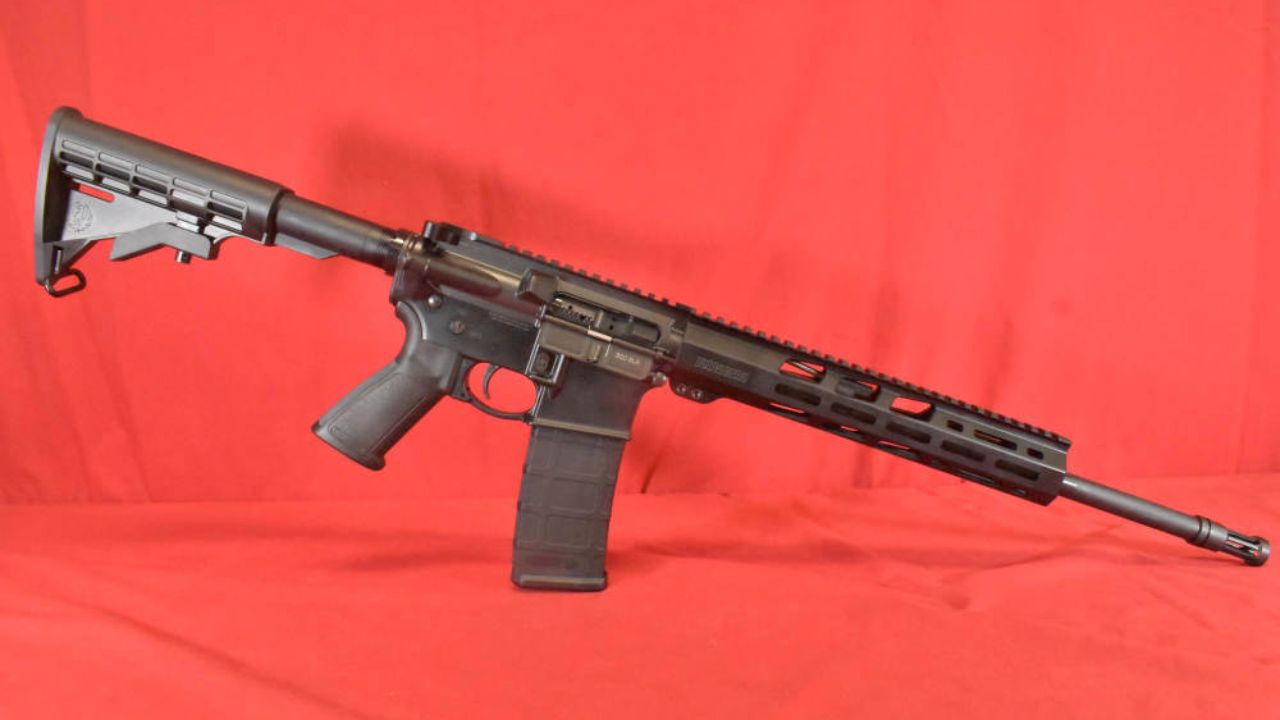
The AR-556 is common and usually functional, but many owners feed them cheap bulk ammo and then run them dry. That’s a perfect combo for short-stroking. Bulk ammo can be weak. A dry BCG increases friction. Add a little fouling and you start seeing failures to lock back or incomplete cycling.
This is one reason experienced AR guys always preach lubrication. It’s not superstition—it’s physics. If your AR-556 is short-stroking when dry, keep it oiled and see if the problem disappears. If it still struggles even with good lube and decent ammo, then you start looking at gas system integrity and buffer setup. Most of the time, the fix is simply “stop running it dry.”
Smith & Wesson M&P15 Sport II (basic guns show it fast when dry)
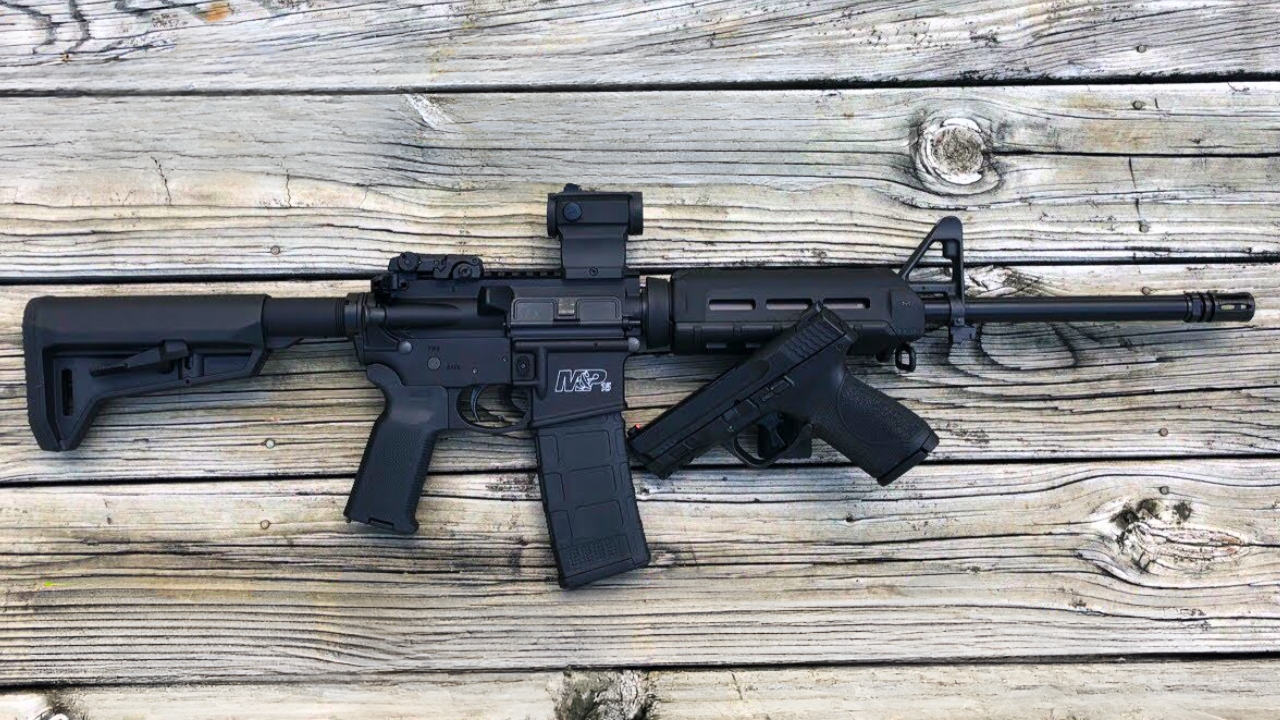
Sport IIs run fine for a lot of people, but in dry, dirty conditions with weak ammo they can show short-stroking sooner than a more forgiving setup. A basic AR with a standard gas system can lose its margin when friction rises. When you run it dry, especially in a long training day, the cycling energy drops and the gun starts acting tired.
The most common symptom is failure to lock back on an empty mag. That’s your canary in the coal mine. If that happens, don’t immediately blame the magazine. Lube the gun, try a hotter load, and see if it changes. ARs like to be wet. If you want maximum forgiveness, keep it lubricated and don’t expect a basic rifle to run like a suppressed duty gun after 800 dry rounds.
PSA (Palmetto State Armory) budget builds (tolerance stack + lube sensitivity)

Some PSA rifles run great. Some are more lube sensitive, especially if the build has a rougher carrier, slightly tight chamber, or gas that’s not giving you a big margin. When the gun is wet, the friction is reduced and the system cycles. When it dries out, the same rifle can start short-stroking or failing to lock back.
With budget ARs, tolerance stacking is real. One rifle might be perfect, another might be on the edge. If yours short-strokes dry, don’t waste time arguing online. Diagnose your rifle: keep it wet, try hotter ammo, confirm your gas key is solid, check for gas leaks, and make sure your buffer setup matches your barrel length and gas system. You can usually get them running, but you may need to be honest about the setup.
Aero Precision builds (especially mixed-part builds)
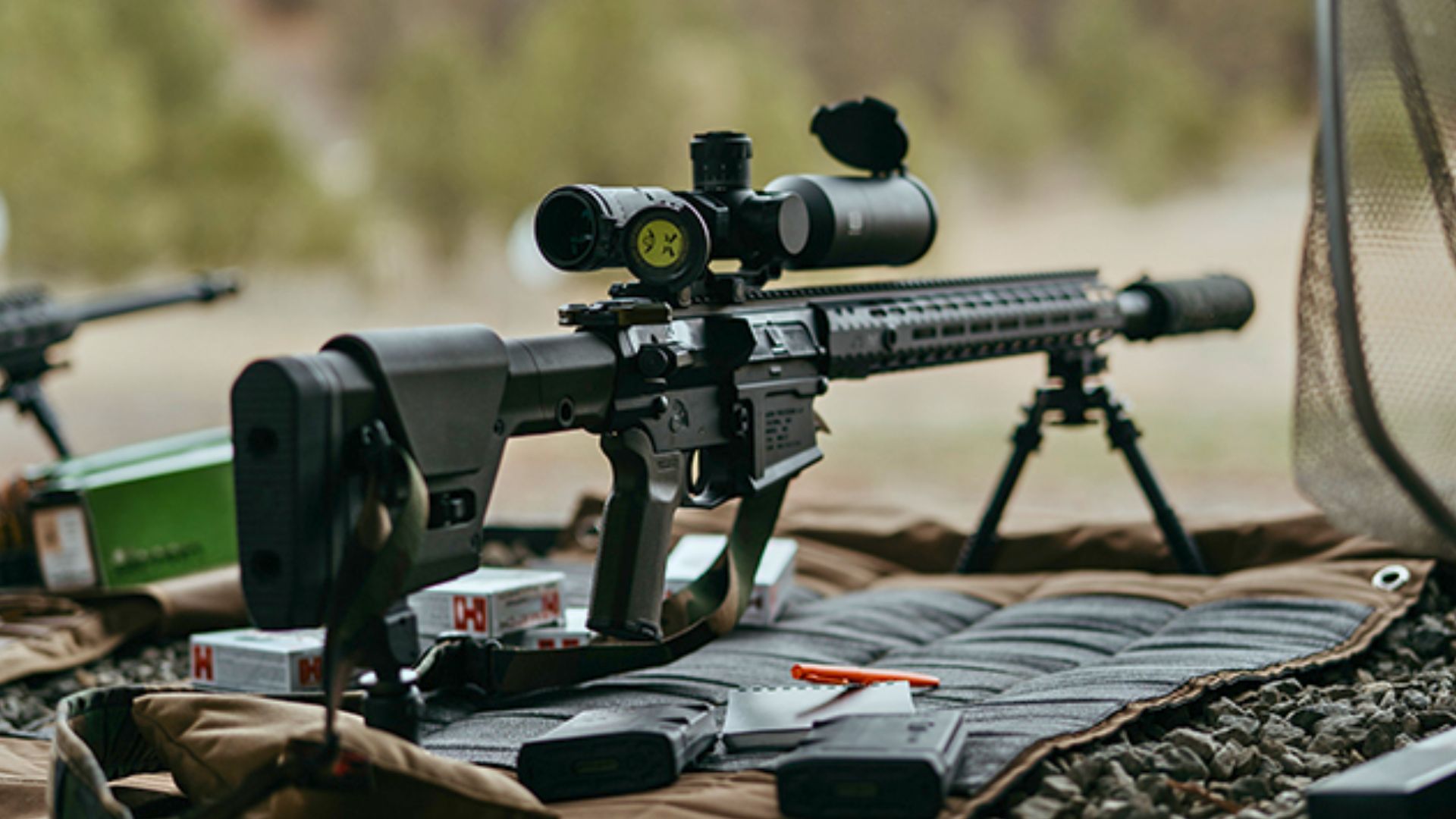
Aero makes good receivers, but many “Aero guns” are really mixed-part builds. Mixed parts are where dry short-stroking shows up. A slightly tight receiver fit, a rough carrier, a stiff new spring, and a gas system that’s not generous can create a rifle that feels fine wet and starts choking when dry.
The fix is to treat it like a system, not a brand. If it’s a home build, confirm everything is assembled correctly. Lube it properly. Test with known good mags and ammo. If it still short-strokes dry, you may need to adjust buffer weight, spring strength, or gas. The AR is modular, but that modularity also means you can accidentally tune yourself into problems without realizing it.
Colt 6920 (when people “upgrade” buffers and springs)

A stock 6920 usually runs, but the moment people start swapping buffer weights and springs to “smooth recoil,” they can reduce cycling margin. Then they run the rifle dry and wonder why it short-strokes. A heavier buffer plus dry friction plus weak ammo is a common recipe for failure to lock back.
This isn’t Colt’s fault. It’s the common AR mistake: changing parts without understanding the system. If your 6920 short-strokes when dry, return it to a known-good configuration and lube it. Then test again. If it runs in stock form, you’ve learned something. The AR can be tuned, but you need to tune it with reliability margin in mind, not just feel.
Short-barreled AR pistols (10.3–11.5) run hard and dry fast
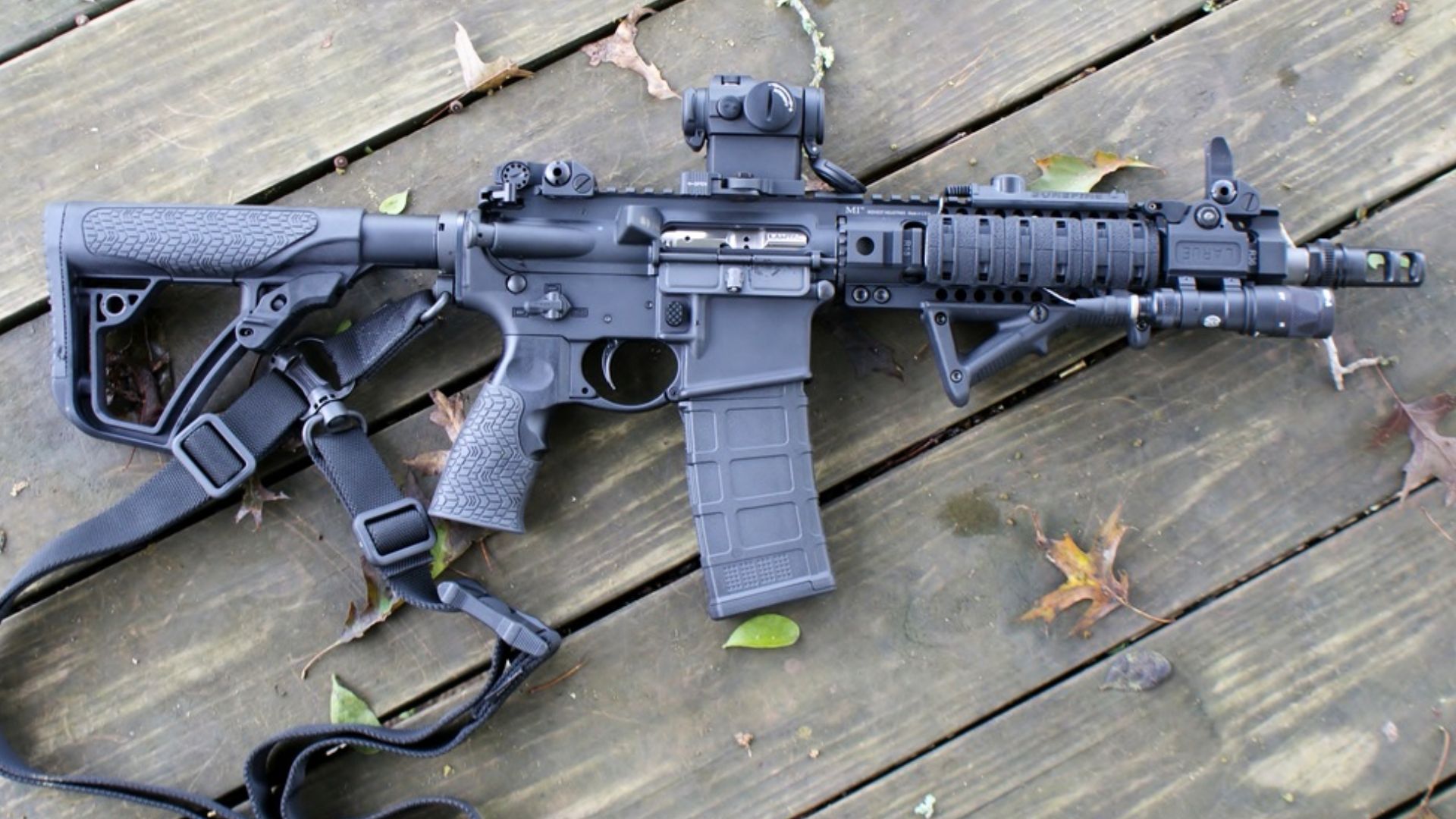
Short barrels run higher pressure and can be more sensitive to extraction and lubrication, especially if they’re tight and you’re running them fast. They also get hot faster, and hot guns burn oil off quicker. That means an SBR that runs great early can suddenly start short-stroking or acting weird once it dries out mid-session.
A lot of this is just the nature of the beast. The solution is more lube, more maintenance, and ammo selection that matches the setup. If you’re running suppressed, it gets even dirtier. If you insist on running dry because you “don’t like oil,” you’re going to have a bad time. Short ARs reward people who keep the BCG wet and don’t ignore wear items.
Suppressed ARs tuned too “soft” (adjustable gas turned down)
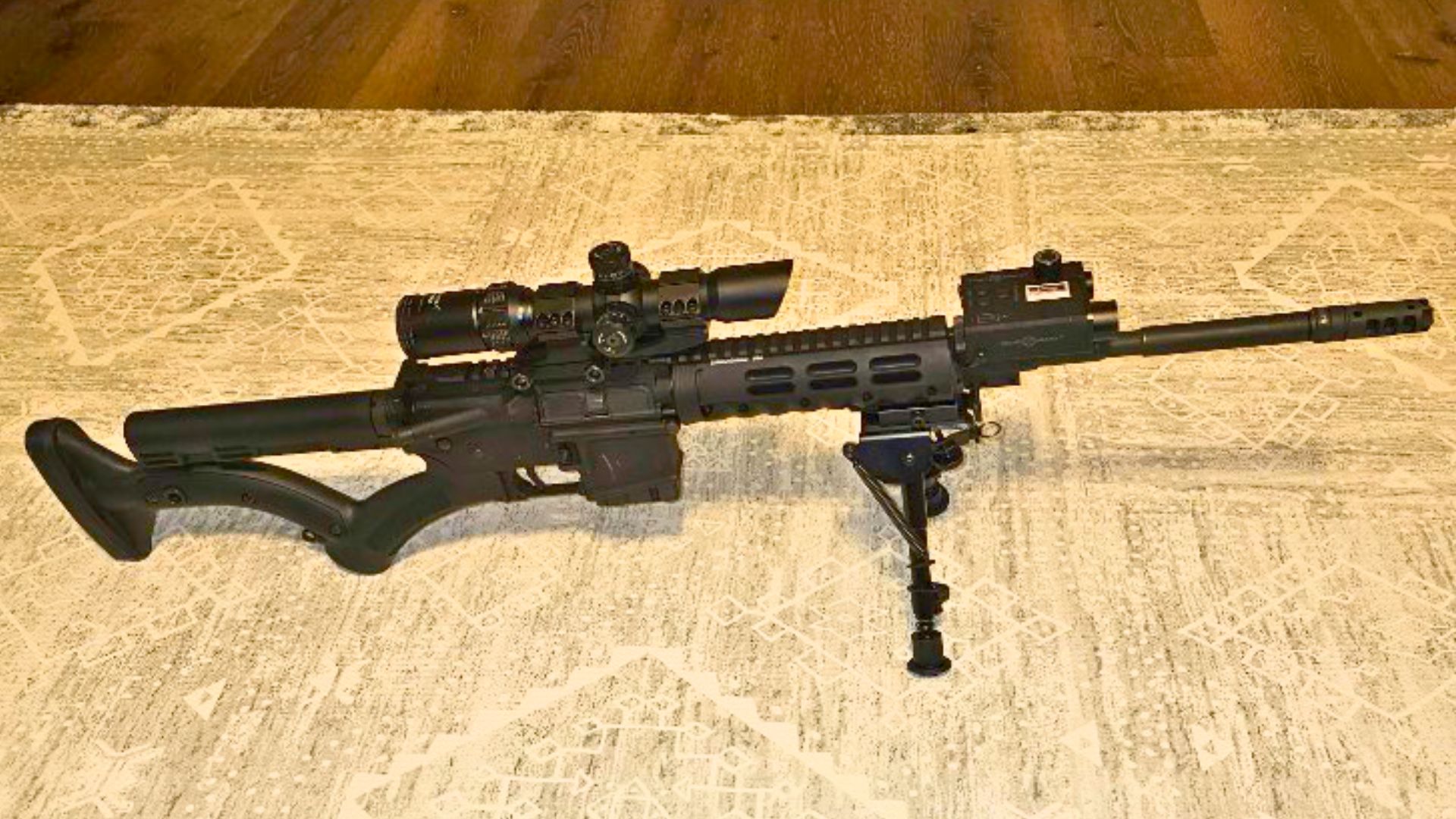
Suppressors add gas, so people tune down gas with adjustable blocks. If you tune it too soft and then run the gun dry, the margin disappears. It’ll run when wet because friction is lower. As soon as it dries, it starts short-stroking. This is one of the most common “why did my suppressed gun suddenly stop locking back?” stories.
The fix is to tune for reliability with a dry gun, not a freshly oiled one. That’s the grown-up way to do it. If your rifle only runs when wet, you’re tuned too close to the edge. Back it off a bit, keep it lubricated, and accept that reliable function is more important than the softest possible recoil feel.
ARs with lightweight BCGs and reduced-power springs

Lightweight carriers and reduced springs can be great for competition when everything is tuned perfectly and kept clean. In the real world, they can be lube sensitive. When the gun dries out and friction rises, the system doesn’t have the same brute-force margin a standard BCG setup has. That’s when you see short-strokes and inconsistent lockback.
If your goal is a carry or hard-use rifle, be careful about going too “race gun.” If your goal is competition, fine—but tune it correctly and keep it lubricated. The moment you try to run a lightweight system like a duty rifle, it starts showing you why duty setups are boring and heavy. Boring is good when you want it to run every time.
ARs with tight match chambers (some .223 Wylde setups)

A match-style chamber can be great for accuracy, but some tighter setups can be less forgiving when dry and dirty. Add weak ammo and increased friction and you can get short-stroking or extraction issues that feel like short-stroking. It’s not always easy to separate the two without paying attention to symptoms and ejection patterns.
If your “accurate” AR starts choking when dry, don’t immediately assume it’s gas. Confirm you’re not dealing with chamber drag or extraction issues. Keep it lubed, test with full-power ammo, and pay attention to whether it’s failing to extract or failing to cycle fully. Match setups can be excellent, but they often expect more from the owner in terms of maintenance and ammo choice.
ARs with cheap phosphate BCGs run dry faster than slick carriers

Phosphate carriers can run great, but they tend to feel rougher when dry compared to slicker finishes. If you run them dry, friction rises quickly. Some rifles will tolerate it. Others won’t. That’s why you’ll see guys say “my rifle runs fine until it dries out, then it starts short-stroking.” Sometimes it’s not gas—it’s friction.
This is why lubrication and a properly broken-in carrier matter. Also, don’t ignore gas rings and extractor springs. A carrier that’s worn and dry is going to act worse than a carrier that’s healthy and wet. You don’t need boutique coatings, but you do need a BCG that’s in spec and not run like it’s a dry bicycle chain.
ARs with out-of-spec gas keys or poor staking
A gas key that leaks can still “sort of” run when the rifle is wet because the system is more efficient when friction is low. As soon as it dries, the efficiency drops and the leak matters more. Now the gun starts short-stroking. This is one of those issues that hides in casual use and shows up when you start running volume.
If your rifle suddenly fails to lock back once it’s dry, inspect the gas key staking and check for carbon leakage. Also check the carrier key screws (don’t just crank on them blindly—inspect properly). A leaking key robs you of gas. When your system margin is small, that loss becomes obvious fast. This is why quality assembly matters in ARs.
ARs with worn gas rings and dry operation
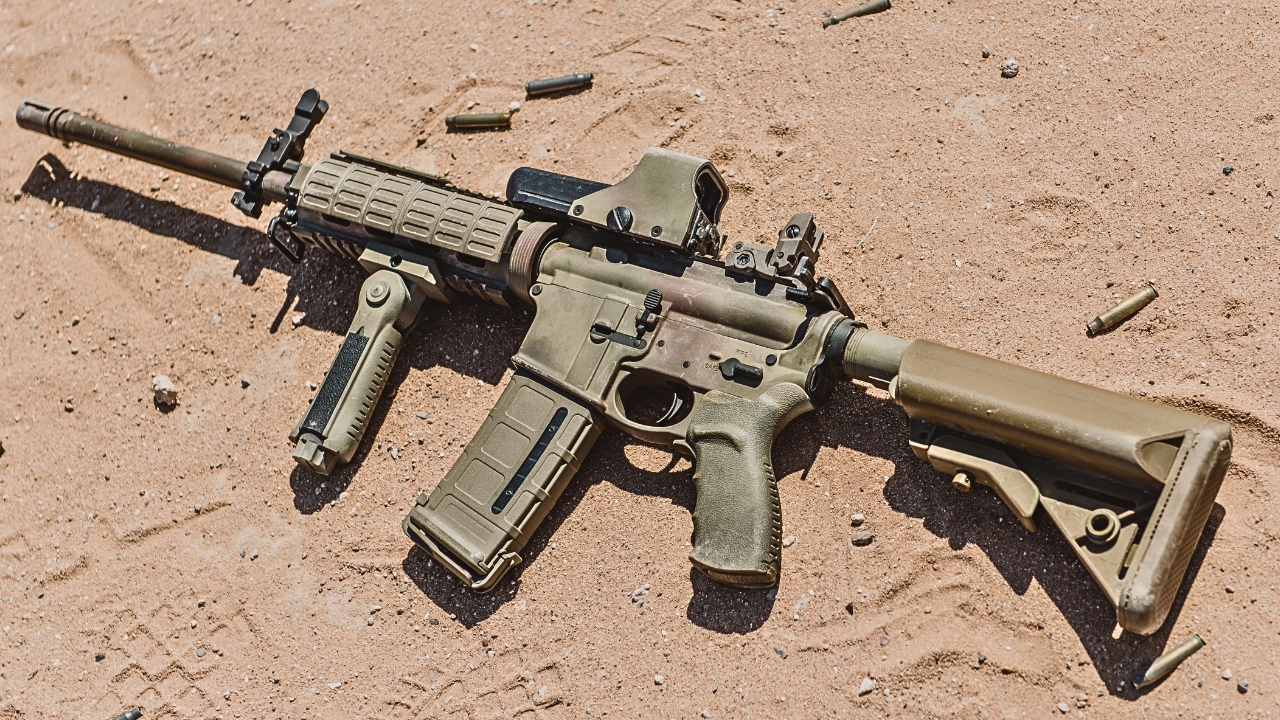
Worn gas rings reduce efficiency. A rifle with worn rings might still run when well lubricated because everything else is smoother and the system doesn’t need as much energy to complete the cycle. Once it dries, friction increases and now the rifle needs more energy—energy it doesn’t have because rings are tired. That’s when short-stroking appears.
Gas rings are cheap. Don’t treat them like a lifetime part. If your AR is acting lube sensitive and you have real round count on it, inspect the rings, inspect the bolt, and check overall BCG condition. A rifle that suddenly becomes picky often has a simple wear-item explanation. Maintenance is boring, but boring is what keeps ARs reliable.
Over-buffered ARs (H2/H3 buffers in setups that don’t need it)

People love heavy buffers because they think it’s automatically “better.” In some setups it is. In others, it makes the rifle lube and ammo sensitive. If you’re running a heavier buffer than your gas system can reliably drive—especially dry—you’re asking for short-stroking. The gun is working harder with less margin.
If your AR short-strokes once it gets dry, look at your buffer and spring setup honestly. Return to a standard buffer if you’re unsure, lube the BCG, and test with good ammo. If it runs, you’ve found the culprit. Tune for reliability first. Once you have reliability, then you can chase recoil feel. A rifle that feels soft but won’t lock back is not tuned—it’s compromised.
Like The Avid Outdoorsman’s content? Subscribe to our newsletter so you never miss an article.
Here’s more from us: