Photo credit: Igor Chus/Shutterstock.com
Ballistics charts give you hard numbers on velocity, drop, and energy, but they don’t always tell the full story in the field. Some cartridges manage to hit harder, track straighter, or anchor game better than the numbers suggest. Real-world results show that bullet construction, sectional density, and consistent accuracy matter just as much as published data. These are the rounds that continue to outperform expectations when you actually put them to work.
.30-30 Winchester
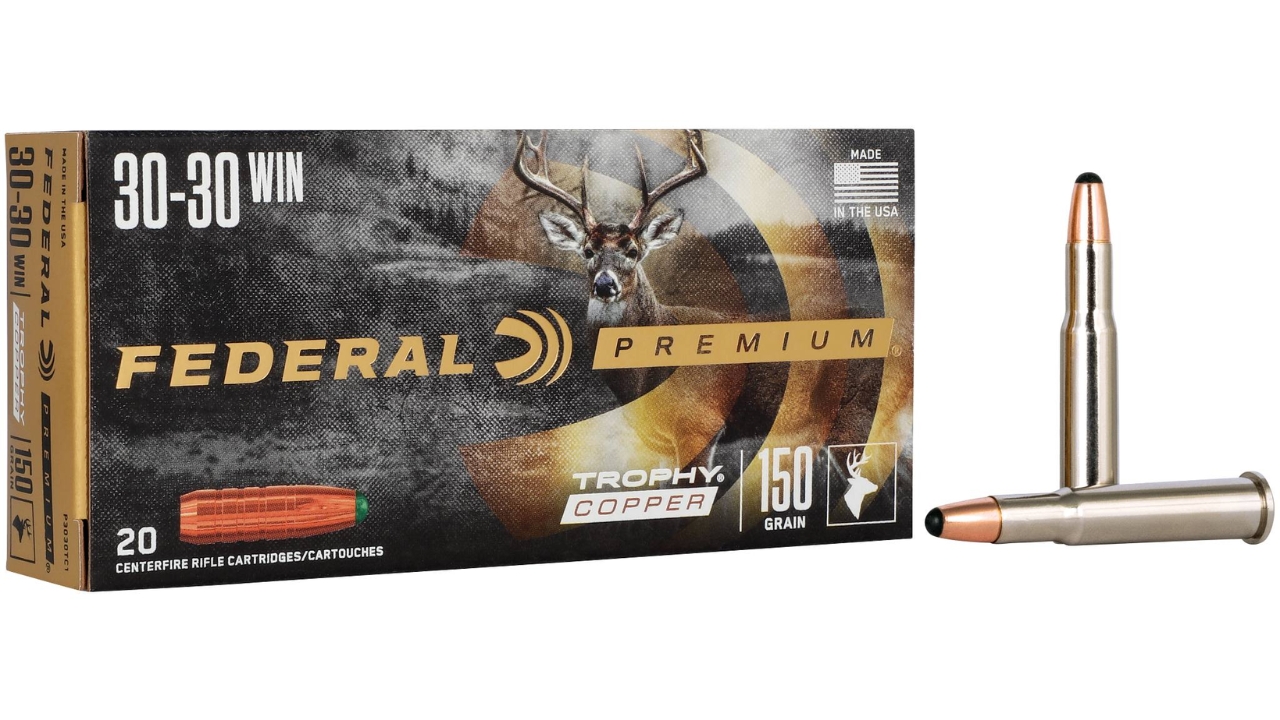
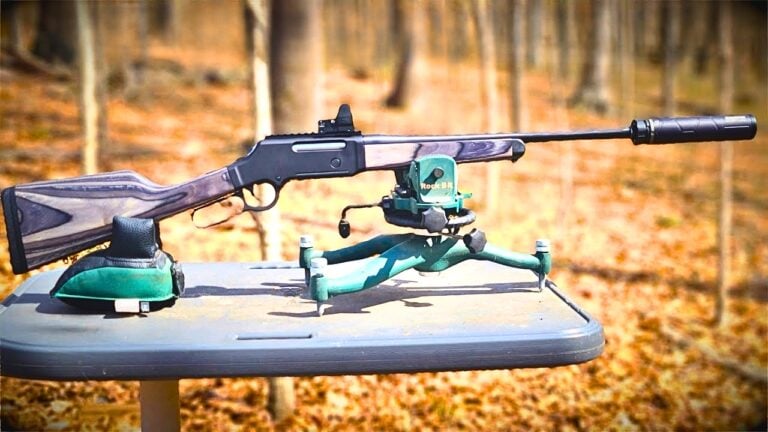
On paper, the .30-30 looks limited. It carries modest velocity, and the charts show serious drop past 200 yards. But in the field, it continues to anchor deer cleanly year after year. The flat-nose and round-nose bullets it’s paired with create reliable expansion that transfers energy well, even at slower speeds.
The .30-30 also benefits from manageable recoil and accurate lever-action platforms that make hunters confident in their shot placement. That confidence and bullet performance add up to results far better than the ballistics suggest. For medium game at practical ranges, it’s still one of the most dependable choices you can carry.
.243 Winchester

Ballistically, the .243 Winchester seems borderline for larger deer, especially when charts highlight its lighter bullet weights. But in the field, hunters know it can punch well above those numbers. The key lies in modern bullet construction—premium soft points and bonded designs penetrate deeply and expand effectively.
This combination makes the .243 more forgiving than its numbers show, especially with careful shot placement. Its flat trajectory also helps hunters hit precisely at longer distances without much adjustment. It’s not ideal for the biggest game, but for deer and antelope, the .243 proves itself as a round that outperforms expectations consistently.
6.5 Creedmoor

The charts often downplay the Creedmoor, showing less raw energy than some older cartridges. But in practice, its high ballistic coefficient bullets carry velocity further and buck wind better than the numbers suggest. That means cleaner hits at distance and more consistent terminal performance.
Hunters and precision shooters both notice how the Creedmoor stays accurate and predictable under field conditions. Even with its modest recoil, it generates enough penetration on deer-sized game to anchor cleanly. The paper numbers don’t capture how consistently it performs in the real world, which is why it continues to gain ground across hunting camps and ranges alike.
7mm-08 Remington

The 7mm-08 often gets overlooked because it doesn’t put up the same velocity figures as larger magnums. On charts, it can look underwhelming, but field results tell a different story. With bullets in the 140- to 160-grain range, it carries excellent sectional density, which translates into deep penetration.
Hunters regularly report clean kills on elk and large deer at distances the charts would make you question. Its accuracy, mild recoil, and ability to stabilize heavy-for-caliber bullets give it real staying power. For a round that looks modest on paper, the 7mm-08 consistently proves it belongs in serious hunting rifles.
.257 Roberts

On ballistics charts, the .257 Roberts often looks like an outdated option with limited reach. But when put to use, it shows remarkable accuracy and effectiveness on deer and antelope. Its combination of mild recoil and well-designed bullets allows for precise shot placement, which translates into field performance that outpaces its raw numbers.
Many hunters find that the Roberts offers quicker kills than expected thanks to efficient energy transfer and consistent expansion. Even though faster .25 calibers exist, the .257 Roberts keeps showing up where it matters most—delivering reliable results without punishing the shooter. It’s a sleeper round that performs above its stats.
8mm Mauser

The 8mm Mauser doesn’t get much attention in modern charts, where its numbers can look dated compared to newer designs. But hunters who actually use it see how well it performs. With 196- to 200-grain bullets, it delivers serious penetration and energy transfer, especially on larger game.
Its effectiveness isn’t obvious from the data, but history proves otherwise. Used in wars and hunts alike, it shows a balance of power and controllability that ballistics tables often undervalue. Even today, hunters who bring an old Mauser into the field often come back with proof that the cartridge still works better than its specs suggest.
.280 Remington

The .280 Remington often gets overshadowed by the .270 Winchester and .30-06 Springfield in charts. Its numbers don’t look like a standout at first glance. But in the field, it shines because of its ability to push high-BC bullets with accuracy and consistency.
Hunters who carry the .280 quickly realize that it performs better than expected at distance. Its bullets carry energy efficiently, allowing for cleaner kills even past 300 yards. While the stats suggest it’s a middle-ground cartridge, the .280 proves that it competes with bigger names without giving up much in recoil or performance.
.300 Savage

When you look at ballistic tables, the .300 Savage can appear underpowered compared to modern cartridges. But when put into practice, it performs impressively well. It was designed to mimic .30-06 performance in a shorter case, and it succeeds more than the numbers imply.
With bullets in the 150- to 180-grain range, the .300 Savage has proven effective on deer and even elk in the right hands. The key is its efficient energy transfer and compatibility with accurate rifles. Hunters continue to rely on it because it works better in the field than charts suggest.
.303 British

The .303 British doesn’t boast flashy ballistics numbers, especially compared to modern .30-caliber cartridges. But the field history behind it tells a different story. From military service to hunting camps, it has anchored game far larger than its stats would suggest.
With heavy 174- to 180-grain bullets, the .303 British carries surprising punch and penetration. Hunters in Canada and Africa have long trusted it to handle moose, bear, and even tougher animals. Its consistent real-world track record proves that raw numbers don’t always dictate results. The .303 may look modest on paper, but it continues to impress.
.32 Winchester Special

On paper, the .32 Winchester Special doesn’t look like much more than a variation on the .30-30. The charts don’t suggest anything extraordinary. But in use, hunters often report quicker drops and stronger hits on medium game. The slightly larger diameter and heavier bullets make a noticeable difference in terminal performance.
Lever-action rifles chambered in .32 Special have a reputation for working well in thick cover where shots are fast and close. The numbers don’t highlight its edge, but in practice, hunters see how it hits harder than expected. That’s why it continues to hold value even with limited ammo availability.
6.5×55 Swedish Mauser

The 6.5×55 Swede has been around for well over a century, and ballistics charts don’t make it look exceptional by modern standards. But in the field, it continues to perform with surprising authority. Its high sectional density bullets penetrate deeply, making it more effective on large game than the numbers suggest.
Hunters across Europe have long used it for moose and red deer, proving that it does far more than paper ballistics predict. The 6.5 Swede is mild to shoot but extremely consistent in accuracy and terminal results. It remains one of the classic examples of a cartridge that outperforms its stats.
.45-70 Government
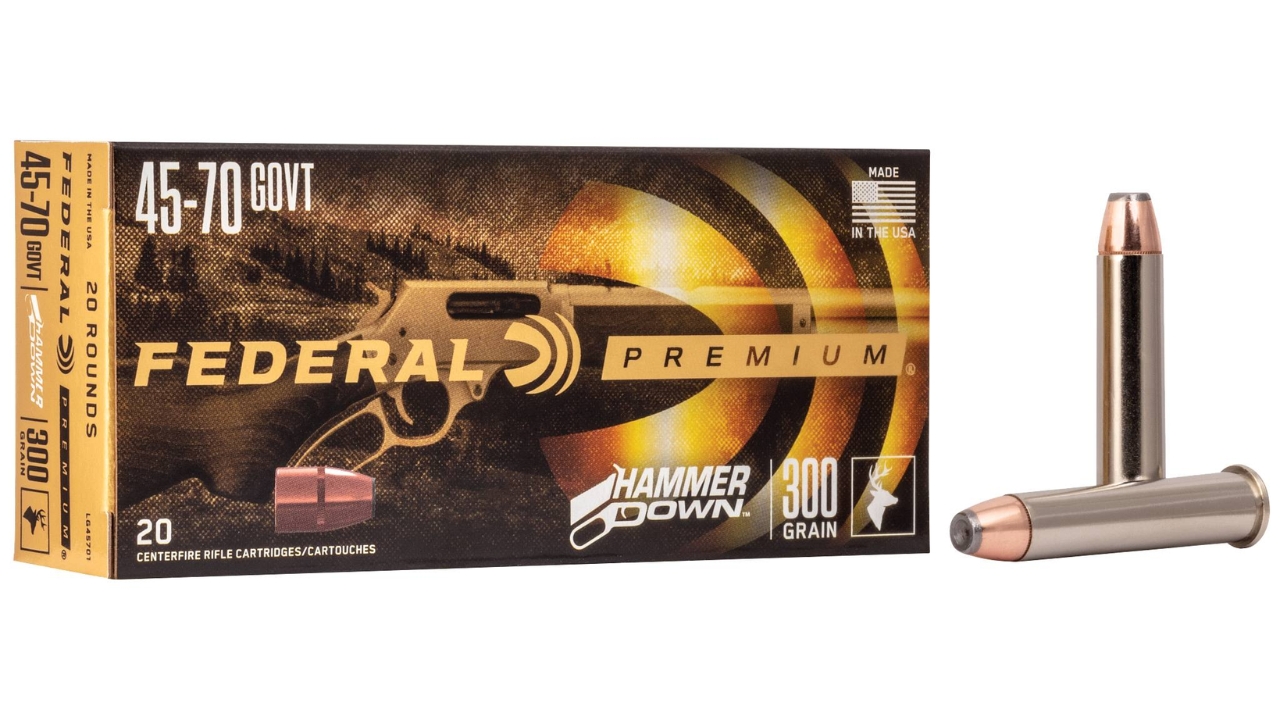
Ballistically, the .45-70 looks outdated and limited, especially when compared to modern high-velocity rounds. The charts show steep drop and low velocity, but that doesn’t tell the full story. With heavy 300- to 500-grain bullets, the .45-70 delivers massive energy transfer at close to moderate ranges.
Hunters in thick timber and brush see how well it drops big animals, from elk to bear. Its slower velocity actually helps heavy bullets penetrate deeply and expand reliably. Despite what the numbers show, the .45-70 remains one of the most effective hunting cartridges in North America. It proves that charts don’t always reflect field results.
*This article was developed with AI-powered tools and has been carefully reviewed by our editors.