
Photo credit: The VSO Gun Channel/YouTube
If you’ve spent much time around pump guns (and even some semi-autos), you’ve seen it: a shotgun that runs fine when you’re calm and slow, then starts choking when you try to run it like you mean it. Sometimes it’s the shooter—short-stroking, riding the forend, not running it all the way back. Sometimes it’s the gun—rough chambers, tight tolerances, weak extraction, bad shell stops, or designs that don’t forgive imperfect technique. Either way, the result is the same: the shotgun feels like it only works when you baby it.
Remington 870 Express (rough chamber issues)

The 870 is a legend, but the Express models have a reputation for rough chambers in some eras. That’s where you get sticky extraction—especially with cheap promo shells. When extraction gets sticky, shooters start babying the action because it feels like it’s binding. Then they short-stroke. Then you get double-feeds or failures that look like the gun is cursed.
The ugly cycle is: rough chamber creates resistance, resistance changes how you run the pump, and your technique collapses. A slick 870 runs hard. A rough one forces you to run it like you’re negotiating with it. If your Express sticks, don’t pretend it’s normal. Clean it hard, inspect the chamber, and test with better ammo. A pump gun shouldn’t require gentle handling to extract reliably.
Mossberg 500

The 500 is tough, but it’s also a shotgun that will expose lazy pumping. If you don’t run the forend all the way back and all the way forward, it will punish you. A lot of people call that “it only runs when I baby it,” when the reality is the opposite—you actually need to run it decisively. Baby it and it short-strokes.
Where the complaint becomes real is when the gun is worn, dirty, or running cheap shells. Resistance goes up, and the shooter instinctively eases off instead of driving through it. Then the 500 starts acting inconsistent. The fix is two parts: keep it reasonably clean and lubed, and train yourself to run the action like you mean it every time. Pumps don’t reward hesitation.
Maverick 88
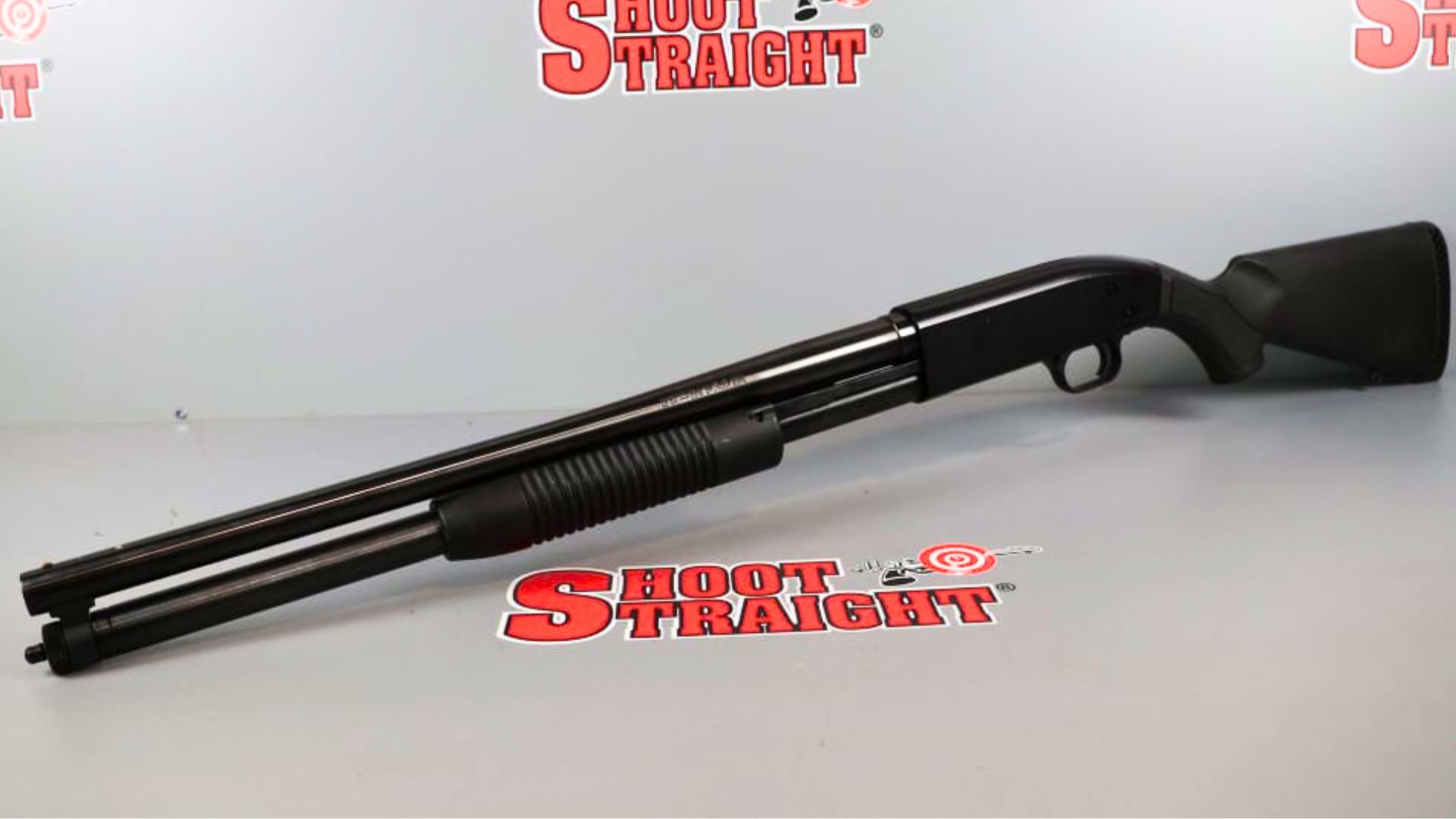
The Maverick is a great budget pump, but it’s still a pump that relies on the shooter doing their part. When people baby the action—especially under stress or speed—they short-stroke. The 88 then gets blamed for what is mostly technique. That said, budget pumps can also feel rougher when new, which encourages timid pumping, which again creates the same problem.
The solution is reps. Run it hard. Don’t “ride” the forend. Full stroke every time. Also, test with ammo you actually plan to use. Cheap shells with cheap pumps can stack problems. The gun can be dependable, but it won’t cover for half-hearted manipulation. If you want a shotgun that forgives sloppy pumping, that’s not how pump guns work.
Winchester SXP

The SXP is fast, and its action feel can encourage people to run it in a way that’s inconsistent. Some shooters start trying to “feather” it because it feels slick, and then they don’t complete the stroke under speed. That’s when you get a malfunction and the shooter says, “It only works when I baby it.” What they really mean is: “It only works when I slow down enough to be consistent.”
Also, SXPs can be picky with certain cheap shells depending on the individual gun. If extraction and ejection aren’t 100%, the shooter starts being gentle because they don’t trust the stroke. That creates a spiral. If you’re running an SXP, commit to full strokes and test ammo. When it’s set up and fed properly, it can run very fast—just not with hesitant mechanics.
Stevens 320

The 320 is another budget pump where you see the “baby it” complaint, often because the action feel isn’t as smooth as higher-end pumps. That rough feel makes shooters ease up instead of driving the pump. Then you get short-strokes, and then you get stoppages. A pump gun has to be run aggressively to be reliable.
If you own one, clean it well, lube it lightly, and put reps into the full stroke. Also check your technique with video—lots of folks think they’re stroking fully and they aren’t. The gun can be serviceable, but it doesn’t give you the forgiving smoothness that makes bad technique less obvious. It forces you to be consistent.
H&R Pardner Pump

The Pardner has a reputation as a “cheap 870-ish” gun, and plenty of them work fine. But rougher actions and occasional extraction quirks can make shooters run the gun cautiously, especially if they’ve had a sticky shell once. Then the shotgun turns into a problem because the shooter starts babying the stroke and short-stroking.
Pumps don’t tolerate fear. If you’re cautious with the action, you’ll create your own malfunctions. The Pardner can be dependable if you keep it clean and you run it hard, but it’s not the smoothest pump in the world. That matters. Smooth pumps help people do the right thing automatically. Rough pumps make people second-guess, and second-guessing leads to half strokes.
Benelli Nova
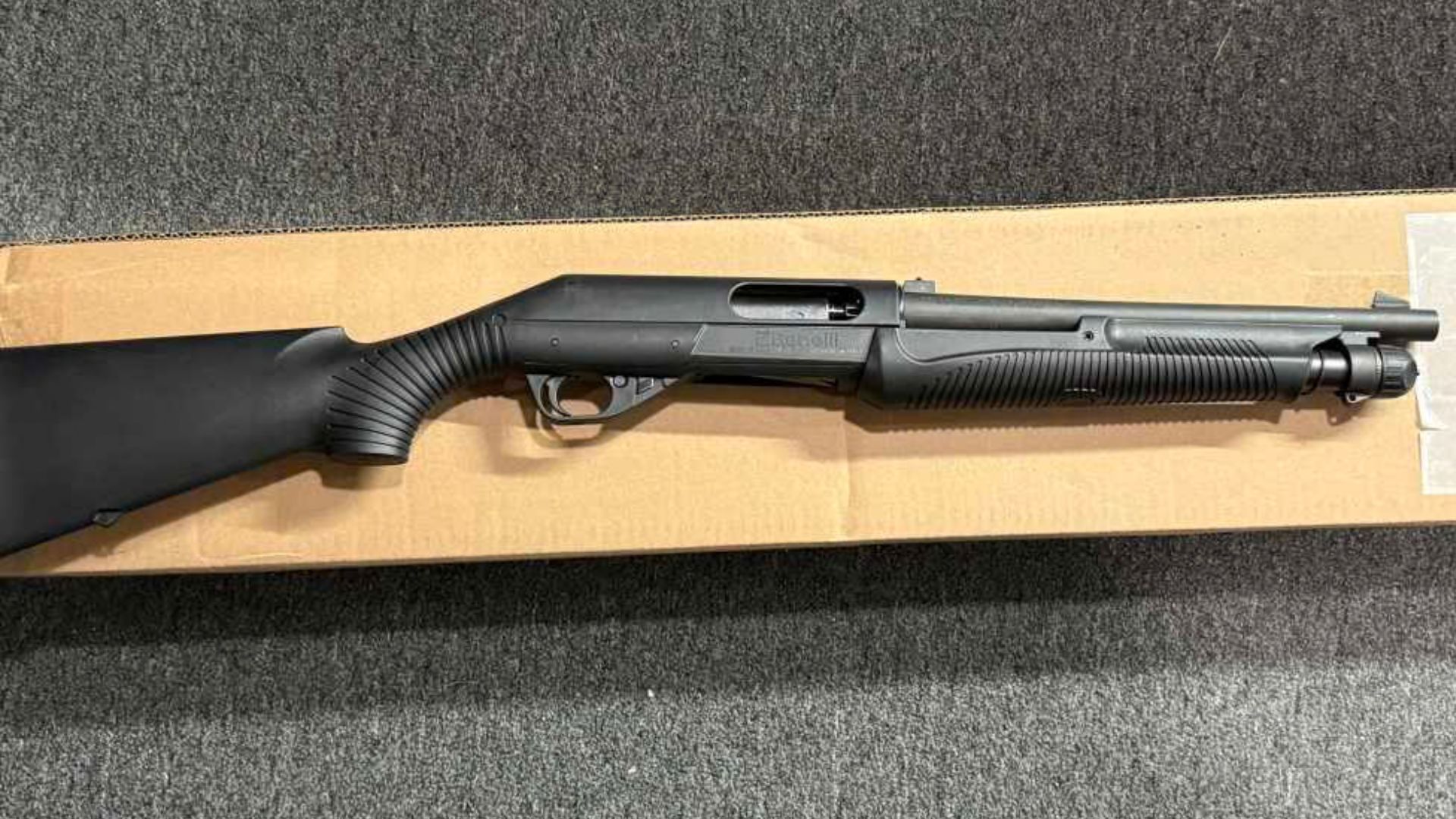
The Nova is strong, but the forend and action feel are different than what some shooters are used to. When people first run them fast, they sometimes don’t complete the stroke cleanly because the gun feels “stiff” compared to well-worn pumps. That creates short-strokes and the perception that the gun only works when treated gently.
In reality, the Nova is a shotgun that wants decisive operation. If it feels stiff, it often just needs break-in and proper lubrication where it matters. Also, if you’re wearing gloves or running it from odd positions, it’s easy to not pull far enough rearward. The Nova will punish that. Once you learn the rhythm and commit to full strokes, it’s usually very dependable.
Benelli SuperNova

The SuperNova can run hard, but it can still expose technique problems—especially when shooters try to run it like a light, slick bird gun. The action and ergonomics encourage a certain hand placement, and if you don’t have a consistent grip, you’ll sometimes short-stroke under speed. That leads to the “it only runs when I baby it” comment.
This is also common when people mix shells and don’t pattern their gun with the exact loads they’ll use. If recoil or cycling feel changes, the shooter’s stroke changes. Pumps are brutally honest about consistency. The SuperNova is a good shotgun, but it doesn’t magically fix bad pumping. It rewards decisive, repeatable manipulation and punishes hesitation.
Stoeger M3000 (inertia gun + light loads)

Inertia guns don’t like being babied in a different way: they need the gun to recoil as a unit. If you shoot light loads or you “soft shoulder” the gun, you can get cycling problems. Then people start treating the gun gently, and it gets worse. They baby the gun, the gun doesn’t cycle, and now they don’t trust it.
The M3000 can be a great value inertia shotgun, but it’s not a magic machine. Use loads it likes, keep it reasonably clean, and shoulder it like you mean it. If you want a semi-auto that runs the lightest loads in the world with sloppy technique, that’s more of a gas-gun expectation. Inertia guns reward firm, consistent mounting.
Stoeger M3500

Same concept as the M3000, but now you’ve got a bigger gun that people often buy for heavier roles. If you run light target loads and you’re not mounting the gun firmly, cycling can be inconsistent. That’s when the shooter starts “babying” the gun—slowing down, easing the bolt, trying to be gentle—and inertia systems tend to dislike that approach.
If you own one, match the ammo to what the gun is built around and break it in properly. A lot of reliability complaints come from people expecting it to behave like a gas gun with weak loads. It can run great when the setup is correct. But if you’re babying the gun and feeding it ammo it doesn’t like, you’re creating your own headache.
Franchi Affinity

The Affinity is a solid inertia shotgun, but it lives under the same rules. Light loads, soft shoulder, and weird stance can cause cycling issues. When it hiccups once, people start manipulating it gently, and that’s the wrong direction. Inertia guns want firm mounting and proper recoil impulse.
The Affinity usually shines when you shoot it like a hunting shotgun—firm mount, proper loads, consistent follow-through. If you want it to be a soft-shooting range toy with the lightest shells available, you may have to experiment more. The gun isn’t fragile—it just has a style it likes. And if you fight that style by babying it, you’ll see more problems.
Browning A5 (modern inertia)

The modern A5 is fast and smooth, but it’s still inertia-driven. Same story: it can be picky if the shooter is gentle with mounting or if the loads are too light. A lot of guys experience one hiccup and then start “helping” the gun—riding the bolt, easing shells in, being cautious. That’s when the gun starts feeling inconsistent.
The better approach is to let the gun do its job and you do yours. Use ammo it cycles well, keep it clean enough, and mount it firmly. Inertia guns generally don’t reward timid technique. If you want absolute reliability with super light loads, a gas gun may be the better answer. If you want clean-running simplicity with proper loads, the A5 is usually a strong performer.
Remington 1100

The 1100 is classic, but it’s a gas gun that can absolutely become “only runs when you baby it” if you neglect maintenance. Gas systems get dirty. Seals and wear items matter. If it’s not kept up, the gun starts short-cycling, and shooters start treating it gently—easing the bolt, loading slowly, trying to “not upset it.” That’s not a solution.
A properly maintained 1100 can run beautifully. But high round counts without cleaning and worn parts replacements will catch up. If your 1100 starts acting sensitive, don’t just change ammo and hope. Clean the gas system, inspect wear parts, and confirm your springs aren’t tired. When these guns get cranky, it’s usually maintenance and age—not a mysterious curse.
Remington 1187

The 1187 follows the same basic reality as the 1100: gas guns need proper maintenance to run hard. When they’re dirty or the system isn’t sealing right, cycling gets weak. Then the shooter starts being gentle because they don’t trust it. They baby it. The gun runs worse. Now confidence is gone.
A semi-auto shotgun you can’t trust is a training killer. If you own an 1187, keep the gas system clean and inspect springs and seals. Also match your loads to what the gun cycles well. Many issues show up when people go too light on ammo or too heavy on fouling. Treat it like a machine, not a relic, and it will usually treat you better.
Turkish budget semi-autos (various import brands)

This is a category more than one model, but it’s real. A lot of budget Turkish semi-autos look tough and feel great in the store. Under real use, some of them become ammo-sensitive, spring-sensitive, and maintenance-sensitive. When they hiccup, owners start being gentle with everything—slow loading, careful bolt drops, “don’t slam it,” all that stuff. That’s when the gun starts feeling like it only works when babied.
Some of these guns are fine. Some aren’t. The issue is inconsistency across importers and models. If you buy one, prove it with the exact loads you’ll use. If it won’t run without babying, don’t pretend it’s acceptable. A defensive or hard-use shotgun should run when you’re tired, rushed, and not perfect—not only when you’re calm and careful.
Mossberg 930 (maintenance and setup sensitive)

The 930 can be a solid semi-auto, but it’s a gun where cleanliness and the right setup matter. If it’s dirty or the gas system isn’t happy, you’ll see cycling issues. When cycling issues show up, shooters start being careful, and the gun starts feeling like it only runs when treated gently. It’s the same spiral as other semi-autos.
If you run a 930, keep it clean where it matters, use ammo it likes, and confirm it’s lubricated correctly. Semi-autos are not pumps—you can’t muscle your way through poor maintenance. If the gun short cycles, diagnose it. Don’t just baby it and hope it behaves. A shotgun should be boringly reliable, not a negotiation.
Like The Avid Outdoorsman’s content? Be sure to follow us.
Here’s more from us: