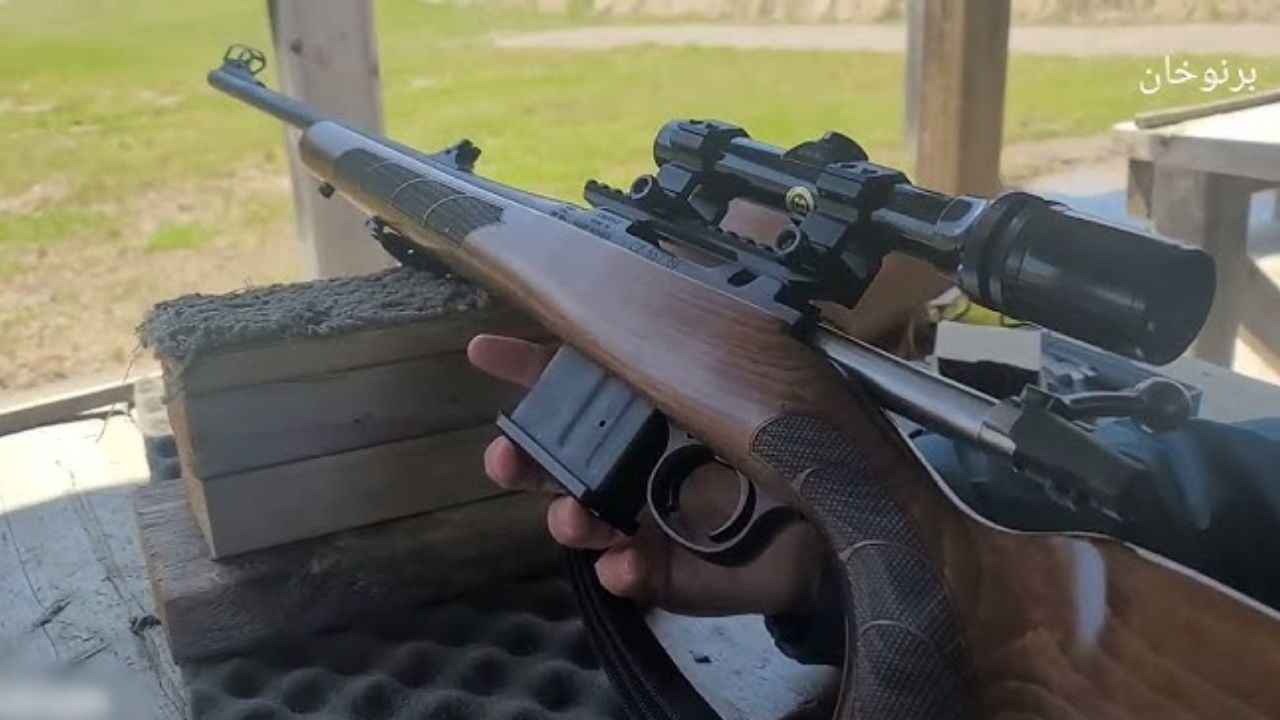
Photo credit: Brnokhan/YouTube
You can spend years chasing the “perfect” hunting rifle. You try lightweight rifles, heavy-barreled rifles, budget rifles, premium rifles, and every trend that promises tighter groups or better field performance. After enough seasons, though, most hunters land in the same place. They stop chasing novelty and start leaning on rifles that load easily, carry well, hold zero, and do the same thing every time the crosshairs settle where they need to.
That’s usually when your rifle choices get better. Experience has a way of stripping away all the extra noise. When you’ve dealt with cold fingers, steep climbs, wet weather, and rushed shot windows, you stop caring about what looks impressive on paper and start caring about what works when the moment gets real. These are the rifles many hunters come back to when they’re done experimenting and want something they can trust.
Winchester Model 70

When you spend enough time around hunters, the Winchester Model 70 keeps showing up for a reason. It carries the kind of reputation that came from years in deer camps, elk country, and hard weather. The controlled-round-feed versions, in particular, earned trust by handling cartridges with authority and giving you the kind of bolt feel that makes a rifle seem settled in your hands.
You also get a rifle that tends to point naturally and balance well in the field. That matters more than people admit once you’ve had to shoot from uneven ground or through brush. A Model 70 may not be the newest idea on the rack, but once you’ve tried enough rifles that look better than they hunt, this is one many shooters circle back to and keep for the long haul.
Remington 700
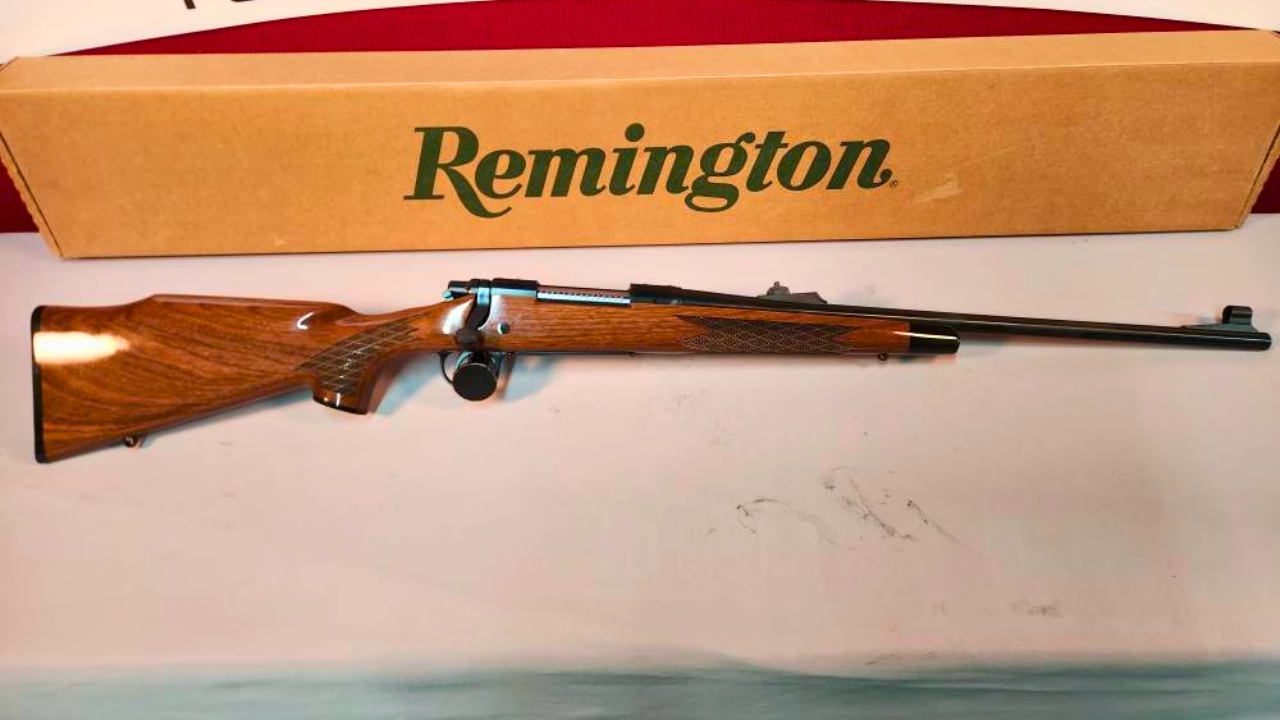
The Remington 700 stayed in hunting camps for decades because it gave people a rifle they could learn well and trust. The action is strong, the layout is familiar, and many shooters find it easy to shoot accurately with good loads. When you’ve spent enough time trying rifles that feel awkward or overly specialized, a 700 often feels like coming back to something steady and well understood.
Part of its appeal is that it works across a wide range of hunting roles. It can be a deer rifle in the hardwoods or a longer-range western rifle, depending on chambering and setup. You still need a good example and proper care, of course, but hunters who are tired of chasing every new design often end up back with the 700 because it keeps doing the job without demanding attention.
Ruger American

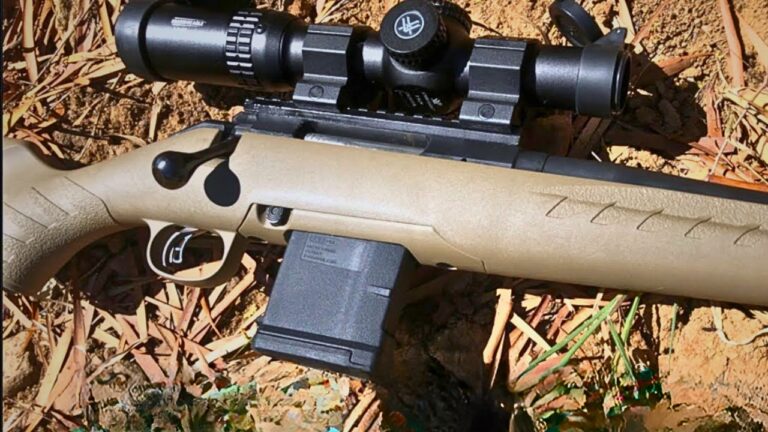
The Ruger American has earned plenty of loyalty because it gives you practical performance without forcing you to spend like crazy. A lot of hunters try expensive rifles, then realize they still need something that shoots well in ugly weather, rides in a truck, and handles real field use without making them nervous. That is where the Ruger American has made its name.
It is not fancy, and that works in its favor. You get a rifle that is usually accurate enough for honest hunting ranges, easy to carry, and straightforward to maintain. Once you’ve burned enough money testing rifles that promise a lot more than they deliver, a rifle like this starts making more sense. It does not try to impress you with looks. It earns trust by being the rifle you grab when you want meat in the freezer.
Tikka T3x

The Tikka T3x is one of those rifles hunters settle on after they get tired of fighting rough actions and inconsistent accuracy. The bolt runs smoothly, the trigger is usually clean, and the rifle tends to shoot well with less drama than many competitors. When you have used enough rifles that need “work” before they feel right, a T3x can feel like a breath of fresh air.
That smoothness matters more in the field than it does at the bench. When you’re cycling the bolt in cold weather or trying to stay on an animal for a fast follow-up shot, a rifle that runs cleanly gives you confidence. Hunters often land here after learning the hard way that comfort, consistency, and repeatability matter more than chasing every new feature. The T3x keeps getting picked because it keeps making sense.
Browning X-Bolt
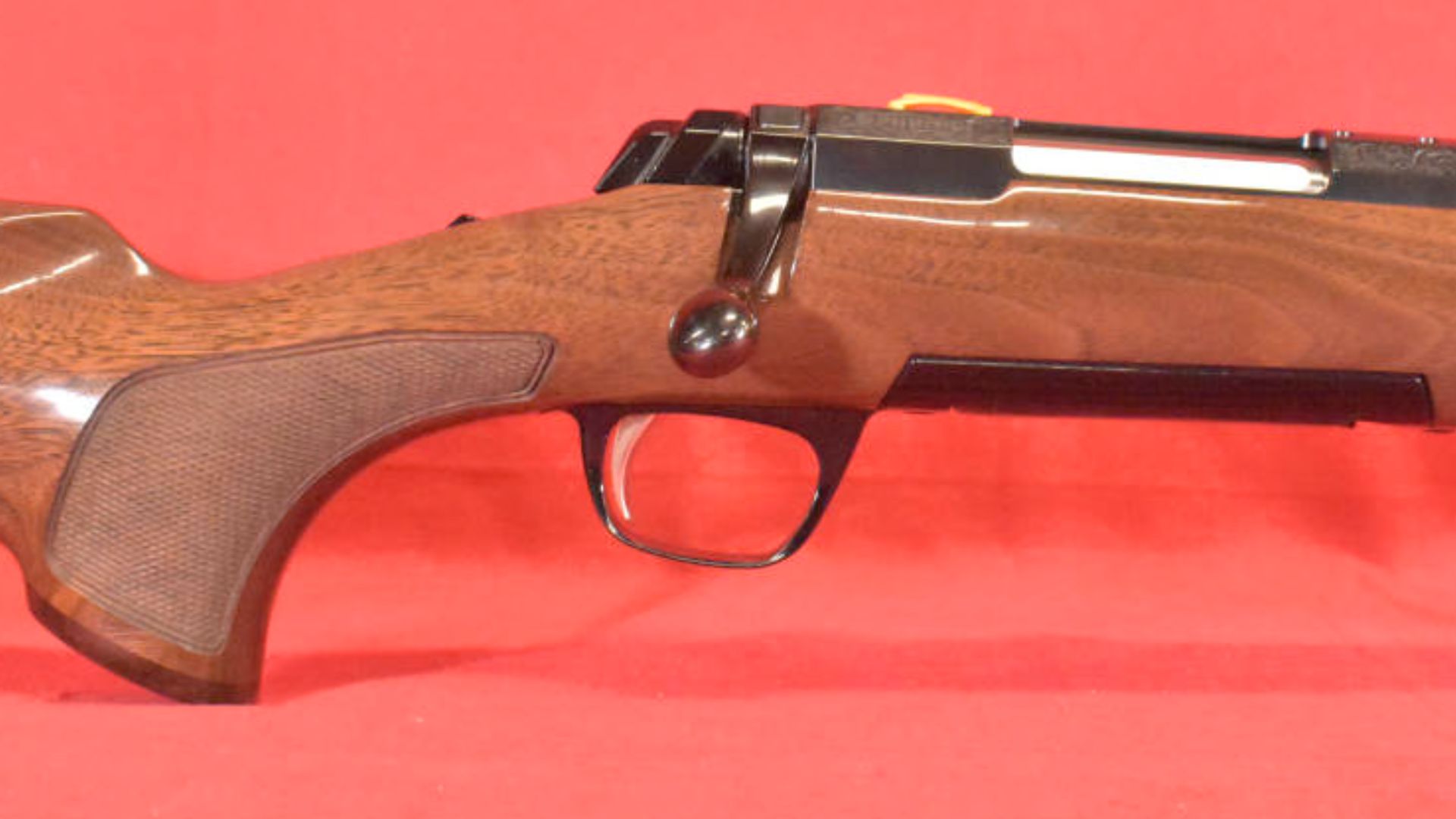
The Browning X-Bolt has become a favorite for hunters who want a modern bolt gun that still feels field-ready instead of overbuilt. It carries well, usually shoots with good consistency, and offers a bolt throw that feels quick without feeling rushed. After you’ve handled enough rifles that seem made for catalogs instead of mountains, the X-Bolt starts to look like a smarter choice.
Hunters also appreciate that it tends to come to the shoulder well and behaves predictably with good factory ammunition. That matters when your shot opportunity is short and you do not have time to wrestle with fit or function. Once you are done experimenting with rifles that need excuses, the X-Bolt stands out because it feels sorted out. It gives you the kind of confidence that makes you stop looking at what else is on the rack.
Savage 110

The Savage 110 built its reputation by doing something hunters always respect: it shoots better than many people expect. Plenty of hunters have gone through pricier rifles, then ended up with a 110 that groups tighter and causes fewer headaches in actual use. It may not carry the same image as some older classics, but it has earned its following the hard way.
The action is functional, the accuracy can be very good, and the platform has long been known for giving hunters real value. Once you get past the temptation to judge rifles by brand prestige alone, a 110 starts to look like a rifle built with the right priorities. Hunters who are finished chasing names often settle on rifles like this because they want results they can count on when the shot shows up, not another rifle that needs explaining.
Ruger M77 Hawkeye

The Ruger M77 Hawkeye appeals to hunters who like a rifle that feels solid and built for the field. It has the kind of controlled-feed design and strong construction that speak to shooters who care more about reliability than trend-chasing. After trying enough rifles that feel too light in the wrong places or too delicate for rough use, the Hawkeye often feels reassuring.
It also has the kind of handling that works well for real hunting, especially when the weather turns or the terrain gets rough. You notice that more after you’ve spent time with rifles that look great in photos but feel awkward when you are climbing, kneeling, or shooting offhand. The M77 Hawkeye tends to attract hunters who have already gone through the experimenting stage and now want a rifle that feels steady, durable, and ready for years of use.
Weatherby Vanguard

The Weatherby Vanguard is one of those rifles that wins hunters over once they stop assuming every dependable rifle has to cost a small fortune. It has a reputation for solid accuracy, useful stock design, and dependable field manners. A lot of hunters reach this rifle after learning that you do not need a flashy package to get a hunting rifle that performs with consistency.
What stands out is how often the Vanguard gives you a well-rounded setup without much fuss. It carries well enough, shoots well enough, and holds up well enough that you stop looking for reasons to replace it. That matters once you have gone through a few rifles that were supposed to be “better” but never felt as trustworthy in real use. The Vanguard often becomes the rifle that ends the search because it keeps showing up ready to work.
Sako 85

The Sako 85 is the kind of rifle many hunters buy after years of learning exactly what they want. It feels refined without feeling delicate, and it tends to cycle with the kind of smooth confidence that experienced shooters appreciate right away. When you have spent enough time with rifles that feel rough, clunky, or inconsistent, a good Sako stands apart for the right reasons.
That does not mean it is all polish and no purpose. Hunters trust it because it performs in the field, not because it sits nicely in a safe. The fit, feeding, and overall handling often give you the sense that the rifle was built by people who understood what matters when a hunting rifle leaves the bench and goes into bad weather. For a lot of seasoned hunters, the Sako 85 is where experimenting finally ends.
CZ 557

The CZ 557 does not always get the same attention as some better-known hunting rifles, but hunters who spend time with one often come away impressed. It offers controlled handling, good accuracy potential, and a feel that is more grounded than flashy. Once you have tried enough rifles that seem built around marketing language instead of field performance, a rifle like this starts to stand out fast.
There is also a certain steadiness to how the 557 feels in the hands. It tends to shoulder well and gives you the kind of confidence that comes from a rifle feeling settled instead of twitchy. That matters when you are shooting in awkward positions or trying to make a clean shot with limited time. Hunters who are done experimenting often appreciate rifles like this because they feel honest and useful where it counts.
Kimber Hunter

The Kimber Hunter has a strong pull for hunters who want a lighter rifle without giving up practical accuracy. After carrying heavier rifles up ridges and across long miles, you start to understand why weight matters. A rifle that trims ounces without turning into a hard-kicking, unpleasant mess can become a very appealing thing once you have enough seasons behind you.
The Hunter has worked well for plenty of shooters who want something easy to carry and still capable in the field. It is especially appealing when your hunting days involve real walking instead of short trips from a blind. Hunters who are done experimenting often start thinking harder about what actually helps them hunt better. A lighter, well-shooting rifle with good field manners starts to matter a lot more than another rifle that looks impressive but feels like dead weight by noon.
Bergara B-14 Hunter

The Bergara B-14 Hunter has become a rifle many hunters trust because it blends familiar handling with strong out-of-the-box performance. It gives you the kind of accuracy and barrel quality that can make a seasoned hunter stop tinkering and start paying attention. After enough time chasing upgrades, that kind of ready-to-go performance has real value.
What helps the B-14 Hunter stand out is that it often feels like a rifle built for actual use, not endless excuses. It balances well enough for field carry, and many shooters find it easy to settle behind when a shot comes together fast. That matters once you have learned that a rifle can look impressive and still feel wrong in the moment. Hunters who are tired of experimenting often appreciate the B-14 Hunter because it arrives with fewer loose ends.
Browning BAR

The Browning BAR remains one of the few semi-auto hunting rifles that many hunters still trust without much hesitation. It has been around long enough to prove it can work in the deer woods and beyond when kept in good order. For hunters who have tried bolt guns, pumps, and newer semi-autos, the BAR often stays in the conversation because it handles follow-up shots with real confidence.
It also tends to feel more settled than many people expect from a hunting semi-auto. The recoil impulse is manageable, and the rifle can be very effective for hunters who want speed without giving up control. After enough seasons, many shooters stop dismissing rifles by category and start judging them by what they do in the field. That is why the BAR still earns a place with hunters who care about practical performance more than theory.
Winchester XPR

The Winchester XPR has won over plenty of hunters who wanted a rifle that works hard without forcing a big financial commitment. It is one of those rifles that often surprises people once they stop judging it by price alone. Many hunters who have gone through more expensive rifles find that the XPR covers the basics very well and does not give them many reasons to complain.
That kind of dependability matters when you are focused on hunting instead of gear. The XPR is easy to understand, usually capable of good hunting accuracy, and built with field use in mind. Hunters who are done experimenting often stop looking for rifles with the most personality and start looking for rifles with the fewest bad habits. The XPR fits that frame well. It is not trying to be romantic or flashy. It is trying to be useful.
Howa 1500

The Howa 1500 has long been appreciated by hunters who value a strong action and steady performance. It may not be the loudest name in every hunting conversation, but people who know the platform often stick with it. Once you have owned enough rifles to recognize what steady quality feels like, the Howa 1500 tends to make a strong impression.
It has the kind of practical feel that becomes more appealing the longer you hunt. The action is sturdy, the rifle can shoot very well, and it often handles field use without drama. Hunters who are done experimenting are usually done chasing novelty too. They want rifles that do their work quietly and predictably. That is where the Howa 1500 has earned respect. It is the sort of rifle that many hunters buy for practical reasons and keep for years.
Marlin XS7

The Marlin XS7 does not always get mentioned first, but hunters who have used one know why it still deserves respect. It built a following by offering useful accuracy, a good trigger for the price, and reliable field manners. For hunters who have cycled through more talked-about rifles, the XS7 can feel like the kind of rifle that never got enough credit for what it did well.
That is part of why rifles like this stay memorable. They remind you that a dependable hunting rifle does not need prestige to earn trust. It needs to chamber cleanly, shoot straight, and behave the same way every season. Once you are done experimenting, that kind of consistency starts to matter more than anything printed in a catalog. The XS7 became the rifle many hunters kept because it handled the job well and never asked for much in return.
Like The Avid Outdoorsman’s content? Subscribe to our newsletter so you never miss an article.
Here’s more from us: