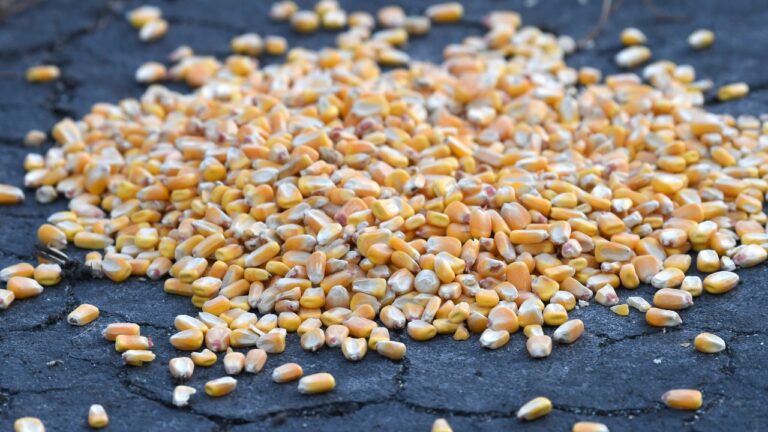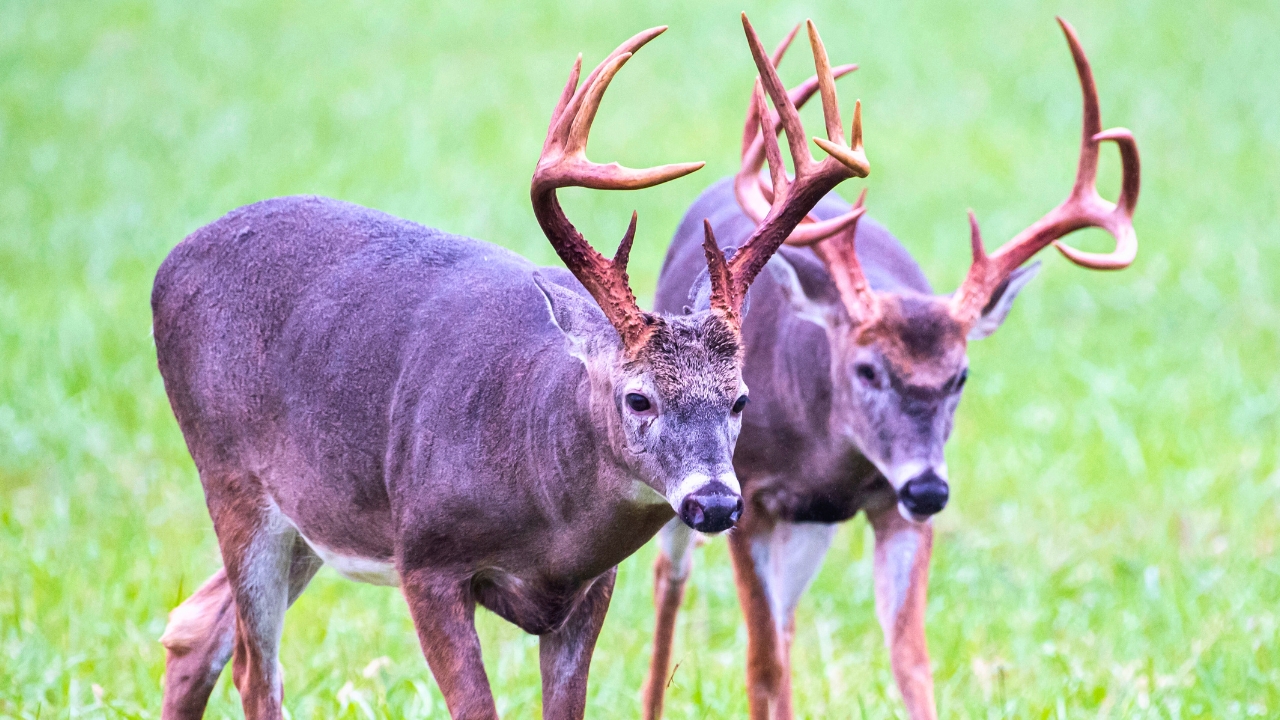
Photo credit: Christopher J Barger/Shutterstock.com
Deer hunting gets argued like barbecue, but the states that rise to the top do it for the same few reasons: deer density, age structure, habitat, and how much time you can spend hunting before pressure turns the woods quiet. You want a place with groceries on the landscape, cover that lets deer live through multiple seasons, and rules that don’t punish you for hunting hard. You also want access—because the “best” state on paper means nothing if you can’t hunt it.
The list below focuses on states that keep producing good hunts year after year, whether you’re chasing a filled tag, a mature buck, or both. Pick the one that matches how you hunt, then do the unglamorous part: scout, learn the local rut timing, and hunt where deer feel safe.
Iowa
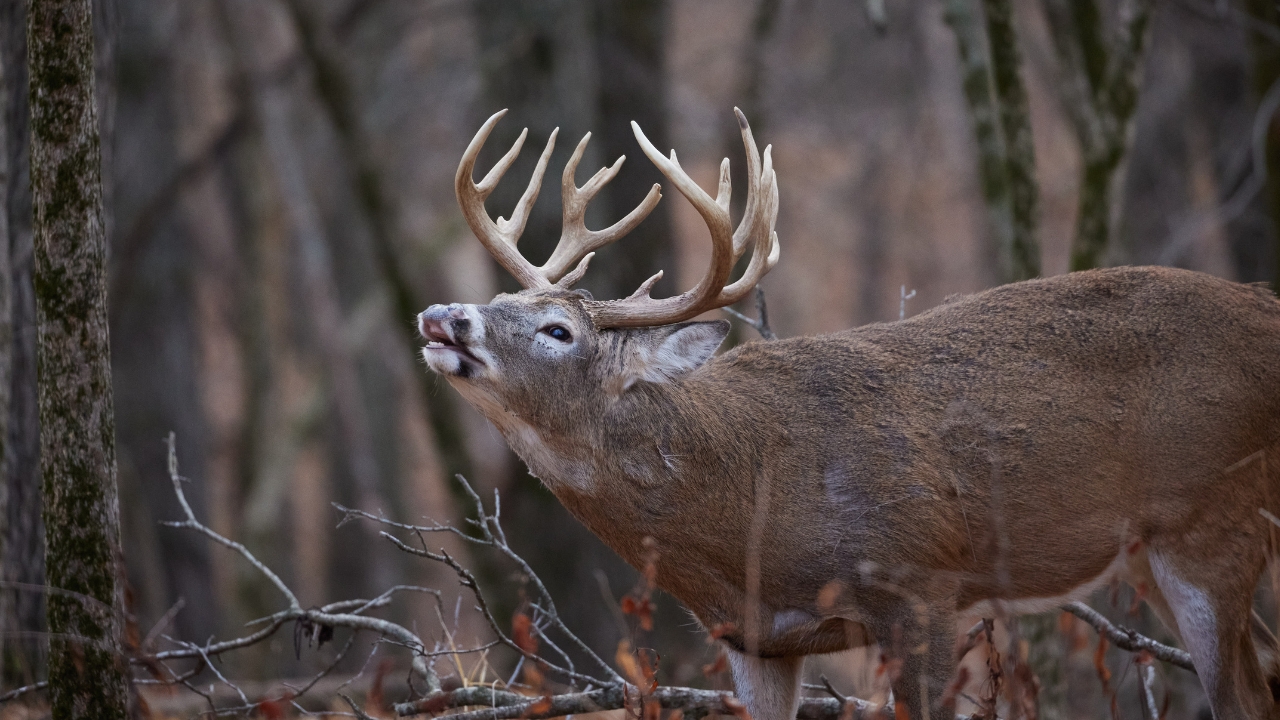
In deer hunting circles, Iowa sits near the top for a reason: big agriculture, great cover, and a culture that lets bucks get old. You’re not dealing with nonstop pressure on every square mile, and that alone changes what you see in November. When the rut hits, mature whitetails have room to move in daylight, especially around timbered creek bottoms and fingers of cover off corn and beans. Small pieces of habitat can hunt big when they’re the only security cover around.
The catch is access. Tags are limited for nonresidents, and some counties take time to draw. If you plan ahead and treat it like a long game, Iowa can reward you with the kind of buck that makes you pause before you believe what you’re looking at. Pick your week, scout hard, and hunt the first sit like it matters.
Illinois

Illinois is classic farm-country whitetail ground, and it keeps earning that reputation. Rich soils, heavy crops, and lots of edge habitat give deer the feed and security to grow. If you hunt pinch points and travel corridors instead of staring at a wide-open field, you can cross paths with mature bucks that move with purpose when conditions are right. Little strips of timber, ditch lines, and brushy fencerows often carry more deer traffic than they look like they should.
Firearms pressure can be intense in popular areas, so timing and location matter. Archery hunters who focus on overlooked cover and hunt smart winds often do well. Illinois stands out because it produces top-end deer while still giving you realistic odds at a good buck on the right piece of ground, especially when you stay mobile.
Kansas

Kansas doesn’t get the same spotlight as Iowa, but it belongs in the conversation. River bottoms, crop ground, and prairie draws create natural funnels, and bucks can grow heavy with the groceries available. Deer use brushy creek lines and shelterbelts as travel routes, especially when wind and weather push them into cover. When you can glass a bedding draw at first light, you’ll learn fast where the mature deer like to hide.
It also has a strong track record for older whitetails in places that don’t see constant hunting pressure. Access varies and some areas are tighter than others, but hunters who do their homework and aren’t afraid to glass and move tend to find quality. Kansas stands out for balance: good habitat, good deer, and room to hunt without feeling crowded.
Wisconsin

Wisconsin has been a deer factory for a long time, and it still offers a mix of opportunity and tradition that’s hard to beat. You can hunt big timber in the north, farm edges and hardwood ridges in the south, or marsh country that hides bucks like ghosts. That variety lets you match the state to your style instead of forcing a one-size plan. When the pressure rises, thick cattails and nasty cover keep producing for hunters willing to wade in.
Pressure exists because deer season matters here, but the upside is knowledge, access programs, and a lot of hunters who care about doing it right. Wisconsin stands out because you can chase a solid buck and still have a realistic shot at filling a tag year after year. Put the work into scouting sign, and the state will meet you halfway.
Ohio
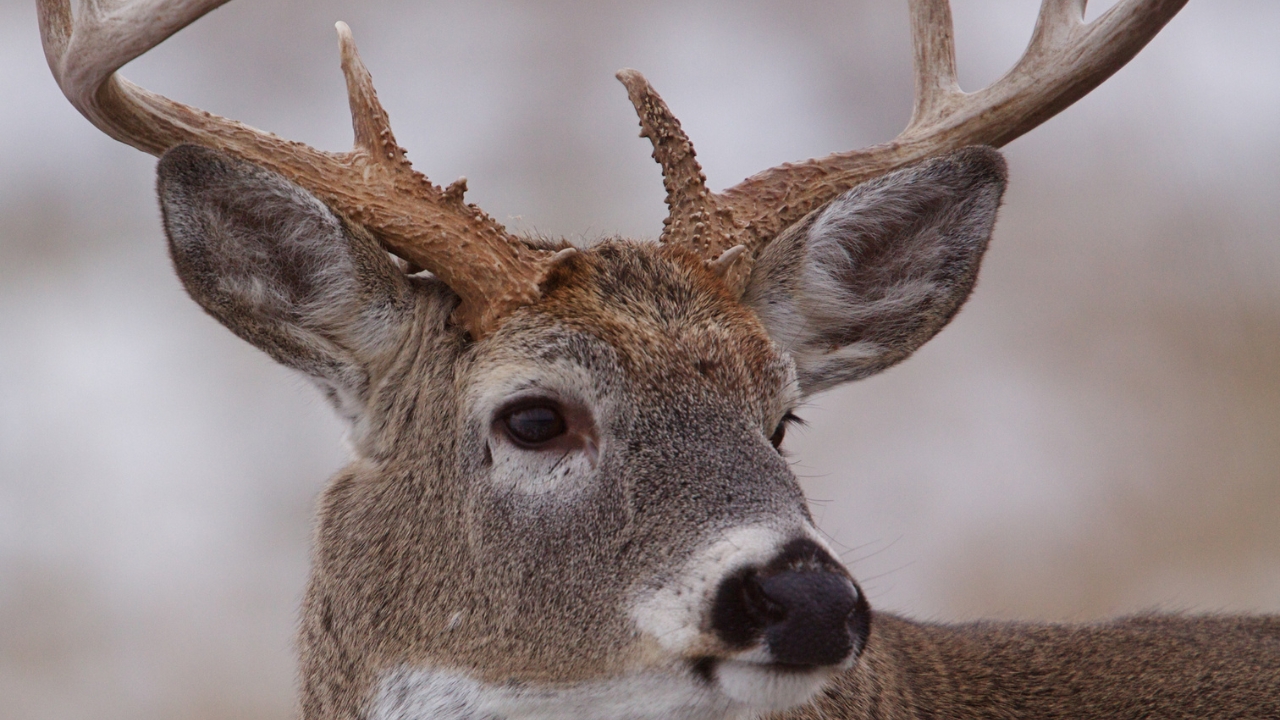
Ohio has quietly built a strong reputation for whitetails, and it’s no accident. The state mixes farm ground, rolling timber, and reclaimed strip-mine country that creates excellent bedding and feed close together. In many areas, deer don’t have to travel far to live well, which helps them survive and grow. Those rough, brushy reclaimed spots can hold older bucks that avoid the easy-access woods.
Public land can produce if you’re willing to scout hard and hunt overlooked sections. The gun season is shorter than some states, which helps keep the woods from getting hammered for weeks. Ohio stands out because it offers legitimate trophy potential without requiring a tag lottery or brutal conditions. Hunt funnels near bedding, stay disciplined on wind, and you’ll see why the state keeps turning heads.
Kentucky

Kentucky is one of those states that should be on more hunters’ radar. Timbered ridges, creek bottoms, and farm pockets give deer everything they need, and the terrain helps bucks avoid pressure. You’ll often find mature deer using steep ground as a shield, then dropping into food sources in repeatable patterns. If you hunt saddles, benches, and leeward sides during the rut, you’ll find movement that surprises you.
You also get options: public ground in big blocks, plus plenty of private opportunities in many regions. If you like reading sign and hunting terrain features, Kentucky fits that style well. It stands out because it combines good numbers with the chance at a mature buck, especially where hunters manage pressure and pass younger deer. Pick a region, learn the rut timing, and hunt the terrain like a map.
Missouri

Missouri brings a lot to the table: healthy deer numbers, a strong hunting culture, and enough public land to give you room to work. Hardwood ridges, crop fields, and brushy cover make it a classic Midwest setup. When acorns are dropping, deer stack in the timber, then shift to fields as the season rolls on. In hill country, bucks use points and drainages to scent-check without exposing themselves.
Firearms season can bring heavy pressure, so scouting and hunting transitions is key. Look for where deer slip around people—thick cover near food, overlooked benches, and quiet edges. Missouri stands out because you can hunt it several ways—bow, gun, public, private—and still have a real chance at a good buck. Hunt smart, hunt flexible, and you’ll keep seeing deer even when the parking lots fill up.
Pennsylvania

Pennsylvania isn’t always the first state people name for deer, but it deserves respect. You’re dealing with big woods, steep ground, and deer that can vanish fast when pressure shows up. That makes it a better fit for hunters who like to scout, hike, and hunt with their legs as much as their eyes. Learn how deer use laurel, clearcuts, and benches, and the big woods start making more sense.
The upside is access. There’s a lot of public ground, a deep hunting tradition, and a deer herd that rewards hunters who understand terrain, mast, and travel routes. You may not see a pile of deer from one sit in the mountains, but the deer you do see tend to be earned. Pennsylvania stands out because it gives you a real backcountry-style whitetail hunt without needing a plane ticket.
Texas

Texas is its own world for deer. The state holds huge numbers of whitetails, long seasons in many areas, and habitat that runs from Hill Country brush to Piney Woods timber to South Texas mesquite. If you want a place where you can hunt many days and learn fast, Texas gives you that. In brush country, you’ll often be hunting edges, senderos, and water, where deer movement gets condensed.
The experience depends on where you hunt. Some areas lean on managed ranches, while others offer public options and more DIY work. Texas stands out because it offers volume and variety, plus strong potential for mature bucks in regions where habitat and local deer standards line up. If you put time into glassing and understanding travel routes, you’ll see more deer than most states can offer.
Georgia

Georgia doesn’t always get the Midwest spotlight, but it’s a serious deer state with long seasons and plenty of opportunity. You’re hunting pine plantations, hardwood bottoms, swamp edges, and cutovers that grow deer and hold them close. Rut timing varies by region, which means you can plan hunts around peak movement if you pay attention. In thick Southern cover, small funnels and transition lines can be money, even when visibility is limited.
Public land exists and private land hunting is common, so you can find a fit either way. Georgia stands out because you can hunt often, tag deer consistently, and still run into a mature buck—especially in areas with good nutrition and a little age on the herd. Hunt the right cover during the right rut window and the state becomes a lot more than “only a numbers place.”
Alabama

Alabama is built for hunters who like long seasons and lots of time afield. Pine stands, thick cutovers, creek bottoms, and hardwood ridges create bedding cover and travel lanes, and deer use those edges in repeatable ways. When you learn where pressure pushes them, you can keep finding fresh sign. A lot of deer movement happens tight to cover, so setups that watch narrow openings often beat big-field sits.
Rut timing varies by zone, and that can be a strength. You can line up your time off with where deer are moving hardest instead of being locked into one week. Alabama stands out because it gives you opportunity and flexibility, along with public land that can produce if you scout and hunt smart. Put boots on the ground, find the freshest tracks, and hunt like you’re following a trail map.
Oklahoma

Oklahoma offers a strong mix of whitetail hunting styles in one state. You’ve got eastern timber and river bottoms, central farm country, and western openings where deer use draws and cover strips. That variety lets you hunt your strengths, whether you like stand hunting funnels or glassing and moving. In the east, thick cover rewards quiet access; in the west, you can spot deer early and plan a route.
The deer herd is solid, and there are public options along with a lot of private-land hunting where relationships matter. Access takes effort, but the reward is a true DIY hunt with real potential for a mature buck. Oklahoma stands out because you can find quality deer without feeling boxed into one type of terrain. Pick a region, learn how deer travel there, and hunt the edges where they feel safest.
South Dakota

South Dakota gets called a pheasant state first, but its deer hunting can be outstanding. You’ve got whitetails along river breaks and farm country, plus mule deer in the western parts of the state. That gives you choices depending on what you want, and it keeps the season from feeling repetitive. River corridors, shelterbelts, and rough breaks create natural travel lanes that set up well for both stand hunters and spot-and-stalk types.
Wind, weather, and open terrain can humble you, especially if you’re used to tight timber. The tradeoff is visibility and the chance to hunt deer that move big distances and use terrain in repeatable ways. South Dakota stands out because it offers both whitetail and mule deer opportunity, plus wide-open country that feels like a real adventure. Dress for the wind, glass hard, and stay ready to move.
North Dakota

North Dakota is a sleeper for deer, especially if you like hunting places that feel less crowded and more wide open. Whitetails thrive along river corridors and agricultural edges, and mule deer in the west add another layer. When conditions are right, you can watch deer move across big country in a way that’s hard to find elsewhere. Those coulees and draws give deer hidden travel lanes, even in terrain that looks exposed from the road.
Weather can be rough and access takes planning, but the payoff is a hunt that feels physical and honest. You’ll glass, walk, and hunt terrain instead of staring at one shooting lane all day. North Dakota stands out because it offers room to roam, a mix of species, and real potential for mature deer in the right pockets. Bring good optics, good boots, and a willingness to cover ground.
Minnesota
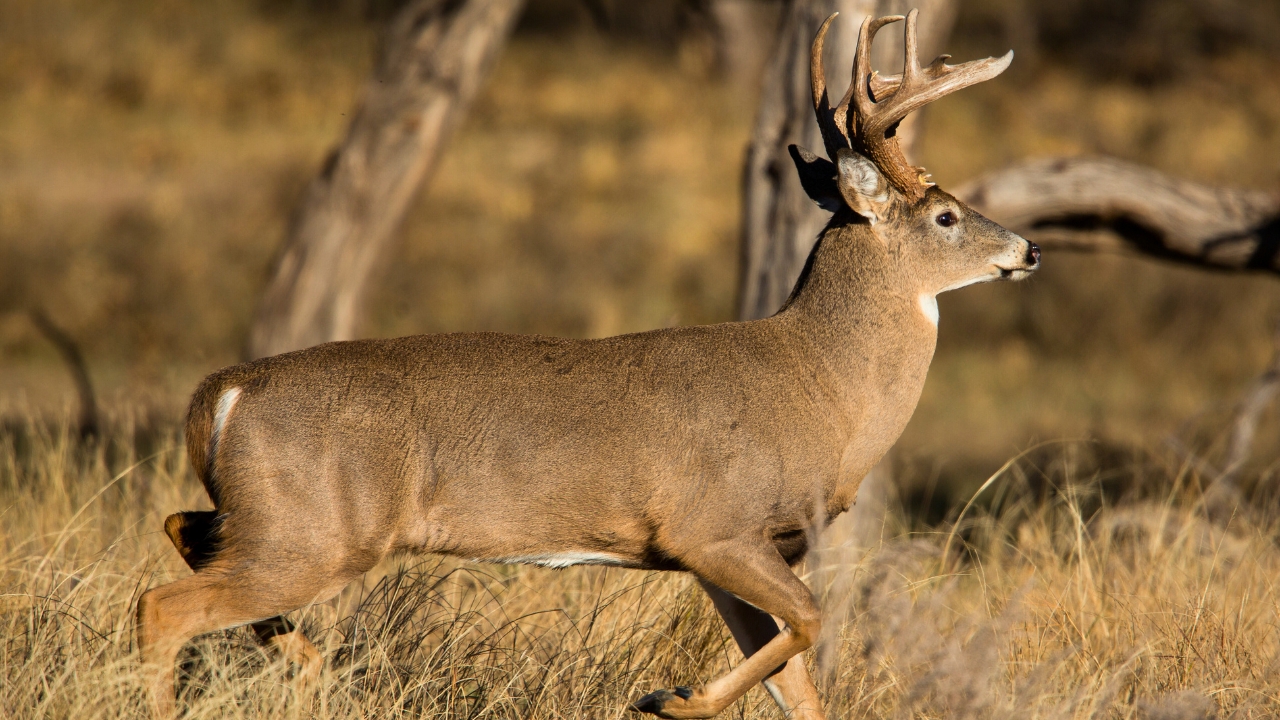
Minnesota gives you classic whitetail hunting with a strong public-land angle. You can hunt north woods cover, big swamp edges, farm-country transitions, and everything between. That variety matters because you can pivot when food sources change, snow piles up, or pressure moves deer into thicker cover. In many places, the best bucks live where it’s wet, thick, and unpleasant, which keeps casual hunters out.
The hunting culture runs deep, and that means competition in popular areas. The way to win is scouting and willingness to hunt overlooked habitat, especially marsh and thick timber where bucks hide. Minnesota stands out because it offers plenty of opportunity, a real chance at a mature buck, and enough public land to keep you hunting even without private access. Hunt fresh sign, stay patient, and let the cover do the hiding for you.
Like The Avid Outdoorsman’s content? Subscribe to our newsletter so you never miss an article.
Here’s more from us: