Photo credit: RangerDave/YouTube
The M1 Garand is one of those rifles that people remember in pieces before they even talk about the whole gun. The heavy walnut stock. The long sight radius. The eight-round en bloc clip. The metallic ping after the last round. The way it made a World War II infantryman faster than a bolt-action rifleman trying to run a Mauser, Arisaka, Lee-Enfield, or Springfield under pressure.
It was not perfect, and nobody needs to pretend it was. It was heavy, long, and built around the needs of its era. But when the U.S. adopted the M1 in 1936, it gave American soldiers a standard-issue semi-automatic rifle at a time when many other armies were still relying heavily on bolt actions. The Smithsonian notes that John Garand’s work let the United States enter World War II as the only country with a semiautomatic rifle as standard issue for its troops.
1. It Was Semi-Auto When That Really Mattered

The most important thing about the M1 Garand was simple: it was semi-automatic. A soldier did not have to manually work a bolt after every shot. That meant faster follow-up shots, less disruption to the firing position, and more firepower in the hands of an individual rifleman.
That advantage mattered in a world still full of bolt-action service rifles. A trained soldier with a bolt gun could shoot quickly, but the Garand changed the rhythm completely. The rifleman could stay on the sights, press again, and keep pressure on the target. In combat, that was not a small detail. It changed what an American infantryman could do.
2. It Gave American Soldiers a Firepower Advantage
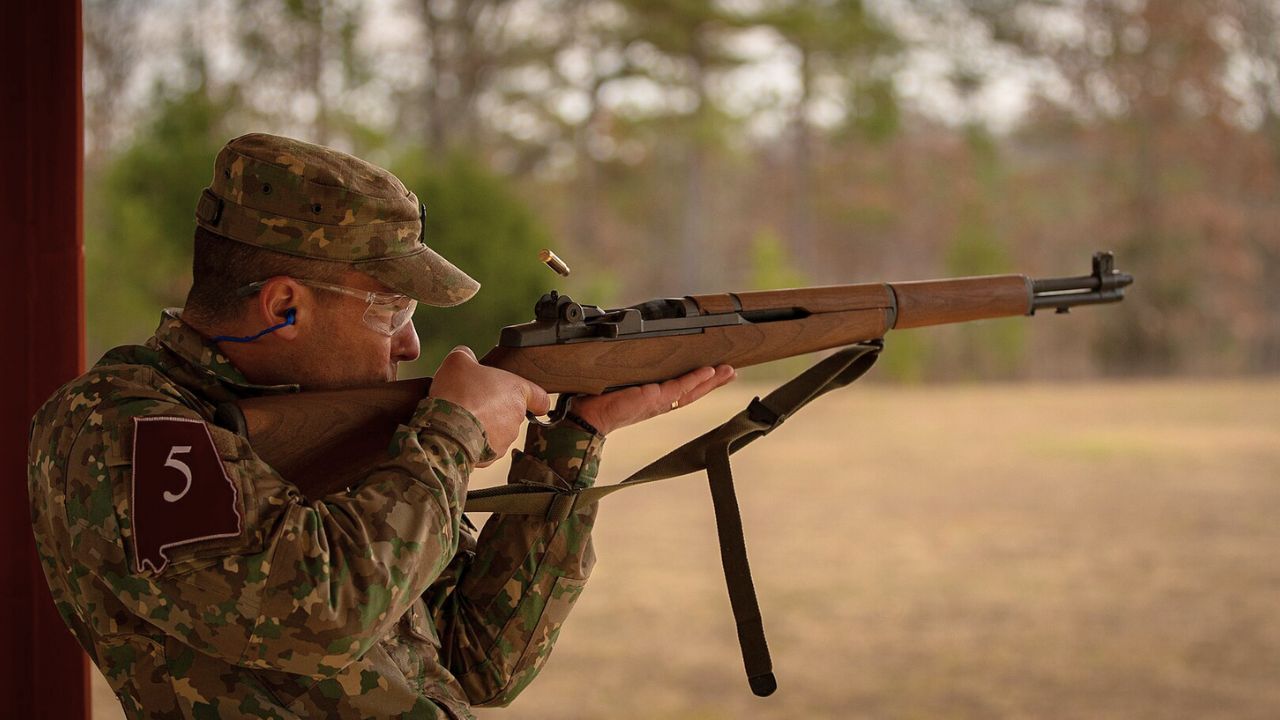
The Garand’s semi-auto action gave U.S. troops a practical advantage in World War II and Korea. It did not make every soldier a sharpshooter, and it did not replace machine guns, artillery, or tactics. But it gave the ordinary rifleman more repeat-shot capability than many opponents with bolt-action rifles.
That is one reason the rifle became so respected. It gave soldiers confidence. A man with a Garand could engage faster without breaking his position every time he fired. That mattered in ambushes, assaults, defensive lines, and fast-moving fights where every second counted. The rifle was not just famous because it looked good. It changed the pace of infantry fire.
3. The En Bloc Clip Became Part of the Legend
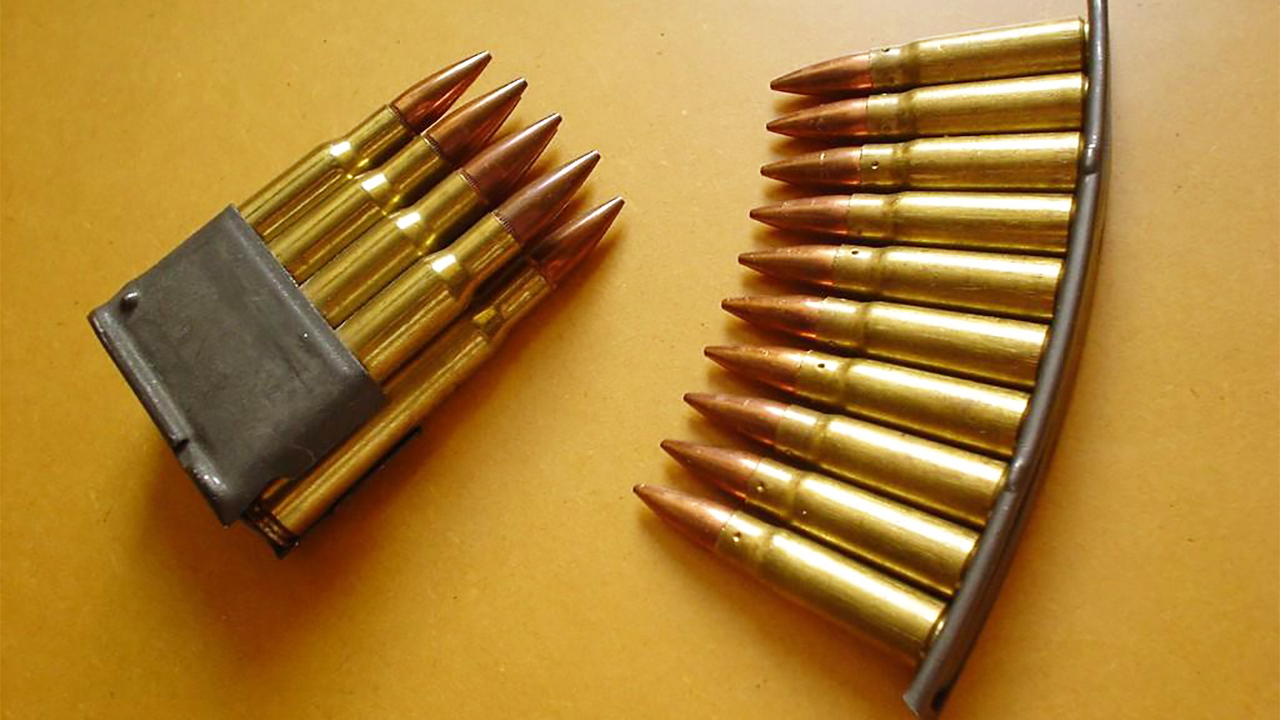
The M1’s eight-round en bloc clip is one of the rifle’s most recognizable features. Instead of feeding from a detachable box magazine, the Garand used a fixed internal magazine loaded from the top with an eight-round steel clip. The clip stayed in the rifle until the last round was fired, then ejected.
That system gave the rifle a personality all its own. It was fast to load, compact to carry, and different from almost everything modern shooters are used to today. People can argue about whether it was ideal, but nobody forgets it. The en bloc clip is part of what makes the M1 feel like an M1.
4. The Ping Became Impossible to Separate From the Rifle
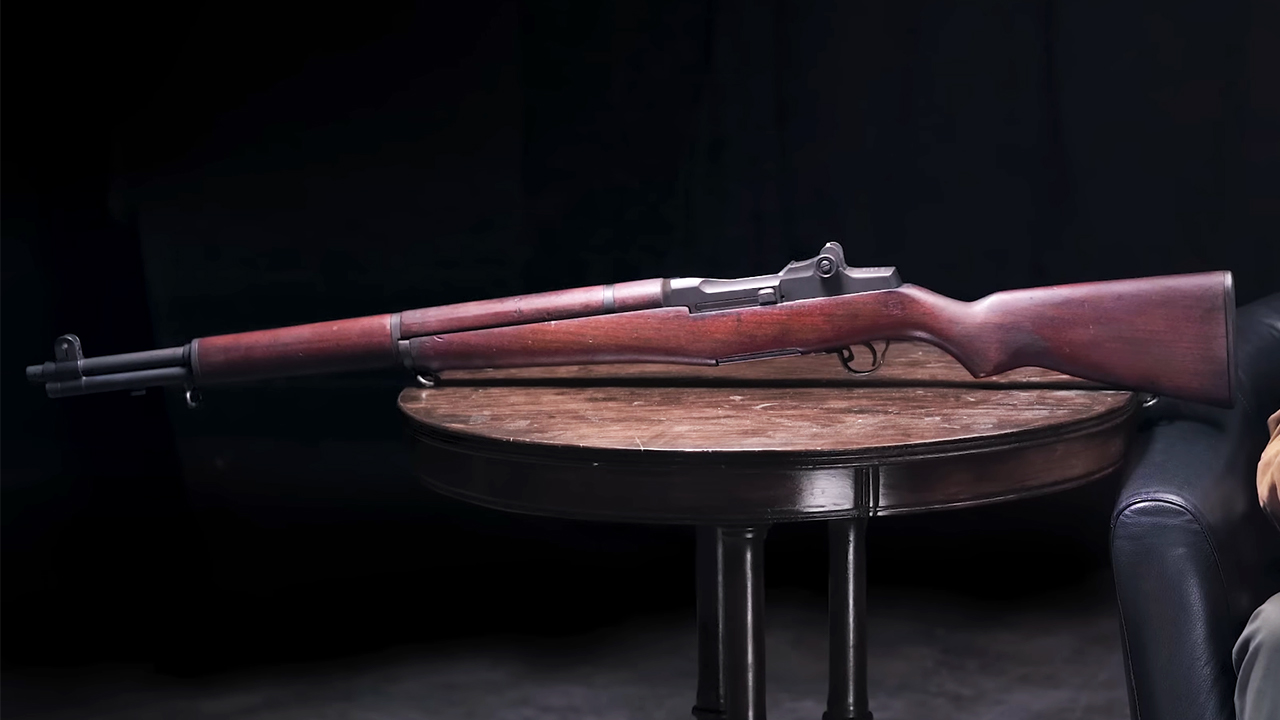
The Garand’s clip ejection sound became one of the most famous noises in firearms history. After the last round, the empty clip pops out with that sharp metallic ping. Shooters love it now because it is nostalgic, mechanical, and instantly recognizable.
In real combat, the sound has been surrounded by plenty of stories and myths, including the idea that enemies waited for it before rushing American soldiers. That claim gets exaggerated a lot. But the sound itself is real, and it became part of the rifle’s identity. Most guns have a report. The Garand has a report and a signature ending.
5. It Fired the Powerful .30-06 Springfield

The M1 Garand was chambered in .30-06 Springfield, the same general cartridge family American soldiers already knew from the M1903 Springfield. That gave the rifle serious reach and power. It was not a light little intermediate-cartridge rifle. It was a full-power battle rifle firing a cartridge meant for distance, penetration, and authority.
That chambering helped the Garand feel substantial. Recoil was real, especially compared to later smaller-caliber service rifles, but so was performance. The rifle could hit hard at practical battlefield distances. For hunters and collectors today, the .30-06 chambering remains one of the things that makes the rifle feel connected to its era.
6. The Sights Were Excellent

One of the M1 Garand’s most underrated details is its sighting system. The rear aperture sight gave shooters a clean sight picture, and the long sight radius helped with practical accuracy. For a service rifle of its era, those sights were very good.
That mattered for soldiers and still matters for collectors who shoot them today. A rifle can have power and reliability, but if the sights are poor, the shooter fights the gun. The Garand’s sights gave riflemen a better chance to use the accuracy the rifle offered. They were rugged, adjustable, and easier to shoot well than many notch-and-post systems.
7. The Gas System Made It Feel Ahead of Its Time

The M1 Garand used a gas-operated action with a rotating bolt. That system let the rifle cycle automatically after each shot while still locking up strongly enough for .30-06 pressure. It was a serious mechanical achievement for a standard-issue service rifle of the 1930s.
That design helped move military rifles forward. The Garand was not the end of rifle development, but it was a major step away from the bolt-action era. It proved a semi-auto service rifle could be rugged, accurate, powerful, and practical enough for mass issue. That was a big deal.
8. It Was Built With Real Craftsmanship

The M1 Garand feels like a rifle from an industrial age that took steel and walnut seriously. It has weight, machining, wood, parkerized metal, and a mechanical feel that modern polymer rifles do not try to copy. That does not make it automatically better than modern rifles, but it does make it memorable.
Pick one up, and you feel the era it came from. It feels solid in a way that is hard to fake. The operating rod, bolt, receiver, trigger group, stock, and clip system all give the rifle a mechanical personality. The Garand is not sleek by modern standards, but it feels built for a hard world.
9. John Garand’s Story Added to the Rifle’s Appeal
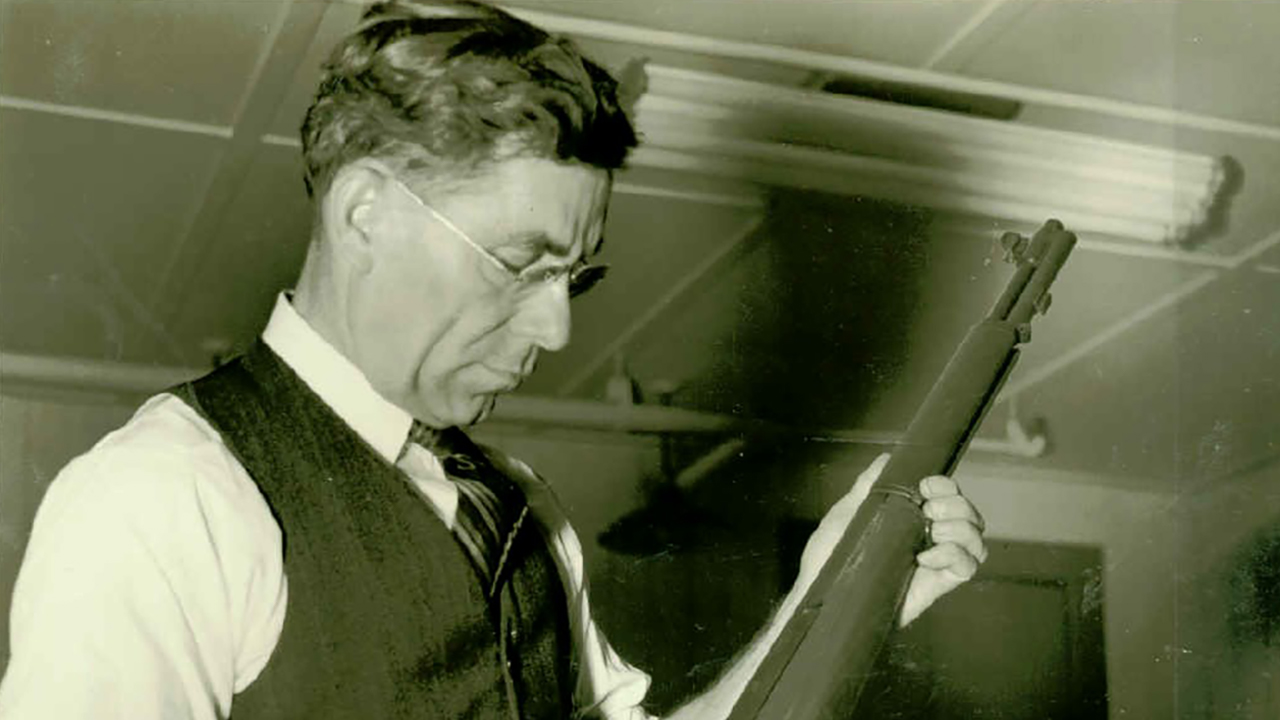
John C. Garand was a civil service employee working at Springfield Armory, and the Smithsonian notes that he received no monetary award beyond his government salary for the M1 or for his other weapons-related technical innovations. That detail adds something to the rifle’s story.
The Garand was not the product of a celebrity designer chasing a commercial market. It came from long development, testing, redesign, and government manufacturing. Knowing the man behind it worked as a civil servant makes the rifle feel even more tied to a specific moment in American industrial history.
10. It Had the Weight to Handle Its Cartridge
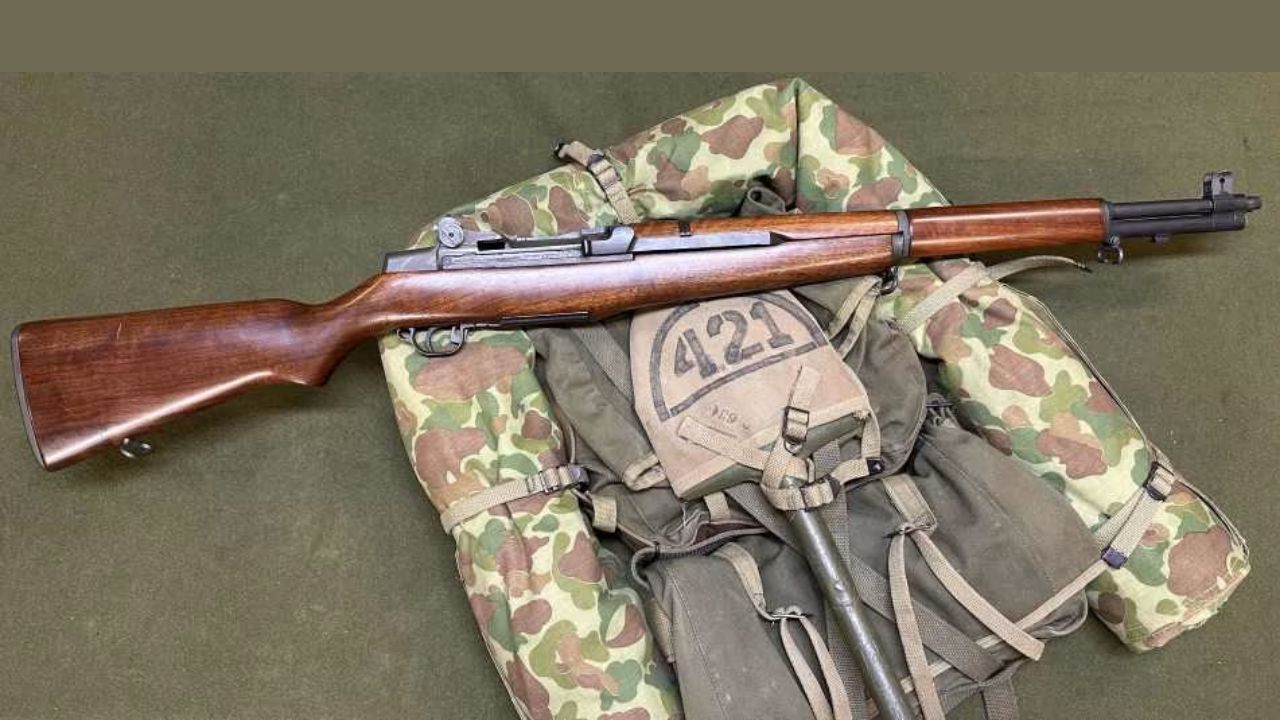
The Garand is not a light rifle. Depending on configuration, it weighs around 9.5 pounds or more. That weight can be a burden if you are carrying it all day, especially with ammo and gear. But it also helps tame the .30-06 and keep the rifle steady during firing.
That is one reason shooters still enjoy it. The rifle has recoil, but it is not as punishing as a lighter .30-06 might be. The weight, gas operation, and stock design work together to make the Garand feel controllable for a full-power rifle. It is heavy because it came from a different era, but that weight does some useful work.
11. It Replaced a Good Rifle and Still Earned Its Place

The M1903 Springfield was a respected bolt-action rifle. Replacing it was not a small thing. The Garand had to prove that semi-automatic fire was worth the complexity, manufacturing effort, and training shift. Once it did, it changed what American soldiers expected from a service rifle.
That is part of why the M1 is so memorable. It did not replace junk. It replaced a strong bolt-action rifle and still became the better answer for the war that was coming. The fact that soldiers trusted it after that transition says a lot about the design.
12. Patton’s Praise Became Part of the Mythology

General George S. Patton famously praised the M1 rifle as the greatest battle implement ever devised. That quote has followed the rifle for decades and helped cement its status in American gun culture. The line gets repeated so often because it captures how strongly the rifle was viewed by people who saw its battlefield value.
Of course, no quote should replace honest evaluation. The Garand had flaws like any weapon. But Patton’s praise stuck because it matched the rifle’s real reputation among many American troops. It was not only a collector’s favorite later. It was respected when it mattered.
13. It Served Through More Than One War
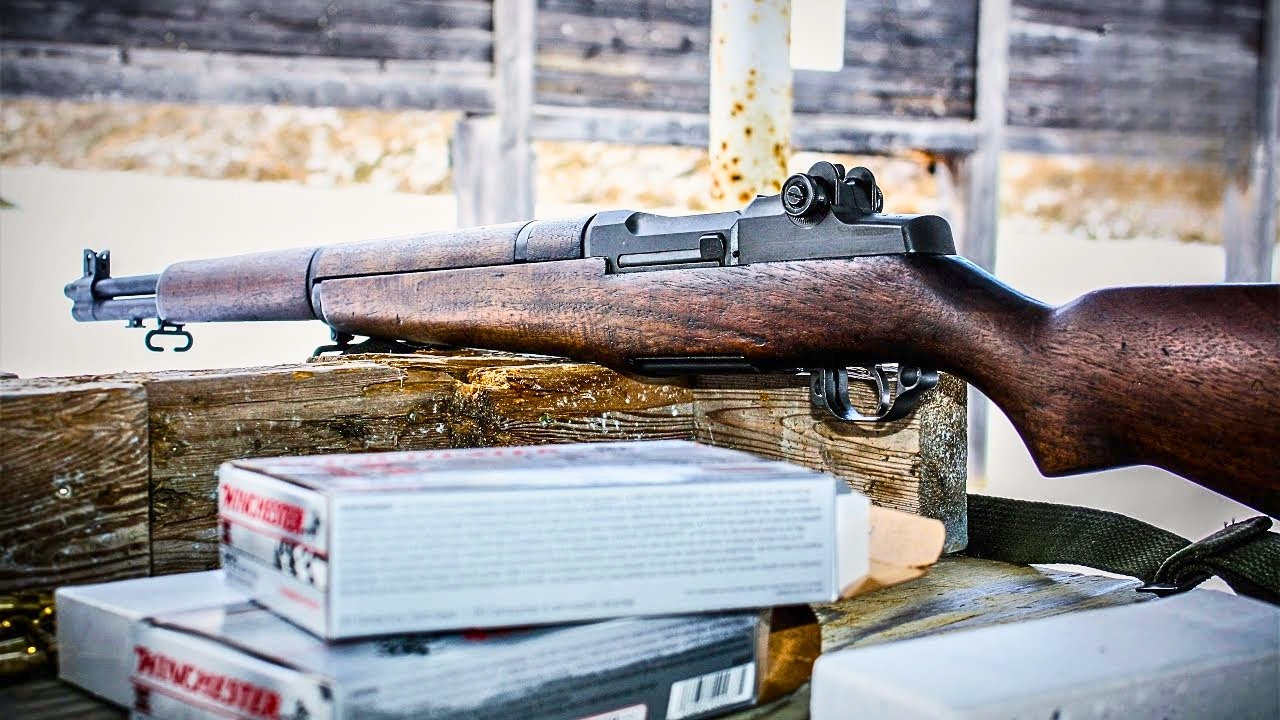
The Garand is most closely tied to World War II, but it did not stop there. It served as a major U.S. rifle through the Korean War and remained in service in various roles even after newer rifles began replacing it. Its combat history spans more than one generation of American soldiers.
That longer service life matters. Some weapons are famous because of one moment. The Garand stayed relevant across changing battlefields, from Europe and the Pacific to Korea’s brutal cold and mountains. That kind of service record deepened the rifle’s reputation and made it more than a World War II symbol.
14. It Became a Bridge Between Old and Modern Rifles
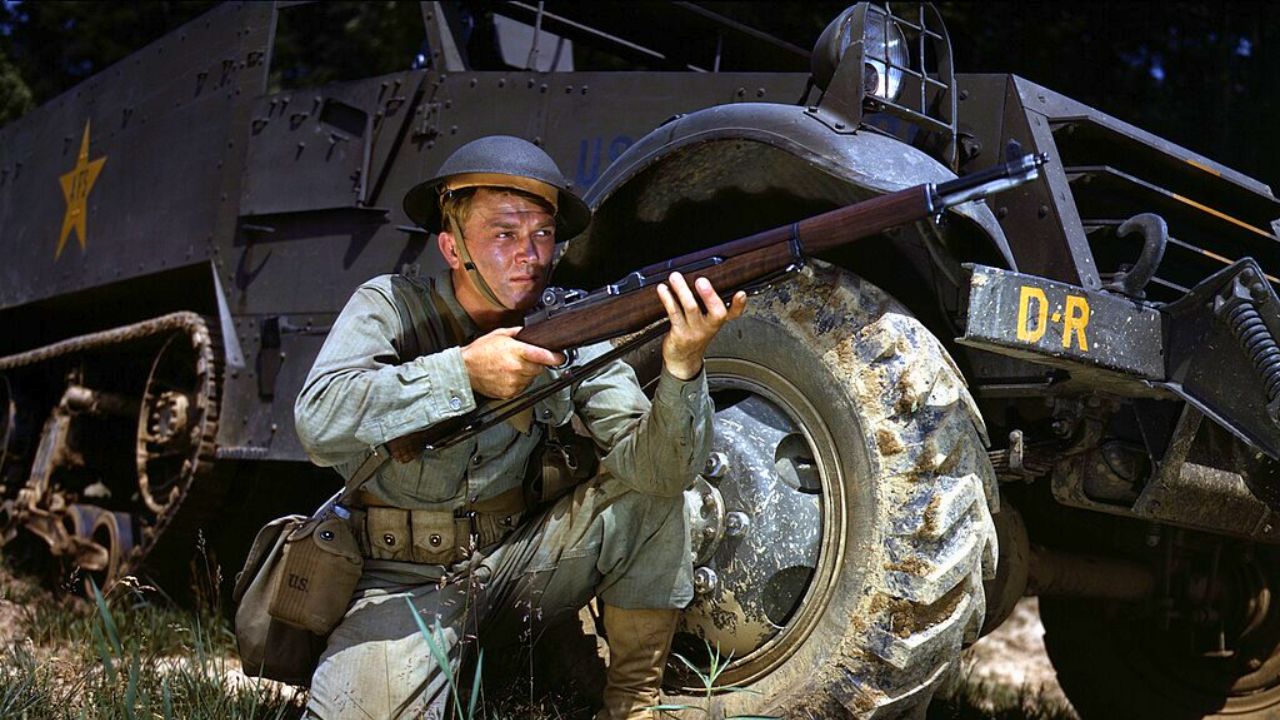
The M1 Garand sits in an interesting place in rifle history. It still has the full-power cartridge, wood stock, and long profile of earlier service rifles, but its semi-auto operation points toward the modern era. It feels old and advanced at the same time.
That bridge quality is part of the attraction. It is not a bolt-action relic, and it is not a lightweight modern carbine. It lives right between those worlds. For collectors and shooters, that makes it especially interesting. The Garand shows the moment infantry rifles started moving toward faster, semi-automatic fire as the new standard.
15. It Carries the Weight of History

The M1 Garand is unforgettable because it is not only a rifle. It is tied to Normandy, the Pacific, Korea, training camps, arsenals, veterans, drill teams, collectors, and generations of Americans who grew up hearing what it meant. The National Museum of American History identifies it as John Garand’s semiautomatic .30-caliber rifle and notes its importance to U.S. troops entering World War II.
That history is why people still care. Plenty of rifles are lighter, more accurate, easier to mount optics on, easier to reload, and better suited to modern fighting. But very few carry the same mix of mechanical character, battlefield reputation, and national memory. The M1 Garand is unforgettable because it helped define an era, and it still feels like that era when you pick it up.
Like The Avid Outdoorsman’s content? Subscribe to our newsletter so you never miss an article.
Here’s more from us: