Photo credit: Lions Creative/Shutterstock.com
“Deadliest” gets thrown around a lot with snakes, but for hunters and hikers what matters is encounter risk—how likely you are to actually cross paths with a snake that can seriously hurt or kill you. In the U.S. alone, venomous snakes bite roughly 7,000–8,000 people a year, but thanks to modern antivenom only about 5–10 of those bites are fatal. The species below are the ones that combine ugly venom with enough contact with people to matter in the real world.
Eastern diamondback rattlesnake

If you had to nominate one snake as “most dangerous” to people in North America, the eastern diamondback would be a strong contender. It’s the largest rattlesnake, with huge venom glands and long fangs, and untreated bites have been estimated to kill a significant share of victims in older case series. Add in its range across the coastal Southeast—pine flatwoods, palmetto thickets, and sandhills where people hunt, log, and build—and you get a snake that’s both potent and regularly in the same places humans walk.
Western diamondback rattlesnake

In the Southwest, the western diamondback fills the same niche: big-bodied, widespread, and responsible for a lot of serious bites. Texas and neighboring states see hundreds of rattlesnake bites annually, and western diamondbacks are a major player. Its venom isn’t the most toxic drop-for-drop, but the snake makes up for it with the amount it can deliver—often hundreds of milligrams in a full strike—which can cause severe bleeding, muscle damage, and sometimes death without treatment.
Terciopelo / fer-de-lance (Bothrops asper)
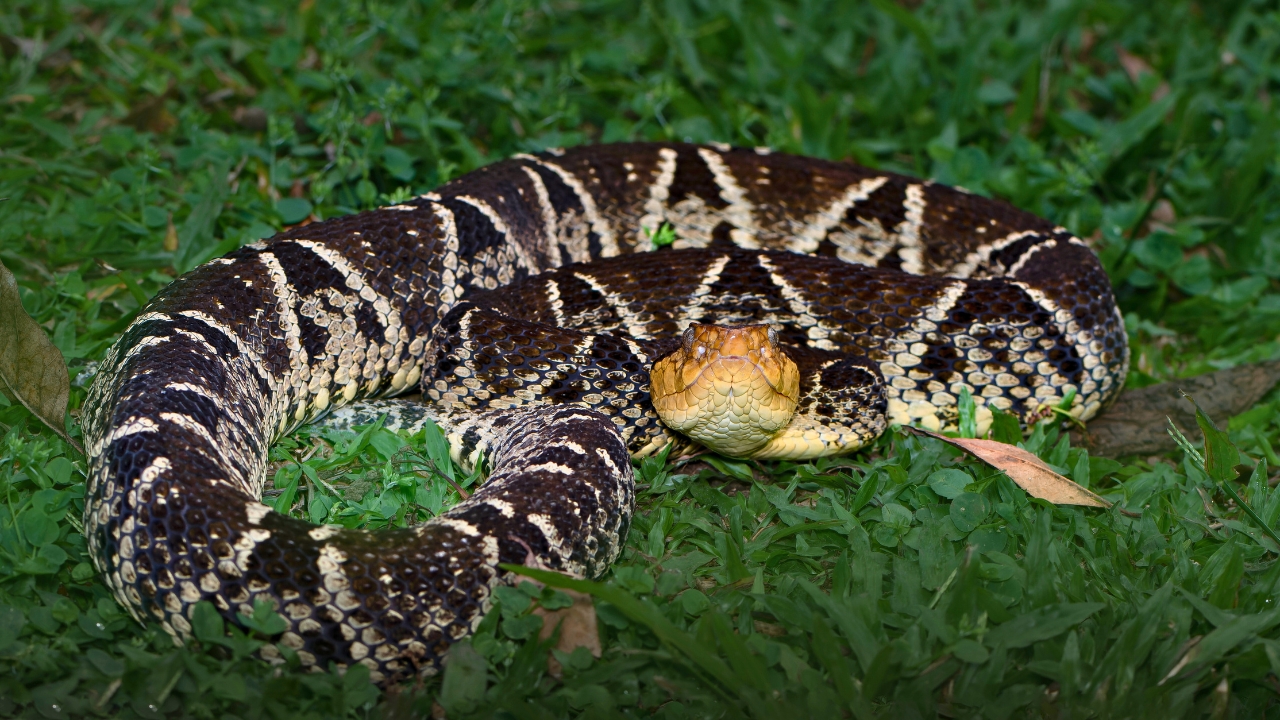
Head south into Mexico and the terciopelo (fer-de-lance) quickly jumps to the top of the risk list. This big pit viper ranges from northeastern Mexico through Central America and is responsible for the majority of snakebites across much of that region. It’s common around farms, villages, and plantations, and it’s cryptic enough that people often step within strike range before seeing it. Fatality rates have dropped with better antivenom, but local tissue destruction, bleeding, and long-term disability are still a problem in untreated or delayed cases.
Mojave rattlesnake

The Mojave rattlesnake looks a lot like other desert rattlers, but its venom can be far more dangerous. Many Mojave populations carry a neurotoxic venom mix that can shut down breathing and cause neurologic symptoms on top of the usual tissue damage. It lives in open desert and scrub in the Southwest—exactly where a lot of hunters, shooters, and campers like to wander off-trail. The overlap between human recreation and Mojave habitat keeps its encounter risk higher than its relatively small size might suggest.
Timber rattlesnake
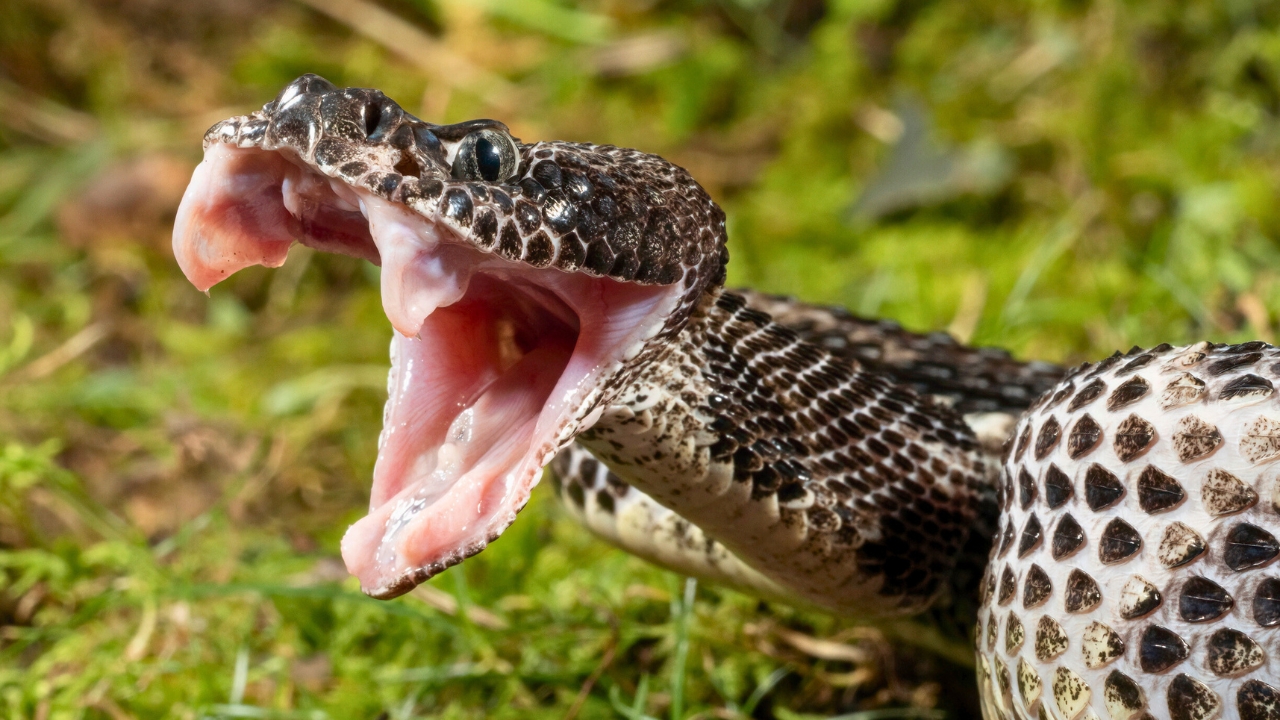
Timber rattlesnakes stretch from the Northeast down into the Appalachians and Ozarks, putting a big venomous snake right in the middle of popular deer, turkey, and backpacking country. They’re ambush predators that often sit coiled near logs, rock outcrops, and game trails—exactly the spots hunters and hikers step over. Modern data and case reports show they can carry both haemotoxic and neurotoxic components, and a recent fatal bite in Tennessee highlighted how fast things can go wrong if you get tagged and have an allergic reaction or slow access to care.
Southern Pacific rattlesnake

In Southern California, the Southern Pacific rattlesnake is the rattler most people actually get bit by. It’s common in the hills and chaparral right behind neighborhoods and trail systems, and studies show its venom can vary—from “standard” pit viper venom to mixes with significant neurotoxic effects. That combination of urban-edge habitat, plenty of hikers and dog walkers, and sometimes nasty systemic symptoms puts it high on the encounter-risk list.
Prairie rattlesnake

Head into the plains, breaks, and sage country, and prairie rattlesnakes become the classic “snake underfoot” for ranchers and Western big-game hunters. They use prairie dog towns, rock outcrops, and coulees that people and livestock move through constantly. Bites can cause significant swelling, tissue injury, and bleeding problems, and while deaths are rare with prompt care, the distance from bite sites to hospitals in remote country keeps the real-world risk higher than the lab toxicity numbers might suggest.
Copperhead

Copperheads aren’t the most toxic snake on this list, but they may be the ones people in the eastern U.S. are most likely to actually step on. In many states they’re the only venomous snake in major metro areas, and they tolerate suburbs and edge habitat very well. National poison data show copperheads account for a big chunk of venomous snakebites in the U.S. every year. Most bites aren’t fatal with treatment, but they’re painful, can cause tissue damage, and hit a lot of people who were just taking the trash out or walking the dog.
Cottonmouth / water moccasin

Cottonmouths live in the swamps, creeks, and backwaters of the Southeast—right where anglers, duck hunters, and kids with fishing poles spend their time. They bite fewer people than copperheads overall, but their venom is more damaging to tissue and can cause significant systemic effects that often warrant antivenom and hospital stays. Toss in the fact that they share rivers with big tubing and paddling crowds in states like Texas, where multiple venomous species overlap in popular water bodies, and you’ve got real encounter risk around the boat ramp.
Eastern coral snake (and other North American coral snakes)

Coral snakes don’t bite nearly as many people as pit vipers, but when they do, the risk curve looks different. Their venom is strongly neurotoxic and can cause paralysis and respiratory failure hours after what seemed like a minor bite. Bites are rare—these snakes are secretive and often fossorial—but they overlap with suburban and rural areas in the Southeast and parts of Texas. That mix of high-consequence venom and enough contact with people to keep them on toxicology radar is why they’re still considered medically important despite low bite counts.
Yellow-bellied sea snake
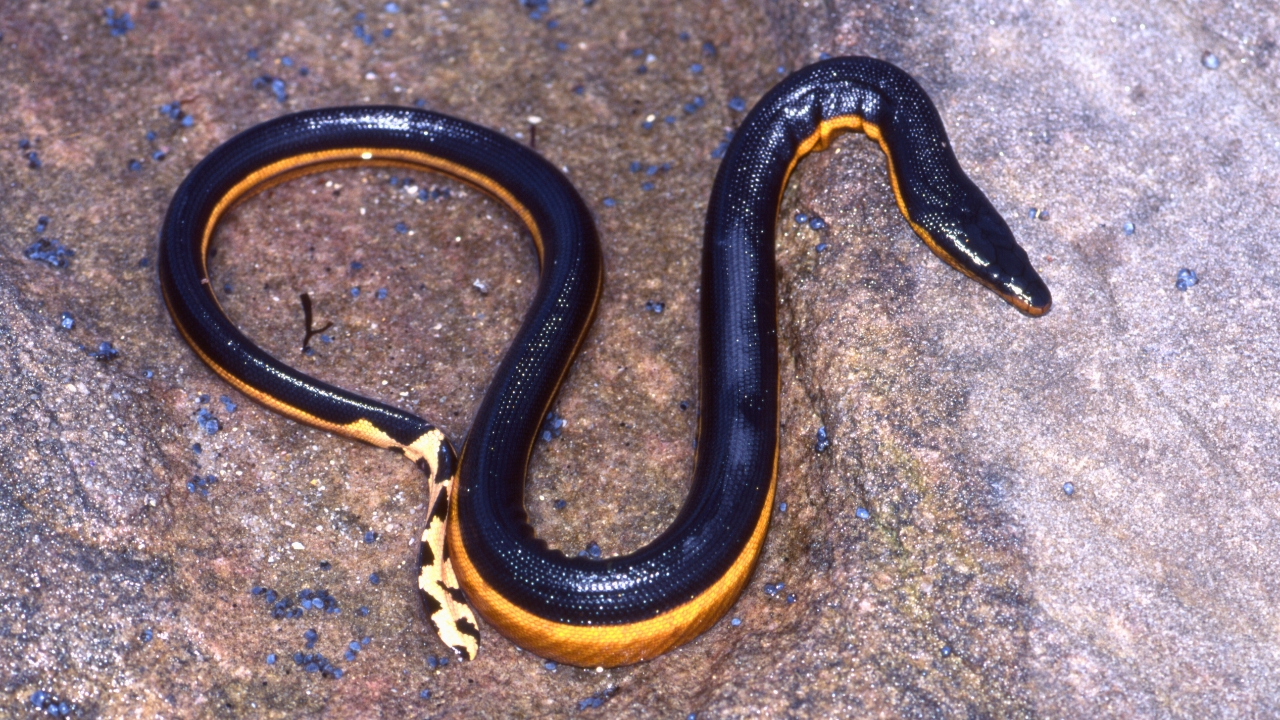
Yellow-bellied sea snakes may be the best example of why “most toxic” doesn’t always equal “most dangerous.” Their venom is among the most potent of North American snakes, but they spend almost all their time offshore and rarely come into human contact along Pacific coasts. For most hunters and hikers, they’re a non-issue. For offshore anglers, sailors, and divers in their range, though, a bite in open water without fast medical help would be about the worst snake scenario you could draw.
Massasauga rattlesnake
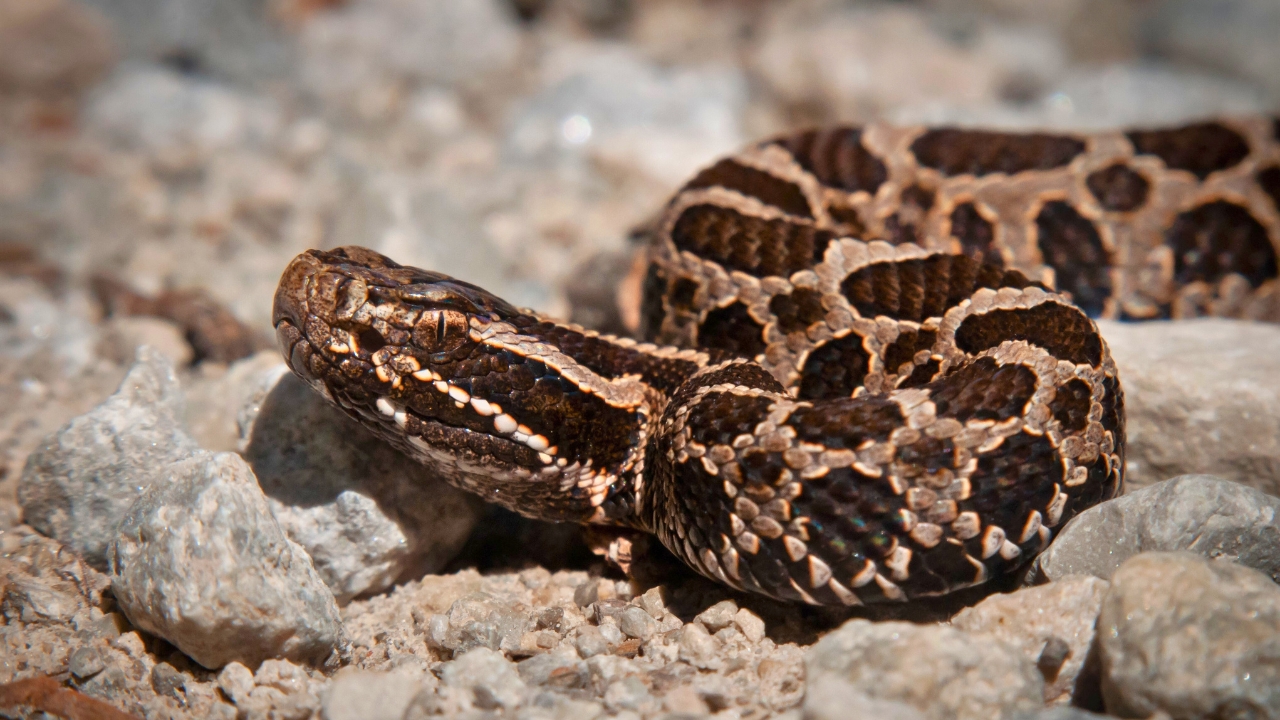
Massasaugas are small rattlesnakes scattered through parts of the Midwest, Great Lakes region, and Ontario. Sightings and bites are relatively rare, and the species is considered threatened in some areas, but when bites do happen the venom can cause significant tissue damage and blood-clotting problems. Fatalities are uncommon because the snakes inject small volumes and modern antivenom works well, yet for someone fishing a marsh edge or bird-hunting a wet meadow, it’s still a high-acuity event that can go bad if ignored.
Pygmy rattlesnake
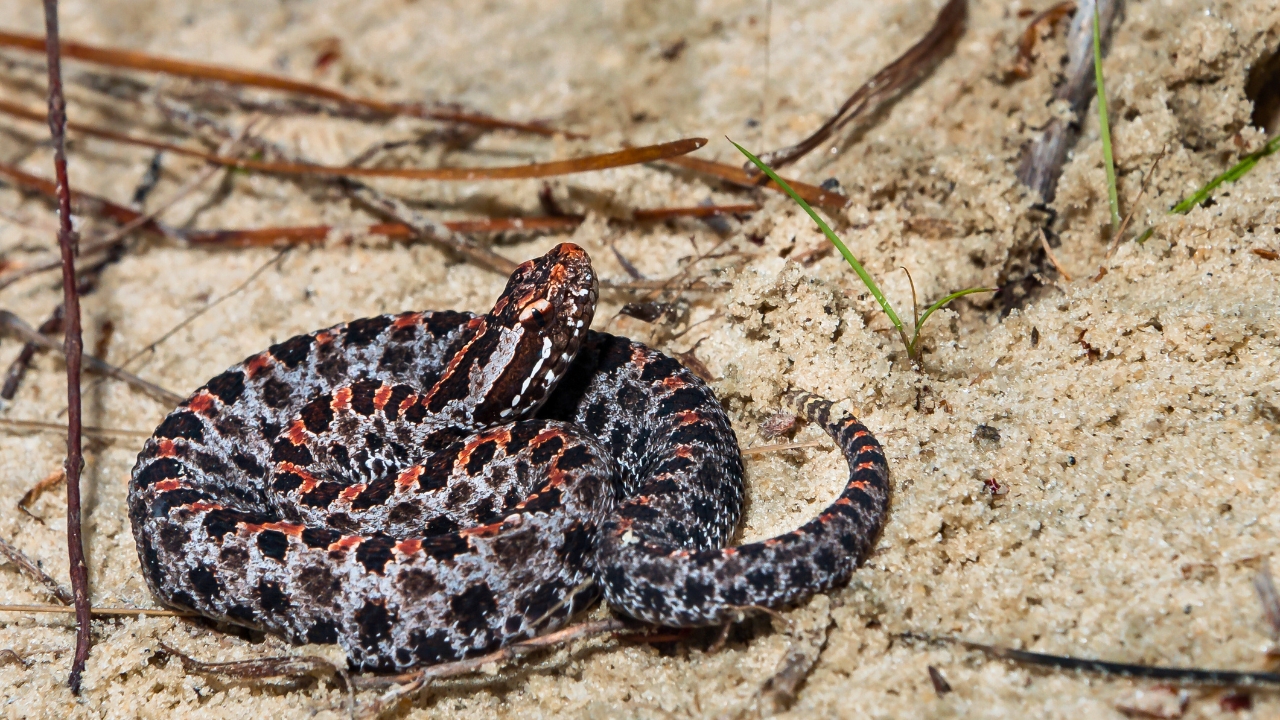
Pygmy rattlesnakes stay small, but they turn up in plenty of places people actually walk: pine woods, scrub, and even near ponds and ditches in the Southeast and parts of the Midwest. Their venom is potent enough to cause painful swelling and tissue damage, though bites are less likely to be fatal than those from larger rattlesnakes. Because they’re short and their rattle is tiny and hard to hear, they’re easy to step near without noticing, which quietly bumps their encounter risk for turkey hunters, small-game hunters, and landowners.
Like The Avid Outdoorsman’s content? Subscribe to our newsletter so you never miss an article.
Here’s more from us: